
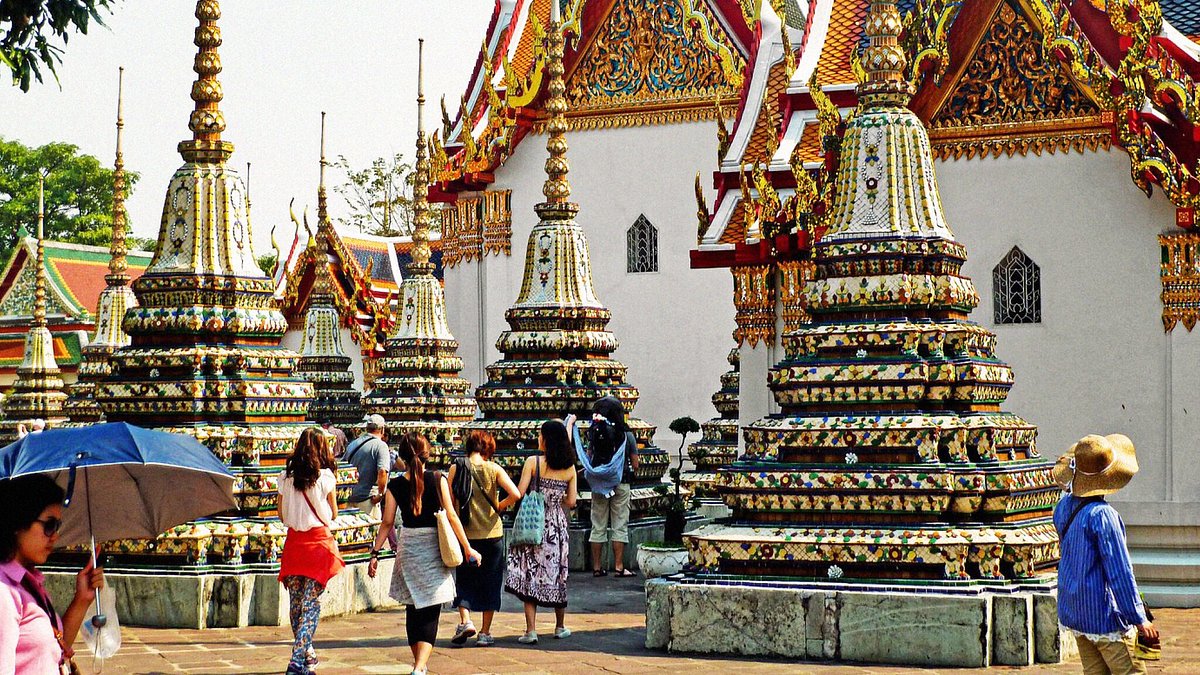
Best Places to Visit Bangkok: Complete Travel Guide 2026

Rohan Malhotra
February 19, 2026
Discover Bangkok's best places: Grand Palace, Wat Arun, floating markets, street food, shopping & more. Complete travel guide.
Best Places to Visit in Bangkok: Complete City Guide for First-Timers
Bangkok is one of Southeast Asia’s most dynamic capitals, and first-time travelers often struggle with where to begin. The city has everything at once: historic temples, modern malls, floating markets, food lanes, rooftop views, and river-side heritage zones. Without a plan, it is easy to lose time in traffic and miss the best experiences. With smart route design, Bangkok becomes highly efficient and rewarding.
This guide focuses on practical sightseeing for first-time visitors: what to prioritize, how to group attractions by area, and how to balance culture with food and modern city experiences. For seasonal context, pair this with best time to visit Bangkok and evening planning via Thailand nightlife guide.
1) Grand Palace and Wat Phra Kaew Zone
The Grand Palace area is usually the top first-time stop because it anchors Bangkok’s royal and historical identity. Architecture detail, ceremonial design, and temple compounds in this zone give immediate cultural context. Arrive early to avoid heat and crowd pressure, and keep dress code requirements in mind.
Spend enough time here instead of rushing through only for photos. It is better to do this zone slowly and skip one lesser stop later than to run through major heritage points without context.
2) Wat Pho and Riverside Temple Circuit
Wat Pho is one of Bangkok’s most iconic temple visits and pairs naturally with nearby river crossings. Temple architecture, courtyards, and historical atmosphere make this a strong morning or late-afternoon block. Keep footwear and clothing practical for temple etiquette.
You can combine this section with Wat Arun guide for a complete riverside heritage sequence. Boat movement between these points is often more efficient than road transfers during peak traffic.

3) Chao Phraya River Experience
The river is not just transport; it is one of Bangkok’s best orientation tools. Boat routes allow you to connect major cultural zones while avoiding heavy road congestion. River movement also gives a strong visual overview of old and new Bangkok together.
For first-timers, keep one full river-based block in itinerary. Start from a major pier, cover two temple points, and finish with a riverside meal or sunset viewpoint. This structure saves time and improves trip flow.
4) Floating Market Experience
Floating markets are popular but need smart expectation setting. Some are more authentic and local-paced, while others are curated mainly for tourism. Choose one market based on timing and location feasibility. Early departures usually work best for comfort and photo conditions.
If your schedule is short, choose one strong market visit instead of trying multiple similar stops. Combine it with city highlights from things to do in Thailand for a balanced day plan.

5) Chinatown and Street Food Districts
Bangkok’s food culture is a destination on its own. Chinatown and nearby food lanes are ideal for evening exploration, especially if you want high-energy atmosphere and broad tasting options. Keep your food plan flexible and try smaller portions across multiple stalls instead of one heavy meal.
For safe food exploration, choose high-turnover stalls, visible cleanliness, and freshly prepared items. Carry small cash for easier ordering in busy areas.
6) Modern Bangkok: Malls and Skywalk Areas
Bangkok’s mall culture is highly developed and useful for both shopping and weather-proof itinerary planning. On hot or rainy afternoons, covered malls, skywalk links, and indoor food courts can save your day plan without feeling like compromise.
If you are interested in city retail and urban lifestyle, include one block around major shopping districts and compare options with Central World shopping guide.
7) Parks and Slow-Paced Urban Breaks
Between dense sightseeing clusters, Bangkok parks and quieter zones help reduce travel fatigue. A short park break, cafe stop, or canal-side walk can make your itinerary sustainable across multiple days. Do not overpack your day with five high-intensity checkpoints.
A useful travel rule: one major cultural stop, one modern city stop, and one flexible food/walk segment per day.
How to Plan Bangkok by Area (Not by Random List)
Traffic is the biggest planning variable. Group attractions geographically and avoid zigzag movement. Day 1 can focus on old-city temples and river routes. Day 2 can focus on modern districts, malls, and evening food streets. Day 3 can cover one market and one backup cultural stop.
This area-based planning style is much more efficient than following generic top-10 lists in random order.
Best Time of Day for Key Attractions
Temples and palace zones: early morning for lower heat and better walking comfort.
Markets: morning for floating markets, evening for street-food lanes.
Malls and indoor attractions: midday when heat and traffic peak.
Riverside views: late afternoon to evening for atmosphere and photos.
Time-block planning improves trip quality more than adding extra places.
What to Wear and Carry in Bangkok
Bangkok weather can be hot and humid for most of the year. Wear breathable clothing, comfortable walking footwear, and keep hydration constant. For temple visits, carry modest coverage layers. Add sunscreen, power bank, and a small umbrella or rain layer depending on season.
Avoid heavy backpacks unless necessary. Light, organized carry setup is better for repeated transfer movement.
Sample 3-Day First-Timer Itinerary
Day 1: Grand Palace area + Wat Pho + evening riverfront.
Day 2: Modern city district + mall block + Chinatown dinner.
Day 3: Floating market morning + flexible cultural stop + shopping/food evening.
This gives cultural depth, modern contrast, and local flavor without overloading movement.

Where to Stay for Sightseeing Efficiency
Choosing the right base changes your entire Bangkok experience. If temples and old-city landmarks are your priority, stay near riverside piers or areas with quick boat access. If shopping and transit convenience matter more, pick a hotel near BTS or MRT interchange zones. Families usually benefit from quieter neighborhoods connected to metro lines, while short-stay travelers can choose central zones with direct airport connectivity.
Before booking, check walking distance to transit, not just map distance in kilometers. In Bangkok heat, a 12-minute shaded walk is manageable, but an unshaded 20-minute route can drain your day quickly. Also compare nearby breakfast options, pharmacy access, and late-night food availability to avoid wasting evening time searching basics.
Smart Budget Split for Bangkok Trip Planning
Most first-time visitors overspend on short taxi rides and under-budget for experiences. A better model is to keep a flexible daily split: transport, attractions, food, and one optional premium item like a rooftop meal or curated cultural activity. River ferries and rail systems reduce transport cost significantly compared with repeated app-cab usage in high traffic windows.
For attraction-heavy days, pre-buy tickets where possible and keep cash for smaller local expenses. Street food and local restaurants can keep meals affordable without reducing quality. If you want a broader Thailand circuit after Bangkok, review how to go Thailand from India for route planning and entry logistics, then align city days around your inbound and outbound flights.
Common Mistakes to Avoid
First-time visitors often underestimate travel time and overestimate how many attractions fit in one day. Another mistake is ignoring temple dress requirements and losing entry time. Some travelers also skip river transport and spend too much time in road traffic.
Fix these issues early: plan by area, keep one flexible block daily, and prioritize experience quality over checklist volume.
Final Takeaway
Bangkok is best enjoyed through structured flexibility. Pick high-value zones, move smartly by time and geography, and balance heritage with food and modern city energy. When planned this way, the city feels exciting rather than chaotic.
If this is your first visit, keep your plan practical, weather-aware, and area-based. You will cover more meaningfully and enjoy the city at a sustainable pace.
Location
Frequently Asked Questions
Q1.What is the best time to visit Bangkok?
Q2.How many days are enough for Bangkok?
Q3.Is Bangkok expensive for tourists?
Q4.What is the dress code for Bangkok temples?
Q5.How do I get around Bangkok?
Q6.Is street food safe to eat in Bangkok?
Q7.What are the must-visit places in Bangkok?
Q8.Do I need a visa for Bangkok?
Recommended For You
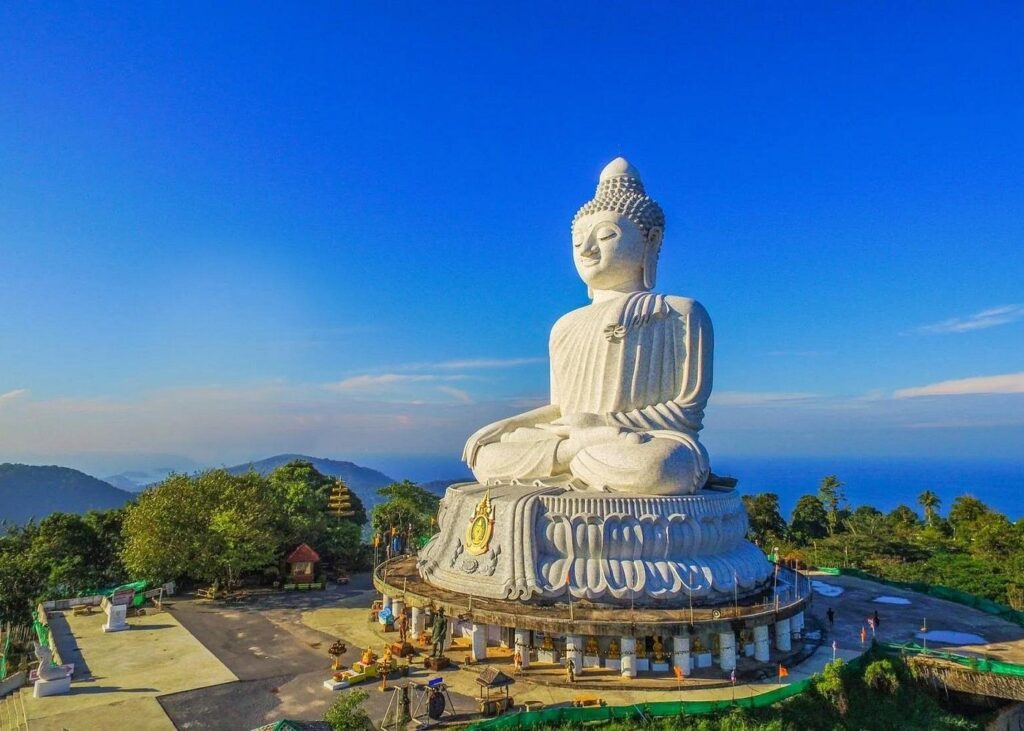
Big Buddha Phuket: Visit Timing, Access and Tips
Visit Big Buddha Phuket with timing strategy, route planning, and practical tips for a smoother and more meaningful hilltop temple experience.
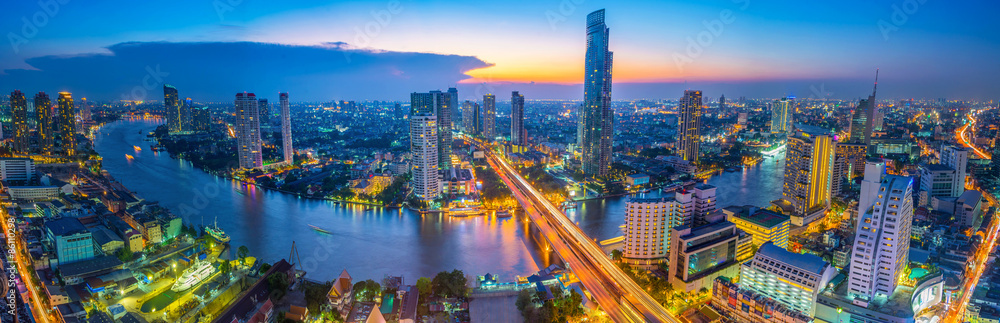
Best Time to Visit Bangkok: Weather, Festivals & Travel Costs
Find the best time to visit Bangkok by season, weather, festivals, crowds, and budget to plan a smoother Thailand trip.
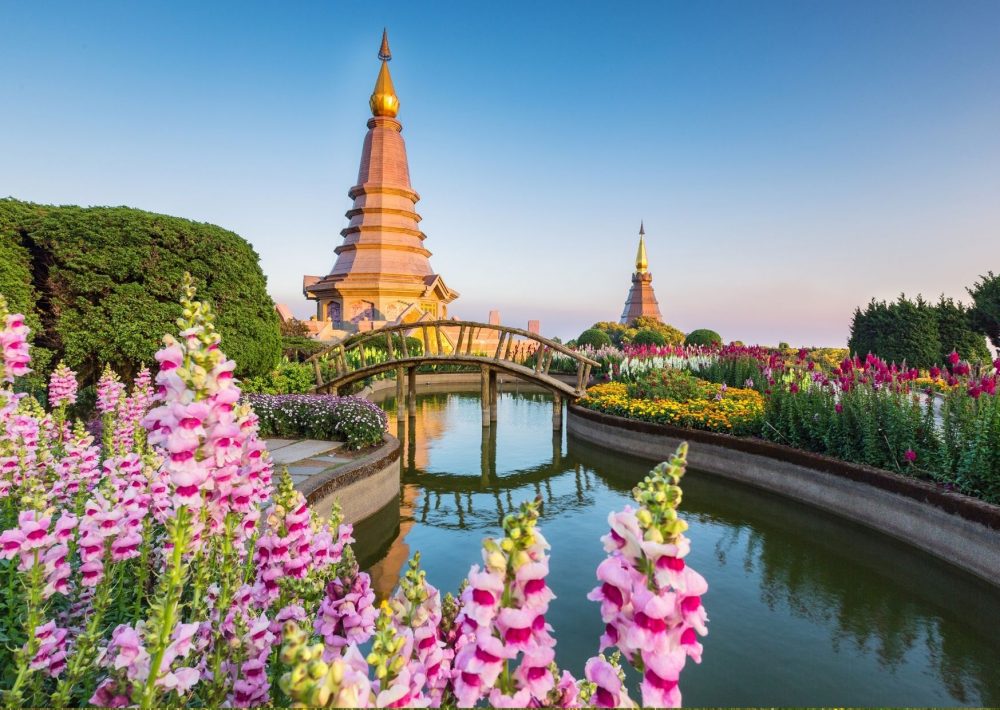
Thailand Cities to Visit: Top 10 Places & Itinerary
Discover the best Thailand cities to visit with practical itinerary combinations, city highlights, trip duration advice, and budget planning tips for first-timers.
Never Miss an Adventure
Get the latest trekking guides, travel tips, and exclusive offers delivered straight to your inbox.
