
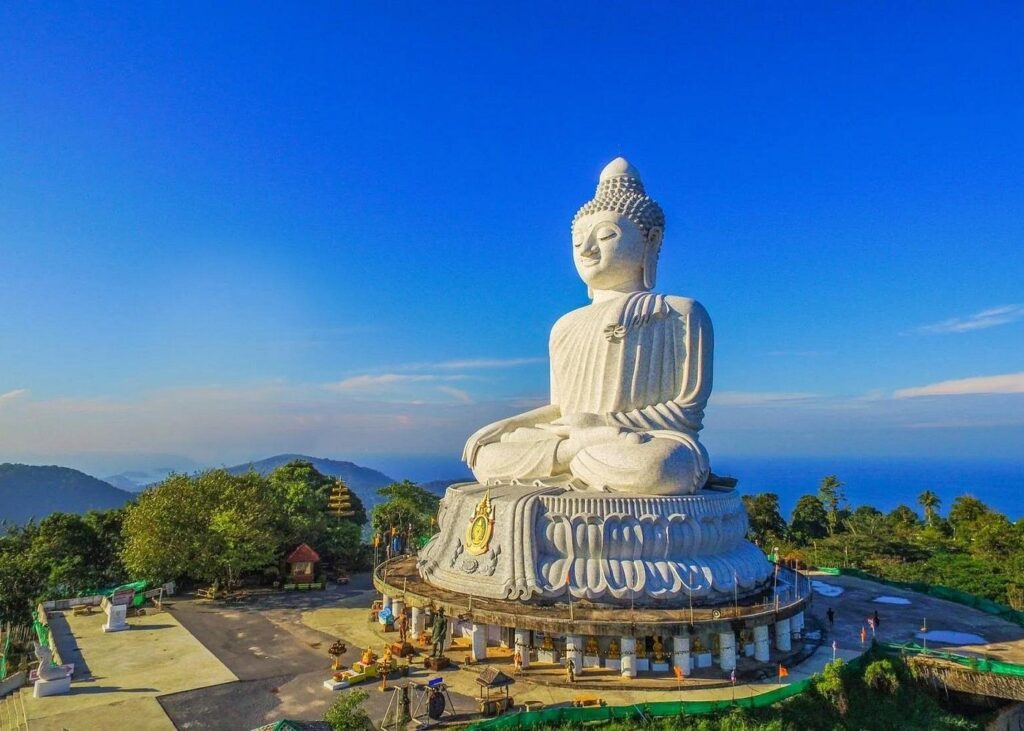
Big Buddha Phuket: Visit Timing, Access and Tips
Ananya Sharma
February 18, 2026
Visit Big Buddha Phuket with timing strategy, route planning, and practical tips for a smoother and more meaningful hilltop temple experience.
Big Buddha Phuket: Complete Visit Planning Guide
Big Buddha Phuket is one of the island’s most recognized landmarks, combining spiritual atmosphere, panoramic hilltop views, and a calm pause from beach-heavy itineraries. Located on Nakkerd Hill, the site is visually impressive and culturally meaningful when visited with respectful behavior and practical timing. Many travelers include it as a quick stop, but the experience is much better when planned as a focused half-day block with realistic travel buffers.
The location works for different visitor types: first-time Phuket travelers, families seeking a quieter cultural stop, and photographers who want wide-angle island viewpoints. This guide explains best timing, route decisions, etiquette, and how to pair the visit with nearby plans. You can combine this with best time to visit Bangkok, broader context from shopping in Thailand, and trip extensions through Phi Phi Islands Thailand.
Why Big Buddha Is More Than a Viewpoint
Although many visitors come for photos, Big Buddha is first a sacred Buddhist site and should be treated respectfully. The statue’s scale and elevated setting create a quiet, reflective mood, especially in early hours. This spiritual context is important because visitor behavior directly affects the atmosphere for worshippers and local caretakers.
Beyond spirituality, the site also helps you understand Phuket’s geography. From the hilltop, you can orient beaches, inland roads, and surrounding ridges in one frame. That perspective is useful when planning the rest of your trip, especially if you are balancing beach days with cultural stops and market routes.
Best Time to Visit Big Buddha Phuket
Early morning is usually best for comfort, lighter crowds, and cleaner visibility. Late afternoon can be scenic, but crowd density often rises, especially in peak travel months. Midday sun can be harsh, so avoid tight noon schedules unless weather is overcast and you are comfortable with heat.

| Visit Window | Experience | Recommended For |
|---|---|---|
| Early morning | Cooler weather, fewer crowds | Families and calm visits |
| Late afternoon | Soft light and scenic mood | Photography-focused travelers |
| Midday | Brighter but hotter conditions | Only if schedule is tight |
If your itinerary includes nightlife or long beach sessions, plan Big Buddha earlier in the day and keep evenings flexible for leisure plans such as nightlife in Thailand.
How to Reach and Plan Transfers
Reaching Big Buddha usually involves a hill drive with winding sections, so transfer timing matters. Taxi and ride services are convenient for most travelers. Scooter routes are popular but require confidence on inclines and curved roads. Self-driving visitors should keep parking and turnaround time in mind before adding multiple stops in one day.
The common planning mistake is stacking too many attractions after Big Buddha without buffers. A better approach is one cultural stop plus one coastal segment. If you are exploring multiple Thai destinations, logistics references like how to go Thailand from India can help organize regional movement better.

Dress Code, Etiquette, and On-Site Conduct
As an active religious place, modest clothing is expected. Shoulders and knees should be covered. Avoid loud conversation, disruptive posing, and blocking worship zones for photos. The best way to enjoy the place is simple: move slowly, observe quietly, and respect volunteers and signage.
- Wear modest, breathable clothing suited for a temple setting.
- Carry water but avoid littering or casual food handling in sacred zones.
- Follow directional flow and queue discipline at busy points.
- Ask before photographing people engaged in prayer.
- Keep time buffers so your visit does not feel rushed.
Respectful behavior not only improves your own experience but also protects the spiritual tone of the site for everyone present.
Photography Tips and What to Focus On
Big Buddha photography works best with a mix of close texture shots and wide environmental frames. Capture marble surface details, viewpoint lines, and pathway compositions rather than only front-facing statue shots. Morning and late-afternoon light usually deliver stronger contrast and less glare.

For mobile photographers, use grid lines to keep horizon straight in panoramic shots. For larger cameras, carry minimal gear because walking slopes and stairs can be tiring in heat. If weather is hazy, focus on foreground architectural details instead of distant skyline clarity.
How Much Time to Keep and What to Combine Nearby
A focused Big Buddha visit usually takes 1.5 to 2.5 hours including transfer, short walk, viewing, and prayer time. If you want a relaxed pace with photography and rest, keep 3 hours. Do not overload the day with too many distant stops. One nearby beach break or café stop is enough for most travelers.
Useful combinations include a light cultural circuit followed by food exploration from food in Thailand or seasonal route adjustments through festivals in Thailand. Balanced planning leads to better energy and better decisions for the rest of the day.
Conclusion
Big buddha phuket is a landmark best experienced with respect, pacing, and route clarity. It offers spiritual depth and scenic value in one destination, but the quality of your visit depends on timing, etiquette, and realistic scheduling. Plan it as a meaningful half-day block, keep the atmosphere calm, and pair it with one or two nearby activities for the best Phuket experience.
Final Planning Checklist Before You Go
Before leaving for Big Buddha, run a quick checklist: modest clothing packed, transport booked with return option, water and sun protection ready, and one clear time window reserved for unhurried temple movement. This reduces common stress points such as late arrival, rushed descent, and overcrowded transfer decisions. If weather appears unstable, keep a backup time slot instead of forcing a tight schedule.
Travelers who treat Big Buddha as a mindful stop usually report better overall Phuket day quality. The visit works best when combined with one additional activity only, such as a beach pause or local food stop. Keep evening plans flexible, and prioritize respectful behavior over speed. A calm, well-paced visit gives both spiritual value and strong viewpoint satisfaction.
Choose comfort and respect over speed, and this landmark visit will feel far more complete.
Arrive prepared, stay respectful, and allow enough time to absorb the spiritual setting fully.
Location
Frequently Asked Questions
Q1.When is best time to visit Big Buddha Phuket?
Q2.Is route planning important?
Q3.Can I combine with nearby attractions?
Q4.Is this a spiritual site?
Q5.How much time should I keep?
Q6.Is this family-friendly?
Q7.What improves visit quality?
Q8.Should I avoid overpacked day plans?
Recommended For You
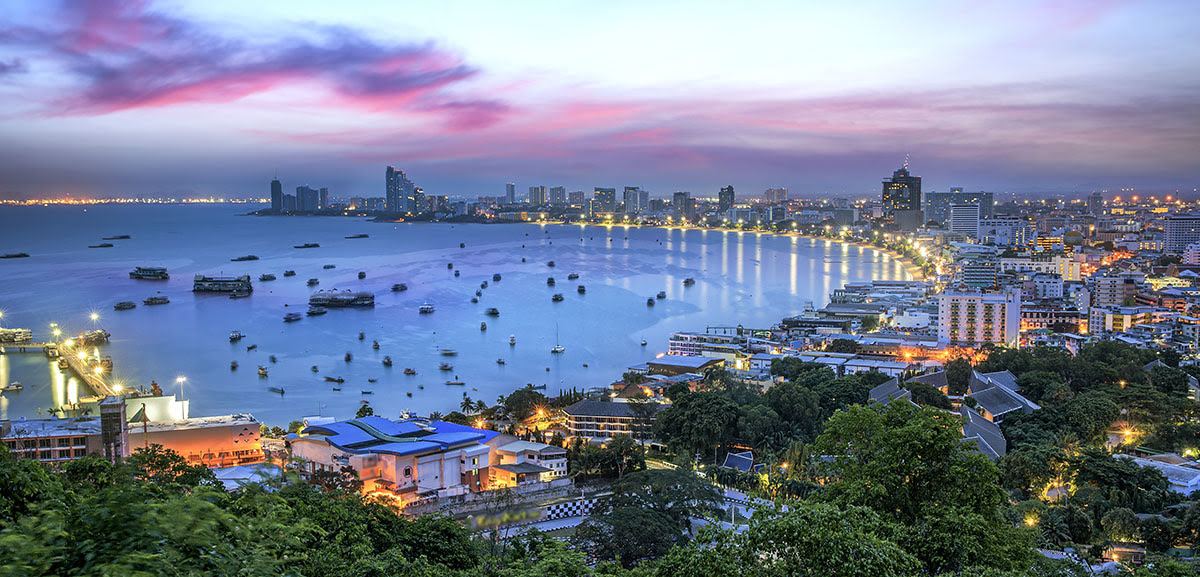
Beaches Pattaya: Best Time, Activities and Safety Tips
Explore Pattaya beaches with best-time planning, activity selection, crowd strategy, and practical safety tips for a better Thailand coastal day plan.
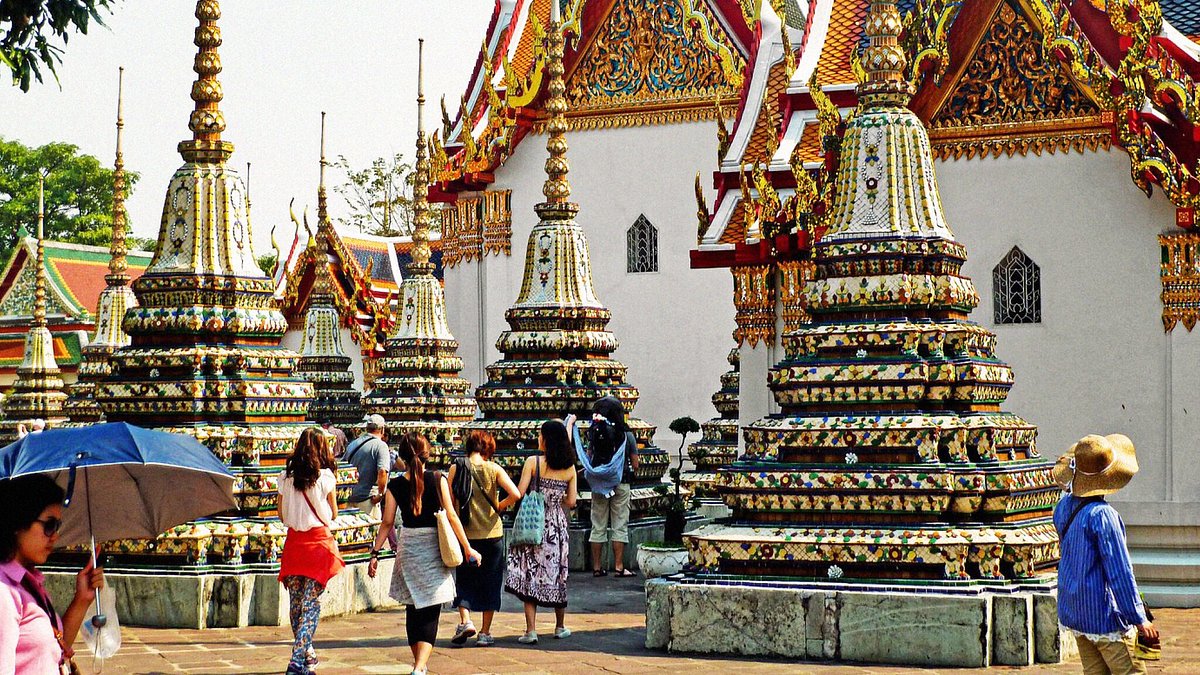
Best Places to Visit Bangkok: Complete Travel Guide 2026
Discover Bangkok's best places: Grand Palace, Wat Arun, floating markets, street food, shopping & more. Complete travel guide.
Best Things to Do in Vietnam: Top Activities
Discover the best things to do in Vietnam with practical city, nature, food, and adventure ideas for a balanced trip.
Never Miss an Adventure
Get the latest trekking guides, travel tips, and exclusive offers delivered straight to your inbox.
