
Wat Arun Bangkok: Timings, Dress Code & River Access

Priya Mehta
February 20, 2026
Visit Wat Arun Temple of Dawn Bangkok. Timing, entry fee, dress code, how to reach, sunset view & best time to visit this iconic Thai temple.
Introduction: Temple of Dawn
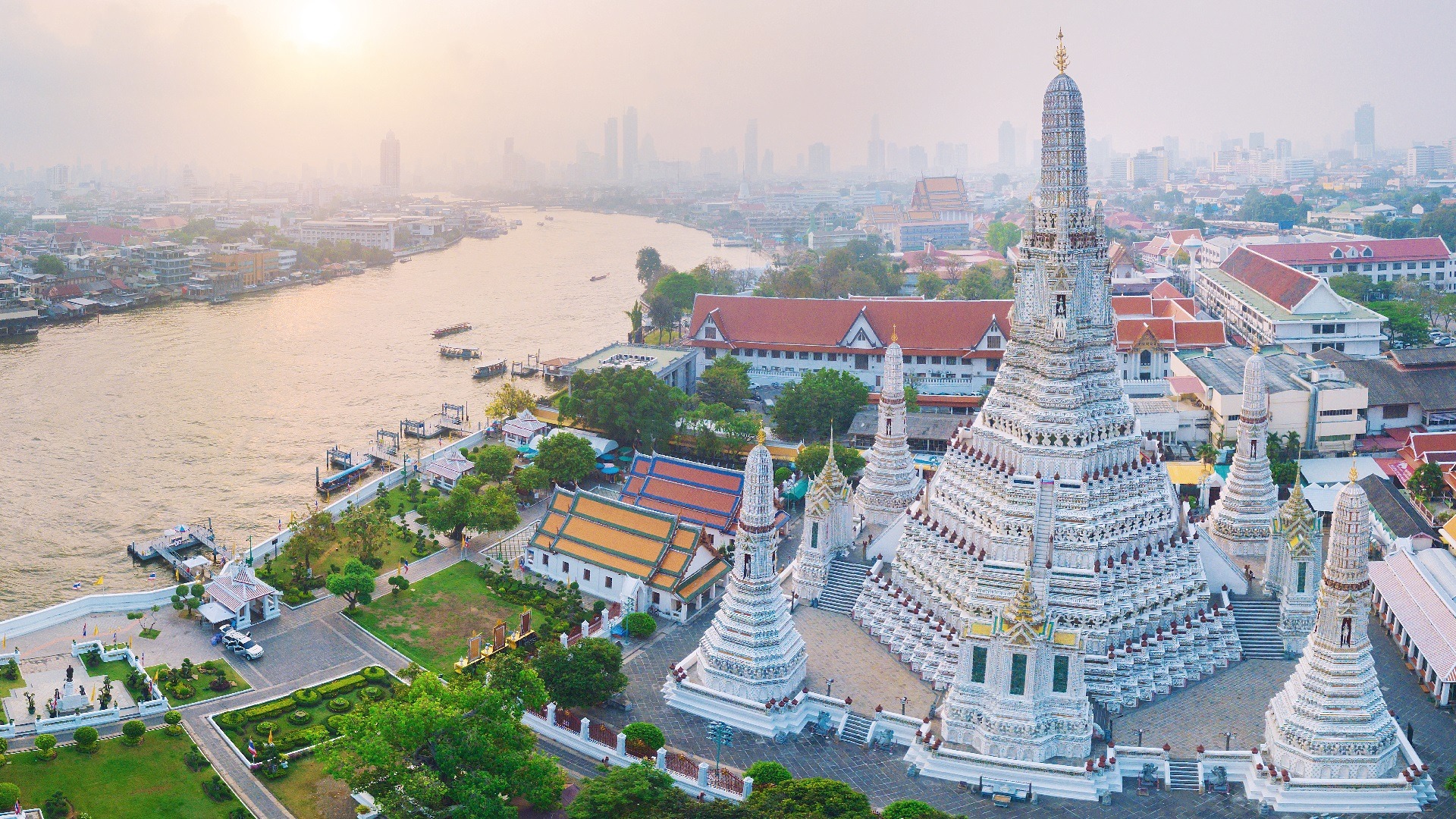
Wat Arun, officially known as Wat Arun Ratchawararam Ratchaworamahawihan, is one of Bangkok's most iconic and visually stunning temples. Rising dramatically along the west bank of the Chao Phraya River, this magnificent Buddhist temple represents the pinnacle of Thai architecture and artistic achievement. Its central prang (tower) reaches 104 meters into the sky, making it one of Bangkok's tallest structures and an instantly recognizable part of the city's skyline.
Built in the 19th century during the reign of King Rama III, Wat Arun was intended to be Bangkok's most important temple, though its location away from the Grand Palace complex meant it never quite achieved that status. Today, however, Wat Arun draws visitors from around the world who come to admire its exquisite architecture, intricate details, and especially for the spectacular sunset views across the river toward Wat Pho and the Grand Palace.
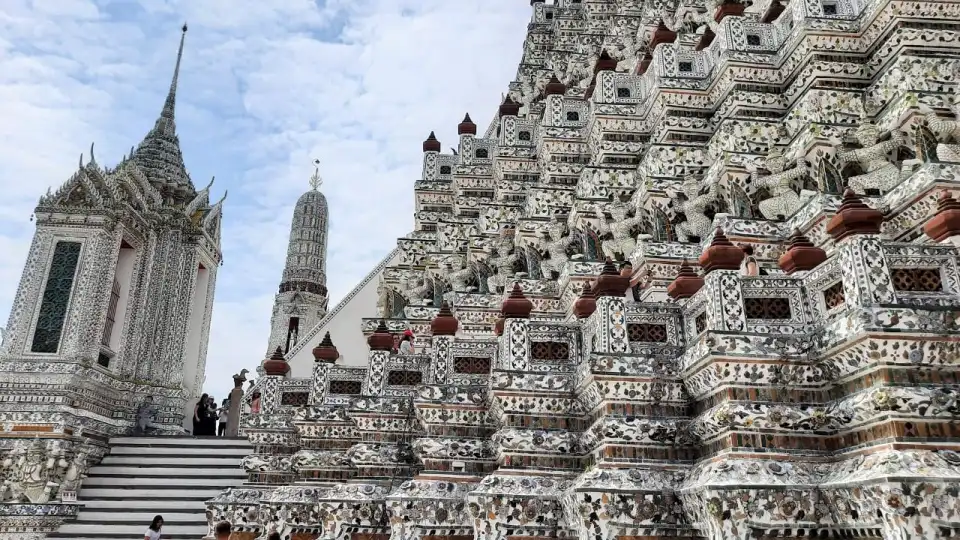
The temple is particularly famous for its incredible Khmer-style architecture, distinct from the Bangkok-style seen in most other city temples. The four-corner prangs, the central towering spire, and the extensive use of seashells and porcelain in the decoration create an aesthetic that's uniquely beautiful, especially when illuminated at night.
About Wat Arun
Wat Arun was built between 1809 and 1851 on the site of an earlier temple. The name "Arun" comes from the Hindu god Aruna, the charioteer of the sun god Surya, symbolizing the temple's radiant beauty at dawn. The temple's riverside location was strategically chosen to be visible from the palace across the river, creating a stunning visual focal point for the city.
The complex covers an area of approximately 10 acres and includes the main ordination hall (viharn), several smaller viharns, libraries, and living quarters for monks. However, it's the prangs (towers) that truly distinguish Wat Arun. The central prang stands 104 meters tall, while the four corner prangs reach approximately 80 meters each, creating an imposing architectural presence that dominates the riverside.
What makes Wat Arun particularly significant in Thai Buddhism is that it was the first major temple built in Bangkok by the Chakri dynasty, establishing architectural and artistic standards that would influence subsequent temple construction throughout the Rattanakosin period.
Architecture & Design
Wat Arun's architectural style is heavily influenced by Khmer design, reflecting the cultural and artistic connections between Thailand and Cambodia. The prangs are reminiscent of Angkor Wat in Cambodia, though Thai artisans developed their own distinctive interpretation.
The prangs are constructed from brick covered with stucco, featuring intricate decorative elements created from millions of seashells and pieces of Chinese porcelain. This encrusted decoration creates a shimmering effect, especially when sunlight catches the surface. The vertical recesses and ascending tiers create a sense of upward movement, drawing the eye heavenward—a symbolic representation of spiritual ascent.
The central prang can be climbed via a steep staircase (currently closed for renovation), offering panoramic views of Bangkok and the river. The four corner prangs symbolize the four continents of Buddhist cosmology, while the central tower represents Mount Meru, the center of the Buddhist universe.
Timings & Entry Fee
Opening Hours: Daily from 8:30 AM to 5:30 PM. Last admission is at 5:15 PM. The temple is open every day, including weekends and holidays, with no scheduled closure days. However, avoid visiting during important Buddhist holidays when the temple may host ceremonies that limit tourist access.
Entry Fee: 100 baht for foreign nationals (approximately $3 USD). Thai citizens enter free. Children under a certain height (usually under 100-120 cm) enter free. Tickets can be purchased at the entrance gate—cash is preferred, though cards may be accepted. Keep your ticket with you as officials may check it inside the complex.
Best Time to Visit
Sunset (5:30-6:30 PM): The golden hour is when Wat Arun truly shines. The setting sun illuminates the prangs with a warm golden glow, creating spectacular reflections. This is also when the opposite bank of the river comes alive with photographers and viewers enjoying the view. If you're coming specifically for sunset photography, arrive by 5:00 PM to secure a good position along the riverbank across from Wat Arun.
Morning (8:30-10:00 AM): Early morning offers the best light for photographing the temple itself without harsh shadows. The temperature is cooler, and crowds are thinner. Morning light hitting the prangs creates beautiful contrasts against the blue sky.
Weather Considerations: November to February offers cool, dry weather perfect for exploring outdoor sites. March to May can be hot (35°C+) but still manageable. June to October sees rainy season when gray skies can obscure views and outdoor exploration becomes challenging with sudden downpours.
For travelers planning more of Thailand, combine Wat Arun with top places to visit in Bangkok, evening plans from this Thailand nightlife guide, seasonal planning via Thailand festivals, and beach extensions like Ao Nang in Krabi.
How to Reach
By BTS Skytrain: Take the Silom Line to Saphan Taksin Station (S6). From there, take the Chao Phraya River Express boat to Wat Arun Pier (N8). The boat journey is scenic and inexpensive (around 16 baht). The total journey from central Bangkok takes about 30-40 minutes.
By Taxi: Taxis and ride-hailing apps (Grab, Bolt) can bring you directly to Wat Arun. Specify "Wat Arun" or show the Thai name. This is the most convenient but most expensive option (200-300 baht from central Bangkok depending on traffic).
By Bus: Several bus lines stop near Wat Arun. Bus routes 19, 57, and 83 connect the temple to various parts of Bangkok. Check current routes and schedules as they may change.
Sunset View Experience
The most famous aspect of visiting Wat Arun is experiencing the sunset view from the opposite riverbank, near Wat Pho. As the sun sets behind the Chao Phraya River, Wat Arun's prangs are silhouetted against the colorful sky, creating one of Bangkok's most photographed scenes. The golden light reflects off the river and the temple's porcelain decorations, creating an ethereal, almost magical atmosphere.
Many photographers and viewers gather along the riverbank near Wat Pho for this daily spectacle. It's free to enjoy this view—you simply need to be on the correct side of the river at sunset. Some restaurants and cafes along the riverbank offer excellent vantage points if you prefer to enjoy the view with food or drinks.
Dress Code & Etiquette
As an active Buddhist temple, Wat Arun has a dress code that visitors must respect. For both men and women: Shoulders must be covered (no tank tops or sleeveless shirts). Shorts and skirts should reach below the knee. Pants, long skirts, and capris are acceptable. Avoid see-through or tight clothing.
If you're inappropriately dressed, you may be denied entry or asked to rent cover-up clothing available near the entrance (usually 100-200 baht). Temple authorities enforce the dress code consistently—don't attempt to enter if dressed inappropriately.
Behavior Inside: Speak quietly, avoid disruptive behavior, and don't touch religious statues or offerings. Remove hats before entering temple buildings. When sitting, point your feet away from Buddha images (never point your soles toward Buddha). Photography is generally permitted but avoid posing with religious statues in disrespectful ways.
Nearby Attractions
Wat Pho: Located directly across the river, easily accessible via boat or walking across the Memorial Bridge. The combination of Wat Arun and Wat Pho forms Bangkok's most iconic temple experience.
Grand Palace: Just a short distance away, this spectacular complex is Bangkok's most important royal site.
River Cruises: Evening dinner cruises on the Chao Phraya River often include Wat Arun illuminated views as a highlight.
Travel Tips
• Visit during sunset for the most spectacular views and photography. • Dress modestly to respect temple customs—shoulders and knees must be covered. • Bring cash for entry fees and small purchases. • Combine with Wat Pho and Grand Palace for a full temple day. • Use river boats for scenic and inexpensive transport. • Arrive early if you want to climb the central prang when it reopens. • Be respectful of ongoing religious ceremonies and monk activities. • Stay hydrated and wear sunscreen if visiting during hot months.
Conclusion
Wat Arun stands as one of Bangkok's most magnificent temples, offering visitors an opportunity to appreciate Thai Buddhist architecture at its finest. Whether you're drawn by its historical significance, architectural beauty, or the famous sunset views, this Temple of Dawn delivers an unforgettable Bangkok experience. The temple reminds us of Thailand's rich cultural heritage and artistic traditions that continue to inspire visitors from around the world.
Location
Frequently Asked Questions
Q1.What are Wat Arun Temple timings?
Q2.What is the entry fee for Wat Arun?
Q3.What is the dress code for Wat Arun?
Q4.How to reach Wat Arun from Bangkok?
Q5.Can we climb Wat Arun prang?
Q6.Is sunset view of Wat Arun worth it?
Q7.What is the best time to visit Wat Arun?
Q8.How much time do we need at Wat Arun?
Recommended For You
Buddhist Temples in Sri Lanka: Sacred Sites, Routes & Pilgrimage Tips
Explore Buddhist temples in Sri Lanka with sacred-site highlights, pilgrimage routes, etiquette rules, and practical tips for planning a respectful temple circuit.
Goa Gajah Temple Bali: History, Entry Fee & Visiting Hours
Discover Goa Gajah Temple Bali with history, key highlights, entry guidance, dress code tips, and nearby route planning.
Wat Pho Thai Massage Bangkok: Booking, Prices & What to Expect
Plan your Wat Pho Thai Massage experience with practical booking tips, timing strategy, and first-time visitor guidance.
Never Miss an Adventure
Get the latest trekking guides, travel tips, and exclusive offers delivered straight to your inbox.
