
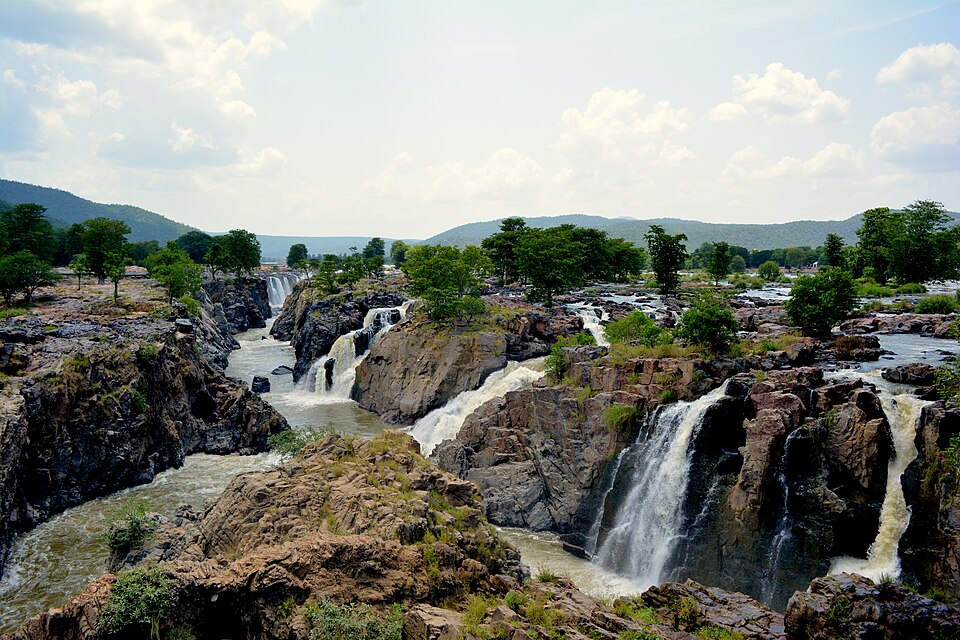
Best Time to Visit Hogenakkal Falls: Water Flow, Season & Safety

Ananya Sharma
February 19, 2026
Find the best time to visit Hogenakkal Falls with season-wise water flow, coracle ride reliability, weather comfort, and safety planning tips.
Introduction
Hogenakkal Falls, often called the "Niagara of India," is one of South India's most dynamic waterfall destinations because the experience changes dramatically by season. In some months, you get powerful water flow and dramatic misty views. In other months, you get calmer conditions that are better for coracle rides and family-friendly exploration. This is why timing matters more here than at many other attractions: your travel month directly affects safety conditions, activity availability, and the overall visual experience.
This guide helps you choose the best time to visit Hogenakkal Falls based on season, water flow, coracle ride reliability, photography quality, and practical risk factors. For broader route planning, pair this with Hogenakkal Falls overview, places to visit near Bangalore, and places to visit in Tamil Nadu.
Quick Answer: Best Season to Visit Hogenakkal Falls
For most travelers, the best period is October to February. You usually get strong post-monsoon water flow with better comfort and higher chances of activity access compared to peak monsoon volatility. If your priority is only dramatic flow visuals, monsoon months can be impressive, but activity restrictions are more likely. If your priority is a balanced trip with coracle rides and safer movement, post-monsoon and winter months are the most reliable.
| Travel Goal | Best Months | Why |
|---|---|---|
| Balanced visit (flow + activities) | October to February | Good water, better comfort, safer operations |
| Peak waterfall drama | July to September | High flow and powerful views |
| Coracle ride probability | October to February | More stable river conditions |
| Budget and low crowd travel | March to June (early morning) | Lower demand, but reduced flow |
Monsoon Season (July to October): Maximum Flow, Maximum Caution
Monsoon is when Hogenakkal looks the most dramatic. Water levels can rise rapidly, and the falls become visually spectacular with thunderous flow and mist-heavy atmosphere. This is ideal for travelers who prioritize landscape impact and powerful waterfall photography.
However, monsoon is also the most operationally uncertain period. Coracle rides and bathing can be suspended based on daily or hourly inflow and safety orders from local authorities. Recent reports have repeatedly shown that activity permissions can change quickly depending on Cauvery release levels and flood-risk conditions. So while monsoon offers peak visual intensity, it is not the best season for fixed activity-dependent itineraries.
If you visit during this period, go with flexible expectations, check same-day advisories, and avoid planning your trip around guaranteed boat access.

Monsoon Snapshot
- Best for: dramatic flow, misty visuals, high-energy nature photography
- Risks: sudden restrictions on coracle rides and bathing
- Planning tip: treat boating as optional, not guaranteed
Post-Monsoon and Winter (November to February): Best Overall Window
This is generally the most practical season for first-time visitors. Water flow is usually still strong enough to feel impressive, but conditions are often more controlled compared to peak monsoon weeks. Weather is also more comfortable for walking, waiting, and exploring nearby stretches without heat stress.
Coracle rides are more likely to operate in this period, and family travelers usually find this season more manageable. Morning to midday windows are ideal for balanced light and lower crowd pressure. If your trip includes children, elderly travelers, or long road transfers, this season gives the most stable experience quality.
For couples and photographers, early winter often provides clearer skies and better definition in landscape frames compared to dense monsoon haze.
Post-Monsoon/Winter Snapshot
- Best for: all-round experience, coracle rides, scenic comfort
- Weather: pleasant to warm-cool depending on month
- Planning tip: arrive early to avoid queue buildup
Summer (March to June): Lower Flow, Easier Logistics
Summer brings reduced waterfall volume in many phases, so the visual intensity can be lower than monsoon and post-monsoon. But this season can still work for travelers focused on a short outing, light boating where allowed, and less crowded movement. The key issue is heat, especially during midday.
If you travel in summer, start early in the morning and keep your plan compact. Use hydration-heavy pacing, avoid long exposed waits, and do not expect the same waterfall drama seen in monsoon images. For some travelers, this tradeoff is acceptable because access and logistics can be easier.
Summer is not the best for waterfall spectacle, but it can suit budget and weekend planners from nearby cities if expectations are set correctly.

Best Time for Coracle Rides
Coracle ride availability is one of the most searched concerns for Hogenakkal, and this depends primarily on river safety conditions, not tourist demand. Based on seasonal behavior and recurring administration controls, the most favorable window is usually post-monsoon through winter when water levels are strong but relatively manageable.
In heavy rain phases, rides may be suspended even if the falls are open for viewing. This means you should always verify same-day status locally before traveling specifically for coracles. Do not rely on old timing charts alone.
| Period | Coracle Availability Likelihood | Notes |
|---|---|---|
| July-September | Variable to low | Safety restrictions common during high inflow |
| October-February | Higher | Most balanced season for ride + views |
| March-June | Moderate | Depends on water levels and heat conditions |
Wear life jackets, follow official guidance, and avoid unofficial operators in unsafe conditions.
Best Time for Photography
Photography goals differ by season. If you want dramatic mist and high-force frames, monsoon and immediate post-monsoon windows are strongest. If you want cleaner compositions with easier access and lower weather uncertainty, winter is better. For people-focused travel photos and activity shots, post-monsoon mornings are often the most practical blend of light and operational access.
In summer, harsh midday light can flatten scene depth, so early morning is essential. In monsoon, waterproof protection is critical due to heavy spray and rain bursts. For content creators, planning two sessions, one early and one late, usually gives better results than one long midday attempt.
Monthly Flow and Experience Guide
July-August: High and volatile flow, dramatic visuals, frequent caution windows.
September: Often still strong flow, variable operations.
October-November: Excellent balance of flow and accessibility.
December-February: Comfortable weather, good tourism window.
March-April: Moderate flow, warmer weather, manageable crowds.
May-June: Hotter conditions, often lower visual intensity before monsoon reset.
Safety First: What Travelers Must Know
Hogenakkal is beautiful but water-driven risk must be treated seriously. Seasonal bans on bathing and boating are not rare and can be imposed quickly. Official decisions usually depend on river inflow and dam release dynamics upstream. Recent local reports have shown multiple temporary suspensions and resumptions based on changing cusec levels.
- Always verify same-day local advisories before departure.
- Do not force boating plans during high-inflow warnings.
- Use only authorized coracle operators and life jackets.
- Avoid slippery rock edges during monsoon and spray-heavy periods.
- Keep buffer time for route delays in rain season.
For families, the safest approach is post-monsoon/winter travel with early arrival and conservative activity planning.

How to Choose Your Best Month (Simple Framework)
- If you want maximum waterfall force: choose monsoon with flexible plans.
- If you want best all-round experience: choose October to February.
- If you want lower crowds and nearby weekend access: choose shoulder summer mornings.
- If coracle ride is your top goal: prioritize post-monsoon and winter windows.
Pick one primary goal first, then select the month. This avoids common disappointment from mismatched expectations.
Conclusion
The best time to visit Hogenakkal Falls depends on what you want most: power, comfort, or activity certainty. For most travelers, October to February is the safest and most rewarding balance of weather, flow, and experience quality. Monsoon is visually spectacular but operationally uncertain. Summer is workable for short practical visits but not for peak-flow expectations. Plan by season, check same-day advisories, and you will get a far better Hogenakkal experience.
Location
Frequently Asked Questions
Q1.What is the best month to visit Hogenakkal Falls?
Q2.Is Hogenakkal open in monsoon season?
Q3.When is water flow highest at Hogenakkal?
Q4.When are coracle rides most likely to be available?
Q5.Can I visit Hogenakkal in summer?
Q6.Is Hogenakkal safe for families?
Q7.What time of day is best to visit Hogenakkal?
Q8.Should I check local advisories before visiting?
Recommended For You
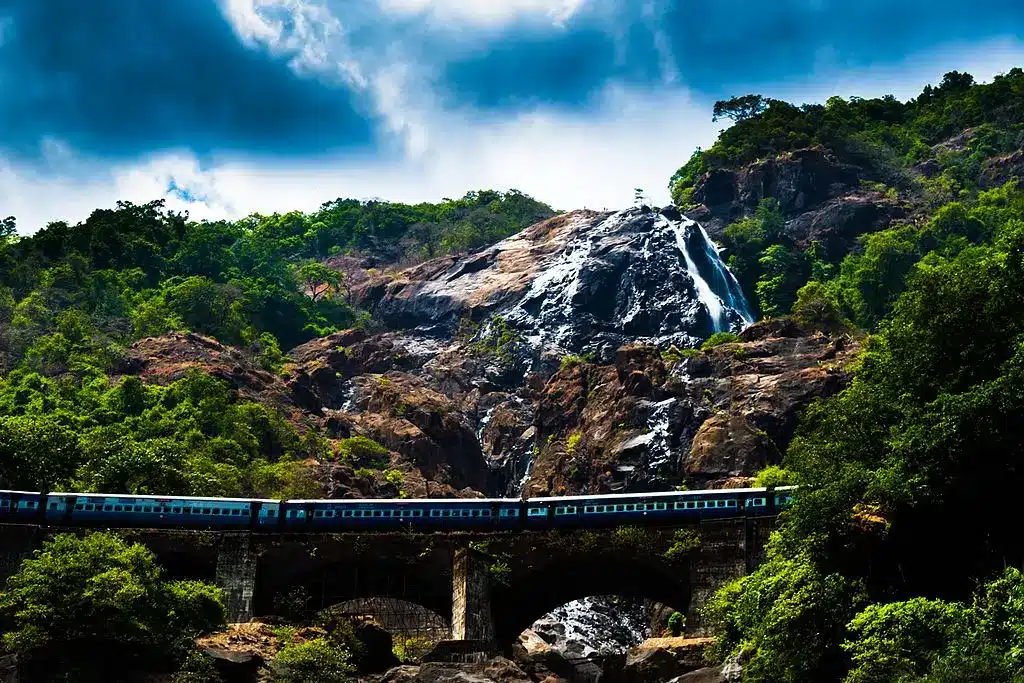
Dudhsagar Waterfall: Complete Travel Guide 2026
Discover Dudhsagar Waterfall, India's spectacular 310-meter 'Sea of Milk' cascade. Complete guide to visiting by train or trek, best time, photography tips & nearby Goa attractions.
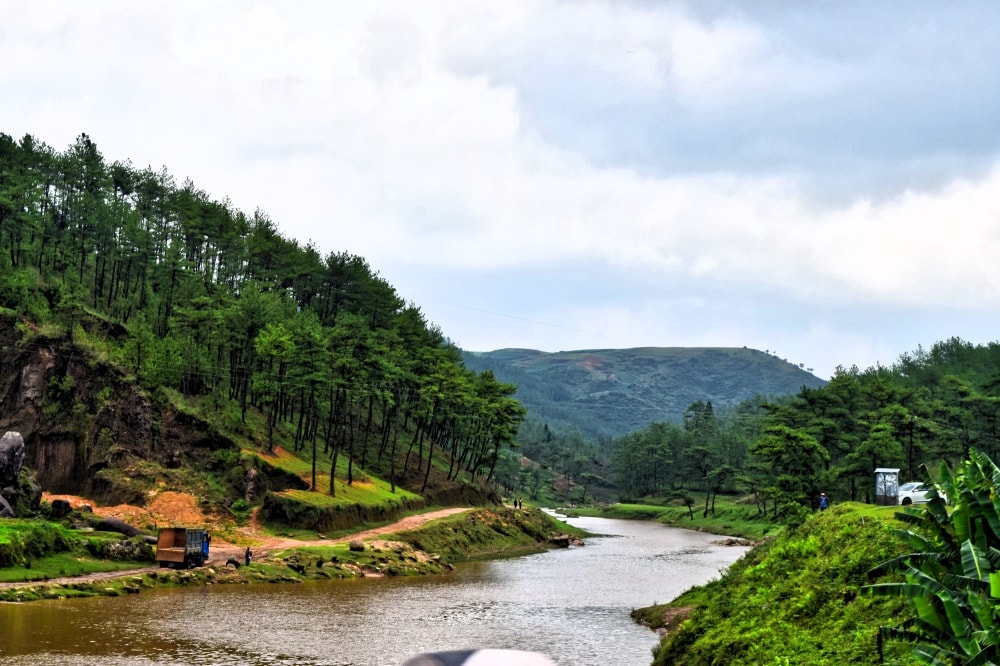
Best Time to Visit Meghalaya: Rainfall, Season & Waterfall Views
Understand Meghalaya weather by season with practical month-wise planning tips for waterfalls, root bridges, caving, and safer route timing.
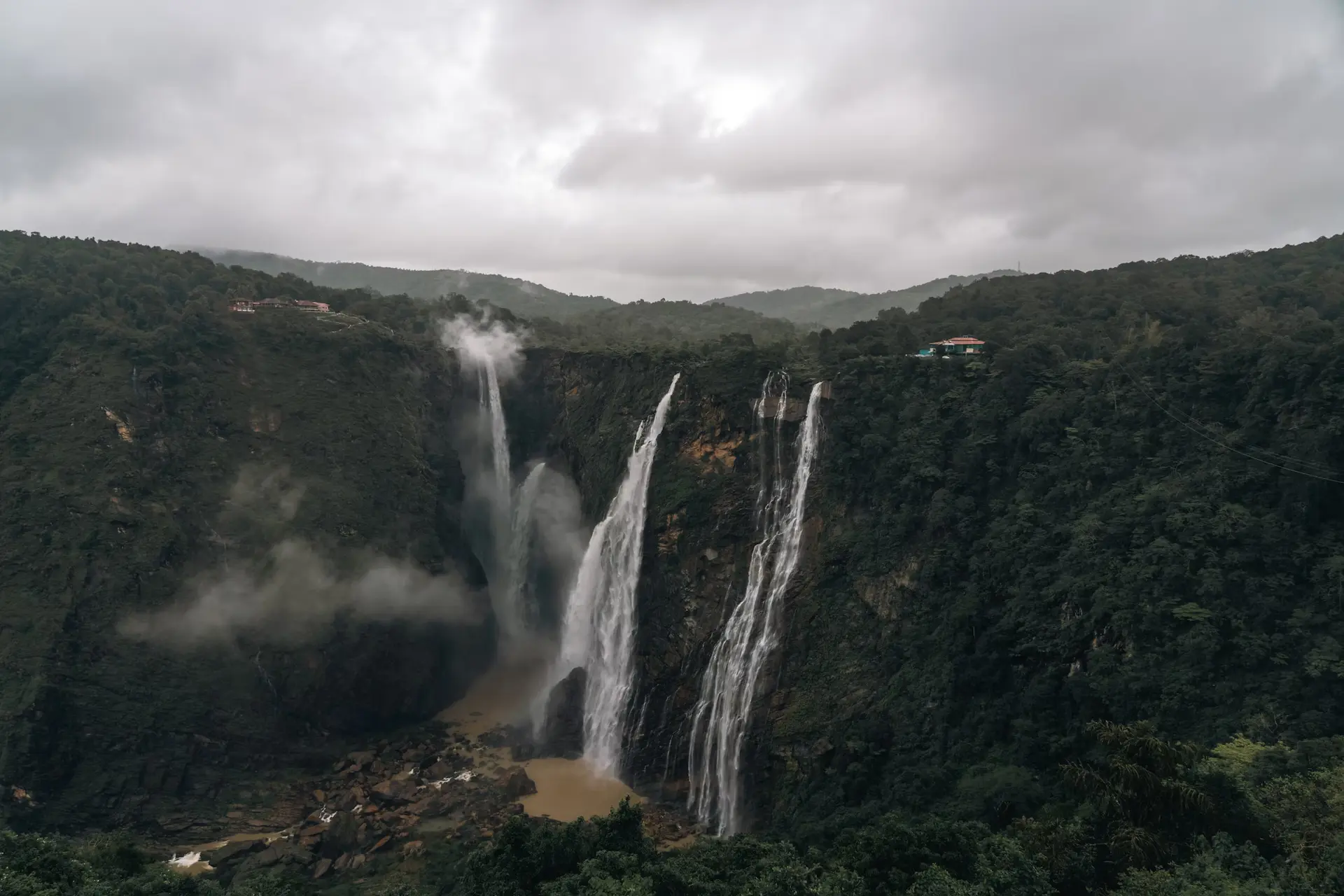
Jog Falls Karnataka: Best Viewpoints, Timings & Monsoon Season
Complete Jog Falls Karnataka guide with four cascades, viewpoints, trekking, best time to visit, timings, and travel tips for India's second-highest plunge waterfall.
Never Miss an Adventure
Get the latest trekking guides, travel tips, and exclusive offers delivered straight to your inbox.
