
Dudhsagar Waterfall: Complete Travel Guide 2026

Rohan Malhotra
February 18, 2026
Discover Dudhsagar Waterfall, India's spectacular 310-meter 'Sea of Milk' cascade. Complete guide to visiting by train or trek, best time, photography tips & nearby Goa attractions.
India's Magnificent Sea of Milk
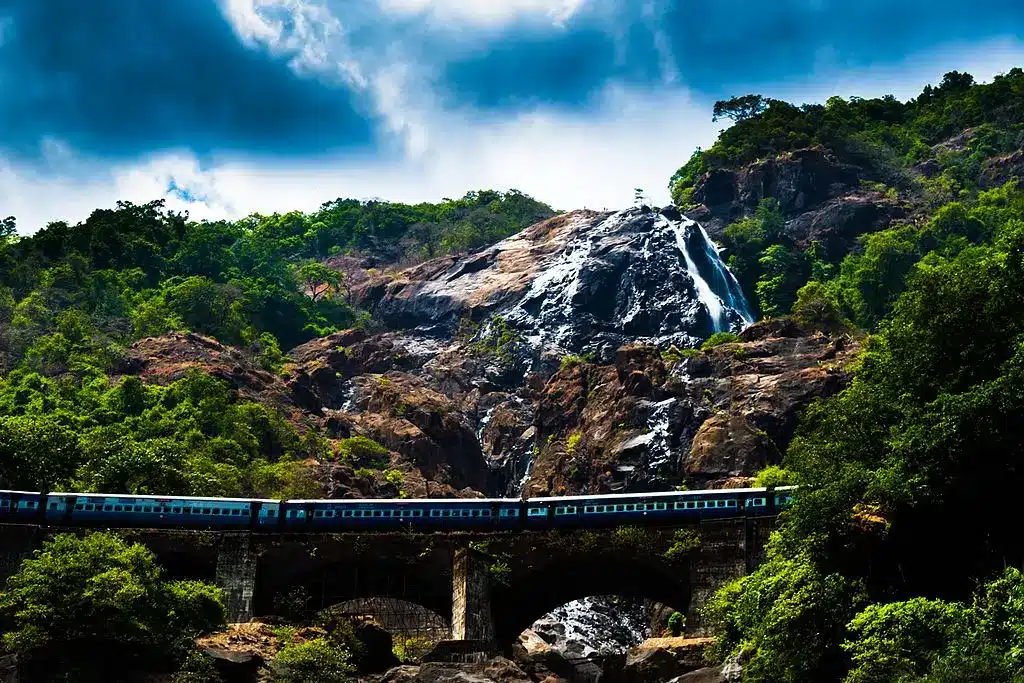
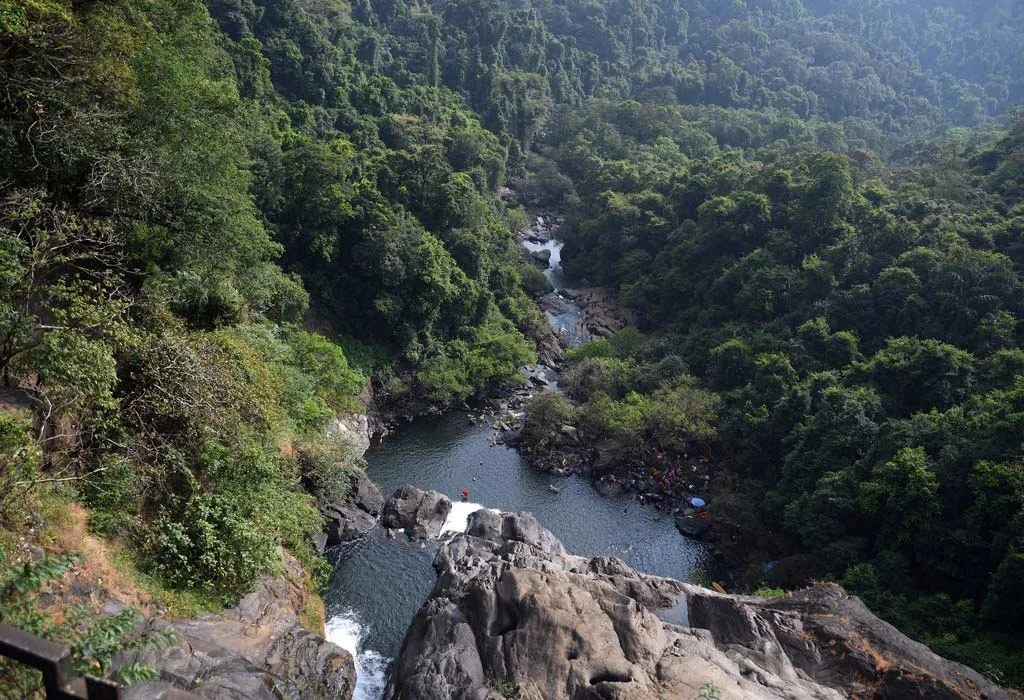
In the heart of the Western Ghats, where the Mandovi River plunges dramatically down a sheer cliff face, lies Dudhsagar Waterfall – one of India's tallest and most spectacular waterfalls. Translating to "Sea of Milk" in local languages, this four-tiered cascade earns its name from the milky white appearance of the water as it thunderously drops 310 meters (1,017 feet) through the lush, emerald forests of the Bhagwan Mahavir Wildlife Sanctuary in Goa.
What makes Dudhsagar truly extraordinary is its dramatic setting and the unique ways visitors can experience it. Unlike most waterfalls accessible only by trekking trails, Dudhsagar can be reached by a scenic train journey that passes directly in front of the cascading waters, offering views that are nothing short of cinematic. The waterfall is at its most spectacular during the monsoon season when torrential rains transform it into a raging torrent of milky white water visible from miles away.
Whether you're a train enthusiast, a trekking buff, a photography lover, or simply someone who appreciates nature's grandeur, Dudhsagar Waterfall promises an unforgettable adventure. This comprehensive guide covers everything you need to know about planning your visit to this magnificent natural wonder.
About Dudhsagar Waterfall
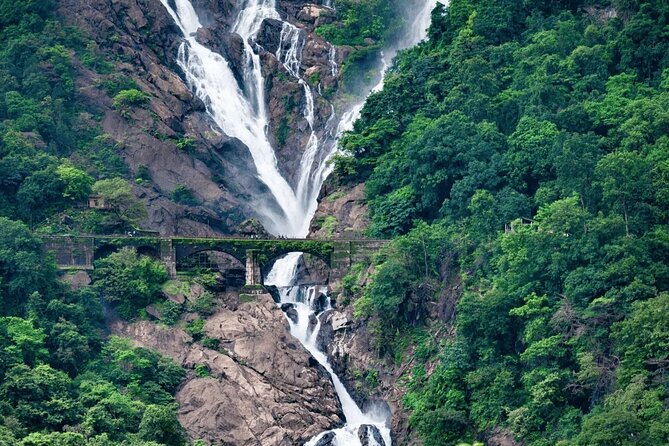
Dudhsagar Waterfall is formed by the Mandovi River as it flows through the Western Ghats. The waterfall features four distinct tiers, with water cascading down a steep cliff face in a series of dramatic drops. The total height of approximately 310 meters makes it one of India's tallest waterfalls, ranking among the country's most impressive natural wonders.
The Four Tiers
The waterfall's unique four-tiered formation creates its spectacular appearance. Rather than a single drop, the water cascades down in stages: the uppermost tier where the river first begins its descent, two middle tiers where water spreads across the rock face creating the curtain-like appearance, and the final dramatic drop crashing into the large pool at the base.
Why "Sea of Milk"?
The name "Dudhsagar" literally translates to "Sea of Milk." This poetic name comes from the waterfall's appearance during and after the monsoon season when the volume of water is at its peak. The turbulent water, filled with foam and spray, appears milky white as it cascades down the dark rock face, creating a visual spectacle that resembles a sea of milk flowing down the mountainside.
Wildlife and Ecology
The area around Dudhsagar Waterfall is part of the Bhagwan Mahavir Wildlife Sanctuary and Molem National Park, one of Goa's largest protected areas. The sanctuary is home to diverse species including the Gaur (Indian bison), various deer species, primates, numerous bird species, and occasionally even tigers. The waterfall and surrounding forest represent one of the Western Ghats' most important biodiversity hotspots.
Best Time to Visit Dudhsagar
Choosing the right time to visit Dudhsagar Waterfall is crucial as the experience varies dramatically between seasons.
Monsoon Season (June to September) – Spectacular but Challenging
The monsoon season is when Dudhsagar is at its most spectacular and powerful. Torrential rains swell the Mandovi River to incredible proportions, and the waterfall becomes a thundering wall of water. Pros: Maximum flow creating the "sea of milk" effect, dramatic views, lush surroundings. Cons: Dangerous trekking conditions, train delays, abundant leeches, many trails closed. Not recommended for casual visitors.
Post-Monsoon (October to November) – Recommended
This is arguably the best time to visit Dudhsagar. The rains have stopped, but the waterfall still has excellent flow. The forest remains lush and green, and the weather is pleasant. Why This Period is Ideal: Good water flow, better accessibility, pleasant weather, more reliable train services, fewer leeches.
Winter Season (December to February) – Pleasant
Winter brings cool, dry weather perfect for outdoor activities. While the waterfall flow is reduced compared to monsoon, it remains impressive. This is an excellent time for visiting Goa in December and combining Dudhsagar with other attractions.
Summer Season (March to May) – Least Recommended
Summer is the least impressive time to visit. The waterfall's flow is at its lowest, and it appears rather thin. Hot temperatures (exceeding 35°C) make trekking uncomfortable.
How to Reach Dudhsagar
Reaching Dudhsagar Waterfall is an adventure in itself, with multiple route options depending on your starting point.
By Train – The Most Popular Route
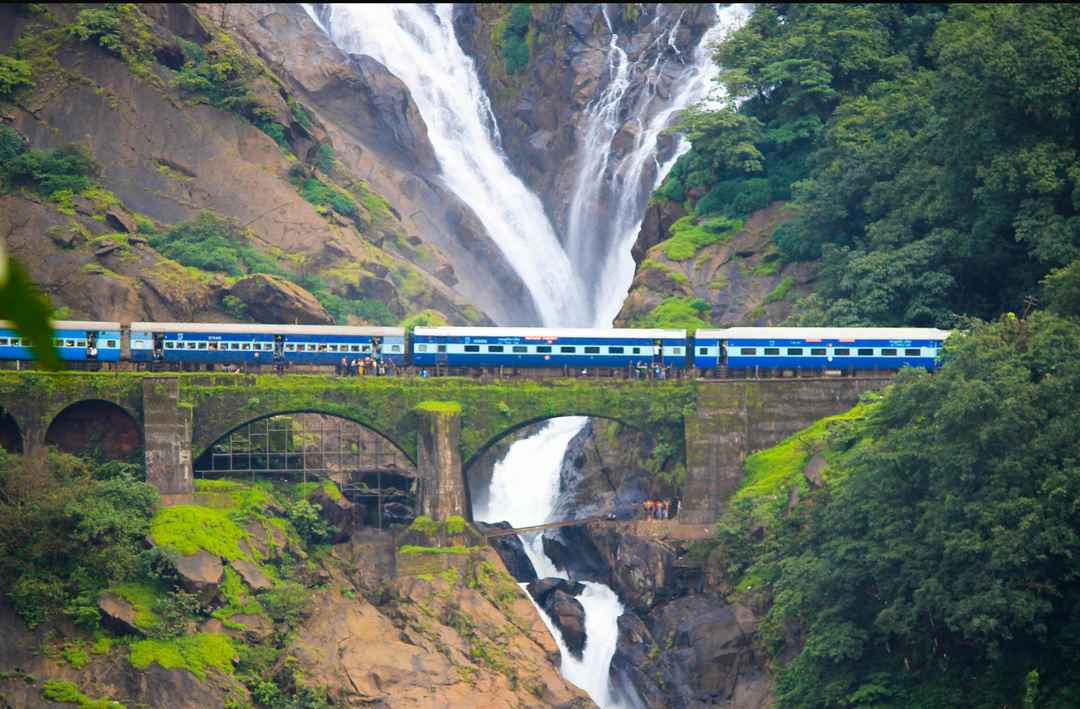
The train journey to Dudhsagar is legendary and offers one of India's most scenic railway experiences. The railway track passes directly in front of the waterfall, and trains slow down for passengers to enjoy the view.
From Goa (Vasco da Gama / Madgaon): Several trains operate from Goa stations towards Castle Rock. Popular options include the Goa Express (12780) and regular passenger trains. The journey takes approximately 2-3 hours one way. The highlight is crossing the Dudhsagar railway bridge directly in front of the waterfall. During monsoon, the spray actually hits the train, creating an incredible experience.
From Kulem – The Trekking Starting Point
Kulem is the nearest major railway station and serves as the base for most trekkers. Located approximately 45 km from Madgaon, Kulem is accessible by train (1 hour) or road (1.5-2 hours).
From Kulem to Dudhsagar:
- Jeep Safari: Most popular option. Takes 1-1.5 hours each way, costs approximately ₹1,500-2,500 per jeep (6-8 people can share). Bumpy but adventurous ride through the forest.
- Trekking: 11-12 km one way along railway tracks, taking 3-4 hours each way. For adventure enthusiasts only.
From Castle Rock
Castle Rock in Karnataka is another access point, offering a shorter 8-10 km trek (2-3 hours) to the waterfall. Accessible by train from Goa or Hubli/Belgaum in Karnataka.
Distance Summary
| From | To | Distance | Travel Time |
|---|---|---|---|
| Madgaon (Goa) | Kulem | ~45 km by road / ~35 km by train | 1.5-2 hours by road / 1 hour by train |
| Panaji (Goa) | Kulem | ~65 km | 2-2.5 hours by road |
| Kulem | Dudhsagar | ~11 km | 3-4 hours trek or 1-1.5 hours by jeep |
| Castle Rock | Dudhsagar | ~8 km | 2-3 hours trek |
Trekking Guide: Kulem to Dudhsagar
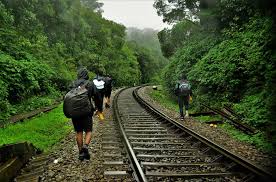
The trek from Kulem to Dudhsagar is one of the most popular trekking routes in Western India, offering a unique experience of walking along railway tracks through pristine forest.
Trek Overview
- Starting Point: Kulem Railway Station
- Ending Point: Dudhsagar Waterfall base
- Distance: Approximately 11-12 km one way
- Duration: 3-4 hours one way
- Difficulty: Easy to Moderate (flat terrain, but distance and weather can be challenging)
- Best Season: October to February
Trek Route Description
The trek follows the railway track from Kulem station through the Bhagwan Mahavir Wildlife Sanctuary. The route passes through several sections: initial open areas before entering dense forest, middle sections with tunnels and scenic bridges offering valley views, and the final exciting approach where the waterfall becomes visible and you cross the famous railway bridge before reaching the Dudhsagar station viewpoint.
Essential Trekking Gear
Footwear: Sturdy trekking shoes with excellent grip – avoid sandals or flip-flops.
Clothing: Quick-dry lightweight clothes, full coverage for sun and insect protection, rain jacket during monsoon.
Safety & Comfort: 2-3 liters water per person, high-energy snacks, first aid kit, insect repellent, sunscreen, flashlight for tunnels, electrolytes.
Monsoon Additions: Leech socks (essential), rain gear, waterproof bags for electronics, extra dry clothes.
Important Safety Guidelines
Train Safety: Stay alert for trains – this is an active railway line. Step off tracks immediately when you hear a train approaching. Never sit on tracks or bridges for photos.
Weather Safety: Check weather forecast, avoid trekking during heavy rain, plan to return well before sunset.
Wildlife Safety: Do not approach or feed wildlife, make noise while walking, maintain distance if you encounter animals.
The Legendary Train Experience
For many visitors, the train journey to Dudhsagar is as memorable as the waterfall itself. The railway line connecting Goa to Karnataka via Castle Rock was built during the British colonial period and offers spectacular engineering feats.
As the train leaves Kulem, the landscape transforms from inhabited areas to dense forest. The train passes through several tunnels and crosses numerous bridges before reaching the highlight – the Dudhsagar railway bridge. As the train slows down, passengers get spectacular views of the waterfall. During monsoon, the waterfall's spray envelops the train, creating a magical atmosphere.
Pro Tips: Position yourself at open doors before the bridge approach, protect your camera from spray, and sit on the right side when traveling from Kulem for best views.
Photography Tips for Dudhsagar
Dudhsagar presents incredible photography opportunities. Here are some tips for capturing its grandeur.
Best Time for Photography
Early Morning (8-10 AM): Soft golden light, fewer crowds, better wildlife sightings.
Late Afternoon (3-5 PM): Golden hour warm tones, spectacular rainbows in waterfall spray, fewer day-trippers.
Monsoon Season: Maximum water flow creates dramatic images, but challenging conditions with everything getting wet.
Camera Settings for Waterfalls
For Silky Water Effect: Shutter speed 1/2 to 2 seconds, aperture f/8 to f/16, lowest ISO. Tripod essential.
For Freezing Water Motion: Shutter speed 1/500 or faster, aperture f/4 to f/5.6.
Protecting Your Equipment
Dudhsagar's environment, especially during monsoon, is challenging. Waterproof your gear, clean lenses frequently (water spray creates constant spots), use silica gel in camera bags, and consider weather-sealed equipment.
Nearby Attractions
If you're making the journey to Dudhsagar, consider combining it with other attractions in the region.
Bhagwan Mahavir Wildlife Sanctuary
The Bhagwan Mahavir Wildlife Sanctuary is Goa's largest protected area and encompasses Dudhsagar. Jeep safaris are available and can be combined with a Dudhsagar visit. The sanctuary is home to Gaur (Indian bison), deer species, primates, and over 200 bird species.
Tambdi Surla Temple
The Tambdi Surla Temple is a 12th-century Shaivite temple and one of Goa's oldest surviving temples. Located approximately 12 km from Molem, this beautiful temple constructed in black basalt offers a cultural complement to your nature trip.
Molem Spice Plantations
Several spice plantations near Molem offer tours showcasing Goa's agricultural heritage. These provide a relaxing activity to break up the physical exertion of waterfall trekking.
Other Goa Attractions
Since you're in Goa, consider visiting other Goa attractions like Chapora Fort, Baina Beach, or the famous Baga Beach.
Suggested Itineraries
Dudhsagar Day Trip: Early departure from base city (6 AM), morning at Dudhsagar, return by evening.
Two-Day Trip: Day 1 – Dudhsagar visit. Day 2 – Jungle safari and Tambdi Surla Temple.
Where to Stay
While most visitors do Dudhsagar as a day trip, staying overnight allows for a more relaxed experience.
Forest Department Accommodation
The Forest Department Rest House in Molem offers basic accommodation within the sanctuary. Must be booked well in advance through the Goa Forest Department. Best for nature enthusiasts wanting an authentic experience.
Molem Village Accommodations
Molem offers several options ranging from budget to mid-range including government tourist resorts, private guesthouses, and home stays. Affordable rates (₹800-2,500 per night) with basic to moderate amenities.
South Goa Beach Resorts
For those preferring comfort, beach resorts in South Goa like Palolem or Benaulim offer luxury options within 2-2.5 hour driving distance. Can combine nature with beach vacation.
Essential Tips for Your Visit
Before You Go
Check if Forest Department permission is required for your planned activities. Book jeep safaris in advance during peak season. Check train schedules and book tickets early. Arrange return transportation before leaving.
What to Pack
Clothing: Quick-dry lightweight clothes, full coverage for sun/insect protection, rain jacket during monsoon, extra dry clothes.
Footwear: Sturdy shoes with good grip – absolutely essential for railway track walking.
Safety & Health: First aid kit, insect repellent, sunscreen, hat, 2-3 liters water per person, high-energy snacks, leech socks for monsoon, flashlight for tunnels.
During the Visit
Safety First: Never cross railway tracks when a train is coming. Stay away from the waterfall's edge. Never swim in the plunge pool – currents are deceptively strong. Stay with your group and turn back if weather deteriorates.
Responsible Tourism: Carry all trash back with you. Stay on designated paths. Don't remove plants or rocks. Keep noise levels down. Support local communities.
Monsoon Specific Tips
Expect everything to get wet. Waterproof electronics or leave them behind. Wear quick-dry synthetic clothes. Leech socks are essential. Check weather forecasts but be prepared for sudden changes. Some treks may be closed for safety.
Budget Considerations
Approximate Costs (per person): Train ticket ₹50-150, Jeep safari ₹300-500 (sharing), Forest entry fee ₹50-100, Accommodation in Molem ₹800-2,500 per night, Food ₹200-500.
Money-Saving Tips: Carry packed lunch, share jeep costs, stay in Molem rather than luxury resorts, travel in a group to share costs.
Conclusion: Experience the Majesty of Dudhsagar
Dudhsagar Waterfall is one of India's most spectacular natural wonders, a place where the raw power of nature creates a scene of breathtaking beauty. The thunderous cascade of milky white water plunging 310 meters through pristine forest is an experience that stays with visitors long after they've returned home.
What makes Dudhsagar truly special is the variety of ways you can experience it. Whether you choose the legendary train journey across the iconic bridge, the adventurous trek through the wildlife sanctuary, or the exciting jeep safari through the forest, each approach offers a unique perspective on this magnificent waterfall.
The waterfall's dramatic transformation between seasons – from a gentle cascade in summer to a thundering wall of water during monsoon – means that every visit offers a different experience. The surrounding Bhagwan Mahavir Wildlife Sanctuary offers a complete nature experience, from ancient temples to diverse wildlife.
As you plan your Goa itinerary, make space for Dudhsagar Waterfall. Visit during the right season, prepare adequately for your chosen approach, and allow yourself to be fully present in the moment. The thunder of falling water, the pristine forest air, and the stunning visual spectacle combine to create one of those rare travel experiences that reminds us of nature's capacity to inspire awe.
Dudhsagar Waterfall is waiting to show you why it's called the "Sea of Milk" – a cascade so powerful and beautiful that it had to be named after the celestial ocean itself. Pack your bags, charge your camera, and prepare for one of India's most unforgettable natural spectacles.
Location
Frequently Asked Questions
Q1.Where is Dudhsagar Waterfall located?
Q2.How do I reach Dudhsagar Waterfall?
Q3.What is the best time to visit Dudhsagar?
Q4.How tall is Dudhsagar Waterfall?
Q5.Is the Dudhsagar train journey worth it?
Q6.How difficult is the Dudhsagar trek?
Q7.Can we swim at Dudhsagar?
Q8.Is Dudhsagar safe during monsoon?
Q9.What should I carry for the Dudhsagar trek?
Q10.How much does a Dudhsagar trip cost?
Q11.Are there leeches at Dudhsagar?
Q12.Is there accommodation near Dudhsagar?
Q13.What wildlife can be seen at Dudhsagar?
Q14.How long does it take to explore Dudhsagar?
Recommended For You
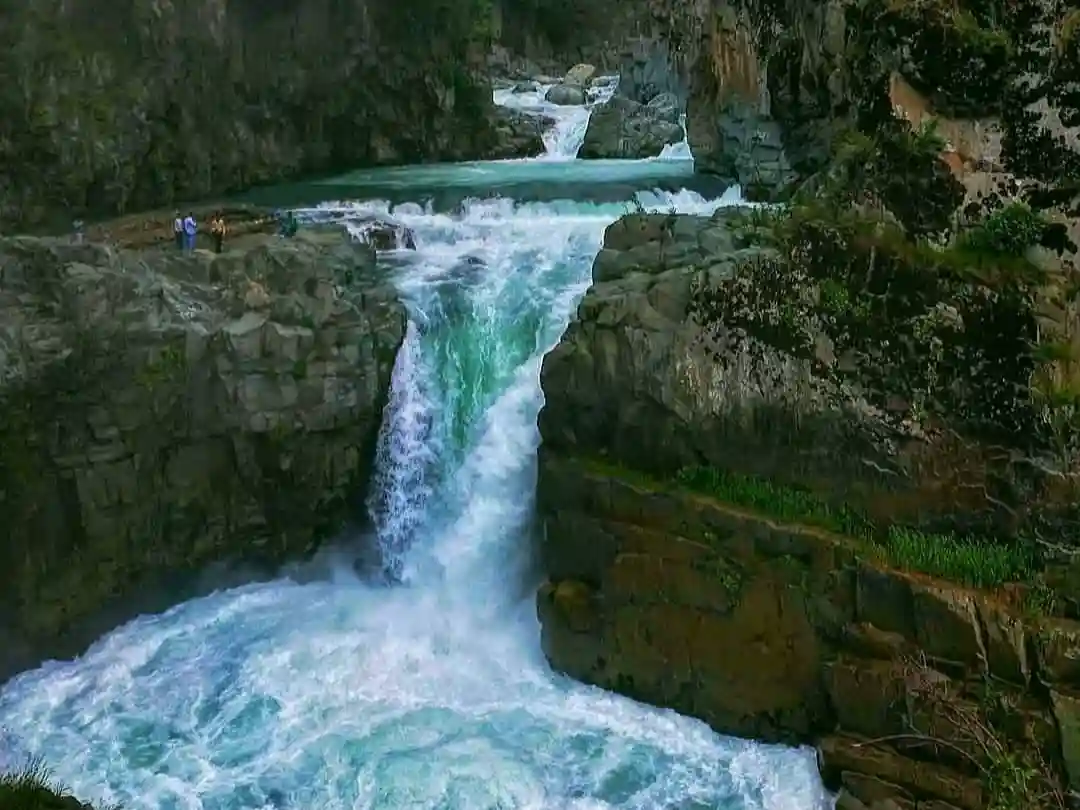
Aharbal Waterfall Kashmir: Trek Guide & Tips
Discover Aharbal Waterfall, the Niagara of Kashmir. Complete trek guide, best time to visit, how to reach from Srinagar & photography tips for this spectacular Kashmiri waterfall.
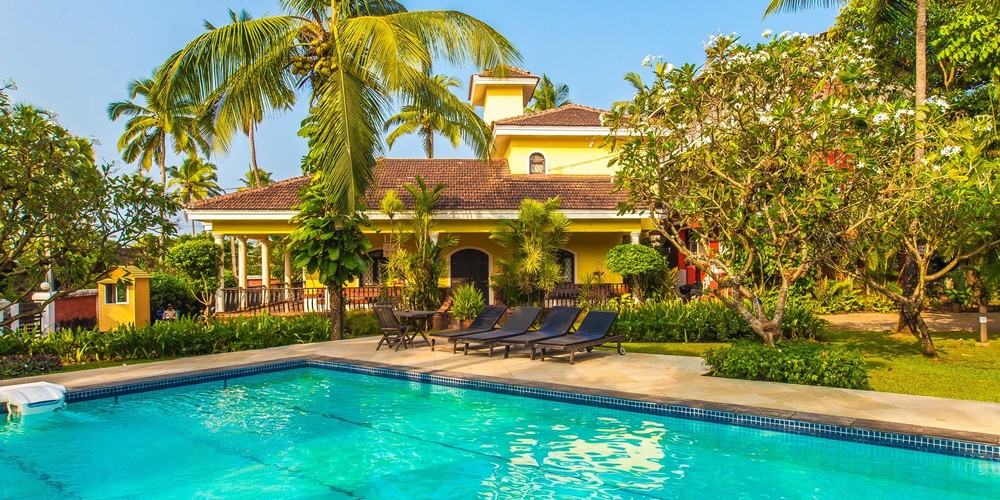
Goa in August: Weather, Best Places & Monsoon Experiences
Discover the best places to visit in Goa in August with monsoon-safe plans, Dudhsagar tips, heritage circuits, weather guidance, and practical travel advice.
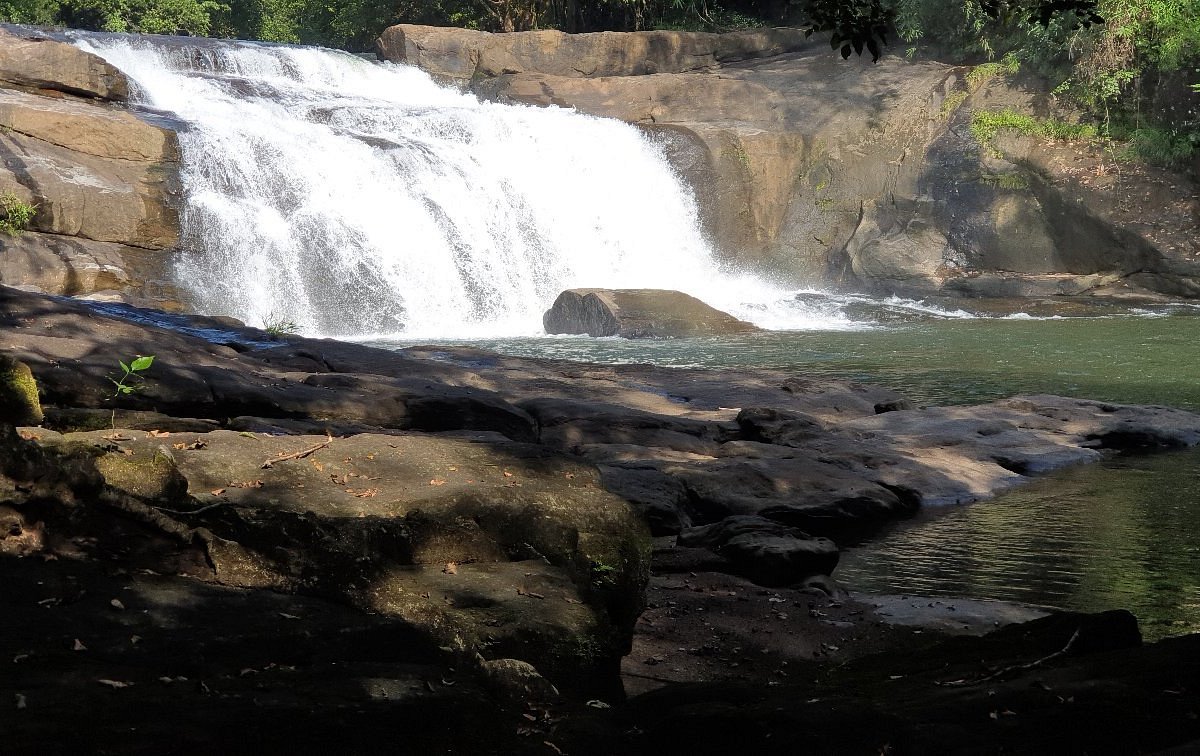
Thommankuthu Waterfall: 7-Step Wonder of Kerala
Explore Thommankuthu Waterfall in Idukki with seven-step cascade highlights, trekking and safety tips, best season advice, and route planning details.
Never Miss an Adventure
Get the latest trekking guides, travel tips, and exclusive offers delivered straight to your inbox.
