
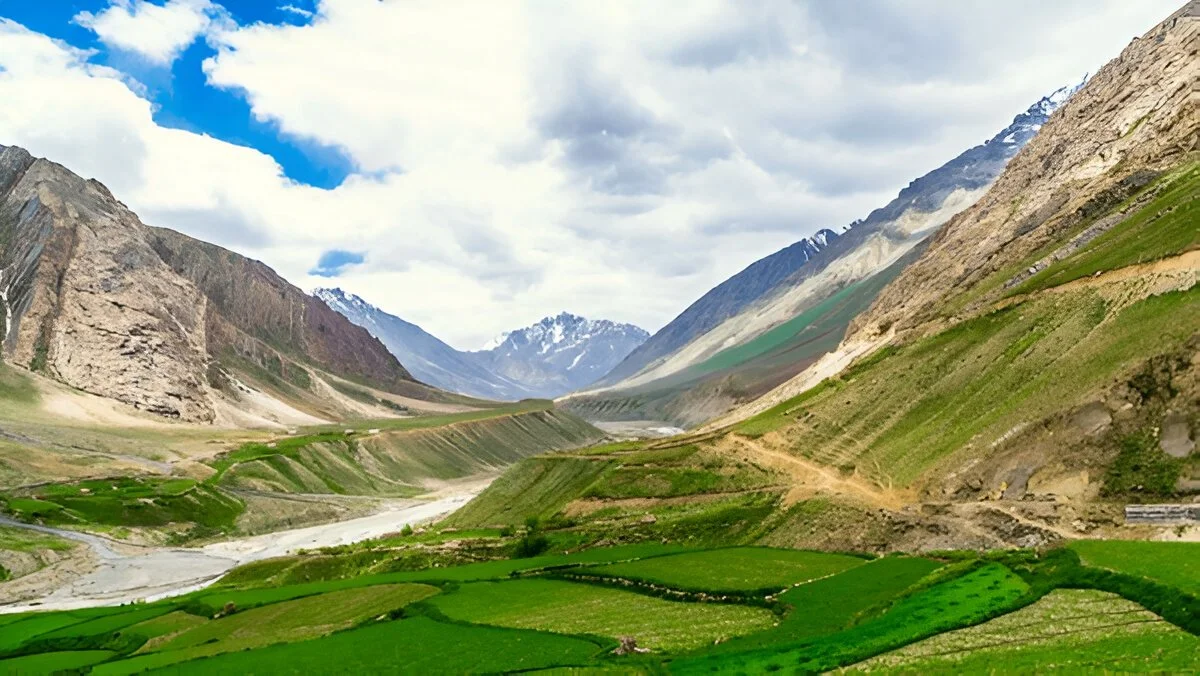
Best Time to Visit Pin Valley: Weather, Road Access & Trek Season

Rohan Malhotra
February 18, 2026
Find the best time to visit Pin Valley with season-by-season guidance for trekking, wildlife, weather, and accessibility planning.
Introduction: Pin Valley Is a Seasonal Decision, Not a One-Month Answer
The best time to visit Pin Valley depends on why you are going: wildlife tracking, trekking, village stay experience, photography, or high-altitude exploration. Pin Valley, part of the larger Spiti ecosystem, is a cold-desert region where weather, road accessibility, and daily life conditions change sharply by season. A month that looks perfect on social media may be wrong for your actual travel goal.
If you want an easy-access trip with broad movement options, warmer months are generally better. If you want rare winter wildlife experiences like snow-leopard-focused tracking circuits, winter can be rewarding but logistically demanding. This guide gives a practical season-by-season and month-band framework so you can choose the right window with fewer risks.
Use this with route planning from Spiti Valley road trip, core context from Pin Valley National Park, and seasonal comparison through Spiti Valley summer guide.

Summer (June to September): Most Accessible Window
For most travelers, summer is the most practical period for Pin Valley visits. Roads are usually more open, village stays function better, and daytime movement is easier than in peak winter. Trekking and general exploration are also more feasible in this period.
- Best for: first-time visitors, photographers, and road-trip travelers.
- Advantages: better access, longer daylight for travel.
- Watch-outs: high-altitude sun exposure and dry-air dehydration.
Autumn (October to November): Clear Views, Cooling Temperatures
Autumn is often excellent for clear mountain visibility and relatively lower tourist pressure. Nights become colder quickly, and some services may reduce as winter approaches. If you like crisp air and lower crowd density, this window can be ideal.
| Autumn Benefit | Practical Impact |
|---|---|
| High visibility | Better landscape and astronomy photography |
| Lower crowd load | Calmer village and route experience |
| Cool conditions | Need stronger layering, especially evenings |
Winter (December to February): Specialist Season
Winter in Pin Valley is not a casual trip format. Conditions can be severe, and logistics require preparation. However, this is the period that attracts serious wildlife enthusiasts, especially those targeting snow-leopard tracking ecosystems with trained local support.
If you are not experienced in winter mountain travel, do not attempt aggressive self-planned schedules in this season. Use local expertise, keep emergency buffer days, and prioritize safety over rigid itinerary goals.
Spring (March to May): Transition Window
Spring can be unpredictable but rewarding for travelers who like transition landscapes. Snow melt patterns, route conditions, and service readiness may vary year to year. Treat this season as a flexible planning window, not a fixed-output season.
Best Time for Wildlife in Pin Valley
Wildlife goals should define your season choice. For snow-leopard-focused tracking, winter and late-winter periods are often preferred by specialists. For broader fauna and birding-style exploration, warmer months may provide easier movement and longer field time.
| Wildlife Goal | Preferred Season Logic |
|---|---|
| Snow leopard tracking | Winter-specialist windows with expert support |
| General biodiversity observation | Summer to early autumn movement windows |
| Landscape + wildlife mix | Autumn for visibility and manageable routes |
Best Time for Trekking in Pin Valley
Trekking in and around Pin Valley is generally more practical in summer and early autumn when access and trail conditions are more manageable. Winter trekking requires specialized equipment, route familiarity, and a higher safety margin.
- Prefer guided routes for first-time high-altitude trekkers.
- Keep hydration and acclimatization central to planning.
- Avoid tight same-day transfer plus trek schedules.

Month-Wise Accessibility Snapshot
| Month Band | Accessibility Trend | Trip Type |
|---|---|---|
| Jun-Sep | Generally better road access | Mainstream travel and trekking |
| Oct-Nov | Cooling, high clarity, lower crowds | Photography and calm exploration |
| Dec-Feb | Harsh winter, specialist movement | Expert wildlife and winter travel |
| Mar-May | Transition, variable readiness | Flexible planners only |
What to Pack by Season
| Season | Must-Carry | Optional Add-ons |
|---|---|---|
| Summer | Sun protection, layers, hydration system | Light rain shell |
| Autumn | Warm layers, gloves, windproof jacket | Thermal innerwear |
| Winter | Heavy insulation, boots, thermal system | Gaiters and extra hand warmers |
| Spring | Layer mix for temperature swings | Road-condition contingency kit |
How to Choose Your Season by Traveler Type
- First-time Spiti traveler: June to September.
- Wildlife-focused advanced traveler: winter specialist windows.
- Photography-focused: autumn clarity windows.
- Adventure + flexibility traveler: spring transition with buffers.
Common Season-Planning Mistakes
- Choosing dates from viral photos without route context.
- Ignoring acclimatization on compressed itineraries.
- No buffer for weather or road shifts.
- Winter attempts without local guidance.
- Underpacking for night temperature drops.
Sample 6-Day Pin Valley-Oriented Plan (Season Flexible)
Day 1-2: acclimatization and gradual altitude movement. Day 3-4: Pin Valley-focused exploration and village interactions. Day 5: reserve day for weather or route adaptation. Day 6: return leg. This model improves safety and reduces fatigue compared to compressed circuits.

Season-to-Goal Decision Matrix
Pin Valley planning becomes simple when you connect season to objective. Do not start with dates; start with purpose. This matrix helps avoid the most common planning failure: selecting a visually attractive season that does not match your activity needs.
| Primary Goal | Best Window | Why |
|---|---|---|
| General exploration | June to September | Better roads and broader local services |
| High-clarity photography | October to November | Clean skies and lower crowd pressure |
| Snow leopard-focused travel | Winter specialist months | Wildlife pattern and habitat tracking logic |
| Flexible adventure travel | Spring transition | For travelers comfortable with variability |
Acclimatization and Altitude Management
Many seasonal mistakes are actually altitude mistakes. Even in warmer months, fast ascent and no rest buffer can cause discomfort. Build acclimatization into your route rather than treating it as optional. A good rule is gradual gain, hydration discipline, and controlled activity on arrival days.
Road and Logistics Reality
Pin Valley routes are sensitive to weather and maintenance cycles. Always keep one reserve day in your plan. This buffer protects your itinerary from road uncertainty and allows better decision-making when conditions shift.
- Track weather and local advisories daily.
- Keep fuel, cash, and essential supplies planned early.
- Avoid late-night mountain movement.
- Choose drivers familiar with Spiti terrain where needed.
Photography and Observation Windows
Clear skies, shadow direction, and wind conditions vary sharply by season and time of day. Early morning and late afternoon usually produce stronger texture and depth. In winter, daylight windows are shorter, so pre-plan viewpoint blocks to avoid rushed movement.
Who Should Avoid Winter Pin Valley Travel
If you are first-time high-altitude traveler, have low cold tolerance, or cannot accept schedule uncertainty, avoid winter specialist windows. Choose accessible seasons first, then return for advanced winter experiences with proper support.
Pin Valley Budget and Logistics by Season
Cost behavior in Pin Valley changes by accessibility and demand. Summer can have broader stay availability but higher movement volume. Winter specialist trips can become expensive due to expert guides, gear, and logistical complexity. Build a season-specific budget rather than a single flat estimate.
| Season | Cost Trend | Main Cost Drivers |
|---|---|---|
| Summer | Moderate | Transport and accommodation demand |
| Autumn | Moderate to variable | Limited seasonal operations in some zones |
| Winter | Higher for specialist travel | Guides, gear, and weather contingencies |
| Spring | Variable | Unpredictable access and backup logistics |
Cold-Desert Travel Mistakes to Avoid
- Packing only for daytime temperatures.
- No acclimatization day in itinerary.
- Ignoring hydration due to cold weather.
- No emergency communication backup.
- Overestimating road speed in mountain terrain.
Decision Rule for First-Time Visitors
If this is your first Pin Valley journey, choose accessible months and focus on safe acclimatized exploration. Specialist wildlife winter trips are better attempted after at least one prior high-altitude experience. This staged approach reduces risk and improves enjoyment.
Pre-Departure Planning Checklist for Pin Valley
Before fixing dates, confirm four variables: season objective, route accessibility, acclimatization days, and backup logistics. Then check accommodation readiness in your target villages. In high-altitude regions, planning quality determines experience quality more than destination popularity.
Three-Stage Risk Filter
| Filter Stage | Question to Ask | Action |
|---|---|---|
| Weather filter | Are current conditions stable enough? | Proceed or shift dates |
| Road filter | Are approach routes reliably open? | Choose base and backup route |
| Health filter | Is group acclimatized and fit? | Add rest day if needed |
Why Flexibility Beats Fixed-Date Pressure
The biggest difference between stressful and successful Pin Valley trips is flexibility. Keeping one or two movable blocks in your itinerary lets you adapt to mountain reality without losing trip quality. In this region, adaptable planning is not optional; it is the core strategy.
Final Planner Note
In Pin Valley, the best trip is the one that matches season, route, and fitness together. If one of these is out of alignment, adjust dates instead of forcing a fixed plan. That flexibility is the hallmark of successful high-altitude travel.
Build one backup day, respect acclimatization, and your Pin Valley experience will be far more rewarding.
Carry printed essentials where possible; digital networks may not always be dependable in remote sections.
Season-fit planning, flexible buffers, and local guidance remain the three strongest predictors of a successful Pin Valley trip.
When in doubt, prioritize safety and shift dates rather than forcing conditions.
Conclusion
The best time to visit Pin Valley is goal-dependent. Summer and autumn are best for most travelers, while winter suits highly prepared wildlife-focused visitors. Choose the season based on purpose, not trend. With proper timing and preparation, Pin Valley can be one of the most rewarding high-altitude experiences in the Spiti region.
Location
Frequently Asked Questions
Q1.What is the best month to visit Pin Valley?
Q2.Can I visit Pin Valley in winter?
Q3.When is Pin Valley most accessible?
Q4.Is snow leopard tracking possible in Pin Valley?
Q5.Is Pin Valley good for trekking?
Q6.What should I pack for Pin Valley?
Q7.Is Pin Valley suitable for first-time high-altitude travelers?
Q8.How many days should I keep for a Pin Valley trip?
Recommended For You
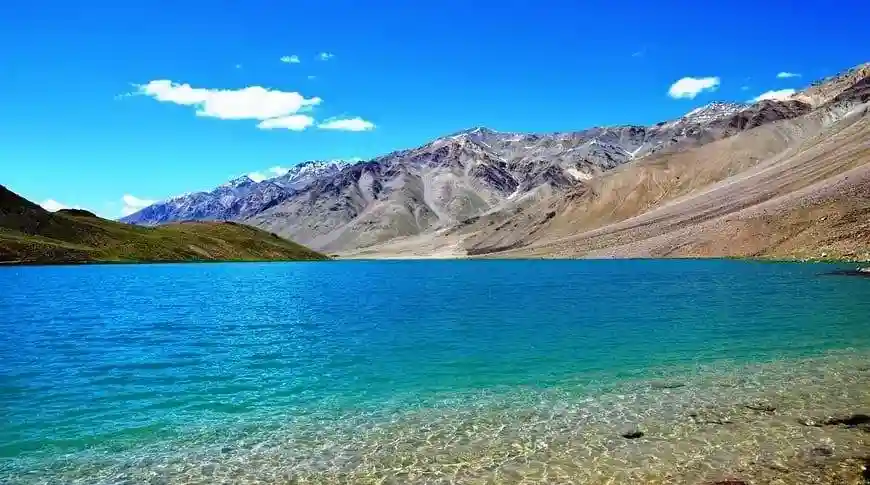
Things to Do in Spiti Valley: Monasteries, Villages & Routes
Discover the top 15 things to do in Spiti Valley including Key Monastery, Chandratal Lake, Pin Valley, ancient villages, and high-altitude adventures. Complete guide with itineraries, costs, and travel tips.
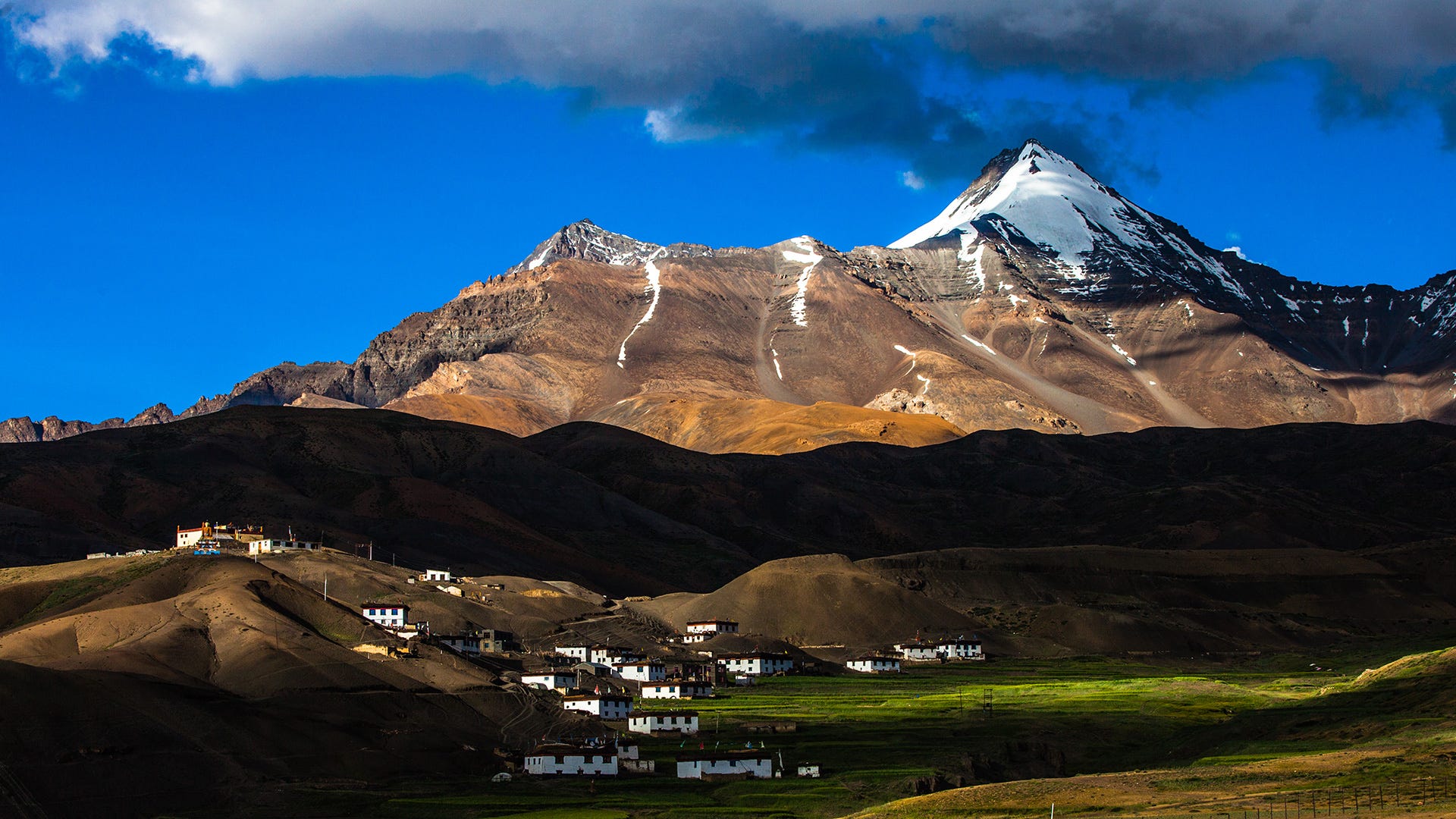
Spiti Valley 8 Days: Complete Itinerary And Route Plan
Plan perfect 8 days Spiti Valley trip from Delhi/Manali. Discover complete itinerary, best time to visit, budget & essential travel tips.
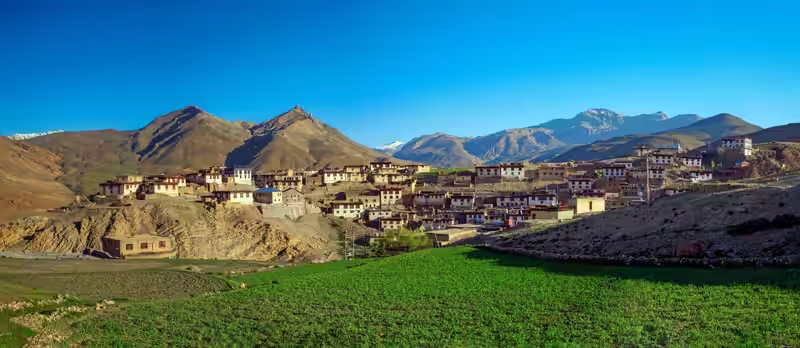
Places to Visit in Kibber: Spiti Village Highlights & Trails
Explore places to visit in Kibber with village highlights, nearby landmarks, and practical high-altitude travel planning tips.
Never Miss an Adventure
Get the latest trekking guides, travel tips, and exclusive offers delivered straight to your inbox.
