
Spiti Valley in Summer: Complete Travel Guide, Itinerary & Tips 2026
Rohit Verma
January 19, 2026
Discover Spiti Valley in summer with complete travel guide featuring 7-10 day itineraries, trekking routes, monasteries, Chandratal Lake, and essential tips for 2026.
Spiti Valley in Summer: A Himalayan Paradise Unveiled
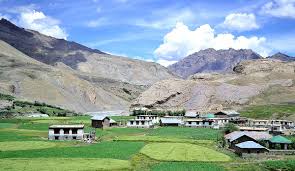
Nestled in the lap of the Himalayas, Spiti Valley transforms into a mesmerizing destination during the summer months (June to September). Known as "The Middle Land" - a place between Tibet and India, this cold desert valley offers a unique blend of stark landscapes, ancient monasteries, and pristine lakes that become accessible and breathtaking when winter snows recede. The summer months bring Spiti to life with moderate temperatures, blooming wildflowers, and clear roads making it the perfect time for travelers seeking adventure and spiritual solace. At an average altitude of 4,000 meters, the valley presents dramatic landscapes of towering mountains, deep gorges, and ancient villages that seem frozen in time.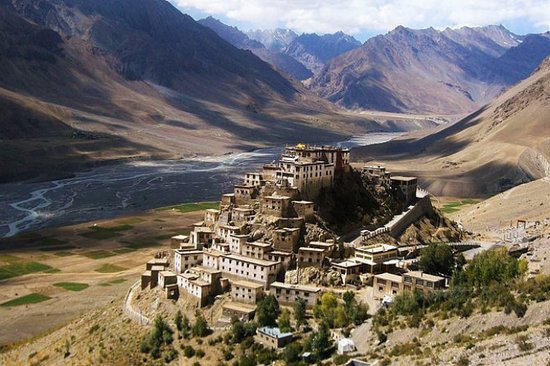
Why Summer is the Best Time to Visit Spiti
Summer offers several distinct advantages for Spiti Valley exploration. Unlike winter when the region remains cut off due to heavy snowfall and closed roads, summer ensures accessibility through both the Manali-Kaza route (Rohtang Pass) and the Shimla-Kaza route. The weather during summer remains pleasant with daytime temperatures ranging from 15°C to 25°C, making it ideal for trekking, sightseeing, and cultural exploration. Nights can still be cold (5°C to 10°C), so packing layers remains essential. Key summer benefits include:- Accessible Roads: Both Kunzum Pass and Rohtang Pass remain open, providing multiple route options.
- Monasteries Accessible: Ancient monasteries like Ki, Dhankar, and Tabo are easily reachable.
- Trekking Season: Popular treks including Chandratal Lake, Pin Parvati Pass, and Spiti to Kinnaur are operational.
- Clear Photography: Unobstructed mountain views and crystal-clear lake reflections.
- Wildlife Spotting: Snow leopards, Himalayan ibex, and blue sheep are more active.
| Month | Temperature Range | Road Status | Best For |
|---|---|---|---|
| June | 5°C - 20°C | Roads opening | Early season solitude |
| July | 10°C - 25°C | Fully accessible | Chandratal Lake |
| August | 12°C - 25°C | Fully accessible | Wildflowers blooming |
| September | 8°C - 22°C | Fully accessible | Festivals & clear skies |
Popular Summer Destinations in Spiti Valley
The summer season unveils Spiti's crown jewels that remain largely inaccessible during other seasons. Each destination offers unique experiences ranging from spiritual immersion to adventure activities.Chandratal Lake - The Moon Lake
At an altitude of 4,300 meters, Chandratal Lake captivates visitors with its crystal-clear blue waters that change colors with the sun's position. The lake remains accessible by road from mid-June to September, with the first half of the journey by vehicle and the final stretch requiring a moderate trek. Camping near Chandratal is a magical experience under star-lit skies. Basic tent accommodations and toilet facilities are available, but for the best experience, bring your own camping gear. The lake reflects the surrounding peaks creating perfect mirror images during sunrise and sunset.Key Monastery (Ki Gompa)
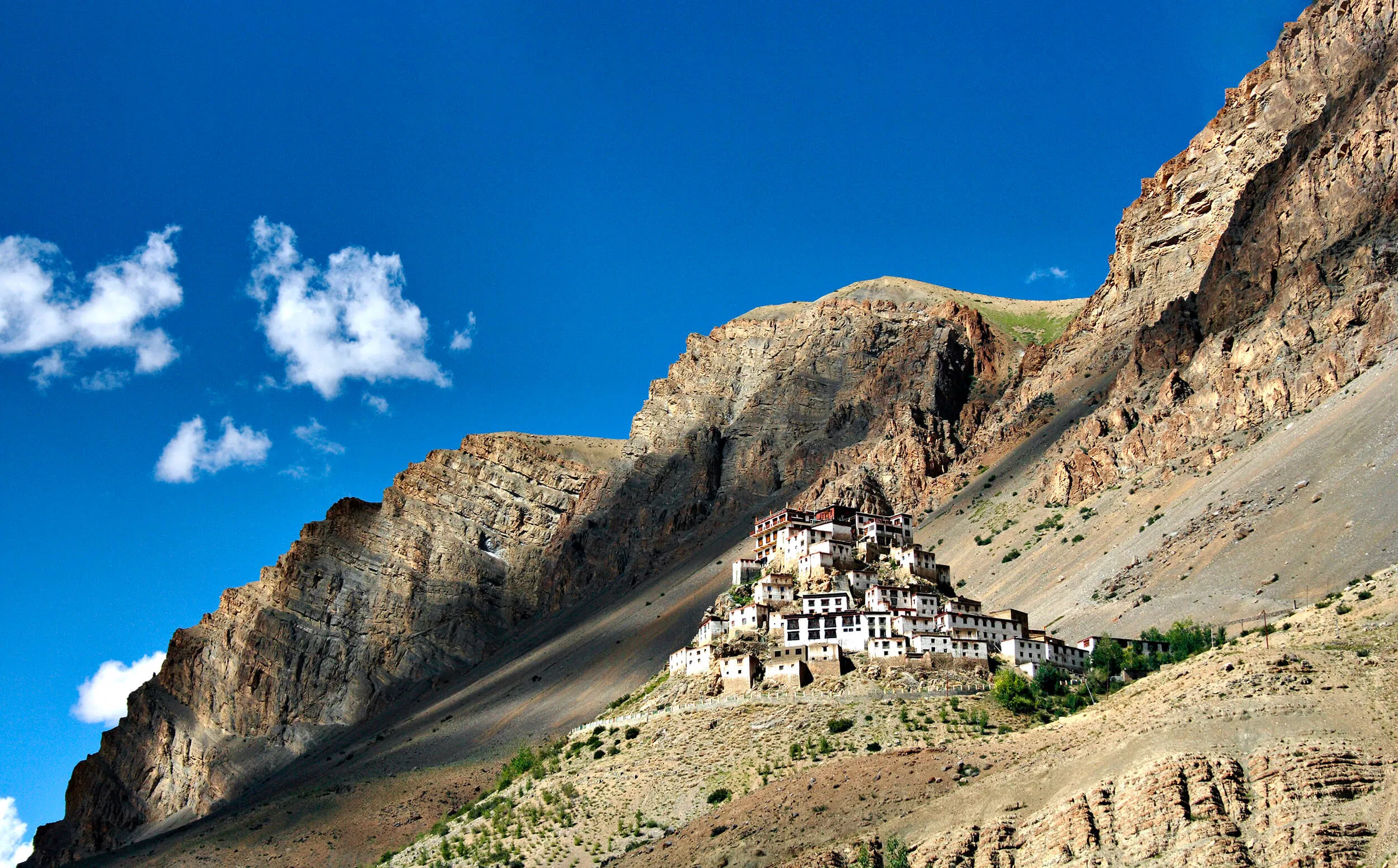
Perched atop a hill at 4,116 meters, Key Monastery is the largest and oldest monastery in Spiti Valley, dating back over 1,000 years. Summer allows visitors to explore this architectural marvel without battling winter's extreme cold. The monastery houses valuable ancient murals, Buddhist texts, and musical instruments. During summer, the monastery hosts the Cham dance festival (typically in July) where lamas perform traditional masked dances depicting Buddhist deities and historical events. This vibrant cultural event attracts visitors from around the world.Tabo Monastery - The Ajanta of the Himalayas
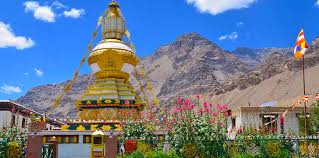
Founded in 996 AD, Tabo Monastery is renowned for its exquisite wall paintings and stucco sculptures. Often called the "Ajanta of the Himalayas" due to its artistic significance, this UNESCO World Heritage Site houses 9 temples and numerous chortens. Summer visits allow exploration of the ancient temples without extreme weather constraints. The cool summer weather makes it comfortable to spend hours studying the intricate artwork depicting Buddhist mythology and the life of Buddha.Pin Valley National Park
Summer is the only season when this high-altitude national park becomes accessible. Home to the endangered snow leopard, Pin Valley offers wildlife enthusiasts the opportunity to spot Himalayan ibex, blue sheep (bharal), and numerous bird species including the Himalayan snowcock and golden eagle. The park features diverse landscapes from cold desert to lush meadows. Popular activities include wildlife photography, trekking, and visiting the centuries-old Kungri Monastery situated within the park boundaries.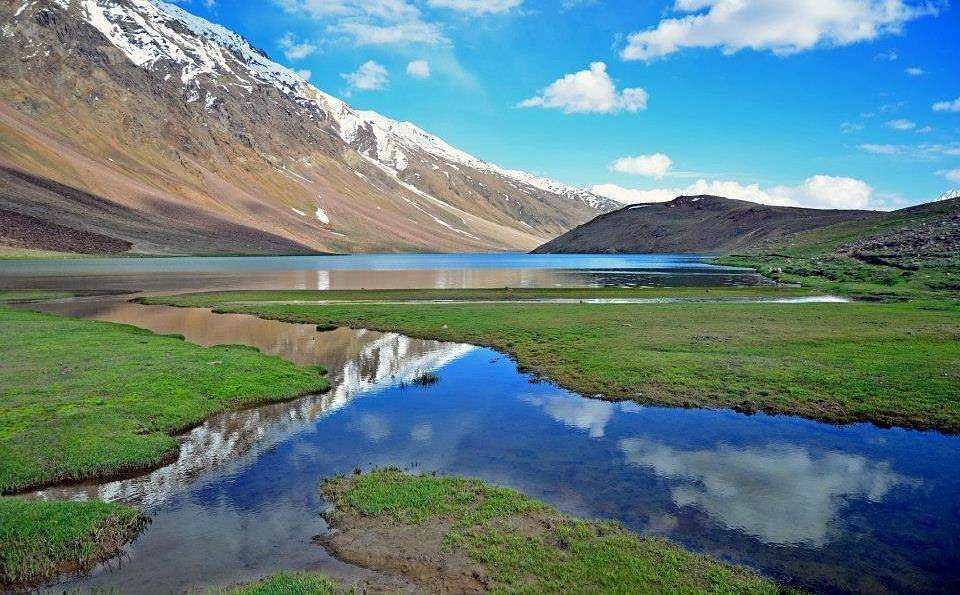
Summer Itinerary Options
7-Day Manali to Spiti Circuit
| Day | Route | Key Highlights | Stay |
|---|---|---|---|
| Day 1 | Manali to Rohtang to Gramphoo | Rohtang Pass scenery | Camping/Chhatru |
| Day 2 | Gramphoo to Kaza via Kunzum | Kunzum Pass, Chandratal | Kaza |
| Day 3 | Kaza Local Exploration | Key Monastery, Kibber | Kaza |
| Day 4 | Kaza to Pin Valley | Kungri Monastery, Mud Village | Mud Village |
| Day 5 | Pin Valley to Tabo | Tabo Monastery | Tabo |
| Day 6 | Tabo to Chandratal | Dhankar Monastery | Chandratal camping |
| Day 7 | Chandratal to Manali | Batal, Gramphoo | Manali |
10-Day Shimla-Spiti Loop
| Day | Route | Distance | Highlights |
|---|---|---|---|
| Day 1 | Shimla to Sarahan | 175 km | Bhimakali Temple |
| Day 2 | Sarahan to Sangla | 50 km | Kamru Fort, Sangla Valley |
| Day 3 | Sangla to Kalpa | 50 km | Rogi Village, Chini Village |
| Day 4 | Kalpa to Nako | 110 km | Nako Lake |
| Day 5 | Nako to Tabo | 70 km | Tabo Monastery |
| Day 6 | Tabo to Kaza | 50 km | Dhankar Monastery |
| Day 7 | Kaza Local | - | Key Monastery, Kibber, Hikkim |
| Day 8 | Kaza to Losar | 60 km | Losar Village |
| Day 9 | Losar to Manali | 180 km | Kunzum Pass, Batal |
| Day 10 | Manali Return | - | Local exploration |
Trekking Adventures in Summer
Summer unlocks Spiti's famous trekking routes that traverse some of the most spectacular landscapes in the Himalayas. These treks range from moderate to challenging levels, catering to different experience levels.Pin Parvati Pass Trek
This challenging 11-day trek connects Kullu Valley to Spiti Valley, crossing the Pin Parvati Pass at 5,319 meters. The trek offers diverse landscapes from lush Parvati Valley forests to the arid Spiti cold desert. Best attempted in July and August when the pass is snow-free but before monsoon affects the region.Chandratal to Baralacha La Trek
A moderate 6-day trek covering approximately 50 kilometers, this route takes you from Chandratal Lake to Baralacha La Pass, passing through Suraj Tal and Deepak Tal. The trail follows ancient trade routes and offers stunning high-altitude lake views.Spiti to Kinnaur Trek
This moderate 7-day trek connects Spiti Valley to Kinnaur Valley, passing through remote villages, ancient monasteries, and high mountain passes. The cultural immersion experience is exceptional as you traverse traditional Spitian and Kinnauri villages.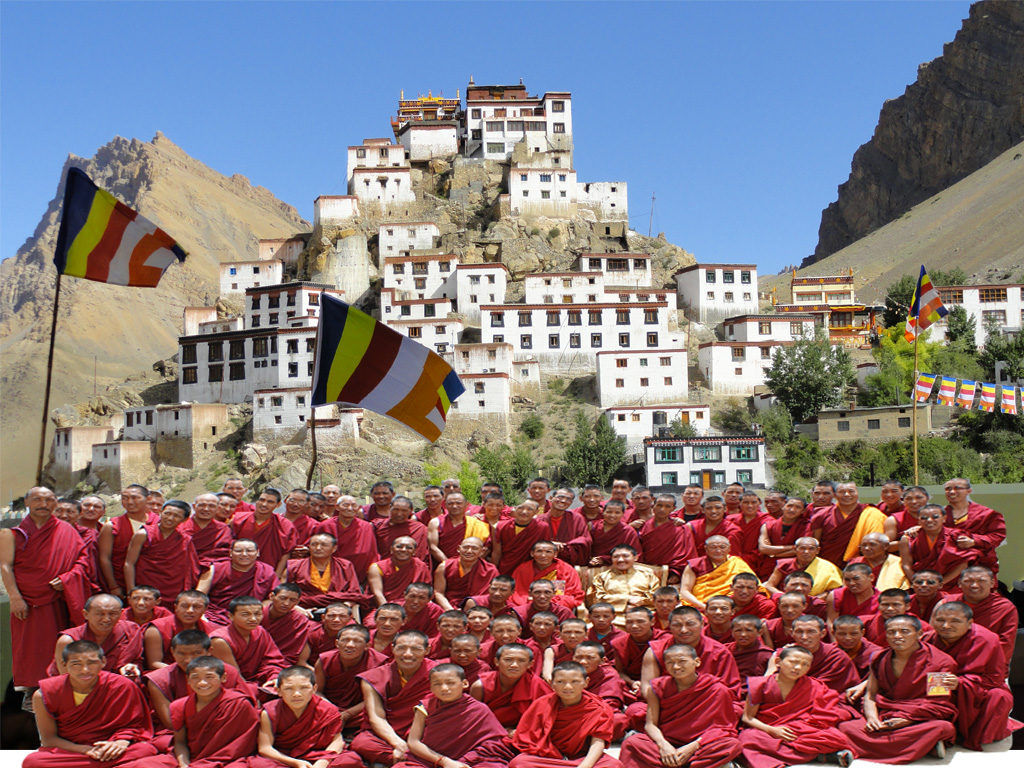
Accommodation Options in Summer
Summer accommodation options in Spiti Valley range from basic homestays to comfortable guesthouses and tented camps. Booking in advance is recommended during peak season (July-August).Homestays
Staying with local families provides authentic cultural immersion and supports the community. Homestays offer basic amenities with clean beds and home-cooked traditional Spitian food. Popular villages for homestays include Kaza, Kibber, Langza, Hikkim, and Komik. Rates typically range from Rs. 500-800 per night including meals.Guesthouses
Kaza offers several comfortable guesthouses with attached bathrooms, hot water (solar), and restaurant facilities. Popular options include Hotel Sakya Abode, The Spiti Holiday Adventure, and Hotel Deyzor. Rooms range from Rs. 800-2000 per night depending on amenities.Tented Camps
Chandratal Lake area features organized tented camps with basic facilities. Some camps offer luxury tents with proper bedding, and some even provide portable toilets. Campsites must be booked in advance during peak summer months. Rates range from Rs. 1000-2500 per night including meals.Transportation Tips
Self-Drive Considerations
Driving to Spiti requires a skilled driver comfortable with mountain roads, hairpin bends, and high-altitude conditions. A 4WD vehicle is recommended, especially for the Manali-Kaza route. Ensure your vehicle is in excellent condition with proper brakes, strong suspension, and adequate ground clearance. Carry essential spares including spare tire, jack, jumper cables, fuel, engine oil, and basic tools. Fuel stations are limited after Manali, so carry extra fuel cans (20-30 liters).Hired Vehicle Options
Hiring a local driver is recommended for those unfamiliar with mountain driving. Local drivers know road conditions, weather patterns, and alternate routes. Daily rates typically range from Rs. 3500-5000 for a non-AC vehicle including driver and fuel. Popular starting points for hired vehicles include Manali, Shimla, and Chandigarh. Many tour operators offer complete packages including accommodation and sightseeing.Public Transport
Himachal Pradesh Road Transport Corporation (HRTC) operates buses from Manali to Kaza (via Rohtang and Kunzum Pass) and from Shimla to Kaza (via Kinnaur). These buses are economical but infrequent and subject to weather and road conditions. The journey from Manali takes approximately 12-14 hours, while the Shimla route takes 2-3 days with overnight stops.Packing Essentials for Summer Spiti Trip
Clothing
- Layering System: Thermal inner wear, fleece jacket, down jacket, windproof/waterproof outer shell
- Base Layers: 2-3 pairs of thermal tops and bottoms
- Mid Layers: Fleece sweaters, woolen sweaters
- Trekking Pants: Quick-drying, comfortable for long walks
- Warm Headgear: Woolen cap, scarf/buff for wind protection
- Footwear: Waterproof trekking shoes, comfortable walking shoes, flip-flops for accommodation
- Handwear: Gloves (at least 2 pairs - one lightweight, one insulated)
Health & Safety
- AMS Medication: Diamox (consult doctor), painkillers, anti-nausea medication
- First Aid Kit: Bandages, antiseptic, pain relief sprays, altitude sickness tablets
- Sun Protection: High SPF sunscreen, sunglasses with UV protection, lip balm
- Hydration: Water purification tablets, reusable water bottle
- Insect Repellent: For lower altitude regions
Electronics & Equipment
- Power Banks: High capacity (20000mAh+), power outlets are scarce
- Camera Gear: Extra batteries (cold drains batteries), memory cards, cleaning kit
- Torch/Headlamp: Essential for power outages and camping
- Universal Adapter: For charging various devices
Acclimatization and Health Tips
Acute Mountain Sickness (AMS) is a genuine concern when visiting Spiti due to the high altitude. Proper acclimatization is crucial for a safe and enjoyable trip.- Gradual Ascent: Gain altitude gradually, especially on the Manali route. Stop at intermediate points like Marhi, Rohtang top, or Gramphoo.
- Hydration: Drink plenty of water (3-4 liters daily). Avoid alcohol and excessive caffeine.
- Diet: Eat light, easily digestible meals. Avoid heavy, oily foods.
- Rest: Take it easy for the first 24-48 hours at altitude. Avoid strenuous activity initially.
- Monitor Symptoms: Headache, nausea, dizziness, and shortness of breath are common AMS symptoms. Descend if symptoms persist or worsen.
Cultural Etiquette and Responsible Travel
Spiti Valley follows Tibetan Buddhist traditions. Respecting local customs is essential for meaningful cultural exchange.- Monastery Visits: Dress modestly (covered shoulders and knees), speak softly, ask permission before photography, walk clockwise around stupas and chortens.
- Photography: Always ask permission before photographing people, especially monks and locals.
- Environmental Responsibility: Carry all waste back with you, use refillable water bottles, respect wildlife from a distance.
- Support Local Economy: Buy handicrafts directly from artisans, stay in homestays, eat at local establishments.
- Sacred Sites: Do not touch religious artifacts, remove shoes before entering temples.
Food and Cuisine
Spitian cuisine reflects the harsh high-altitude environment with dishes designed to provide energy and warmth. Local specialties worth trying include:- Thukpa: Noodle soup with vegetables or meat
- Momo: Tibetan dumplings, steamed or fried
- Chang: Local barley beer
- Butter Tea: Tibetan tea with yak butter and salt (acquired taste!)
- Spitian Bread: Traditional bread made from local wheat
Permits and Documentation
Inner Line Permit (ILP)
Indian citizens do not require an Inner Line Permit for Spiti Valley. However, foreigners do need a Protected Area Permit (PAP) to visit certain areas including Kaza, Key Monastery, Kibber, and Tabo.Ladakh Route Permit
>If traveling from Spiti to Ladakh via Manali-Leh highway, you'll need to obtain permits from the Deputy Commissioner's office in Kaza. These can typically be arranged through your travel agency or hotel.Vehicle Permits
>Vehicles from other states may require permits for entering Himachal Pradesh. Check current regulations as these can change. Commercial vehicles need specific permits for operating in tribal areas.Budget Breakdown
Expense Category
Budget (per person)
Notes
Transport (Self-Drive)
Rs. 8,000-12,000 Fuel, tolls, permits, vehicle maintenance
Transport (Hired) Rs. 15,000-25,000 7-10 days including driver, fuel
Accommodation Rs. 5,000-10,000 7-10 nights based on double occupancy
Food Rs. 3,000-5,000 Local restaurants, homestays
Permits & Miscellaneous Rs. 500-1,000 Permits, tips, emergency fund
Total (Self-Drive) Rs. 16,500-28,000 Per person for 7-10 days
Total (Hired Vehicle) Rs. 23,500-41,000 Per person for 7-10 days
Photography Tips
Spiti Valley offers endless photographic opportunities. Here are some tips for capturing its beauty:
- Golden Hour: Shoot during sunrise and sunset for warm, soft light on mountains.
- Blue Hour: Night photography of monasteries and star-lit skies is spectacular.
- Weather Changes: Be ready to shoot in changing conditions - light varies dramatically in mountains.
- Wide Angle: Use wide-angle lenses for expansive landscapes and vast valleys.
- Telephoto: Bring a telephoto lens for compressing mountains and capturing distant peaks.
- Extra Batteries: Cold temperatures drain batteries faster - keep spares warm.
- Clean Lenses: Dust is common in Spiti - keep lens cleaning supplies handy.
Best Time for Specific Activities
- June: Early season visits, fewer crowds, snow patches visible on passes
- July: Peak summer, Chandratal Lake accessible, wildflowers blooming
- August: Lush landscapes, cultural festivals, monsoon light showers possible
- September: Clear skies, stable weather, excellent photography conditions
Safety and Emergency Contacts
- Emergency Number: 108 (Himachal Pradesh Emergency Response)
- Kaza Hospital: District Hospital, Kaza - Limited but adequate for basic needs
- Kaza Police: +91-1906-222236
- Manali Hospital: Lady Willingdon Hospital - For serious medical emergencies
Inform someone of your itinerary and expected return date, especially if trekking or camping. Carrying a satellite phone or local SIM with good coverage is advisable for remote areas.
Conclusion: Making the Most of Summer in Spiti
Spiti Valley in summer offers a unique blend of adventure, spirituality, and natural beauty. With proper planning, adequate acclimatization, and respect for local culture, a summer Spiti trip becomes a transformative experience rather than just another vacation.
The stark landscapes, ancient monasteries, and warm hospitality of Spitian people create memories that last a lifetime. Whether you're trekking to Chandratal Lake, meditating at Tabo Monastery, or simply soaking in the silence of the high Himalayas, Spiti Valley delivers an experience unlike any other destination in India.
| Expense Category | Budget (per person) | Notes |
|---|---|---|
| Transport (Self-Drive) | Rs. 8,000-12,000 | Fuel, tolls, permits, vehicle maintenance |
| Transport (Hired) | Rs. 15,000-25,000 | 7-10 days including driver, fuel |
| Accommodation | Rs. 5,000-10,000 | 7-10 nights based on double occupancy |
| Food | Rs. 3,000-5,000 | Local restaurants, homestays |
| Permits & Miscellaneous | Rs. 500-1,000 | Permits, tips, emergency fund |
| Total (Self-Drive) | Rs. 16,500-28,000 | Per person for 7-10 days |
| Total (Hired Vehicle) | Rs. 23,500-41,000 | Per person for 7-10 days |
Location
Frequently Asked Questions
Q1.Is June a good time to visit Spiti Valley?
Q2.How many days are required for Spiti Valley trip?
Q3.Is Spiti Valley safe for summer travel?
Q4.What is the budget for a Spiti Valley summer trip?
Q5.Do I need permits for Spiti Valley in summer?
Q6.Which is better: Manali route or Shimla route to Spiti?
Q7.Can I visit Chandratal Lake in summer?
Q8.What clothes to pack for Spiti Valley in summer?
Q9.Is Spiti Valley suitable for family travel?
Recommended For You
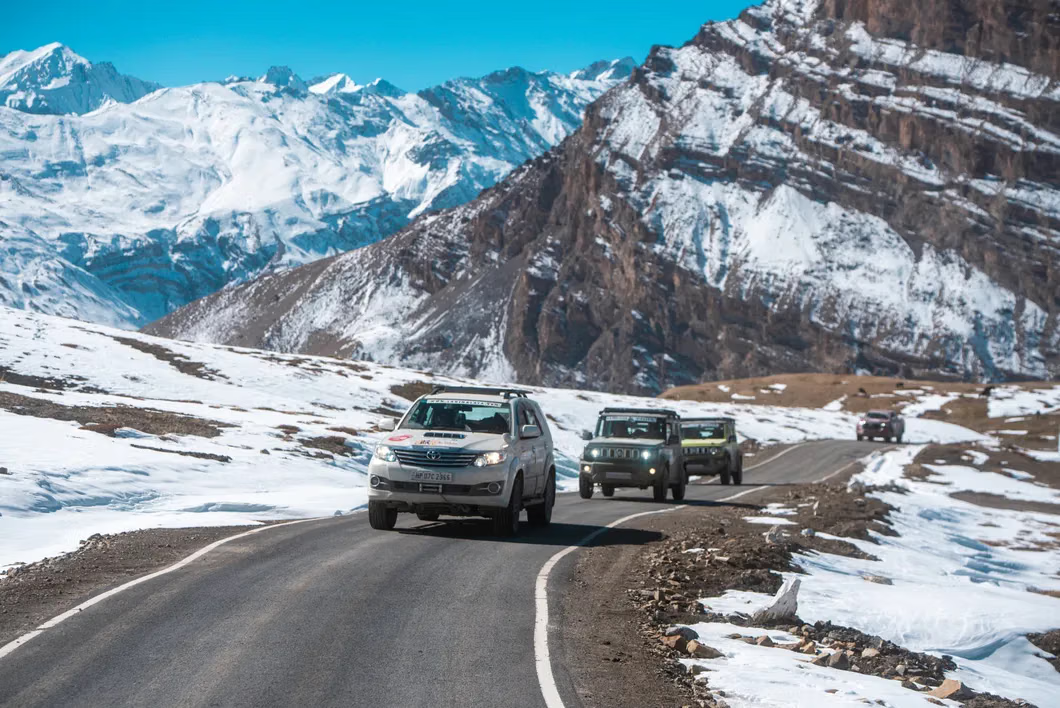
Spiti Valley Road Trip: The Ultimate Guide to Himalayan Adventure
Spiti Valley road trip guide: routes from Shimla/Manali, best time, permits, vehicles, itinerary, accommodation & tips for the ultimate Himalayan adventure.
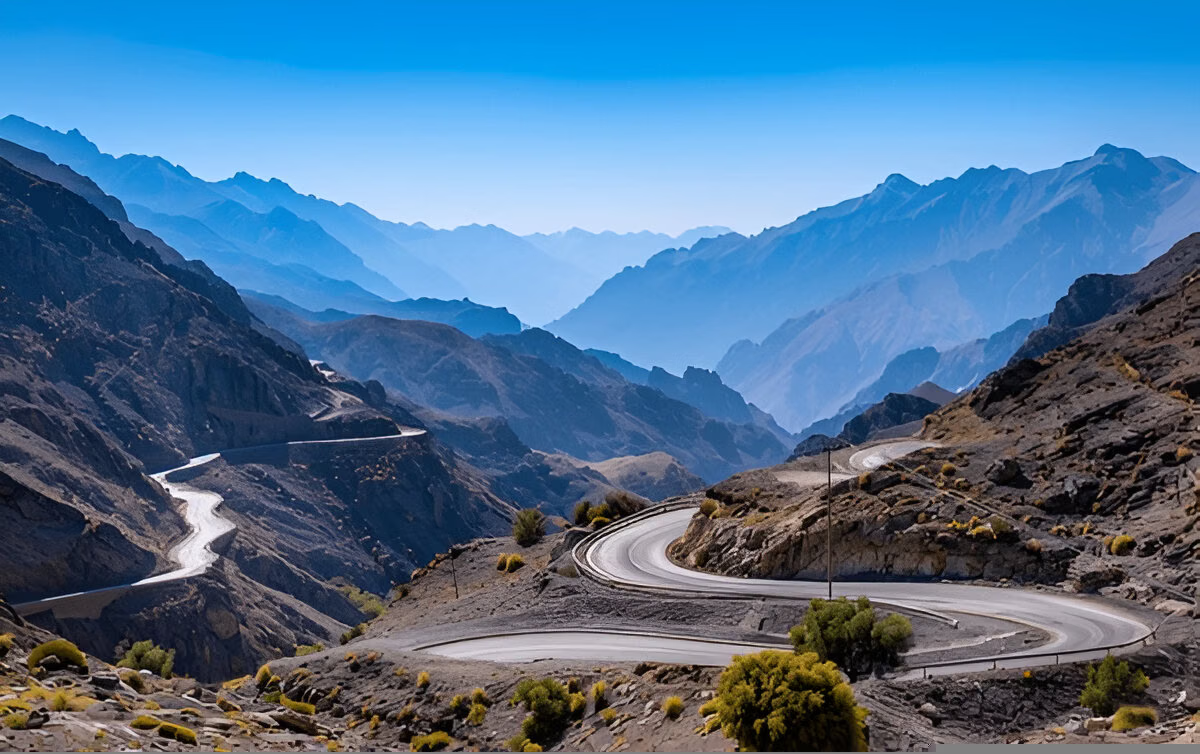
Spiti vs Ladakh: Which is Better?
Comprehensive comparison between Spiti and Ladakh road trips covering difficulty, cost, best time to visit, scenery, and which destination to choose.
Pin Valley National Park Spiti: Wildlife, Trek Routes & Travel Tips
Pin Valley National Park complete guide covering wildlife, snow leopard habitat, treks, best season, route planning from Kaza, permits, and practical stay tips in Spiti.
Never Miss an Adventure
Get the latest trekking guides, travel tips, and exclusive offers delivered straight to your inbox.
