
Best Time to Visit Tawang: Season, Snowfall & Route Conditions

Rohan Malhotra
February 18, 2026
Find the best time to visit Tawang with season-by-season weather insights, road-planning tips, monastery timing advice, and packing guidance.
Best Time to Visit Tawang: Season, Road Access, and Weather Guide
The best time to visit Tawang depends on your comfort with altitude, cold, and mountain-road variability. Tawang is not just another hill town; it is a high-altitude destination in Arunachal Pradesh where weather, pass conditions, and route planning directly affect trip quality. Many travelers choose dates based on social media visuals and forget that road reliability and temperature swings can shape each day.
This guide helps you choose the most practical travel window by season, activity type, and route strategy. If you are combining Tawang with wider Northeast planning, read places to visit arunachal pradesh and places to visit arunachal monsoon. For regional timing context, compare with best time to visit meghalaya.
Tawang Climate Overview
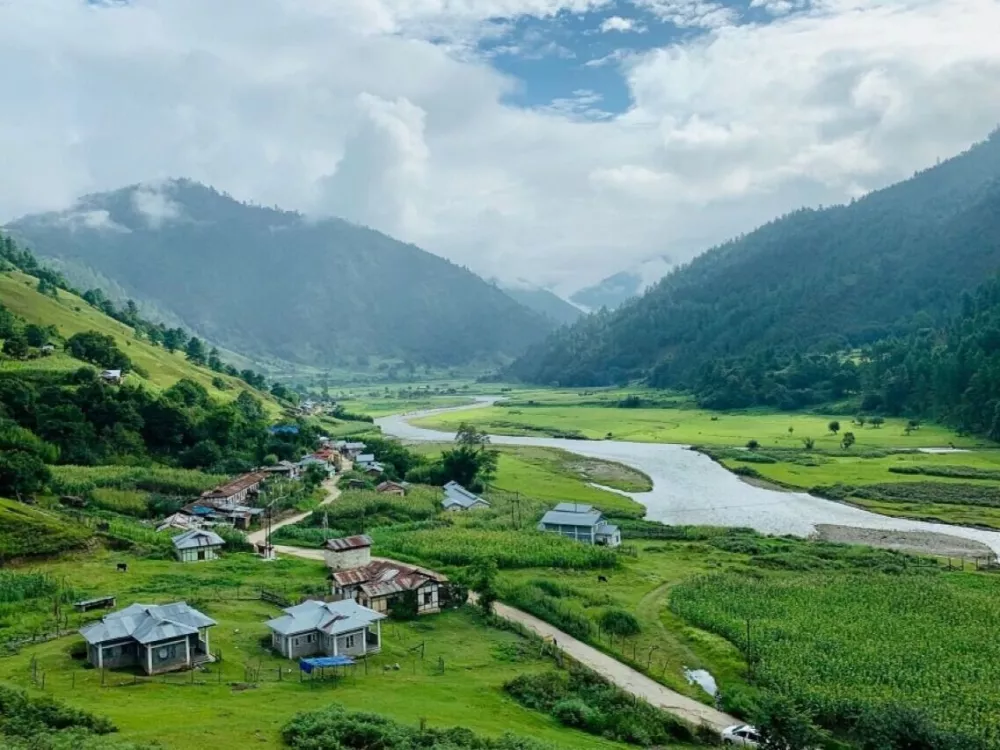
Tawang experiences four distinct travel phases: spring-summer comfort, autumn clarity, winter snow, and monsoon disruption risk. Because of altitude and mountain terrain, local weather can change quickly. This is why buffer days are important, especially if you have fixed transport bookings. A realistic itinerary gives better results than a packed checklist.
The most common planning mistake is treating Tawang as a short weekend destination. Road travel takes time, and high-altitude fatigue is real. Keep your schedule balanced with at least one light day after long transfers.
Summer (April to June): Best for Most First-Time Visitors
April to June is often the most practical window for first-time Tawang travel. Weather is relatively pleasant, roads are usually easier compared with deep winter or heavy monsoon periods, and sightseeing days are more usable. Monastery visits, viewpoints, and local market walks are more comfortable in this period.
This season also works well for families and mixed-age groups because day temperatures are manageable and route planning is simpler. If your goal is smooth execution with fewer weather surprises, summer is a strong choice.
Autumn (October to November): Clear Views and Great Photography
Autumn is one of the most rewarding windows for travelers who prioritize mountain visibility. Skies are often clearer, the landscape has strong contrast, and route conditions can be favorable. This period suits photographers and travelers who want panoramic passes and monastery views with lower humidity.
Nights can be cold, so clothing preparation matters. But for many travelers, autumn delivers the best balance between visual quality and manageable travel conditions.
Winter (December to March): Snow Experience with Higher Risk
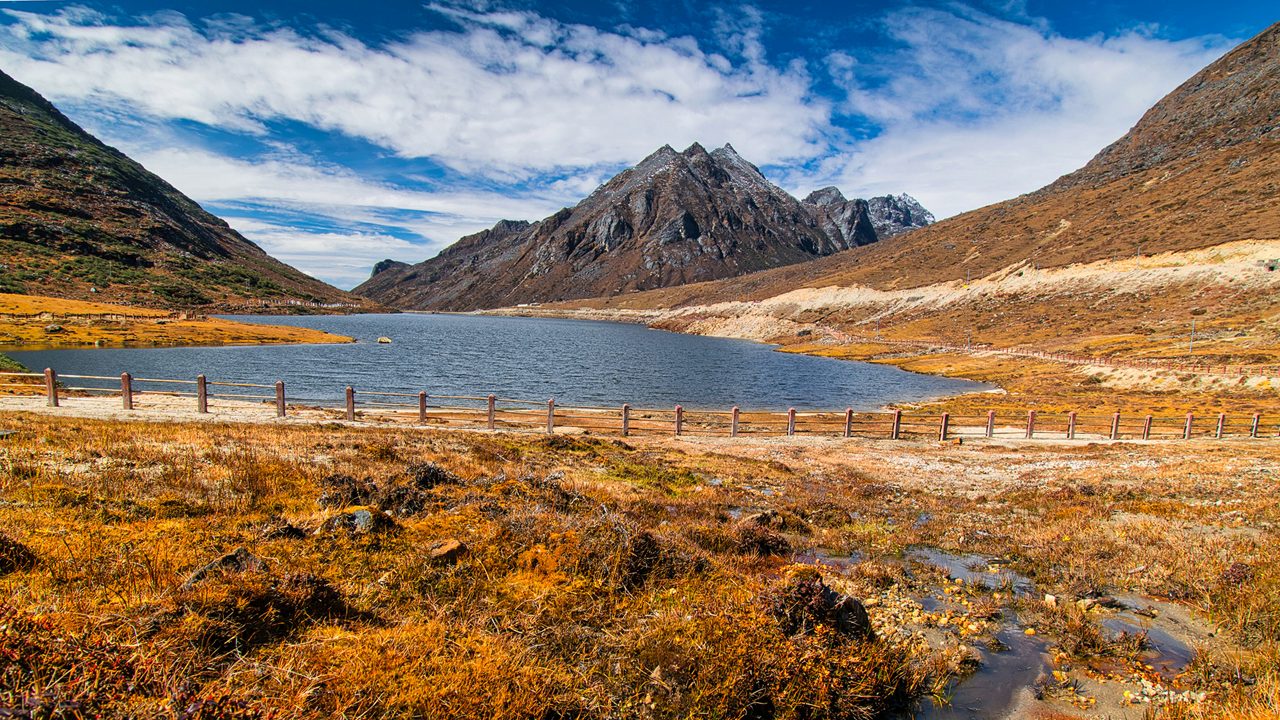
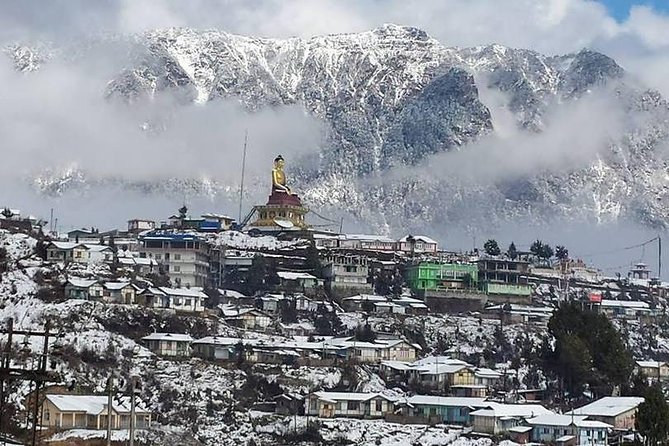
Winter in Tawang can be magical for snow lovers, but it requires serious preparation. Cold intensifies, route flexibility becomes essential, and pass conditions can affect access. If your main objective is snowfall and winter landscapes, this season can be unforgettable, but only with proper layering, transport contingency, and schedule buffers.
Travelers visiting in winter should avoid rigid hour-by-hour planning. Start days early, track local advisories, and keep backup plans for weather-affected routes.
Monsoon (July to September): Lush but Uncertain
Monsoon can make the region beautifully green, but heavy rain can disrupt mountain roads and reduce visibility. This season is usually not ideal for travelers with short schedules or low tolerance for itinerary changes. If you must travel in monsoon, keep plans simple, reduce long-distance day movement, and add extra contingency time.
For transport-specific planning in variable weather, references like how to reach meghalaya can help with regional route mindset, even though Tawang has its own distinct conditions.
Best Time by Activity Type
| Activity | Best Season | Why | Caution |
|---|---|---|---|
| Monastery visits | April-June, October-November | Comfortable weather and better movement | Cold mornings at higher points |
| Snow experience | December-February | Higher chance of winter landscapes | Road and pass disruptions possible |
| Photography | Autumn and selective spring windows | Clearer skies and sharper mountain views | Temperature drops after sunset |
| Budget travel | Shoulder windows | Better value than peak periods | Weather variability increases |
Tawang Monastery and Festival Timing
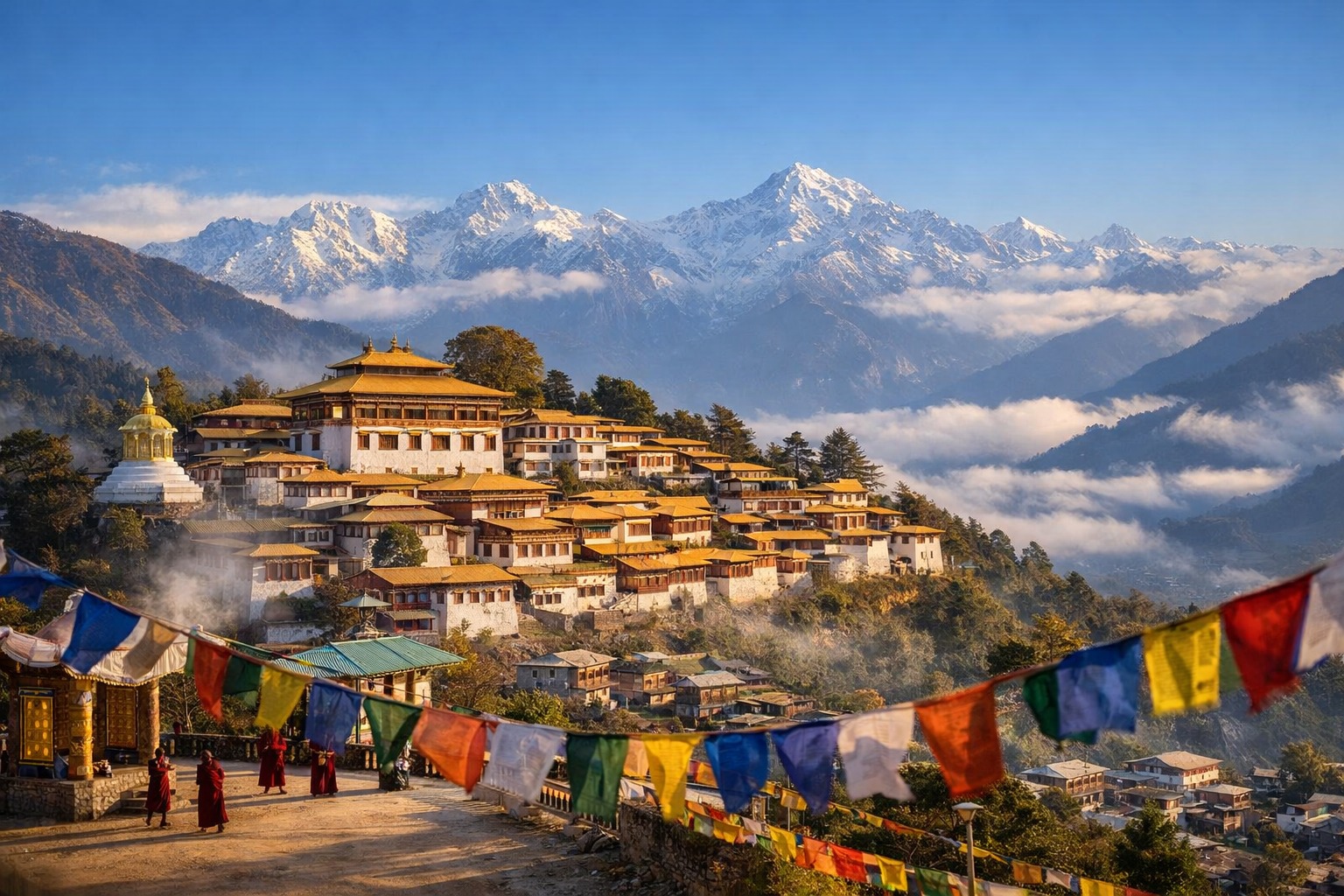
Tawang’s cultural dimension is central to the travel experience. For spiritual travelers, timing around monastery events can add depth to the trip. If cultural immersion is your priority, compare your dates with regional celebration windows and keep enough time in town instead of rushing through viewpoint circuits.
For festive atmosphere references, check christmas in arunachal pradesh. For practical shopping and local cultural items, include things to buy tawang in your plan.
Sela Pass Access Planning
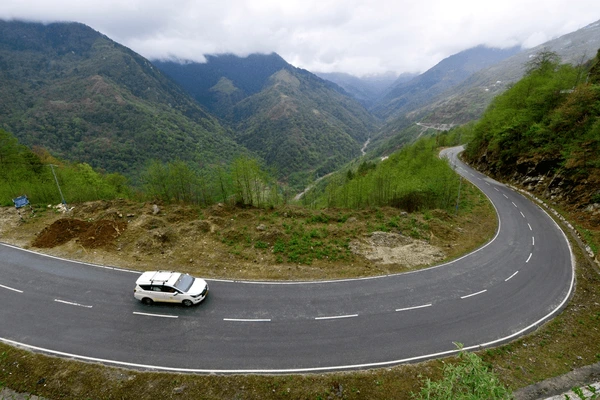
Sela Pass is one of the key route points affecting Tawang access. Conditions vary by season, and weather can alter travel time significantly. Build conservative transfer days, keep driver coordination active, and avoid stacking major sightseeing right after long pass crossings. A rested itinerary performs far better than a compressed one.
If your trip includes high-altitude zones, hydration and rest strategy are non-negotiable. Altitude discomfort can reduce day quality quickly when combined with long road hours.
Suggested 5-Day Tawang Structure
Day 1: arrival transit and acclimatization.
Day 2: monastery and local town exploration.
Day 3: pass and viewpoint circuit with flexible pace.
Day 4: buffer day for weather and optional local routes.
Day 5: return transit.
This framework protects the core experience and handles uncertainty better than a rigid sightseeing list.
What to Pack by Season
- Spring/Autumn: layered clothing, windproof jacket, sturdy walking shoes.
- Winter: thermal base layers, insulated outerwear, gloves, and warm footwear.
- Monsoon: waterproof layers, quick-dry clothing, and rain-safe bags.
- All seasons: medicines, power bank, and photo ID backups.
Final Recommendation
For most travelers, April to June and October to November are the best time to visit Tawang because they offer the strongest balance of weather comfort, road usability, and sightseeing quality. Winter is excellent for snow-focused travel with flexible planning, while monsoon is best only for travelers comfortable with weather uncertainty. Choose the season by your trip goal, and Tawang will be far easier and more rewarding.
Quick Planning Rule for Tawang
Keep one weather buffer and avoid late-day long transfers across passes. A calm, altitude-aware itinerary consistently gives better outcomes than a rushed route with too many checkpoints.
Choose dates by priority: summer and autumn for smoother travel, winter for snow intent, and monsoon only with high flexibility. This single decision framework prevents most avoidable planning errors in Tawang itineraries.
Location
Frequently Asked Questions
Q1.What is the best month to visit Tawang?
Q2.Is winter a good time to visit Tawang?
Q3.Can I visit Tawang in monsoon?
Q4.When does it snow in Tawang?
Q5.How important is Sela Pass status for Tawang travel?
Q6.What should I pack for Tawang?
Q7.Is autumn good for Tawang photography?
Q8.How many buffer days should I keep for Tawang trip?
Recommended For You
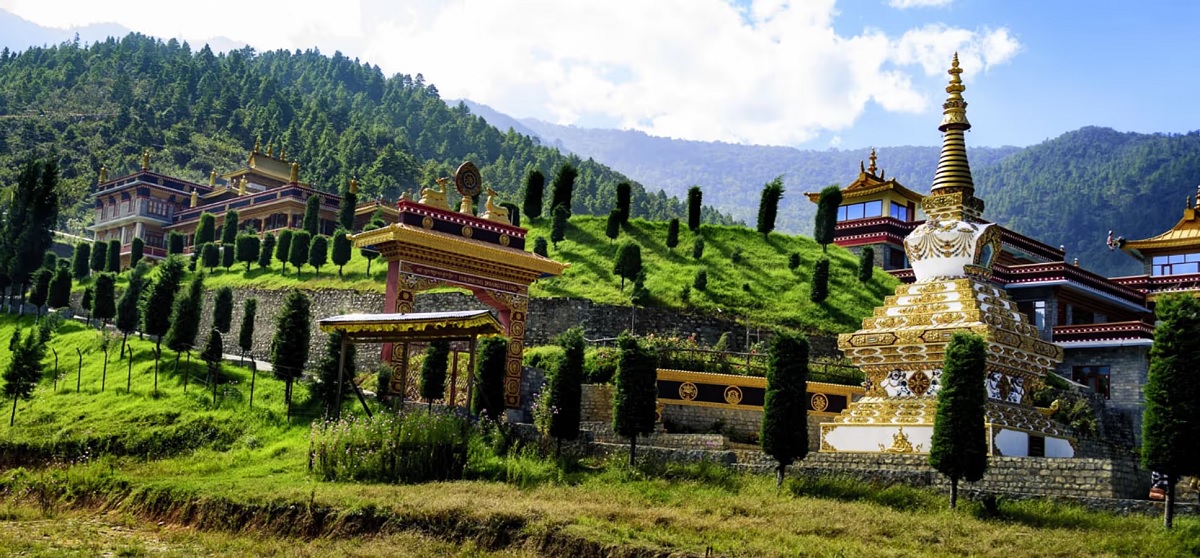
Christmas in Arunachal: Events, Culture, and Travel
Plan Christmas in Arunachal Pradesh with practical event timing, etiquette, and winter travel guidance.
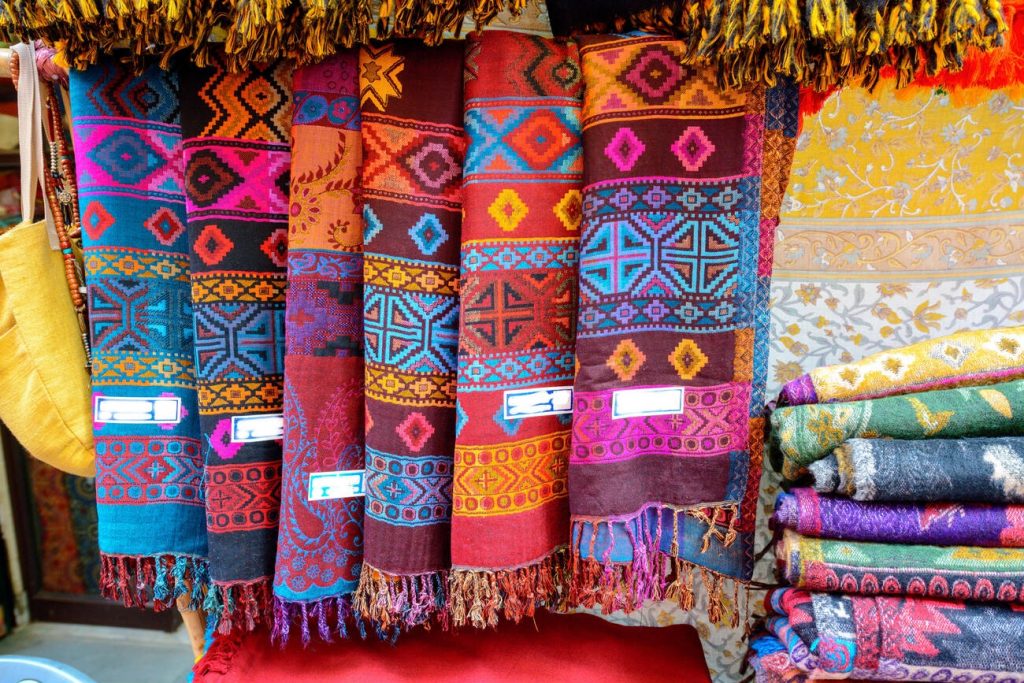
Things to Buy in Tawang: Monpa Crafts, Woollens & Souvenirs
Find the best things to buy in Tawang with a practical guide to monastery souvenirs, Monpa handicrafts, woollens, local markets, and smart shopping tips.
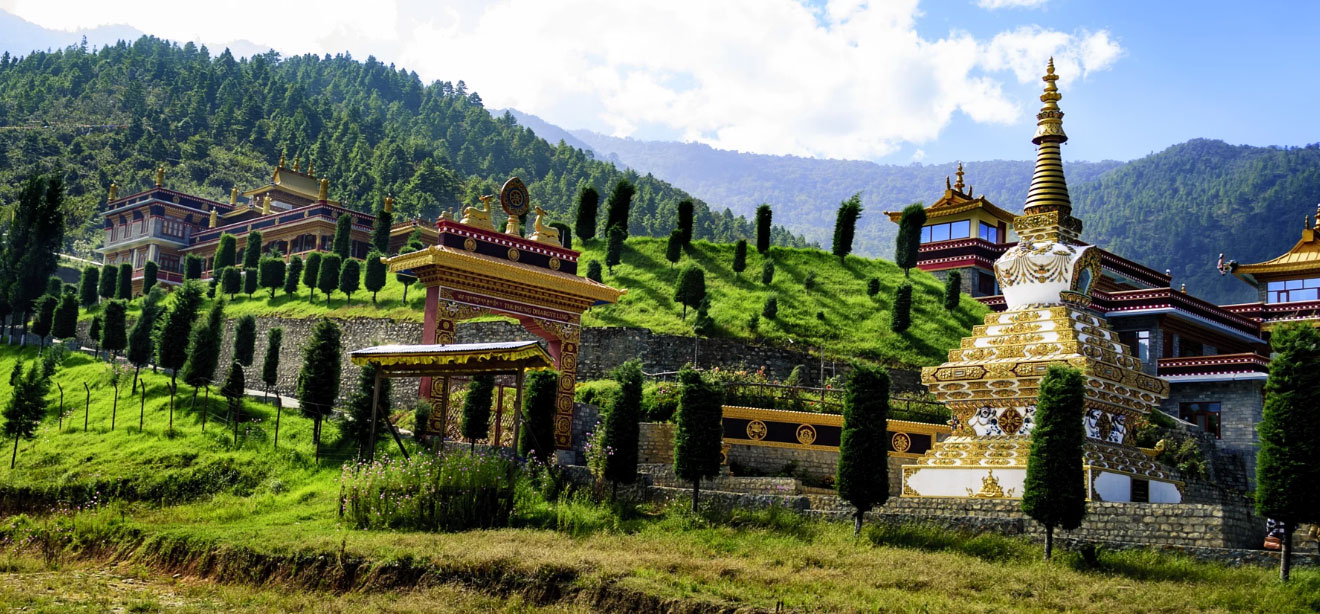
Places to Visit Arunachal Pradesh: Top 10 Destinations
Explore Arunachal Pradesh's top destinations: Tawang monasteries, Sela Pass, Ziro valley, Namdapha National Park, and practical travel guide with permits.
Never Miss an Adventure
Get the latest trekking guides, travel tips, and exclusive offers delivered straight to your inbox.
