

Arunachal Monsoon: Best Places, Routes and Safety Tips

Priya Mehta
February 20, 2026
Plan Arunachal Pradesh in monsoon with district highlights, weather-aware routes, safety tips, packing essentials, and realistic itinerary strategy.
1. Introduction: Monsoon in Arunachal Is Stunning but Demands Planning
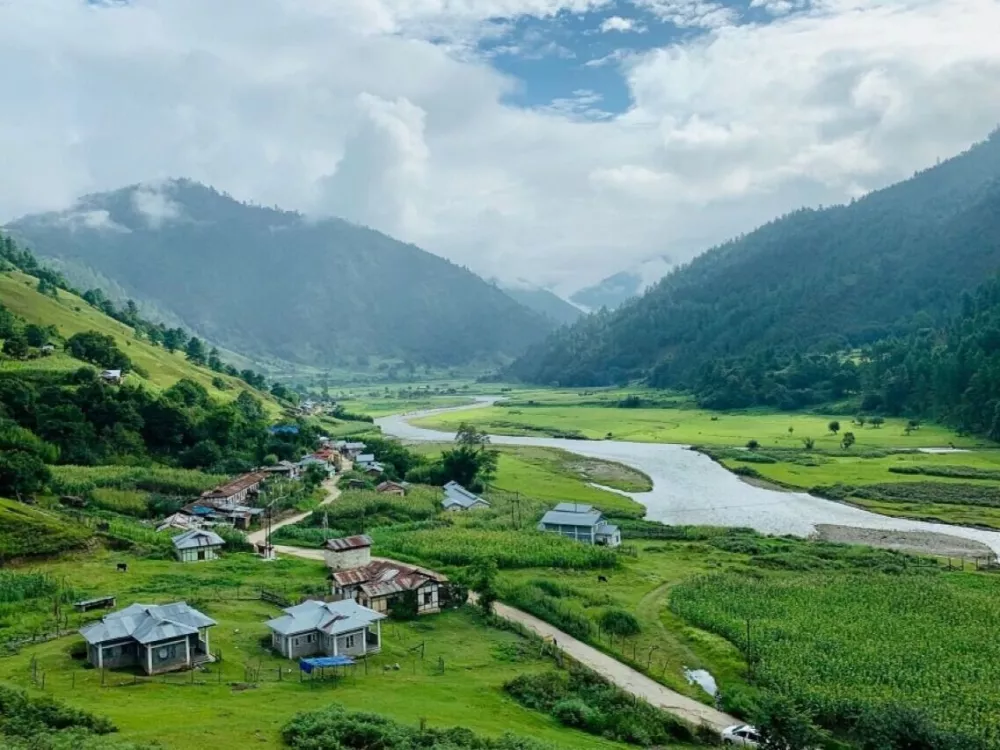
+Arunachal Pradesh in monsoon can look extraordinary: mist-filled valleys, saturated green hillsides, cloud-cut mountain roads, and waterfalls that come alive after rain. For travelers who enjoy dramatic landscapes and low-crowd routes, this season can be rewarding. But unlike dry-season trips, monsoon travel here needs flexibility, road-condition awareness, and realistic timing.
+The goal is not to “cover everything,” but to choose accessible circuits and keep buffer days. This guide covers weather pattern basics, best places to visit during monsoon windows, expected challenges, packing strategy, safety planning, and a workable itinerary model so your trip stays scenic and practical.
+
+
+2. Weather and Rainfall Pattern in Arunachal Monsoon
+Arunachal’s monsoon generally spans June to September, with variation by altitude and district. Lower and mid-elevation zones can see persistent rain bursts, while higher routes may alternate between cloud cover, drizzle, and occasional clear windows. The same district can look completely different within a few hours.
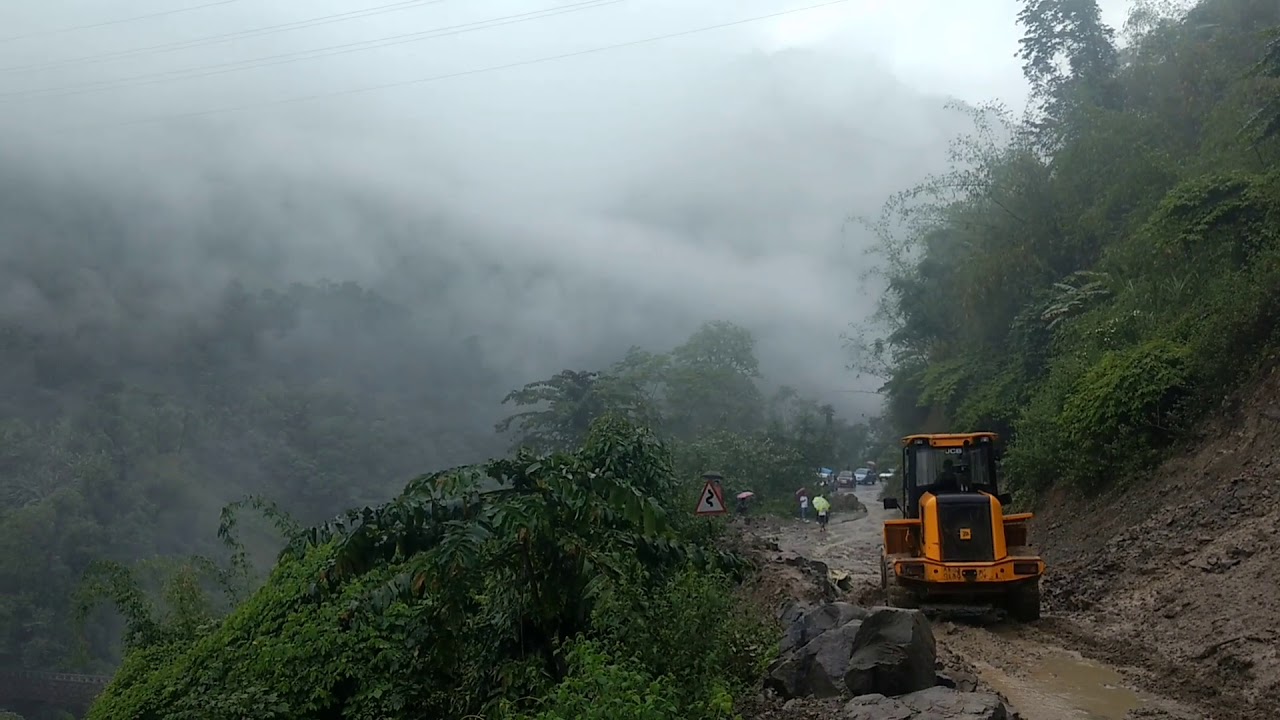
+This is why daily weather checks matter more than monthly averages. Heavy rain can affect roads through waterlogging, visibility drop, and occasional landslide clearance delays. Even if your destination is open, travel speed may reduce significantly.
+| Monsoon Factor | Typical Impact | What To Do |
|---|---|---|
| Frequent rainfall | Slower travel and wet trails | Keep buffer time in every transfer |
| Cloud/fog build-up | Reduced visibility on hill roads | Avoid late-evening long drives |
| Landslide-prone stretches | Temporary route blocks | Track local updates daily |
| Humidity swings | Fatigue and gear discomfort | Use quick-dry layers and hydration |
3. Kohima-Style Base Logic Applied to Arunachal: Start with a Reliable Hub
+In monsoon travel, the first rule is to anchor your trip in a stable base city before moving deeper. In Arunachal, that role is often handled by Itanagar/Naharlagun-side logistics depending on your route entry. A reliable base lets you adapt to weather without losing the entire trip.
+Keep your first 24 hours light: confirm onward transport, check road advisories, and avoid long same-day transfers after arrival. This approach is more effective than trying to rush directly into high-altitude routes during active rain.
+ +4. Best Places to Visit in Arunachal During Monsoon
+Itanagar and Nearby Cultural Circuit
+Good for history, local culture, and low-risk first days in monsoon. If mountain roads are unstable, this zone still gives meaningful exploration options.
+ +Ziro Valley
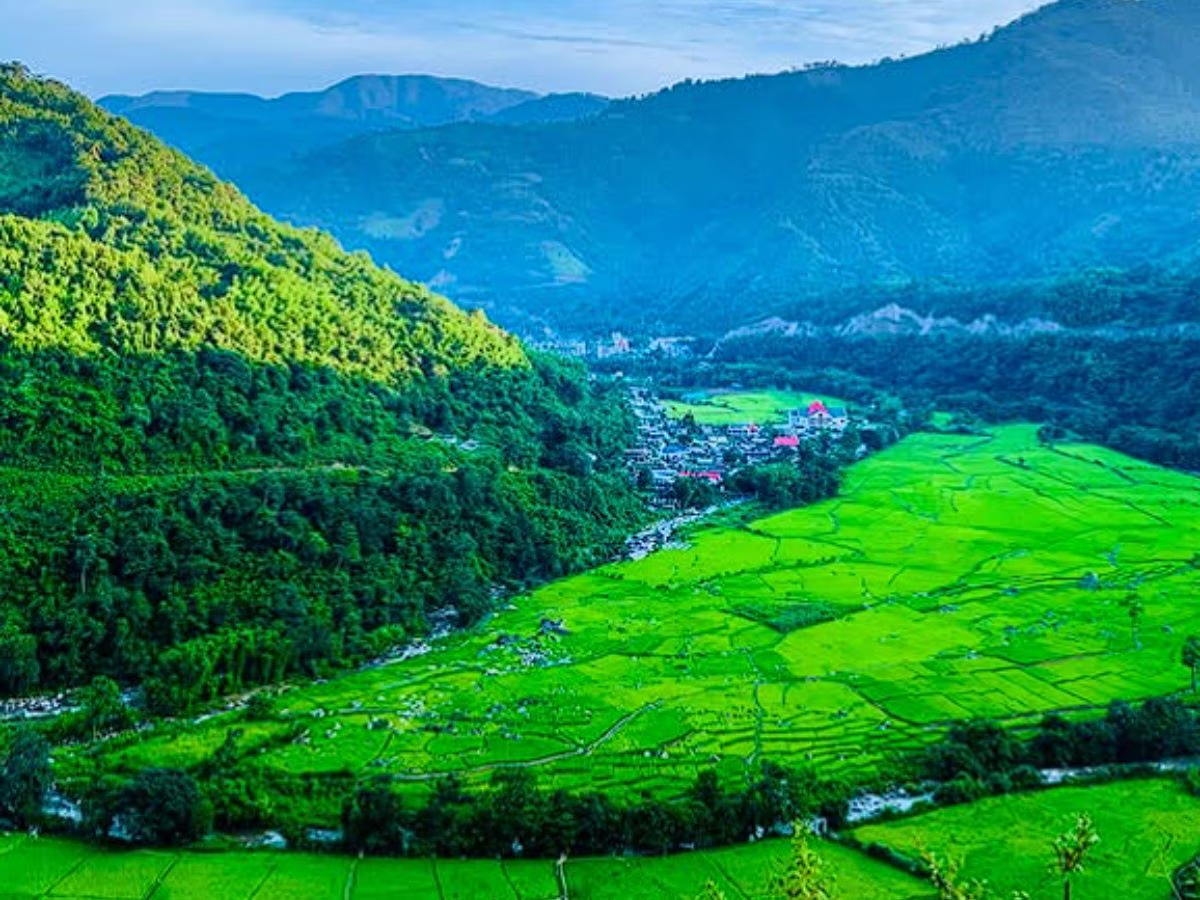
+Ziro can be breathtaking in monsoon with layered paddy landscapes and cloud movement. Road conditions may vary, so plan flexible arrival and avoid late-night approach drives.
+ +Bomdila and Dirang Corridors
+These are popular mountain routes with scenic value in all seasons, including monsoon. But road pace can drop sharply in heavy rain windows, so keep transit expectations realistic.
+ +Tawang (Weather-Permitting)
+Tawang is often a highlight destination, but monsoon access depends on current road and weather status. If conditions are unstable, prioritize safety over fixed booking pressure.
+ +Mechuka and Deeper Remote Routes
+Remote circuits can be rewarding but are best for experienced flexible travelers with extra time and contingency planning.
+ + +
+
+
+5. Monsoon Advantages: Why People Still Choose This Season
+-
+
- Lush mountain scenery and dramatic cloudscapes. +
- Lower tourist pressure in many zones. +
- High photographic contrast with rain-washed landscapes. +
- Fresh post-rain atmosphere in valley regions. +
- Potentially better accommodation availability outside peak windows. +
If your travel style values mood, nature, and slower exploration, monsoon can offer an experience that dry-season rush trips cannot.
+ +6. Travel Challenges You Must Plan For
+Monsoon travel in Arunachal is less about destination difficulty and more about uncertainty management. A route that is open in the morning can still become slow later due to rain or visibility changes.
+Most Common Challenges
+-
+
- Road delays from active weather or maintenance clearance. +
- Reduced trekking options in heavy rain phases. +
- Transport timing mismatch in remote stretches. +
- Network inconsistency during long drives. +
- Fatigue from wet gear and repeated weather exposure. +
The fix is simple: fewer destinations, more buffer, and one backup plan for every major travel day.
+ +7. Packing Essentials for Arunachal Monsoon
+| Item | Why It Matters |
|---|---|
| Waterproof jacket + rain cover | Essential for long wet transfers |
| Quick-dry clothing | Improves comfort in humidity |
| Grip footwear | Safer on slippery surfaces |
| Power bank + offline maps | Useful in low-network areas |
| Basic medical kit | Critical in remote stretches |
| Dry bags | Protects electronics and documents |
Keep luggage compact. Smaller, weather-proof packs are easier to manage in repeated rain movement.
+ +8. Safety Tips: Road, Health, and Route Decisions
+-
+
- Check weather and road status every morning. +
- Use experienced local drivers for mountain routes. +
- Avoid pressure-driving after sunset in heavy rain. +
- Do not force hikes when visibility is poor. +
- Carry enough water and quick-energy snacks on long drives. +
- Inform your stay host of expected arrival windows. +
For seasonal comparison, you can cross-check your expectations with best time to visit Meghalaya and best time to visit Spiti Valley, since monsoon effects vary strongly by region type.
+ +9. Permit and Documentation Basics
+Arunachal travel usually requires documentation checks and, for many travelers, permit-related compliance depending on nationality and route. Rules can change, so always verify via official state portals before travel dates.
+Carry both digital and printed copies of key documents. In weather-affected travel days, simple paperwork delays can cascade into missed connections.
+ +10. 6-Day Flexible Monsoon Itinerary Model
+-
+
- Day 1: Arrival and base setup (Itanagar/Naharlagun side), no long transfer. +
- Day 2: Local exploration + road condition check for onward route. +
- Day 3: Move to valley/hill base (e.g., Ziro or Bomdila corridor). +
- Day 4: Scenic/cultural day with low-risk local movement. +
- Day 5: Optional extension to next district if weather is stable. +
- Day 6: Return with strong buffer for delays. +
This structure keeps the trip resilient in uncertain weather rather than collapse-prone under rigid schedules.
+ +11. Monsoon Contingency Planning
+Always maintain one backup activity set in each base: local food walks, market visits, monastery stops, short viewpoint drives, and cultural interaction slots. If long-route movement is disrupted, your day remains meaningful.
+When advisories show elevated risk, staying put is a smart travel decision, not a failed plan. Safe, slower itineraries are often the best monsoon itineraries.
+ + +
+
+
+12. Final Takeaway
+Arunachal Pradesh in monsoon offers exceptional landscape value, but only for travelers who plan with flexibility and caution. Focus on accessible circuits, weather-aware movement, and buffer-rich schedules instead of aggressive destination checklists.
+If you approach the season with realistic expectations and practical safety habits, monsoon can deliver one of the most memorable versions of Arunachal’s mountain and cultural beauty.
15. District-by-District Monsoon Suitability Snapshot
Not all Arunachal districts behave the same in monsoon. Some are manageable with careful timing, while others become high-uncertainty routes during heavy rain spells. A district suitability view helps you avoid overcommitting to unrealistic loops.
| District/Zone | Monsoon Suitability | Travel Style |
|---|---|---|
| Itanagar-Naharlagun belt | Relatively suitable | Base setup, short local exploration |
| Ziro region | Moderate suitability | Nature and culture with weather checks |
| Bomdila-Dirang corridor | Moderate to variable | Scenic transfer with buffer-based planning |
| Tawang route | Condition-dependent | Attempt only with stable advisories |
| Deep remote sectors | Low predictability | For highly flexible, experienced travelers |
This table is not a fixed rule, but a planning framework. Always prioritize daily local updates over static assumptions.
16. Decision Framework: When to Continue, Pause, or Re-route
Monsoon travel quality depends on timely decisions. Use a simple three-step framework each morning before departure:
- Continue: light-to-moderate rain, acceptable visibility, no serious road alert.
- Pause: heavy rainfall with uncertain update windows; stay in base and switch to local plan.
- Re-route: confirmed closure/major delay; move to lower-risk district circuit.
Travelers often lose time because they wait too long to pivot. A faster re-route decision usually protects both safety and trip quality.
17. Budget and Stay Strategy in Monsoon
Monsoon can sometimes offer better stay availability in selected areas, but transport uncertainty can increase operational costs if routes change. Use this balance when budgeting:
- Pre-book only critical stays for high-demand nodes.
- Keep one flexible night in each major transition block.
- Budget for extra local transport during weather adjustments.
- Avoid non-refundable overbooking for remote districts.
A realistic monsoon budget includes a contingency margin, not just standard hotel and fuel estimates.
18. Final Monsoon Reality Check
If your priority is guaranteed clear views and fast inter-district movement, monsoon is not ideal. If your priority is lush landscapes, cultural depth, and off-peak atmosphere, monsoon can be excellent with the right pacing. Keep your route conservative, travel in daylight, and treat every weather alert as actionable information. In Arunachal, smart flexibility is the difference between a stressful trip and a memorable one.
Location
Frequently Asked Questions
Q1.Is it safe to visit Arunachal in monsoon?
Q2.What is the best time to visit Arunachal?
Q3.How much rainfall does Arunachal receive during monsoon?
Q4.Can we do trekking in Arunachal during monsoon?
Q5.Which places are most practical in Arunachal monsoon?
Q6.What should I pack for Arunachal monsoon travel?
Q7.Are roads open in Arunachal during monsoon?
Q8.Do we need permits for Arunachal Pradesh?
Recommended For You
Monsoon Festivals in India: Seasonal Celebrations & Travel Calendar
Plan monsoon festivals in India with event selection strategy, weather-aware logistics, and practical travel readiness tips.
Itanagar: 10 Best Places to Visit in Arunachal Pradesh
Explore Itanagar! From Ita Fort to Ganga Lake, discover tribal culture, Buddhist heritage, nature & adventure with travel guide.
Best Time to Visit Tawang: Season, Snowfall & Route Conditions
Find the best time to visit Tawang with season-by-season weather insights, road-planning tips, monastery timing advice, and packing guidance.
Never Miss an Adventure
Get the latest trekking guides, travel tips, and exclusive offers delivered straight to your inbox.
