
Bhimgarh Fort Kashmir: History, Route and Travel Tips

Neha Kapoor
February 18, 2026
Explore Bhimgarh Fort Kashmir with historical context, architecture highlights, and practical season-aware route and safety planning.
Bhimgarh Fort Kashmir: Reasi Heritage Guide with Practical Planning
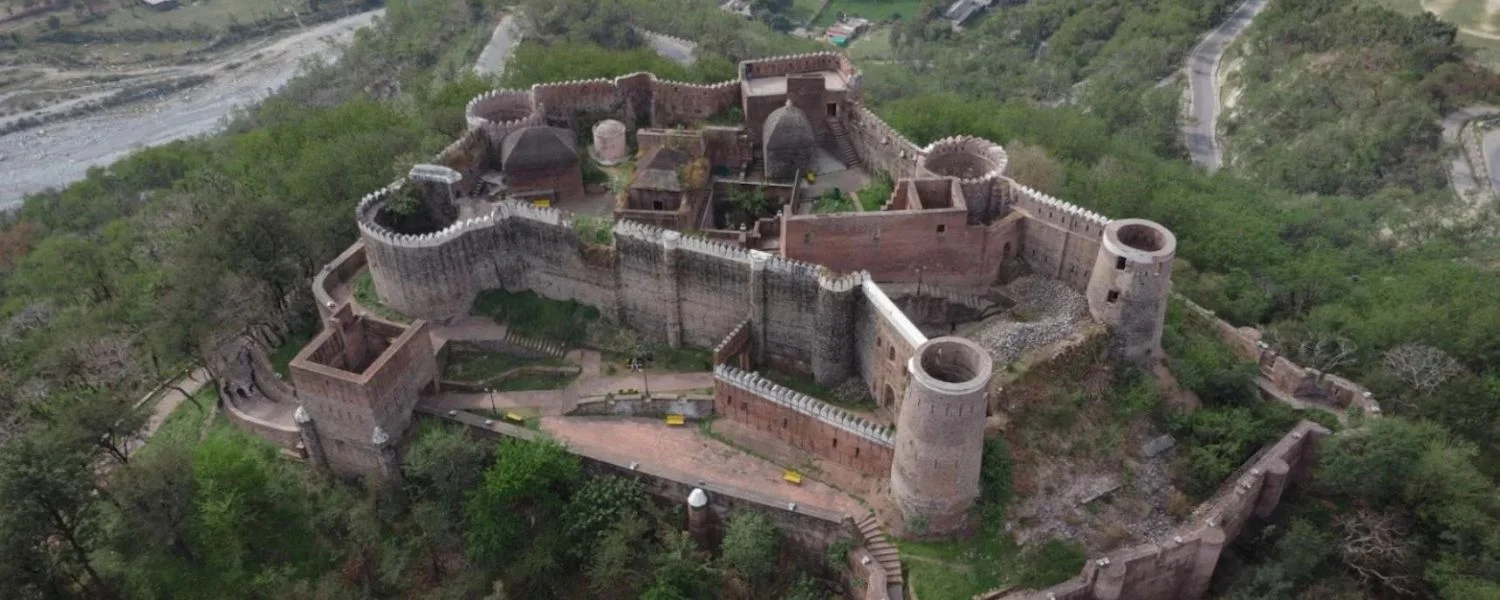
Bhimgarh Fort, also known as Reasi Fort, is a significant heritage site in Jammu and Kashmir for travelers who want historical depth beyond the usual valley postcard circuits. Perched above the surrounding region, the fort offers architectural traces, strategic-site context, and strong visual access to the landscape. It is not a rush-stop destination; it works best with route clarity and realistic time allocation.
You can build a balanced itinerary by pairing this stop with broader trip context through Kashmir travel guide, seasonal planning support from best time to visit Kashmir, and access logistics via how to reach Kashmir from Delhi. This keeps expectations and execution aligned.
Historical Significance of Bhimgarh Fort
Bhimgarh Fort reflects the defensive and administrative priorities of the region during earlier political periods. Even where restoration or decay has changed portions of the original structure, the site still communicates strategic intent through its elevated location, wall design, and interior layout zones.
For heritage travelers, value comes from reading context: why this location was chosen, how visibility and movement were controlled, and how fort architecture in this region differs from plains-based examples.
Architecture and Fort Features
The fort’s visible elements typically include fortified walls, internal chambers, open sections, and lookout-oriented vantage points. Material and style show regional adaptation rather than ornamental excess. This practical design identity is part of what makes Bhimgarh distinct.
A useful visit approach is to observe in order: perimeter logic, internal circulation, and viewpoint control. This helps first-time visitors understand both built structure and military reasoning.
| Fort Section | Key Observation | Visitor Tip |
|---|---|---|
| Outer Defenses | Wall alignment and terrain use | Start with a full perimeter read if accessible |
| Inner Areas | Room clusters and movement channels | Move slowly; details are easy to miss |
| Viewpoints | Strategic line-of-sight advantage | Use stable footing for photography |
This sequence improves both interpretation and safety.

Renovation and Present Condition
Like many historical forts, Bhimgarh has experienced restoration and maintenance efforts over time. Visitors should expect a mix of preserved, repaired, and weather-affected sections. Understanding this reality helps set accurate expectations and prevents disappointment from comparing it to heavily commercialized monuments.
Respect barriers and protected areas. Conservation outcomes depend on controlled access and responsible visitor behavior.
Best Time to Visit Bhimgarh Fort
Travel comfort depends on season, road conditions, and daylight availability. Cooler and clearer weather windows are usually best for a longer fort walk and better visibility from elevated points. In wetter months, slopes and pathways may require extra caution.
- Morning arrival: improves safety and schedule flexibility.
- Clear-weather days: best for panoramic views.
- Monsoon conditions: check roads and footing risks in advance.
- Late-day visits: keep return route and daylight margins in mind.
Always adapt timing to current local conditions rather than fixed assumptions.
How to Reach and Route Planning
Bhimgarh Fort is commonly approached by road via regional hubs, and route success depends on realistic transfer estimates. Avoid overloading the day with far-apart attractions. A cleaner plan is one major heritage objective and one optional scenic or cultural add-on.
If your schedule allows, you can compare fort style and landscape context with Hari Parbat Fort Srinagar on a different day, not as a rushed same-day jump.
Safety and On-Ground Execution Tips
Fort terrain can include uneven stone, open edges, and weather-affected sections. Wear proper shoes, carry water, and avoid climbing unstable surfaces for photos. Keep children close in high-edge zones and stay within designated routes where marked.
Group travelers should assign one lead for timing and one for navigation. This simple coordination reduces delays and keeps movement orderly.

Photography and Cultural Respect
Photography at Bhimgarh is strongest when you balance architecture and landscape in the same visual narrative. Capture one wide establishing frame, one structural detail frame, and one elevated perspective. Avoid risky edge positioning and prioritize safe compositions.
Respect local communities and cultural sensitivity around heritage zones. Responsible behavior improves both your experience and site sustainability.

Recommended Visit Duration and Pace
Most travelers need 70-100 minutes on-site to cover fort walls, inner sections, and viewpoint pauses without stress. Shorter visits often skip crucial context and turn the stop into a photo-only pass. A better method is structured pacing: first orientation, second architecture read, third landscape observation.
If you are combining this with other Kashmir locations, keep Bhimgarh as the first major stop of the day. Early completion gives more flexibility for weather shifts and road conditions later.
Comparing Bhimgarh with Other Kashmir Fort Stops
Bhimgarh differs from larger urban-adjacent forts because its strength lies in regional positioning and quieter interpretation value. Instead of expecting monumental scale, focus on strategic placement and defensive logic. This gives a fairer and more insightful reading of the site.
For travelers building a fort-focused route, compare notes with best places to visit Kashmir and transport-oriented planning support from how to reach Jammu to Srinagar. Doing this on separate days works better than rushed same-day comparisons.
Weather and Clothing Preparation
Carry layered clothing because mountain-region temperature behavior can shift through the day. Add a light rain layer in uncertain weather windows and keep grip-focused shoes for uneven pathways. Prepared clothing improves confidence and reduces movement hesitation in fort sections.
Even simple readiness steps help preserve the quality of your heritage experience, especially when terrain and weather can change quickly.
Local Experience Quality: Depth Over Quantity
Bhimgarh Fort rewards travelers who spend time interpreting the site rather than racing through a long checklist. Even a single extra 20-minute observation block can reveal wall alignment logic, movement channels, and terrain-based defense thinking that most rushed visitors miss.
If your itinerary is tight, keep Bhimgarh as a depth stop and reduce secondary add-ons. This preserves heritage value and usually results in stronger travel outcomes than high-count, low-attention routing.
Conclusion
Bhimgarh Fort Kashmir is a high-value heritage stop for travelers who want architectural and regional history beyond typical sightseeing routes. Plan with season-aware timing, route realism, and safety-first movement. With this approach, the fort offers a meaningful and memorable heritage experience in the Jammu and Kashmir circuit.
Location
Frequently Asked Questions
Q1.Where is Bhimgarh Fort located?
Q2.Is Bhimgarh Fort worth visiting?
Q3.What is best time to visit?
Q4.How much time should I keep?
Q5.Can I combine this with Srinagar attractions?
Q6.Is transport planning important?
Q7.What should I carry?
Q8.Is this suitable for families?
Recommended For You
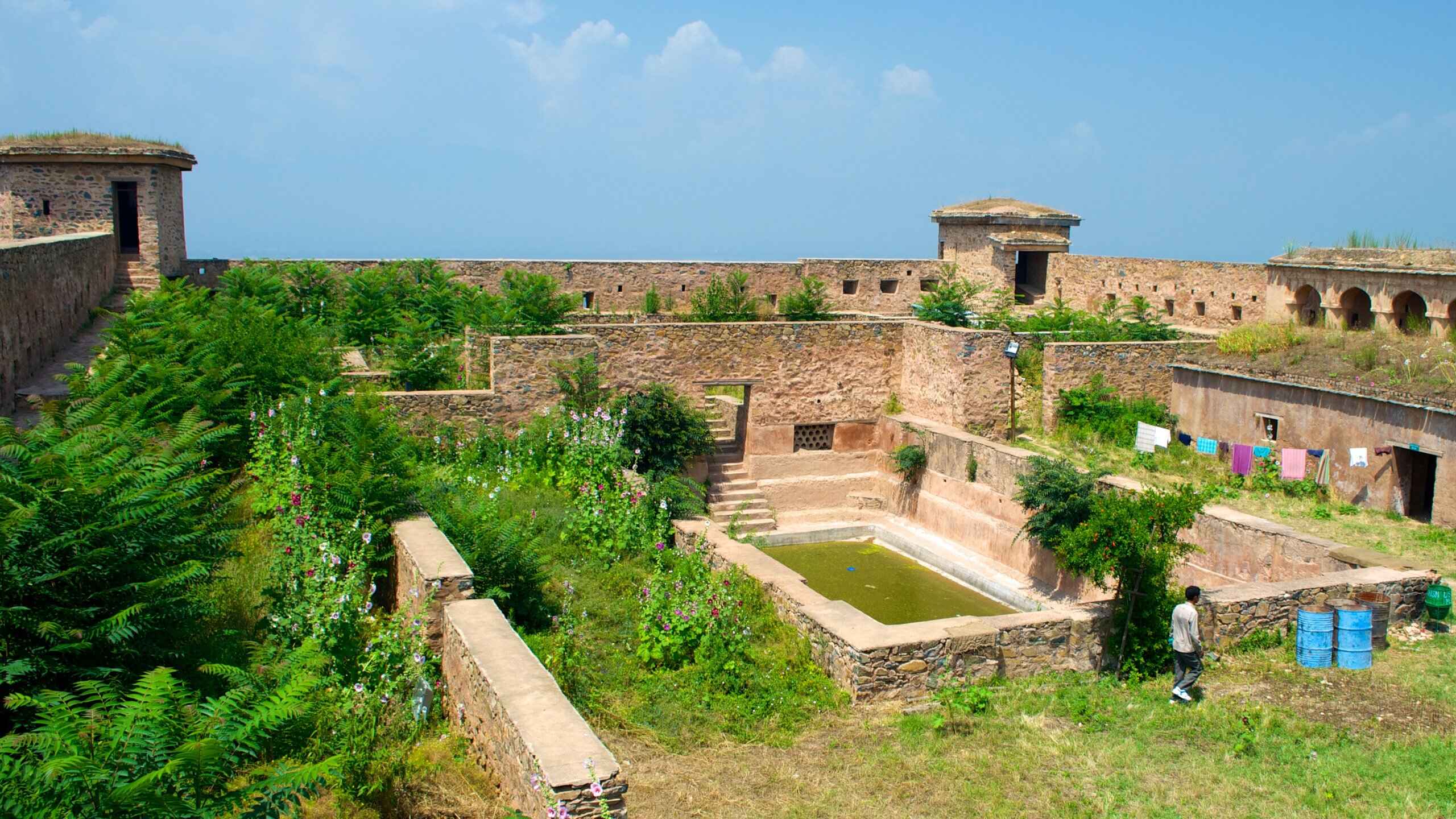
Hari Parbat Fort Srinagar: History, Timings & Access Info
Visit Hari Parbat Fort in Srinagar! Discover history, timings, how to reach, Shankaracharya Temple, and complete travel guide to this hilltop fort.
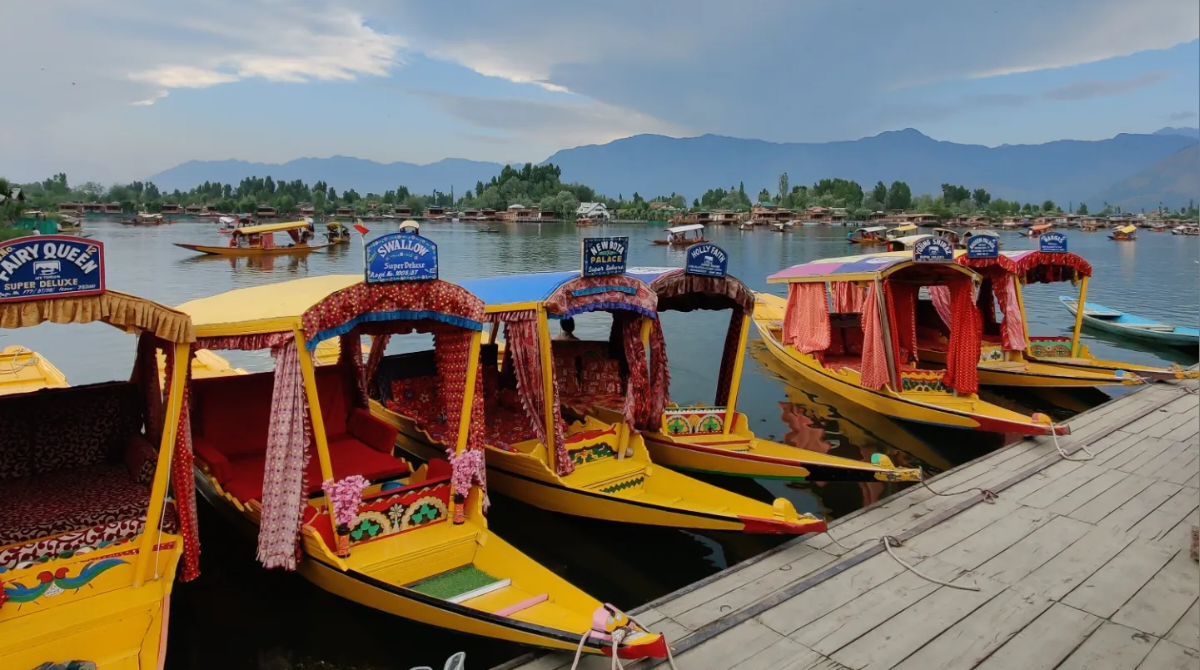
Shikara Ride Kashmir: Best Time, Rates, and Safety Tips
Plan your shikara ride in Kashmir with practical timing, fare clarity, and route-safety guidance.
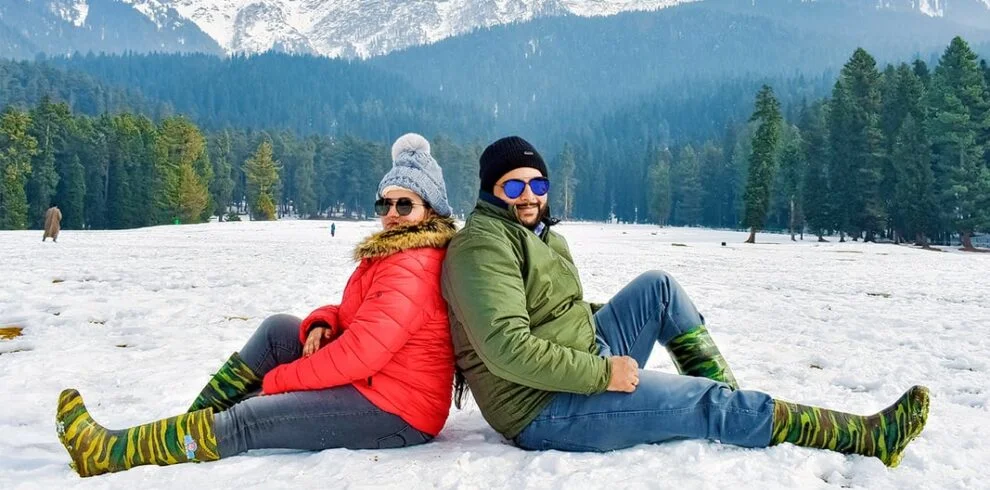
What to Wear in Kashmir: Season-Wise Packing Checklist
Complete guide on what to wear in Kashmir - summer, winter & monsoon. Packing list for Gulmarg, Srinagar & clothing tips for Kashmir trip.
Never Miss an Adventure
Get the latest trekking guides, travel tips, and exclusive offers delivered straight to your inbox.
