
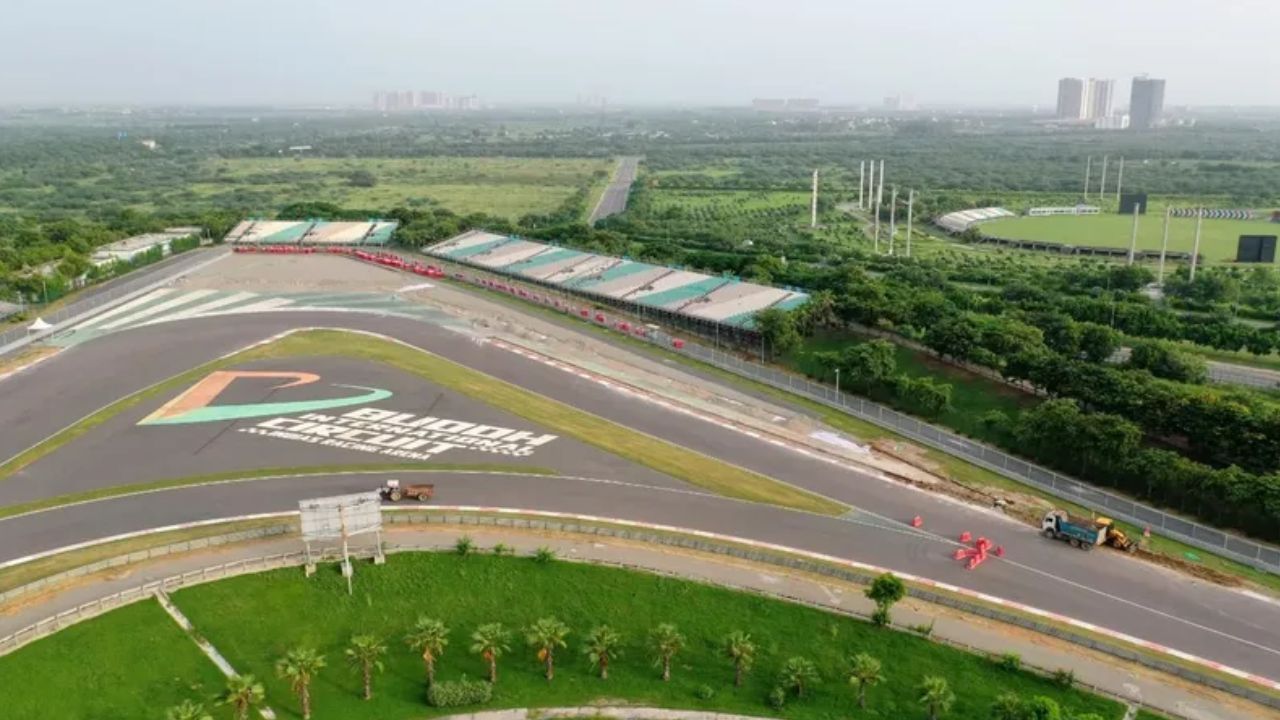
Buddh International Circuit Guide: Route Planning, Key Sites, and Pilgrimage Travel Strategy

Rahul Garg
February 26, 2026
Practical Buddh International Circuit guide with route strategy, timing structure, and respectful on-site travel practices.
Introduction
The Buddh International Circuit is one of the most meaningful spiritual and historical journeys in South Asia. It links destinations connected with the life, teachings, and legacy of Gautama Buddha. Many travelers know a few famous names, but struggle with route logic, transfer timing, and site depth. This guide focuses on practical execution: how to choose core sites, how to sequence days, how to travel with calm pacing, and how to maintain respect and reflection across the journey.

Why This Circuit Needs Structured Planning
Unlike single-city spiritual trips, this circuit usually spans multiple transport legs and different site rhythms. If travelers plan only by map distance, they often lose quality due to transfer fatigue and rushed sessions. A better method is to define a core set of places and assign one major focus per day. This creates room for learning and contemplation. A well-paced circuit helps you absorb the significance of each location rather than only collecting check-ins.
Core Spiritual Anchors and Context
For many travelers, the Varanasi region acts as a practical entry point to Buddhist heritage travel. A key anchor is Sarnath Temple Varanasi, often included for both historical and spiritual reasons. If your route also includes broader spiritual city context, keep a separate thematic day for Varanasi travel guide planning, perhaps anchored around the Ganga Aarti at Varanasi, and avoid merging too many traditions into one rushed schedule. Theme separation improves clarity and respect.
How Many Days You Should Keep
A short overview route can be done in 4 to 5 days, but a fuller and calmer circuit generally needs 7 to 10 days. Longer plans allow repeated site sessions, better transit recovery, and deeper interpretation. If you are traveling with elders or a mixed group, avoid compression plans. Spiritual quality usually improves with slower pacing and one buffer day after heavy transfer segments.

Transport, Stay, and Daily Rhythm
Most circuits use mixed transport: flight entry-exit plus rail and road for inter-site movement. Keep arrival days light and do not schedule major spiritual blocks immediately after long transit. Choose stays close to the next day objective and avoid repeated late-night check-ins. Keep one evening review routine where you confirm next-day timing and documents. Small operational discipline creates large comfort gains in multi-city spiritual routes.
Seasonal and Physical Comfort Planning
Cooler months are usually better for long walking sessions and outdoor heritage movement. In warmer periods, shift key visits to morning and late afternoon. Keep hydration, shade breaks, and simple meals consistent. Seasonal awareness is not just about comfort; it directly affects how much attention and patience you can maintain at each site. A calm body supports a calm pilgrimage mind.
On-Site Etiquette and Responsible Conduct
Maintain low noise levels in monasteries and meditation spaces. Respect footwear rules, photography boundaries, and local instructions. Avoid intrusive behavior in active prayer zones. Responsible conduct is part of pilgrimage quality and helps preserve site sanctity. Travelers who follow etiquette thoughtfully often receive better local guidance and a more meaningful experience.

Documentation and International Pilgrim Readiness
Keep travel documents, booking proofs, contact list, and route notes in both digital and offline formats. Network consistency can vary across route segments, so offline readiness reduces stress. Keep your day bag light and essentials organized by transfer day. A prepared traveler can adapt quickly when schedules shift, without losing spiritual focus.
Sample 7-Day Practical Framework
Day 1: arrival and orientation. Day 2: core spiritual site session with guide support. Day 3: secondary heritage depth and reflection block. Day 4: transfer and recovery. Day 5: next major site cluster. Day 6: slower contextual day and optional repeat session. Day 7: summary reflection and departure. This framework can be adapted, but keep buffer logic intact.
Common Mistakes to Avoid
Frequent mistakes include overloading distant nodes, no transfer buffers, and giving no time for context or silence. Another issue is combining too many high-footfall sessions in one day. Avoid these by using conservative day targets and clear thematic planning. The circuit is about depth, not speed.

Deep Interpretation Strategy for Serious Travelers
If your objective includes philosophical understanding, assign one interpretation theme per day such as teachings context, monastic evolution, or cross-cultural transmission. Use this theme to decide which site details to focus on and which questions to ask guides. Thematic framing prevents superficial coverage and makes each day intellectually coherent. Researchers and repeat pilgrims usually gain far more when they travel with clear interpretive objectives.
Pilgrim Energy and Reflection Management
The circuit can be emotionally intense, especially for travelers who are spiritually invested. Keep short reflection windows after major sites and avoid immediate long-distance movement when possible. Journaling or quiet pauses can help integrate what you experienced. This practice preserves mental clarity and prevents the journey from becoming only logistics. Balanced reflection also helps groups align expectations and maintain calm communication through multi-city travel.
Educational Planning for Scholars and Deep Learners
If your travel goal includes academic or interpretive depth, prepare a study sheet before departure with key questions for each site. Keep one page per destination with themes such as doctrine context, architectural evolution, and local monastic practice. During visits, focus on those themes instead of trying to absorb everything at once. This method converts the circuit from general sightseeing into a structured learning journey. It is also useful for group leaders who need to brief participants quickly at each stop.
Linking Urban and Spiritual Segments
Where circuit flow touches dense urban zones, use a separate day design for urban logistics and a separate day design for spiritual immersion. For example, one day can include essential city movement and orientation, while the next remains dedicated to heritage and contemplative space. If your route starts from major spiritual hubs, keep transitions clear and include one contextual anchor like Kashi Vishwanath Temple Varanasi on a separate thematic day. This separation prevents fatigue and helps preserve spiritual focus.
Final Preparation Before Departure
In the final 48 hours before departure, reconfirm all bookings, print backup copies, and brief your group on daily expectations. Keep one shared folder for documents and one simple emergency action plan. These last-mile preparations reduce uncertainty and make the first two days of the circuit much smoother.
Checkpoint Review Model for Multi-City Circuits
After every two days, run a checkpoint review: what worked, what caused delay, and what should be adjusted for the next segment. This simple review model prevents repeated mistakes and improves pace quality over the full journey. Circuit travel improves significantly when learning is applied in real time instead of only after return. A ten-minute review can save hours of confusion later.
End-of-Day Reflection Prompt
Close each day with one reflection question linked to the site you visited. This simple practice turns travel into a deeper personal journey and improves retention of what you learned across every site in the circuit, from arrival orientation to final departure reflection and long-term spiritual memory building over time consistently today.
Conclusion
The Buddh International Circuit is most rewarding when approached as a deliberate spiritual and historical route with realistic pacing. Structured timing, respectful behavior, and strong logistics turn this journey into a deeply meaningful experience. Plan for reflection and resilience, and the circuit will offer far more than a standard travel checklist.
Location
Frequently Asked Questions
Q1.How many days are ideal for the Buddh International Circuit?
Q2.Can first-time travelers do the circuit without guides?
Q3.What is the biggest planning mistake on this circuit?
Q4.Which cities form the main stops on the Buddh International Circuit?
Q5.Is the Buddh International Circuit suitable for non-Buddhist travelers?
Q6.What is the best season to travel this circuit?
Recommended For You
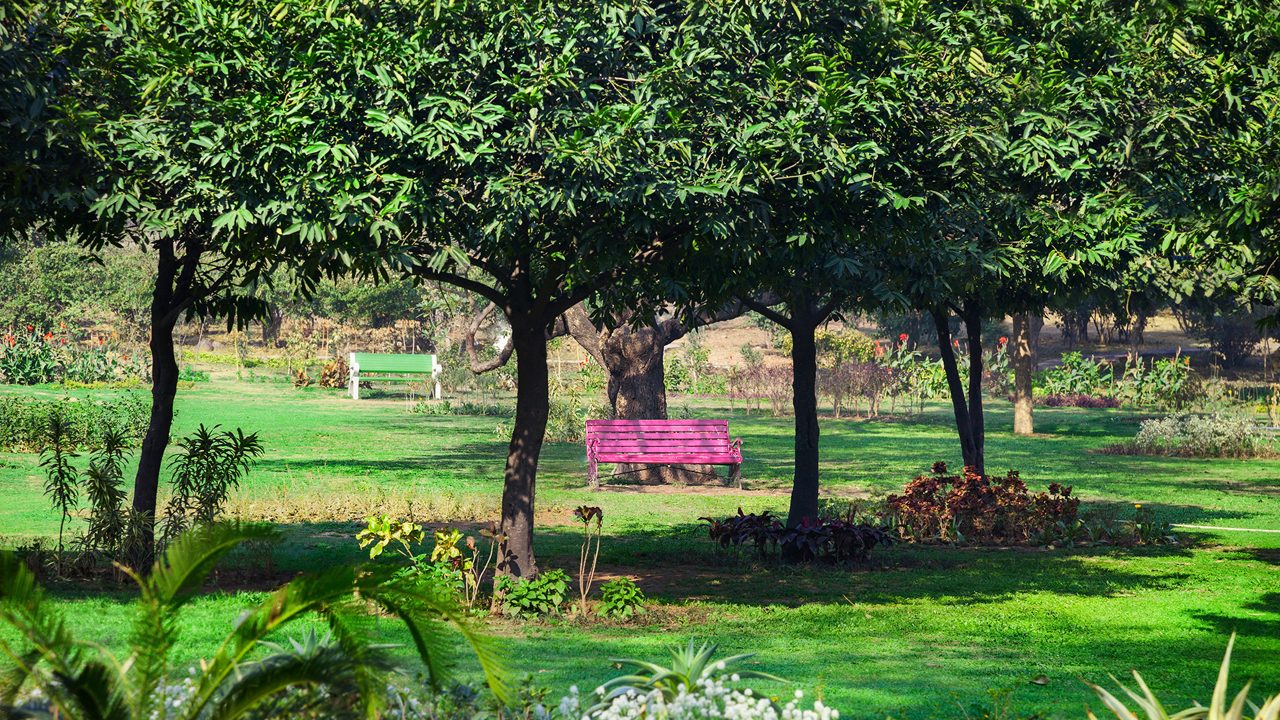
Buddha Jayanti Park Delhi: Timings & Entry Fee
Visit Buddha Jayanti Park Delhi for peaceful gardens, Buddha statue, picnic lawns, and walking paths. Guide to timings, entry fee, and how to reach.
Buddhism in Sikkim: Major Monasteries, Festivals & Cultural Insights
Explore Buddhism in Sikkim with monastery-circuit planning, cultural context, etiquette tips, season strategy, and practical travel budgeting.
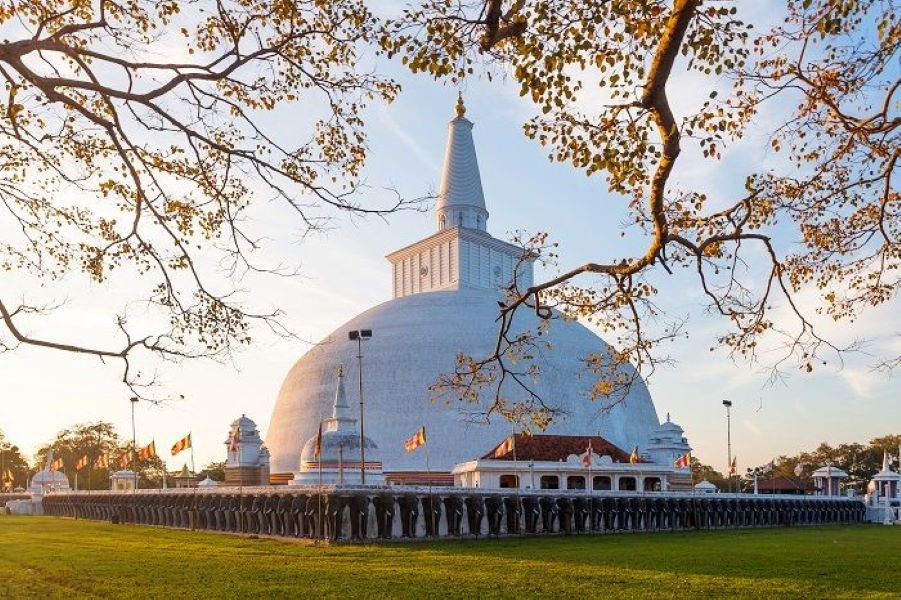
Buddhist Temples in Sri Lanka: Sacred Sites, Routes & Pilgrimage Tips
Explore Buddhist temples in Sri Lanka with sacred-site highlights, pilgrimage routes, etiquette rules, and practical tips for planning a respectful temple circuit.
Never Miss an Adventure
Get the latest trekking guides, travel tips, and exclusive offers delivered straight to your inbox.
