
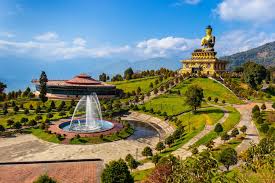
Buddhism in Sikkim: Major Monasteries, Festivals & Cultural Insights

Rahul Garg
February 20, 2026
Explore Buddhism in Sikkim with monastery-circuit planning, cultural context, etiquette tips, season strategy, and practical travel budgeting.
Buddhism in Sikkim: Historical Overview
Buddhism is central to Sikkim's identity, not just as religion but as a living cultural framework visible in monasteries, festivals, village rituals, architecture, and everyday etiquette. While Sikkim today is a diverse society with multiple communities and traditions, Tibetan Buddhist heritage remains one of its strongest cultural anchors. For travelers, this means monastery visits are not isolated sightseeing points. They are part of a wider spiritual landscape that includes prayer flags on mountain passes, masked dance festivals, sacred art, and disciplined monastic education.
Most first-time travelers read the history but struggle with practical execution: which monasteries to prioritize, how many days are needed, and how to combine spiritual travel with Gangtok logistics. This guide focuses on that gap. You will get a clear monastery-circuit structure, season strategy, etiquette checklist, budget logic, and common mistakes to avoid so your Buddhism in Sikkim trip is respectful, realistic, and culturally meaningful.
Why Sikkim Is Important for Buddhist Heritage
Sikkim has deep links with Vajrayana Buddhist traditions and monastic institutions that shaped the region's spiritual and social life for centuries. Many monasteries are affiliated with major Tibetan Buddhist schools, and several continue as active religious centers rather than static monuments. This matters for visitors: timings, access, photography rules, and behavior expectations can vary because these are working sacred spaces.
Travelers often compare Sikkim's monastery experience with other Himalayan circuits. The key difference is density plus accessibility. In a compact geography, you can move from Gangtok-side monasteries to west Sikkim heritage sites within a few days if planned correctly. That makes Sikkim ideal for a cultural-spiritual itinerary, especially for travelers who want meaningful context and not just viewpoint-driven travel.
Major Monasteries and Their Significance
A strong first-time circuit should balance historical significance, accessibility, and time available. Instead of chasing many names, choose a core set and spend enough time at each site.
| Monastery Focus | Why It Matters | Best Use in Itinerary |
|---|---|---|
| Pemayangtse side circuit | Major west Sikkim heritage anchor | Half-day to full-day with nearby heritage stops |
| Gangtok monastery cluster, including Enchey Monastery | Easy access with city base convenience | Day trip with controlled urban transfers |
| Hilltop smaller gompas | Quiet prayer spaces and local rhythm | Add as short reflective stops, not rushed checkboxes |
For dedicated pages, start with pemayangtse-monastery-sikkim and combine it with gangtok-travel-guide so your route remains practical. If you want a broader activity spread, add things-to-do-in-sikkim to avoid overloading monastery-only days.
Monastery Circuit Itinerary Options
Option 1: Two-day compact spiritual circuit
- Day 1: Gangtok-side monastery visits with paced city movement and evening recovery.
- Day 2: Transfer to west Sikkim side priority monastery, slow exploration, return or overnight.
This is best for travelers with limited time who still want meaningful exposure.
Option 2: Three-day balanced circuit (recommended)
- Day 1: Gangtok orientation + one key monastery.
- Day 2: Deeper monastery day with travel buffer and cultural stops.
- Day 3: West Sikkim heritage focus plus return logistics.
The three-day structure works better because mountain travel pace in Sikkim is slower than map estimates. Extra buffer improves both safety and experience quality.
Option 3: Family-friendly spiritual route
- Choose fewer monasteries with easier access.
- Avoid aggressive multi-transfer days.
- Keep long road movement separate from heavy sightseeing slots.
Families usually benefit from shorter sacred-site windows with enough rest, meals, and daylight-return planning.

Best Season and Weather Planning
Season choice affects road conditions, mountain visibility, and overall travel comfort. Sikkim can be rewarding year-round, but monastery circuits work best when you align timing with weather behavior and transfer reliability.
- March to May: Pleasant conditions and good all-round travel comfort.
- June to September: Lush landscapes but frequent rain and slower road movement.
- October to November: Clearer skies and strong visibility windows for combined spiritual-scenic travel.
- December to February: Colder mornings, fewer crowds, but pack properly for mountain chill.
If your route includes multiple districts, keep at least one timing buffer for weather variation. Start early on road days and avoid packing too many distant points in one afternoon.
Etiquette and Practical Visitor Tips
Monastery etiquette is not complicated, but basic respect is essential. A calm, observant approach is always better than rushed photo-focused movement.
Simple etiquette checklist
- Dress modestly; shoulders and knees covered is a safe standard.
- Speak softly inside prayer spaces.
- Ask before photographing monks, rituals, or inner halls.
- Follow local instructions on restricted areas.
- Do not touch ritual objects unless permitted.
- Maintain clean surroundings; carry waste out.
Visitors who follow these basics are usually welcomed warmly. Cultural travel in Sikkim works best when curiosity is paired with humility.
Budget and Transport Strategy
Cost depends on your base city, transfer style, and stay category. For monastery-focused travel, transport planning is usually the biggest variable because distances in hills take time even when kilometer counts look small.
| Travel Style | Indicative Daily Budget (Per Person) | Who It Fits |
|---|---|---|
| Budget | INR 2,500-4,500 | Backpackers and shared-transport travelers |
| Mid-range | INR 5,000-9,000 | Most couples/families with better comfort |
| Premium | INR 10,000+ | Flexible routing with higher comfort stays |
Transport tips: keep private cab blocks for multi-stop monastery days, start early, and confirm return timing before leaving your base. Shared options can save money but may reduce itinerary control.

Common Mistakes to Avoid
- Treating monastery visits like rapid city sightseeing.
- Planning too many monasteries in one day without road-time buffers.
- Ignoring etiquette and photographing restricted prayer zones.
- Traveling in rain-heavy periods without flexible timing.
- Underestimating fatigue from back-to-back hill transfers.
Most itinerary issues are planning problems, not destination problems. A slower and clearer circuit almost always performs better.
How Many Days Are Ideal?
For first-time travelers, three to four days gives the best balance between spiritual visits and travel practicality. Two days can work if priorities are sharp and transfers are tight. If you want deeper context with local interaction and festival windows, keep five days and distribute monasteries by region instead of stacking long drives daily.
A useful structure is to anchor one city base day, one transfer-plus-monastery day, and one flexible heritage day. This reduces stress and improves your chances of meaningful site time.

Final Takeaway
Buddhism in Sikkim is best experienced through a respectful, well-paced monastery circuit rather than a rushed attraction checklist. Choose fewer high-value sites, travel by region, align dates with weather, and follow basic etiquette at every monastery. With that approach, your trip becomes more than sightseeing: it becomes a grounded cultural journey through one of the most spiritually rich Himalayan regions in India.
Location
Frequently Asked Questions
Q1.Why is Sikkim important for Buddhist heritage?
Q2.Which monasteries should first-time visitors prioritize?
Q3.What is the best season for monastery travel in Sikkim?
Q4.Are monastery visits suitable for family travelers?
Q5.How many days are ideal for a Sikkim spiritual circuit?
Q6.What etiquette should visitors follow at monasteries?
Q7.What is a practical budget for a monastery-focused trip?
Q8.What common itinerary mistakes should be avoided?
Recommended For You
Old Market Sikkim: Gangtok Traditional Shopping
Explore Old Market Sikkim in Gangtok. Traditional handicrafts, Tibetan artifacts, local food & authentic shopping guide beyond MG Marg.
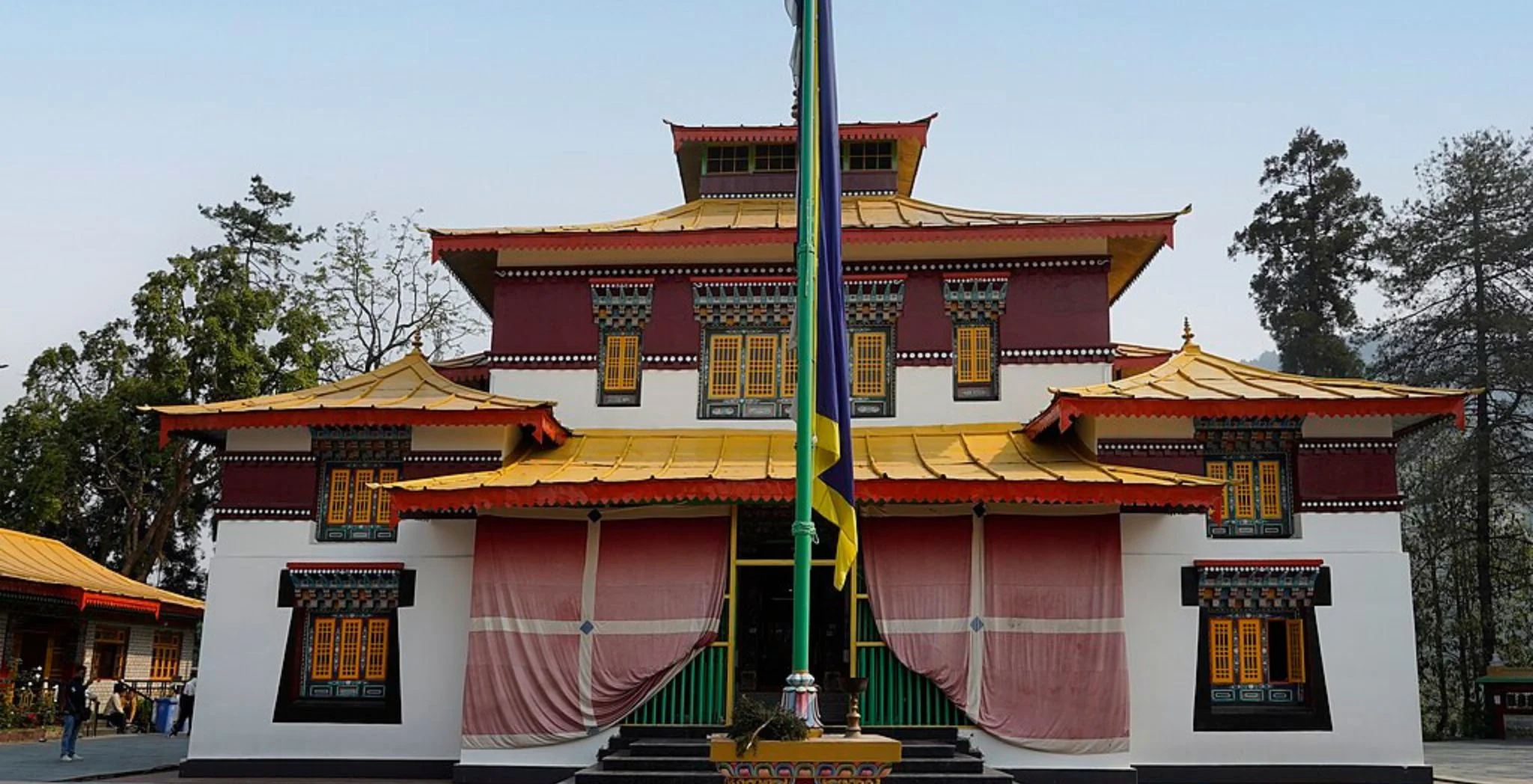
Enchey Monastery Gangtok: History, Timings & Visitor Information
Explore Enchey Monastery Gangtok: 1909 Nyingma monastery with sacred tantric heritage, Cham dances, Buddhist architecture, Kanchenjunga views & complete travel guide.
Monasteries in Ladakh: Routes, Etiquette and Top Gompas
Explore monasteries in Ladakh with practical route planning, key gompa highlights, and respectful visitor etiquette.
Never Miss an Adventure
Get the latest trekking guides, travel tips, and exclusive offers delivered straight to your inbox.
