
Buddhist Temples in Sri Lanka: Sacred Sites, Routes & Pilgrimage Tips

Priya Mehta
February 19, 2026
Explore Buddhist temples in Sri Lanka with sacred-site highlights, pilgrimage routes, etiquette rules, and practical tips for planning a respectful temple circuit.
Introduction
Sri Lanka is one of the world’s most important centers of Theravada Buddhist heritage. Across the island, ancient stupas, cave temples, relic shrines, and monastic complexes preserve over two millennia of religious history. For travelers, Buddhist temples in Sri Lanka are not only historical monuments but living spiritual spaces where rituals, offerings, and pilgrim traditions continue daily. This makes temple travel in Sri Lanka deeply rewarding when approached with respect and planning.
Many visitors focus only on one or two famous sites, but the best experience comes from understanding the larger sacred network: Kandy’s relic tradition, Anuradhapura’s ancient monastic city, Polonnaruwa’s sculpture complexes, and cave-temple art in Dambulla. This guide covers the top temples, pilgrimage routes, etiquette, best time to visit, and practical photography rules. For broader trip planning, pair this with places to visit in Sri Lanka, Sigiriya Rock Fortress, and Temple of the Sacred Tooth.
Why Sri Lanka’s Buddhist Temples Matter
Buddhism has shaped Sri Lankan identity, statecraft, architecture, and social life for centuries. Temple sites functioned as religious centers, learning institutions, and repositories of political legitimacy. Inscriptions, murals, and monastic remains provide key evidence for South Asian history and artistic exchange. Several temple regions are also recognized globally through UNESCO World Heritage listings, reflecting their outstanding cultural value.
Unlike purely archaeological ruins, many Sri Lankan temples remain active worship sites. You may see pilgrims in white attire offering flowers, monks leading chanting, and local families observing Poya day practices. This living continuity is what makes temple travel here fundamentally different from a museum-only experience.
| Temple Travel Value | What You Experience |
|---|---|
| Spiritual continuity | Daily rituals, offerings, and active worship traditions |
| Historical depth | Ancient capitals, inscriptions, and monastic city remains |
| Architecture | Stupas, cave sanctuaries, stone carvings, and relic shrines |
| Cultural learning | Buddhist festivals, etiquette, and regional devotional practices |
Top Buddhist Temples in Sri Lanka
1) Temple of the Sacred Tooth Relic (Kandy)
Also known as Sri Dalada Maligawa, this is one of Sri Lanka’s most revered Buddhist shrines because of its association with the sacred tooth relic tradition. Located within Kandy’s historic royal complex, it is central to national religious identity and annual ceremonial life. If your itinerary allows only one major Buddhist site, this is often the first choice.
2) Dambulla Cave Temple (Golden Temple of Dambulla)
Dambulla is famous for its cave sanctuary complex with extensive murals and Buddha images across multiple cave chambers. It represents one of the best-preserved mural traditions in South Asia and offers strong insight into devotional art across periods.
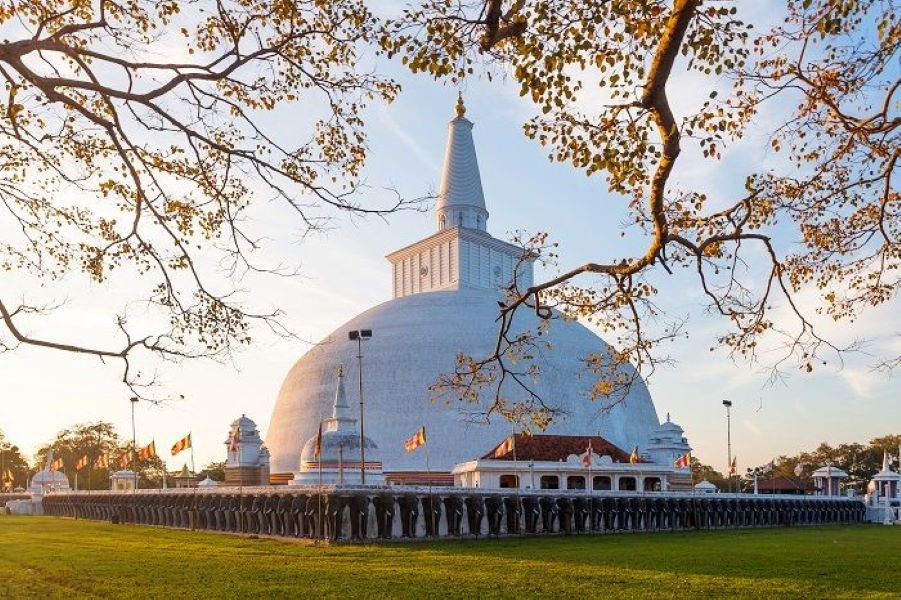
3) Ruwanwelisaya (Anuradhapura)
Ruwanwelisaya is among the most important stupas in the ancient city of Anuradhapura. Even for non-pilgrims, the scale, atmosphere, and ceremonial movement around the stupa make this site unforgettable.
4) Jaya Sri Maha Bodhi (Anuradhapura)
This sacred bodhi tree site is one of the most revered pilgrimage locations in the Buddhist world. Pilgrims visit for merit-making and devotional offerings throughout the year, especially on full moon observances.
5) Gal Vihara (Polonnaruwa)
Gal Vihara is known for masterful rock-cut Buddha statues and refined stone craftsmanship. It is often highlighted as one of the finest examples of Sinhalese sculptural achievement.
6) Watadage (Polonnaruwa)
The circular relic-house form and carved stone details make the Polonnaruwa Watadage a key architectural stop for anyone studying medieval Sri Lankan Buddhist design.
7) Kelaniya Raja Maha Vihara (near Colombo)
This temple is both spiritually important and convenient for travelers beginning or ending a Sri Lanka trip via Colombo. It is often included in short cultural day tours.
8) Gangaramaya Temple (Colombo)
Gangaramaya combines devotional spaces with museum-like collections and modern urban accessibility, making it one of Colombo’s most visited Buddhist landmarks.
9) Mihintale
Mihintale is traditionally associated with the early introduction of Buddhism to Sri Lanka. The climb and hilltop atmosphere add a pilgrimage feel even for casual travelers.
10) Abhayagiri and Jetavanaramaya Zones (Anuradhapura)
These areas reveal the vast scale of monastic urbanism in ancient Sri Lanka. Even with limited time, visiting one major stupa zone plus the Bodhi and Ruwanwelisaya gives strong historical context.

Temple of the Tooth Relic: Why It Is Central
The relic tradition in Kandy has both spiritual and historical significance. Across Sri Lankan history, guardianship of the relic was closely linked with kingship and legitimacy. Today, the Temple of the Tooth remains one of the island’s most important active shrines and a focal point during the Esala Perahera season.
Visitors should not expect a museum-style relic display. The site functions as a devotional institution, and movement inside follows ritual rhythms and managed access. Morning and evening worship windows are popular with both pilgrims and travelers.
If you are planning this stop, combine it with the Kandy lake area and nearby heritage points on the same day. For route planning references, see Sri Dalada Maligawa travel guide and Sri Lanka place guide.
Ancient Cities Temple Circuit: Anuradhapura and Polonnaruwa
Anuradhapura and Polonnaruwa are essential for travelers who want historical depth beyond one shrine visit. These former capitals preserve large sacred landscapes, monastic remains, stupas, and ceremonial pathways at city scale.
Anuradhapura highlights
- Ruwanwelisaya for stupa devotion and major pilgrim activity.
- Jaya Sri Maha Bodhi for sacred-tree pilgrimage traditions.
- Jetavanaramaya and Abhayagiri zones for monastic urban scale.
Polonnaruwa highlights
- Gal Vihara for iconic rock-carved Buddha statues.
- Watadage and nearby ruins for architecture-focused exploration.
- Compact heritage zone layout suitable for half-day to full-day planning.
For many travelers, a practical route is Kandy -> Dambulla/Sigiriya -> Anuradhapura or Polonnaruwa, depending on available days. If you have one extra day, adding both historical cities significantly improves cultural understanding.
| Route Style | Best For | Recommended Duration |
|---|---|---|
| Kandy + Dambulla | First-time short cultural trip | 2 days |
| Kandy + Dambulla + Polonnaruwa | Architecture and sculpture focus | 3 days |
| Kandy + Dambulla + Anuradhapura | Pilgrimage and early Buddhist history | 3 days |
| Full circuit with both capitals | Comprehensive heritage journey | 4-5 days |
Pilgrimage Routes and Sacred Travel Patterns
Sri Lanka’s pilgrimage traditions are structured around sacred cities, relic shrines, bodhi sites, and mountain pilgrimage routes such as Sri Pada (Adam’s Peak). Local pilgrims often align visits with Poya days and festival calendars. Travelers can respectfully observe this rhythm by choosing early morning visits and avoiding peak congestion windows when possible.
A simple pilgrimage-inspired route for visitors is: Kandy relic temple, Dambulla cave complex, Anuradhapura sacred zones, and Mihintale. This sequence combines relic tradition, art heritage, and foundational Buddhist history in one coherent narrative.
If your trip overlaps with major festivals, book transport and stays early. Crowd levels can rise quickly around key temple cities, especially during ceremonial periods.
Temple Etiquette and Dress Code in Sri Lanka
Temple etiquette is essential and should be treated as a non-negotiable part of respectful travel. Most issues for travelers come from clothing, footwear, and photography behavior rather than intentional disrespect.
- Wear modest clothes covering shoulders and knees.
- Remove shoes and hats before entering temple interiors.
- Do not turn your back close to Buddha images for casual posing.
- Speak softly and avoid loud calls in prayer zones.
- Follow all local signs on restricted areas and offerings.
- Avoid touching murals, carvings, or painted surfaces.
On major worship days, you may notice many local devotees wearing white. Travelers are not required to do the same but modest, simple attire is appreciated. Carry socks or easy footwear options, since you may repeatedly remove shoes across a temple circuit.

Best Time to Visit Buddhist Temples in Sri Lanka
The best season depends on region and your focus. For cultural circuits in Kandy and the Cultural Triangle, many travelers prefer drier months and morning visits to avoid heat. Full moon Poya days are spiritually meaningful but can be crowded at major sites. Festival months, including Esala season in Kandy, offer strong cultural experience with heavier logistics.
Timing tips that work for most travelers
- Start temple days early for cooler weather and calmer entry.
- Allocate afternoons for museums, city walks, or transit legs.
- Check local festival calendars before booking fixed schedules.
- Use weekday mornings for photography-focused visits.
If you are balancing beaches and heritage, split the itinerary: temple circuit first, coastal relaxation later. This helps pace long travel days better.
Temple Photography Tips and Restrictions
Photography rules vary by temple and by specific hall. In many places, exterior and general compound photography is allowed, but flash, tripod use, or close interior shooting may be restricted. Always prioritize posted signs and staff guidance over generic online advice.
- Ask before photographing monks or worshippers.
- Avoid staged or disrespectful poses near sacred icons.
- Do not block ritual movement for photo setups.
- Carry a low-profile setup for quicker, quieter movement.
- Drone use is often restricted near religious and heritage zones.
The strongest temple photos usually come from patient observation of architecture, courtyards, and light patterns rather than aggressive close-up shooting in worship areas.

Practical Planning Tips for First-Time Visitors
Temple travel in Sri Lanka is easier when planned as clusters, not isolated points. Group sites by region to reduce long road transfers. Keep flexible buffers for weather, queueing, and local ceremony timing. Carry a light scarf, water bottle, and easy footwear for repeated shoe-removal zones.
For multi-day routes, hiring a local driver-guide can save time and add historical context. If traveling independently, pre-map distances and opening windows carefully, especially between Anuradhapura, Polonnaruwa, and Kandy segments.
A realistic day usually includes 2 to 3 major temple stops with breaks. Trying 5 to 6 significant sites in one day often leads to fatigue and shallow experiences.
Conclusion
Buddhist temples in Sri Lanka offer one of the most complete sacred-heritage journeys in Asia. From Kandy’s relic traditions to Anuradhapura’s ancient sacred city and Dambulla’s cave sanctuaries, each site adds a distinct layer of spiritual and historical understanding. Plan thoughtfully, dress respectfully, and allow enough time at each stop. With that approach, your temple circuit becomes not just a sightseeing route but a meaningful cultural journey.
Location
Frequently Asked Questions
Q1.What is the most famous Buddhist temple in Sri Lanka?
Q2.How many Buddhist temples are there in Sri Lanka?
Q3.What should I wear when visiting temples in Sri Lanka?
Q4.Is there an entry fee for Buddhist temples in Sri Lanka?
Q5.Can I take photos inside Sri Lankan Buddhist temples?
Q6.What is the best time to visit Buddhist temples in Sri Lanka?
Q7.Which cities are best for a Buddhist temple circuit?
Q8.Are Sri Lankan Buddhist temples active worship places?
Recommended For You
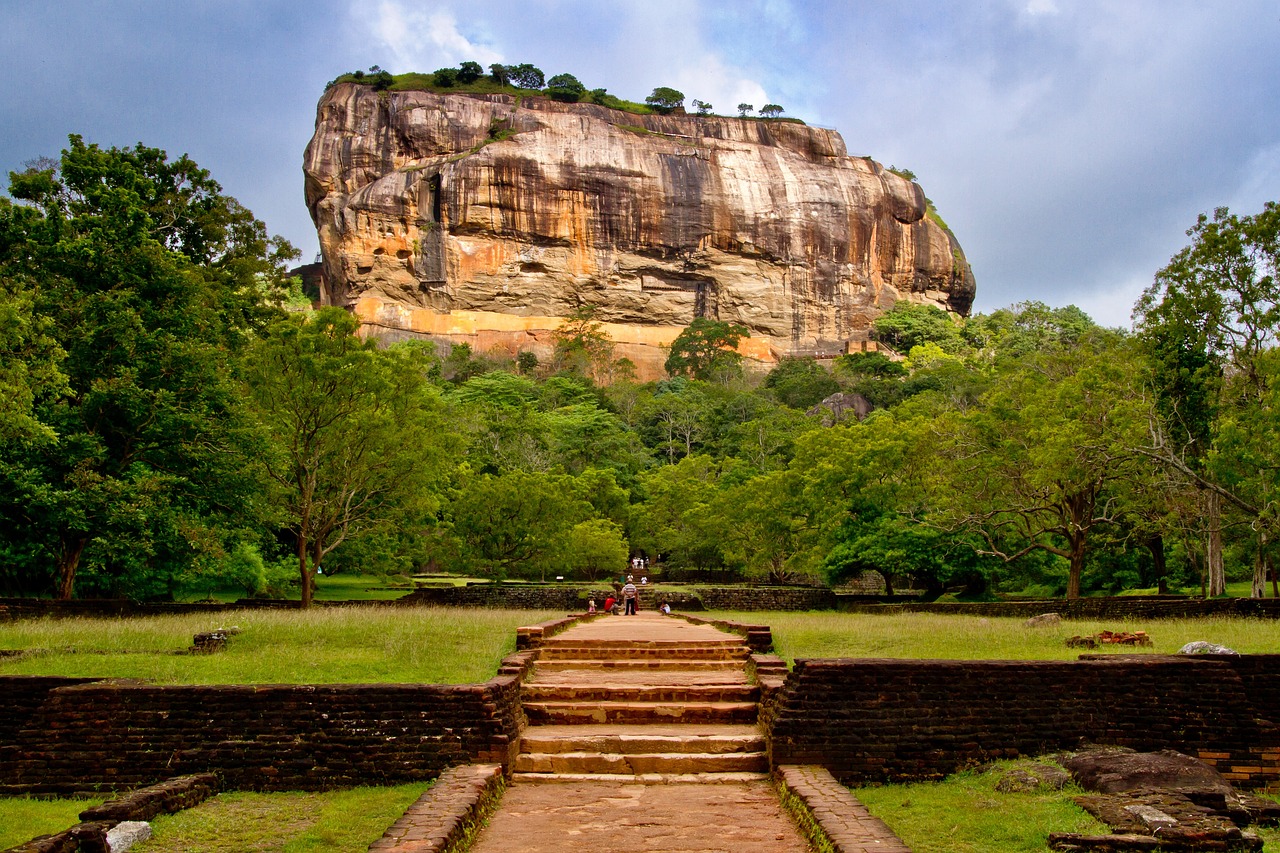
Sigiriya Rock Fortress Sri Lanka: Tickets, Climb Timings & Travel Tips
Complete guide to Sigiriya Rock Fortress Sri Lanka. Details on tickets, timings, climbing tips, history, how to reach, and best time to visit this UNESCO World Heritage Site.
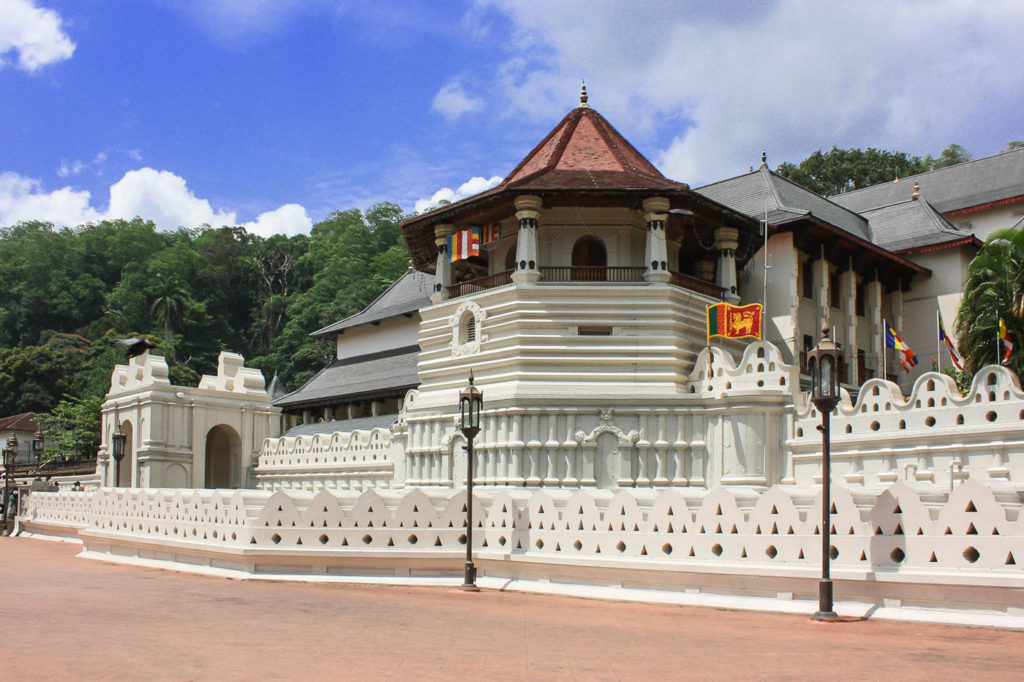
Sri Dalada Maligawa Kandy: Temple of the Tooth Timings & Entry
Visit Sri Dalada Maligawa (Temple of Tooth) in Kandy! Guide to timings, entry fee, dress code, puja & history.
Waterfalls in Sri Lanka: Top 15 Falls, Routes & Best Visiting Months
Discover best waterfalls in Sri Lanka: Bambarakanda, Diyaluma, Dunhinda & more. Locations, height & travel guide.
Never Miss an Adventure
Get the latest trekking guides, travel tips, and exclusive offers delivered straight to your inbox.
