
Bukit Batok Hill: Nature Park, Little Guilin and WWII History

Rohan Malhotra
February 19, 2026
Explore Bukit Batok Hill with Little Guilin views, Nature Park trails, WWII memorial context, and practical visitor tips for a calm west Singapore outing.
Introduction
Bukit Batok Hill and its surrounding green spaces offer one of the most interesting nature-and-history combinations in western Singapore. In this area, you can move from quarry-edge scenery and calm walking trails to a World War II memorial site linked to the Battle of Bukit Timah. For travelers who want a quieter side of Singapore beyond malls and skyline districts, Bukit Batok gives a rewarding half-day outdoor plan.
Many visitors confuse the nearby sites as one single park. In practice, the experience usually combines Bukit Batok Nature Park, Bukit Batok Town Park (Little Guilin), and the memorial area around Lorong Sesuai. Each has a different mood and purpose: forest-edge walking, lake-and-cliff views, and wartime remembrance.
This guide explains what to see, how to plan trails, when to visit, what the memorial means, and practical transport tips. If you are building a broader city route, pair this with Bukit Timah Nature Reserve, places to visit in Singapore, and Lazarus Island for a balanced itinerary.
Where Is Bukit Batok Hill and Why It Is Popular
Bukit Batok is in Singapore’s western region and is well connected by MRT and bus networks. The area is popular with residents for walking, jogging, birdwatching, and quiet nature breaks. It is also valued by history-focused visitors because of its association with wartime memorials that once stood on the hill.
In travel planning terms, Bukit Batok works well as a slow-paced outdoor slot between city-heavy attractions. The quarry scenery, tree cover, and less-commercial atmosphere create a strong contrast with Downtown and Marina districts. It is especially useful for families, photographers, and travelers who prefer walking over shopping-centric itineraries.
| Area Snapshot | Details |
|---|---|
| Region | West Singapore |
| Main Highlights | Nature park trails, Little Guilin quarry view, WWII memorial context |
| Typical Visit Duration | 1.5 to 3 hours |
| Entry Cost | Free public access areas |
| Best For | Nature walks, heritage interest, photography |
Bukit Batok Nature Park: What to Expect
Bukit Batok Nature Park was developed on an abandoned quarry site and is now one of the most peaceful neighborhood parks in the west. Official NParks information highlights quarry views, heritage appreciation, wildlife spotting, and broad recreational use. The park includes walking paths, tree cover, and lookout zones where the quarry cliff and water form the signature scene.
Unlike high-intensity hiking destinations, this park is approachable for most visitors with basic fitness. You can walk at an easy pace, take breaks, and still enjoy good visual rewards. It is also useful for travelers with mixed-age groups who want a manageable outdoor experience.
Key points from official visitor guidance
- Park opening status is listed as open 24 hours.
- Public amenities and access points are available along Bukit Batok East Avenue corridors.
- Fishing is not allowed in the park.
- The park is wheelchair accessible in designated areas.
Because the weather can change quickly, carry water and plan shade breaks, especially on humid afternoons.

Little Guilin: Singapore’s Quarry-View Landmark
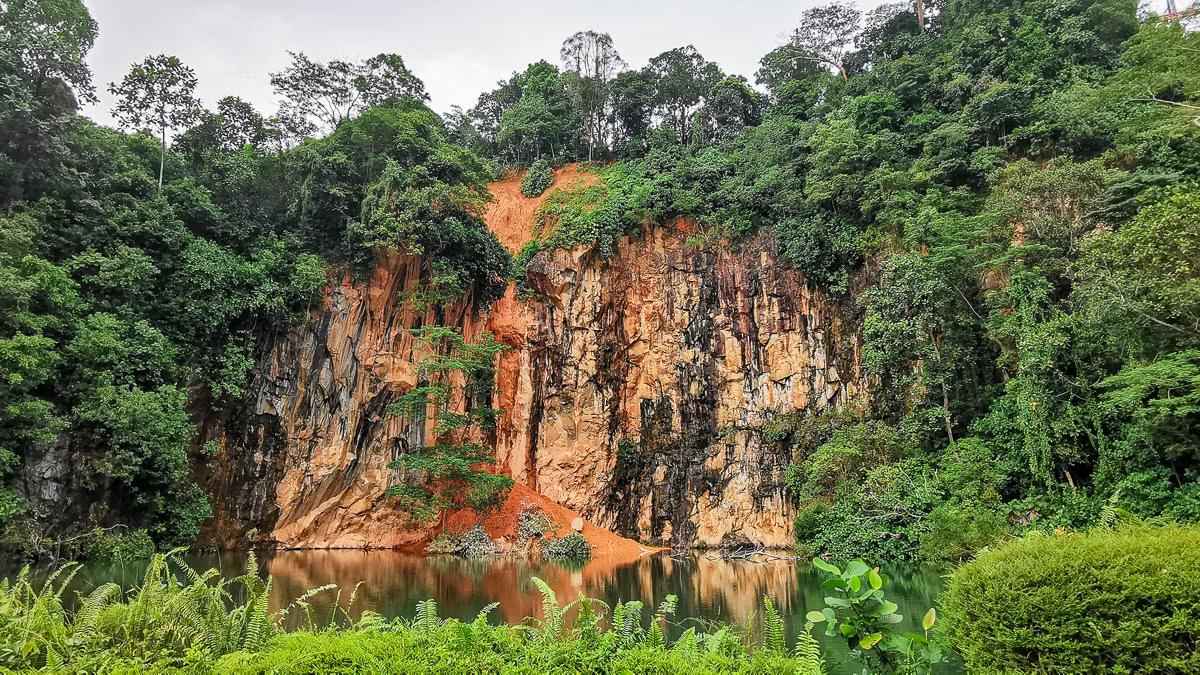
Little Guilin refers to the rocky-lake scenery at Bukit Batok Town Park, located near the nature park zone. NParks describes this park as known for distinctive rocky formations and expansive greenery, which is why it became one of the most photographed landscapes in the neighborhood.
The view combines steep granite-like cliffs with calm water reflections, giving the location its “Guilin” nickname. It is a strong spot for sunrise and golden-hour photography, and it also works well for relaxed walking when you want a scenic break without a long route commitment.
Photography and visit tips for Little Guilin
- Early morning gives cleaner reflections and lower crowd density.
- Late afternoon provides softer light on cliff textures.
- Use wide frames to capture both water and rock formation.
- Avoid standing at edges or restricted sections for photos.
If you are planning a half-day route, combine Little Guilin first, then move to Bukit Batok Nature Park trails and memorial areas.

Bukit Batok Memorial and WWII History
Bukit Batok Hill is historically significant because this area once held two wartime memorials: the Syonan Chureito and the Allied Memorial. Singapore’s Roots historical marker explains that the Japanese memorial was built with forced labor from Allied POWs, while a smaller Allied memorial stood behind it. Both memorial structures were destroyed after the war, and only site traces such as stairways and location markers remain.
This history connects the hill to the wider story of the Battle of Bukit Timah and the Japanese occupation period. For visitors, the site is less about large surviving monuments and more about memory, context, and interpretation. Reading the marker and understanding the landscape’s wartime role adds depth to what might otherwise seem like a simple green hill visit.
| Historical Element | Why It Matters |
|---|---|
| Syonan Chureito site | Represents wartime memorial practices during occupation |
| Allied memorial reference | Marks remembrance of Allied war dead in same zone |
| Lorong Sesuai context | Helps locate former memorial area and access traces |
| Battle of Bukit Timah link | Connects site to one of the fiercest WWII engagements in Singapore |
Hiking Trails and Route Planning
Most routes in and around Bukit Batok are moderate to easy, making the area suitable for casual hikers and urban walkers. The trail network is not designed as a mountain challenge, but it is excellent for short nature sessions, slope walking, and quarry viewpoint stops.
Simple route options
- Easy loop: nature park entry paths and quarry-view pauses.
- Scenic combo: Little Guilin walk + nature park trails.
- History add-on: include the memorial marker area and stairs context.
- Extended west-nature day: pair with Bukit Timah Nature Reserve (separate timing rules apply there).
For most travelers, 2 to 3 hours is enough for a complete first visit with photos, breaks, and moderate walking.
Flora, Fauna and Nature Interest
NParks highlights that the park supports notable species and fruit-tree zones along trails, including occasional sightings of birds of prey near quarry areas and native wildlife in quieter sections. Visitors interested in ecology should walk slowly and keep noise low, especially in early morning windows.
This is not a safari-like destination, so wildlife encounters are never guaranteed. Still, patient walking often reveals butterflies, bird calls, and interesting canopy transitions that are easy to miss when moving too quickly.
- Carry binoculars if birdwatching is your main goal.
- Avoid feeding animals or leaving food waste.
- Stay on marked paths to reduce habitat disturbance.
- Use insect repellent in humid periods.
Best Time to Visit Bukit Batok Hill
Because Singapore is warm and humid year-round, timing matters more than season labels. Early morning and late afternoon are usually best for walking comfort and photography. Midday heat can make slopes feel more demanding, especially for visitors not used to tropical humidity.
Rain can occur in any month, so keep a flexible plan and check weather before heading out. If your route includes both Little Guilin and nature trails, start with open-view sections first and move into shaded paths later.
| Time Window | Best For | Notes |
|---|---|---|
| 6:30 AM - 9:00 AM | Cooler walks and reflection photos | Lower crowd and softer light |
| 9:00 AM - 4:00 PM | General access | Hotter; hydrate and rest frequently |
| 4:30 PM - 6:30 PM | Evening scenery and relaxed pace | Good cliff-light textures at Little Guilin |
How to Reach Bukit Batok Hill and Nearby Parks
Public transport is usually the easiest option. Depending on your exact route, Bukit Batok, Bukit Gombak, Beauty World, or Hillview stations can all support access to nearby sections with short bus or walk transfers. Ride-hailing services also work well if you want direct drop-off at specific entry points.
Transport tips
- Use maps to pin exact park entrance before starting ride-hailing.
- If combining two parks, plan exit and re-entry points in advance.
- Carry offline map support in case of signal fluctuations in tree cover.
- Wear walking shoes; paths can be slick after rain.
Avoid overpacking. Light gear is enough for most visitors: water, cap, insect repellent, and a small towel.

Practical Visitor Rules and Etiquette
Following posted park rules helps preserve the area and avoids common issues. Official NParks guidance clearly notes that fishing is not allowed in relevant park water bodies. Visitors should also stay on trails, avoid littering, and keep noise levels considerate for both wildlife and other walkers.
- No fishing in prohibited zones.
- No feeding wildlife.
- Dispose waste responsibly; carry out what you carry in.
- Respect memorial spaces as remembrance zones, not casual props.
During weekends, you may see exercise groups and family walkers. Keep left where appropriate and avoid blocking narrow trail sections for long photo sessions.
Sample Half-Day Itinerary
Stop 1 (45 min): Begin at Little Guilin for calm lake views and early photos.
Stop 2 (60-75 min): Walk Bukit Batok Nature Park trails and quarry outlook zones.
Stop 3 (20-30 min): Visit memorial marker context area and read historical notes.
Stop 4 (optional): Continue to another green-space destination or return to city route.
This format balances scenery, movement, and history without making the visit exhausting.
Conclusion
Bukit Batok Hill is one of Singapore’s most useful “quiet contrast” destinations: scenic quarry landscapes, approachable trails, and meaningful WWII context in one area. Whether you visit for a short walk, photography, or heritage interest, the site rewards slow pacing and respectful exploration. Combine it with nearby west-side parks for a deeper nature day, or fit it into a larger Singapore itinerary as a restorative break from urban intensity.
Location
Frequently Asked Questions
Q1.Where is Bukit Batok Hill located?
Q2.How do I get to Bukit Batok Nature Park?
Q3.Is Bukit Batok Nature Park free to enter?
Q4.What is Little Guilin in Singapore?
Q5.What is the Bukit Batok Memorial about?
Q6.How long are the walking trails at Bukit Batok?
Q7.Can visitors fish at Bukit Batok parks?
Q8.What are Bukit Batok Nature Park opening hours?
Recommended For You

Best Beaches in Singapore: Ultimate Guide to Sentosa Island & Beyond
Discover Singapore's stunning beaches on Sentosa Island. Complete guide covering Palawan, Siloso & Tanjong Beach with activities, water sports, dining options and practical travel tips.

Lazarus Island Singapore: Ferry Schedule, Beach Activities & Day Plan
Visit Lazarus Island Singapore with this practical beach and ferry guide covering route planning, timings, what to bring, and nearby island options.

Best Malls in Singapore: 15 Top Shopping Destinations by Area
Discover the best malls in Singapore - from luxury shopping on Orchard Road to Jewel Changi's indoor waterfall. Explore 15+ top shopping destinations in this complete guide.
Never Miss an Adventure
Get the latest trekking guides, travel tips, and exclusive offers delivered straight to your inbox.
