
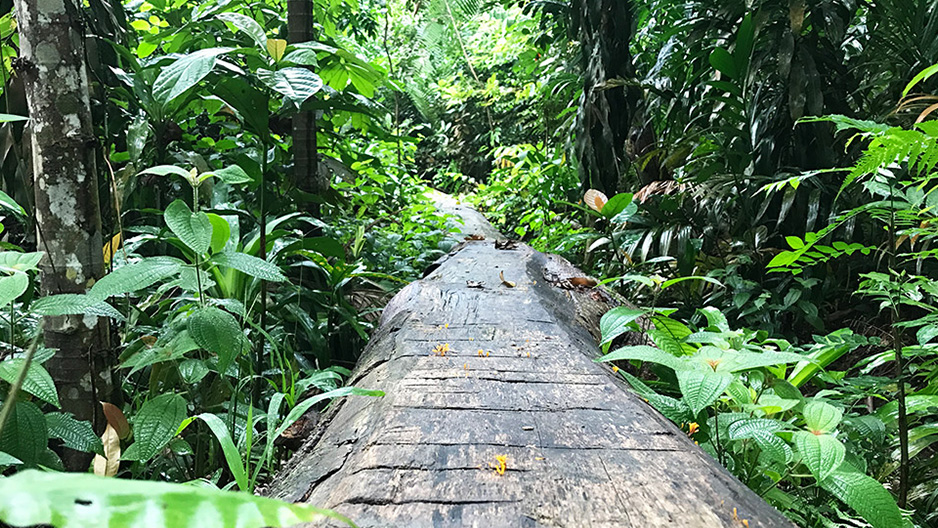
Bukit Timah Nature Reserve Singapore: Trail Routes, Wildlife & Entry Info

Ananya Sharma
February 19, 2026
Plan your Bukit Timah Nature Reserve hike with trail difficulty, opening hours, wildlife highlights, and practical tips for a safe Singapore nature visit.
Introduction
Bukit Timah Nature Reserve is one of Singapore’s most important natural spaces and home to Bukit Timah Hill, the country’s highest natural point. For travelers who know Singapore mainly for skyline views, shopping streets, and food districts, this reserve offers a very different experience: primary rainforest, steep hill trails, biodiversity, and conservation history in a compact urban nation.
The reserve is popular with hikers, runners, students, birdwatchers, and families who want a manageable nature escape without leaving the city. It is also historically significant, with roots going back to the late 19th century and a key role in modern conservation planning. If you are planning a nature-focused day in west and central Singapore, Bukit Timah can be your anchor stop.
This guide covers trails, difficulty levels, opening hours, wildlife highlights, conservation background, visitor facilities, and practical planning tips. For broader trip design, pair this with Bukit Batok Hill, Lazarus Island, and beaches in Singapore on separate days.
Quick Facts About Bukit Timah Nature Reserve
| Item | Detail |
|---|---|
| Location | End of Hindhede Drive, Singapore |
| Reserve Size | About 163 hectares |
| Highest Point | Bukit Timah Hill at around 163 metres |
| Opening Hours | Generally 7:00 AM to 7:00 PM |
| Entry Fee | Free public access |
| Key Identity | Primary rainforest and biodiversity hotspot |
These facts make the reserve one of the most accessible high-value nature experiences in Singapore.
Why Bukit Timah Matters in Singapore
Bukit Timah is more than a hiking location. NParks and heritage references consistently present it as a core conservation landscape that protects an important tract of primary rainforest. For a country with intense urban land use, preserving this ecosystem has long-term value for biodiversity, education, and ecological resilience.
The reserve also serves as a live classroom for schools and nature groups, showing how rainforest systems function in an urban context. Visitors can experience native tree species, birdlife, and forest structure that are difficult to encounter in standard city parks.
Another reason it stands out is continuity: it has conservation roots dating to the 1880s and remains actively managed today with restoration, visitor controls, and habitat protection efforts.
Hiking Bukit Timah Hill: Trails and Difficulty
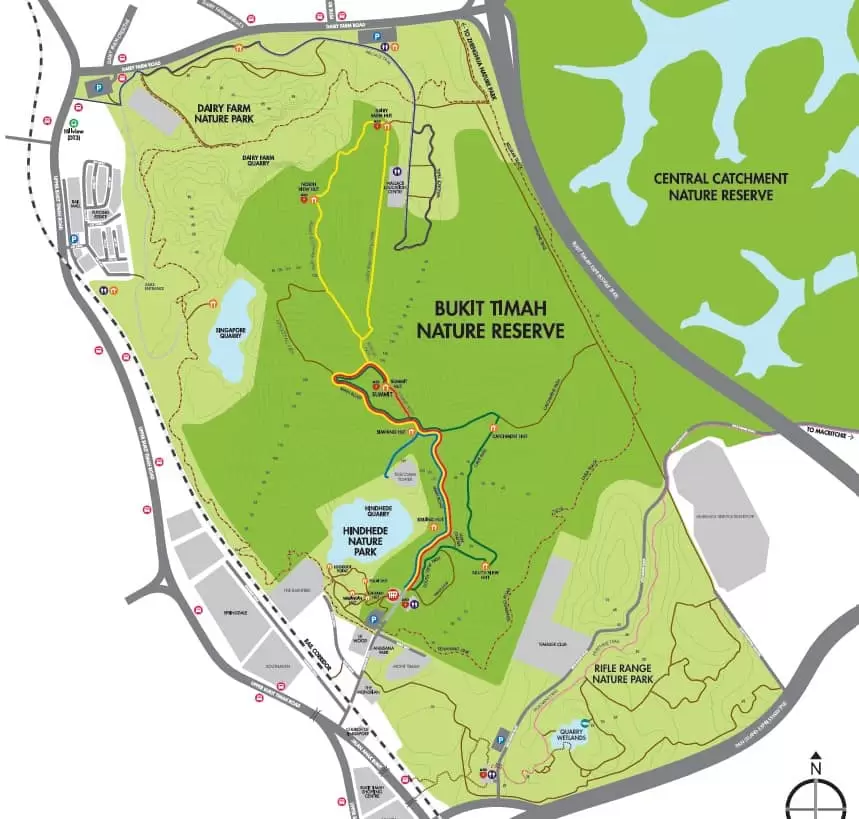
Trail choice is the most important planning decision. Some routes are steep and short, while others are gentler and better for beginners. Your best option depends on fitness, weather, and whether you are walking for exercise or for nature observation.
Main summit-oriented route
This route is direct and more physically demanding because of sustained incline. It is popular with fitness hikers and repeat local visitors.
Forest trails and gentler loops
Alternative trails in the reserve and nearby buffers provide longer but less intense walking. They are better for families, casual walkers, and travelers who want to stop often for photos and wildlife watching.
| Route Type | Difficulty | Best For |
|---|---|---|
| Direct hill ascent | Moderate to hard | Fitness-focused hikers |
| Mixed forest loops | Easy to moderate | Nature-oriented visitors |
| Short scenic walk | Easy | Families and first-time guests |
If this is your first visit, start with a moderate loop and decide later whether to add the steeper sections.
How Long Does It Take to Climb Bukit Timah?
For most travelers, a focused hill climb plus short breaks can take roughly 45 to 90 minutes depending on pace and route choice. A fuller reserve experience with wildlife stops, interpretive reading, and relaxed movement often takes 1.5 to 3 hours.
Heat and humidity significantly affect timing in Singapore. A route that feels easy at 7:30 AM can feel much harder at midday. Plan conservatively and keep water breaks frequent.
- Quick fitness visit: 1 hour.
- Balanced nature walk: 1.5 to 2.5 hours.
- Slow photography session: up to 3 hours.
Flora and Fauna: What You Can See
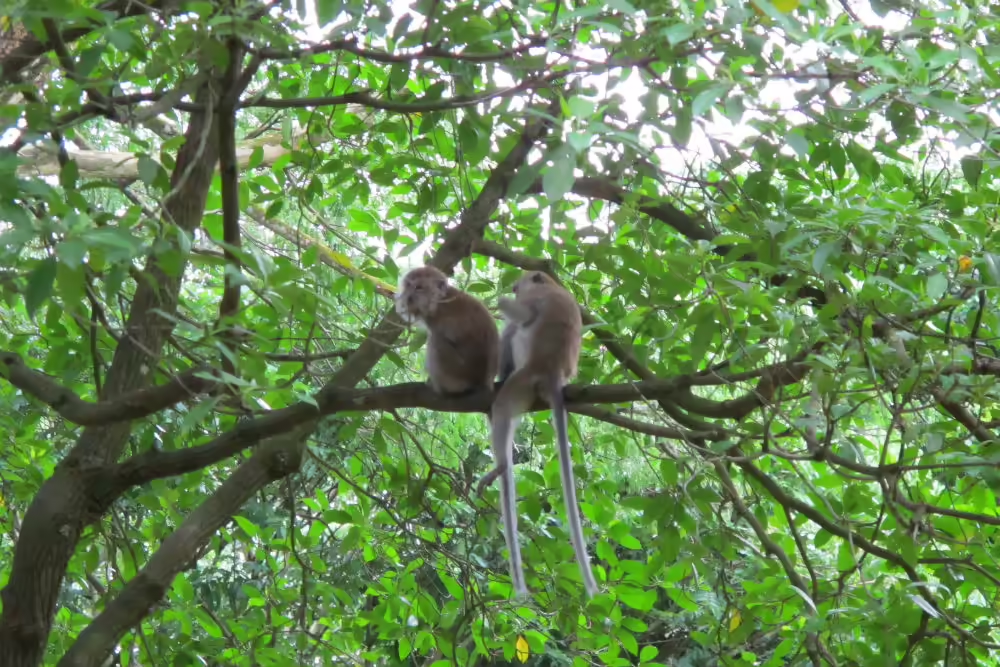
Bukit Timah is known for high biodiversity relative to its size. Official and heritage references note rich plant diversity and significant wildlife presence, including birds, insects, reptiles, and occasional mammals in quieter sections. Sightings depend on time of day, weather, and visitor behavior.
Commonly noticed nature highlights
- Native rainforest trees and large buttressed trunks.
- Bird activity in early morning windows.
- Forest insects and butterflies along humid trails.
- Occasional monitor lizard sightings in suitable habitats.
Wildlife viewing works best when you move slowly, stay quiet, and avoid crowd-heavy periods. Do not feed animals or leave food waste, as this affects natural behavior and safety.
Best Time to Visit Bukit Timah Nature Reserve
Timing matters more than season labels in Singapore’s tropical climate. Early mornings are usually best for comfort, lower heat stress, and better wildlife activity. Late afternoon can also work, but storm risk and fading light may affect longer routes.
| Time Window | Pros | Cons |
|---|---|---|
| 7:00 AM to 9:00 AM | Cooler weather, active wildlife, fewer crowds | Need early start |
| 9:00 AM to 3:00 PM | Flexible scheduling | Heat and humidity increase fatigue |
| 4:00 PM to 6:30 PM | Pleasant light for photos | Less buffer before closing and rain shifts |
If you are coming mainly for hiking performance, morning is usually the strongest choice.
Visitor Facilities and Access
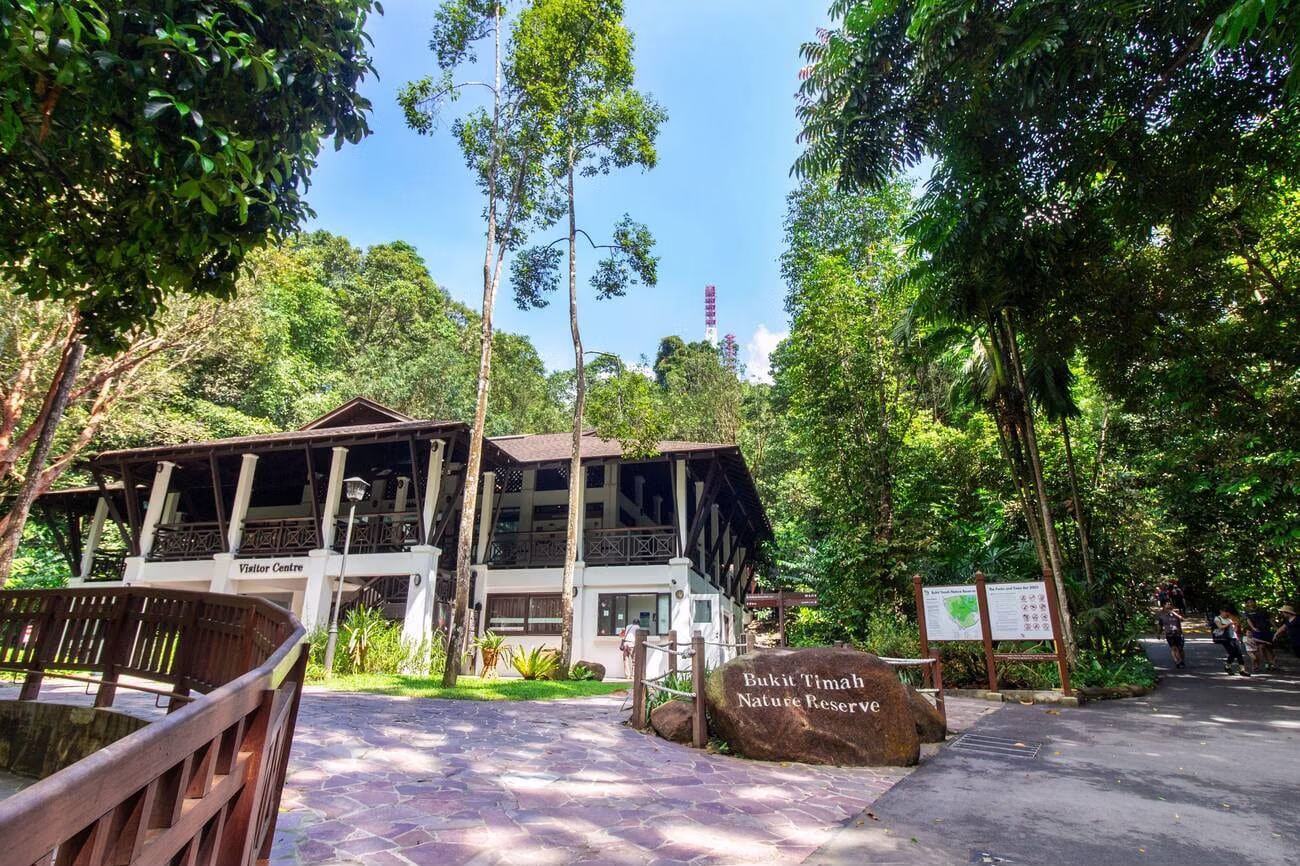
The reserve provides practical visitor infrastructure including parking near the visitor centre zone, mapped routes, and basic amenities. Carpark capacity is limited at busy times, so public transport can be more predictable on weekends.
What to expect on-site
- Visitor information points and trail maps.
- Toilet and rest areas around main access zones.
- Parking with fees at designated lots.
- Marked paths to support wayfinding.
There are no large commercial facilities inside the core reserve, so carry essentials. Keep your load light: water, cap, small towel, and insect repellent are usually enough.
History and Conservation Background
Bukit Timah’s formal reserve history dates back to the 1880s, when it was established as one of Singapore’s early forest reserves. Historical accounts note that while many reserves were eventually exploited for timber, Bukit Timah retained critical ecological value and remained protected. Over the decades, legal and management frameworks strengthened its conservation status.
In modern policy terms, Bukit Timah is part of broader ecological planning that includes buffer parks, connectivity measures, and long-term biodiversity monitoring. This is why visitor behavior matters: every off-trail shortcut, litter incident, or wildlife disturbance has cumulative impact.
The reserve’s designation as an ASEAN Heritage Park further reflects its regional conservation significance.
Essential Tips Before You Go
- Wear proper trail shoes with grip; paths can be slippery after rain.
- Carry enough water and hydrate before your climb.
- Start early to avoid heat and crowd build-up.
- Stay on marked paths and respect restricted areas.
- Do not feed wildlife and keep food sealed.
- Check weather radar before heading to the reserve.
- Use insect repellent thoughtfully and avoid over-application.
If you are combining multiple nature stops in one day, avoid overloading. One reserve plus one lighter attraction usually gives a better experience than rushing three parks.
Sample Half-Day Nature Plan
7:15 AM: Arrive and warm-up walk near entrance.
7:30-8:30 AM: Climb and summit-oriented route segment.
8:30-9:15 AM: Slower forest loop with photo and wildlife pauses.
9:15-10:00 AM: Cool-down, hydration, and exit planning.
After Bukit Timah, you can continue to Bukit Batok Hill for quarry views or shift to city attractions if weather turns humid.
Common Mistakes First-Time Visitors Make
- Starting too late and underestimating tropical heat impact.
- Carrying too little water for even short route plans.
- Treating the reserve like an urban park and leaving marked paths.
- Expecting food kiosks inside the core reserve.
- Trying to combine too many high-effort activities in one morning.
The best visit is structured but flexible: choose one main route, keep enough buffer time, and let weather conditions guide pace.
Detailed Planning for Families, Beginners, and Fitness Hikers
Different visitor types should plan Bukit Timah differently. Families with children usually do best with shorter loops, frequent water breaks, and no pressure to reach every point in one session. Beginners should prioritize steady pace over speed and choose routes that allow easy turnaround if weather shifts. Fitness hikers can use steeper sections for conditioning but should still respect trail traffic and avoid unsafe overtaking in narrow areas.
A practical method is to split your outing into three blocks: warm-up walk, main climb or loop, and cool-down observation time. The warm-up period helps your body adjust to humidity. The main section should include planned hydration breaks every 20 to 30 minutes. The final cool-down phase is ideal for slow wildlife observation, photography, and stretching before leaving.
If rain starts, reduce risk by moving to less slippery sections and shortening steep climbs. Singapore storms can form quickly, so always keep a simple exit option in mind. For weekend visits, arriving early makes a large difference: you get easier parking or smoother public transport, lighter trail crowding, and better comfort before midday heat. This one adjustment usually improves the whole experience.
| Visitor Type | Recommended Plan | Estimated Duration |
|---|---|---|
| Families | Short loop + rest stops + early finish | 1 to 1.5 hours |
| Beginners | Moderate loop with flexible turnaround | 1.5 to 2 hours |
| Fitness hikers | Steeper climb plus extra loop segment | 2 to 3 hours |
Conclusion
Bukit Timah Nature Reserve is one of Singapore’s most valuable outdoor experiences, combining accessible hiking with genuine rainforest biodiversity and strong conservation history. Whether your goal is summit exercise, nature learning, or peaceful forest walking, the reserve delivers when planned correctly. Start early, respect trail rules, and pace your route around weather and fitness. With that approach, Bukit Timah becomes a highlight of any Singapore itinerary.
Location
Frequently Asked Questions
Q1.How high is Bukit Timah Hill?
Q2.How long does it take to hike Bukit Timah?
Q3.Is Bukit Timah Nature Reserve free to enter?
Q4.Is the Bukit Timah hike difficult?
Q5.What are Bukit Timah Nature Reserve opening hours?
Q6.How do I get to Bukit Timah Nature Reserve?
Q7.What wildlife can be seen at Bukit Timah?
Q8.What should I bring for the Bukit Timah hike?
Recommended For You
Best Beaches in Singapore: Ultimate Guide to Sentosa Island & Beyond
Discover Singapore's stunning beaches on Sentosa Island. Complete guide covering Palawan, Siloso & Tanjong Beach with activities, water sports, dining options and practical travel tips.
Lazarus Island Singapore: Ferry Schedule, Beach Activities & Day Plan
Visit Lazarus Island Singapore with this practical beach and ferry guide covering route planning, timings, what to bring, and nearby island options.

Best Malls in Singapore: 15 Top Shopping Destinations by Area
Discover the best malls in Singapore - from luxury shopping on Orchard Road to Jewel Changi's indoor waterfall. Explore 15+ top shopping destinations in this complete guide.
Never Miss an Adventure
Get the latest trekking guides, travel tips, and exclusive offers delivered straight to your inbox.
