
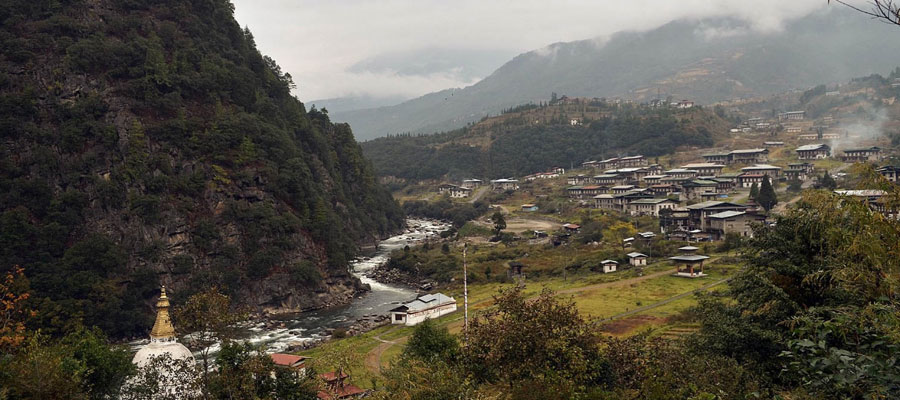
Bumdeling Wildlife Sanctuary Bhutan: Cranes, Trails & Travel Access
Rohit Verma
February 19, 2026
Explore Bumdeling Wildlife Sanctuary in Bhutan with black-necked crane season tips, route planning, wildlife highlights, and responsible travel guidance.
Introduction
Bumdeling Wildlife Sanctuary is one of Bhutan’s most ecologically important protected landscapes, known for mountain biodiversity, river valleys, and seasonal black-necked crane presence in the Bumdeling Valley area. Located in northeastern Bhutan, the sanctuary combines conservation value with low-impact travel potential for birders, nature-focused travelers, and people interested in Bhutan’s community-led environmental approach.
Unlike mainstream Bhutan circuits centered on Paro and Thimphu, Bumdeling remains relatively remote and less crowded. That is exactly why it attracts serious nature travelers. Visits here are more about patient observation, responsible walking, and understanding local conservation work than quick checklist tourism.
This guide covers location, wildlife highlights, crane season context, trekking options, best time to visit, travel logistics, and practical planning tips. If you are building a wider Bhutan itinerary, also check best tourist places in Bhutan, treks in Bhutan, and Bhutan in April.
Where Is Bumdeling Wildlife Sanctuary?
Bumdeling Wildlife Sanctuary is in northeastern Bhutan, spanning areas associated with Trashiyangtse and neighboring highland zones. It includes a wide elevational range, which supports varied ecosystems from subtropical and temperate landscapes to high-altitude terrain in upper sectors.
The sanctuary’s remoteness is a major planning factor. Travel times are long, road conditions vary by season, and itineraries need weather buffers. Most travelers approach via eastern Bhutan road networks after reaching major Bhutan gateways.
| Quick Fact | Details |
|---|---|
| Country | Bhutan |
| Region | Northeastern Bhutan |
| Known For | Black-necked cranes, bird diversity, mountain ecosystems |
| Travel Style | Remote nature and conservation-focused visits |
| Best For | Birdwatchers, trekkers, low-impact wildlife travelers |
Why Bumdeling Is Ecologically Significant
Bumdeling is part of Bhutan’s broader protected-area network and acts as an important conservation zone for birds, mammals, and forest habitats across elevational gradients. The sanctuary is often discussed for its role in protecting wintering grounds linked to black-necked cranes in the valley area and for supporting habitats used by diverse Himalayan species.
Because it includes connected landscapes rather than isolated habitat patches, Bumdeling contributes to long-term ecological resilience. This matters for migratory species and climate adaptation, where movement corridors and intact watersheds are increasingly important.
For visitors, this means the sanctuary should be experienced as a living conservation system, not only as a scenic viewpoint destination.
Black-Necked Cranes in Bumdeling
Black-necked cranes are among the sanctuary’s most searched wildlife themes. In Bhutan, these birds are deeply respected and culturally significant, and their seasonal movement patterns attract birders each winter. Bumdeling Valley is one of Bhutan’s recognized crane-use landscapes, alongside better-known central locations.
Crane viewing is not guaranteed on any single day. Timing, weather, and habitat conditions affect sightings. In general, late autumn to winter months provide the strongest window for observation. Early morning and late afternoon are often best for patient scanning in quiet conditions.
Practical crane-viewing tips
- Use binoculars and avoid approaching feeding zones closely.
- Keep noise low and stay with local guidance.
- Do not use drone flights near sensitive bird areas.
- Plan at least one buffer day for weather or low-activity windows.
For travelers focused on crane culture, combining this trip with broader Bhutan crane narratives can improve context and experience quality.

Other Wildlife and Birdlife Highlights
Beyond cranes, Bumdeling is noted for high bird diversity and habitat richness. Depending on elevation and season, visitors may encounter a range of Himalayan bird species, forest wildlife traces, and varied plant zones. Specific flagship mammals are harder to sight without specialist field effort, but the landscape supports important regional biodiversity values.
Nature travelers should adjust expectations: this is not a safari park with predictable close encounters. The reward comes from habitat immersion, long-view observation, and guided interpretation of signs, calls, and terrain.
| Wildlife Interest | What to Expect |
|---|---|
| Migratory birds | Season-dependent sightings, especially in valley wetlands |
| Forest birdlife | Best in early morning with local guide support |
| Mammal signs | Indirect evidence more common than direct sightings |
| Plant diversity | Strong elevational variation across routes |
Trekking and Nature Routes Near Bumdeling
Bumdeling-oriented travel often includes short guided walks, village-linked nature routes, or longer trekking extensions depending on permit and operator planning. Conditions can range from easy valley movement to demanding mountain terrain. Route choice should match fitness, season, and acclimatization.
Route planning basics
- Short nature walks: best for birding and cultural village context.
- Multi-day routes: suitable for experienced trekkers with guide logistics.
- Photography-focused walks: slower pace with early starts.
- Cultural-nature combinations: include local settlements and monastery stops where feasible.
In Bhutan, guided travel structures and permits are central. Always confirm your route status and local regulations with an authorized operator before departure.
Best Time to Visit Bumdeling Wildlife Sanctuary
Timing depends on your objective. For crane-focused visits, winter-season windows are usually preferred. For trekking comfort and clearer mountain visibility, shoulder-season periods often work well. Monsoon periods can affect road reliability and trail safety.
| Season Window | Best For | Planning Notes |
|---|---|---|
| Late autumn to winter | Crane-focused birdwatching | Cold mornings; carry warm layers |
| Spring shoulder season | Trekking and mixed nature travel | Good balance of comfort and visibility |
| Monsoon months | Limited specialist travel | Rain, landslide risk, slower road movement |
If you are planning a longer Bhutan route, combine Bumdeling with other eastern stops and avoid tight single-day connections.

How to Reach Bumdeling
Most international travelers enter Bhutan through Paro and then continue by long overland routes to eastern districts. From eastern hubs, travel to Bumdeling-linked areas becomes more manageable, though still time-intensive. Road travel is the practical mode for most visitors.
Transport realities to plan for
- Long drive durations with mountain road variability.
- Weather-related delays possible in shoulder and monsoon transitions.
- Early departures recommended for safer daylight movement.
- Private arranged transport is usually most practical.
Because this is a remote destination, carry essential medicines, warm layers, power backup, and offline route notes.
Permits, Guides, and Responsible Travel
Bhutan travel regulations, protected-area access norms, and route-specific permissions can change by season and policy updates. For Bumdeling, always rely on authorized Bhutan travel operators for the latest permit process and field logistics. Attempting ad hoc independent planning in remote sectors can create safety and compliance issues.
Responsible travel principles are especially important in sanctuary zones. Keep distance from wildlife, avoid litter, minimize sound pollution, and follow local community instructions. Bird habitats are sensitive, and small disturbances can affect feeding and movement behavior.
- Follow guide instructions at all times in wildlife zones.
- Do not feed animals or birds.
- Avoid plastic-heavy packing for remote routes.
- Stay on agreed trails to reduce habitat disturbance.
Accommodation and Stay Planning
Accommodation near Bumdeling-focused routes is generally simpler than in western Bhutan tourist centers. Expect basic comfort in many areas, with better options in larger district towns. Book early during peak seasonal travel windows and keep backup options in your route plan.
A common approach is to base in an accessible town and do day or half-day nature excursions with local support. For deeper sanctuary exploration, multi-night regional planning is usually required.
| Stay Style | Best For | Tip |
|---|---|---|
| Town-based lodge | Short nature excursions | Good for first-time eastern Bhutan travelers |
| Basic local stay | Birding-focused slow routes | Confirm facilities in advance |
| Multi-stop itinerary | Longer Bhutan circuits | Keep one weather buffer day |
Sample 3-Day Bumdeling-Focused Plan
Day 1: Arrive in eastern base town, acclimatize, and brief with guide.
Day 2: Early birding session in valley habitats, cultural stop, evening scan window.
Day 3: Short nature walk or trail segment, then onward transfer to next Bhutan destination.
This format is realistic for travelers balancing sanctuary interest with wider Bhutan itineraries.
Common Mistakes to Avoid
- Underestimating long road travel time to eastern Bhutan sectors.
- Expecting guaranteed crane sightings on a fixed hour schedule.
- Packing for city weather instead of highland morning cold.
- Planning without operator-confirmed permits and route status.
- Treating sanctuary visits like loud group excursions.
The best Bumdeling experience comes from patience, ecological respect, and flexible planning around weather and wildlife rhythms.

Field Preparation Checklist for Bumdeling Travelers
Bumdeling trips are smoother when you prepare like a field visit rather than a city excursion. Start with layered clothing, because mornings can be cold while afternoons feel warmer during active walking. Waterproof outerwear is essential in shoulder months when weather shifts quickly. Good footwear with ankle support is strongly recommended for uneven paths and slippery sections.
For birders and photographers, bring binoculars, spare batteries, lens protection, and a compact rain cover for gear. Keep expectations realistic: wildlife viewing in mountain sanctuaries often rewards patience more than movement. Plan slow observation windows instead of rushing between spots. A simple notebook for species logs, weather notes, and location markers adds value if you are serious about birdwatching.
Health and logistics preparation matters too. Carry personal medication, hydration salts, reusable water bottles, and small energy snacks. Remote travel days can be long, so offline map access and power bank backup reduce stress. If your route includes high-altitude sections beyond core valley visits, discuss acclimatization pacing with your guide in advance.
| Category | What to Carry | Why It Helps |
|---|---|---|
| Clothing | Layered thermals, rain shell, cap | Handles rapid weather change |
| Footwear | Trail shoes or boots with grip | Improves stability on wet terrain |
| Wildlife Gear | Binoculars, camera protection, field notes | Better observation and documentation |
| Health Basics | Medication, hydration salts, snacks | Supports long remote travel days |
| Navigation | Offline maps, power bank | Useful in weak-signal zones |
Conclusion
Bumdeling Wildlife Sanctuary is one of Bhutan’s most meaningful remote nature destinations for travelers who value conservation, birdlife, and low-impact exploration. Its crane-linked valley significance, mountain ecosystems, and community-connected travel style make it very different from mainstream sightseeing routes. Plan carefully, travel responsibly, and allow enough time. If you do, Bumdeling can become one of the most rewarding wildlife segments in a Bhutan journey.
Location
Frequently Asked Questions
Q1.Where is Bumdeling Wildlife Sanctuary located?
Q2.How do I reach Bumdeling Wildlife Sanctuary?
Q3.What is the best time to visit Bumdeling?
Q4.When can I see black-necked cranes in Bumdeling?
Q5.What other wildlife is found in Bumdeling?
Q6.Is trekking allowed in Bumdeling Wildlife Sanctuary?
Q7.How many days are needed to explore Bumdeling?
Q8.Are there accommodations near Bumdeling Sanctuary?
Recommended For You
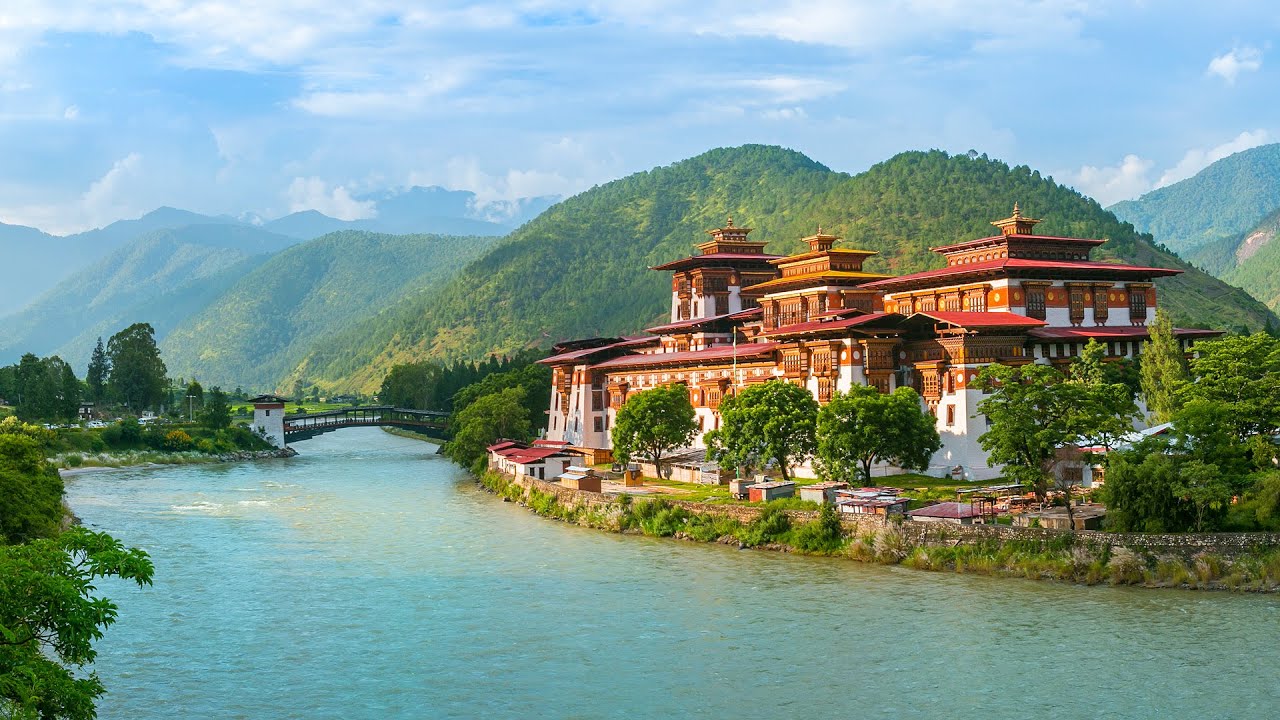
Best Time to Visit Bhutan: Season Guide and Travel Tips
Plan your Bhutan trip with season-wise timing, route strategy, and practical travel tips for smoother and more meaningful journeys.
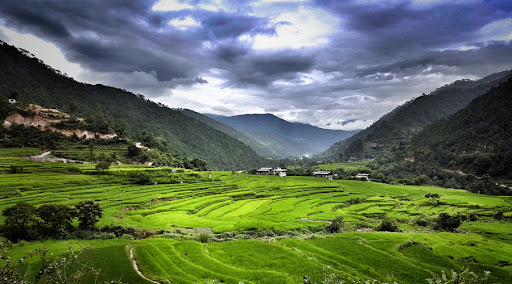
Bhutan Temperature Guide: Weather by Month
Month-by-month temperature in Bhutan guide with seasonal insights for Thimphu, Paro, and Punakha plus packing and planning tips.
Bumthang Bhutan: Sacred Valleys, Temples & Route Planning
Discover Bumthang Bhutan with sacred temples, festival highlights, trekking options, and practical travel tips for a well-planned valley itinerary.
Never Miss an Adventure
Get the latest trekking guides, travel tips, and exclusive offers delivered straight to your inbox.
