
Best Tourist Places in Bhutan: Region-Wise Attractions & Itinerary Ideas
Neha Kapoor
February 19, 2026
Explore the best tourist places in Bhutan with region-wise highlights from Paro, Thimphu, Punakha, Bumthang, and Phobjikha, plus practical travel planning tips.
Introduction
Bhutan is one of the few destinations where tourism still feels intentional, cultural, and slow by design. Known as the Land of the Thunder Dragon, the country combines Himalayan valleys, major monasteries, fortress-like dzongs, sacred hiking routes, and deeply preserved living traditions. It is not a checklist destination where you rush through landmarks. The quality of a Bhutan trip depends on how well you choose regions, altitude pacing, and travel season.
Most first-time travelers cover a classic west-and-central circuit: Paro, Thimphu, Punakha, and one valley extension such as Phobjikha or Bumthang depending on trip length. Each area has a distinct personality. Paro is iconic and spiritual, Thimphu blends governance with culture, Punakha is scenic and river-rich, and Phobjikha offers quiet valley landscapes with crane-season appeal.
This guide lists the best tourist places in Bhutan by region with practical planning notes, ideal visitor profiles, and timing guidance. For deeper planning, also see best time to visit Bhutan, Paro travel guide, and Dochula Pass guide.
Quick List: Best Tourist Places in Bhutan
| Place | Region | Best For |
|---|---|---|
| Tiger's Nest Monastery (Paro Taktsang) | Paro | Iconic trek and spiritual significance |
| Rinpung Dzong and Ta Dzong | Paro | History, architecture, and museums |
| Buddha Dordenma | Thimphu | City panoramas and Buddhist symbolism |
| Tashichho Dzong | Thimphu | Governance, religion, and cultural identity |
| Punakha Dzong | Punakha | Most photogenic dzong setting |
| Punakha Suspension Bridge | Punakha | Scenic river valley walk |
| Gangtey Monastery and Phobjikha Valley | Phobjikha | Nature, quiet stays, crane season |
| Chele La Pass | Paro-Haa sector | High mountain views and offbeat routes |
| Jakar and sacred temples | Bumthang | Spiritual depth and central Bhutan culture |
Paro Valley: Bhutan's Most Iconic Attractions
Paro is where many Bhutan journeys begin and where some of the country's most famous places are located. The valley combines airport access, major monastery experiences, heritage dzongs, and scenic trails. If you have limited time in Bhutan, Paro delivers high value in both landscape and cultural depth.
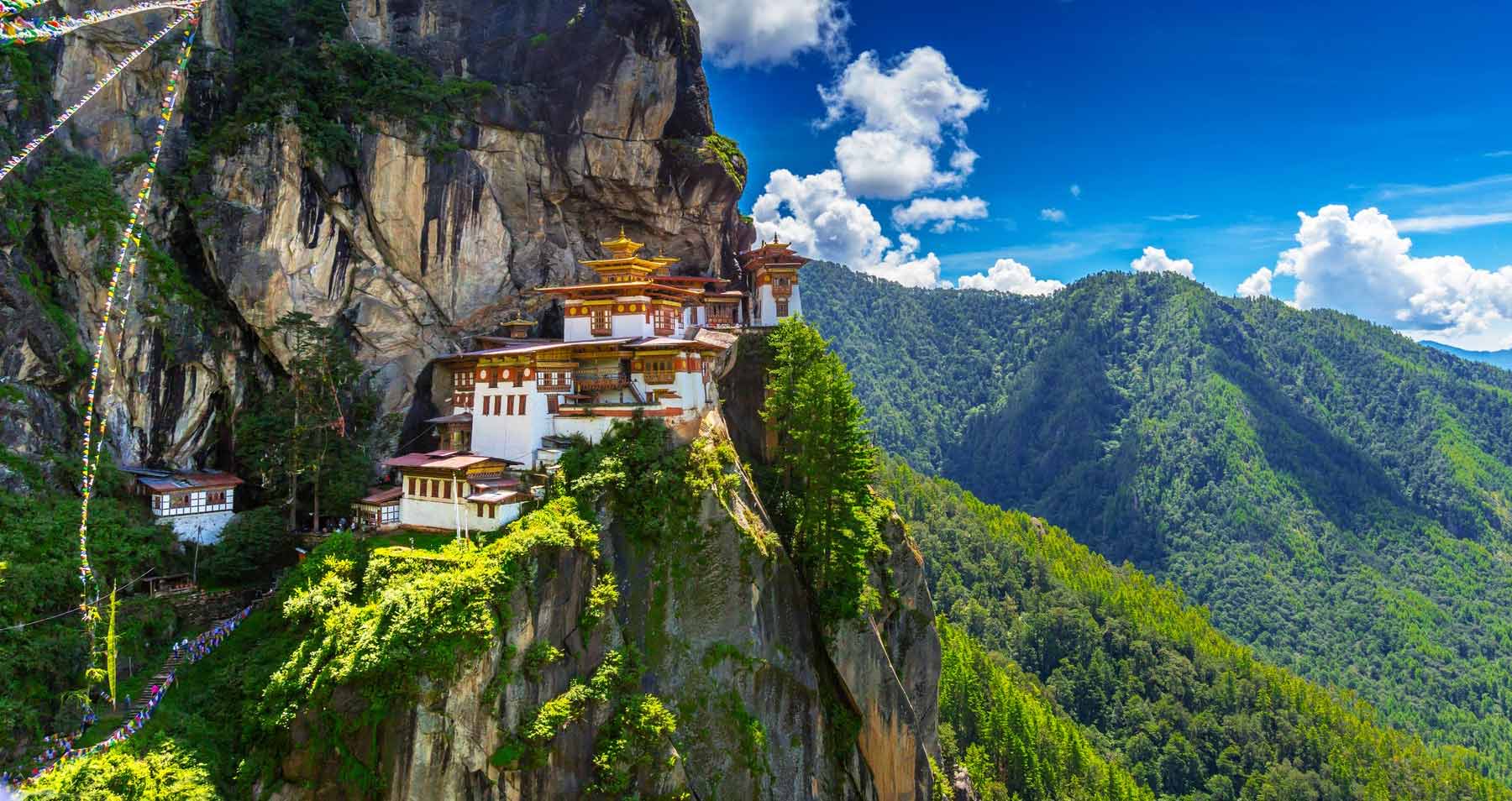
Tiger's Nest (Paro Taktsang)
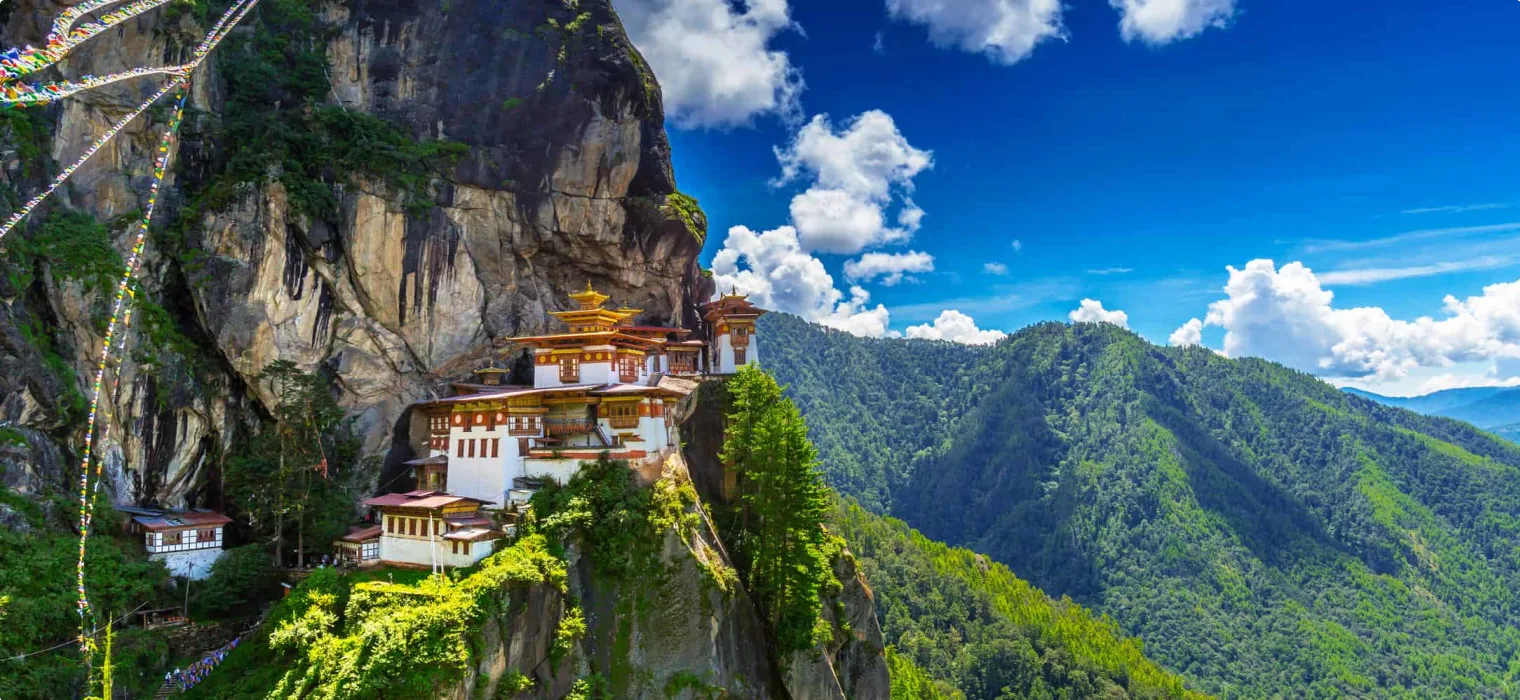
Tiger's Nest is the defining image of Bhutan tourism for good reason. Perched dramatically on a cliffside, the monastery is both visually extraordinary and spiritually important. The hike is moderate for most active travelers and usually takes several hours round trip depending on pace and acclimatization.
This is not a race climb. Start early, walk steadily, hydrate well, and treat the trail as a pilgrimage path rather than a speed route. Clear-weather mornings usually offer better views and photo conditions.
Rinpung Dzong and Ta Dzong
Rinpung Dzong is one of Paro's cultural anchors, while nearby Ta Dzong houses the National Museum and gives useful context for Bhutanese heritage. Together they provide strong historical orientation early in your itinerary.
Kyichu Lhakhang and Drukgyel Sector
Kyichu Lhakhang is among Bhutan's oldest temples and a meaningful stop for spiritual travelers. Drukgyel sectors offer heritage and mountain-view context for those extending beyond central Paro streets.

Thimphu: Capital Highlights with Cultural Depth
Thimphu is often misunderstood as just a transit city, but it is an important layer in any Bhutan itinerary. It combines administrative life, religious institutions, craft centers, and modern Bhutan's social rhythm. Spending at least one full day here helps connect the broader journey.
Buddha Dordenma
This giant seated Buddha overlooks the valley and is one of the most recognizable landmarks in Thimphu. The site offers panoramic city views and a reflective atmosphere, especially during softer morning and evening light.
Tashichho Dzong
Tashichho Dzong symbolizes the intersection of governance and religion in Bhutan. The architecture, grounds, and ceremonial significance make it essential for first-time visitors.
Additional City Highlights
Depending on interest, include a folk heritage stop, local craft experiences, or cultural institutions that explain Bhutanese lifestyle and philosophy. Thimphu is also a good place to adjust pace, organize permits/logistics, and prepare for valley transitions.

Punakha Valley: Rivers, Dzong Beauty, and Scenic Calm
Punakha is one of Bhutan's most rewarding valleys for both landscape and architecture. Warmer than some higher-altitude sectors and framed by rivers, it offers a softer, greener contrast to Paro and Thimphu in many months.
Punakha Dzong
Punakha Dzong is widely considered one of the most beautiful dzongs in Bhutan. Located at the confluence of two rivers, it is visually striking and deeply important in Bhutanese history. Plan enough time here to experience both architecture and setting.
Punakha Suspension Bridge
The bridge is a popular and enjoyable walk with strong valley views. It adds a light adventure layer to a cultural day and works well for mixed-age groups.
Chimi Lhakhang and Hill Chorten Routes
Punakha valley also supports short spiritual and rural walks to nearby temples and chortens. These experiences are ideal for travelers who prefer calm pace over dense city movement.

Bumthang Region: Spiritual Core of Central Bhutan
Bumthang is often described as Bhutan's spiritual heart. It is less about one iconic photo spot and more about layered sacred geography: temples, legends, ritual spaces, and valley culture. Travelers with longer itineraries should strongly consider adding Bumthang for depth.
Key visits typically include Jakar area heritage, revered temples, and sacred water or lake sites associated with local narratives. The region rewards slow travel, guided storytelling, and time for village interaction rather than quick landmark hopping.
If your trip focus is spiritual culture rather than only visuals, Bumthang can become the most meaningful segment of your Bhutan route.
Phobjikha Valley: Nature, Quiet, and Crane Season Appeal
Phobjikha is one of Bhutan's most peaceful valleys and a favorite for travelers seeking landscape calm, short nature walks, and low-noise stays. The open glacial valley setting feels very different from urbanized tourism zones.
Gangtey Monastery and Valley Walks
Gangtey-linked viewpoints and nature trail corridors are central to the Phobjikha experience. This region works especially well for travelers who enjoy low-intensity walking and long scenic pauses.
Black-Necked Crane Context
Seasonal bird presence increases interest in specific periods, and many travelers plan visits around that window. Even outside peak bird months, the valley remains one of Bhutan's strongest nature retreats.

Haa Valley and Offbeat Bhutan Extensions
For travelers who prefer quieter routes, Haa Valley extensions can add offbeat depth to the classic circuit. Chele La-linked travel corridors provide high mountain views and a different side of western Bhutan's geography.
Offbeat sectors are best added when you already have enough days for core highlights. They are excellent for repeat visitors, photographers, and travelers who value low-volume routes over high-traffic stops.
Best Tourist Places in Bhutan by Trip Type
| Trip Style | Top Places | Planning Note |
|---|---|---|
| First-time 5-6 day trip | Paro, Thimphu, Punakha | Best balance of access and highlights |
| Spiritual focus | Tiger's Nest, Punakha Dzong, Bumthang temples | Keep slower days for rituals and monastery visits |
| Nature and scenic quiet | Phobjikha, Haa extensions, pass viewpoints | Add at least one buffer day for weather |
| Photography-led trip | Paro cliffs, Punakha river confluence, Phobjikha landscapes | Shoulder seasons often give better clarity |
Practical Travel Tips for Bhutan Attractions
Ideal Season
Spring and autumn are often preferred for broad travel comfort, but destination-level weather can still vary by altitude and valley.
Entry and Fee Rules
Policy details and fee structures can change, so check current official government guidance before final booking. Do not rely on old social media screenshots for entry rules.
Temple and Dzong Etiquette
Dress modestly, follow local photography instructions, and respect sacred spaces. Some sites restrict interior photography.
Pacing
Bhutan rewards slower travel. Over-optimizing with too many long transfers usually reduces experience quality.

Sample 7-Day Classic Bhutan Route
Day 1-2: Paro highlights and acclimatization with Tiger's Nest plan.
Day 3: Thimphu cultural and city attractions.
Day 4-5: Punakha valley circuit and riverside experiences.
Day 6: Phobjikha extension or return via scenic pass routes.
Day 7: Paro buffer and departure.
This structure is flexible and can be adjusted to weather, altitude comfort, and personal travel style.
Regional Circuits for Different Trip Lengths
Bhutan works best when itinerary length and regional ambition are aligned. For a short trip, trying to include too many valleys often results in road-heavy days and limited cultural engagement. A focused west-Bhutan route usually delivers better outcomes than a rushed country-wide loop. For longer trips, adding central Bhutan creates depth, but only if you preserve recovery time between long transfers.
| Trip Length | Recommended Regions | Why This Works |
|---|---|---|
| 4 to 5 days | Paro + Thimphu + one Punakha day | Strong highlights with manageable transfer load |
| 6 to 8 days | Paro, Thimphu, Punakha, Phobjikha | Balanced culture and nature with good pacing |
| 9 to 12 days | West Bhutan + Bumthang extension | Deeper temple and valley experience |
| 12+ days | Classic circuit + offbeat Haa or eastward sectors | Best for repeat visitors and slow travel style |
If this is your first Bhutan trip, prioritize fewer regions and richer time in each place. Bhutan rewards depth over speed. Staying one extra night in a valley often gives more value than adding one more distant stop.
Transport, Altitude, and Daily Pacing Strategy
Most Bhutan itineraries rely on road transfers between valleys. Distances can look short on maps, but mountain roads and weather patterns make travel time longer than expected. The most practical strategy is to keep transfer days separate from heavy sightseeing days whenever possible. This preserves energy and allows you to experience places with attention rather than fatigue.
Altitude also matters, especially when combining hikes like Tiger's Nest with back-to-back valley transfers. Build a gradual progression in activity intensity: arrival and light orientation first, major hike on a later day, then recovery pacing before the next long road segment. Travelers who ignore this usually experience avoidable exhaustion and reduced enjoyment.
For family groups, keep start times early and afternoons flexible. For photography-focused travelers, plan major viewpoints during morning and late-afternoon windows, and use midday for museums, monastery interiors, or rest. This simple structure improves both comfort and output quality.
Cost Awareness and Practical Booking Tips
Bhutan trip cost varies by season, accommodation style, transport mode, and route complexity. Premium properties and peak windows can raise spend quickly, while shoulder-season planning with standard hotels can keep budgets more controlled. The key is to allocate spend based on experience priorities: guide quality, route reliability, and location convenience usually matter more than luxury decor in mountain circuits.
When planning, compare not just nightly rates but total itinerary efficiency. A slightly higher-priced stay near your next route corridor may reduce transfer fatigue and improve time quality. For many travelers, this trade-off creates better overall value than selecting the cheapest room far from activity zones.
Always confirm current official requirements for entry formalities, fees, and permitted travel processes close to departure. Policy details can evolve, and using outdated information may disrupt the itinerary.
Common Mistakes to Avoid
- Trying to cover too many regions in too few days.
- Ignoring altitude pacing and physical readiness for hikes.
- Booking without checking latest fee and entry rules.
- Treating sacred sites as only photo stops without etiquette awareness.
- Leaving no weather buffer in mountain-heavy routes.
Seasonal Region Matching Guide
Choosing the right places in Bhutan is easier when you map regions to your preferred travel season. In spring, west-Bhutan circuits usually work well for mixed hiking and cultural travel, with Paro and Punakha often offering strong sightseeing comfort. In autumn, broad multi-valley circuits are popular because visibility and route reliability are often favorable for both photographers and first-time travelers.
Winter can still be rewarding for low-crowd cultural travel, but day length and temperature require tighter pacing and warmer preparation. If your itinerary includes high-elevation viewpoints or long pass segments, keep weather buffers and avoid rigid transfer chains. Summer/monsoon windows can work for travelers who prioritize greenery and calmer visitor density, but regional weather should be checked closely before locking activity-heavy plans.
The practical takeaway is simple: do not choose places in isolation. Choose season and region together. A correctly matched season-route pair will usually improve comfort, safety, photography quality, and overall trip satisfaction more than adding extra attractions to an already full itinerary.
For a deeper look at the capital's museums, markets, and cultural sites, see our dedicated guide to Thimphu, which pairs well with a Paro-Punakha loop.
Conclusion
The best tourist places in Bhutan are not just famous landmarks, but a complete regional experience: Paro for iconic spirituality, Thimphu for cultural context, Punakha for valley beauty, and Phobjikha or Bumthang for depth. Build your itinerary around pace and purpose, and Bhutan will deliver a far richer journey than a rushed checklist tour.
Location
Frequently Asked Questions
Q1.What are the top tourist places in Bhutan?
Q2.How many days are enough for Bhutan?
Q3.What is the best time to visit Bhutan attractions?
Q4.Is Tiger's Nest trek difficult?
Q5.What is special about Punakha Dzong?
Q6.Can I visit Haa Valley from Paro?
Q7.Do Indians need a visa for Bhutan?
Q8.Is Bhutan expensive for tourists?
Recommended For You
Thimphu Bhutan: Complete Travel Guide and Top Places
Plan your Thimphu Bhutan trip with top attractions, best season, India access routes, local transport, stay options, and practical sightseeing tips.
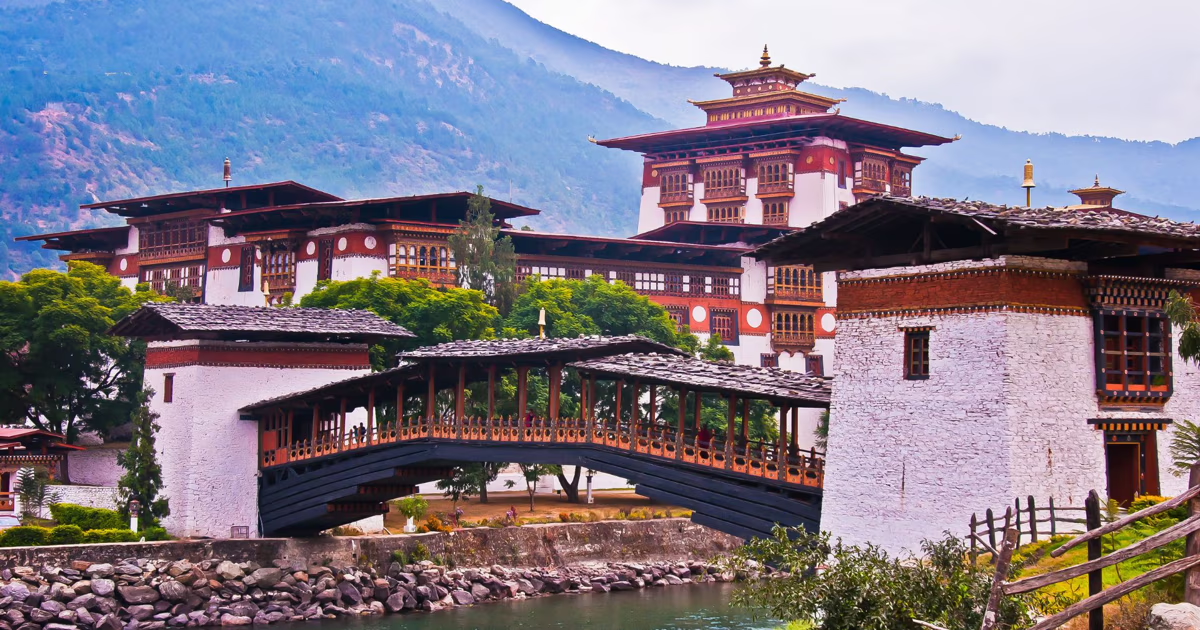
Punakha Dzong Bhutan: Entry Fee, Timings & River View Highlights
Explore Punakha Dzong - Bhutan's most beautiful fortress. History, architecture, timings, entry fee & how to reach. Complete Punakha Dzong guide.
Tigers Nest Bhutan: Trek Guide, Route and Entry Tips
Complete Tiger's Nest Bhutan guide with trek difficulty, route details, best season, permits, entry planning, and practical safety-focused climbing tips.
Never Miss an Adventure
Get the latest trekking guides, travel tips, and exclusive offers delivered straight to your inbox.
