
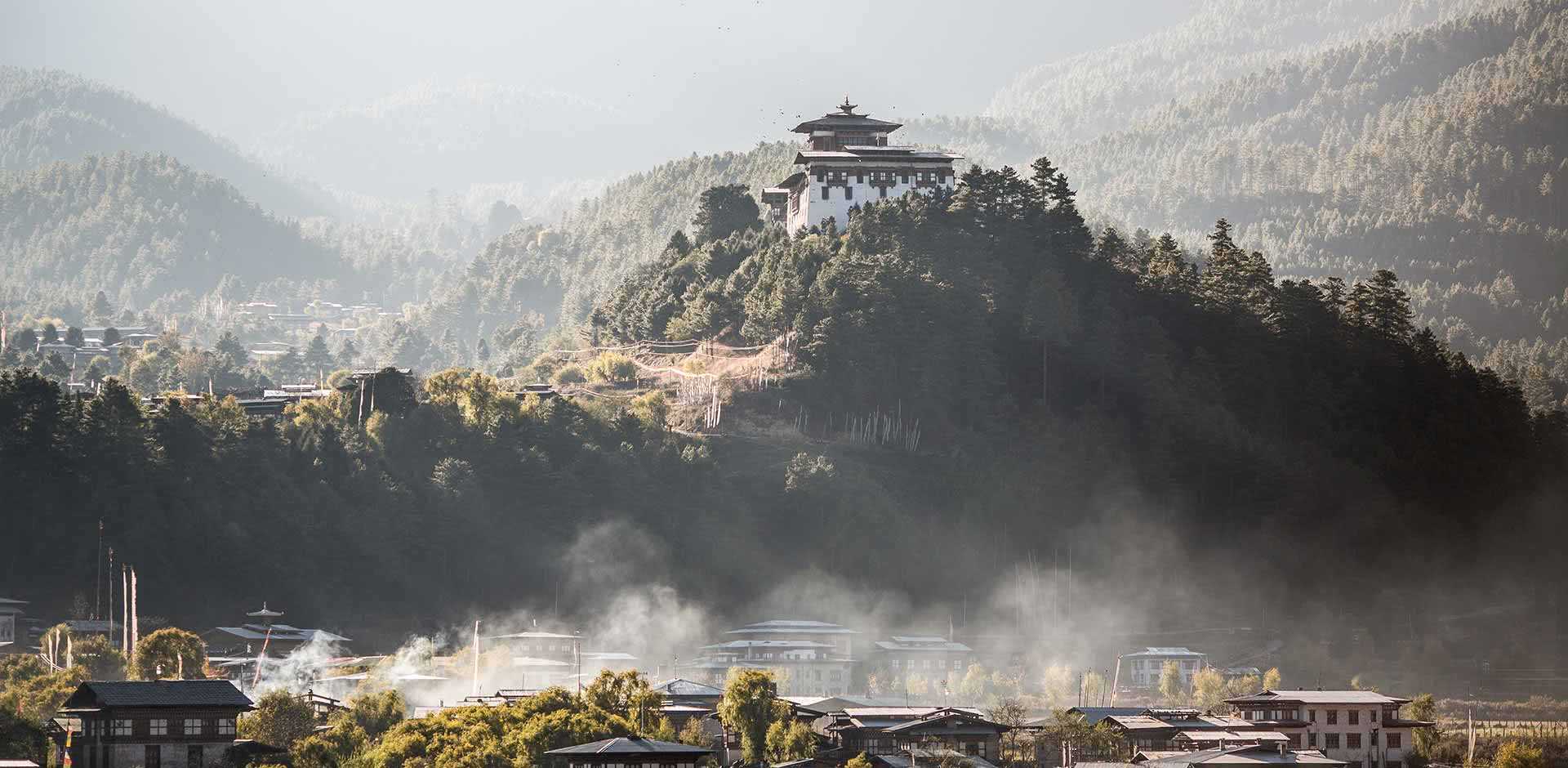
Bumthang Bhutan: Sacred Valleys, Temples & Route Planning
Rohit Verma
February 19, 2026
Discover Bumthang Bhutan with sacred temples, festival highlights, trekking options, and practical travel tips for a well-planned valley itinerary.
Introduction
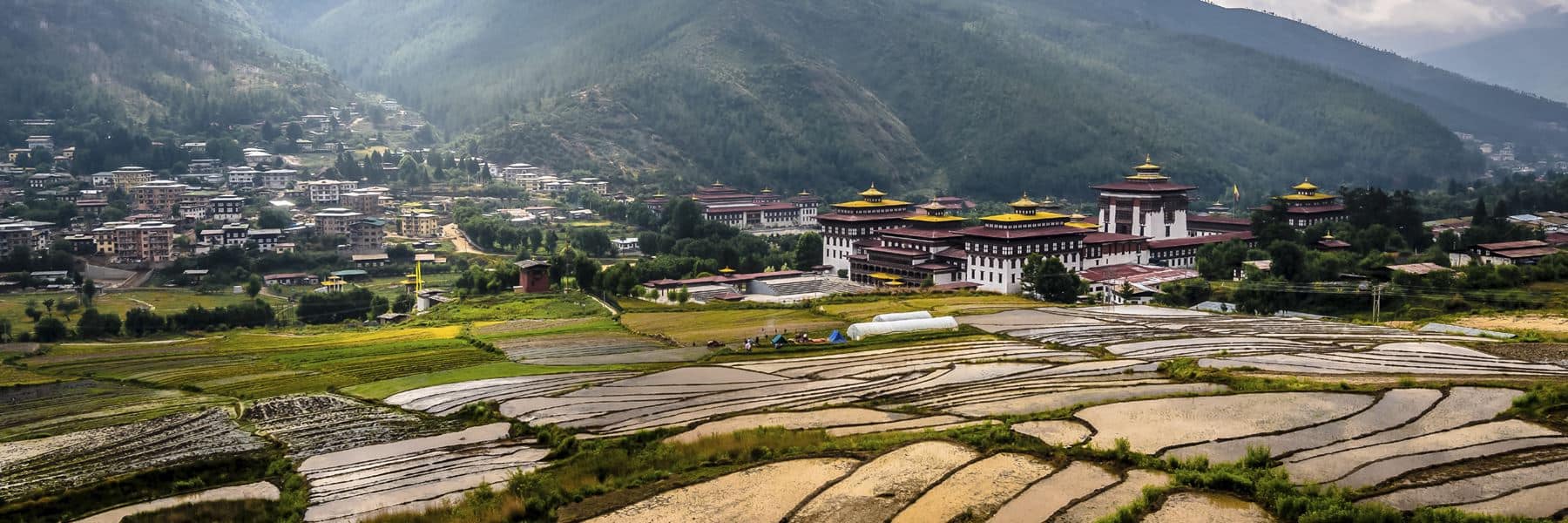
Bumthang is often described as Bhutan’s spiritual heartland, and for good reason. The district is home to some of the country’s most significant temples, sacred lakes, monasteries, and festival traditions. Instead of one single valley, Bumthang includes a cluster of culturally rich valleys that together create one of Bhutan’s most meaningful travel experiences.
For many travelers, western Bhutan destinations are the first priority, but Bumthang offers deeper immersion into religious heritage, village life, and mountain culture. You will find pilgrimage sites linked to Guru Rinpoche, stories of tertons like Pema Lingpa, local weaving traditions, and slower rural landscapes that feel very different from busier tourist circuits.
This guide covers the top sacred sites, cultural experiences, festival windows, trekking options, best season, and how to reach Bumthang. If you are planning a full Bhutan route, also see best tourist places in Bhutan, Punakha Bhutan, and treks in Bhutan.
Where Is Bumthang and Why Is It Important?
Bumthang lies in central Bhutan and is commonly organized around four valleys: Chokhor, Tang, Ura, and Chhume. Jakar is the main town and logistical base for most visitors. At a high level, Bumthang matters for two reasons: it preserves major historical-religious sites and it represents living Bhutanese culture through villages, ritual practice, and seasonal festivals.
The area is also known for a cool climate, scenic mountain backdrops, and relatively low-density tourism compared with Bhutan’s most visited western hubs. This makes it ideal for travelers who prefer slower, culturally focused itineraries.
| Quick Fact | Details |
|---|---|
| Region | Central Bhutan |
| Main Base | Jakar |
| Core Valleys | Chokhor, Tang, Ura, Chhume |
| Travel Identity | Spiritual heritage and valley culture |
| Best For | Temples, festivals, village experiences, treks |
Top Sacred Sites in Bumthang
Jambay Lhakhang
Jambay Lhakhang is one of Bhutan’s oldest temples in traditional accounts and a core pilgrimage stop in the valley. It is especially known during Jambay Lhakhang Drup, one of the district’s major religious festivals.
Kurje Lhakhang
Kurje Lhakhang is deeply associated with Guru Rinpoche and is among Bumthang’s most important sacred institutions. Many travelers describe it as one of the most spiritually resonant temple complexes in Bhutan.
Tamshing Lhakhang
This site is linked with Pema Lingpa, one of Bhutan’s most revered tertons. Visitors interested in Bhutan’s religious history and sacred-art traditions often prioritize Tamshing in their route.
Jakar Dzong
Jakar Dzong, often called the Fortress of the White Bird, offers both historical and visual significance. Its hilltop setting gives broad valley views and connects administrative heritage with religious architecture.
Mebar Tsho (Burning Lake)
Mebar Tsho is a sacred site tied to Pema Lingpa’s treasure revelations and remains a major devotional location for pilgrims and local communities.

Cultural Experiences Beyond Temples
Bumthang is not only about shrine-hopping. The district also offers strong cultural immersion through local crafts, food traditions, and rural life rhythms. Travelers who spend extra time in villages usually find their Bumthang experience much richer than a day-trip style visit.
Yathra weaving in Chhume
Chhume Valley is known for yathra weaving, a traditional wool textile craft. Watching local weaving practices gives insight into Bhutan’s textile heritage and household economy.
Village life and local food
Bumthang’s local cuisine includes buckwheat-based dishes and seasonal produce linked to altitude and climate. Homestay-style meals and local eateries are often highlights for culturally curious travelers.
Hot stone bath tradition
Traditional hot stone baths are available in many Bhutan regions, including Bumthang settings, and are often combined with multi-day cultural itineraries.
| Cultural Experience | Why It Matters | Suggested Time |
|---|---|---|
| Yathra weaving visit | Hands-on view of textile heritage | 45-90 min |
| Village walk | Observe architecture and rural life | 1-2 hours |
| Local meal stop | Taste regional cuisine | 1 hour |
| Hot stone bath | Traditional wellness experience | 1-2 hours |
Festivals in Bumthang
Festival travel is one of the best ways to understand Bumthang’s religious culture. Local tsechus and drups include masked dances, ritual offerings, music, and community gatherings. Dates can vary by lunar calendar and local scheduling, so confirm your timing through official tour operators.
Major festival references often linked with Bumthang
- Jambay Lhakhang Drup (late autumn period in many years).
- Ura Yakchoe (spring seasonal window in many schedules).
- Nimalung and nearby regional ritual events depending on route plans.
Festival visits require advance planning for accommodation and road logistics because demand can rise quickly in peak windows.

Trekking and Hiking Around Bumthang
Bumthang is a strong base for cultural treks and valley hikes. Trek options vary from moderate village-linked routes to longer and more demanding mountain itineraries. Route quality and accessibility depend on season, weather, and local operations.
Popular trekking styles
- Cultural valley treks: shorter routes connecting villages and monasteries.
- Multi-day mountain routes: for experienced trekkers with full support.
- Day hikes: ideal for travelers balancing temples and light outdoor activity.
If trekking is your primary objective, align Bumthang with a broader Bhutan trekking itinerary and keep contingency days for weather shifts.
Best Time to Visit Bumthang
Bumthang can be visited year-round, but your ideal season depends on priorities: festivals, clear skies, or milder walking conditions. Spring and autumn are commonly preferred for balanced weather and visibility. Winter can be clear but cold, while monsoon periods may complicate road travel.
| Season | Best For | Notes |
|---|---|---|
| Spring (Mar-May) | Mild trekking and valley exploration | Comfortable temperatures and fresh landscapes |
| Autumn (Sep-Nov) | Festival-focused travel and clear skies | High-demand period for cultural itineraries |
| Winter (Dec-Feb) | Clear air and quieter routes | Cold mornings; warm layers required |
| Monsoon (Jun-Aug) | Specialist low-season travel | Rain can affect road and hike reliability |
How to Reach Bumthang from Paro and Other Hubs
Travel to Bumthang is possible by road and domestic flight (subject to operational schedules and seat availability). Overland travel from western Bhutan takes significant time but offers scenic mountain landscapes. Many itineraries break the journey with intermediate stops for comfort.
Transport options
- Road route: long but scenic drive with mountain passes and valley transitions.
- Domestic flight option: available on select schedules; confirm close to travel date.
- Private arranged vehicle: most flexible for multi-stop cultural routes.
Because road conditions can vary, keep timing buffers and avoid tightly packed same-day plans.

Accommodation and Stay Planning
Bumthang offers a range of stays from basic guesthouses to comfortable lodges depending on season and demand. During festivals, availability can tighten quickly, so advance booking is recommended. Travelers focused on cultural depth typically stay 2 to 4 nights rather than rushing through in one day.
A longer stay lets you pace temple visits, include village experiences, and avoid fatigue from long mountain drives.
Sample 3-Day Bumthang Itinerary
Day 1: Arrive in Jakar, orientation walk, and short cultural stop.
Day 2: Sacred-site circuit (Jambay, Kurje, Tamshing, Mebar Tsho).
Day 3: Valley culture experience, optional hike, and transfer planning onward.
This framework works for most first-time visitors. Add one more day if you want deeper trekking or festival attendance.
Practical Tips for First-Time Visitors
- Carry layers: mornings and evenings can be cold.
- Respect temple rules and local photography restrictions.
- Build buffer time for weather and road delays.
- Hydrate well at altitude and pace your walks.
- Use an authorized Bhutan operator for permits and logistics.
Slow travel works best in Bumthang. Rushing reduces both comfort and cultural depth.
Detailed Travel Planning: Routes, Pacing, and Altitude Comfort
Bumthang trips are most enjoyable when you plan slow pacing instead of back-to-back transfers. Mountain roads in Bhutan are scenic but time-consuming, and even short map distances can take longer than expected. Build one buffer block each day for weather, road works, or spontaneous cultural stops. This keeps your itinerary realistic and reduces fatigue.
Altitude in Bumthang is moderate for many travelers, but hydration and gentle pacing still matter, especially after a long road journey. On arrival day, avoid heavy trekking and focus on short acclimatization walks near Jakar. Keep warm layers ready for early mornings and evenings. If you are sensitive to cold, pack thermal inners and light gloves in shoulder and winter seasons.
For first-time visitors, the best structure is one sacred-site day, one culture-and-village day, and one optional trekking day. This gives a balanced view of Bumthang’s spiritual and local-life identity without rushing. If you visit during festivals, pre-book transport and accommodation early because demand can rise quickly in peak cultural windows.
| Travel Style | Recommended Stay | Why It Works |
|---|---|---|
| Quick overview | 2 nights | Covers core temples with limited depth |
| Balanced cultural trip | 3 nights | Adds village experience and relaxed pacing |
| Deep exploration | 4+ nights | Includes trekking and festival flexibility |
Packing Checklist for Bumthang
Carry layered clothing, comfortable walking shoes, sunscreen, reusable water bottle, and basic medicines. Add rain protection for shoulder months, plus warm evening layers year-round. A small daypack with power bank and offline maps helps during long road travel and remote valley day trips.
Conclusion
Bumthang is one of Bhutan’s most rewarding cultural regions, where sacred heritage, valley landscapes, and living traditions come together. From ancient monasteries and festival rituals to weaving villages and highland trails, the district offers a complete experience for travelers seeking depth rather than speed. Plan enough days, travel in the right season, and include both spiritual and local-life stops. With that approach, Bumthang can become the most meaningful part of your Bhutan journey.
Location
Frequently Asked Questions
Q1.Where is Bumthang located in Bhutan?
Q2.How do I reach Bumthang from Paro?
Q3.What is Bumthang famous for?
Q4.What are the main temples in Bumthang?
Q5.How many days are needed to explore Bumthang?
Q6.What is the best time to visit Bumthang?
Q7.Are there trekking options in Bumthang?
Q8.Which festival is most popular in Bumthang?
Recommended For You
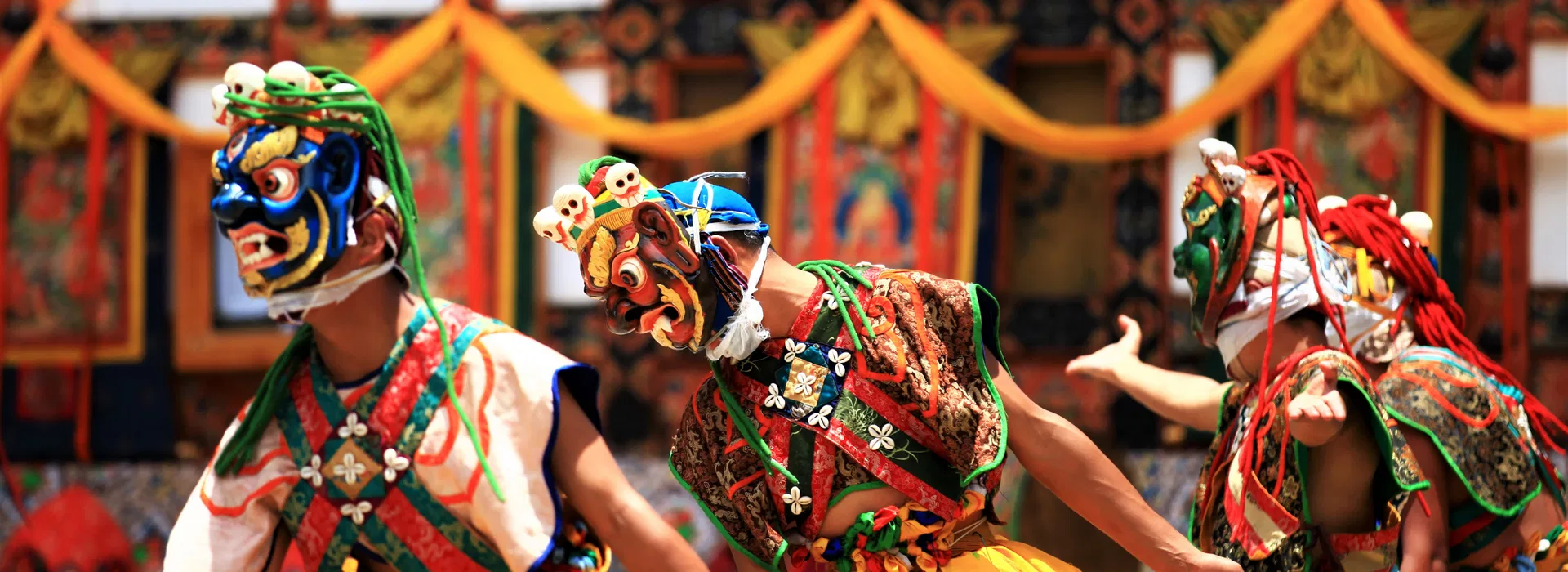
Bhutan Festivals: Tsechu Dates, Monasteries & Cultural Experiences
Experience Bhutan's vibrant festivals: Tsechu, Paro, Thimphu & Punakha celebrations. Complete guide to dates, masked dances, Cham performances & cultural experiences.
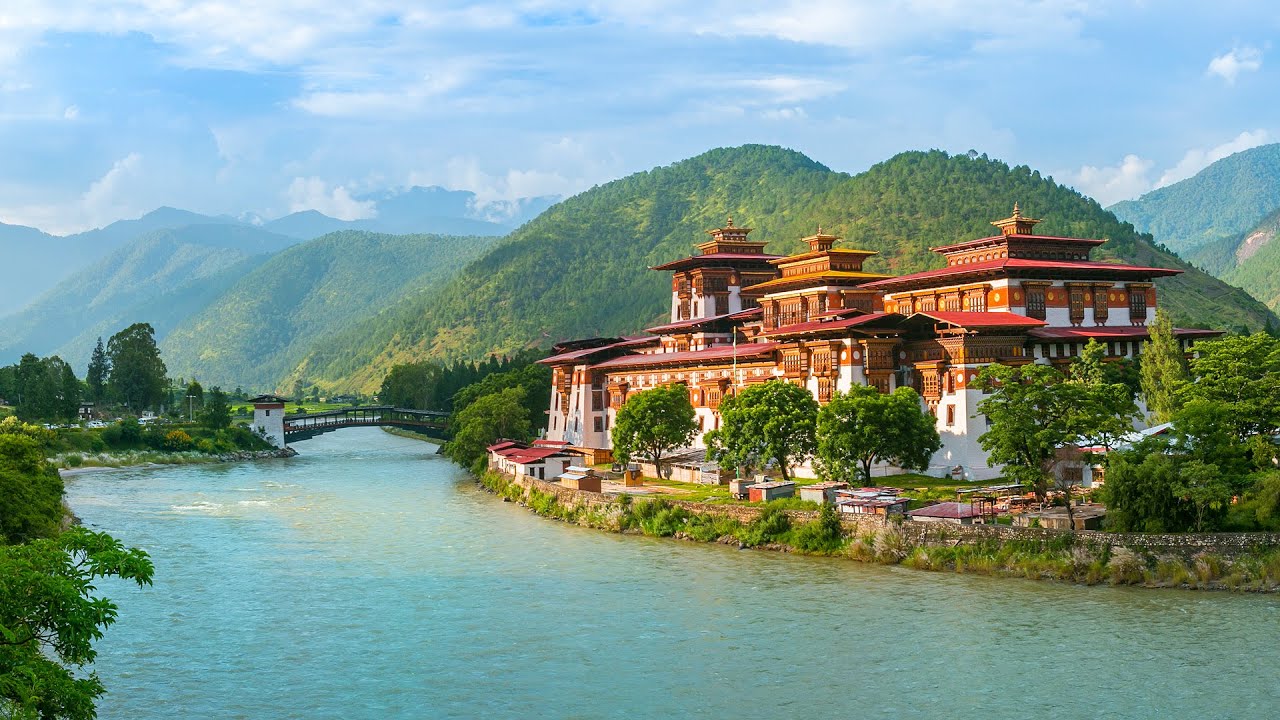
Best Time to Visit Bhutan: Season Guide and Travel Tips
Plan your Bhutan trip with season-wise timing, route strategy, and practical travel tips for smoother and more meaningful journeys.
Bhutan in November: Season Guide and Travel Tips
Travel Bhutan in November with weather-wise route planning, crowd timing, and practical tips for a smoother and scenic trip.
Never Miss an Adventure
Get the latest trekking guides, travel tips, and exclusive offers delivered straight to your inbox.
