
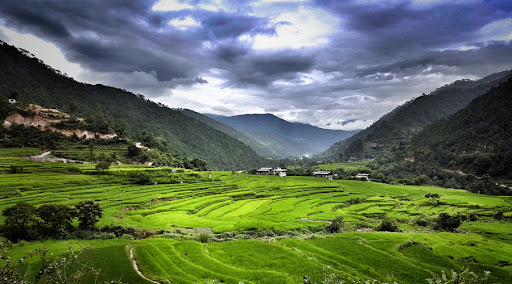
Travel
Bhutan Temperature Guide: Weather by Month

Neha Kapoor
February 18, 2026
5 min read3,949 views
Month-by-month temperature in Bhutan guide with seasonal insights for Thimphu, Paro, and Punakha plus packing and planning tips.
Introduction
Temperature in Bhutan changes sharply with altitude, which is why two places in the same week can feel completely different. Travelers who only check one average weather number often pack wrong and misjudge road and hike conditions.
This guide explains Bhutan weather month by month, season by season, and region by region so you can plan smarter. It covers Thimphu, Paro, Punakha, high passes, and practical packing. For route planning, pair this with best time to visit Bhutan and Paro travel guide.
Bhutan Climate Basics
Bhutan has four clear travel seasons, but altitude creates micro-climates.| Zone | Typical Climate Feel | Trip Impact |
|---|---|---|
| Thimphu/Paro (higher valleys) | Cool to cold in evenings, crisp winters | Layering is essential |
| Punakha/lower valleys | Warmer and softer winters | Good winter comfort |
| High passes | Fast temperature drops, occasional snow | Road/weather checks required |
Spring in Bhutan (March to May)
Spring is one of the most balanced windows for weather and cultural travel.Typical Temperature
In many valley areas, days are mild and evenings cool. A broad planning range is around 10°C to 20°C, with colder mornings at higher elevations.Why Travelers Like Spring
- Bloom season and clear landscapes
- Good conditions for valley sightseeing
- Comfortable weather for day hikes
Packing for Spring
Carry layered clothing: light daytime wear, plus fleece/jacket for evening and early-morning transitions.Summer / Monsoon (June to August)
Monsoon months bring greener valleys and more dramatic clouds, but also rain interruptions.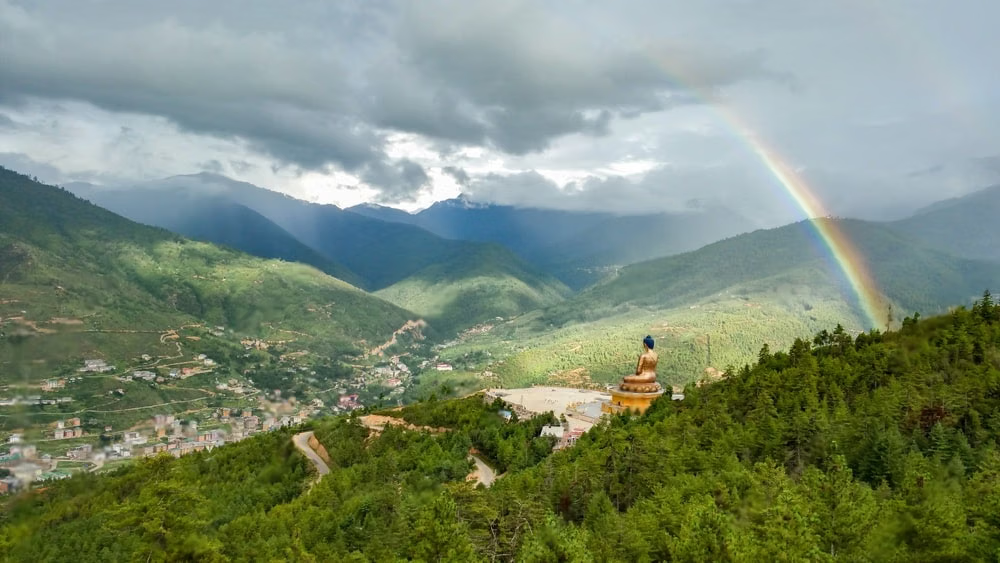
Typical Temperature
Many areas remain moderate in daytime (around mid-teens to mid-20s°C depending on altitude), but humidity and rainfall can change comfort perception.Travel Reality in Monsoon
- Rain often comes in spells rather than full-day washouts
- Road movement can slow in landslide-prone sections
- Green views are excellent for photographers
Who Should Choose Monsoon
Travelers who prefer lower crowd pressure, softer pricing windows, and lush scenery can enjoy this season with flexible timing.Autumn (September to November)
Autumn is widely seen as the best weather season in Bhutan for first-time visitors.Typical Temperature
Comfortable days and cooler nights, with many valleys in an approximate 10°C to low-20s°C range. High-altitude areas feel significantly cooler.Why Autumn Is Popular
- Clear mountain visibility
- Stable trekking conditions in many routes
- Festival-rich travel months
Autumn Planning Note
Because demand rises, book hotels and transport early for major festival windows.Winter (December to February)
Winter is colder but highly rewarding for travelers who enjoy crisp air, clear skies, and quieter itineraries.Typical Temperature
Higher valleys like Thimphu and Paro can feel cold, especially mornings and nights. A broad planning range across regions can stretch from below-freezing in colder belts to mild day temperatures in lower valleys.Does It Snow in Bhutan?
Yes, snow can occur in higher areas and passes, and occasionally in valley belts during specific weather periods.Winter Travel Benefits
- Clear skies in many windows
- Lower tourist density in several routes
- Stronger local-life and slower-travel feel
Regional Temperature Comparison
| Destination | General Weather Profile | What to Expect |
|---|---|---|
| Thimphu | Cooler high-valley climate | Cold evenings in winter, mild spring/autumn days |
| Paro | Similar high-valley conditions | Comfortable daytime touring with layered clothing |
| Punakha | Lower elevation, warmer | Better winter comfort for many travelers |
| High passes (e.g., Dochula/Chele La) | Colder and wind-exposed | Fast weather changes, extra layers required |
Best Season by Travel Goal
- Photography: Autumn and clear winter windows
- Festivals: Spring and autumn periods
- Comfort-first sightseeing: Spring/autumn
- Quiet travel: Winter and selected monsoon weeks
Packing Guide by Season
Spring/Autumn Packing
Layered outfits, light thermals, walking shoes, windproof outer layer.Monsoon Packing
Quick-dry clothing, rain jacket, waterproof bag cover, grip footwear.Winter Packing
Thermals, insulated jacket, gloves, warm socks, lip/skin protection, and nightwear suited for colder rooms.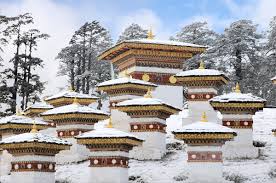
Road and Trek Planning by Weather
Weather affects more than comfort. It changes road pace, viewpoint visibility, and hike timing.- Start early for high-pass routes
- Keep one weather buffer day in flexible itineraries
- Check local road advisories in monsoon and winter
Sample 7-Day Weather-Smart Bhutan Framework
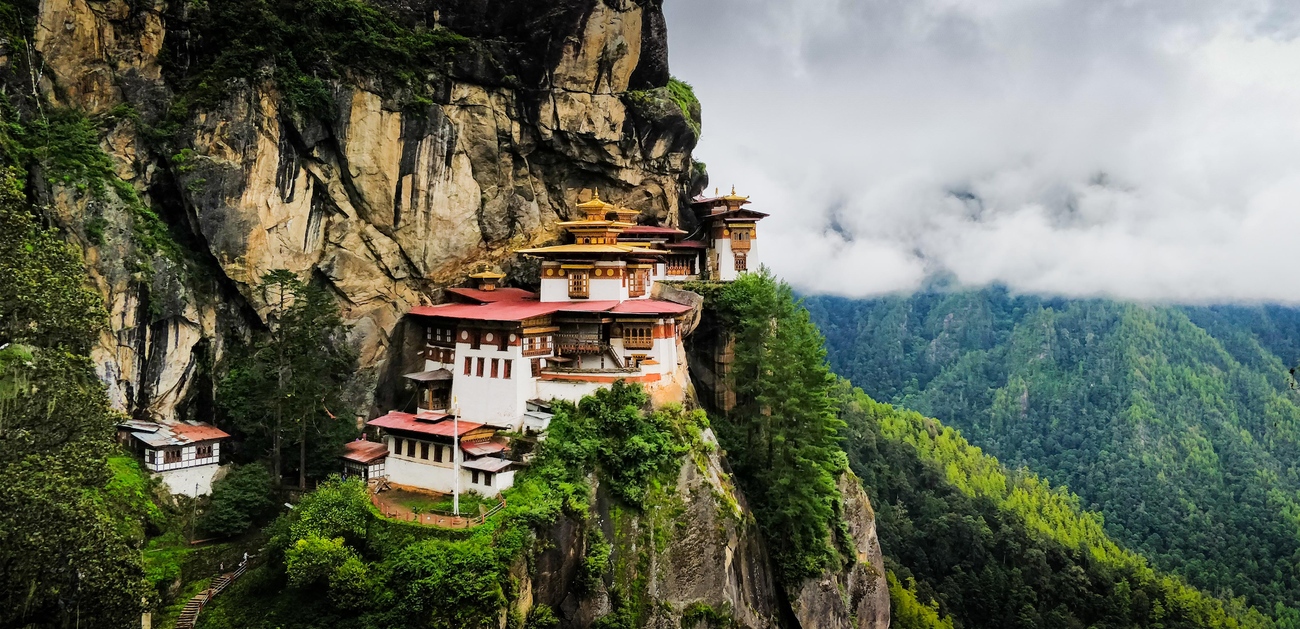
Days 1-2: Thimphu acclimatized start with easy city exploration. Days 3-4: Paro + Tiger's Nest weather window slot. Days 5-6: Warmer-lower valley segment such as Punakha for temperature contrast. Day 7: Buffer and return planning. This structure helps manage altitude and climate shifts smoothly.Common Weather Mistakes to Avoid
- Packing for one city and assuming whole-country uniformity
- Ignoring evening temperature drop in high valleys
- Underestimating wind chill at passes
- Skipping rain gear in shoulder monsoon windows
Conclusion
Bhutan weather is less about one monthly number and more about altitude, timing, and route design. If you plan by season and region, your trip becomes more comfortable, safer, and far more rewarding.Location
Frequently Asked Questions
Q1.When does it snow in Bhutan?
Snow is most likely in winter months, especially in higher passes and colder valley periods.
Q2.Is July a good time to visit Bhutan?
July is part of monsoon. It can still be visited with flexible plans and rain-aware routing.
Q3.How cold is Thimphu in winter?
Thimphu winters can be quite cold in mornings and nights, with possible sub-zero conditions during colder spells.
Q4.Does it rain all day in Bhutan monsoon?
Not always. Many days have rain spells rather than constant full-day rain, but travel buffers are important.
Q5.Best weather for Tiger’s Nest hike?
Spring and autumn are generally most comfortable for the hike due to clearer skies and moderate temperatures.
Q6.What should I pack for Bhutan in October?
Layered clothing, a light warm jacket, walking shoes, and morning/evening cold protection.
Q7.Do Bhutan hotels have heating?
Many hotels provide room heating options, but quality varies. Confirm heating setup before booking winter trips.
Q8.Which region is warmer in winter: Paro or Punakha?
Punakha is generally warmer than Paro because of lower elevation.
Recommended For You
Backpacking
Backpacking Bhutan: Budget Planning, Route & Permit Details
Complete backpacking Bhutan guide: visa requirements, daily fee, budget tips, best season, trekking, cultural sites & 7-day itinerary for the Land of the Thunder Dragon.
Jan 18Read More
Culture
Archery in Bhutan: National Sport & Cultural Experience
Discover archery in Bhutan, the Kingdom's national sport. Learn about traditional techniques, witness colorful competitions, and try authentic Bhutanese archery experiences.
Feb 19Read More
Festivals
Things to Do in Phuentsholing: Border Town Highlights & Local Spots
Plan things to do in Phuentsholing with immigration tips, monasteries, local markets, and practical gateway planning for onward travel in Bhutan.
Feb 20Read More
Never Miss an Adventure
Get the latest trekking guides, travel tips, and exclusive offers delivered straight to your inbox.
