
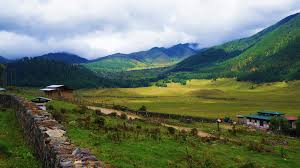
Treks in Bhutan: Complete Guide & Routes
Rohit Verma
November 16, 2025
Complete guide to trekking in Bhutan including Snowman Trek, Jhomolhari, Druk Path, Dagala, and more. Difficulty levels, permits, costs, best season, and tour operators.
Bhutan: The Last Himalayan Trekking Paradise
Deep in the Eastern Himalayas lies Bhutan, a kingdom that has preserved its ancient culture and pristine landscapes like no other place on Earth. For trekkers seeking authentic Himalayan experiences far from Nepal's crowded trails, Bhutan offers untouched wilderness, sacred mountains, and trails that wind through terrain where time seems to have stopped.
What makes trekking in Bhutan extraordinary is the combination of spectacular natural beauty and profound cultural immersion. You'll hike past ancient monasteries clinging to cliffs, traverse high passes adorned with prayer flags, camp in meadows where yaks graze, and encounter nomadic herders whose traditions have remained unchanged for centuries. Unlike other Himalayan destinations, Bhutan strictly limits tourism numbers, ensuring trails remain pristine and experiences authentic.
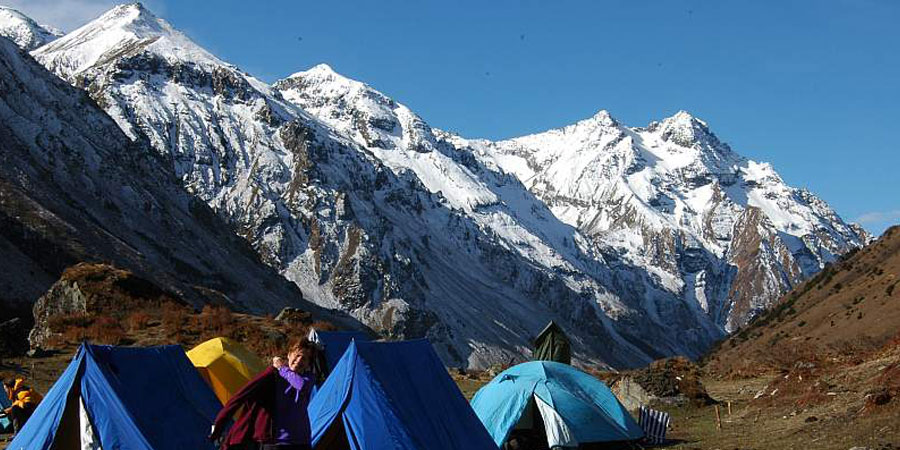
The country's commitment to Gross National Happiness over GDP means development has been sustainable. Forests cover 72% of the country, and protected areas encompass 51% of the kingdom. This conservation approach creates trekking routes through some of the most biodiverse Himalayan ecosystems, where snow leopards, blue sheep, and Himalayan black bears roam freely.
This guide covers the eight best treks in Bhutan, from world-class expedition routes like the Snowman Trek to accessible cultural walks through the Bumthang Valley. Whether you're an experienced mountaineer seeking the ultimate challenge or a casual walker wanting to experience Himalayan culture, Bhutan has a trek perfectly suited to your abilities and interests.
Top 8 Treks in Bhutan
| Trek Name | Duration | Difficulty | Max Altitude | Best For |
|---|---|---|---|---|
| Snowman Trek | 25-30 days | Extremely Challenging | 5,480m | Expert trekkers seeking ultimate challenge |
| Jhomolhari Trek | 9-12 days | Moderate-Challenging | 4,890m | Mountain views, cultural experience |
| Druk Path Trek | 4-6 days | Moderate | 4,200m | First-time Bhutan trekkers |
| Dagala Thousand Lakes | 6 days | Moderate | 4,520m | Lake lovers, photography |
| Bumthang Cultural | 3-5 days | Easy-Moderate | 3,600m | Cultural immersion, families |
| Gangtey Valley | 3 days | Easy-Moderate | 3,400m | Nature lovers, short time |
| Laya Gasa Trek | 12-14 days | Challenging | 5,000m | Cultural villages, hot springs |
| Rhododendron Trek | 5-6 days | Moderate | 4,200m | Spring blooms, botany |
Snowman Trek - The Ultimate Himalayan Challenge
The Snowman Trek stands as one of the most difficult and spectacular treks on Earth, often compared to Nepal's Great Himalaya Trail in challenge but exceeding it in cultural richness. This 25-30 day expedition crosses 11 high passes (most above 5,000 meters), traverses the remote Lunana region, and completes an epic crossing from Paro to Sephu (or vice versa).
Why It's Considered The Hardest
Only about 50% of trekkers who attempt the Snowman Trek complete it. The challenges are formidable: you spend most days above 4,000 meters, cross passes that would be considered summits elsewhere, navigate through remote regions where evacuation is nearly impossible, and face unpredictable weather that can dump snow even in October.
The trek's remote nature means you're completely cut off from civilization. Rescue helicopters cannot reach the high passes, and satellite phones may not work in deep valleys. You must be self-sufficient and prepared for anything. The mental challenge of isolation, combined with physical exhaustion at altitude, makes this trek a true test of endurance.
Route Highlights
The trek begins near Paro and ascends into the Lingshi region, where you'll encounter your first high passes and spectacular views of Jichu Drake and Tshering Gang mountains. The trail continues to Laya village, home to the Layap people with their distinctive traditional dress and conical bamboo hats.
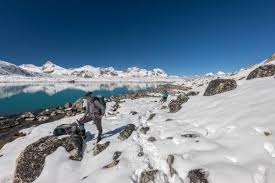
From Laya, you enter the Lunana region, the most remote part of Bhutan. Here, in villages of stone houses surrounded by glaciers, people live as they have for centuries. The final section crosses several more passes before descending to Sephu in central Bhutan.
Practical Information
Duration: 25-30 days (including rest days)
Best Season: October-November only
Cost: $8,000-10,000 all-inclusive
Requirements: Previous high-altitude experience, excellent fitness
Jhomolhari Trek - Sacred Mountain Journey
Named after Mount Jhomolhari (7,326m), one of Bhutan's most sacred peaks, this trek offers spectacular mountain scenery without the extreme difficulty of the Snowman Trek. The 9-12 day route from Paro to Thimphu takes you through high alpine valleys, past glaciers, and over the Yeli La pass (4,890m).
Trek Highlights
The journey begins at Drugyel Dzong, a ruined fortress that once guarded Bhutan from Tibetan invasions. As you ascend, Jhomolhari's snow-capped peak dominates the horizon. At Jangothang base camp (4,080m), you'll spend a rest day with stunning close-up views of both Jhomolhari and Jichu Drake.
The trail continues over Yeli La, one of Bhutan's most scenic passes, offering panoramic views of the Himalayan range. The descent takes you through rhododendron forests and past traditional villages before reaching Thimphu, Bhutan's capital.
Cultural Experience
Unlike purely wilderness treks, the Jhomolhari route passes through inhabited valleys. You'll meet yak herders, visit small settlements, and see ancient fortresses (dzongs) that have served as administrative and religious centers for centuries. The blend of spectacular scenery and living culture makes this trek particularly rewarding.
Practical Information
Duration: 9-12 days
Best Season: April-June, September-November
Difficulty: Moderate-Challenging (altitude is main challenge)
Cost: $2,500-3,500 all-inclusive
Druk Path Trek - Perfect Introduction to Bhutan
For those short on time or seeking a less demanding introduction to Himalayan trekking, the Druk Path Trek delivers maximum reward for moderate effort. This 4-6 day route connects Paro and Thimphu, Bhutan's two main cities, making it easy to combine with cultural sightseeing.
Trek Highlights
The trail climbs from Paro to Jele Dzong, a ruined fortress with panoramic views of the Paro Valley. From here, you'll hike through pristine forests of blue pine, fir, and rhododendrons, passing several beautiful mountain lakes (tsho) along the way.
Jimilang Tsho (Sand Ox Lake) is particularly beautiful, its clear waters reflecting surrounding peaks. You'll camp beside this lake, with opportunities to see Himalayan trout in the crystal waters. The final descent passes Phajoding Monastery, an important meditation retreat, before reaching Thimphu.
Why It's Popular
The Druk Path combines accessibility with authentic Himalayan trekking. Maximum altitude (4,200m) is challenging but achievable for reasonably fit people. The route is well-maintained, campsites are established, and emergency evacuation is possible if needed. This makes it ideal for first-time high-altitude trekkers or families with older children.
Practical Information
Duration: 4-6 days
Best Season: March-May, September-November
Difficulty: Moderate
Cost: $800-1,200 all-inclusive
Dagala Thousand Lakes Trek
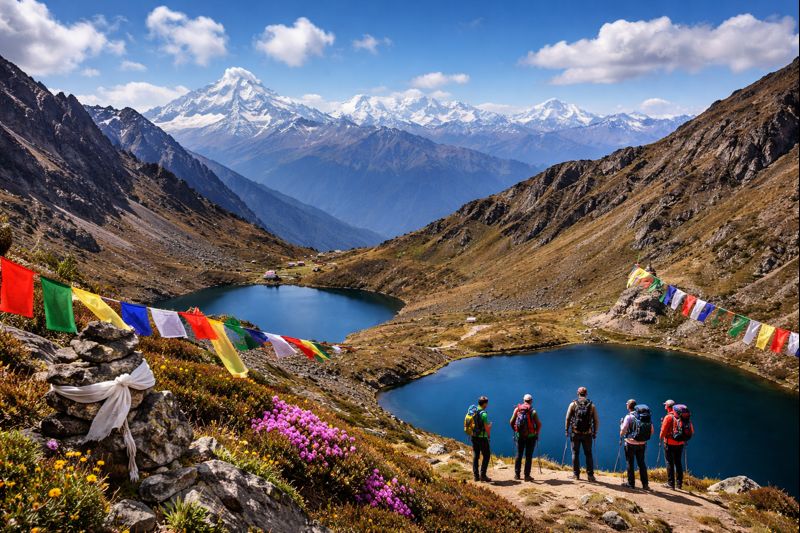
Despite its name, the Dagala Trek doesn't actually have a thousand lakes, but it does cross numerous pristine alpine lakes that create some of the most reflective and photogenic scenery in Bhutan. This 6-day trek near Thimphu offers stunning Himalayan views without the extreme altitude of longer routes.
The trek traverses a high plateau dotted with turquoise lakes. On clear days, you'll see some of Bhutan's highest peaks, including Mount Jhomolhari, Jichu Drake, and Masang Gang. The combination of crystal lakes, snow-capped peaks, and verdant valleys creates perfect photography conditions.
This trek receives fewer visitors than the Druk Path, offering a quieter wilderness experience. The moderate difficulty makes it suitable for fit walkers, though the high passes require good fitness and proper acclimatization.
Bumthang Cultural Trek
Central Bhutan's Bumthang region is considered the spiritual heartland of the kingdom, home to some of the country's oldest temples and monasteries. This 3-5 day cultural trek visits sacred sites, traditional villages, and beautiful valleys without demanding extreme fitness.
Unlike the high-altitude treks in western Bhutan, the Bumthang Cultural Trek stays at moderate elevations (highest point 3,600m), focusing on cultural immersion rather than Himalayan scenery. You'll visit ancient monasteries like Jambay Lhakhang (built in the 7th century), see traditional weaving, and experience rural Bhutanese life.
This is an excellent choice for travelers interested in Buddhism, culture, and traditions. The gentle pace allows plenty of time for visits to monasteries, interaction with locals, and soaking in the spiritual atmosphere of Bhutan's most sacred region.
Gangtey Valley Trek - Black-Necked Crane Paradise
This gentle 3-day trek in the beautiful Phobjikha Valley focuses on nature and wildlife rather than high mountains. The valley is winter home to the endangered black-necked cranes, which migrate here from the Tibetan plateau. The trek combines scenic beauty with excellent birdwatching opportunities.
You'll hike through mixed forests of bamboo, rhododendron, and magnolia, descending into the glacial Phobjikha Valley. Gangtey Gonpa, an important Nyingmapa monastery, overlooks the valley and offers spectacular views. The moderate difficulty and short duration make this trek ideal for families or those wanting an easy Himalayan experience.
Timing is crucial - visit between November and March to see the cranes. The annual Black-Necked Crane Festival in November celebrates these sacred birds with traditional dances and cultural programs.
Laya Gasa Trek - Cultural Adventure
For those wanting to experience Bhutan's remote high-altitude communities without committing to the full Snowman Trek, the Laya Gasa Trek offers an excellent alternative. This 12-14 day route visits the isolated Laya village, home to one of Bhutan's most distinctive ethnic groups.
The Layap people have their own language, dress (women wear distinctive conical hats and red wool jackets), and customs. Visiting their village feels like stepping into another world. The trek also includes Gasa hot springs, where Bhutanese have bathed for centuries for their medicinal properties.
Mountain views are spectacular, with Jhomolhari and other peaks visible throughout. The route is challenging due to altitude and distance, but slightly easier than the Snowman Trek with more emergency exit options.
Rhododendron Trek - Spring Beauty
Bhutan has over 46 species of rhododendrons, and this 5-6 day trek in the Punakha region showcases them at their finest. Best done in April-May when the forests are ablaze with red, pink, and white blossoms, this trek combines botanical interest with beautiful mountain scenery.
The route stays at moderate altitudes (highest point 4,200m), making it accessible to most fit walkers. You'll hike through pristine forests, visit small villages, and enjoy views of the Himalayas. The blooming rhododendrons create incredible photographic opportunities and add vibrant color to the landscape.
Permits, Costs & Logistics
Tourism Regulations
Bhutan's unique tourism policy requires all visitors (except Indian, Bangladeshi, and Maldivian nationals) to book through licensed Bhutanese tour operators. This policy ensures quality experiences and distributes tourism benefits broadly. You cannot trek independently - a guide is mandatory for all treks.
Daily Tariff System
Bhutan charges a daily Sustainable Development Fee (SDF) of $100 per person per day. This fee supports free healthcare, education, and infrastructure. Most tours cost $200-250 per day, including:
- Accommodation (3-star hotels, tents on treks)
- All meals
- Licensed guide
- Porter and/or pack animals (yaks/horses)
- Camping equipment and kitchen crew
- Internal transport
- Permits and fees
Excluded from the tariff are personal gear purchases, alcohol, tips, and travel insurance.
Required Permits
Your tour operator will arrange all necessary permits. These include:
- Visa: Processed online (takes 3-5 working days)
- Route Permit: Required for trekking routes
- Special Area Permit: For protected regions
- Parks Permit: For national parks and wildlife sanctuaries
Best Time for Trekking in Bhutan
| Season | Months | Pros | Cons | Rating |
|---|---|---|---|---|
| Spring | March-May | Rhododendrons blooming, clear views, pleasant temperatures | Some snow at high passes, variable weather | ⭐⭐⭐⭐ (Excellent) |
| Autumn | October-November | Stable weather, clear skies, festival season | Crowded, higher prices | ⭐⭐⭐⭐⭐ (Best) |
| Summer | June-August | Lush greenery, wildflowers, fewer tourists | Monsoon rains, leeches, poor visibility | ⭐⭐ (Fair) |
| Winter | December-February | Clear skies, fewer tourists | Very cold, snow blocks high passes | ⭐⭐ (Fair) |
Best Overall: October and November offer the most stable weather and clearest skies. Days are sunny, nights cold but not freezing. This is peak season, so book well in advance.
Spring Alternative: April and May are excellent, with added bonus of blooming rhododendrons creating spectacular displays in higher valleys.
Preparation & Packing Tips
Physical Preparation
Start training at least 3 months before your trek. Focus on cardiovascular fitness - hiking, running, cycling, or swimming. Include hills or stairs to prepare for ascents. If possible, do some training at altitude or sleep in an altitude tent to prepare your body.
Essential Gear
- Sleeping Bag: Rated to -20°C for high-altitude treks
- Boots: Waterproof, broken-in hiking boots with good ankle support
- Clothing: Layering system - base layers, insulation layer, waterproof shell
- Backpack: Comfortable day pack (25-30 liters) for personal items
- Trekking Poles: Highly recommended for knee protection on descents
- Sun Protection: High SPF sunscreen, sunglasses, wide-brim hat
- Water Bottle: Insulated bottle or hydration bladder (2 liters capacity)
Altitude Considerations
Acclimatization is crucial. All good trek itineraries include rest days at higher elevations. Drink plenty of water (3-4 liters daily), avoid alcohol, and eat light meals. Know the symptoms of AMS (Acute Mountain Sickness) - headache, nausea, dizziness - and communicate with your guide if you feel unwell. The most important rule: if you have symptoms of AMS, do not ascend until you recover.
Travel Insurance
Comprehensive travel insurance covering high-altitude trekking (up to 6,000m) and emergency evacuation is mandatory. Your tour operator will require proof of insurance before the trek. Ensure the policy covers helicopter evacuation and medical expenses in Bhutan.
Trekking in Bhutan offers experiences found nowhere else on Earth - the combination of pristine Himalayan wilderness, ancient Buddhist culture, and sustainable tourism creates journeys that transform as well as inspire. Whether you choose the legendary Snowman Trek or the gentle Druk Path, walking through Bhutan's mountains will leave you with memories and insights that last a lifetime. The kingdom's commitment to preserving its traditions while carefully embracing selective tourism ensures that future generations will also be able to experience these extraordinary trails.
For more Bhutan travel information, check out our guide on the Best Time to Visit Bhutan or read about the famous Tiger's Nest Monastery, which many trekkers visit before or after their trek.
Location
Frequently Asked Questions
Q1.Is Bhutan good for trekking?
Q2.What is the hardest trek in Bhutan?
Q3.Do you need a guide for treks in Bhutan?
Q4.How difficult is the Snowman Trek?
Q5.Which is the best trek in Bhutan?
Q6.What permits are needed for Bhutan trekking?
Q7.How much does trekking in Bhutan cost?
Q8.When is the best time to trek in Bhutan?
Recommended For You
Thimphu Bhutan: Complete Travel Guide and Top Places
Plan your Thimphu Bhutan trip with top attractions, best season, India access routes, local transport, stay options, and practical sightseeing tips.
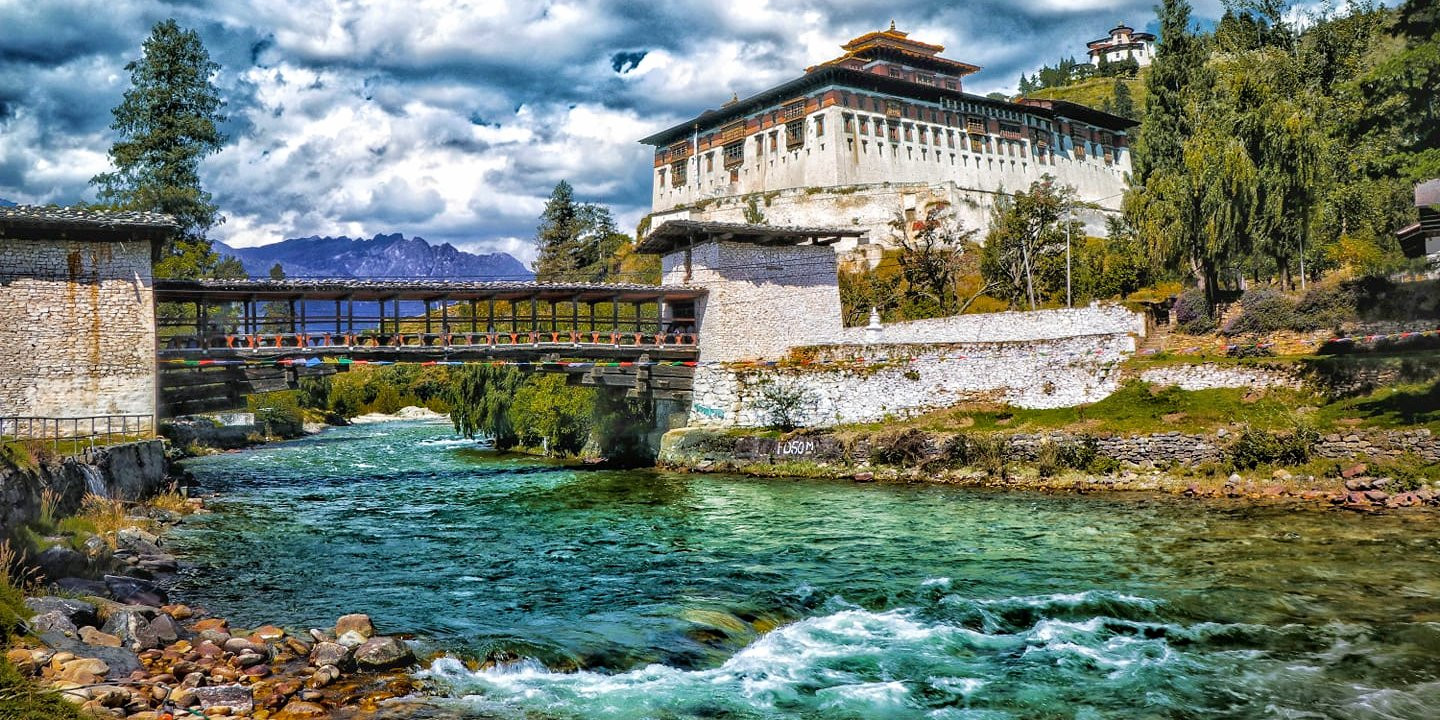
Rinpoche Dzong Bhutan: Fortress History, Architecture & Visit Information
Explore Rinpung Dzong Bhutan with location details, architectural highlights, spiritual significance, and the best time to visit Paro Valley.
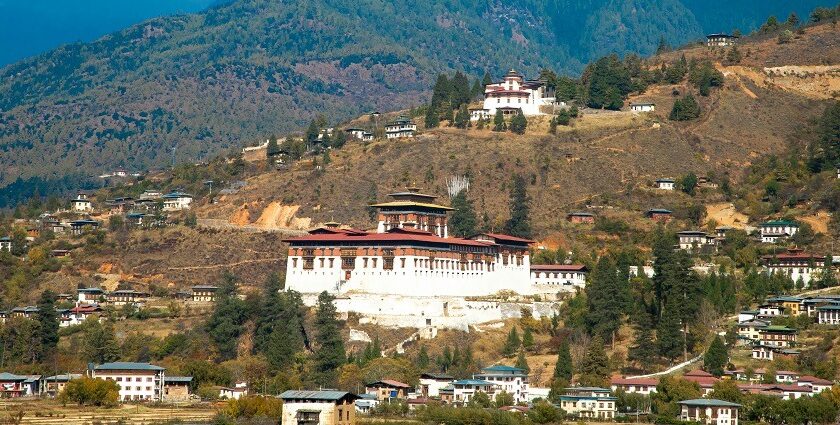
Paro Bhutan: Complete Travel Plan Places And Weather
Plan your Paro Bhutan trip with top attractions, itinerary structure, budget guidance, seasonal advice, and practical first-time travel tips.
Never Miss an Adventure
Get the latest trekking guides, travel tips, and exclusive offers delivered straight to your inbox.
