
Camping in Spiti Valley: Complete Guide 2026

Neha Kapoor
February 2, 2026
Complete guide to camping in Spiti Valley: Chandratal Lake, Kaza, Langza, best campsites, costs, safety tips & what to carry for an unforgettable Himalayan experience.
Introduction: Sleep Under the Stars in Spiti Valley
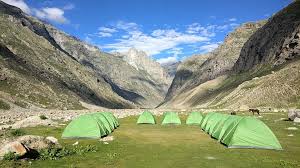
Camping in Spiti Valley offers one of India's most extraordinary outdoor experiences, where ancient monasteries dot the landscape and crystal-clear rivers carve through dramatic mountains. This remote Himalayan region, often called "Little Tibet," provides adventurers with pristine camping opportunities surrounded by some of the world's highest villages and oldest Buddhist monasteries. The valley's unique geography creates a surreal landscape that transforms camping from a simple outdoor activity into a spiritual journey.
Located at an average altitude of 4,000 meters above sea level, Spiti Valley presents camping experiences unlike anywhere else in India. The region's isolation has preserved its traditional Tibetan culture and pristine environment, making it a paradise for outdoor enthusiasts seeking authentic Himalayan adventures. From luxury Swiss tents with mountain views to wild camping by glacial lakes, Spiti offers diverse camping experiences for every type of traveler.
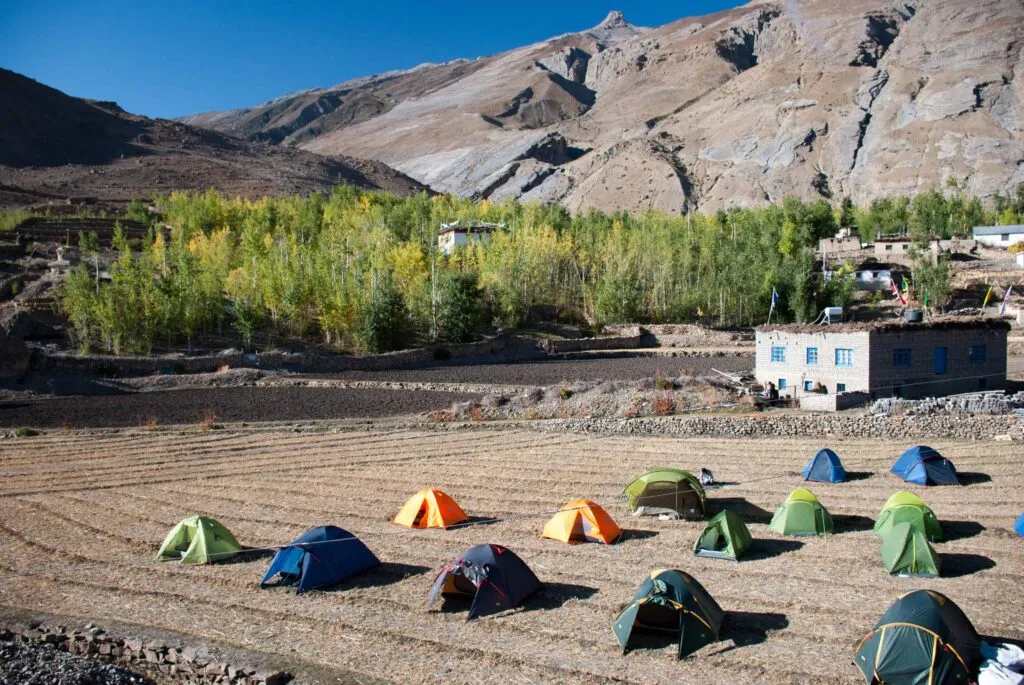
What makes camping in Spiti truly special is the combination of natural beauty and cultural immersion. You can wake up to the sound of chanting monks from nearby monasteries, witness golden sunsets paint the mountains in incredible colors, and fall asleep under some of the clearest night skies in the world. Whether you're a seasoned camper or trying it for the first time, Spiti Valley's unique environment and welcoming local communities create unforgettable outdoor experiences.
Best Camping Sites in Spiti Valley
Spiti Valley offers diverse camping locations, each with its own unique character and appeal. From riverside campsites to high-altitude lakeside spots, choosing the right location depends on your experience level and the kind of scenery you want to wake up to.
Chandratal Lake Camping
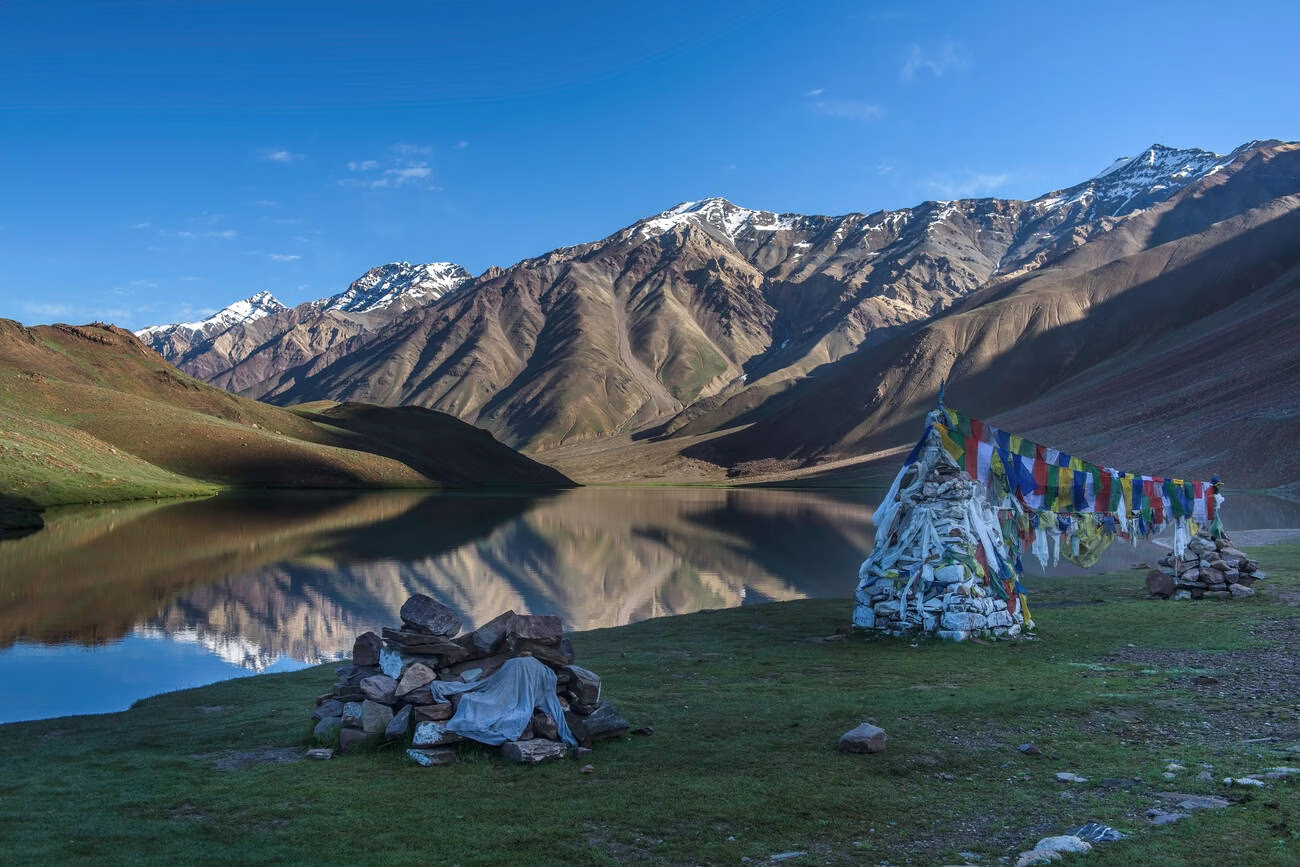
Chandratal Lake, or the "Moon Lake," is undoubtedly Spiti's most famous camping destination. Located at 4,300 meters, this crescent-shaped glacial lake creates a magical setting for overnight camping. The lake's crystal-clear waters reflect the surrounding mountains and sky, creating mirror-like conditions that photographers dream about. Camping here offers a surreal experience, especially during full moon nights when the lake literally glows.
The campsites at Chandratal are basic but functional, with tented accommodation and sometimes simple toilet facilities. Most operators provide dome tents or swiss tents with sleeping bags, mattresses, and meals. The best time to camp here is from June to September when the lake is accessible and the weather is relatively stable. However, even in summer, temperatures can drop below freezing at night, so proper warm clothing is essential.
Reaching Chandratal requires a journey from Kaza or Manali, with the last stretch involving a moderate trek. The remote location means you need to be self-sufficient or book through organized camping operators. The effort is rewarded with some of the clearest night skies in India, perfect for stargazing and night photography. Most campers spend 1-2 nights here, combining the experience with visits to Kunzum Pass and the nearby Kunzum Pass viewpoint.
Kaza Riverside Camping
Kaza, the capital of Spiti Valley, offers several riverside camping options along the Spiti River. These campsites provide convenient access to town facilities while still offering an authentic outdoor experience. The riverside location means you can fall asleep to the soothing sound of flowing water and wake up to views of the river winding through the valley.
Most Kaza camping operators offer Swiss tents or luxury tents with attached bathrooms, making it a comfortable option for those new to camping. These camps typically include meals featuring local Spiti cuisine, giving you a taste of the region's unique flavors. The convenient location makes it easy to explore Kaza's attractions including Key Monastery, Sakya Tangyud Monastery, and the local market during the day while returning to your camp at night.
Riverside camps in Kaza operate from May to October and serve as excellent bases for exploring the entire Spiti Valley. The lower altitude compared to other camping locations means milder temperatures, making it suitable for families and those who want to avoid extreme cold. Most camps offer packages that include accommodation, all meals, and sometimes guided tours to nearby monasteries and villages.
Langza Village Camping
Langza, famous for its large Buddha statue and fossil-rich terrain, offers a unique village camping experience. Camping here means staying amidst ancient fossils that date back millions of years, with stunning views of the Spiti Valley below. The village's remote location at 4,400 meters provides exceptional stargazing opportunities and a glimpse into traditional Spitian life.
Homestay-based camping in Langza allows you to experience local culture firsthand. Most accommodation is in traditional Spitian homes or tents set up in village compounds, giving you access to home-cooked meals and genuine cultural exchanges. The villagers are known for their warmth and hospitality, often sharing stories about the region's history, geology, and Buddhist traditions.
Langza is particularly popular among fossil enthusiasts, as the area around the village contains numerous marine fossils from when the region was under the Tethys Sea. Camping here combines outdoor adventure with paleontological discovery, making it educational as well as scenic. The village's high elevation also means crystal-clear air and minimal light pollution, creating perfect conditions for night sky photography.
Komic Village Camping
As one of the highest inhabited villages in the world at 4,587 meters, Komic offers camping at the edge of human habitation. The village is home to the Tangyud Monastery and provides dramatic views of the surrounding valleys and mountains. Camping here is an authentic high-altitude experience that tests your adaptability to extreme environments.
Facilities in Komic are basic, reflecting the village's remote location. Most camping options are through homestays or simple tents arranged by local operators. The extreme altitude means temperatures are significantly colder than in Kaza, even during summer months. However, the clear mountain air and lack of light pollution make Komic exceptional for stargazing, with the Milky Way clearly visible on moonless nights.
Staying in Komic supports sustainable tourism by directly benefiting the local community. The village's small population welcomes visitors who respect their way of life and environment. Most campers spend 1-2 nights here, combining the experience with visits to nearby Langza and Hikkim, home to the world's highest post office.
Dhankar Lake Camping
Dhankar Lake, located above the ancient Dhankar Monastery, offers a rewarding camping experience for those willing to undertake a moderate trek. The lake sits at approximately 4,270 meters and requires a 45-minute hike from Dhankar village. The effort is rewarded with spectacular views of the Spiti and Pin Rivers confluence and the dramatic cliff-perched monastery.
Camping at Dhankar Lake is wild camping in its truest form, with no facilities except what you carry in. Most campers pitch their own tents near the lake, carrying all supplies from the village below. The rocky terrain and high altitude require some camping experience, but the solitude and scenery make it worthwhile. The lake's still waters create perfect reflections of the surrounding mountains, especially beautiful during sunrise and sunset.
While camping directly at the lake is possible, many choose to camp in Dhankar village and hike to the lake for day trips. This arrangement allows access to village facilities while still experiencing the lake's beauty. The village itself offers basic homestay accommodation, and the ancient Dhankar Monastery, dating back over 1,000 years, is a must-visit attraction.
Pin Valley Camping
The Pin Valley National Park offers camping in a pristine Himalayan wilderness home to snow leopards, ibex, and numerous bird species. The valley's lower altitude compared to the rest of Spiti means slightly milder temperatures and different vegetation, creating a diverse camping environment. The park's protected status ensures minimal human disturbance and excellent wildlife viewing opportunities.
Camping in Pin Valley requires permits from the national park authorities, which can be obtained in Kaza or at the park entrance in Mikkim. Most camping is done along the Pin River, with several established sites used by trekkers and researchers. The valley's isolation means you'll likely have your campsite to yourself, surrounded by nothing but nature and the sound of the river.
The Pin Valley is particularly beautiful in autumn when the birch trees turn golden, creating a stunning contrast against the rocky mountains. Wildlife enthusiasts should consider camping here in winter when snow leopard sightings are more common, though this requires extreme cold-weather camping experience and specialized equipment.
Types of Camping Options in Spiti
Spiti Valley offers camping experiences ranging from luxury Swiss tents to basic wild camping, ensuring there's an option suitable for every comfort level and budget. Understanding the different types of camping available helps you choose the experience that matches your expectations and abilities.
| Camping Type | Comfort Level | Price Range | Best For | Facilities |
|---|---|---|---|---|
| Luxury Swiss Tents | High | ₹3,500-6,000/night | Families, first-timers | Attached bathroom, hot water, bed, meals included |
| Alpine Tents | Medium | ₹1,500-2,500/night | Adventure travelers | Separate toilets, dining tent, buffet meals |
| Dome Tents | Basic | ₹800-1,500/night | Budget travelers | Sleeping bag, mattress, shared facilities |
| Wild Camping | Self-sufficient | ₹200-500/night (permits) | Experienced campers | Bring your own everything, no facilities |
| Homestay Camping | Authentic | ₹1,000-2,000/night | Cultural enthusiasts | Local home, traditional meals, village experience |
Luxury Swiss Tent Camping
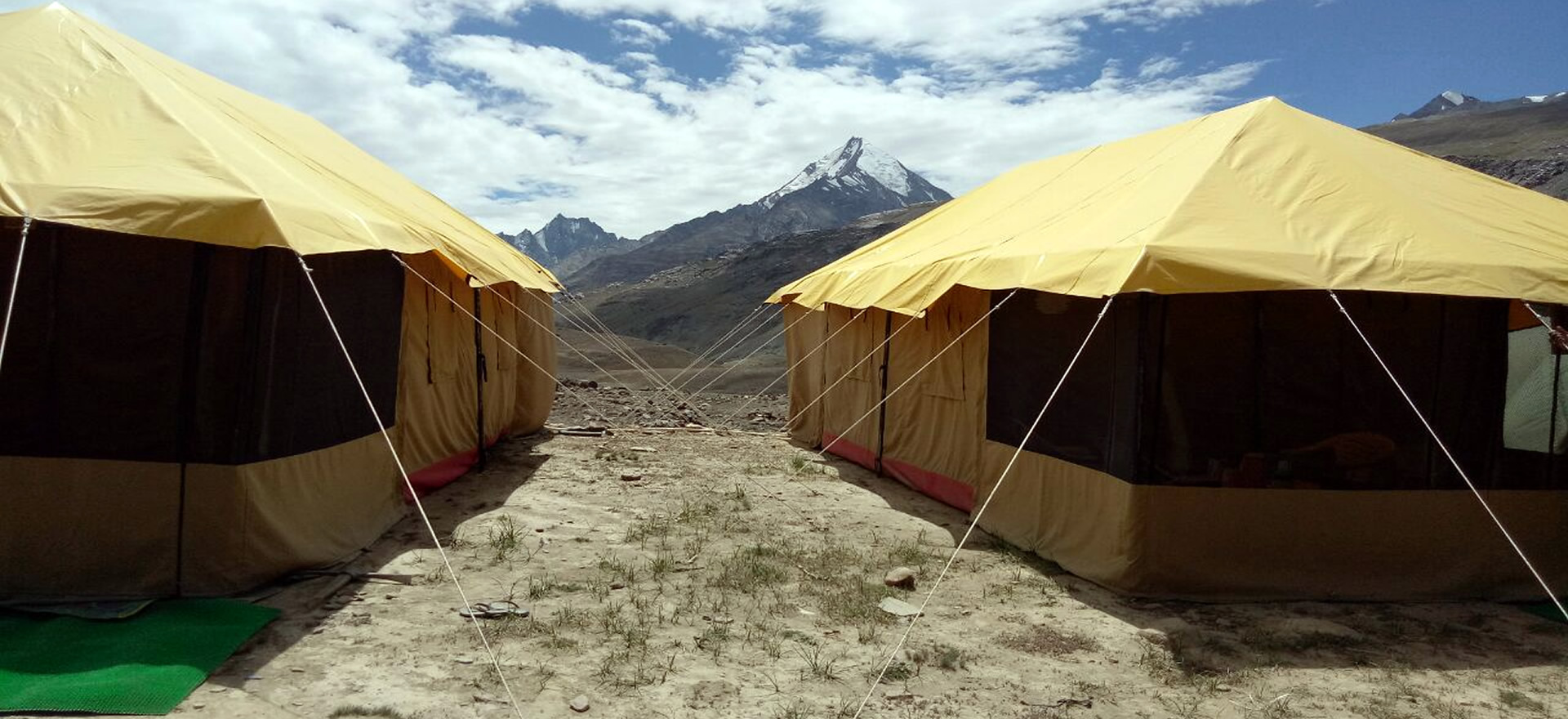
Luxury camping in Spiti brings comfort to the wilderness without compromising the outdoor experience. Swiss tents are large canvas tents with proper beds, mattresses, and sometimes even attached bathrooms with running water. Many luxury camps offer evening bonfires, cultural performances, and gourmet meals prepared by skilled chefs.
These camps are primarily located around Kaza and Chandratal, providing easy access while maintaining a sense of wilderness. The tents are weather-proof and designed to withstand Spiti's strong winds and cold temperatures. Hot water bottles are often provided at night, and dining is usually in a separate mess tent or open-air area with mountain views.
While luxury camping is more expensive, it's ideal for families with children, older travelers, or anyone who wants to experience camping without extreme discomfort. The professional staff handle all logistics, allowing you to focus on enjoying the scenery and experience. Most luxury camps operate from June to September and require advance booking, especially during peak season.
Alpine Tent Camping
Alpine tents represent the middle ground between luxury and basic camping, offering more space and durability than dome tents but fewer amenities than Swiss tents. These are typically larger tents that can accommodate 2-4 people with proper bedding, mattress, and sometimes even simple furniture.
Most organized camping operators use alpine tents for multi-day treks and camping expeditions. The tents are designed for high-altitude conditions and can withstand strong winds and occasional rain. Facilities usually include separate toilet tents with eco-friendly compost toilets and a dining tent where meals are served communally.
This style of camping strikes a good balance between comfort and adventure, making it popular among trekkers and outdoor enthusiasts. The setup allows you to experience Spiti's wilderness while having basic infrastructure taken care of. Meals are typically simple but hearty, designed to provide energy for high-altitude conditions.
Dome Tent Camping
Dome tents are the most basic form of organized camping in Spiti, offering shelter with minimal frills. These are typically small two-person tents that are easy to set up and provide adequate protection from the elements. Sleeping bags and foam mattresses are usually provided, but you'll need to carry your own personal gear.
Dome tent camping is ideal for budget travelers and experienced campers who don't need luxury amenities. The simplicity means greater flexibility in camp location and lower costs. However, you should be prepared for basic toilet facilities (often just a screened area) and limited privacy. Despite the simplicity, dome tents are perfectly adequate and safe for Spiti's conditions.
This type of camping is commonly offered for Chandratal Lake and trekking routes where porters or mules carry equipment. The lightweight nature of dome tents makes them suitable for locations that require hiking in with your gear. Most operators provide a comprehensive briefing on tent use and safety procedures before you set out.
Wild Camping
Wild camping in Spiti means finding your own campsite and pitching your own tent, carrying everything you need with you. This is the most authentic and challenging form of camping, suitable only for experienced outdoor enthusiasts who are self-sufficient and comfortable in remote wilderness.
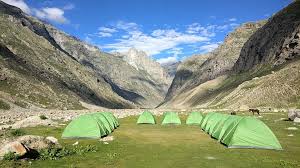
When wild camping in Spiti, you must follow Leave No Trace principles, packing out all trash and minimizing your impact on the fragile ecosystem. It's important to camp at least 200 meters from water sources and avoid grazing lands used by local livestock. Always ask permission from villagers if you're camping near inhabited areas.
Wild camping gives you unparalleled freedom to choose your location based on scenery, solitude, or practical considerations. However, it requires careful planning, including water procurement, waste management, and emergency protocols. The isolation means you must be prepared for any situation, from sudden weather changes to minor injuries.
Homestay Camping
Homestay camping in Spiti involves staying with local families, either in their homes or in tents set up on their property. This option provides an authentic cultural experience while still giving you the outdoor camping feeling. Families often provide home-cooked meals and share insights about local life, traditions, and the area's history.
Many villages in Spiti, including Langza, Komic, Kibber, and Demul, offer homestay accommodation. Some families have set up permanent tents in their compounds for visitors, while others offer extra rooms in their traditional homes. The facilities are basic but clean, and the warm hospitality more than compensates for any lack of luxury.
Homestay camping directly benefits local communities and provides a more sustainable form of tourism. The income helps families maintain their traditional lifestyle while sharing their culture with visitors. Most homestays cost significantly less than organized camps, making them an attractive option for budget travelers seeking authentic experiences.
Best Time for Camping in Spiti Valley
Timing your camping trip to Spiti Valley is crucial for a safe and enjoyable experience. The region's high altitude and remote location mean weather conditions can vary dramatically throughout the year, with only certain months offering suitable conditions for camping.
Summer Season (June to September)
Summer is the prime camping season in Spiti Valley, when roads are open, weather is relatively stable, and temperatures are manageable. June and September offer the clearest skies and best visibility, though nights remain cold even in these months. July and August see the warmest daytime temperatures but also the highest chance of rain.
During summer, daytime temperatures in Kaza range from 15-25°C, while nighttime temperatures drop to 2-8°C. At higher altitudes like Chandratal and Komic, nighttime temperatures can fall below freezing even in July. Proper cold-weather gear is essential regardless of when you camp in summer.
The summer months also coincide with local festivals and agricultural activities, providing opportunities to witness traditional celebrations and village life. Roads from both Manali and Shimla are typically open from late May or early June until October or November, depending on snow conditions.
Shoulder Months (May and October)
May and October offer fewer crowds and clearer skies, though temperatures are significantly colder and there's a higher risk of road closures. These months are ideal for experienced campers who are well-prepared for cold conditions and flexible with their itinerary.
May sees the landscape emerging from winter, with snow still visible on high peaks and passes. The weather is generally stable and dry, perfect for photography. October brings autumn colors to the vegetation and exceptionally clear air, making it excellent for stargazing and scenic views.
The main disadvantage of shoulder months is the unpredictability of road access, particularly over Kunzum Pass which connects Spiti to Manali. Always check current road conditions and have contingency plans for delays or route changes.
Winter Camping (November to April)
Winter camping in Spiti is an extreme experience suitable only for highly experienced winter campers with specialized equipment. Temperatures routinely drop below -20°C, and most villages become cut off from the outside world. Only a few hardy travelers attempt winter camping, typically for specific objectives like snow leopard tracking or extreme adventure.
Winter requires four-season tents, sleeping bags rated for -20°C or lower, and extensive cold-weather clothing. You must be completely self-sufficient as facilities and services are extremely limited. The region becomes accessible only by air or long overland journeys from alternate routes.
However, winter camping rewards the intrepid with pristine snow-covered landscapes, incredible solitude, and unique wildlife viewing opportunities. The clear winter air creates the best stargazing conditions, though the extreme cold makes extended observation challenging without proper equipment.
Monsoon Considerations
While Spiti lies in a rain shadow and receives less rainfall than other parts of Himachal Pradesh, July and August can still see occasional rain and cloud cover. Monsoon weather doesn't typically make camping impossible, but it does require extra preparation including waterproof gear and careful campsite selection away from flood-prone areas.
Cloud cover during monsoon months can reduce visibility and affect stargazing opportunities. However, the valleys become lush and green, and wildflowers bloom across the meadows, creating a different kind of beauty. If you're flexible with your itinerary and prepared for varied weather, monsoon camping can still be rewarding.
What to Carry for Spiti Camping
Packing for Spiti Valley camping requires careful consideration of the extreme conditions you'll encounter. The high altitude, cold temperatures, and remote location mean you need to be well-prepared with proper gear and supplies.
Clothing Essentials
The key to staying comfortable in Spiti is layering. Even in summer, temperatures can vary dramatically between day and night. Start with a base layer of thermal underwear (both top and bottom) made of merino wool or synthetic fabric that wicks moisture away from your skin.
Over your base layer, wear insulating layers such as fleece jackets or wool sweaters. Bring multiple options including a light fleece for daytime and a heavier fleece or down jacket for cold evenings. A windproof and waterproof outer jacket and pants are essential for protection against wind and occasional rain.
Don't forget proper headwear including a warm woolen hat and sunglasses with UV protection. The high altitude means stronger UV radiation, and cold nights make a hat essential for sleeping comfortably. Gloves are also important, especially if you're camping in shoulder months or plan to do any trekking.
Camping Gear
If you're wild camping, you'll need a good quality four-season tent rated for high-altitude use. Your tent should have a sturdy frame to withstand strong winds and a rainfly for protection against occasional rain or dew. Practice setting up your tent before your trip so you're familiar with it in difficult conditions.
A sleeping bag rated for at least -10°C is essential, even for summer camping. Many experienced campers prefer -20°C rated bags for the peace of mind and extra warmth. Use an insulated sleeping pad with a high R-value to insulate yourself from the cold ground. The combination of a good sleeping bag and pad is crucial for a comfortable night's sleep.
Other essential gear includes a headlamp with extra batteries, a multi-tool or knife, and lightweight cookware if you're preparing your own meals. A good quality backpack (50-70 liters) is necessary for carrying your gear, especially if you're trekking between campsites.
Personal Items
High-altitude sun protection is critical. Bring broad-spectrum sunscreen with SPF 50+, lip balm with sun protection, and quality sunglasses. The UV intensity at Spiti's elevation can cause severe sunburn quickly, especially when reflected off snow or water.
Personal medications should include a basic first aid kit with bandages, antiseptic, pain relievers, and any prescription medications. Consider bringing altitude sickness medication, though it's no substitute for proper acclimatization. Diamox can help prevent symptoms, but consult your doctor before use.
Carry a reusable water bottle and water purification tablets or a filter. While some camps provide purified water, you may need to collect and purify water from natural sources during wild camping or trekking. Staying hydrated is essential for preventing altitude sickness and maintaining energy.
Useful Extras
A power bank is essential for keeping your devices charged, especially if you're using your phone for photography or GPS. Electricity availability is limited in many parts of Spiti, and you may go days without access to power outlets.
Bring quick-drying microfiber towels and biodegradable toiletries. Water availability is limited in this remote region, so quick-dry items are more practical. Choose eco-friendly products that won't harm the fragile ecosystem when washed away.
A dry bag or waterproof stuff sacks help protect your gear and electronics from condensation inside your tent and unexpected rain. Organize your gear so essential items are easily accessible without unpacking everything.
Camping Costs and Booking
Understanding camping costs in Spiti helps you budget appropriately and choose the right option for your budget. Prices vary significantly based on the type of camping, duration, and level of service included.
Luxury Camping Costs
Luxury Swiss tent camps typically cost between ₹3,500-6,000 per person per night on a twin-sharing basis. This price usually includes all meals (breakfast, lunch, and dinner), accommodation in Swiss tents with attached bathrooms, and sometimes hot water bottles in your bed at night. Some luxury camps also include guided activities or cultural performances in the evening.
Multi-day luxury camping packages are available, with discounts for longer stays. A 3-day/2-night Chandratal camping package from Kaza costs approximately ₹7,000-10,000 per person, including transportation from Kaza, all meals, camping equipment, and a guide. These packages require advance booking, especially during peak season from June to September.
Mid-Range Camping Costs
Alpine tent camps and organized dome tent camping typically cost ₹1,500-2,500 per person per night. This usually includes tent accommodation with sleeping bags and mattresses, all meals, and sometimes transportation between Kaza and the campsite. Facilities are more basic than luxury camps but still provide a comfortable camping experience.
Trekking companies offer multi-day camping trek packages that typically range from ₹2,500-4,000 per person per day, depending on the trek difficulty and group size. These comprehensive packages include all meals, camping equipment, porters or mules to carry gear, trekking guides, and sometimes cooking staff.
Budget and Wild Camping Costs
Wild camping requires mostly your own equipment, so costs are primarily for permits, transportation, and food. Inner Line Permits for Spiti cost approximately ₹200-300 per person, and national park permits for Pin Valley or Kibber Wildlife Sanctuary cost extra. Budget another ₹500-1,000 per day for food and supplies if you're preparing your own meals.
Homestay camping costs ₹1,000-2,000 per person per night including meals. This is often the most budget-friendly option while still providing basic shelter and food. The advantage of homestays is the cultural exchange and supporting local communities directly.
Equipment rental is available in Kaza for those who don't want to carry everything from home. Tents rent for approximately ₹300-500 per day, sleeping bags ₹200-300 per day, and other camping gear is similarly priced. Renting can be cost-effective for shorter trips or if you're flying to India and don't have camping equipment.
Booking Recommendations
Peak season (July-August) requires advance booking, especially for luxury camps and Chandratal camping. Most reputable operators accept bookings through their websites or by phone, and many require a deposit to confirm your reservation. Book at least 2-3 months in advance for the best selection and prices.
Shoulder months offer more flexibility with bookings, and you can sometimes arrange camping upon arrival in Kaza. However, this limits your options and may result in higher prices as operators charge premium rates for last-minute bookings during busy periods.
Always read reviews and check operator credentials before booking, especially for remote camping like Chandratal. Reputable operators prioritize safety, have proper equipment, and employ experienced staff who know the region and can handle emergencies.
Safety Tips and Guidelines
Camping in Spiti Valley's remote environment requires careful preparation and attention to safety. The high altitude, isolation, and extreme weather mean that problems can become serious quickly if you're not prepared.
Altitude Sickness Prevention
Acute Mountain Sickness (AMS) is a real concern in Spiti Valley, where many campsites are above 4,000 meters. The key to prevention is proper acclimatization: ascend gradually, stay hydrated, and avoid alcohol and sedatives. If you're flying in from sea level, spend at least 2-3 days in Manali or Shimla (2,000-3,000 meters) before proceeding to Spiti.
Recognize AMS symptoms including headache, nausea, dizziness, and shortness of breath. Mild symptoms are common and usually improve with rest and hydration. However, if symptoms worsen or if you experience severe headache, confusion, difficulty breathing, or inability to walk in a straight line, descend immediately and seek medical attention.
Never ascend to a higher altitude if you're experiencing AMS symptoms. Most organized camping itineraries include built-in acclimatization days and gradual altitude gain. Follow these recommendations even if you feel fine, as AMS can strike suddenly and affect anyone regardless of fitness level.
Weather Preparedness
Spiti's weather is notoriously unpredictable, with conditions changing rapidly from clear sunshine to snow or high winds. Always check weather forecasts before setting out, but be prepared for conditions worse than forecasted. Strong winds are common in the afternoon, making tent setup challenging and potentially dangerous.
Set up your tent on stable ground away from obvious hazards like loose rock faces, dried riverbeds that could flood, or exposed ridge tops. Secure your tent properly with extra guy lines and stakes, as strong winds can collapse poorly secured tents. Know how to repair your tent in the field and carry a repair kit.
Summer storms, though rare, can bring hail and sudden temperature drops. Keep your rain gear accessible and know where your warm layers are at all times. A storm can roll in quickly in the mountains, leaving little time to prepare if your gear isn't organized and accessible.
Wildlife Awareness
Spiti Valley is home to diverse wildlife including snow leopards, Himalayan brown bears, wolves, and numerous smaller animals. While wildlife encounters are rare, they're possible, especially in remote areas like Pin Valley. Store food securely and keep your camp clean to avoid attracting animals.
Never approach or feed wild animals, no matter how docile they may appear. Snow leopards are elusive and rarely seen, but they inhabit the entire region. Himalayan brown bears occasionally enter campsites if food is available. Both are dangerous and should be given wide berth if encountered.
Smaller animals like marmots and pikas are common and generally harmless. However, never feed them as it disrupts their natural diet and makes them dependent on humans. Photograph wildlife from a distance and respect their space and habitat.
Leave No Trace Principles
Spiti's ecosystem is fragile and slow to recover from damage. Practice Leave No Trace camping by packing out all trash, including organic waste like food scraps. Human waste should be buried at least 6 inches deep and 200 feet from water sources. Use established toilet facilities when available.
Respect local culture and customs. Spiti's residents are predominantly Buddhist, and many areas are considered sacred. Ask permission before photographing people or religious sites, and dress modestly when visiting villages and monasteries. Support local businesses when possible and camp only in designated areas.
Minimize campfire impacts by using established fire rings when available and keeping fires small. In many areas, fires are inappropriate due to scarce vegetation. Consider using a lightweight stove for cooking instead of relying on fires. Always ensure fires are completely extinguished before leaving your campsite.
Emergency Preparedness
Carry a comprehensive first aid kit and know how to use it. Include medications for common ailments, bandages, antiseptic, and blister treatment. For remote camping, consider carrying a satellite phone or emergency beacon, as cell phone coverage is unreliable or non-existent in many parts of Spiti.
Know the location of the nearest medical facilities before setting out. Kaza has a hospital with basic facilities, but serious conditions may require evacuation to Manali or Shimla. Some travel insurance policies cover high-altitude trekking and evacuation, so consider purchasing appropriate coverage before your trip.
Travel with others whenever possible. A companion can provide assistance in case of illness or injury and help make decisions in emergency situations. If you must travel alone, leave a detailed itinerary with someone reliable and check in regularly.
Why Go Camping in Spiti Valley
Camping in Spiti Valley offers an authentic Himalayan experience that combines breathtaking natural beauty with rich cultural immersion. The valley's remote location and traditional way of life create an atmosphere that's increasingly rare in our interconnected world, providing a genuine escape from modern life.
The incredible diversity of camping experiences means there's something for everyone, from luxury Swiss tents with all amenities to wild camping in complete solitude. You can choose your level of comfort and adventure, but regardless of your choice, you'll be surrounded by some of the most spectacular mountain scenery on Earth.
What truly sets Spiti apart is the combination of outdoor adventure with spiritual and cultural enrichment. Camping near ancient monasteries, participating in traditional festivals, and interacting with welcoming local communities adds depth to the experience that goes beyond typical outdoor adventures. You'll return home not just with photos of beautiful landscapes, but with insights into a way of life that has endured for centuries.
The night sky alone is worth the journey. Spiti's high altitude, clear air, and minimal light pollution create some of the best stargazing conditions in Asia. Watching the Milky Way arc across the sky from your campsite, with the silhouette of mountains on the horizon and the sound of prayer flags fluttering in the wind, is an experience that stays with you long after you've returned home.
Whether you're seeking adventure, spiritual renewal, or simply escape from the ordinary, camping in Spiti Valley delivers an experience that's both challenging and deeply rewarding. The mountains have a way of putting life in perspective, and Spiti's unique combination of natural beauty and cultural richness creates memories that last a lifetime.
Related Spiti Valley Adventures
Explore more of Spiti Valley with these related TrekGo guides that will help you plan your complete Himalayan adventure.
The stargazing in Spiti Valley guide provides detailed information about the best locations, photography tips, and optimal timing for witnessing the spectacular night sky. This comprehensive resource covers everything from equipment recommendations to the best villages for astrophotography, making it the perfect companion for your camping trip.
For comprehensive travel planning, explore when to visit Spiti Valley with our detailed seasonal guide. This resource covers weather patterns, road accessibility, festival dates, and recommendations for different types of travelers, helping you choose the perfect timing for your camping adventure.
Complete your adventure planning with our Chandratal Lake travel guide, which includes detailed information about camping at the Moon Lake, trekking routes, and practical tips for visiting this spectacular location. This guide complements your camping preparations with specific information about Spiti's most iconic camping destination.
Location
Frequently Asked Questions
Q1.Is camping allowed in Spiti Valley?
Q2.What is the best time for camping in Spiti Valley?
Q3.Do I need permits for camping in Spiti Valley?
Q4.Is it safe to camp in Spiti Valley?
Q5.How much does camping cost in Spiti Valley?
Q6.What should I carry for camping in Spiti Valley?
Q7.Can we camp at Chandratal Lake?
Q8.Which are the best camping sites in Spiti Valley?
Recommended For You
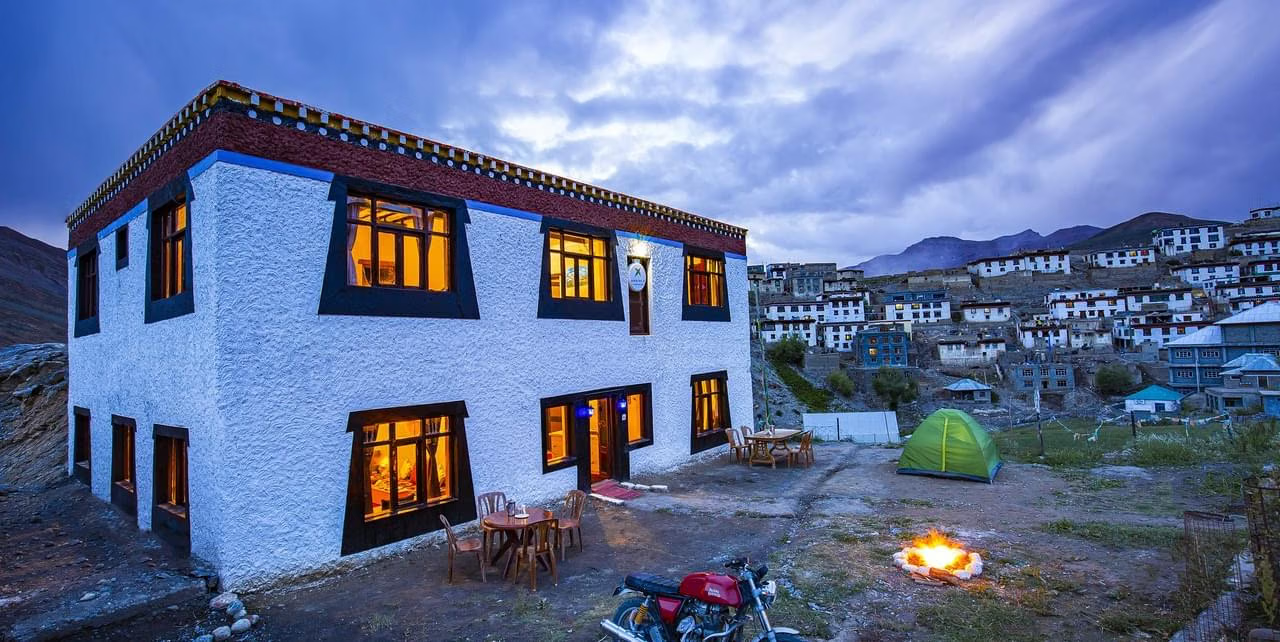
Best Homestays in Spiti Valley: Villages, Prices and Tips
Best homestays in Spiti Valley with village-wise stay options, pricing, facilities, booking strategy, and practical travel tips for high-altitude comfort.
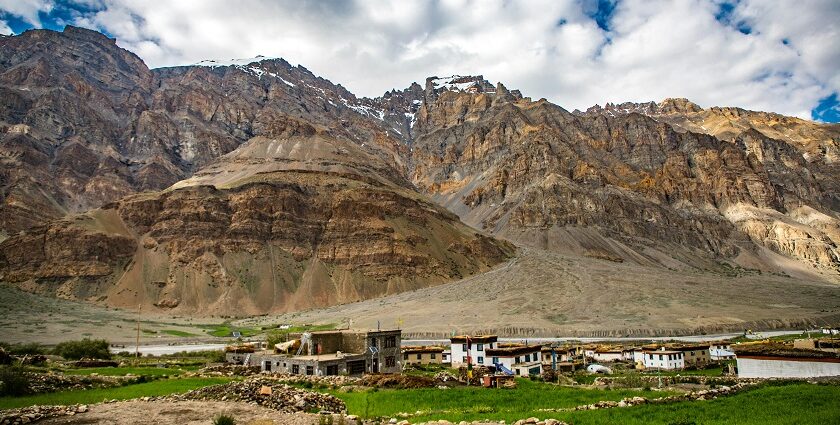
Kaza Spiti Valley: Itinerary, Stays, Route & Permit Information
Complete travel guide to Kaza in Spiti Valley! Find best time to visit, how to reach from Manali/Shimla, weather, hotels, places to visit, and essential travel tips.
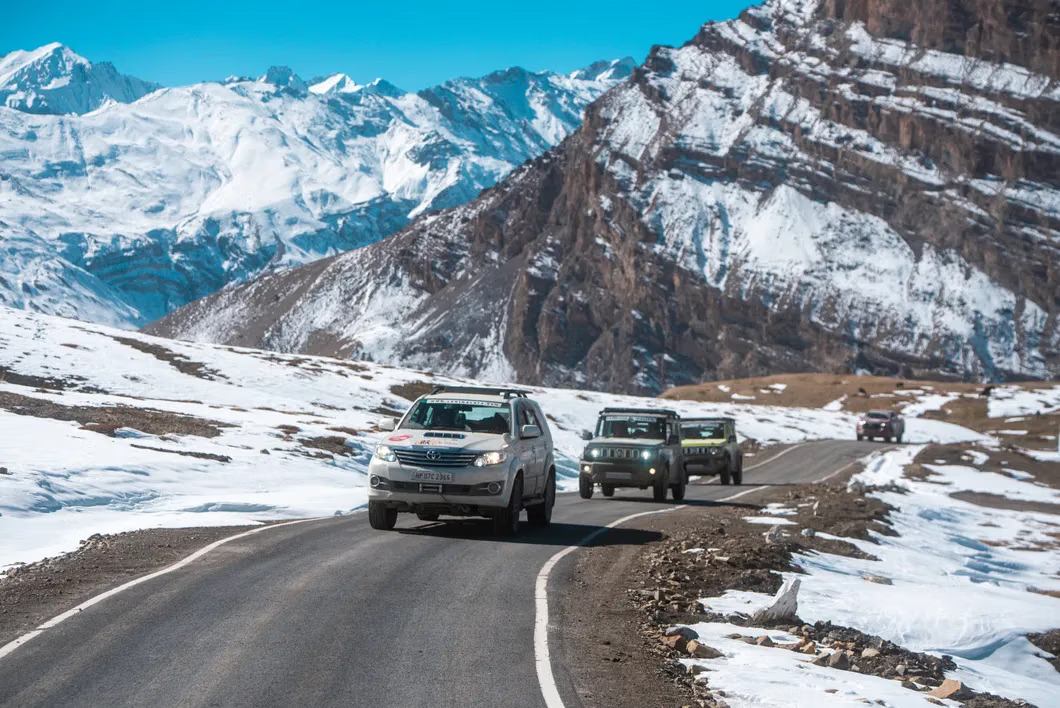
Spiti Valley Road Trip: The Ultimate Guide to Himalayan Adventure
Spiti Valley road trip guide: routes from Shimla/Manali, best time, permits, vehicles, itinerary, accommodation & tips for the ultimate Himalayan adventure.
Never Miss an Adventure
Get the latest trekking guides, travel tips, and exclusive offers delivered straight to your inbox.
