
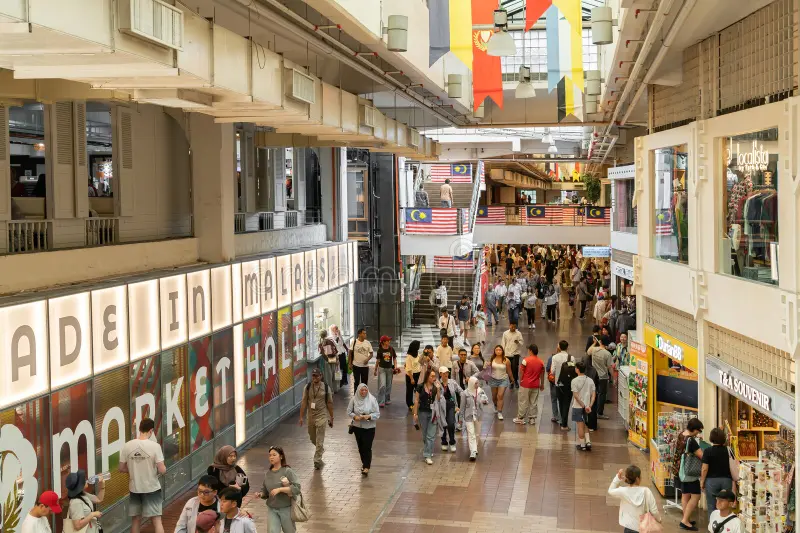
Central Market Kuala Lumpur: Shopping, Art Stalls & Visit Tips

Neha Kapoor
February 19, 2026
Explore Central Market Kuala Lumpur with heritage shopping zones, craft picks, food options, opening hour guidance, and practical Pasar Seni visit tips.
Introduction
Central Market Kuala Lumpur, also known as Pasar Seni, is one of the city's most visited cultural shopping landmarks. Travelers come here for Malaysian handicrafts, heritage-style architecture, local art, and easy city-center access near Chinatown and public transport hubs. Unlike typical malls in Kuala Lumpur, Central Market combines retail, craft heritage, food, and street culture in one compact walkable venue.
If you are searching central market kuala lumpur malaysia, you likely want clear answers on what to buy, opening hours, food options, and whether the market is worth your time. This guide covers all of that with practical route planning and budget tips. For broader itinerary building, combine this with shopping in Malaysia, places to visit in Malaysia, and nightlife in Kuala Lumpur Malaysia.
History and Heritage Value of Central Market KL
Central Market began as a traditional trading space and evolved into a heritage-oriented arts and crafts destination. Over time, it became one of Kuala Lumpur's best-known cultural retail zones where locals and tourists interact with Malaysian handmade products, souvenir culture, and small creative businesses. The market's identity is not just commercial; it also reflects the multicultural character of Kuala Lumpur through product categories, design influences, and food choices.
This heritage position is exactly why Pasar Seni remains relevant despite the rise of premium malls. Visitors looking for cultural shopping and local design typically prioritize Central Market over generic retail spaces.
| Why Central Market Is Different | Traveler Benefit |
|---|---|
| Heritage shopping atmosphere | More cultural depth than standard mall shopping |
| Craft-focused vendor mix | Better access to handmade and local-themed products |
| City-center location | Easy to combine with Chinatown and nearby attractions |
| Food and art under one roof | Balanced shopping + break + exploration flow |
What to Buy at Central Market Kuala Lumpur
The biggest reason travelers visit Central Market KL is product variety linked to Malaysian culture. You can find both classic souvenir items and modern reinterpretations by local designers. Prices vary by material quality and shop style, so browsing multiple stalls before buying is useful.
Popular Purchase Categories
- Batik and textile products: Apparel, scarves, craft fabric pieces.
- Handmade crafts: Wooden items, decorative art, cultural miniatures.
- Jewelry and accessories: Ethnic-style designs and gift pieces.
- Souvenirs: Magnet sets, postcards, local-themed keepsakes.
- Art products: Prints, paintings, and boutique craft goods.
If your budget is limited, split spending into two rounds: small souvenir first, then one higher-quality handcrafted piece after full market comparison.
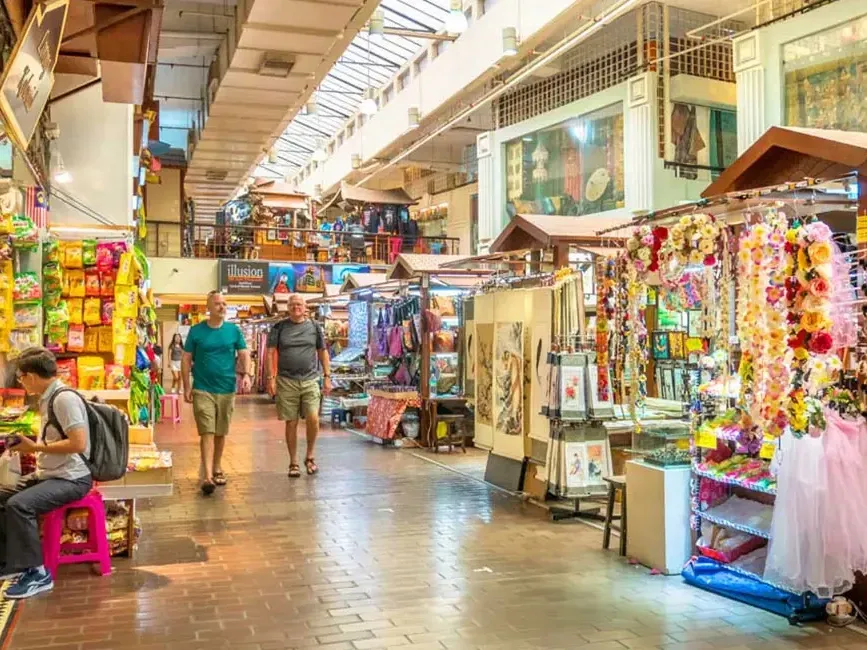
Market Layout and Zone Navigation
Central Market is easier to enjoy when you understand the layout before entering deep shopping sections. Many first-time visitors spend too much time in the first row of shops and miss better items in interior or upper sections. A simple loop route improves discovery quality and reduces crowd fatigue.
| Zone Type | What You Usually Find | Tip |
|---|---|---|
| Main entry retail belt | Popular souvenir and quick-buy stalls | Browse only; compare prices before purchase |
| Interior craft sections | Handmade items and boutique products | Best for quality-focused buying |
| Food and break areas | Snacks, meals, and short rest options | Plan breaks before final purchase round |
| Annexe or activity spaces | Art events, workshops, rotating displays | Check same-day event board if available |
Use this order for smoother navigation: quick scan, category shortlist, break, then final buying decision.
Food and Dining at Central Market
Central Market restaurants and snack points make it easy to combine shopping with a food stop. You can find a mix of local flavors and casual meal options suited to short breaks between shopping rounds. For many travelers, a midday food break helps reset purchase decisions and reduces impulse buying.
If you are planning a full food-focused day, combine this market stop with nearby food areas and local streets. This gives better variety than eating everything inside one venue.
- Try one local dish and one light snack instead of heavy ordering first.
- Check peak lunch timing to avoid long wait lines.
- Carry small water and keep hands free for shopping afterwards.
Entertainment and Cultural Elements
Central Market is not only retail-driven. Depending on the day, you may see art displays, seasonal events, or cultural activity corners that add value beyond shopping. These elements make the market especially useful for travelers who want a cultural snapshot without committing to a full museum day.
If you enjoy people-watching and photography, spend a short non-shopping loop after purchases. This usually gives better atmosphere capture without bag-management stress.
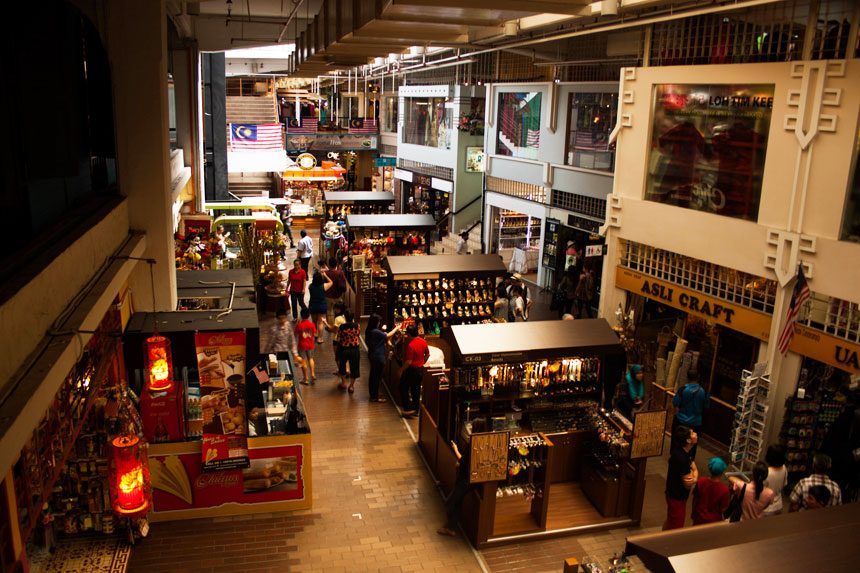
Opening Hours and Best Time to Visit
Central Market Kuala Lumpur opening hours generally cover daytime through evening windows, but exact operational details can vary for specific outlets and events. For a calmer experience, weekday late morning and early afternoon are often smoother than weekend peak periods. Evening slots bring stronger ambience but also denser crowd movement.
| Visit Window | Crowd Pattern | Best For |
|---|---|---|
| Weekday morning | Low to moderate | Focused shopping and easy navigation |
| Weekday afternoon | Moderate | Balanced shopping + food breaks |
| Weekend daytime | High | Lively atmosphere but slower movement |
| Evening | Moderate to high | Ambience and combined city exploration |
For photography and relaxed shopping, go before weekend peak or festival surges.
How to Reach Central Market Kuala Lumpur
One reason Central Market KL stays popular is accessibility. It is close to public transport routes and major city landmarks, making it an easy stop in both short and long itineraries. Most tourists use train + walk or taxi transfer depending on group size and weather.
- Public transport: Practical for budget travelers and solo visitors.
- Taxi/ride-share: Better for families and shopping-heavy groups.
- Walk-combo route: Ideal when pairing with nearby areas like Petaling Street Malaysia and Chinatown Kuala Lumpur Malaysia.
If you are carrying multiple purchases, plan return transport before your final buying round.
Nearby Attractions You Can Combine
Central Market works best as part of a city-center cluster itinerary. You can combine it with heritage streets, food zones, and landmark spaces in the same half-day or full-day plan. Travelers often pair this with Suria KLCC Kuala Lumpur or Petronas Twin Towers KL in a split itinerary.
A practical route is: Central Market morning, Chinatown and local lunch, then KLCC-side evening plan.
Budget Strategy for Central Market Shopping
If you shop without a budget structure, it is easy to overspend on low-value souvenirs. Use a three-layer spend plan: gift items, personal keepsake, and optional premium purchase. This keeps shopping intentional and improves quality outcomes.
| Budget Layer | Suggested Use |
|---|---|
| Layer 1 | Small souvenirs and quick gifts |
| Layer 2 | One personal cultural or craft item |
| Layer 3 | Optional high-quality handcrafted purchase |
Complete layer 1 and 2 first. Buy from layer 3 only after full-market comparison.
How to Shop Smart at Central Market
First-time visitors often make two errors: buying too early and buying too much. A better strategy is to run a shortlist-based loop. First, scan all relevant sections without purchasing. Second, shortlist 3-5 items by quality and seller reliability. Third, compare price, finish quality, and portability before finalizing. This method reduces impulse purchases and improves souvenir quality.
Ask sellers about material source, handcraft process, and care instructions, especially for textiles and decorative pieces. This extra step helps you distinguish authentic craft value from mass-produced items. If a product is fragile, check packaging support before payment so transport damage risk stays low.
| Smart Shopping Step | Why It Works |
|---|---|
| Full-market scan first | Prevents early overpaying |
| Shortlist before payment | Improves decision quality |
| Check portability | Avoids luggage and breakage issues |
| Set category budgets | Controls overall spending discipline |
Sample Half-Day Pasar Seni Route
If you have limited time in Kuala Lumpur, this half-day flow keeps Central Market productive without rush.
- Start at Central Market (90-120 min): Craft browsing and first purchase round.
- Move to Petaling Street (45-60 min): Street-market contrast and quick food stop.
- Short Chinatown walk (30-45 min): Cultural streets and photography points.
- Evening transfer to KLCC side: Optional skyline and mall segment.
This sequence minimizes zig-zag commuting and gives a balanced mix of heritage shopping, street atmosphere, and modern city contrast.
Common Mistakes to Avoid
- Buying from the first stall without price comparison.
- Visiting only during weekend rush and skipping interior sections.
- Ignoring transport planning after heavy shopping.
- Spending full budget on low-durability souvenirs early.
- Missing nearby cultural zones by treating it as quick stop only.
A little structure turns Central Market from a crowded stop into a high-value cultural shopping experience.
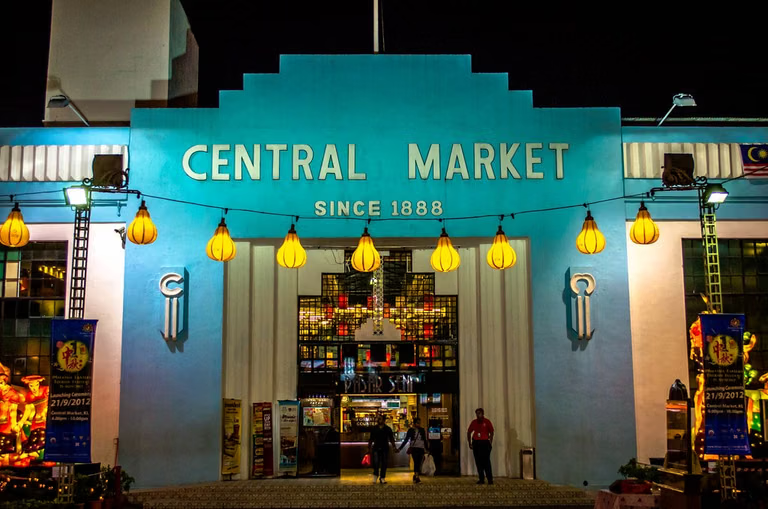
Quick Pre-Visit Checklist
Before heading to Central Market, keep a simple checklist: choose a target shopping budget, carry a reusable tote, keep small cash and card options, wear comfortable walking footwear, and pre-mark your return transport point. This five-step prep makes shopping faster, safer, and more organized in high-traffic periods.
Conclusion
Central Market Kuala Lumpur is worth visiting for travelers who want cultural shopping, easy city-center access, and a blend of crafts, food, and heritage atmosphere in one place. It works particularly well when planned as a cluster stop with nearby Chinatown and KL landmarks.
For best results, visit in a lower-crowd window, compare prices before purchasing, and use a clear shopping budget structure. With this approach, Pasar Seni becomes one of the most rewarding market experiences in Kuala Lumpur.
Location
Frequently Asked Questions
Q1.What is Central Market in Kuala Lumpur?
Q2.Is Central Market KL worth visiting?
Q3.What can I buy at Central Market KL?
Q4.Are things expensive at Central Market?
Q5.What are Central Market KL opening hours?
Q6.How can I reach Central Market Kuala Lumpur?
Q7.Is bargaining allowed at Central Market KL?
Q8.Are there restaurants in Central Market KL?
Recommended For You
Chinatown Kuala Lumpur: Petaling Street Markets, Food & Timings
Explore Chinatown Kuala Lumpur with Petaling Street shopping, food tips, nearby temples, best visiting hours, and easy transport routes for visitors.
Petaling Street Kuala Lumpur: Chinatown Shopping, Food & Bargain Tips
Petaling Street Kuala Lumpur guide: timings, best shopping, street food, bargaining tips & nearby attractions. Complete Chinatown market guide.
Suria KLCC Kuala Lumpur: Shopping, Dining, and Access
Plan Suria KLCC Kuala Lumpur with practical shopping, dining, and access tips for a smoother city-center experience.
Never Miss an Adventure
Get the latest trekking guides, travel tips, and exclusive offers delivered straight to your inbox.
