
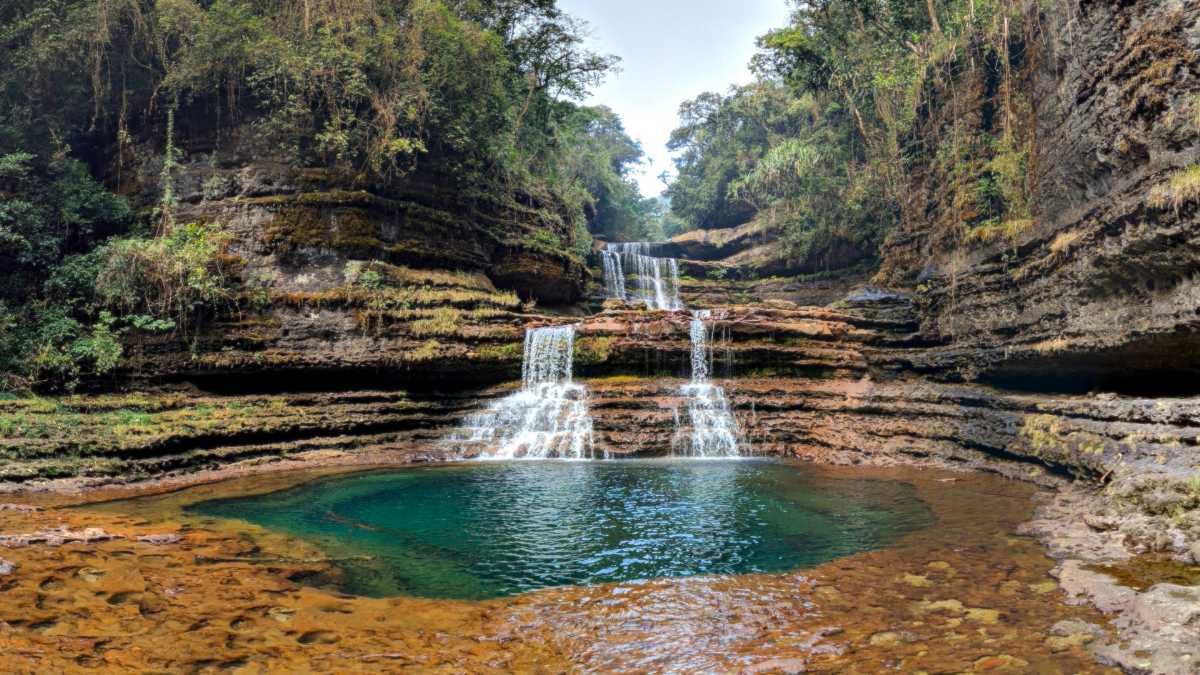
Cherrapunji Tourist Places: Top Attractions, Itinerary & Travel Tips

Rahul Garg
January 12, 2026
Plan your Cherrapunji trip with top tourist places, route-based itinerary ideas, weather strategy, and practical travel tips. Discover waterfalls, living root bridges, caves, and more in this comprehensive guide.
Why Visit Cherrapunji?
Cherrapunji, locally known as Sohra, stands as one of India's most fascinating travel destinations. Once famous as the wettest place on Earth, this high-altitude town in Meghalaya offers far more than just rainfall records. Located just 54 kilometers from Shillong, it combines dramatic landscapes, living root bridges, cascading waterfalls, and unique Khasi culture into an unforgettable experience.
The town sits at approximately 1,484 meters above sea level on the East Khasi Hills plateau. What makes Cherrapunji special is its combination of natural wonders and cultural distinctiveness. The Khasi people have developed remarkable adaptations to the extreme rainfall, including the famous living root bridges that have become iconic attractions. For travelers seeking something beyond typical hill station experiences, Cherrapunji provides adventure, natural beauty, and cultural insights in equal measure.
Whether you're a nature lover, adventure enthusiast, or cultural explorer, Cherrapunji's attractions cater to diverse interests. The region is particularly famous for its waterfalls, caves, and root bridges, all set against stunning landscapes of rolling hills and deep valleys.
Top Tourist Places in Cherrapunji
Living Root Bridges
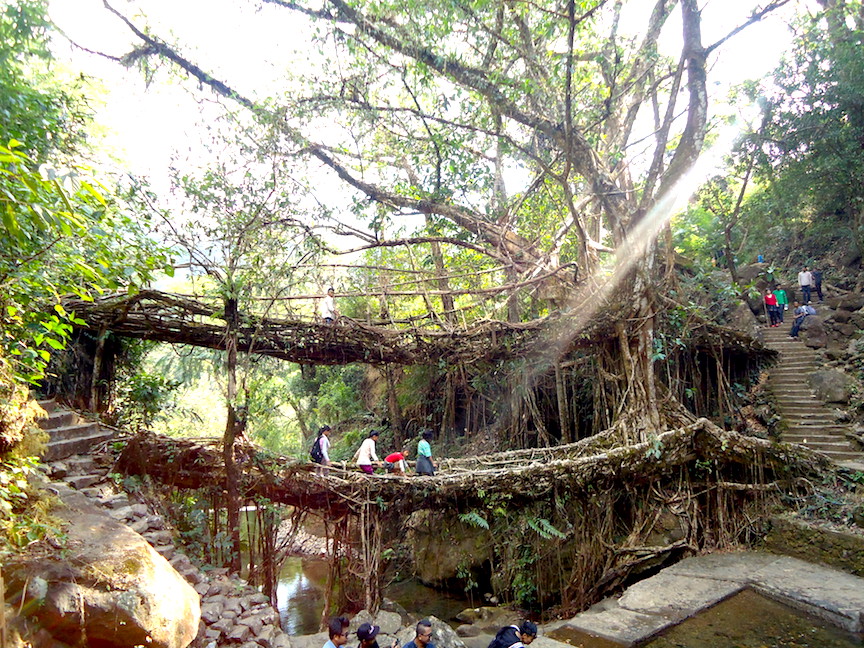
The living root bridges represent one of nature's most remarkable engineering feats. Created by the Khasi people over centuries, these bridges are made from the aerial roots of rubber fig trees (Ficus elastica). The roots are guided and trained to grow across rivers, forming strong, durable bridges that actually strengthen with time.
The most famous is the Double Decker Root Bridge in Nongriat village. This two-tiered bridge requires a challenging trek down 3,500 steep steps, but the reward is worth every effort. The bridge spans the Umshiang River and showcases traditional bio-engineering at its finest. Other notable root bridges include the single-decker bridges at Mawlynnong and Rangthylliang.
Visiting these bridges requires planning. The trek takes 4-5 hours round trip from Tyrna village. Wear sturdy shoes, carry water, and be prepared for a strenuous climb back up. The best time to visit is early morning when the mist still lingers over the valleys.
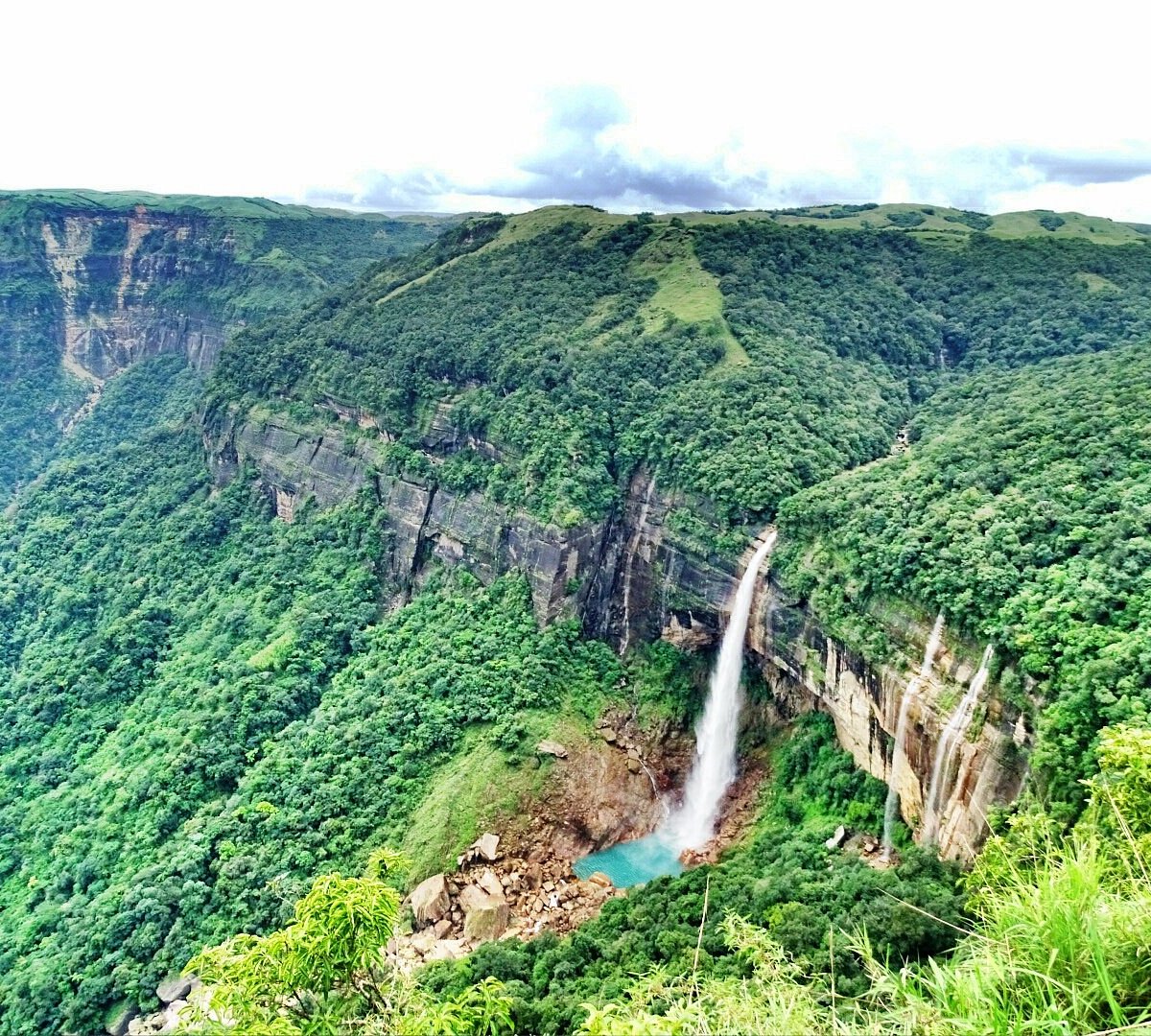
Nohkalikai Waterfalls
Plunging 335 meters, Nohkalikai stands as India's tallest plunge waterfall. This spectacular cascade creates a dramatic sight as water crashes into the green pool below. During monsoon, the waterfall becomes a powerful torrent, while dry season reveals the rocky cliff face behind the thinner stream.
The waterfall is easily accessible by road, with a viewpoint just a short walk from the parking area. The name comes from a local Khasi legend about a woman named Likai, adding cultural depth to the natural beauty. Visit early in the morning for the clearest views and best photography conditions. The surrounding area offers additional viewpoints and walking trails for those wanting to explore further.
Mawsmai Cave
Unlike most Indian caves that require difficult trekking, Mawsmai Cave offers easy accessibility for all visitors. This limestone cave extends approximately 250 meters into the hillside, with natural skylights illuminating the formations inside. The cave features impressive stalactites and stalagmites, narrow passages, and openings that reveal stunning valley views.
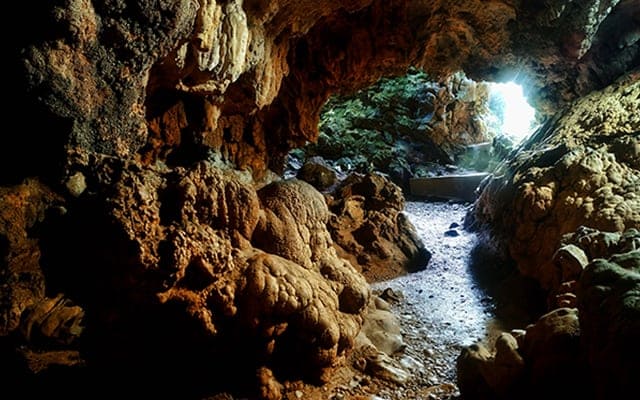
The cave takes about 30-45 minutes to explore comfortably. Wear non-slip shoes as the floor can be wet and slippery. The cave is well-lit, and guides are available to explain the formations and local legends. Mawsmai is particularly popular with families and those who want to experience caving without extreme adventure.
Seven Sisters Waterfalls (Nohsngithiang)
Named after the seven states of Northeast India, the Seven Sisters Waterfalls presents a spectacular sight during monsoon when seven separate streams cascade down the cliff face. Even in drier months, the falls remain impressive, with the surrounding green cliffs and valleys creating picture-perfect scenery.
The falls are located on the road between Cherrapunji and Mawsmai Cave, making it easy to combine both attractions in a single trip. There's a viewpoint platform offering panoramic views of the falls and the verdant landscape beyond. Timing your visit for late afternoon can reward you with beautiful light on the cliffs and possible rainbow formations in the mist.
Dainthlen Falls
Before reaching Nohkalikai, Dainthlen Falls offers another impressive waterfall experience. The falls derive their name from a Khasi legend about a python (thlen) that was killed here. The area around the falls features viewing platforms and information boards explaining both the natural and cultural significance of the site.
The falls are particularly powerful during monsoon but maintain their beauty year-round. Unlike some other waterfalls in the area, Dainthlen is relatively less crowded, allowing for a more peaceful experience. The approach road offers scenic views of the surrounding countryside.
Eco Park and Viewpoints
The Eco Park in Cherrapunji offers some of the most breathtaking panoramic views in the region. Located on a plateau, the park provides 360-degree views of the gorges, waterfalls, and hills that make this area famous. Well-maintained pathways connect various viewing platforms, each offering different perspectives of the landscape.
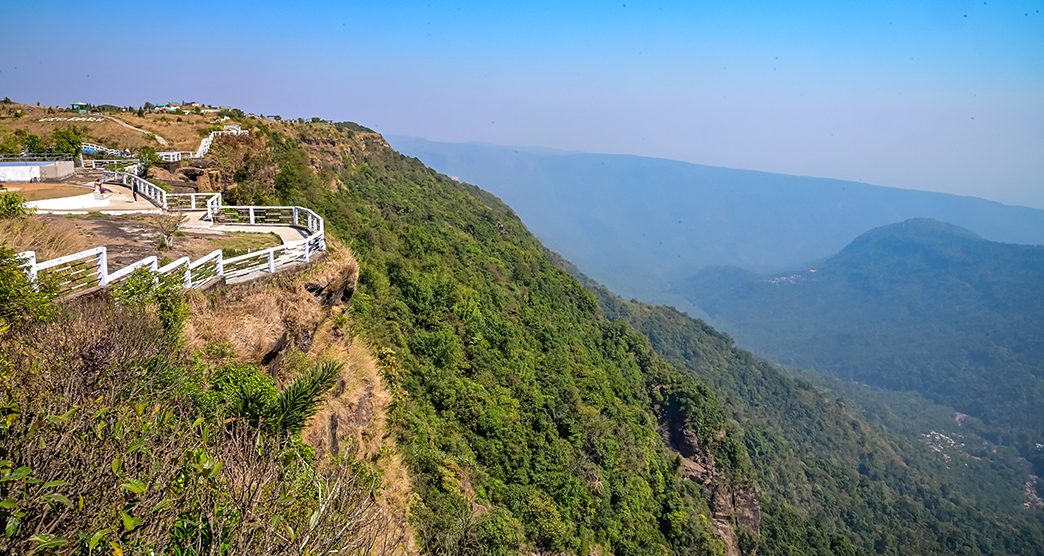
The park also features informative displays about local culture, flora, and fauna. It's an excellent spot for photography, especially during sunrise and sunset when the changing light transforms the landscape. The entrance is modest, and the park is suitable for visitors of all ages and fitness levels.
Other Notable Attractions
Wei Sawdong Waterfall: This three-tiered waterfall requires a short trek but rewards visitors with one of the most beautiful cascades in Meghalaya. The turquoise pool at the base is perfect for photography, though swimming is not recommended due to strong currents.
Kynrem Falls: Located in the Cherrapunji area, this is the highest waterfall in Meghalaya, falling in three distinct stages. The falls are particularly impressive during monsoon when the volume of water creates a thundering spectacle.
Mawmluh Cave: For serious caving enthusiasts, this cave extends over 7 kilometers and features challenging passages and formations. Proper caving equipment and guides are essential.
Rama Krishna Mission: This cultural center showcases Khasi heritage and offers peaceful gardens with valley views. It's an excellent place to learn about local culture and traditions.
Suggested Itineraries
One-Day Express Itinerary
For travelers with limited time, this route covers the major highlights while minimizing travel time between attractions. Start early from Shillong (6:00 AM) to maximize your day in Cherrapunji.
Morning (8:00 AM - 12:00 PM): Begin at Mawsmai Cave when it opens at 8:00 AM to avoid crowds. After exploring the cave, head to Seven Sisters Waterfalls (9:30 AM), then continue to Eco Park (10:30 AM) for panoramic views and photography.
Afternoon (12:00 PM - 4:00 PM): Have lunch at a local restaurant, then visit Nohkalikai Waterfalls (1:30 PM). Follow this with Dainthlen Falls (2:30 PM) and end with the Rama Krishna Mission (3:30 PM) for cultural insights.
This itinerary provides a comprehensive overview of Cherrapunji's main attractions without requiring overnight stay. However, it involves significant driving between sites, so hiring a local taxi for the day is recommended.
Two-Day Comprehensive Itinerary
A two-day visit allows for a more relaxed pace and includes the famous Double Decker Root Bridge, which requires most of a day. Stay overnight in Cherrapunji for the best experience.
Day 1 - Waterfalls & Caves: Follow the one-day itinerary but move at a more leisurely pace. Add time for exploring local markets and trying Khasi cuisine. Consider a sunset visit to Eco Park for the golden hour lighting.
Day 2 - Root Bridge Trek: Start early (7:00 AM) and drive to Tyrna village. Begin the trek down to Nongriat village, visiting the Double Decker Root Bridge and single-decker bridges. Spend time in the village experiencing local life and enjoying the natural surroundings. The trek back up takes 2-3 hours, so start climbing by 2:00 PM to return before dark.
This itinerary requires good physical fitness for the root bridge trek. Consider staying an additional day if you want to explore more caves or visit lesser-known waterfalls at a relaxed pace.
Best Time to Visit Cherrapunji
Choosing the right season for your Cherrapunji visit significantly impacts your experience, as weather affects both accessibility and the appearance of waterfalls and landscapes.
October to April (Dry Season): This period offers the most reliable weather for sightseeing. Skies are generally clear, roads are in better condition, and trekking is safer. Waterfalls have less water but maintain their beauty, and the surrounding hills remain green. This is the best time for families and those who want to avoid heavy rain.
May to September (Monsoon Season): This is when Cherrapunji lives up to its reputation as one of the wettest places on Earth. Waterfalls reach their most spectacular, but landslides can block roads, and trekking becomes dangerous. This season appeals most to adventure travelers and photographers who want to see the region at its most dramatic. Be prepared for travel delays and plan flexible schedules.
March-April and October-November (Shoulder Season): These transition months offer a good compromise, with moderate rainfall and pleasant temperatures. Waterfalls still flow strongly, and tourist crowds are thinner. The landscape is lush and vibrant, making it ideal for photography.
Transport and Stay Options
Getting to Cherrapunji
By Air: The nearest airport is Shillong (Umroi Airport, 30 km from Shillong), but it has limited connectivity. Guwahati Airport (160 km from Cherrapunji) offers more flight options and better connections to major Indian cities. From Guwahati, hire a taxi or take a shared cab to Shillong, then continue to Cherrapunji.
By Road: Cherrapunji is well-connected by road to Shillong (54 km, 2 hours) and Guwahati (150 km, 4-5 hours). The drive from Shillong is scenic but involves winding roads. Hiring a private taxi gives flexibility for sightseeing. State-run and private buses connect Shillong and Cherrapunji, but they may not reach all tourist attractions.
Getting Around
Public transport within Cherrapunji is limited to shared taxis that connect major points but don't serve all tourist spots. Hiring a private taxi for one or two days is the most practical option, especially if you want to cover multiple attractions efficiently. Taxi drivers can also serve as informal guides and know the best viewpoints.
For the root bridge trek, taxis drop you at Tyrna village and collect you later in the day. Negotiate prices beforehand and clarify pickup times, especially if you're trekking in a remote area with limited connectivity.
Where to Stay
Cherrapunji offers accommodation options ranging from budget guesthouses to mid-range resorts. Staying overnight allows for early morning starts to popular attractions and more relaxed exploration. Consider staying in Cherrapunji town rather than day-tripping from Shillong to maximize your time.
Mid-range Options: Several hotels and resorts offer comfortable rooms with valley views. Properties like Cherrapunji Holiday Resort and Polo Orchid Resort provide good amenities and convenient locations for sightseeing.
Guesthouses & Homestays: For a more authentic experience, consider local guesthouses. Some homestays in nearby villages offer cultural immersion and home-cooked Khasi meals. These options often require advance booking, especially during peak seasons.
Luxury: True luxury options are limited in Cherrapunji itself. For upscale accommodations, consider staying in Shillong and day-tripping to Cherrapunji, though this means more driving time.
Budget and Practical Tips
Budget Estimates
| Category | Budget Traveler (per day) | Mid-Range (per day) |
|---|---|---|
| Accommodation | ₹800-1,500 (guesthouse) | ₹2,500-4,500 (hotel/resort) |
| Food | ₹500-800 (local eateries) | ₹1,200-2,000 (restaurants) |
| Transport | ₹1,500-2,000 (shared taxi) | ₹3,500-5,000 (private taxi) |
| Activities | ₹200-500 (entry fees) | ₹200-500 (entry fees) |
| Total | ₹3,000-4,800 | ₹7,400-12,000 |
These estimates assume a two-day visit. Costs can be higher during peak seasons (December-January and March-April) when accommodation prices rise. Hiring a private taxi significantly increases costs but provides flexibility and convenience.
Travel Tips
Pack Right: Bring waterproof clothing and footwear regardless of season, as rain can occur unexpectedly. Carry layers for temperature variations. Good walking shoes with grip are essential, especially for cave exploration and root bridge trekking.
Book in Advance: During peak tourist seasons, accommodations can fill up quickly. Book your stay and consider reserving taxis in advance, especially if visiting during festivals or holidays.
Carry Cash: ATMs are available in Cherrapunji town but may not always work or have cash. Carry sufficient cash, especially smaller denominations, as many local establishments don't accept cards.
Respect Local Culture: The Khasi people are known for their hospitality. Respect local customs, ask permission before photographing people, and dress modestly when visiting villages or cultural sites.
Stay Connected: Mobile connectivity can be spotty, especially in villages and during trekking. Download offline maps and carry your accommodation's contact information. Jio and Airtel generally have the best coverage in Meghalaya.
Family and Group Travel Recommendations
For Families with Children
Cherrapunji can be an excellent family destination with proper planning. The accessible attractions like Mawsmai Cave, Eco Park, and the main waterfall viewpoints are suitable for children. However, avoid the Double Decker Root Bridge trek with young children due to the challenging climb involved.
Choose accommodations with family rooms and consider hiring a private taxi for convenience and flexibility. Carry snacks and entertainment for children during drives. Plan shorter days with frequent breaks, as the winding roads and high altitude can be tiring.
For Senior Travelers
The main attractions are senior-friendly except for the root bridge trek. Eco Park, waterfall viewpoints, and Mawsmai Cave require minimal walking. Choose accommodations with easy access and avoid staying in remote locations that require steep climbs.
Allow more time between stops to rest and acclimate to the altitude. Carry medications and inform your accommodation about any medical conditions. Avoid visiting during heavy monsoon when paths become slippery and visibility is poor.
For Adventure Groups
Adventure groups will find plenty to challenge them in Cherrapunji. Beyond the famous root bridge trek, consider exploring lesser-known caves like Mawmluh, which requires proper caving equipment. The challenging terrain and dramatic landscapes provide excellent opportunities for hiking, photography, and exploration.
Group travel reduces individual costs, especially for taxi hire. Consider combining Cherrapunji with other Meghalaya destinations like Living Root Bridges in Meghalaya or Places to Visit in Meghalaya for a longer adventure itinerary.
Mistakes to Avoid
Underestimating Travel Time
Many travelers assume they can cover all attractions quickly, but winding roads and frequent stops mean sites take longer to reach than expected. Don't overpack your itinerary. Select 2-3 main attractions per day rather than rushing between many spots.
Ignoring Weather Forecasts
Weather in Cherrapunji can change rapidly, especially during monsoon. Check forecasts before undertaking treks or long drives. If heavy rain is predicted, postpone cave visits and root bridge treks, as paths become dangerously slippery.
Trekking Unprepared
The root bridge trek is challenging and should not be attempted without proper preparation. Wear good trekking shoes, carry sufficient water and snacks, and start early enough to return before dark. Inform someone about your trekking plans, especially if visiting remote areas.
Skipping Local Culture
Many visitors focus only on natural attractions and miss the rich Khasi cultural experiences. Visit local markets, try traditional Khasi food, and interact with residents. The cultural insights make your visit more meaningful and support local communities.
Relying Solely on Digital Payments
While digital payments are becoming more common, many local establishments still prefer cash. Don't assume you can pay for everything digitally. Carry sufficient cash, especially when traveling to remote areas or visiting small vendors and homestays.
Visiting Without Planning
Last-minute planning often leads to disappointment, especially during peak season when accommodations and taxis are booked. Research attractions in advance, book stays early, and have a flexible itinerary that accounts for weather and road conditions.
Combining Cherrapunji with Other Destinations
Cherrapunji works well as part of a larger Meghalaya itinerary. Most travelers combine it with Homestays in Shillong, using Shillong as a base and doing day trips to Cherrapunji, or staying overnight in Cherrapunji for a more immersive experience.
Popular combinations include:
- Shillong (2-3 days): Explore the capital's markets, museums, and waterfalls before or after Cherrapunji
- Mawlynnong Village (1 day): Visit Asia's cleanest village, en route to or from Cherrapunji
- Dawki River (1 day): Combine with a visit to the crystal-clear Umngot River
- Mawsynram (1 day): See the current wettest place on Earth, not far from Cherrapunji
This combination allows you to experience Meghalaya's diverse attractions while optimizing travel time. A well-planned 5-7 day itinerary covering Shillong, Cherrapunji, Mawlynnong, and Dawki provides a comprehensive Meghalaya experience.
Cherrapunji's unique combination of natural wonders, cultural richness, and adventure opportunities makes it a must-visit destination for travelers seeking experiences beyond the ordinary. With proper planning and an open mind, your visit to this remarkable region will create memories that last a lifetime.
Location
Frequently Asked Questions
Q1.What are the top tourist places in Cherrapunji?
Q2.Is one day enough to cover Cherrapunji highlights?
Q3.Which season is best for a Cherrapunji trip?
Q4.Is Cherrapunji suitable for family travel?
Q5.What budget is needed for a short trip?
Q6.How should first-time travelers plan local transport?
Q7.Can Cherrapunji be combined with Shillong in one itinerary?
Q8.What mistakes should travelers avoid in monsoon?
Recommended For You
12 Best Homestays in Shillong: Areas, Views & Budget Options
Find the best homestays in Shillong with area-wise options, budget ranges, booking tips, and practical guidance for families, couples, and long-stay travelers.
Living Root Bridges Meghalaya: Trek Routes, Villages & Local Tips
Discover Meghalaya's incredible living root bridges - nature's bioengineering marvel grown by the Khasi tribes. Complete trekking guide to the Double Decker Root Bridge in Nongriat, best time to visit, how to reach, difficulty level, and photography tips.
Meghalaya: Complete Travel Plan Places And Weather
Complete Meghalaya travel guide featuring living root bridges, Cherrapunji, Shillong, Dawki, caves, waterfalls & practical tips.
Never Miss an Adventure
Get the latest trekking guides, travel tips, and exclusive offers delivered straight to your inbox.
