
Gateway of India Mumbai: Complete Guide to History, Timings & Ferry Rides

Rahul Garg
November 18, 2025
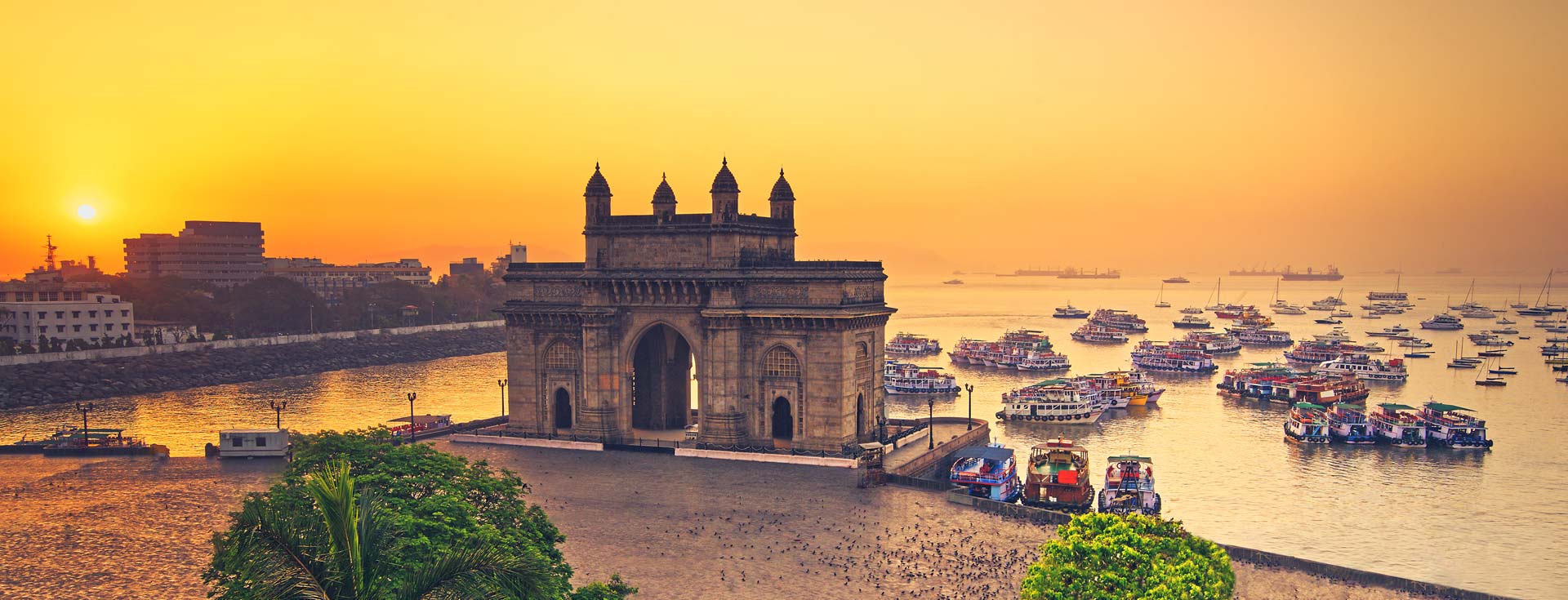
Visit Gateway of India, Mumbai's iconic 26-meter arch overlooking the Arabian Sea. Built in 1924, this Indo-Saracenic monument offers free entry 24/7, harbor views, and ferry rides to Elephanta Caves.
Mumbai's Iconic Monument to the Seas
Standing majestically at the waterfront in Apollo Bunder, the Gateway of India is more than just Mumbai's most recognizable landmark—it's a symbol of the city's maritime heritage and its complex colonial history. This 26-meter-high arch, overlooking the Arabian Sea, has witnessed the ebb and flow of Mumbai's history for nearly a century.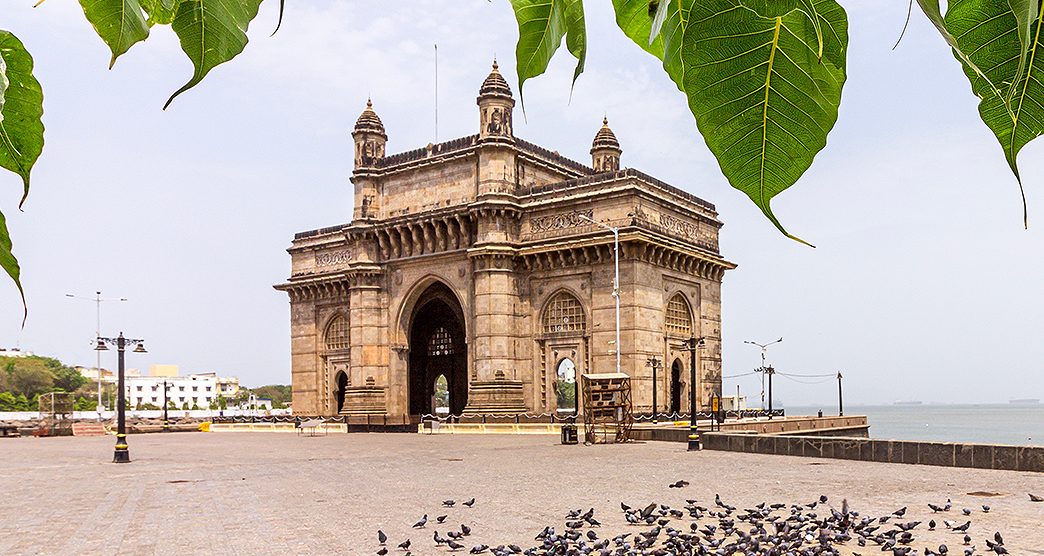 Whether you're a history enthusiast exploring India's colonial past, a photographer capturing the interplay of architecture and sea, or a traveler embarking on an ferry ride to Elephanta Caves, the Gateway of India offers an experience that is quintessentially Mumbai.
Built to commemorate the visit of King George V and Queen Mary to Mumbai in 1911, this Indo-Saracenic arch has evolved from a symbol of imperial power to Mumbai's beloved civic icon. Today, it serves as a gathering place for locals, a must-visit destination for tourists, and the starting point for adventures to nearby islands.
The monument's strategic location makes it the perfect starting point for exploring South Mumbai. From here, you can walk to heritage buildings, explore bustling markets, or simply watch the endless parade of boats, ferries, and naval vessels that ply the harbor waters.
Whether you're a history enthusiast exploring India's colonial past, a photographer capturing the interplay of architecture and sea, or a traveler embarking on an ferry ride to Elephanta Caves, the Gateway of India offers an experience that is quintessentially Mumbai.
Built to commemorate the visit of King George V and Queen Mary to Mumbai in 1911, this Indo-Saracenic arch has evolved from a symbol of imperial power to Mumbai's beloved civic icon. Today, it serves as a gathering place for locals, a must-visit destination for tourists, and the starting point for adventures to nearby islands.
The monument's strategic location makes it the perfect starting point for exploring South Mumbai. From here, you can walk to heritage buildings, explore bustling markets, or simply watch the endless parade of boats, ferries, and naval vessels that ply the harbor waters.
The Fascinating History Behind Gateway of India
From Royal Welcome to National Symbol
The Gateway of India's origin story begins in 1911, when the British monarchy announced that King George V and Queen Mary would visit India—the first reigning British monarchs to set foot on Indian soil. The colonial government decided to build a grand monument to welcome them at Apollo Bunder, Mumbai's primary harbor.| Year | Historical Event |
|---|---|
| 1911 | Foundation stone laid by Governor of Bombay |
| 1913 | Construction work began under George Wittet |
| 1924 | Gateway completed and opened to public |
| 1948 | Symbol of Indian independence (last British troops left) |
| 2003 | |
| After terrorist attack, enhanced security measures |
The Symbolic End of British Rule
In one of history's greatest ironies, the Gateway of India, built as a symbol of British imperial might, became the stage for the final act of British colonial presence in India. On February 28, 1948, the last British troops to leave India passed through the Gateway of India in a ceremonial departure that marked the true end of British rule.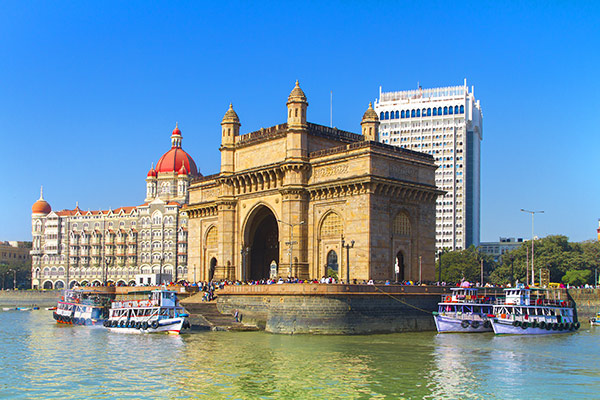 The First Battalion of the Somerset Light Infantry, which had guarded the Gateway during the transition period, marched through the arch as they departed. This moment transformed the monument's meaning—from a symbol of imperial power to an emblem of India's independence and sovereignty.
Architectural Excellence and Design Elements
The Gateway of India stands as a testament to the architectural vision of George Wittet, who also designed Mumbai's Prince of Wales Museum (now Chhatrapati Shivaji Maharaj Vastu Sangrahalaya). The structure is built from yellow basalt and reinforced concrete, creating an imposing 26-meter-high arch.| Feature | Details |
|---|---|
| Height | 26 meters (85 feet) |
| Arch Style | Indo-Saracenic with Gujarati influence |
| Material | Yellow basalt and reinforced concrete |
| Architect | George Wittet |
| Construction Period | 1913-1924 (11 years) |
Best Time to Visit Gateway of India
Mumbai's tropical climate makes timing your visit crucial for the best experience.| Time Period | Experience | Best For |
|---|---|---|
| Early Morning (6-8 AM) | Peaceful, cool, fewer crowds | Photography, quiet contemplation |
| Late Morning (9-11 AM) | Getting busy, good light | Ferry rides to Elephanta |
| Afternoon (12-4 PM) | Hot, humid, very crowded | Not recommended |
| Evening (5-7 PM) | Sunset, cooler, lively atmosphere | Most popular time, photography |
| Night (7-9 PM) | Illuminated, festive, crowded | Night views, ferry rides |
Seasonal Guide
Winter (November to February): This is the best time to visit the Gateway of India. Mumbai's winter is mild and pleasant, with temperatures ranging from 18°C to 32°C. The humidity is lower, making it comfortable to explore. The clear winter air also provides excellent visibility for views across the harbor. Summer (March to May): Summer in Mumbai is hot and humid, with temperatures often exceeding 35°C. If you visit during these months, go early in the morning or late in the evening. Carry water and wear sunscreen. Monsoon (June to September): The monsoon brings dramatic skies and heavy rain. While the Gateway can be beautiful against storm clouds, ferry services to Elephanta Caves are often suspended during rough weather. The area can get slippery and crowded as people seek shelter. Post-Monsoon (October): October offers a sweet spot—the rain has stopped, but the humidity hasn't peaked yet. The monument looks spectacular after being washed by rains.Experiencing the Gateway of India
The Approach and First View
Your first view of the Gateway of India is likely to be dramatic—especially if you approach from the narrow streets of South Mumbai. The monument suddenly appears as you enter Apollo Bunder, its yellow basalt glowing in the sunlight and the Arabian Sea sparkling behind it.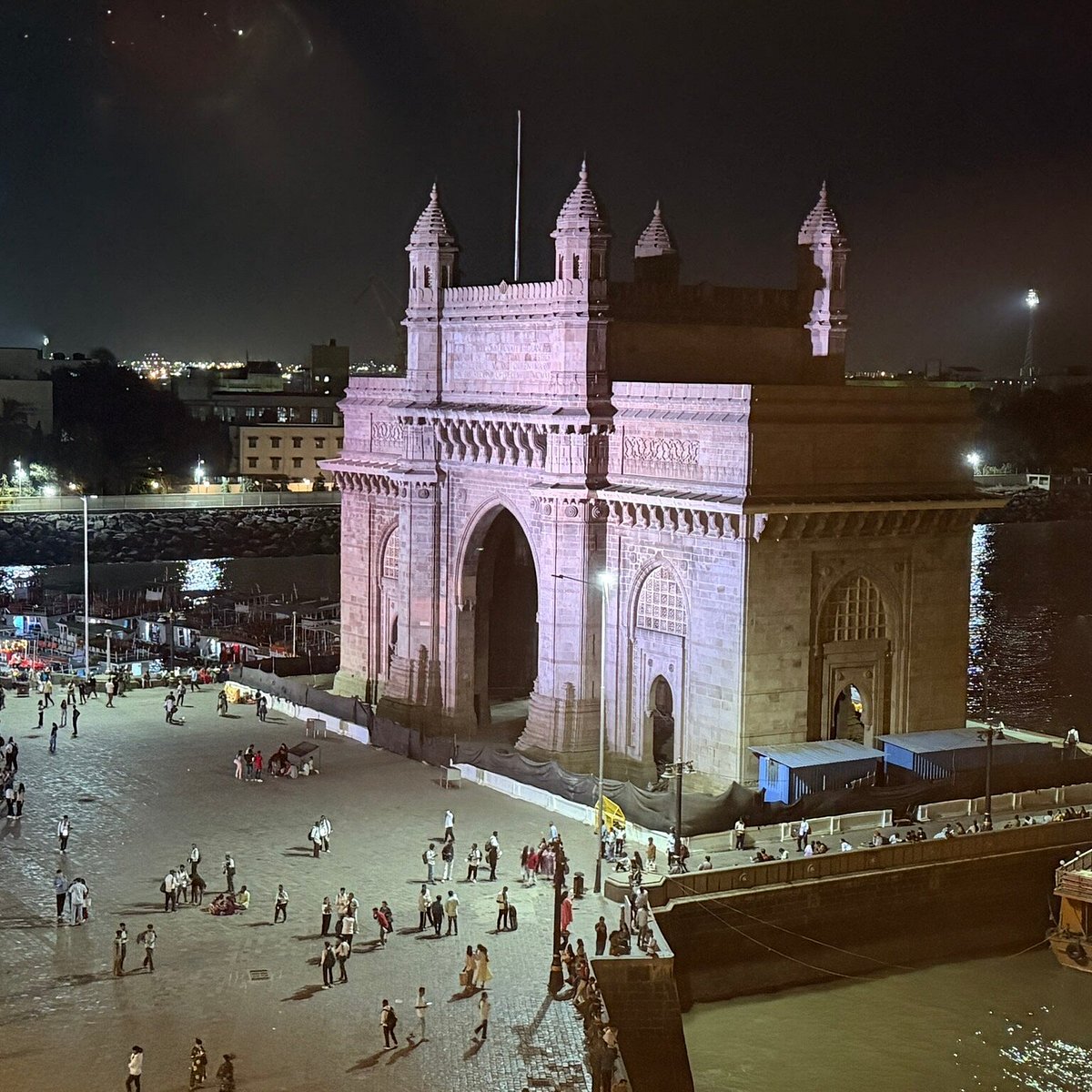 The area around the Gateway is always bustling. You'll find photographers offering their services, vendors selling souvenirs, and a constant stream of tourists and locals. The energy here is palpable—it's one of Mumbai's most vibrant public spaces.
The Ferry Experience
One of the best ways to experience the Gateway of India is from the water. Short ferry rides are available that take you around the harbor, offering spectacular views of the monument from different angles.| Ferry Type | Duration | Approximate Cost |
|---|---|---|
| Harbor Cruise | 15-20 minutes | |
| ₹100-150 per person | ||
| Elephanta Caves | Full day (6 hours) | |
| ₹200-300 per person | ||
| Private Boat Ride | 30-60 minutes | |
| Negotiable (₹500-1000) |
Night Illumination
The Gateway of India takes on a completely different character at night when it's illuminated. The warm yellow lighting makes the monument glow against the dark sky, creating a magical atmosphere. This is when the area comes alive—families take evening strolls, photographers set up tripods, and the harbor becomes a tapestry of lights from boats and buildings. The night view is especially romantic. If you're taking an evening ferry, the Gateway looks spectacular from the water, its reflection shimmering on the harbor's surface.Practical Visitor Information
Timings and Entry Fee
Timings: The Gateway of India is open 24 hours a day, though the best experience is during daylight hours or when it's illuminated at night.| Detail | Information |
|---|---|
| Opening Hours | 24 hours, all year round |
| Entry Fee | Free |
| Photography | Free |
| Illumination | Sunset to midnight |
| Best Photography Time | Sunrise and sunset |
How to Reach Gateway of India
By Train: The nearest railway station is Churchgate (Western Line), about 2.5 kilometers away. Chhatrapati Shivaji Maharaj Terminus (CSMT) on the Harbour Line is about 3 kilometers away. Both are accessible by taxi, auto-rickshaw, bus, or a 20-30 minute walk. By Metro: The Atrium Mall or Hutatma Chowk metro stations on the Aqua Line are the closest. From either station, it's a short taxi or auto-rickshaw ride. By Road: The Gateway is well-connected by road. If you're driving, use GPS navigation as South Mumbai's one-way streets can be confusing. Ride-sharing apps like Uber and Ola are convenient options. By Bus: Numerous BEST buses pass through the area. Routes 108, 111, 124, and others stop nearby.Essential Visitor Tips
- Carry ID: Security checks can happen anywhere in Mumbai
- Wear comfortable shoes: You'll be walking on uneven surfaces near the water
- Stay hydrated: Mumbai's humidity can be dehydrating
- Watch your belongings: Crowds can attract pickpockets
- Beware of touts: Ignore unsolicited guides or photographers
- Negotiate ferry prices: Confirm prices before boarding boats
- Check ferry schedules: Especially for Elephanta Caves (weather-dependent)
Nearby Attractions and Combined Visits
Taj Mahal Palace Hotel
Located directly opposite the Gateway of India, the iconic Taj Mahal Palace hotel is worth admiring. Built in 1903, this architectural marvel combines Islamic, European, and Indian architectural styles. Even if you're not staying there, you can visit its restaurants, shops, or simply admire its grandeur from the outside.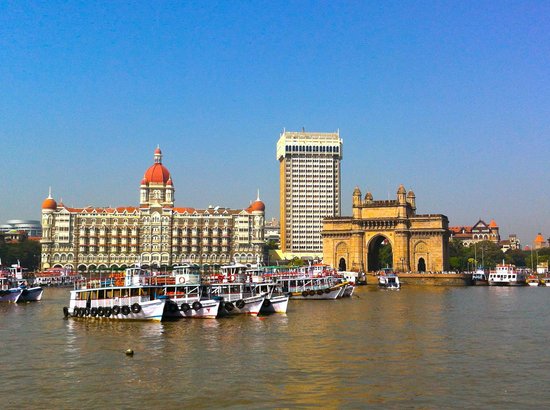
Chhatrapati Shivaji Maharaj Vastu Sangrahalaya (CSMVS)
Formerly known as the Prince of Wales Museum, this magnificent building is just a 5-minute walk from the Gateway. Designed by the same architect as the Gateway, George Wittet, the museum houses an impressive collection of Indian art, sculpture, and artifacts. The Indo-Saracenic building itself is worth seeing.Elephanta Caves
A UNESCO World Heritage site, the Elephanta Caves are accessed via ferries from the Gateway of India. These rock-cut temples, dating to the 6th century, are dedicated to Lord Shiva and feature spectacular sculptures. The ferry ride takes about an hour, and you should plan 4-6 hours for the complete experience including exploration time.Other Nearby Attractions
The area around the Gateway is part of Mumbai's historic precinct. Chhatrapati Shivaji Terminus (formerly Victoria Terminus), another UNESCO World Heritage site, is a 20-minute walk away. The Mani Bhavan Gandhi museum and Bhau Daji Lad Museum are also nearby.Photography Tips for Gateway of India
The Gateway of India is one of Mumbai's most photogenic monuments, offering countless opportunities for stunning photographs.Best Angles and Times
- Classic frontal view: Capture from the center of the plaza
- From the water: Best during ferry rides for unique perspectives
- Silhouette shots: Against the rising or setting sun
- Golden hour: The first hour after sunrise and before sunset
- Blue hour: After sunset when the sky has a deep blue hue
- Night shots: When the monument is illuminated
Equipment Recommendations
- Wide-angle lens: For capturing the entire monument
- Zoom lens: For architectural details and distant views
- Tripod: Essential for night photography
- Polarizing filter: To reduce glare from water
- Lens hood: To protect against sea spray
Composition Ideas
- Include boats: Ferries in the foreground add scale and context
- Reflection shots: Capture the Gateway's reflection in calm water
- People element: Include locals and tourists to show scale
- Sky drama: Monsoon clouds or sunset colors make stunning backdrops
Food and Refreshment Options
Nearby Restaurants
The area around Gateway of India offers dining options ranging from street food to luxury restaurants.| Restaurant | Type | Specialty |
|---|---|---|
| Taj Sea Lounge | Fine dining | Seafood, afternoon tea |
| Leopold Cafe | Iconic cafe | Continental, Indian |
| Mondegar | Classic cafe | Continental, beer |
| Bademiya | Street food | Seekh kebabs, rolls |
Street Food Scene
For authentic Mumbai street food, head to nearby Colaba Causeway or Churchgate area. You'll find Mumbai classics like vada pav, pav bhaji, and bhel puri. The area around the Gateway itself has limited food options, but vendors sell snacks, cold drinks, and ice cream.Planning Your Gateway of India Visit
Suggested Itineraries
Half-Day Heritage Walk: Start early at the Gateway (8 AM), spend an hour exploring and taking photos. Take a ferry ride around the harbor. Walk to CSMVS museum (opens at 10:15 AM). End with lunch at a Colaba restaurant. Full-Day Heritage Tour: Begin at Gateway of India (8 AM), take the ferry to Elephanta Caves (return by 2 PM). Visit CSMVS museum afterward. In the evening, return to Gateway for sunset and dinner at Colaba. South Mumbai Explorer: Combine Gateway of India with CSMT, Rajabai Clock Tower, Banganga Tank, and Mani Bhavan for a comprehensive South Mumbai heritage experience.Transportation Between Sites
- Walking: Gateway, CSMVS, and Colaba are within walking distance
- Taxi/Auto: Convenient for longer distances within South Mumbai
- Bus: BEST buses connect all major attractions
- Metro: Aqua Line connects several heritage sites
The Gateway's Cultural Significance
Beyond its historical importance, the Gateway of India holds deep cultural significance for Mumbaikars. It's featured in countless Bollywood films, making it instantly recognizable to millions of Indians. It appears in songs, movie scenes, and advertisements—always representing Mumbai, the city of dreams. For many Mumbaikars, especially those who grew up in the city, the Gateway is a place of personal memories—first dates, family outings, school trips, and farewell dinners for friends leaving the city. The monument has witnessed countless personal moments that become part of Mumbai's collective memory.Preservation and Conservation
The Gateway of India faces conservation challenges typical of coastal monuments. Salt air, humidity, and pollution all take their toll on the yellow basalt. The Archaeological Survey of India (ASI) and local authorities work to preserve the monument through regular maintenance and restoration work. As visitors, we can contribute to preservation by avoiding littering, not touching or climbing on fragile areas, and being mindful of the monument's sanctity. The 2003 terrorist attacks also led to enhanced security measures that remain in place.Shopping Near Gateway of India
For those interested in shopping, Colaba Causeway, just a short walk away, offers a vibrant market experience. You'll find everything from jewelry and textiles to souvenirs and antiques. The area also has several shops selling Indian handicrafts and textiles. The nearby Taj Mahal Palace hotel houses luxury boutiques for those looking for high-end shopping. For books, the streets around the Gateway have several second-hand book stalls.Conclusion: Why Gateway of India Should Be on Every Mumbai Itinerary
The Gateway of India is more than just a monument—it's Mumbai's heart and soul, a witness to history, and a symbol of the city's enduring spirit. Whether you're watching the sunrise paint the monument in gold, taking a ferry ride across the harbor, or simply soaking in the atmosphere of one of India's most vibrant cities, the Gateway offers an experience that is uniquely Mumbai. Its free entry, accessibility, and the variety of experiences it offers—from historical exploration to boat rides, from photography to people-watching—make it a must-visit destination. As you stand before the towering arch, watching the boats come and go, and feeling the sea breeze on your face, you'll understand why the Gateway of India continues to captivate visitors and locals alike, nearly a century after it was built. For many, a visit to Mumbai is incomplete without experiencing the Gateway of India—and with good reason. It's not just a monument; it's an experience, a memory, and a piece of Mumbai's soul.Location
Frequently Asked Questions
Q1.What are the timings for Gateway of India?
Q2.Is there an entry fee for Gateway of India?
Q3.What is the best time to visit Gateway of India?
Q4.How do I reach Gateway of India by train?
Q5.What is Gateway of India famous for?
Q6.Can we take ferry rides from Gateway of India?
Q7.How much time should I spend at Gateway of India?
Q8.Is photography allowed at Gateway of India?
Q9.What are the nearby attractions to Gateway of India?
Q10.Is Gateway of India safe to visit at night?
Recommended For You
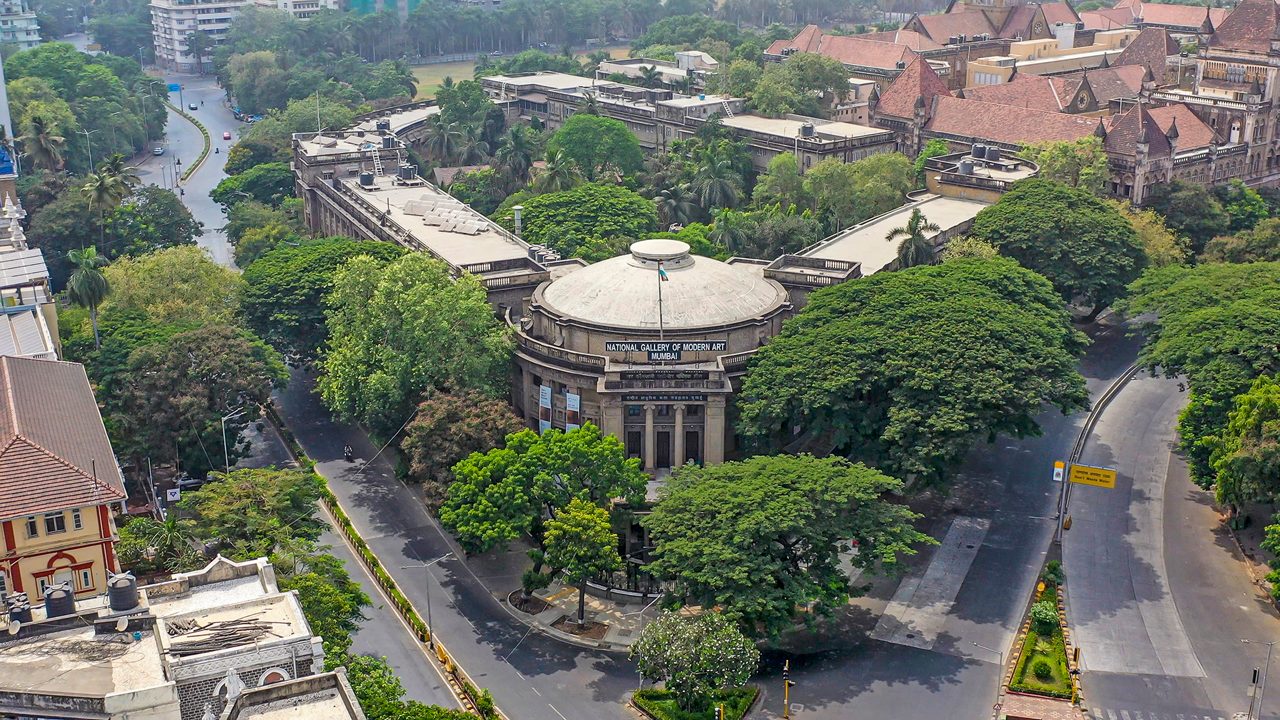
Best Places to Visit in Mumbai: Top Tourist Attractions
Discover the best places to visit in Mumbai from iconic Gateway of India and Marine Drive to Elephanta Caves and Juhu Beach. Explore Mumbai's top tourist attractions, heritage sites, beaches, and practical travel tips.

Best Street Food in Mumbai: Top 25 Must-Try Dishes & Locations
Discover the best street food in Mumbai - from iconic vada pav and buttery pav bhaji to spicy misal pav and delicious chaat. Explore 25+ must-try dishes, famous food locations, hygiene tips, and price guides in this comprehensive Mumbai street food guide.
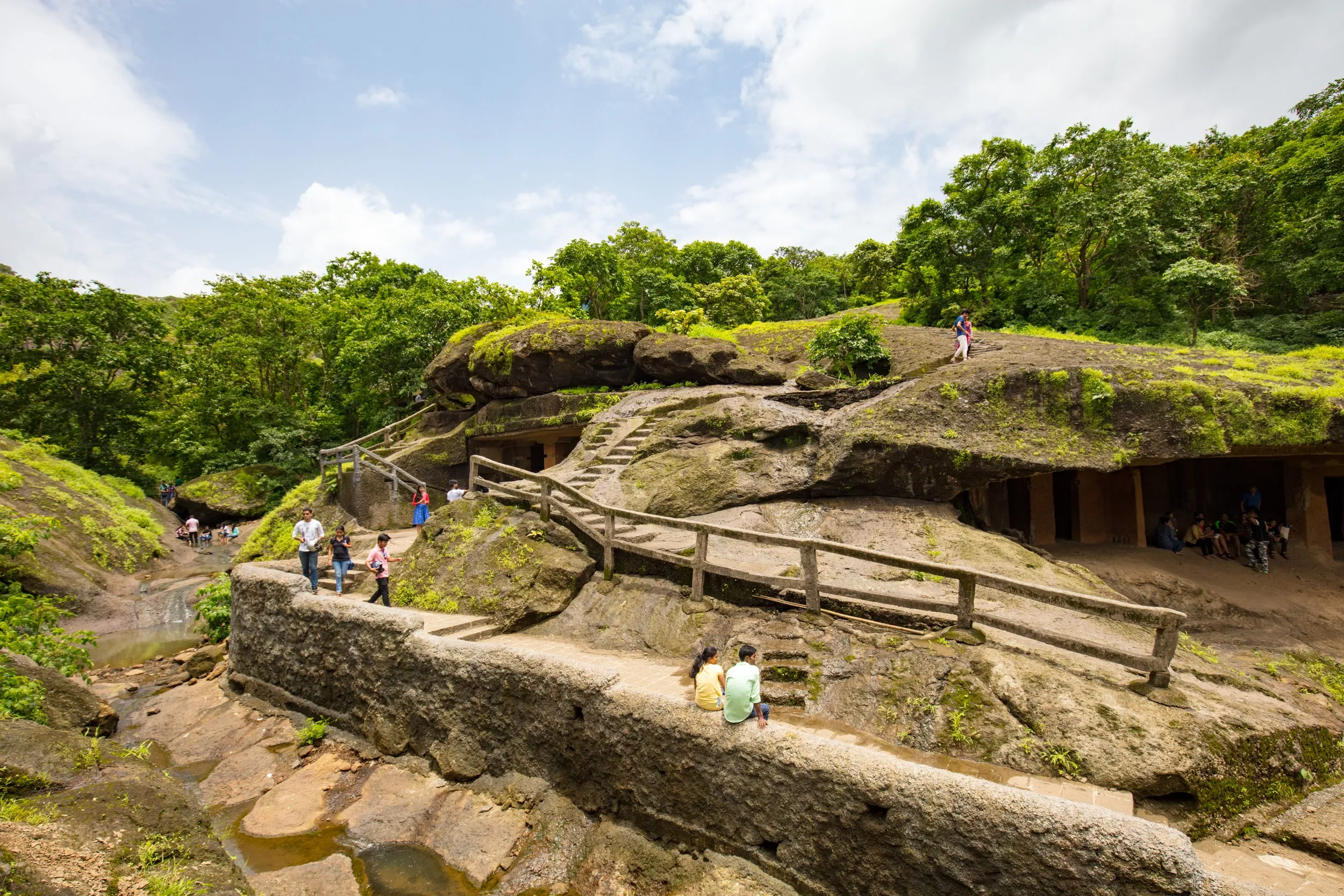
Kanheri Caves Mumbai: Buddhist Heritage, Timings & Trek Access
Explore Kanheri Caves in Mumbai's Sanjay Gandhi National Park. Discover ancient Buddhist rock-cut architecture, history & travel guide.
Never Miss an Adventure
Get the latest trekking guides, travel tips, and exclusive offers delivered straight to your inbox.
