
National Mosque Kuala Lumpur: Dress Code, Timings & Visitor Rules

Ananya Sharma
December 18, 2025
Visit Masjid Negara, Malaysia's National Mosque in Kuala Lumpur. Discover dress code, opening hours, history & entry fee guide.
National Mosque: Malaysia's Architectural Gem
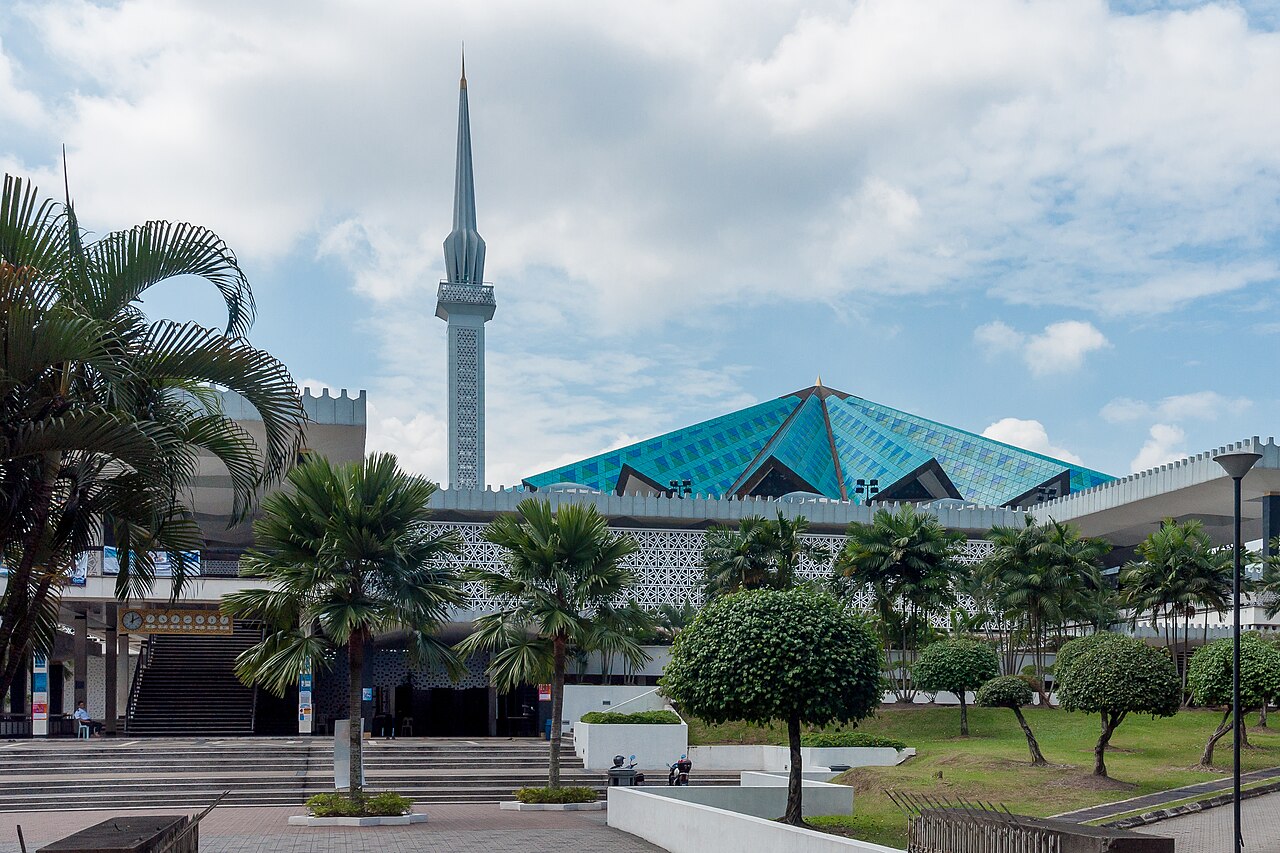
In the heart of Kuala Lumpur, Malaysia's vibrant capital city, stands Masjid Negara - the National Mosque of Malaysia. This stunning architectural masterpiece, completed in 1965, represents the harmonious fusion of Islamic tradition and modern design. Rising above Kuala Lumpur's skyline with its distinctive 73-meter minaret and elegant blue dome, Masjid Negara has become not just a place of worship but an iconic symbol of Malaysia's identity.
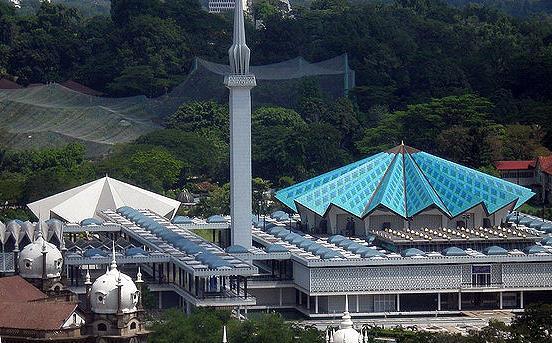
What sets the National Mosque apart is its remarkable design that breaks from traditional mosque architecture while maintaining Islamic principles. Instead of domes and minarets following classical patterns, the mosque features a stunning 16-pointed star concrete roof resembling an open umbrella. This innovative design provides natural ventilation and allows worshippers to see the imam during prayers, while accommodating 15,000 people under one roof. For architecture enthusiasts, cultural travelers, and anyone seeking beautiful spiritual spaces, Masjid Negara delivers an unforgettable experience.
Located strategically near Kuala Lumpur's Independence Square and other major attractions, the National Mosque welcomes visitors regardless of faith. Whether you're a Muslim traveler needing a prayer space, a tourist appreciating Islamic architecture, or simply someone wanting to experience Malaysia's cultural heritage, Masjid Negara offers a warm welcome and profound experience.
History and Significance
Independence Era Monument
The National Mosque was built in 1965, shortly after Malaysia's independence in 1957, to symbolize the country's freedom and Islamic identity. The mosque's location on the former site of the Malay Club, a colonial-era establishment representing British authority, carried symbolic weight - replacing colonial influence with Islamic Malaysian identity.
The mosque was officially opened on August 27, 1965, by the then-king of Malaysia. Its construction cost RM 10 million (substantial investment for the time) and involved Malaysian architects and engineers who were tasked with creating a structure representing independent Malaysia. The mosque quickly became not just a religious center but a national monument symbolizing Malaysia's progress and cultural confidence.
Architectural Revolution
Masjid Negara represented a revolutionary approach to mosque design when completed. Traditional mosques typically follow classical Ottoman, Mughal, or Persian architectural patterns with domes and minarets. However, the National Mosque's architects chose to create something distinctly Malaysian and modern while strictly following Islamic requirements.
The most innovative feature is the 16-pointed star concrete roof, resembling an open umbrella when viewed from above. This design eliminates the need for pillars, creates a vast uninterrupted prayer space, and allows natural ventilation crucial in Kuala Lumpur's tropical climate. The roof also allows worshippers to see the imam during prayers from anywhere in the mosque - a practical yet symbolic feature of Islamic equality.
Design Philosophy
The mosque's design embodies several key principles. It rejects traditional mosque elements like domes over main prayer halls, choosing instead a modern concrete roof. The 73-meter minaret, while serving traditional purposes, features sleek contemporary lines rather than classical ornate styles. Yet, the design maintains Islamic requirements - orientation toward Mecca, separate entrances for men and women, and ablution facilities.
Islamic calligraphy, geometric patterns, and traditional Malaysian motifs are incorporated throughout, creating a fusion of heritage and modernity. The choice of materials - concrete for strength, marble for elegance, and decorative tiles for cultural significance - reflects thoughtful balance. The result is a mosque that's unmistakably Malaysian while authentically Islamic.
Architecture Highlights
16-Pointed Star Roof
The National Mosque's most distinctive feature is undoubtedly its 16-pointed star concrete roof. This architectural marvel serves both aesthetic and practical functions. Aesthetically, the star pattern references Islamic symbolism and traditional Malaysian motifs. The geometric precision of the 16 points creates visually stunning patterns visible from ground level and spectacular from aerial views.
Practically, the roof design was revolutionary for mosques. It eliminates the need for supporting pillars in the main prayer hall, creating a vast uninterrupted space that can accommodate 15,000 worshippers. The open umbrella-like design facilitates natural ventilation, essential in Kuala Lumpur's tropical heat without relying extensively on air conditioning. The roof also serves as a water catchment, with rainwater collected and stored.
Minaret and Dome
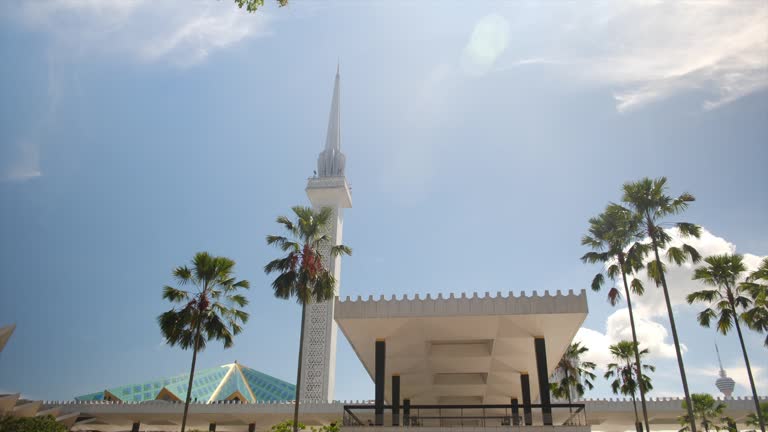
The mosque features a single 73-meter minaret rising gracefully against Kuala Lumpur's skyline. Unlike traditional mosques with multiple minarets, Masjid Negara's single tower reflects modernist principles while maintaining the function of calling Muslims to prayer. Visitors can climb to the minaret's viewing platform, offering panoramic views of Kuala Lumpur.
The main dome, while not the mosque's primary architectural feature, adds elegance and tradition to the modernist design. Smaller domes over subsidiary areas balance the composition. The distinctive blue color of the dome and certain roof elements has become the mosque's signature, creating a recognizable landmark across Kuala Lumpur's skyline.
Umbrella-Style Concept
The mosque's design draws inspiration from the umbrella, a significant element in Malay culture symbolizing protection and royal authority. The roof's resemblance to an open umbrella when viewed from above serves as a beautiful metaphorical element. This concept also allows rainwater collection - the roof channels water into storage tanks for ablution and mosque needs.
The umbrella concept continues in interior elements. The prayer hall's vast space under the star roof creates a feeling of protection and unity for worshippers gathered beneath. This design philosophy - combining practical functions with cultural symbolism - exemplifies thoughtful architecture that serves multiple purposes simultaneously.
Visiting Guidelines and Dress Code
Modest Dress Requirements
All visitors to the National Mosque must dress modestly, regardless of faith. For men, this typically means covering from shoulders to knees - long pants or shorts below the knee, and shirts with sleeves. Women are required to cover more extensively - loose clothing covering the body including arms and legs, and a headscarf covering hair.
The mosque provides special robes for female visitors who aren't appropriately dressed. These robes, typically available near the entrance, allow all women to enter regardless of their attire. Similar provisions exist for men, though the requirements are less stringent. The key principle is covering appropriately to respect the mosque's sanctity and Muslim worshippers.
Shoe Removal
Like all mosques, visitors must remove shoes before entering prayer areas. The National Mosque provides shoe racks and designated storage areas where footwear can be safely left during your visit. This practice maintains the prayer space's cleanliness, a fundamental requirement in Islam.
Consider wearing shoes that are easy to remove and put on - flip-flops or slip-ons work well. If you have valuable footwear, carry a bag to secure it while you're inside. The mosque provides comfortable indoor walking surfaces, so you won't miss your shoes. The shoe removal policy applies to all areas including the main prayer hall, though you may walk in outdoor shoes in certain peripheral areas.
Behavior Guidelines
Visitors should maintain respectful behavior appropriate for a place of worship. Speak quietly and avoid disruptive conversations, especially during prayer times. Don't walk directly in front of worshippers engaged in prayer - respect their spiritual space. Photography requires sensitivity - avoid photographing people during prayer without explicit permission.
If you're non-Muslim, observe respectfully from designated visitor areas. The mosque typically provides spaces where visitors can observe without interrupting worship. Don't touch religious texts or artifacts without permission. Follow instructions from mosque staff or signage. The National Mosque welcomes curious visitors but expects respectful engagement with Islamic practices and space.
What to See Inside
Main Prayer Hall
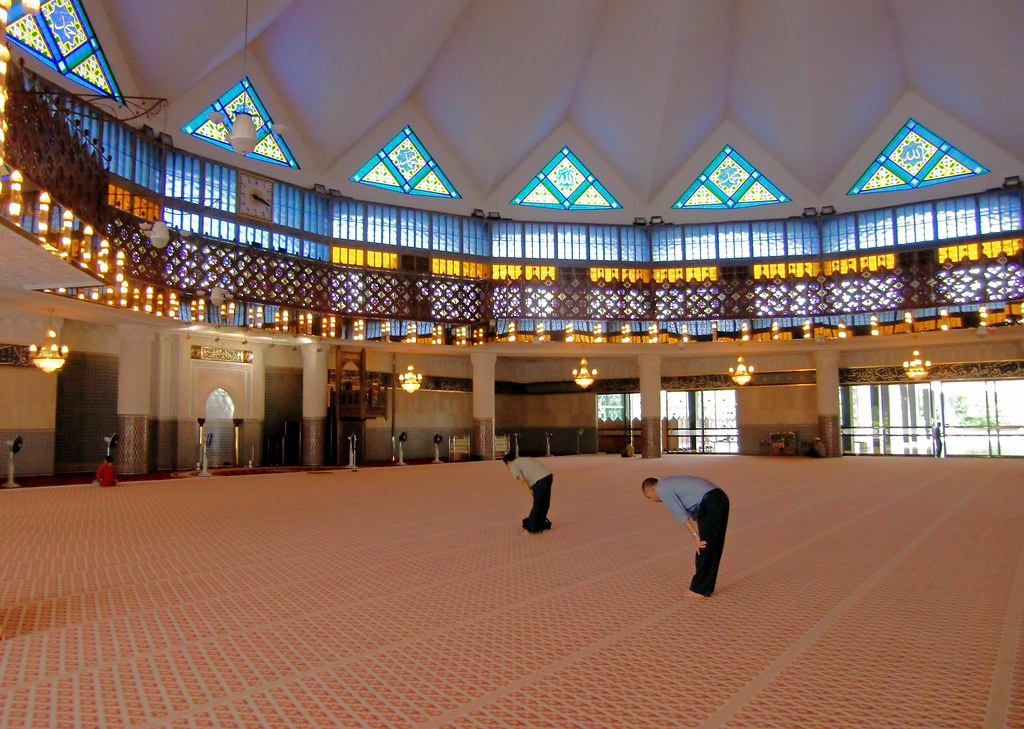
The central prayer hall is the National Mosque's most impressive interior space. The vast area, accommodating 15,000 worshippers under one roof, creates a sense of unity and community. The absence of supporting pillars, thanks to the innovative roof design, provides unobstructed views of the imam from anywhere in the hall.
The interior features beautiful Islamic calligraphy, Quranic verses, and geometric patterns adorning walls and ceilings. The carpeted floor, typically maintained in pristine condition, provides comfortable space for prayers. Natural light enters strategically placed windows and openings, while artificial lighting ensures adequate illumination during night prayers or cloudy conditions. The space's acoustic design allows the imam's voice to carry clearly throughout the hall.
Minaret Climb
Visitors can climb the National Mosque's 73-meter minaret for spectacular views of Kuala Lumpur. The minaret features viewing platforms at different heights, offering perspectives from various elevations. On clear days, views extend across Kuala Lumpur's skyline, the Petronas Towers, and surrounding hills.
The minaret climb requires modest physical fitness as there are stairs to reach viewing platforms. The experience of ascending this slender tower and viewing Kuala Lumpur from above is memorable. The minaret's height and central location make it one of the best elevated viewpoints in the city. Photography from this vantage point captures Kuala Lumpur's blend of colonial architecture, modern skyscrapers, and green spaces.
Courtyards and Gardens
The National Mosque features beautiful courtyards and gardens surrounding the main structures. These outdoor spaces serve multiple functions - providing areas for rest and contemplation, housing ablution facilities, and offering shaded retreats from Kuala Lumpur's heat. The gardens feature reflecting pools and fountains.
The courtyards are landscaped with tropical plants that thrive in Malaysia's climate. These green spaces provide a peaceful contrast to the urban environment outside. The reflecting pools create beautiful reflections of the mosque's architecture, particularly photogenic during evening light. Many visitors find the courtyards as peaceful as the interior prayer spaces for quiet reflection.
Educational Displays
The mosque often features educational displays explaining Islamic practices, mosque architecture, and Malaysian Islamic history. These displays help non-Muslim visitors understand what they're observing and provide context for Muslim visitors about their faith's expression in Malaysia. Information about prayer times, mosque services, and Islamic principles is typically available.
Best Time to Visit
Between Prayers
The best times to visit the National Mosque are between prayer times when the mosque is quieter and more accessible to tourists. Major daily prayers occur at dawn (Subuh), midday (Zohor), afternoon (Asar), sunset (Maghrib), and night (Isya). Between these times, typically 20-30 minute windows, the mosque is less crowded.
Morning visits, around 9:00-10:00 AM after dawn prayers, offer pleasant light and fewer worshippers. Late morning (11:00 AM - noon) before midday prayers is also good. Afternoon (2:00-4:00 PM) provides similar opportunities. Avoid visiting during prayer times themselves when the mosque is full and tours are restricted. Staff can advise on optimal visiting times based on prayer schedules.
Evening Light
The hour before sunset (Maghrib prayer), approximately 5:30-6:30 PM depending on season, offers the most beautiful light for photography. The golden hour sun illuminates the mosque's blue dome and star roof in warm, flattering tones. The courtyards and reflecting pools create spectacular reflections during this time.
Evening also allows you to observe Maghrib prayer preparations and potentially the prayer itself from visitor areas. The atmosphere transforms as worshippers arrive, creating cultural observation opportunities. Sunset views from the minaret or courtyards are particularly memorable. Weather is generally comfortable during evening, making it ideal for extended exploration.
Weather Considerations
Kuala Lumpur experiences a tropical climate with warm temperatures year-round. Morning and evening visits are most comfortable, avoiding midday heat when temperatures peak. Monsoon season (typically October-March) brings heavy rainfall in afternoons - morning visits are particularly reliable during these months.
Cloud cover during monsoon can reduce visibility for photography and city views from the minaret. However, the mosque's covered areas remain accessible regardless of weather. The courtyards and gardens may be less pleasant during heavy rain. Check weather forecasts and plan accordingly if photography or minaret climbs are priorities of your visit.
How to Reach
Central Kuala Lumpur Location
The National Mosque is centrally located in Kuala Lumpur, specifically at Jalan Perdana near Independence Square (Dataran Merdeka). This prime location makes it easily accessible from most parts of the city. The mosque is within walking distance of several major attractions including Kuala Lumpur Railway Station, Central Market, and Chinatown.
Its central location means numerous transportation options are available. The mosque's position on elevated ground provides visibility and prominence in the cityscape. Nearby landmarks help with navigation - simply asking for "National Mosque" or "Masjid Negara" will typically guide locals to point you in the right direction.
By Public Transport
Kuala Lumpur's comprehensive public transport system makes reaching Masjid Negara straightforward. The closest light rapid transit (LRT) station is Pasar Seni, approximately 10 minutes walk from the mosque. The station serves both the Kelana Jaya and Ampang lines, connecting the mosque to most parts of Kuala Lumpur.
Buses and taxis are even more convenient, dropping visitors closer to the mosque entrance. Rapid KL buses and Go KL city buses serve the area. Taxis and ride-hailing apps (Grab) can drop you directly at the mosque's entrance. For those coming from Kuala Lumpur International Airport, the Express Rail Link connects to KL Sentral, from where onward transport is readily available.
Parking
If driving to the National Mosque, parking is available in nearby facilities. While the mosque doesn't have extensive on-site parking, several public car parks exist within short walking distance. Independence Square provides parking, and the mosque's central location means multiple parking options exist in the area.
Arrive early if you're driving during prayer times or weekends when demand for parking increases. Parking in central Kuala Lumpur can fill quickly, so factor extra time for finding space. Parking fees apply in most public facilities. Consider using public transport or ride-hailing to avoid parking challenges, especially if visiting during peak times.
Nearby Attractions
Independence Square
Dataran Merdeka (Independence Square), where Malaysia's independence was declared in 1957, is within short walking distance of the National Mosque. The square features the iconic 95-meter flagpole and Moorish-style buildings from British colonial era. The contrast between these colonial structures and the modernist National Mosque represents Malaysia's journey from colony to independent nation.
Independence Square is particularly atmospheric in evenings when buildings are illuminated. The square serves as a gathering place for events, protests, and celebrations. Combining a visit to the National Mosque with Independence Square provides historical context to Malaysia's modernization and post-independence identity.
Islamic Arts Museum
The Islamic Arts Museum Malaysia, located approximately 500 meters from the National Mosque, complements the mosque visit perfectly. The museum houses an extensive collection of Islamic art from around the world, including calligraphy, textiles, ceramics, and manuscripts. Malaysian Islamic art, including items from the Malay archipelago and Chinese Muslim communities, is particularly well-represented.
Visiting both the mosque and museum provides comprehensive understanding of Islamic culture in Malaysia. The museum's modern architecture and well-curated collections offer hours of exploration. The proximity allows easy combination in one visit. The museum provides deeper cultural context for understanding the art and symbolism present in the mosque's design and practices.
Central Market and Chinatown
Central Market (Pasar Seni) and Chinatown, both within walking distance, represent Kuala Lumpur's vibrant multicultural character. Central Market offers Malaysian handicrafts, batik, and souvenirs. Chinatown features Chinese shops, temples, and food. These areas contrast with the National Mosque's Islamic focus, showcasing Malaysia's diversity.
Exploring these areas after visiting the mosque provides a more complete Kuala Lumpur experience. The cultural diversity visible within short walking distances represents one of Kuala Lumpur's strengths - different communities coexisting while maintaining distinct identities. Food options in these areas cater to various dietary preferences and budgets.
Visitor Tips
Practical Considerations
Visit the National Mosque between prayer times for the best experience without large crowds. Arrive modestly dressed or be prepared to use mosque-provided robes. Carry a small bag for personal items - the mosque typically doesn't provide storage lockers, though you may leave shoes in designated areas.
Photography is generally allowed but be sensitive during prayer times. The minaret climb offers spectacular views but requires fitness - wear comfortable shoes. The mosque provides water and ablution facilities. Friday prayers (Juma) are particularly crowded - avoid if you're seeking quiet experiences. Non-Muslims are welcome but should observe from visitor areas without interrupting worship.
Cultural Respect
The National Mosque is first and foremost a religious space. Maintain respectful behavior appropriate for places of worship. Speak quietly, especially during prayers. Don't walk directly in front of worshippers. Follow staff instructions about appropriate areas for visitors.
Don't touch religious texts, artifacts, or prayer-related items without permission. If you're observing prayers, do so discreetly from visitor areas. Questions about Islam should be asked respectfully of appropriate personnel. The mosque welcomes genuine curiosity but expects corresponding respect for its sacred functions and Muslim worshippers.
Conclusion
The National Mosque of Malaysia, Masjid Negara, represents one of Southeast Asia's most remarkable religious buildings. Its innovative design broke from classical mosque architecture while maintaining Islamic principles, creating a structure that's both authentically Muslim and distinctly Malaysian. The mosque stands as a symbol of independent Malaysia's confidence and cultural identity.
Whether you're a Muslim traveler seeking a prayer space in Kuala Lumpur, an architecture enthusiast appreciating Islamic design, or a cultural tourist wanting to understand Malaysia's Islamic heritage, Masjid Negara delivers profound experiences. The mosque's beauty, thoughtful design, and warm welcome create memories that reflect Malaysia's rich cultural tapestry.
Extend your Kuala Lumpur exploration by visiting Berjaya Times Square, discover Islamic Arts Museum Malaysia, or explore Kuala Lumpur nightlife for a complete Malaysia experience.
Location
Frequently Asked Questions
Q1.Is the National Mosque open to non-Muslims?
Q2.What is the dress code for Masjid Negara?
Q3.Do I need to pay to enter the National Mosque?
Q4.What are Masjid Negara opening hours?
Q5.Can tourists take photos inside the mosque?
Q6.How long to spend at National Mosque KL?
Q7.Are guided tours available at Masjid Negara?
Q8.How do I get to National Mosque Kuala Lumpur?
Q9.Is parking available at Masjid Negara?
Q10.What should I wear to visit the mosque?
Recommended For You
Islands in Malaysia: Langkawi, Penang & Top Island Experiences
Explore the best islands in Malaysia! Discover Langkawi's beaches, Penang's culture, Perhentian's diving, Tioman's marine life, Redang's resorts, and Sipadan's world-class reefs with this complete island hopping guide.
Pavilion KL Kuala Lumpur: Luxury Shopping, Dining & Event Highlights
Explore Pavilion KL with shopping zones, dining options, opening-hour guidance, and practical tips for a smooth Bukit Bintang visit.
Petaling Street Kuala Lumpur: Chinatown Shopping, Food & Bargain Tips
Petaling Street Kuala Lumpur guide: timings, best shopping, street food, bargaining tips & nearby attractions. Complete Chinatown market guide.
Never Miss an Adventure
Get the latest trekking guides, travel tips, and exclusive offers delivered straight to your inbox.
