
Temples in Kuala Lumpur: Batu Caves, Thean Hou & City Temple Circuit

Priya Mehta
February 20, 2026
Temples in Kuala Lumpur guide covering Batu Caves, Thean Hou, Sri Maha Mariamman, route planning, access tips, and respectful temple etiquette.
Introduction: Kuala Lumpur's Multi-Faith Sacred Landscape
Kuala Lumpur is often introduced through skyline landmarks and modern shopping districts, but its temple network reveals another side of the city: one shaped by Hindu, Buddhist, Taoist, and regional devotional traditions living side by side. For travelers, temple visits in KL are not just about architecture. They offer a direct view into Malaysia's multicultural fabric, festival culture, and everyday religious life.
From the towering Batu Caves complex to the ornate Thean Hou Temple and the historic Sri Maha Mariamman Temple in Chinatown, each site represents a distinct community history and visual language. The best temple experiences in KL come from respectful pacing, smart route planning, and timing visits to avoid peak congestion.
This guide covers major temples, practical access tips, ideal visit order, dress code, timings, and how to plan a temple circuit without rushing. If you are extending into broader Malaysia travel, also review Thean Hou Temple guide, Batu Caves Malaysia, and temples in Malaysia.
Batu Caves Temple: KL's Most Visited Hindu Landmark
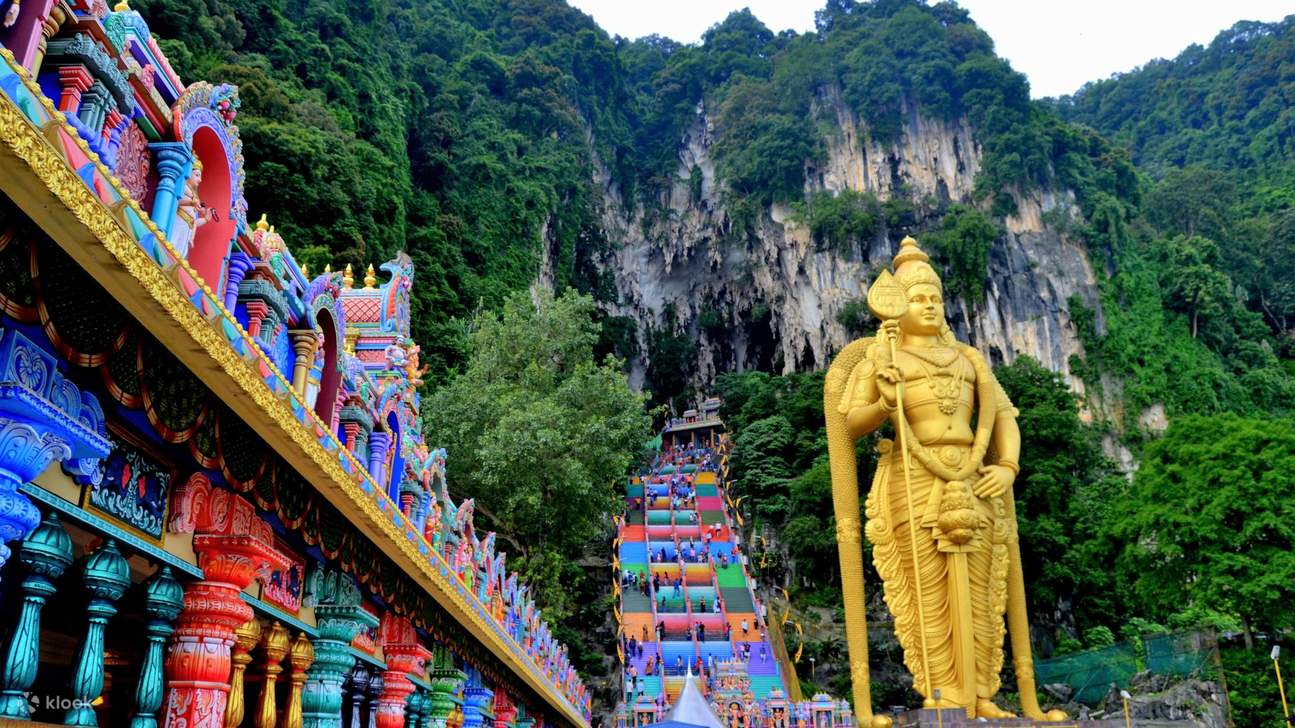
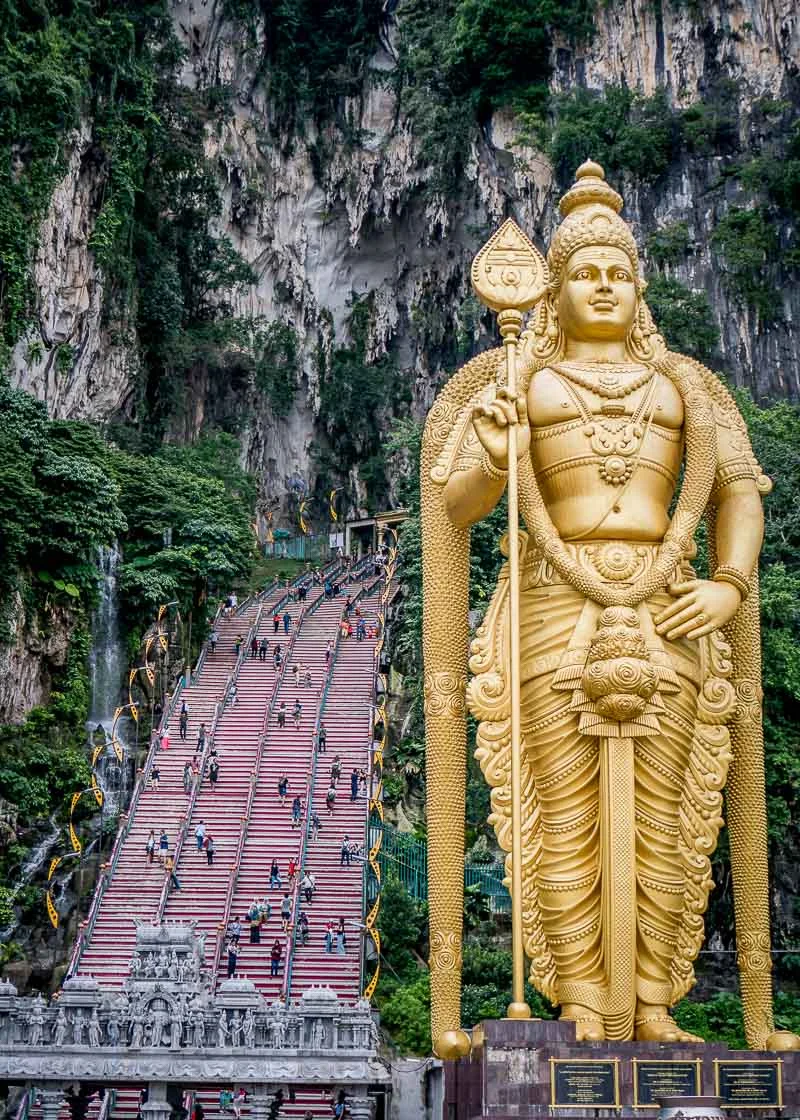
Batu Caves is the most recognized temple destination near Kuala Lumpur and a central site for Murugan worship in Malaysia. The giant golden Murugan statue and steep staircase create one of Southeast Asia's most iconic religious visuals. The site combines natural limestone cave formations with active temple practices, making it both devotional and highly photogenic.
What to expect
- Large crowds during weekends and festival periods.
- Significant stair climb and humid conditions.
- Strong photo opportunities with cave and statue framing.
- Active worship environment, not just a sightseeing monument.
Early morning visits are usually best for lower heat and manageable crowd levels. During Thaipusam season, the atmosphere is extraordinary but extremely busy, so first-time visitors should prepare for heavy movement and long waits.
Thean Hou Temple: Chinese Devotional Aesthetics in KL
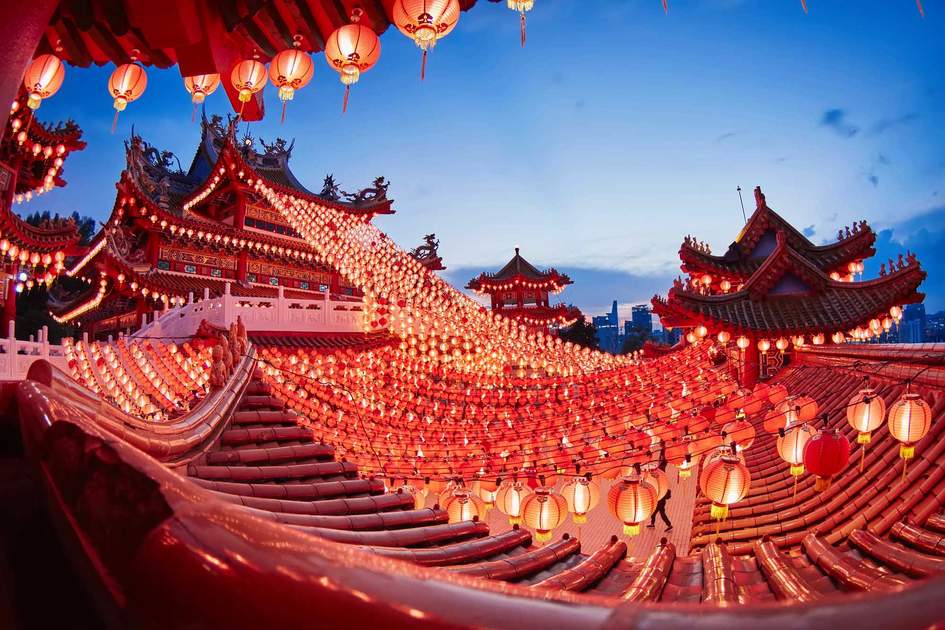
Thean Hou Temple is one of Kuala Lumpur's most elegant Chinese temple complexes, known for layered architecture, red pillars, lantern lines, and city-facing views. It blends Buddhist, Taoist, and Confucian elements, reflecting the cultural synthesis common in Malaysia's urban religious spaces.
Unlike Batu Caves, Thean Hou often feels more spatially organized for slow walking and visual appreciation. It is popular with both worshippers and photographers, especially during festive periods and evening light transitions.
Why travelers include it
- Architecture: Strong decorative detail and ceremonial structure.
- Accessibility: Easy to combine with central KL plans.
- Cultural insight: Shows Chinese-Malaysian devotional continuity.
- Photo quality: Clean lines and elevated city perspective.
Sri Maha Mariamman Temple: Historic Core in Chinatown
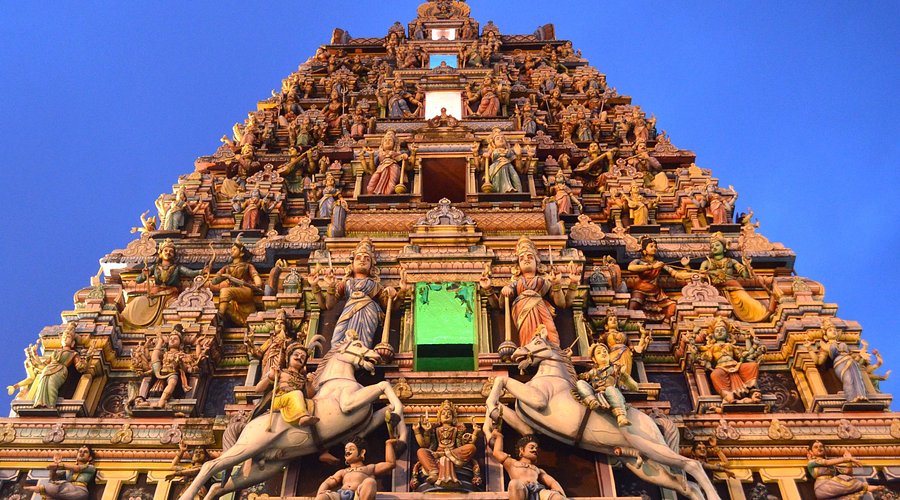
Located near Petaling Street, Sri Maha Mariamman Temple is one of Kuala Lumpur's oldest and most significant Hindu temples. Its colorful gopuram and icon-rich facade represent South Indian Dravidian influence in the city's religious architecture.
This temple is especially valuable for travelers exploring old KL because it sits in a cultural cluster with markets, heritage lanes, and transport links. A short visit here adds historical depth to Chinatown walking circuits.
| Temple | Best Visit Window | Ideal Duration |
|---|---|---|
| Batu Caves | Early morning | 2-3 hours |
| Thean Hou Temple | Morning or late afternoon | 1-1.5 hours |
| Sri Maha Mariamman | Mid-morning/early evening | 30-60 minutes |
Buddhist Maha Vihara and Other Peaceful Stops
Buddhist Maha Vihara in Brickfields is a quieter spiritual stop compared with high-traffic landmark temples. It is useful for travelers looking for a contemplative atmosphere and less crowded prayer spaces. Brickfields location also makes it easy to pair with KL Sentral transit movement.
Other temple and shrine sites across KL can be explored based on your interests, but a strong first circuit usually includes Batu Caves, Thean Hou, and one heritage-core temple for balance.
How to Plan a Temple Circuit in Kuala Lumpur
The biggest mistake visitors make is trying to cover everything in one rushed day without accounting for traffic, heat, and walking intensity. A better structure is either a focused half-day (2 temples) or a full day with relaxed pacing.
Suggested full-day sequence
- Morning: Batu Caves before heat builds.
- Late morning: Return toward city for meal break.
- Afternoon: Thean Hou Temple exploration.
- Evening: Sri Maha Mariamman + Chinatown walk.
If your schedule is shorter, combine Thean Hou and Sri Maha Mariamman on one city-focused route and keep Batu Caves for a separate early-day excursion.
Transport Tips: Reaching KL Temples Efficiently
- Rail for Batu Caves: One of the most practical options from city core.
- Ride-hailing: Useful for multi-stop temple circuits.
- Walking clusters: Chinatown temple + market combination is efficient.
- Start early: Reduces heat and traffic delays significantly.
Always keep buffer time between temple slots. Even short-distance travel in KL can slow down depending on hour and weather.
Dress Code, Etiquette and Cultural Respect
Temple etiquette in KL is straightforward but important. Dress conservatively, remove footwear where required, and avoid loud behavior in prayer zones. Photography is usually possible in open areas, but interior rules can vary by temple and ritual timing.
- Cover shoulders and knees.
- Remove shoes before shrine entry where instructed.
- Ask before photographing worshippers or rituals.
- Do not block prayer pathways for long photo sessions.
- Respect offerings, incense zones, and ritual sequencing.
These small practices improve both your experience and the comfort of local devotees.
Best Time of Year for Temple Visits in KL
Temple visits are possible year-round, but comfort depends on heat, humidity, and rain windows. Morning sessions are generally best in any season. Festival periods can be extraordinary for cultural depth but require patience due to crowds.
- General comfort: Earlier hours in drier windows are easier.
- Festival value: Strong atmosphere, higher congestion.
- Rain planning: Keep flexible indoor alternatives.
Temple Circuit by Travel Style
Different travelers should use different temple circuits. Families with children usually enjoy a two-stop plan with longer breaks: Batu Caves early, then Thean Hou later with slower pacing. Culture-focused travelers can add Sri Maha Mariamman and Chinatown walks for historical context. Photographers often prioritize early Batu Caves light, then evening frames at Thean Hou when lantern and architecture contrast improves.
If you are visiting during festival periods, reduce the number of stops and increase buffer time. Festivals are visually rich but movement can slow significantly. A lighter plan with fewer transitions usually produces a better experience than an overambitious checklist.
Safety, Comfort and Crowd Management
KL temple visits involve heat, stairs, and varied crowd density, so practical preparation matters. Carry water, keep breathable modest clothing, and wear footwear you can remove quickly where required. At Batu Caves, stair sections can become crowded and slippery in wet conditions, so move steadily and avoid blocking narrow passages for photos.
Use secure carrying methods for valuables in busy zones. If you are using ride-hailing between temples, confirm pickup points before exiting each site to avoid confusion in crowded streets. Small logistical planning steps can save significant time across the day.
Building a Two-Day Spiritual-Cultural Itinerary in KL
Travelers with extra time can split temple exploration into two days. Day one can focus on Batu Caves and nearby recovery time. Day two can cover Thean Hou, Sri Maha Mariamman, and selected central market or heritage lanes. This split reduces fatigue, improves respectfulness at prayer sites, and leaves enough room for meals and rest.
A slower two-day plan is especially useful in humid conditions and for visitors who want meaningful cultural observation rather than quick photo-only stops.
How to Keep the Visit Respectful and Meaningful
Temple travel in Kuala Lumpur becomes more rewarding when visitors treat each site as an active spiritual space rather than a quick visual stop. Spend at least a few quiet minutes in every temple without photographing. Observe how people pray, how offerings are arranged, and how movement is organized around shrine areas. This changes the experience from surface-level sightseeing to real cultural learning.
When in doubt, follow local behavior: move calmly, avoid loud conversation, and keep phone use minimal in prayer zones. If a ritual is in progress, stand back respectfully and wait for a natural pause before moving through the space. These small choices are appreciated by local communities and improve travel quality.
A respectful approach also gives better memories and stronger understanding of Kuala Lumpur's multicultural spiritual life.
Temple Visit Essentials
Carry a light scarf, water bottle, and slip-on footwear for quicker temple entry transitions. Keep attire respectful throughout the day and avoid changing dress standards between sites. If you are unsure about ritual boundaries, pause and observe before moving ahead.
These basics make multi-temple days smoother, more respectful, and less tiring.
When visiting multiple temples in one day, keep hydration and rest disciplined. Comfort planning directly affects how respectfully and attentively you can engage at each site.
For a broader Malaysia itinerary that fits temple visits alongside other attractions, see our guide to places to visit in Malaysia.
Conclusion
Temples in Kuala Lumpur are among the most rewarding cultural experiences in the city when visited with thoughtful pacing and basic respect. Batu Caves provides scale and energy, Thean Hou offers visual and spiritual elegance, and heritage temples in central KL connect you to the city's layered history.
Instead of rushing through a checklist, choose 2-3 temples, travel early, and allow time for observation. This approach gives a deeper understanding of Kuala Lumpur's religious diversity and makes your visit more meaningful than surface-level sightseeing.
Location
Frequently Asked Questions
Q1.What are the most famous temples in Kuala Lumpur?
Q2.How far is Batu Caves from Kuala Lumpur city center?
Q3.Can I cover major KL temples in one day?
Q4.What is the best time to visit temples in Kuala Lumpur?
Q5.How should I dress for temple visits in KL?
Q6.Is photography allowed at KL temples?
Q7.Is Thean Hou Temple worth visiting if I already visited Batu Caves?
Q8.What is the easiest transport option for a KL temple circuit?
Recommended For You
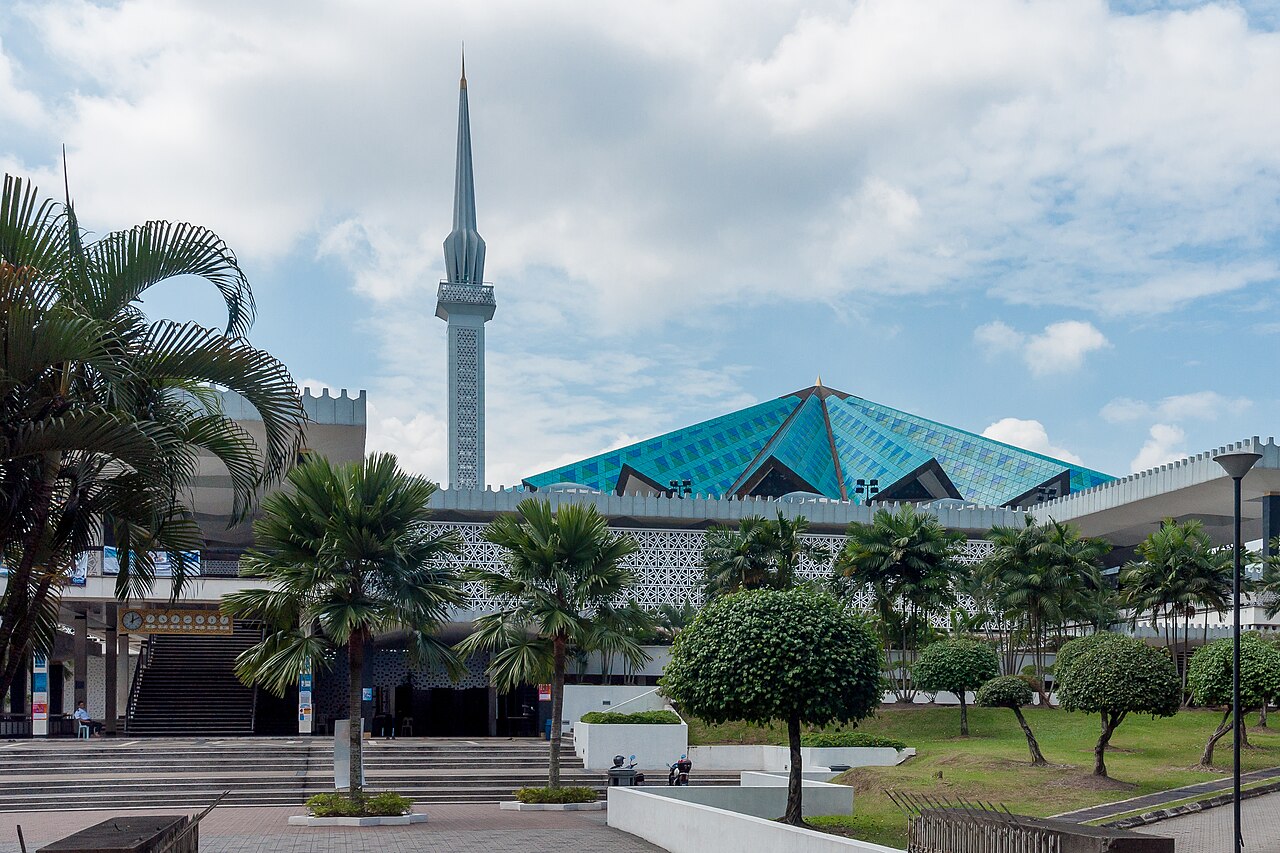
National Mosque Kuala Lumpur: Dress Code, Timings & Visitor Rules
Visit Masjid Negara, Malaysia's National Mosque in Kuala Lumpur. Discover dress code, opening hours, history & entry fee guide.
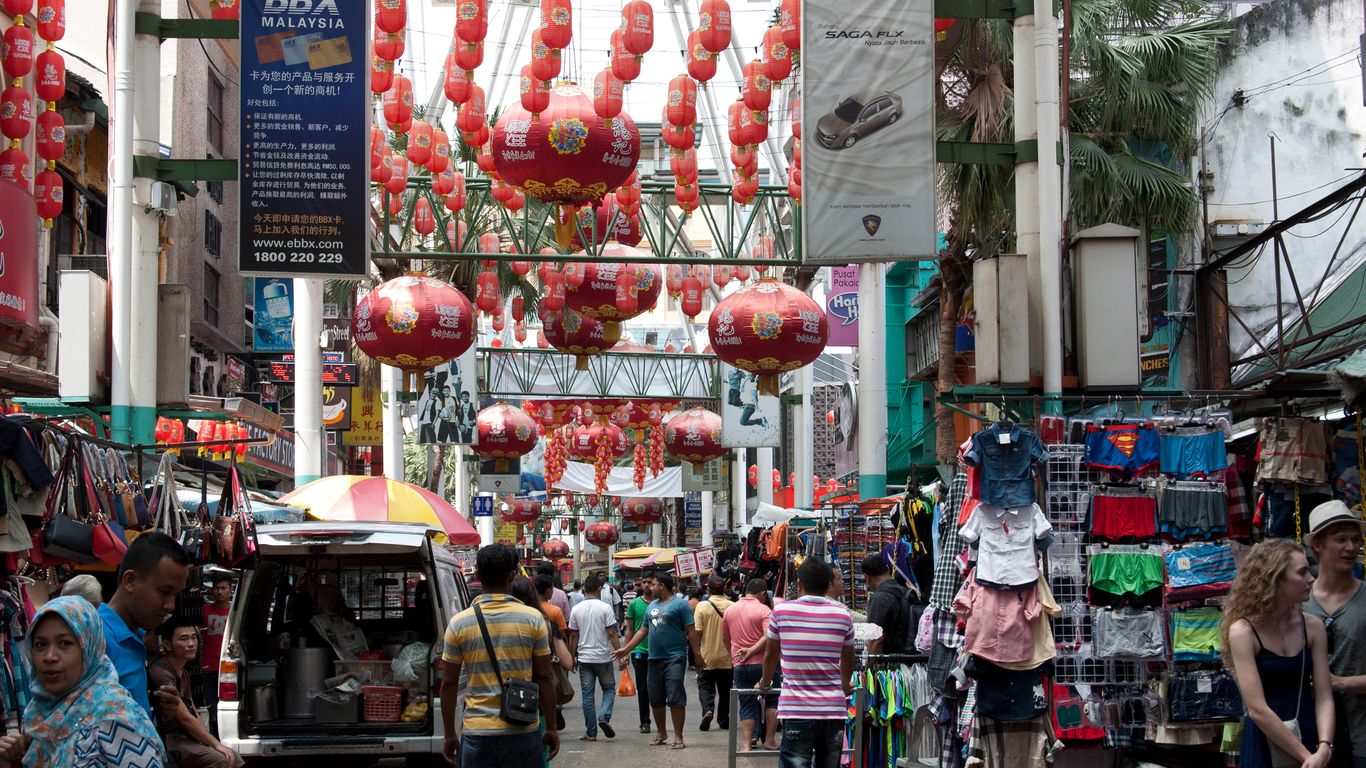
Chinatown Kuala Lumpur: Petaling Street Markets, Food & Timings
Explore Chinatown Kuala Lumpur with Petaling Street shopping, food tips, nearby temples, best visiting hours, and easy transport routes for visitors.

Places to Visit in Malaysia: Cities, Islands & Nature Escapes
Discover the best places to visit in Malaysia with a complete guide covering Kuala Lumpur, Langkawi, Penang, Borneo, highlands, itinerary planning, and travel tips.
Never Miss an Adventure
Get the latest trekking guides, travel tips, and exclusive offers delivered straight to your inbox.
