

Chokling Monastery Bir: History, Timings & Meditation Atmosphere

Rahul Garg
February 21, 2026
Explore Chokling Monastery Bir with history, spiritual practices, visiting hours, route options, and respectful travel tips for visitors and families.
Introduction
Chokling Monastery in Bir, Himachal Pradesh, is one of the most meaningful Buddhist spiritual stops in the Kangra region for travelers seeking calm spaces, prayer culture, and Tibetan heritage. While Bir is often known for paragliding and mountain cafés, its monasteries offer a quieter side of the destination. Chokling stands out for its lineage value, peaceful setting, and devotional rhythm shaped by daily practices.

If your intent
If your intent is practical planning, this guide covers location, history, cultural significance, architecture, prayer etiquette, opening-hour patterns, route details, and nearby places you can combine in one trip. Information has been cross-checked with currently available monastery references, Himalayan Buddhist resources, and Himachal tourism context as of February 19, 2026. Because prayer schedules and access conditions can vary on special days, visitors should verify same-day timing locally. You can also combine this visit with Sherabling Monastery, Dharamshala attractions, and broader Himachal circuits.
Where Is Chokling Monastery?
Chokling Monastery is in the Bir-Chowgan area of Himachal Pradesh, within the wider Tibetan settlement and Buddhist learning landscape of Kangra district. The monastery is accessible by local road from Bir town points and is often included in short monastery walks along with nearby gompas and meditation spaces.
Its location makes it practical for half-day spiritual visits. Travelers staying in Bir can usually reach by short local transport or a moderate walk depending on stay location, weather, and elevation comfort.
| Location Snapshot | Visitor Relevance |
|---|---|
| Region | Bir, Kangra district, Himachal Pradesh |
| Setting | Tibetan Buddhist settlement zone |
| Access Type | Road + short local walk options |
| Trip Style | Half-day or full-day monastery circuit |
About Chokling Monastery and Lineage
Chokling Monastery is associated with the Nyingma tradition of Tibetan Buddhism and connected to the Chokling lineage practices that emphasize meditation, ritual learning, and preservation of Tibetan spiritual teachings. For visitors, this means the monastery is not only a visual landmark but also an active living institution where monks and practitioners maintain a daily devotional routine.
Its importance in Bir comes from continuity. In a region that received Tibetan communities over decades, monasteries like Chokling became anchors of language, ritual, and spiritual training. This gives the site value for both pilgrims and culturally curious travelers.
What Makes It Spiritually Distinct
- Lineage continuity: rooted in Tibetan Buddhist practice systems.
- Living monastic culture: daily chants and disciplined routine.
- Teaching environment: supports learning, prayer, and community life.
History and Cultural Context
Publicly available accounts generally place the growth of Bir’s monasteries within post-1959 Tibetan settlement history in India. Chokling Monastery developed in this larger context of religious preservation, community rebuilding, and spiritual continuity. Over time, it became part of the identity of Bir as both an adventure destination and a Buddhist cultural center.
Visitors often miss this historical layer when they treat Bir only as a paragliding base. Spending time in Chokling helps balance that experience and offers a deeper understanding of why the region holds long-term value for spiritual travelers.
| Historical Layer | Why It Matters Today |
|---|---|
| Tibetan settlement era | Explains monastic concentration in Bir area |
| Lineage preservation | Keeps ritual and teaching traditions active |
| Community role | Monastery as spiritual-social anchor |
Architecture and Visual Highlights
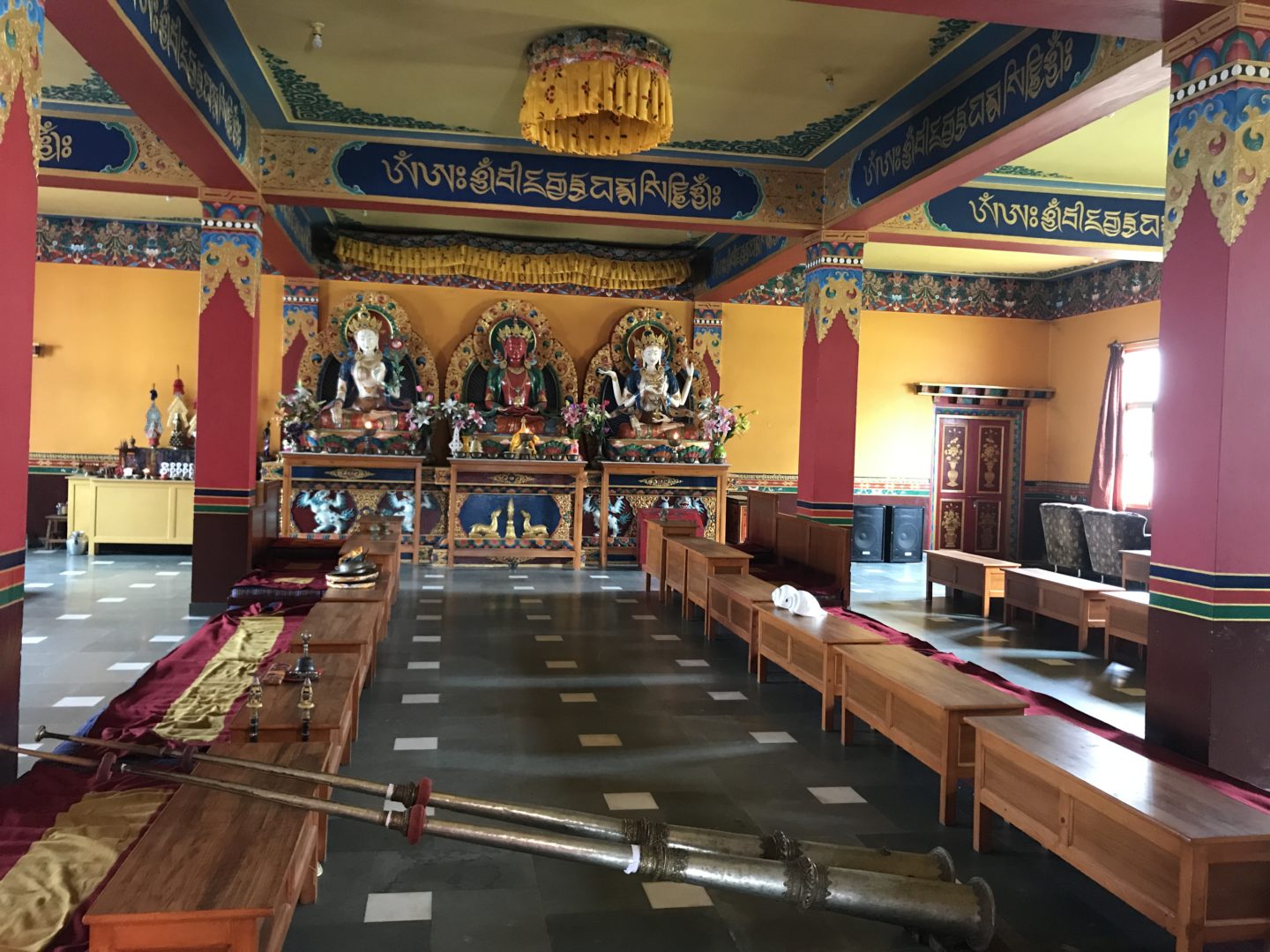
Chokling Monastery presents recognizable Tibetan monastery aesthetics: multi-color façade accents, prayer symbols, sacred art motifs, and interior spaces meant for worship and chanting rather than tourism display. Visitors should view the monastery as a sacred environment first and an architectural attraction second.
You may find prayer wheels, thangka-style visual elements, statues, and ceremonial halls depending on accessible sections. Light conditions in mountain regions shift quickly, so morning and late afternoon are often better for photography in exterior zones.
What to Observe Respectfully
- Color symbolism in façade and devotional decor.
- Prayer hall spatial arrangement and altar structure.
- Monastic rhythm rather than only static architecture.
- Mountain backdrop framing for landscape compositions.
Prayer, Meditation, and Visitor Etiquette
Many travelers ask whether they can meditate or join prayer sessions. In most monastery contexts, silent observation is acceptable in designated areas, but participation rules vary by event, teaching schedule, and monastic guidance. Always ask before entering restricted halls or recording ritual moments.
Dress modestly, maintain low voice levels, and avoid interrupting prayer routines. If monks or staff indicate restricted timing, follow instructions politely. Respectful behavior improves access and preserves the sacred quality of the site for everyone.
| Etiquette Rule | Reason |
|---|---|
| Quiet movement | Supports prayer concentration |
| Modest clothing | Aligns with spiritual environment |
| Ask before photography | Some sections may be restricted |
| No disruption during chants | Protects ritual continuity |
Opening Timings and Best Visiting Hours
Exact opening hours for monasteries can differ by season, festival, and internal schedule. Available travel references often suggest broad daytime visiting windows for monasteries in Bir, but not every zone remains open continuously for tourists. For accurate planning, confirm same-day timing through local hosts, nearby shops, or on-site staff.
The best visitor experience usually comes in morning or late-afternoon calm when crowds are thinner and mountain light is gentler. Festival dates and teaching events may alter access patterns.
| Timing Window | Typical Experience | Planning Advice |
|---|---|---|
| Morning | Quiet ambiance, clear atmosphere | Best for reflective visits |
| Afternoon | Moderate footfall | Good for architecture viewing |
| Festival days | High spiritual activity | Expect variable access and crowd |
Best Time to Visit Chokling Monastery
Spring and autumn are often the most comfortable seasons in Bir for monastery visits, with moderate weather and clearer mountain visibility. Monsoon can bring lush landscapes but also intermittent rain and cloud cover. Winter is quieter but colder, especially for early starts and longer outdoor walks between monasteries.
If your priority is peaceful contemplation, choose weekdays and non-festival windows. If you want to experience stronger community prayer energy, festival periods can be meaningful but busier.
How to Reach Chokling Monastery
Most visitors reach Bir first and then move locally to the monastery by taxi, two-wheeler, or walking route depending on stay location. Bir is connected by road from larger Himachal hubs, and onward local movement is straightforward with basic planning.
Travelers coming from Dharamshala, Palampur-side routes, or rail-linked approaches should keep mountain-road buffer time, especially during rain-prone periods.
| Route Option | Best For | Limitation |
|---|---|---|
| Local taxi from Bir | Families and time-limited travelers | Costs more than walking |
| Walk + local orientation | Slow travelers and photographers | Needs weather-friendly conditions |
| Two-wheeler local move | Flexible short-stop circuit | Requires confident hill riding |
Nearby Places to Combine
A Chokling visit becomes richer when combined with nearby monasteries and town-level experiences. Keep your route balanced: one spiritual stop, one scenic stop, one food break. Overpacking the day reduces the reflective value of monastic visits.
| Nearby Stop | Why Combine | Trip Fit |
|---|---|---|
| Sherabling Monastery | Adds deeper monastic-circuit context | Spiritual day itinerary |
| Kangra region places | Broader cultural extension | 2-3 day hill circuit |
| Dharamshala add-on | Monastery + town experience combination | Long weekend route |
| Bir local market area | Easy low-effort evening plan | Same-day closeout |
Sample Half-Day Monastery Plan
| Time Block | Suggested Activity |
|---|---|
| 07:30 to 08:30 | Arrival and quiet exterior orientation |
| 08:30 to 10:00 | Prayer hall visit and silent observation |
| 10:00 to 11:00 | Architecture/photo walk in permitted zones |
| 11:00 onward | Move to second monastery or local tea break |
What to Carry
- Warm layer even in mild season mornings.
- Water bottle and light snacks.
- Respectful clothing suitable for worship spaces.
- Power bank and low-noise camera setup.
- Cash buffer for local transport and small purchases.
First-Time Visitor Planning Tips
If this is your first monastery visit in Bir, keep your pace slow and expectations simple. Instead of trying to “cover” many spots quickly, spend meaningful time at one monastery, observe the prayer rhythm, and then move to the next location only if energy and weather allow. This approach gives a better spiritual and cultural understanding than checklist-style movement.
For families, start early and keep layers because mountain weather can change quickly even on clear days. For solo travelers, choose daylight-only local routes and inform your host before longer walking segments. For photographers, prioritize respectful distance and ask before recording rituals, monks, or closed-door spaces.
| Visitor Profile | Best Plan | Reason |
|---|---|---|
| Solo traveler | Morning monastery circuit with clear return time | Better safety and calmer experience |
| Family group | One primary monastery + one light add-on | Reduces fatigue and scheduling stress |
| Spiritual seeker | Longer quiet stay at one monastery | Deeper meditative experience |
| Photography-focused visitor | Morning exterior light and respectful interior limits | Better quality output and etiquette compliance |
Small decisions like timing, clothing, and respectful conduct shape the entire experience. Chokling rewards mindful travel far more than rushed tourism.
Common Mistakes to Avoid
- Treating monastery visit like a rushed photo checkpoint.
- Entering inner spaces without permission.
- Assuming fixed timing from outdated travel blogs.
- Ignoring weather change in mountain mornings.
- Planning too many stops without reflection time.
Give yourself space and time; the quality of the visit improves significantly.
Conclusion
Chokling Monastery Himachal Pradesh offers a peaceful and culturally rich experience for visitors seeking more than surface tourism in Bir. It connects history, lineage, architecture, and living spiritual practice in one setting.
Plan with respectful timing, verify day-specific access, and combine nearby monasteries thoughtfully. With this approach, Chokling can become one of the most grounding and memorable parts of your Himachal journey.
Location
Frequently Asked Questions
Q1.Where is Chokling Monastery located?
Q2.What are the opening timings of Chokling Monastery?
Q3.How far is Chokling Monastery from Bir town center?
Q4.What is the best time to visit Chokling Monastery?
Q5.Can visitors meditate at Chokling Monastery?
Q6.Are there any entry fees for Chokling Monastery?
Q7.Is photography allowed inside Chokling Monastery?
Q8.Can I combine Chokling with other monasteries in one day?
Recommended For You

Shopping in Bir Billing: Complete Guide to Himalayan Treasures
Shopping in Bir Billing: Discover Tibetan handicrafts, thangkas, carpets, local products & trekking gear. Complete shopping guide with bargaining tips.

Places to Visit in Kangra Himachal: Valley Views, Temples & Forts
Explore top places to visit in Kangra Himachal including Kangra Fort, temple circuits, Tibetan cultural zones, tea gardens, and scenic trekking routes.

Things to Do in Dharamshala: Tibetan Culture, Treks & Cafes
Plan things to do in Dharamshala with monastery circuits, Triund trek planning, McLeod Ganj culture, cafe experiences, and practical multi-day itineraries.
Never Miss an Adventure
Get the latest trekking guides, travel tips, and exclusive offers delivered straight to your inbox.
