
Monasteries in Lahaul Spiti: Buddhist Heritage
Rohit Verma
January 30, 2026
Explore ancient monasteries in Lahaul Spiti. Complete guide to Tabo, Ki, Dhankar, Kye & other Buddhist monasteries with travel tips.
Monasteries in Lahaul Spiti: A High-Altitude Buddhist Circuit Guide
The monasteries of Lahaul and Spiti are among the most important cultural landmarks in the Indian Himalaya. They are not only religious sites but also centers of art, education, local memory, and community life. For travelers, these gompas offer a rare combination: living Buddhist practice in dramatic mountain landscapes where tradition still shapes the rhythm of daily life.
This guide is designed for practical use. It covers the key monasteries, route logic, altitude realities, etiquette, and seasonal planning. If this is your first Spiti journey, start with the broader Spiti Valley road trip guide and then use this monastery-focused article to build your cultural days with better depth.
Why Monasteries in Lahaul Spiti Matter
High-altitude Himalayan monasteries are often photographed as isolated structures on cliffs, but their significance is much broader. They preserve manuscripts, oral teachings, ritual music, festival traditions, and regional art forms like thangka painting. In remote valleys where harsh winters limit movement, monasteries historically served as anchors of knowledge and social order.
Lahaul and Spiti also represent different textures of Himalayan Buddhism. Spiti is more stark and desert-like, with monastery clusters around Kaza and surrounding villages. Lahaul has greener pockets and a different settlement pattern. Visiting both gives travelers a stronger understanding of regional diversity within one route.
Tabo Monastery: The Oldest Living Landmark
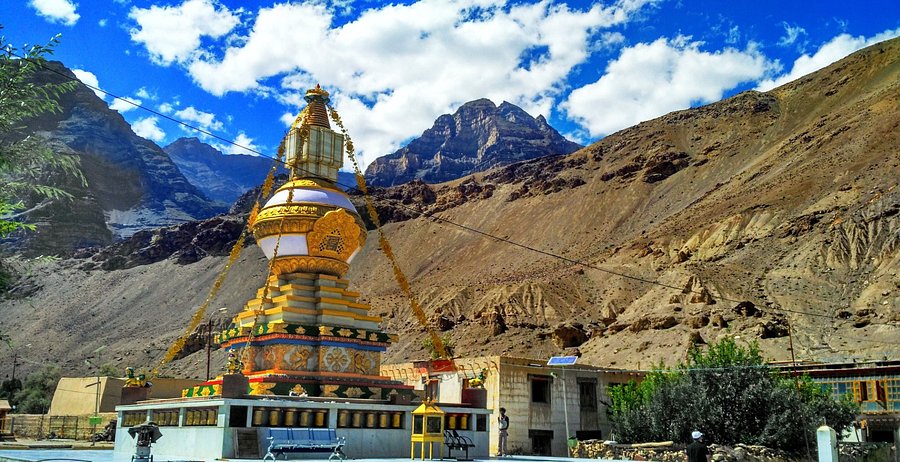
Founded in 996 CE, Tabo Monastery is often described as one of the oldest continuously active Buddhist centers in the region. Its mud-walled complex may look modest from outside, but inside are remarkable murals and sacred spaces that have survived for centuries. Tabo rewards slow observation rather than rushed photography.
Spend time in the assembly hall and notice how the paintings guide devotional storytelling. This is where historical continuity becomes visible. If your itinerary allows, stay in Tabo village overnight. Early morning and late afternoon light gives the monastery a quieter, more contemplative atmosphere.
Ki Monastery: The Icon of Spiti
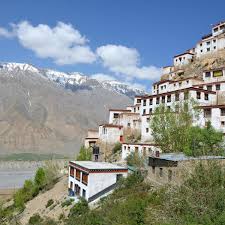
Ki Monastery, near Kaza, is the most recognized monastic landmark in Spiti due to its hilltop profile and fortress-like architecture. The layered structure reflects centuries of adaptation, including periods of conflict and reconstruction. Today it remains an active monastery and a strong cultural reference point for visitors entering Spiti’s core circuit.
Because Ki is widely visited, timing is important. Reach early to avoid tour-hour congestion and to experience prayer spaces with less noise. The views from Ki also help travelers understand Spiti geography before continuing toward high villages. Combine Ki with village stops instead of treating it as a quick photo halt.
Dhankar Monastery: Cliffside History and Silence
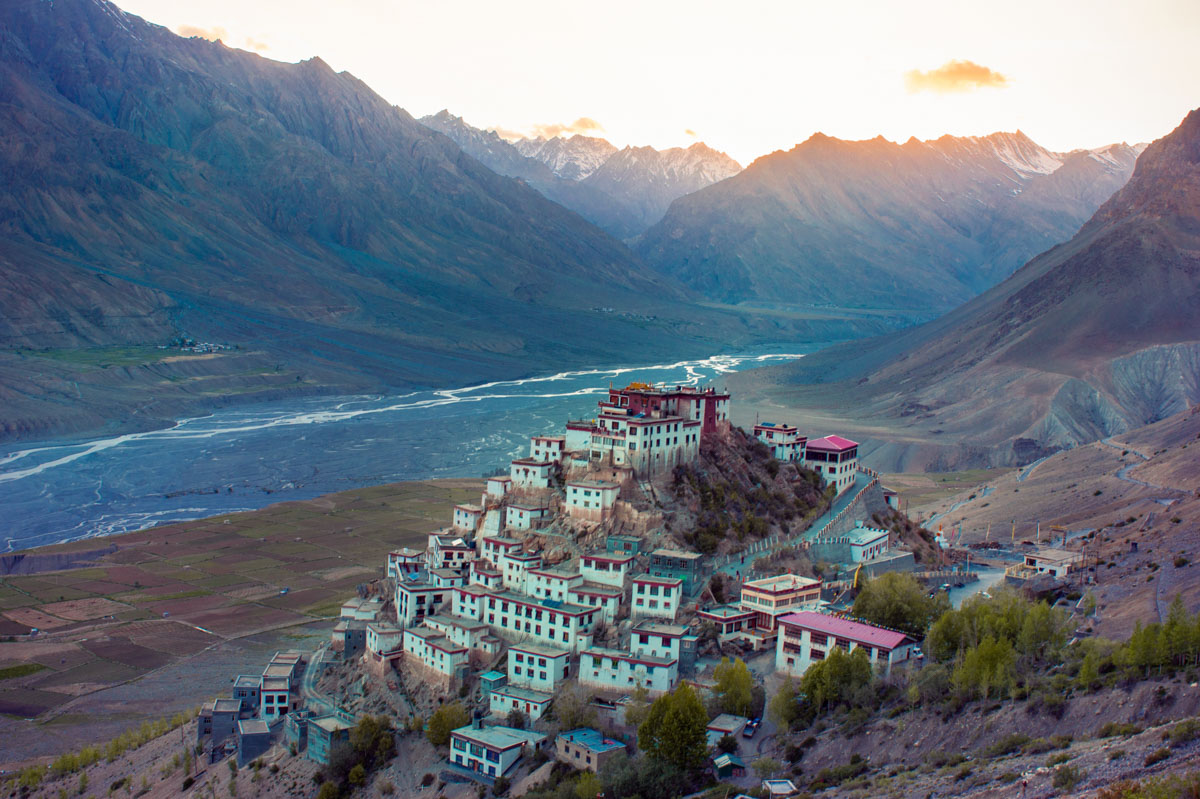
Dhankar Monastery stands dramatically above the confluence zone of the Spiti and Pin landscapes. Historically, this location offered both spiritual significance and strategic visibility. The old monastery’s cliff setting is striking, and the newer monastery below supports present-day monastic life.
Plan Dhankar as a half-day segment, not a drive-through stop. The terrain, altitude, and viewpoints deserve slower pacing. For a focused visit plan and route add-ons, use this Dhankar Monastery guide while mapping your Kaza-side days.
Other Important Monasteries to Add
Kungri Monastery (Pin Valley)
Kungri belongs to the Nyingma tradition and offers a distinct experience compared to the more frequently visited Gelug sites. Pin Valley itself has a different landscape character, so this addition creates both cultural and visual contrast in your itinerary.
Komic and Nearby High Villages
High-altitude villages around Komic connect travelers to small monastic spaces and local community rhythms. These visits are useful for understanding how faith, weather, and livelihood interact in remote settlements.
Gue Monastery and Mummy Site
This route section is often discussed for its unusual preserved remains and local legends. If you want a dedicated plan for that side trip, refer to Gue Monastery in Spiti Valley and align it with your permit and road-day strategy.
How to Build a Monastery-Focused Itinerary
A common mistake is adding too many monasteries in a single day. Mountain distances look short on maps, but roads, altitude, and stops take time. A better approach is to group monasteries by corridor.
- Kaza Corridor: Ki + nearby villages + short cultural walk.
- Dhankar Corridor: Dhankar + viewpoint + optional lake trek if acclimatized.
- Tabo Corridor: Tabo + cave zone + village evening.
- Pin Add-On: Kungri and selective village immersion.
If you are extending your circuit with nature days, merge this with Chandratal trek planning only after checking route accessibility and weather windows.
Best Time to Visit Monasteries in Lahaul Spiti
The most reliable travel season is broadly late spring to early autumn when roads are open and movement is manageable. Within that window, your exact month should depend on priorities such as crowd level, festival interest, and road comfort.
| Travel Window | What to Expect | Who It Suits |
|---|---|---|
| May-June | Fresh season opening, cooler air, improving roads | Early planners and photographers |
| July-August | Main travel flow, better access, busier stops | First-time visitors needing simpler logistics |
| September-early October | Clear skies, lower crowd pressure, cold nights | Travelers prioritizing quieter experiences |
Before locking dates, verify road and weather trends using this best time to visit Spiti Valley guide.
Altitude, Health, and Travel Practicals
Acclimatization First
Many monasteries are above 3,500 meters. Headache, fatigue, and breathlessness are common if you ascend too quickly. Keep the first day light, hydrate consistently, and avoid overexertion. If symptoms increase, descend and seek local medical advice.
Road-Time Reality
Plan by hours, not kilometers. A short map distance can still take several hours due to terrain and road conditions. Keep buffer time between monastery visits and avoid late-evening mountain transfers whenever possible.
Connectivity and Payments
Network is patchy, and digital payment may fail in remote stretches. Carry enough cash for stays, food, and transport extras. Download offline maps before entering the valley.
Monastery Etiquette Every Visitor Should Follow
- Dress modestly and avoid loud behavior in prayer areas.
- Ask before photographing interiors, monks, or rituals.
- Remove shoes where instructed.
- Do not touch murals, statues, or manuscripts.
- Walk slowly and let ceremonial activities continue without interruption.
Respectful behavior is not just etiquette; it keeps these spaces welcoming for future travelers and protects fragile heritage for local communities.
Common Planning Mistakes to Avoid
- Packing too many monasteries into one day.
- Ignoring acclimatization and treating Spiti like low-altitude road travel.
- Assuming photography is allowed everywhere.
- Traveling without cash backup in remote zones.
- Skipping seasonal checks before final bookings.
Final Take
Monasteries in Lahaul Spiti are not checklist attractions. They are living centers of Himalayan Buddhist culture where architecture, ritual, and landscape meet. If you plan with time buffers, altitude discipline, and cultural respect, this circuit becomes one of the most meaningful journeys in Himachal. Travel slower, observe deeper, and let each monastery add context to the next.
Quick Packing Checklist for Monastery Days
Carry layered clothing, sun protection, a reusable bottle, and light snacks for long road intervals. Add a small scarf or shawl for wind and temple interiors, where temperatures can feel lower than outside. Keep personal medication and basic first aid accessible, not packed deep in luggage. A printed copy of key bookings and ID proofs can help when connectivity drops.
For photographers, carry extra batteries and a protective cover for dust. For non-photographers, carry a notebook. Writing short observations after each monastery visit helps you retain the differences in ritual style, architecture, and atmosphere that many travelers forget after the trip.
Location
Frequently Asked Questions
Q1.How many monasteries are in Spiti Valley?
Q2.What is the best time to visit monasteries in Lahaul-Spiti?
Q3.How many days are needed for a monastery tour?
Q4.Which is the oldest monastery in Spiti?
Q5.What is special about Tabo Monastery?
Q6.How to reach Ki Monastery from Kaza?
Q7.Is there accommodation near the monasteries?
Q8.What is the dress code for visiting monasteries?
Q9.Can we attend prayer ceremonies at these monasteries?
Q10.Are there photography restrictions in monasteries?
Recommended For You
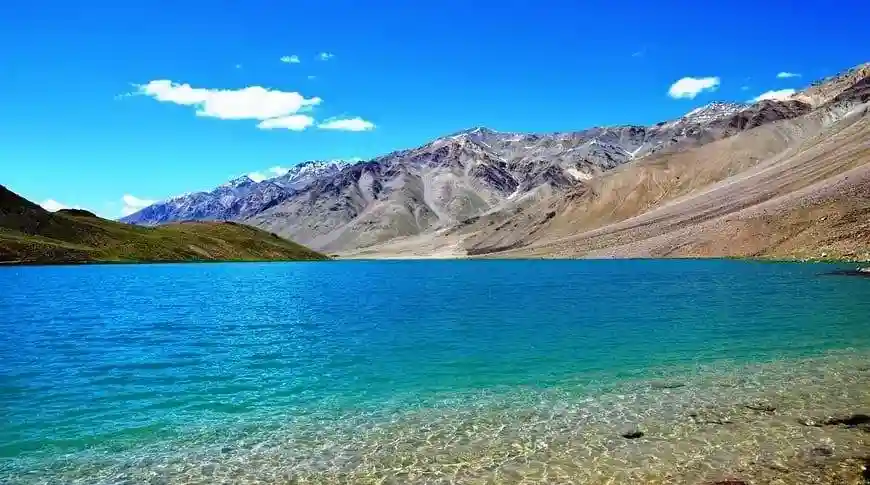
Things to Do in Spiti Valley: Monasteries, Villages & Routes
Discover the top 15 things to do in Spiti Valley including Key Monastery, Chandratal Lake, Pin Valley, ancient villages, and high-altitude adventures. Complete guide with itineraries, costs, and travel tips.
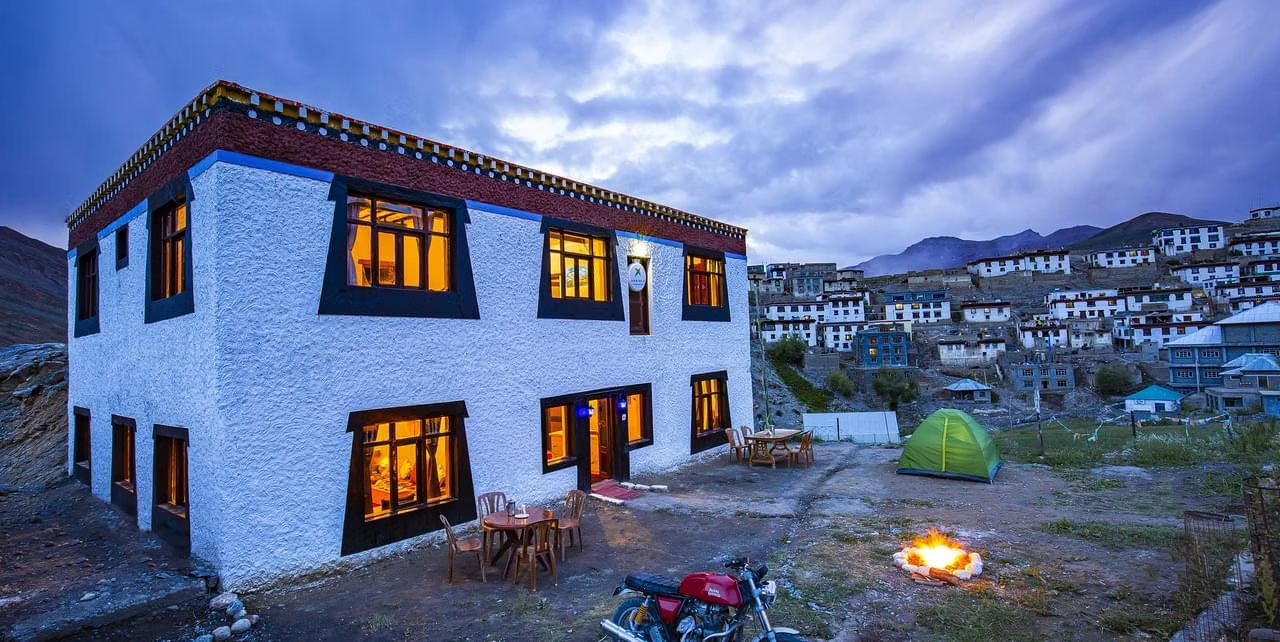
Best Homestays in Spiti Valley: Villages, Prices and Tips
Best homestays in Spiti Valley with village-wise stay options, pricing, facilities, booking strategy, and practical travel tips for high-altitude comfort.
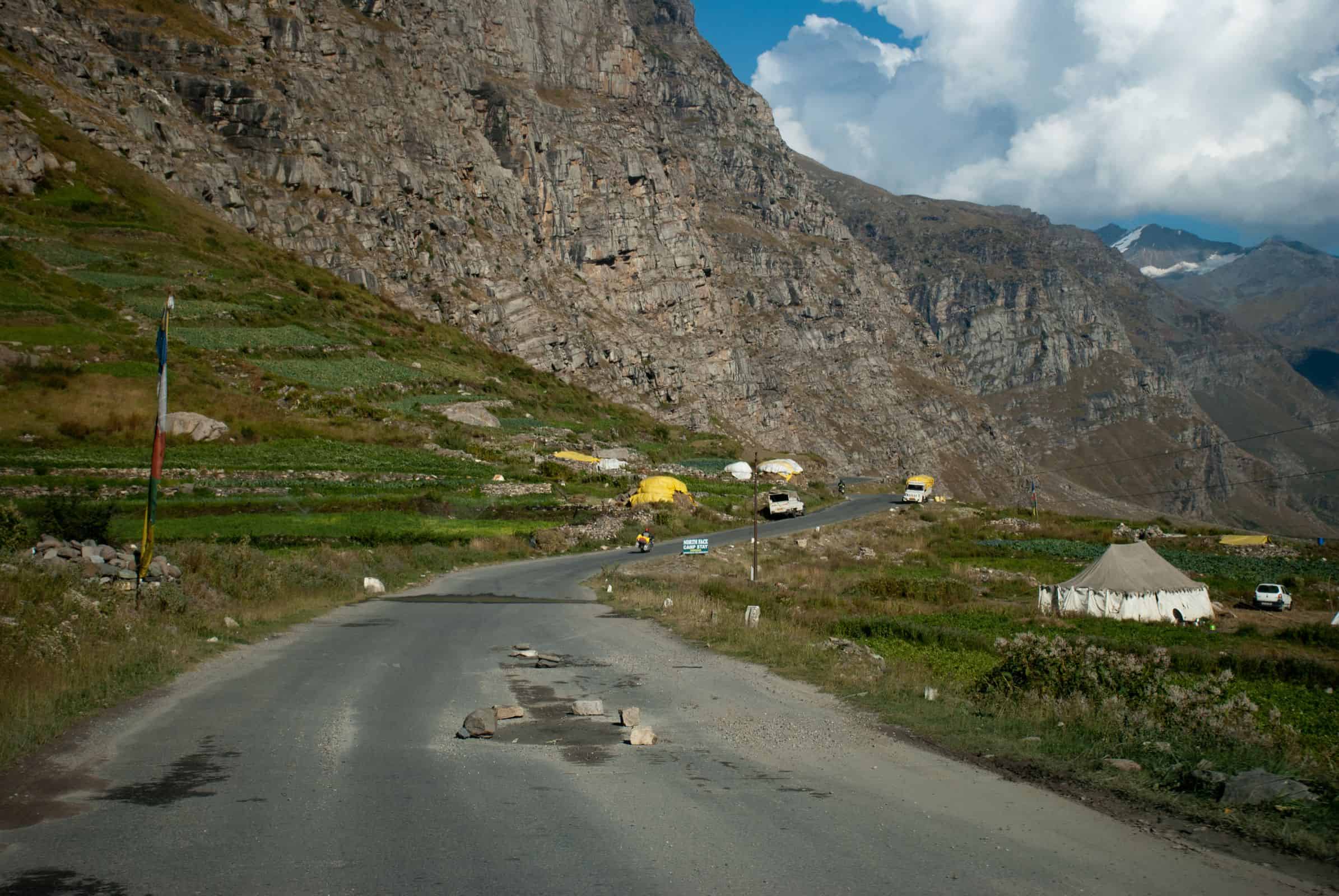
Lahaul Valley: Best Time To Visit And Attractions
Plan Lahaul Valley with practical route, stay, and seasonal tips for a safer and more rewarding high-altitude trip.
Never Miss an Adventure
Get the latest trekking guides, travel tips, and exclusive offers delivered straight to your inbox.
