
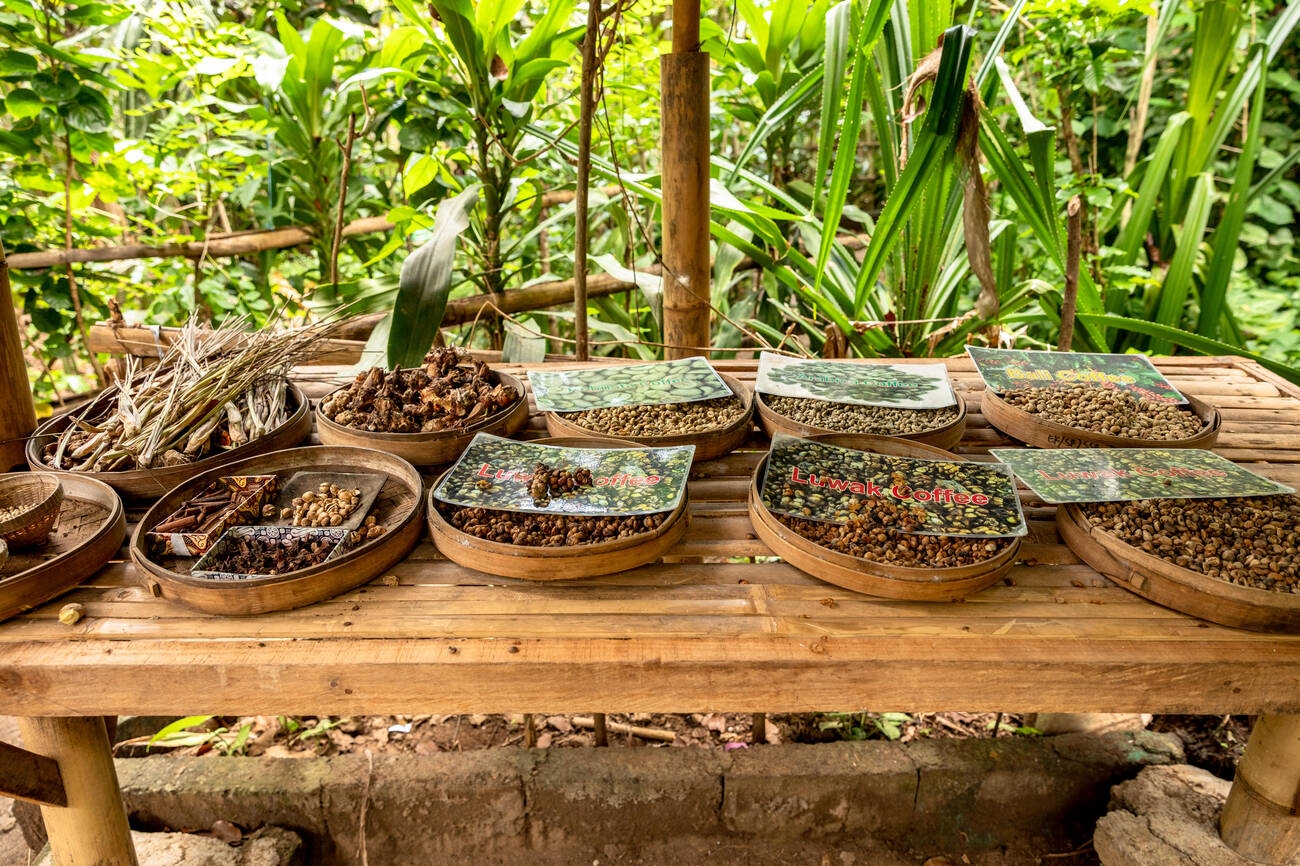
Bali Coffee Plantations: Tour Experience, Luwak Coffee & Entry Fees

Ananya Sharma
December 25, 2025
Explore Bali's coffee plantations. Discover luwak coffee, tours, tasting, ethical concerns, best plantations in Ubud & Kintamani.
Coffee Plantations Bali: What Makes the Experience Worth It
Coffee plantations in Bali are more than tasting stops. They combine agriculture, landscape, local hospitality, and product storytelling in one visit. Most travelers come for flavor sampling, but the bigger value is understanding how altitude, volcanic soil, and traditional processing methods shape Balinese coffee profiles. If planned properly, a plantation visit can become one of the most memorable half-day experiences in Bali.
The strongest plantation routes are around Kintamani, Ubud-linked highland corridors, and selected northern zones. This guide helps you choose where to go, what to taste, how much to budget, and how to evaluate ethical claims around kopi luwak. For broader travel planning, pair this with Bali Travel Guide and Best Time to Visit Bali.
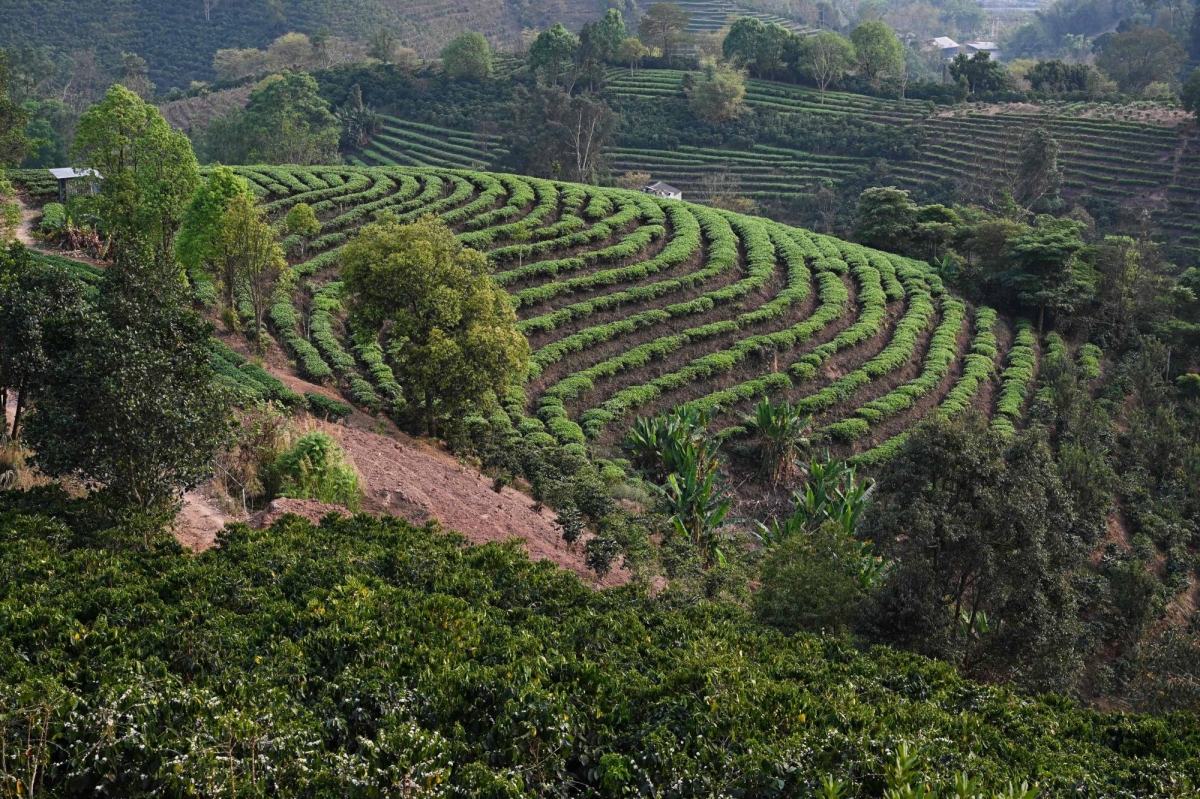
Where Bali Coffee Plantations Are Located
Not all plantation visits offer the same quality. Location determines crop conditions, weather comfort, and route convenience.
| Region | Why It Is Popular | Visit Style |
|---|---|---|
| Kintamani | High altitude, volcanic soil, Arabica reputation | Serious coffee + scenic route |
| Ubud outskirts | Easy access and tourism-ready tasting setups | Beginner-friendly plantation visit |
| North Bali zones | Calmer settings and slower travel pace | Extended agro-tourism route |
Coffee Varieties You Will See in Bali
Plantations usually showcase multiple beans and roasting styles. Even basic tours often include explanations of cherries, drying methods, and roast impact.
- Arabica: smoother profile with layered acidity.
- Robusta: stronger body and higher caffeine intensity.
- Regional blends: mixed profiles shaped by local processing.
- Specialty micro-lots: available at selected quality-focused farms.
Ask guides about harvest periods and post-harvest techniques; this improves tasting interpretation.
Kopi Luwak in Bali: Ethical Reality and Smart Decisions
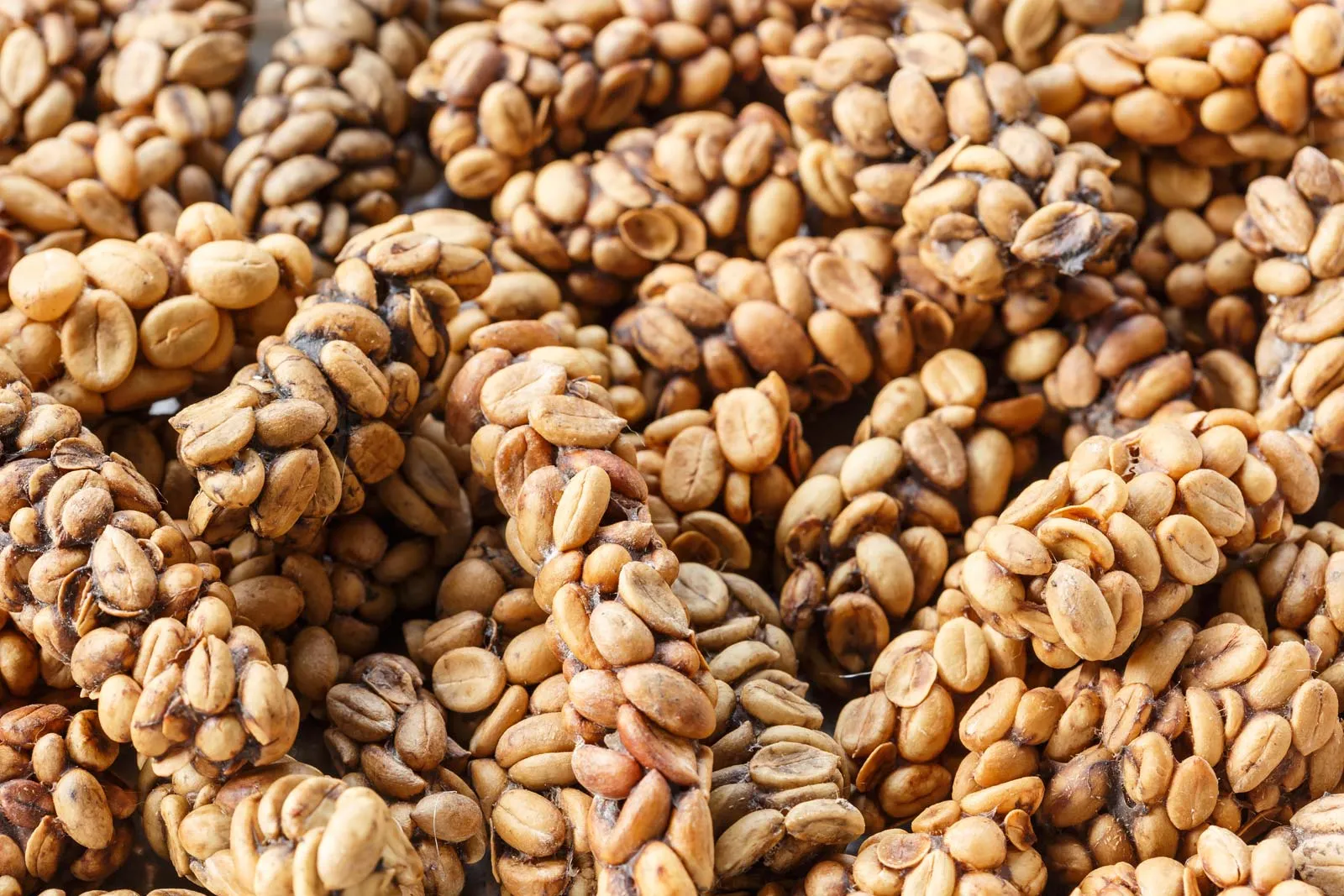
Kopi luwak is often marketed as a must-try, but ethical concerns are serious. In many cases globally, civets are caged and treated poorly for production. Responsible travelers should verify claims and avoid supporting exploitative setups.
- Ask direct questions about animal sourcing and welfare.
- Avoid farms that showcase distressed or caged civets.
- Prioritize high-quality non-luwak coffee from ethical growers.
The better Bali coffee experience is often found in transparent farms that focus on quality cultivation, not exotic marketing.
What a Typical Coffee Plantation Tour Includes
Most tours include a short walk-through, explanation of processing steps, and tasting flights. Some premium farms offer deeper sessions with roast demonstrations and guided comparison tasting.
| Tour Element | What to Expect |
|---|---|
| Farm walk | Coffee plants, processing areas, drying zones |
| Processing explanation | Bean handling, roasting basics, flavor impact |
| Tasting flight | Multiple coffee and herbal beverage samples |
| Retail section | Packaged beans and related products |
Tour Cost, Timing, and Booking Strategy
Many plantations provide free entry with tasting, while others charge for premium formats. Spending depends on whether you buy beans on-site and how many add-ons are included.
- Morning slots are best for weather comfort and low crowds.
- Pair plantations with nearby rice terrace or temple routes.
- Pre-book only for premium curated tours.
- Carry enough cash/card flexibility for on-site purchase differences.
As of February 23, 2026, prices and package details can vary across properties, so verify current terms before departure.
How to Taste Coffee Better During Your Visit
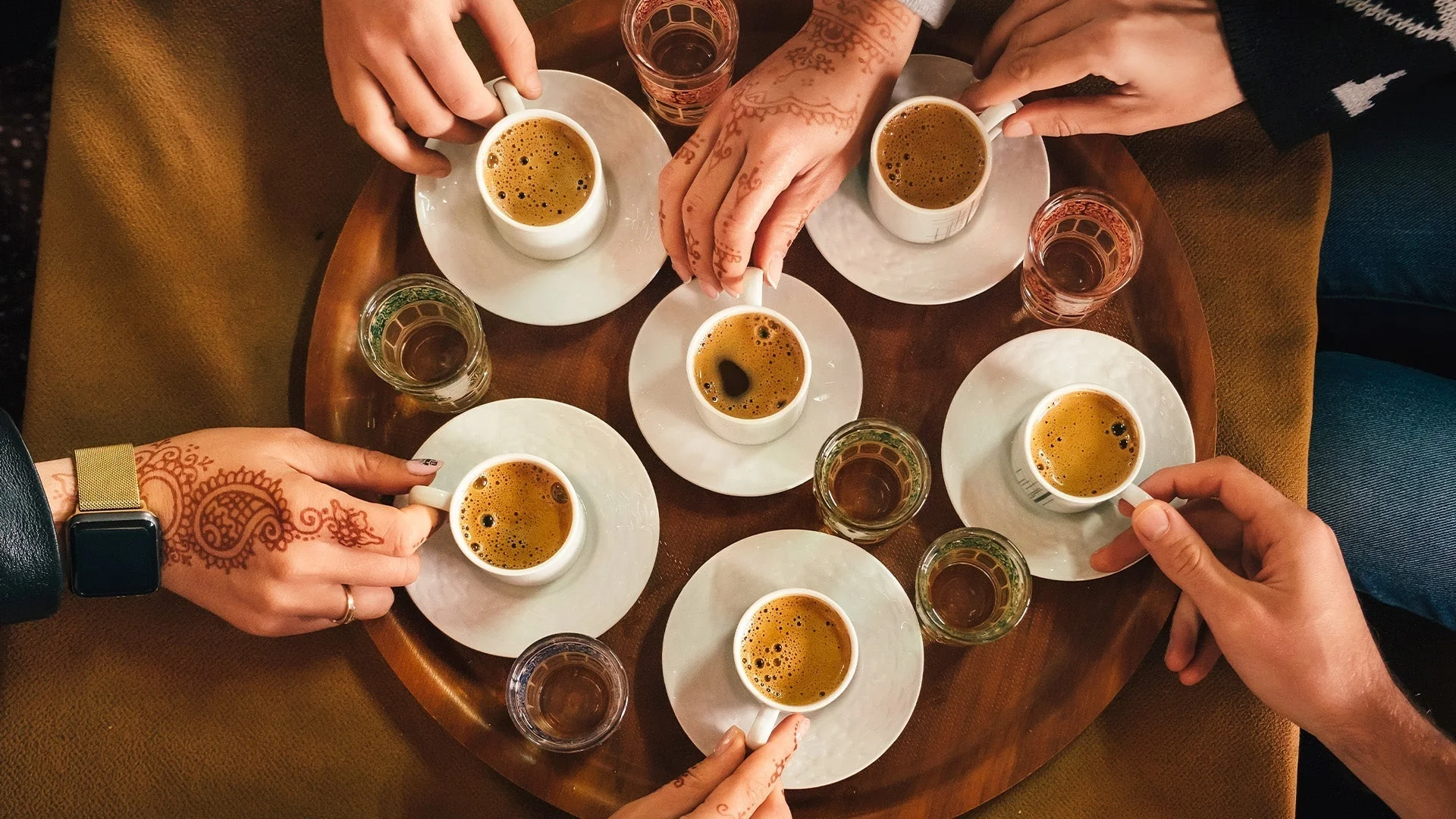
Most travelers rush tasting. Instead, compare in sequence: light to strong, unsweetened to sweetened, then revisit your top two options. This helps you identify personal preference rather than buying based on guide recommendation.
- Smell first, sip second, then assess aftertaste.
- Do not finalize purchase after only one sip.
- Ask about roast date before buying packaged beans.
- Buy smaller packs first if trying a new profile.
Who Should Visit Bali Coffee Plantations?
| Traveler Type | Fit Level | Recommended Approach |
|---|---|---|
| Coffee enthusiasts | High | Choose curated tasting plantations |
| First-time Bali visitors | High | Combine with one scenic half-day route |
| Family travelers | Medium | Select shorter, easy-access plantations |
| Ethical travel focused | High | Prioritize transparent non-luwak farms |
Common Mistakes to Avoid
- Buying expensive coffee without roast-date checks.
- Choosing only marketing-heavy farms.
- Ignoring ethical sourcing questions.
- Packing too many distant stops in one day.
Sample Half-Day Bali Coffee Route
| Time | Plan |
|---|---|
| 08:30-09:30 | Drive to highland plantation zone |
| 09:30-11:00 | Farm tour and tasting session |
| 11:00-12:00 | Bean selection and local break |
| 12:00 onward | Move to next scenic stop |
Use Best Places to Visit in Bali and Currency Exchange in Bali to complete logistics before your tour day.
Final Takeaway
Coffee plantations Bali are best enjoyed when you treat the visit as an agricultural and cultural experience, not just a quick tasting stop. Focus on transparent farms, ask better questions, and compare flavors carefully before buying.
With good planning, ethical awareness, and structured tasting, Bali coffee tours can offer both education and genuine travel value.
How to Verify Ethical Plantation Claims
Ethical language is common in tourism marketing, so travelers need a practical verification method. Ask specific operational questions instead of generic “is it ethical?” prompts. Good operators usually provide clear answers about sourcing, animal welfare stance, and farmer relationships.
- Do you produce or sell civet coffee from caged animals?
- Can you explain your sourcing process for all coffee categories?
- Do you work directly with local growers or through traders?
- What part of purchase value goes back to producers?
When answers are unclear or evasive, treat that as a red flag and avoid high-value purchases.
Buyer Checklist Before Purchasing Bali Coffee
Great tasting sessions can create impulse buying pressure. Use a basic checklist before paying for beans.
| Check Item | Why It Matters |
|---|---|
| Roast date | Freshness and flavor quality |
| Bean type and origin | Matching profile to your preference |
| Grind level option | Compatibility with your brew method |
| Storage guidance | Maintaining taste after travel |
Buy one trusted pack first before purchasing multiple flavors. This reduces waste and ensures better post-trip satisfaction.
Combining Coffee Plantations with Bali Day Itineraries
Coffee tours work best as morning anchors in larger day plans. After tasting, most travelers can move to nearby scenic or cultural stops without losing energy. Avoid stacking too many long-distance transfers in one day because mountain roads and traffic can increase travel fatigue.
- Plan one plantation + one scenic stop + one meal break.
- Keep route flexible for weather shifts.
- Use early starts to avoid midday crowd buildup.
A balanced route gives better experience quality than aggressive multi-stop checklists.
Final Practical Advice
Choose quality and transparency over hype. The best Bali coffee memory usually comes from honest farms, careful tasting, and thoughtful buying decisions. Keep your itinerary realistic, ask specific questions, and prioritize ethical producers. This approach delivers both better coffee and better travel responsibility.
Frequently Asked Questions
Are Bali coffee plantation tours free?
Many plantations offer free entry and tasting, then earn from product sales. Premium curated experiences may charge separate fees for guided sessions or specialty tastings.
How long should I plan for one plantation visit?
A basic visit usually takes 60-90 minutes. If you want a detailed tasting and buying session, keep 2 hours including photo and rest time.
Is kopi luwak worth trying?
Only if the source is transparent and ethical. Many travelers now prefer high-quality non-luwak coffee because it offers strong flavor value without welfare concerns.
What is the best region for first-time visitors?
Ubud-accessible plantations are easier for beginners. Kintamani is better for travelers who want stronger coffee-context depth with highland scenery.
Can I buy good beans directly from plantations?
Yes, but check roast date, grind option, and storage guidance before purchase. Buying smaller packs first is safer if you are testing new profiles.
What time of day is best for plantation tours?
Morning is usually better for cooler weather, lower crowds, and clearer route flow. It also fits well into full-day itinerary combinations.
Should I pre-book plantation visits?
Pre-book only for premium or high-demand experiences. Standard plantations are often flexible, but confirming in advance still helps avoid schedule surprises.
How can I avoid tourist-trap plantation stops?
Use a shortlist based on transparency, reviews, and ethical clarity. Avoid places that over-focus on aggressive sales and under-deliver on educational value.
Location
Frequently Asked Questions
Q1.Where are the best coffee plantations in Bali?
Q2.Is Kopi Luwak ethical in Bali?
Q3.What is the best coffee plantation in Ubud?
Q4.How much does a Bali coffee plantation tour cost?
Q5.What coffee varieties are grown in Bali?
Q6.Can you do coffee tasting in Bali?
Q7.What is there to do at a Bali coffee plantation?
Q8.Is coffee plantation visit worth it in Bali?
Recommended For You
Pura Taman Saraswati Temple Bali: Ubud Lotus Temple, Timings & Entry
Explore Pura Taman Saraswati Temple in Ubud, Bali. Lotus pond, water palace, dance performances & cafe. Complete Ubud temple guide with timings.

Renting a Car in Bali: Cost, Driving Rules & Booking Tips
Complete guide to renting a car in Bali covering self-drive vs driver, prices, requirements, insurance, and practical road tips.

Currency Exchange in Bali: Best Rates, Safety, and Tips
Learn currency exchange in Bali with IDR basics, authorized money changer checks, ATM tips, scam prevention, and practical payment planning.
Never Miss an Adventure
Get the latest trekking guides, travel tips, and exclusive offers delivered straight to your inbox.
