
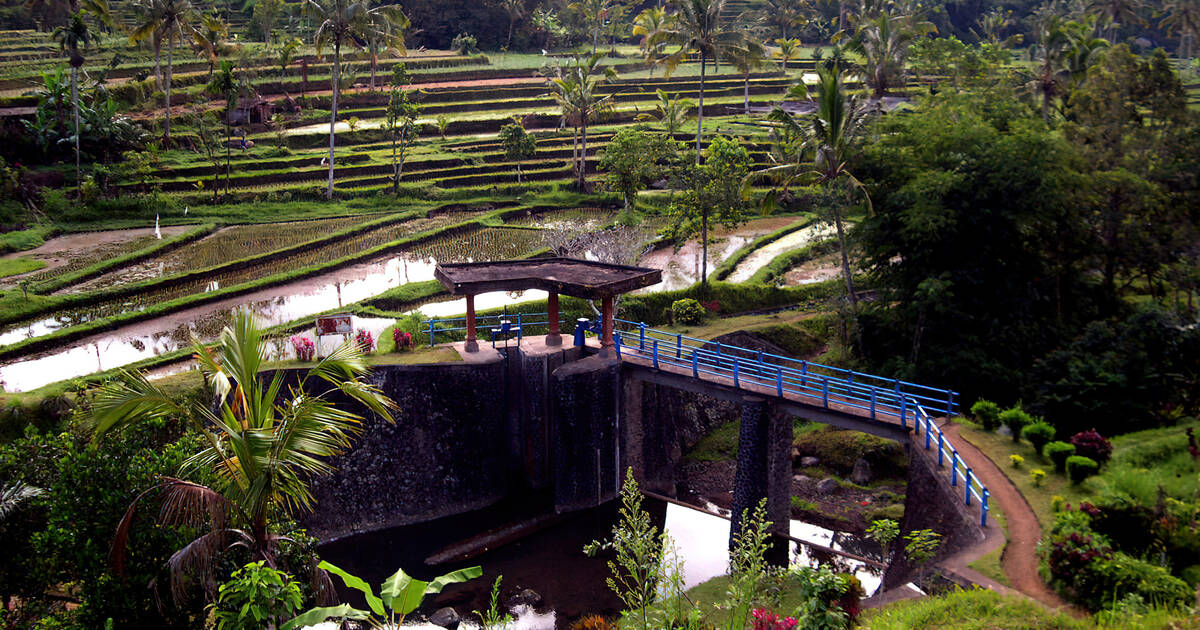
Religion in Bali: Hindu Traditions, Ceremonies & Temple Culture

Priya Mehta
December 21, 2025
Explore religion in Bali through Balinese Hinduism, temple systems, ceremonies, daily offerings, and essential etiquette for respectful travel.
Bali’s Spiritual Identity at a Glance
Religion in Bali is one of the strongest reasons the island feels different from other destinations in Southeast Asia. While Indonesia is majority Muslim, Bali follows a distinct form of Hindu tradition often called Balinese Hinduism or Agama Hindu Dharma. This spiritual framework shapes everyday life—morning offerings, temple rituals, architecture, family ceremonies, and even community planning. For travelers, understanding this context transforms a Bali trip from sightseeing into cultural learning.
Bali is often called the Island of the Gods because temples and shrines are woven into daily landscapes. You may see offerings at shop entrances, crossroads, homes, and beaches. To explore this respectfully, pair this guide with culture of Bali, temple-focused references like Pura Tirta Empul Bali, and coastal spiritual landmarks such as Uluwatu Temple Bali.

What Is Balinese Hinduism?
Balinese Hinduism is rooted in Hindu philosophy but evolved locally with strong influence from ancestral worship, nature reverence, and community rituals. It is not identical to mainstream Indian Hindu practice. In Bali, religion is deeply integrated with village life through temple cycles, household shrines, and ceremonial calendars.
How It Differs from Indian Hindu Traditions
Theological parallels exist, but practice styles, temple systems, and social expressions are uniquely Balinese. Ritual participation, local deities, and balance between visible and invisible worlds are emphasized in daily life. Travelers often notice that ceremonies feel communal and neighborhood-driven rather than only temple-centric.
Core Beliefs: Harmony and Balance
A key Balinese principle is Tri Hita Karana—harmony between humans, nature, and the divine. This concept explains why religious life in Bali appears both spiritual and ecological. Sacred mountains, water sources, and trees are treated with reverence. Another theme is balance between opposing forces; ritual acts are often seen as ways to maintain cosmic order.
These ideas influence festivals, architecture orientation, dress during ceremonies, and even the rhythm of market and family life. Religion here is lived, not only observed.
The Trinity and Local Divine System
Balinese Hindu tradition acknowledges the Hindu trinity while integrating local spirit beliefs and guardian deities. Alongside major gods, ancestral and location-specific sacred presences are respected. This layered approach helps explain why temple practices differ from one village to another even within the same region.
Household and Village Worship
Most family compounds include shrines, and villages maintain temple networks for different ritual purposes. Religious participation is often collective, with strong local coordination for festival preparation and offerings.

Temple System in Bali
Bali has thousands of temples, from small family shrines to major destination temples. Village temple systems typically serve different functions tied to origin, community welfare, and ancestral transitions. For visitors, this means no two temple experiences feel exactly the same.
Popular temple visits often include purification spaces, cliff-top sea temples, and mountain-associated complexes. For itinerary planning, combine temple visits with best places to visit Bali to avoid overpacking long travel transfers in one day.
Canang Sari: Daily Offerings You’ll See Everywhere
Canang Sari are small handcrafted offerings, usually made with palm leaf trays, flowers, and incense. They are expressions of gratitude and balance. You will see them at temple doors, homes, shop fronts, vehicles, and sidewalks. As a visitor, stepping carefully around offerings is a basic sign of respect.
Visitor Etiquette Around Offerings
- Do not step on or move offerings casually.
- Avoid intrusive photography during active prayers.
- Dress modestly in ritual spaces.
- Follow local guidance if you join a cultural workshop.
Ceremonies and Festival Calendar
Balinese religious life is highly ceremonial. Temple anniversaries, life-cycle rituals, and larger island-wide events mark the calendar through the year. Nyepi (Day of Silence) is one of the most unique experiences globally: the island observes near-complete stillness. Galungan and Kuningan are other major observances tied to spiritual cycles and ancestral significance.
If your travel dates overlap ceremonies, expect atmosphere to be powerful but logistics may change. Plan transport and activity schedules with flexibility.

Temple Dress Code and Conduct for Tourists
| Guideline | What to Follow | Why It Matters |
|---|---|---|
| Clothing | Cover shoulders and knees; use sarong/sash where required | Respect for sacred space |
| Behavior | Maintain calm voice and movement during rituals | Allows worship without disturbance |
| Photography | Ask where needed; avoid blocking ceremonies | Protects privacy and ritual flow |
| Offerings | Do not step on canang sari | Basic cultural respect |
Small acts of respect significantly improve your experience and local interaction quality.
How Religion Shapes Bali Travel
Understanding religion in Bali helps you interpret architecture, dance, festival timing, and daily routines more accurately. Instead of seeing temples as isolated monuments, you begin to recognize them as active parts of community life. This perspective also helps travelers avoid unintentional disrespect and plan more meaningful itineraries.
Final Takeaway
Balinese Hinduism is a living, community-centered tradition that gives Bali its spiritual character. If you visit with curiosity and respect, religion becomes one of the most memorable dimensions of your journey—far beyond photos and checklists.
Location
Frequently Asked Questions
Q1.What religion is practiced in Bali?
Q2.How is Balinese Hinduism different from Indian Hinduism?
Q3.What is Canang Sari?
Q4.How often do Balinese people make offerings?
Q5.What are major religious ceremonies in Bali?
Q6.What should I wear when visiting temples in Bali?
Q7.Are non-Hindus allowed in Balinese temples?
Q8.Why is religion important in Bali tourism?
Recommended For You
Bali: Complete Travel Plan Places And Weather
Complete Bali travel guide with 7-day itinerary, best time to visit, cost breakdown, top attractions, transport options & insider tips for first-time visitors to Indonesia's Island of Gods.
Bali Indonesia: Best Time To Visit And Things To Do
Essential Bali travel tips covering visa, transport, SIM cards, currency, temple etiquette, bargaining, safety, best areas, beach safety, scooter rental, food safety and cultural respect.
Best Places to Visit Bali: Region Guide and Tips
Plan the best places to visit in Bali with region-wise route strategy, timing guidance, and practical travel tips for smoother itineraries.
Never Miss an Adventure
Get the latest trekking guides, travel tips, and exclusive offers delivered straight to your inbox.
