
Dances of Bali: Traditional Performances, Venues & Cultural Meaning

Rohan Malhotra
February 20, 2026
Explore the dances of Bali through Kecak, Legong, and Barong traditions, with venue tips, cultural meaning, and respectful performance etiquette.
Dances of Bali: Traditions, Forms, and Best Places to Watch
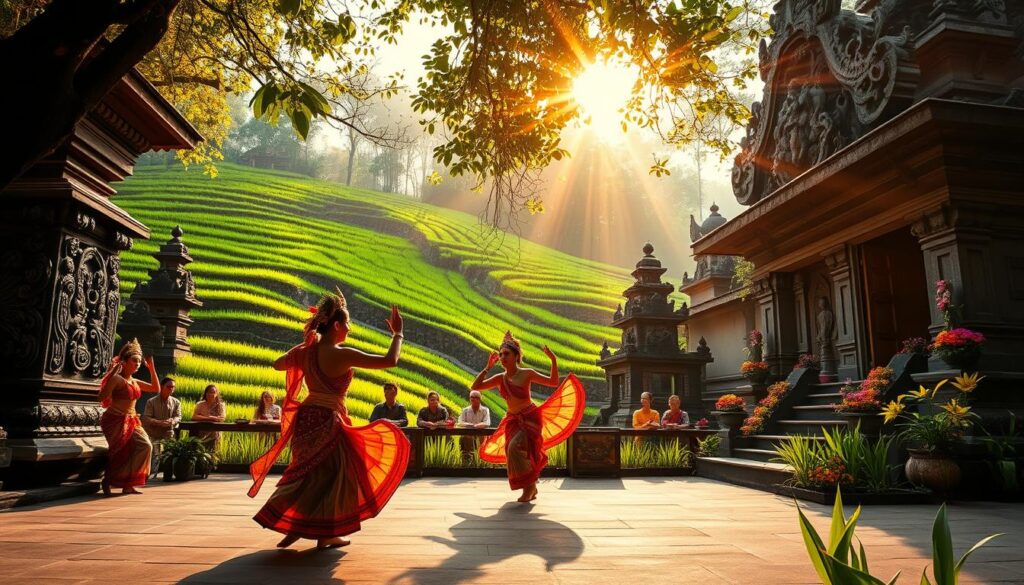
Dances of Bali are an essential part of the island’s cultural identity, blending storytelling, ritual expression, music, and costume traditions. For travelers, dance performances are one of the most meaningful ways to understand Balinese spiritual and artistic heritage.
To plan a culture-focused itinerary, combine this with Culture of Bali and Bali Travel Guide.
The Role of Gamelan Music
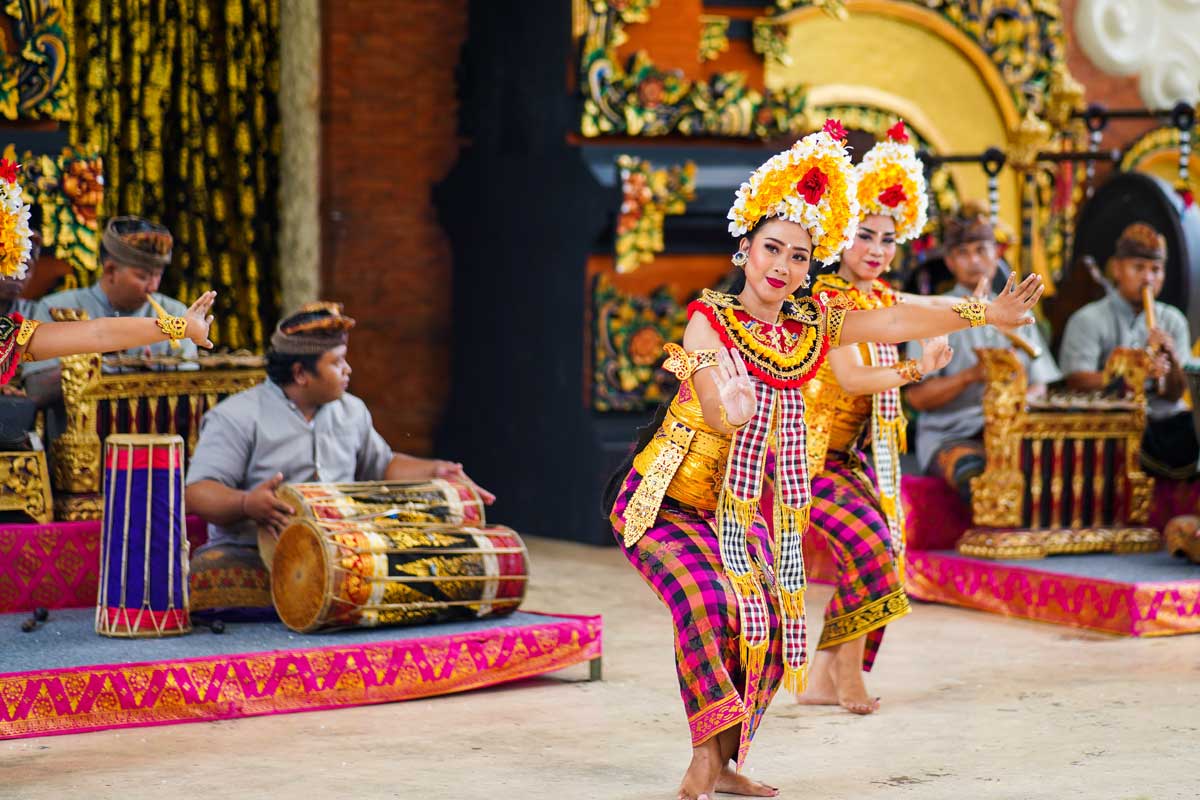
No discussion of Balinese dance is complete without the gamelan orchestra that accompanies nearly every performance. This ensemble of bronze metallophones, gongs, drums, and cymbals produces the layered, percussive soundscape that dancers move within, and the relationship between music and movement is tightly choreographed rather than loosely improvised. In Legong performances especially, dancers respond to specific musical cues with precise eye movements, finger flicks, and shifts in tempo, so watching the musicians alongside the performers often deepens appreciation of how interconnected the two art forms truly are. Many villages maintain their own gamelan groups, passing down repertoire through informal apprenticeship rather than written notation, which has helped preserve regional stylistic differences across the island.
Origins Rooted in Ritual
Most Balinese dance forms originated as sacred offerings rather than public entertainment. Pendet, for instance, was traditionally performed by temple priestesses as a welcoming gesture for visiting deities during ceremonies, and Sanghyang trance dances were believed to channel spirits directly into the performers. Even Kecak, now one of the island's most tourist-famous performances, was adapted in the 1930s from an older trance ritual called Sanghyang Dedari, reworked with input from Western artists to fit a staged narrative format based on the Ramayana epic. Understanding this layered history helps explain why so many performances still open with small offerings of flowers, incense, or rice before the dancing begins.
Major Dance Forms in Bali
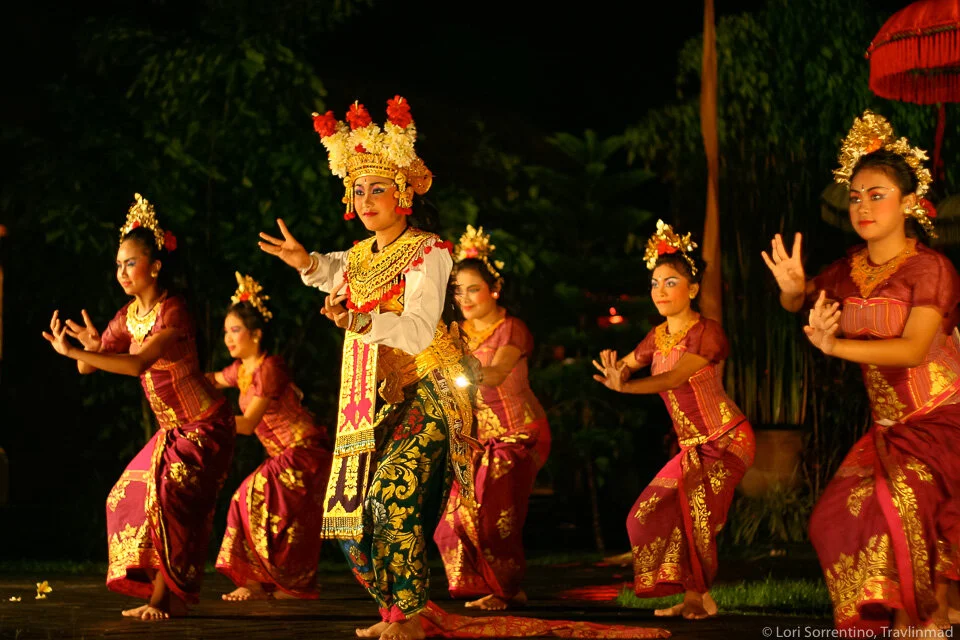
- Legong: graceful court-style dance with refined expressions.
- Barong: mythological narrative around good and evil.
- Kecak: dramatic group chant-based performance.
- Pendet: ceremonial dance often linked to temple contexts.
Where to Watch Balinese Dance
| Venue Type | Best For |
|---|---|
| Temple-linked shows | Traditional atmosphere and ritual context |
| Cultural stages | Structured seating and clearer viewing |
| Tourist performance venues | Accessible timings for first-time visitors |
Etiquette for Visitors
- Arrive early for better seating.
- Dress respectfully for temple-zone performances.
- Avoid intrusive flash photography.
- Keep silent during ritual segments.
For timing and route support, see Best Time to Visit Bali and Best Places to Visit Bali.
Costume and Symbolism
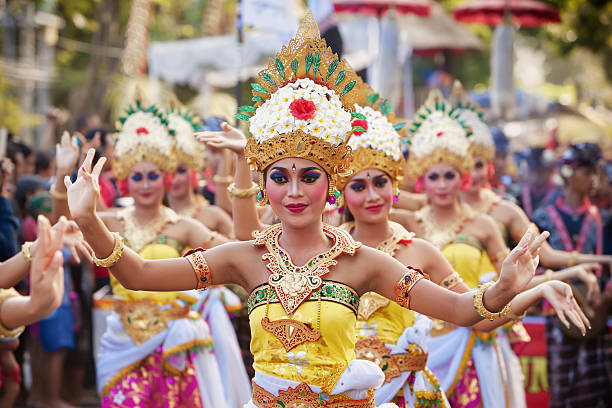
Balinese dance costumes are elaborate and symbolically loaded, often taking hours to assemble before a performance. Gold-leafed headdresses, called gelungan, are common in Legong and other classical forms, while brightly colored songket fabric woven with metallic thread signals status and character within the story being told. Facial expression is treated as an extension of costume in many traditions, with dancers trained from childhood to control eye movement, eyebrow position, and even nostril flare as part of the choreography. In Barong performances, the lion-like Barong costume itself is considered sacred by many communities and is stored in temples, brought out and ritually blessed before use rather than treated as an ordinary prop.
Final Takeaway
Bali’s dance traditions are not just performances for tourists; they are living cultural expressions with religious and community roots. Watching with context and respect makes the experience far more meaningful.
Location
Frequently Asked Questions
Q1.What are the most famous dances of Bali?
Q2.Is Balinese dance religious or entertainment based?
Q3.Where can I watch Kecak dance in Bali?
Q4.What is special about Legong dance?
Q5.What does Barong dance represent?
Q6.How long do Bali dance performances usually last?
Q7.Do I need to book dance tickets in advance in Bali?
Q8.What etiquette should I follow during Balinese performances?
Recommended For You
Bali: Complete Travel Plan Places And Weather
Complete Bali travel guide with 7-day itinerary, best time to visit, cost breakdown, top attractions, transport options & insider tips for first-time visitors to Indonesia's Island of Gods.
Religion in Bali: Hindu Traditions, Ceremonies & Temple Culture
Explore religion in Bali through Balinese Hinduism, temple systems, ceremonies, daily offerings, and essential etiquette for respectful travel.
Uluwatu Temple Bali: Sunset Viewpoints, Kecak Show & Entry Tips
Visit Uluwatu Temple (Pura Luhur) perched on a 70m cliff in Bali. Complete guide to Kecak Fire Dance, sunset views, entrance fees, dress code, monkeys, and practical tips for this spectacular cliffside temple.
Never Miss an Adventure
Get the latest trekking guides, travel tips, and exclusive offers delivered straight to your inbox.
