
Dainkund Peak Trek: Highest Point in Dalhousie

Ananya Sharma
December 3, 2025
Complete guide to Dainkund Peak trek in Dalhousie - route details, best time to visit, preparation tips, and spectacular 360-degree Himalayan views from the highest point in Dalhousie.
Introduction to Dainkund Peak
Standing at 2,745 meters, Dainkund Peak is the highest point in Dalhousie and offers one of the most rewarding trekking experiences in Himachal Pradesh. Located just 10 kilometers from the main town, this peak provides 360-degree panoramic views of the surrounding hills, valleys, and the distant snow-capped Pir Panjal range. The trek to Dainkund is a perfect blend of natural beauty, moderate physical challenge, and cultural significance, making it a must-do for anyone visiting Dalhousie.
What makes Dainkund Peak special is its accessibility combined with spectacular rewards. Unlike many high-altitude treks that require extensive preparation and multi-day commitments, Dainkund can be completed in 4-5 hours round trip. The trail winds through dense forests of cedar and pine, offering opportunities to spot Himalayan birdlife and experience the pristine mountain environment up close. At the summit, the Pholani Devi Temple adds a spiritual dimension to this natural wonder.
The peak's name derives from local folklore, and it has been considered sacred by the region's inhabitants for generations. On a clear day, you can see the Chenab river winding through the valley below and even spot the town of Chamba in the distance. The changing weather patterns create dynamic landscapes throughout the day, making each visit to Dainkund a unique experience.
Trek Difficulty and Duration
The Dainkund Peak trek is classified as moderately easy, making it accessible to most fitness levels with basic preparation. The total trek covers approximately 5 kilometers one way, typically taking 2-3 hours to ascend and 1.5-2 hours to descend. The trail is well-defined but involves a steady elevation gain of about 800 meters from the starting point.
Beginners should pace themselves and take regular breaks. The initial section is relatively gentle as you walk through the forest, but the trail becomes steeper as you approach the summit. While no technical climbing skills are required, the altitude and incline demand reasonable cardiovascular fitness. Families with children above 8 years can usually complete this trek, provided they maintain a slow, steady pace.
The best time to start the trek is early morning (7-8 AM) when the air is crisp, and visibility is at its best. Starting early also helps avoid afternoon clouds that often obscure the panoramic views in later hours. Carry sufficient water (2 liters per person recommended) and light snacks to maintain energy levels during the trek.
Trail Route and Navigation
The trek to Dainkund Peak begins from the Lakkar Mandi area, which is easily accessible by taxi from Gandhi Chowk in Dalhousie town. Most trekkers hire a taxi to the starting point as it saves time and energy for the actual trek. The trailhead is well-marked, and you'll usually find local guides available if you prefer professional navigation.
The first section of the trail winds through dense cedar forests, providing welcome shade and keeping the temperature pleasant. This section is relatively gentle and allows you to warm up gradually. As you progress, the forest opens occasionally, offering tantalizing glimpses of the valleys below. These are excellent spots for photography and short breaks.
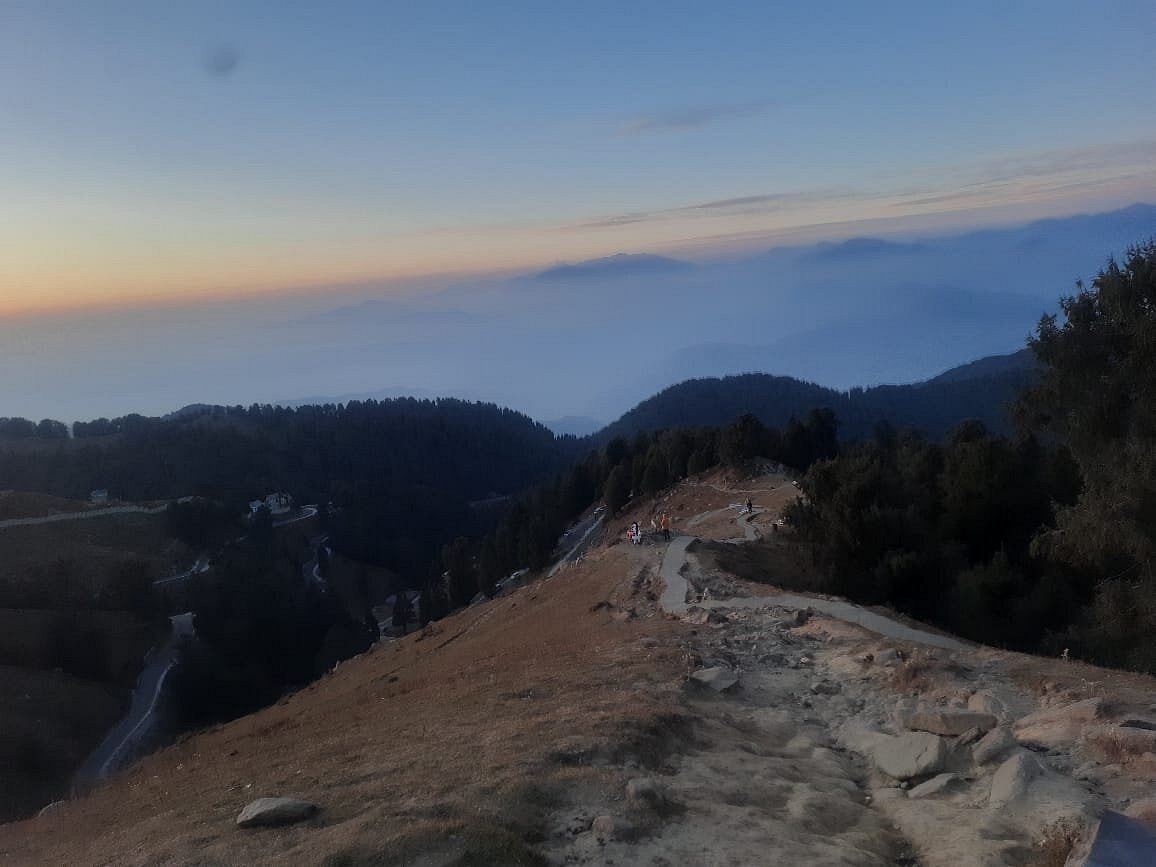
Halfway through the ascent, you'll encounter a small tea shop run by locals. This is a perfect rest stop where you can refuel with maggi noodles or tea while enjoying partial views. The shop owner can usually provide updates on weather conditions at the summit. The final stretch from here becomes steeper but the anticipation of summit views provides motivation.
The trail is generally well-maintained but can become muddy after rain. Good hiking shoes with proper grip are essential. During monsoon season, the trail can be slippery, and extra caution is required. In winter, snow cover makes the trail more challenging, requiring appropriate footwear and possibly trekking poles for stability.
Summit Experience and Views
Reaching the summit of Dainkund Peak is an experience that makes every step of the climb worthwhile. The 360-degree panoramic view is genuinely breathtaking, encompassing the surrounding hills, valleys, and distant mountain ranges. On exceptionally clear days, you can see as far as the Pir Panjal range and even spot the town of Pathankot in the plains below.
The summit is crowned by the Pholani Devi Temple, a small but significant shrine dedicated to the local deity. The temple adds a spiritual dimension to the trek, and many visitors take a moment to offer prayers before soaking in the views. The temple area is usually peaceful, with prayer flags fluttering in the mountain breeze adding color to the landscape.
Photography enthusiasts will find endless opportunities at the summit. The changing light conditions throughout the day create different moods, from the soft golden glow of early morning to the dramatic shadows of late afternoon. The lack of obstruction means you can capture unobstructed views in all directions. Winter brings snow-covered landscapes that create a completely different photographic opportunity.
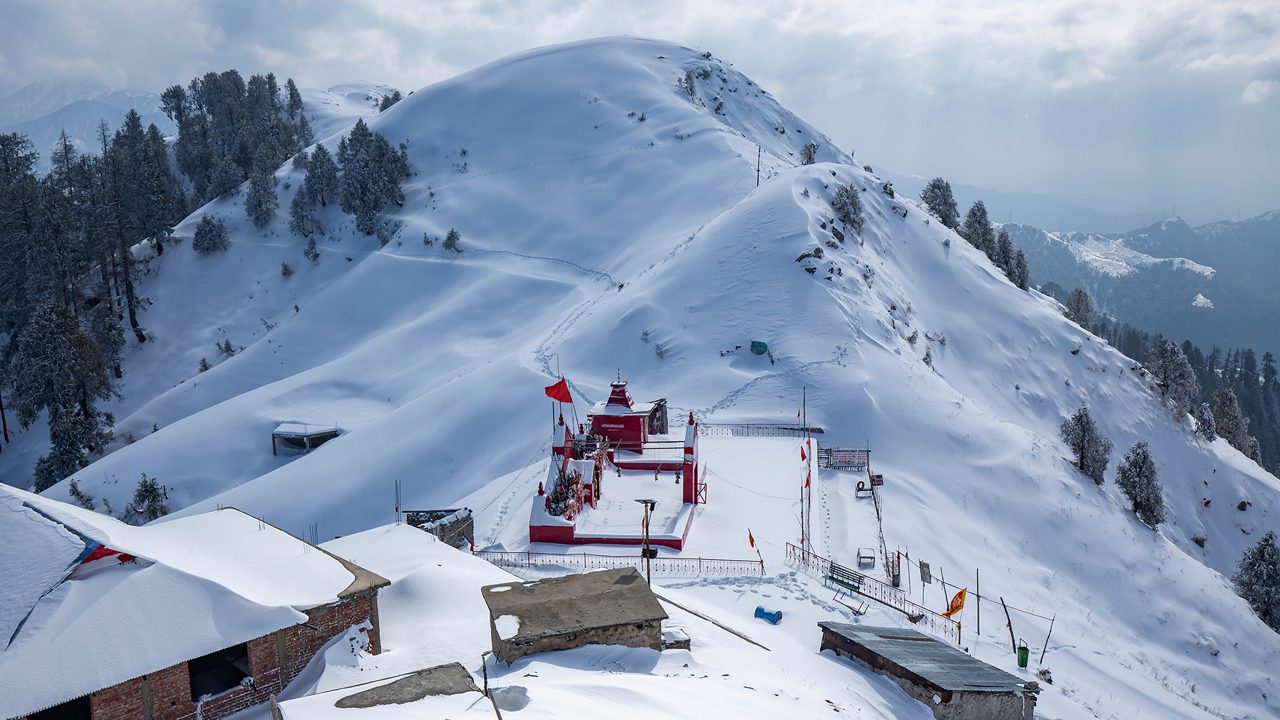
The summit can be windy, even on relatively calm days below. The temperature at the top is typically 5-8 degrees cooler than at the trailhead, making that extra layer in your backpack essential. Spend at least 30-45 minutes at the summit to fully appreciate the views and absorb the serene atmosphere before beginning your descent.
Flora and Fauna on the Trail
The trek to Dainkund Peak offers excellent opportunities to experience the rich biodiversity of the region. The trail passes through dense forests of deodar (cedar), pine, and oak trees, some of which are centuries old. These forests are not just beautiful but play a crucial role in maintaining the ecological balance of the region. The cool, shaded environment created by the canopy makes the trek pleasant even in summer months.
Birdwatchers will find this trek particularly rewarding. The region is home to numerous Himalayan bird species including the colorful Himalayan monal, koklass pheasant, kalij pheasant, and various species of thrushes and warblers. The early morning start increases your chances of spotting these birds as they're most active during these hours. Carry binoculars if birdwatching interests you.
The undergrowth is home to various species of ferns, mosses, and wildflowers. In spring and early summer, the forest floor is carpeted with blooming wildflowers including rhododendrons, primulas, and anemones. These add splashes of color to the predominantly green landscape. The monsoon season brings out the best in the flora, with mushrooms and lichens adding variety to the forest floor.
While wildlife sightings are less common due to human presence, the region does support species like barking deer, langur, and occasionally leopards (though sightings are extremely rare). The forest is home to numerous butterfly species, making it an interesting trek for nature enthusiasts of all types.
Best Time to Trek Dainkund Peak
Dainkund Peak can be trekked throughout the year, but each season offers a different experience. Understanding these variations helps in planning your trek based on your preferences and fitness level.
Summer (April to June): This is the most popular trekking season with daytime temperatures ranging from 15-25°C. The clear skies offer excellent visibility, and the forest is lush green after spring growth. This is the best season for photography and for families with children. The trail is dry and easy to navigate. However, this is also peak tourist season, so you might encounter more fellow trekkers on the trail.
Monsoon (July to September): The region receives moderate to heavy rainfall during this period. The trail becomes muddy and slippery, making trekking more challenging. However, this is when the forests are at their lushest, and waterfalls along the trail are spectacular. If you choose to trek during monsoon, ensure you have proper rain gear and check weather conditions before starting. Trekking during heavy rain is not recommended due to landslide risk.
Au tumn (October to November): Post-monsoon is arguably the best time for experienced trekkers. The weather has cleared, temperatures are cooling (10-20°C), and the visibility is excellent. The crowds have thinned out, giving you a more serene experience. This is an excellent time for photography as the light is crisp and the air is clear. Carry an extra layer as temperatures at the summit can be quite chilly.
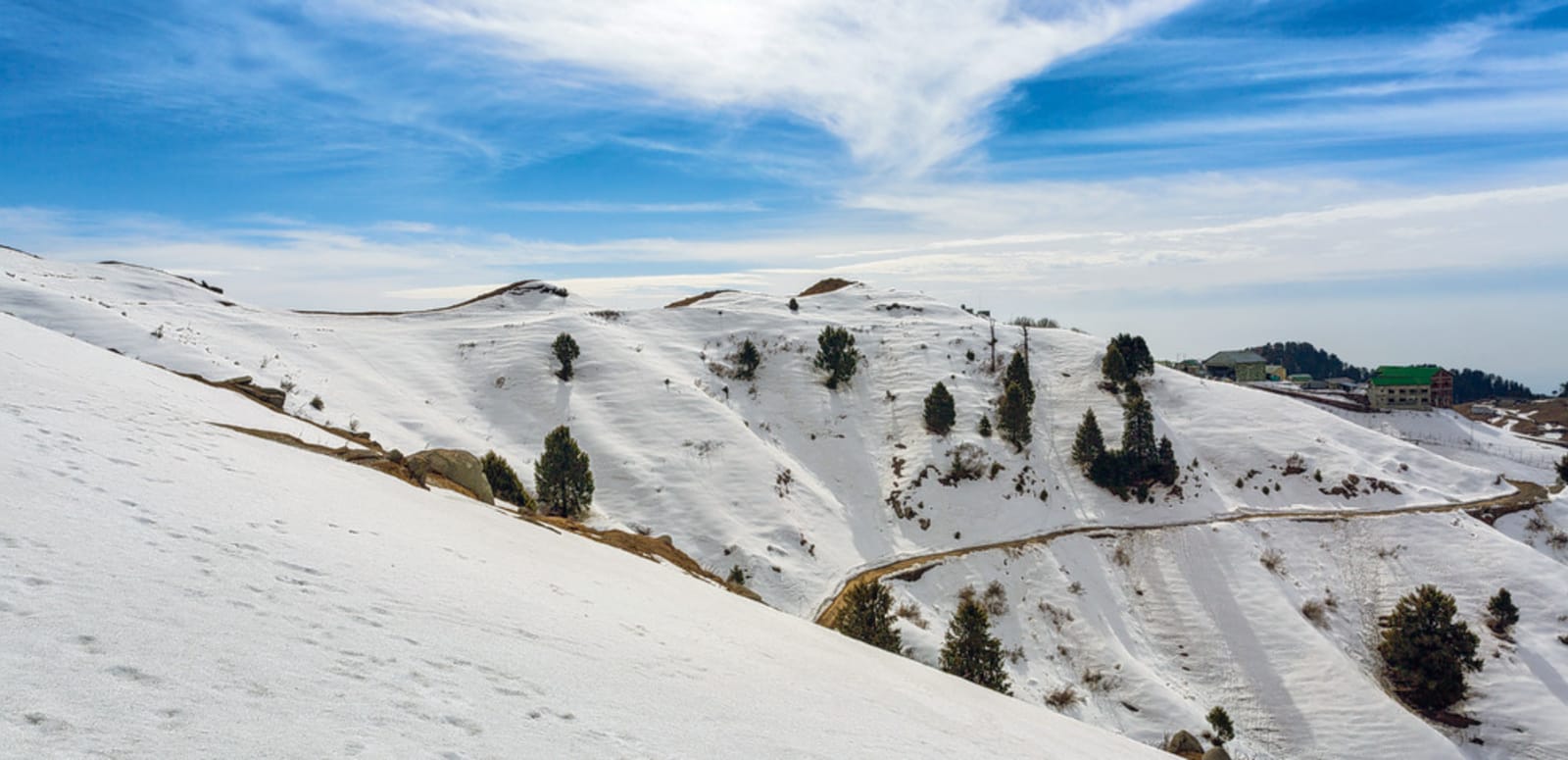
Winter (December to March): Winter transforms Dainkund into a snow-covered wonderland. The trail becomes more challenging due to snow, requiring proper winter gear and possibly trekking poles. Temperatures at the summit can drop below freezing, but the pristine white landscapes offer unique photography opportunities. This season is best suited for experienced trekkers or those accompanied by guides. Check weather conditions before attempting winter treks.
Preparation and Packing List
Proper preparation ensures a safe and enjoyable trekking experience. While Dainkund Peak is accessible to most fitness levels, being adequately prepared makes the difference between a struggle and an enjoyable adventure.
Footwear: Sturdy hiking shoes with good grip are non-negotiable. The trail can be rocky and uneven in sections, and proper ankle support prevents injuries. Ensure your shoes are broken in before the trek to avoid blisters. In winter or post-rain conditions, waterproof shoes are highly beneficial. Carry extra socks as feet can get sweaty during the climb.
Clothing: Layering is the key to mountain comfort. Start with a moisture-wicking base layer, add an insulating layer (fleece or wool), and carry a windproof/waterproof outer layer. Even in summer, the summit can be cool and windy. In winter, add thermal layers and ensure your outer layer is properly insulated. A light hat and gloves are recommended for winter months.
Essential Items: Carry at least 2 liters of water per person as there are no water sources on the trail. Pack high-energy snacks like nuts, energy bars, or fruits. Sunscreen and sunglasses are essential even on overcast days as UV exposure increases with altitude. A basic first-aid kit with band-aids, antiseptic, and pain relievers is recommended.
Optional but Useful: Trekking poles provide stability on steep sections, especially during descent. Binoculars enhance wildlife viewing opportunities. A camera with extra batteries (cold drains battery life faster) captures the stunning views. A small lightweight sit mat can be useful for breaks on rocky ground.
Reaching Dainkund Peak Trailhead
Getting to the starting point of your trek is straightforward, and understanding your options helps in planning your day efficiently.
From Dalhousie Town: Most trekkers base themselves in Dalhousie town and travel to the trailhead early morning. The Lakkar Mandi starting point is about 10 kilometers from Gandhi Chowk. Taxis are readily available and charge approximately INR 600-800 for a one-way trip. You can negotiate for the driver to wait during your trek and return you to town, though this costs extra.
By Public Transport: Local buses do run towards the general direction but don't go exactly to the trailhead. You might need to walk 2-3 kilometers from the bus stop to reach the starting point. This option saves money but consumes time and energy that you'd rather use for the actual trek.
Driving Yourself: If you have a private vehicle, parking is available near the trailhead. The road to Lakkar Mandi is motorable but narrow in sections, so drive carefully. During peak tourist season, parking can fill up, so arriving early (before 8 AM) is advisable.
From Nearby Destinations: If you're staying in Dharamshala, it's about 130 kilometers to Dalhousie, making it too far for a day trip. Plan to stay overnight in Dalhousie. Travelers from Chamba (35 kilometers) can combine the trek with a visit to the Chamba valley.
Combining Dainkund with Other Attractions
Dainkund Peak can be combined with other attractions in the Dalhousie region for a comprehensive hill station experience. Planning your itinerary effectively allows you to maximize your time and experience diverse attractions.
Same Day Options: After completing the trek (usually by early afternoon), you can visit Panchpula waterfall which is on the return route to Dalhousie town. The Satdhara Falls and Subhash Baoli are also easily accessible. If you have energy left, a visit to St. John's Church in town provides a peaceful end to an active day.
Next Day Khajjiar: Most travelers dedicate a separate day to Khajjiar, located 22 kilometers from Dalhousie. Khajjiar's meadow landscape complements the mountain experience of Dainkund. The two can be done in one day if you start very early, but this makes for a rushed experience. Splitting them over two days allows for a more relaxed pace.
Kalatop Wildlife Sanctuary: Located en route to Khajjiar, Kalatop Wildlife Sanctuary can be visited after Dainkund if you're staying in the region. The sanctuary offers different terrain and excellent birdwatching opportunities. A 2-3 hour forest trek here complements the Dainkund experience.
Extended Itinerary: For a comprehensive Himalayan experience, combine Dalhousie with Dharamshala and McLeodganj. The three destinations offer different experiences - Dainkund provides pure mountain trekking, Dharamshala offers Tibetan culture, and McLeodganj has spiritual attractions. This combination gives you a well-rounded Himachal experience.
Safety Guidelines and Tips
While Dainkund Peak is a relatively safe trek, following basic safety guidelines ensures an incident-free experience. The mountains demand respect, and preparation prevents most problems.
Weather Awareness: Mountain weather can change rapidly. Start your trek with clear skies but be prepared for sudden changes. If you notice dark clouds gathering or strong winds developing, consider turning back. The summit views aren't worth getting caught in a storm. Check local weather forecasts before starting your trek.
Pace Yourself: The most common mistake beginners make is starting too fast. The steady incline demands consistent energy expenditure. Use the 'conversation pace' rule - you should be able to maintain a conversation while trekking. If you're gasping for breath, slow down. Take short, frequent breaks rather than long, infrequent ones.
Stay Hydrated: Altitude accelerates dehydration, and many people underestimate how much water they need. Drink small amounts frequently rather than large amounts at once. If you feel dizzy or get a headache, these could be early signs of dehydration or altitude sickness. Rest, hydrate, and if symptoms persist, descend.
Trail Etiquette: The trail passes through fragile ecosystems. Stay on the marked path to avoid damaging vegetation. Don't litter - carry all your waste back to town. The 'leave no trace' principle is essential for preserving the pristine environment. If you need to use the restroom, move well away from the trail and water sources.
Emergency Preparedness: While serious incidents are rare, being prepared helps. Carry a basic emergency kit with a whistle, flashlight, and basic first aid supplies. Mobile network coverage can be spotty, so don't depend on your phone for emergencies. Inform someone at your hotel about your trek plans and expected return time.
Photography Tips for Dainkund
Dainkund Peak offers excellent photography opportunities, and knowing when and how to capture its beauty helps you return with stunning images that do justice to this magnificent location.
Golden Hour Magic: The early morning light (shortly after sunrise) creates the most dramatic images. The soft, golden light transforms the landscape, and the air is usually clearest at this time. Morning also means fewer people in your frames. If you're staying overnight in Dalhousie, plan to start early enough to reach the summit around sunrise.
Wide Angle vs Telephoto: Both lenses have their place here. A wide angle (16-35mm or 24-70mm) captures the expansive panoramic views that make Dainkund special. A telephoto (70-200mm or longer) helps compress distances and bring distant details closer. If you have to choose one, a wide angle to standard zoom (24-105mm equivalent) offers the most versatility.
Foreground Interest: Pure landscape images can be flat. Adding foreground elements - prayer flags, rocks, temple architecture, or even a fellow trekker - creates depth and scale. The Pholani Devi Temple makes an excellent focal point, combining culture with landscape.
Weather Drama: Don't despair if the weather isn't perfectly clear. Cloud formations, mist rolling through valleys, and even light rain can create atmospheric images that perfectly capture the mountain mood. Storm light (sunlight breaking through clouds) creates dramatic scenes that clear weather doesn't offer.
Technical Considerations: Use a small aperture (f/8-f/16) to keep everything in focus. A tripod helps in low light conditions but isn't strictly necessary for daylight shots if you have steady hands. Carry spare batteries - cold temperatures at the summit drain battery life faster than normal. Clean your lens before the ascent as wind-blown dust is common on the trail.
Cultural Significance of Dainkund
Beyond its natural beauty, Dainkund Peak holds cultural and spiritual significance for the local community. Understanding this adds depth to your trekking experience and helps you appreciate why this peak is special beyond just its scenic views.
The Pholani Devi Temple at the summit is dedicated to a local deity who is believed to protect the region. The temple, though small, is an important pilgrimage site for locals who visit especially during the Navratri festival. The prayer flags fluttering around the temple are not just decorative - each flag carries prayers that are believed to be spread by the wind across the region.
The peak's name 'Dainkund' has local linguistic roots, with 'Dain' referring to witches or supernatural beings in local folklore. Stories passed down through generations speak of the peak being a gathering place for spirits in ancient times. Whether you believe these stories or not, they add an element of mystique to your trek.
Local shepherds have been using these slopes for centuries, and you might encounter their temporary settlements during your trek. These encounters offer glimpses into traditional mountain life that has remained largely unchanged for generations. Respect their space and ask permission before photographing people or their dwellings.
The region around Dainkund forms part of the larger Chamba cultural landscape. The Chamba valley, visible from the summit, has a rich history dating back over 1,400 years. Understanding this broader context helps you appreciate that you're trekking through a landscape that has been significant for millennia, not just a pretty mountain to climb.
Conclusion
Dainkund Peak represents everything that makes Himalayan trekking special - accessible adventure, breathtaking views, pristine nature, and cultural depth. The trek offers enough challenge to be rewarding while remaining achievable for most reasonably fit individuals. Whether you're an experienced trekker or someone attempting their first mountain climb, Dainkund delivers an experience that lingers in memory long after you've descended.
The combination of natural beauty, physical achievement, and spiritual significance creates a holistic experience that goes beyond simple sightseeing. Standing at the summit, surrounded by 360-degree views of the Himalayan landscape, you understand why this peak has been considered sacred for generations. The changing light, the whispering pines, the distant rivers - all create a moment of connection with nature that's increasingly rare in our urbanized world.
For visitors to Dalhousie, Dainkund Peak should be high on your priority list. It's not just another tourist attraction but a genuine Himalayan experience that doesn't require extensive preparation or time. The trek can be completed in half a day, leaving you time for other activities, but the memories and photographs from Dainkund will likely be the highlights of your Dalhousie visit.
As you plan your Dalhousie itinerary, set aside one morning for Dainkund Peak. Start early, pace yourself, carry adequate water and food, and most importantly, take time at the summit to simply be present. The photographs are great, but the feeling of standing at 2,745 meters, surrounded by the grandeur of the Himalayas, is something no camera can fully capture. That moment of peace and perspective is what Dainkund Peak truly offers.
Location
Frequently Asked Questions
Q1.How difficult is the Dainkund Peak trek?
Q2.What is the best time to visit Dainkund Peak?
Q3.How long does it take to complete Dainkund Peak trek?
Q4.Do I need a guide for Dainkund Peak trek?
Q5.What should I carry for Dainkund Peak trek?
Q6.How do I reach Dainkund Peak starting point?
Q7.Is Dainkund Peak trek suitable for children?
Q8.What are the highlights of Dainkund Peak?
Recommended For You
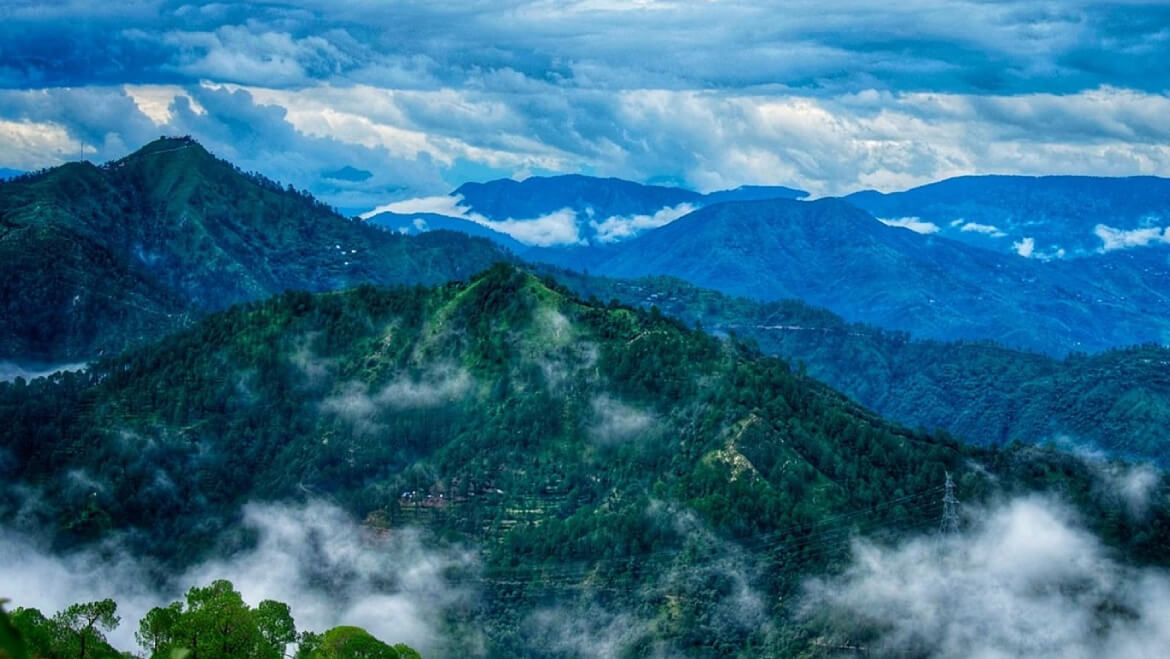
15 Best Hill Stations in Himachal Pradesh
Explore the best hill stations in Himachal Pradesh with practical route planning, traveler-type recommendations, and season-wise travel tips.
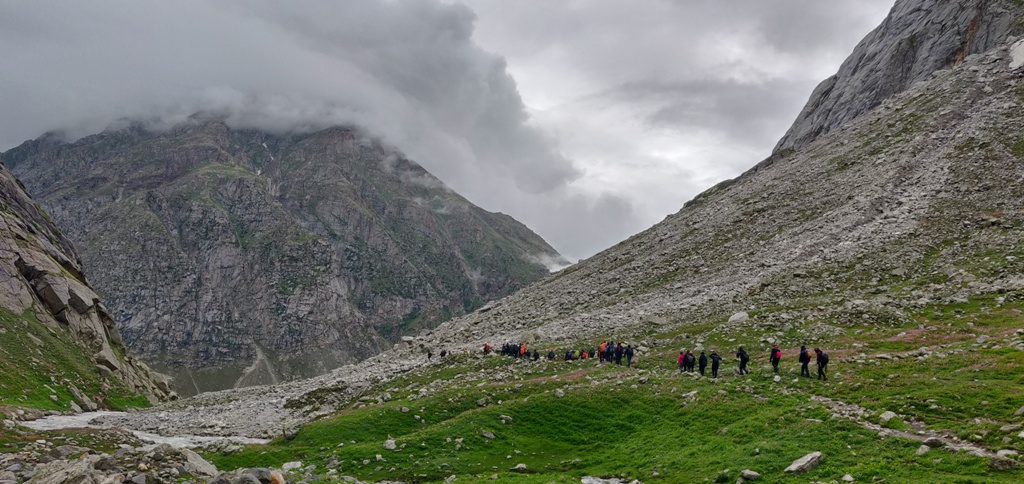
Treks in Manali: Best Routes, Camps & Difficulty Levels
Explore the best treks in Manali with difficulty-wise options, season planning, fitness prep, and practical trekking tips.
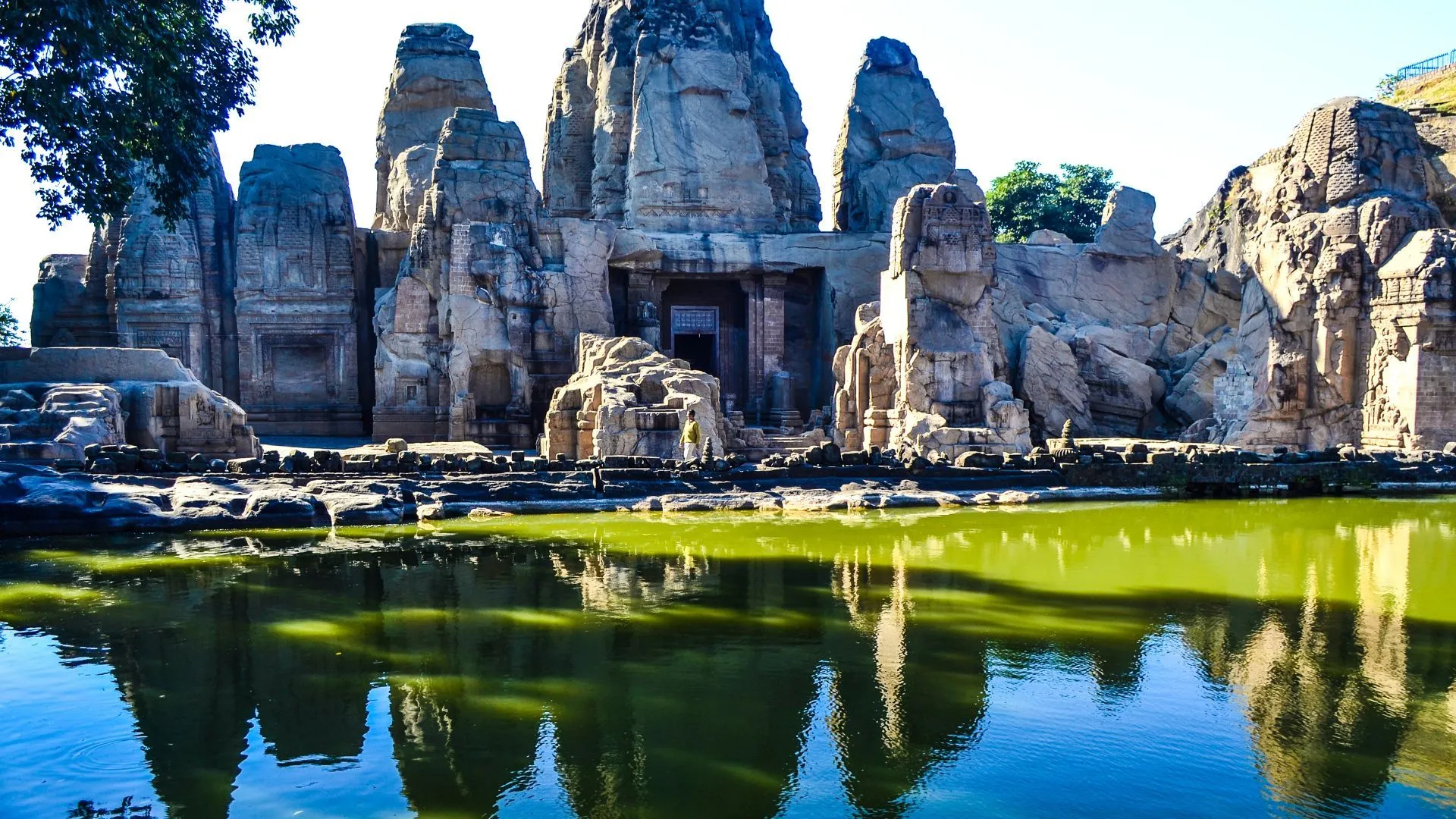
Best Places to Visit in Dharamshala: Top Spots
Discover the best places to visit in Dharamshala, from the Dalai Lama Temple and HPCA Stadium to Triund Trek, Bhagsu Waterfall, and Kangra Fort.
Never Miss an Adventure
Get the latest trekking guides, travel tips, and exclusive offers delivered straight to your inbox.
