
Things to Do in Dalhousie: Scenic Walks, Viewpoints & Local Experiences

Rahul Garg
February 20, 2026
Discover things to do in Dalhousie with Khajjiar, Kalatop, viewpoints, heritage stops, local markets, and practical itinerary plus season planning tips.
Introduction
Dalhousie is one of Himachal Pradesh’s most accessible hill destinations for travelers who want calm mountain views, forest walks, heritage churches, and short scenic drives. If you are looking for things to do in Dalhousie, the most effective plan is to combine one nature-heavy block, one heritage or market block, and one flexible viewpoint window each day. This keeps the itinerary balanced and avoids unnecessary road fatigue.
This guide covers high-value activities for couples, families, and first-time mountain travelers. It includes practical route sequencing, seasonal planning, and a clear two- to three-day structure. To expand your route, pair this with Dalhousie activity ideas and related local planning such as Dalhousie travel guide.
Khajjiar: The Signature Excursion
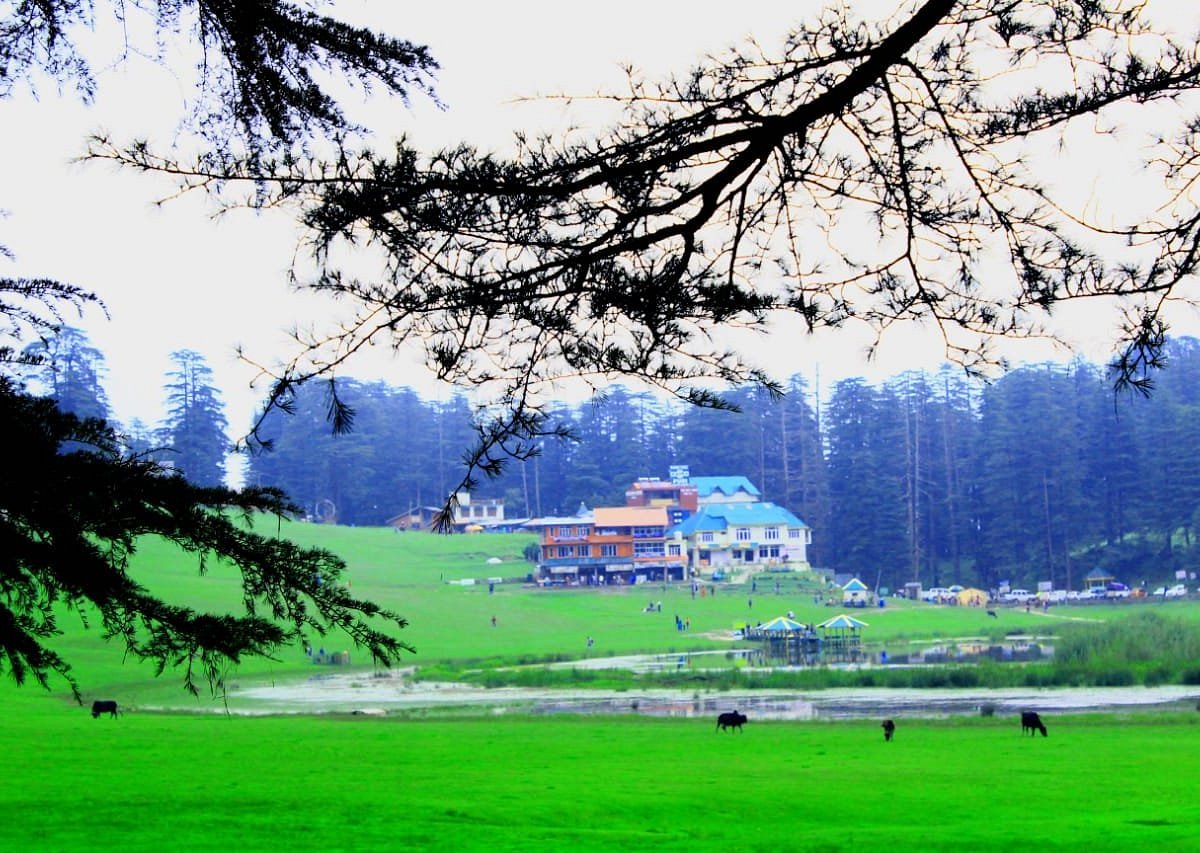
Khajjiar is often the headline experience when planning things to do in Dalhousie. The meadow setting, surrounding deodar forests, and open valley views make it ideal for relaxed half-day exploration. Instead of treating Khajjiar as a rushed photo stop, reserve enough time for a full circuit walk and a calm lunch break.
Adventure add-ons like horse rides or seasonal activity points are available, but they should be secondary to enjoying the landscape. Early departures reduce crowd pressure and improve comfort in peak months.
Travelers with children can keep Khajjiar as a low-intensity nature day with minimal walking difficulty.
Kalatop Wildlife Sanctuary and Forest Walks
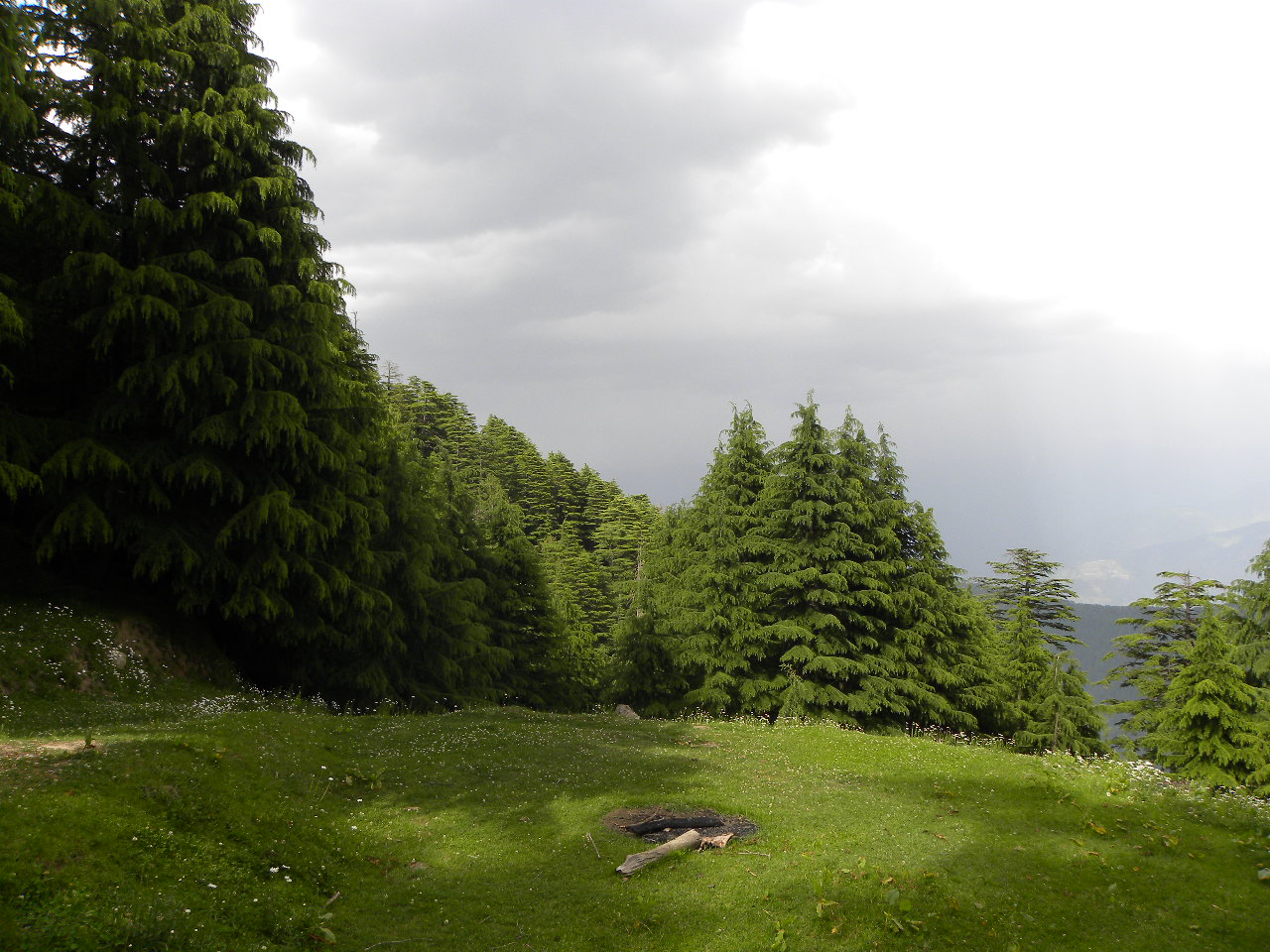
Kalatop is one of Dalhousie’s strongest nature-focused activities, especially for visitors who prefer forest textures over crowded viewpoints. The area offers walking trails, birding opportunities, and fresh mountain air. Start early and carry light layers, as temperatures can shift quickly through the day.
Trail quality and accessibility vary by season, so check local conditions before committing long walks. If you are not planning a full trek, even a short forest route here adds substantial depth to your trip.
Panchpula, Waterfall Stops, and Viewpoints
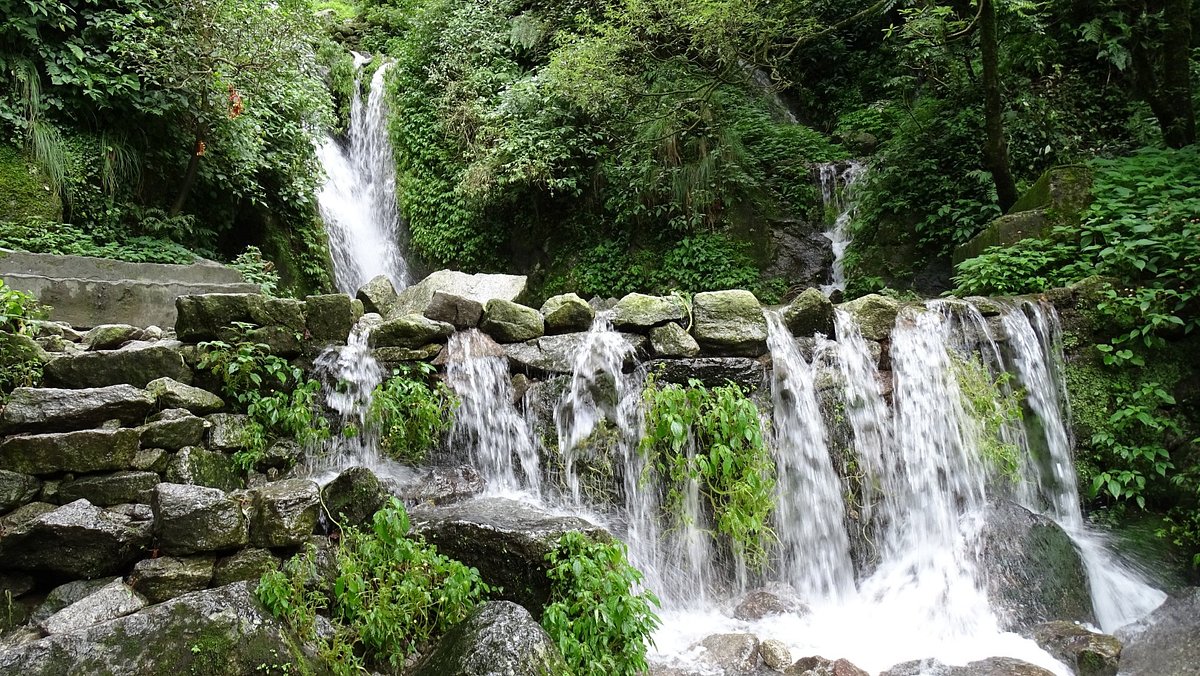
Panchpula and nearby waterfall routes are useful for easy sightseeing days. The location combines light walking, natural scenery, and family-friendly movement. Keep expectations practical in drier months when water flow may vary, but the forest and valley environment still makes the stop worthwhile.
Pair Panchpula with one additional viewpoint like Dainkund or Bakrota stretch depending on road and weather conditions. The key is not to overstack distant stops in a single day.
Churches, Heritage, and Local Character
Dalhousie’s colonial-era churches add architectural and historical context to the trip. St. John’s and other heritage structures are excellent short visits that work well between nature blocks. These spaces are calm, photogenic, and often less crowded than marquee viewpoints.
If you enjoy slower travel, take a walking route through old-town sections and observe building styles, street rhythm, and local cafes. This gives Dalhousie personality beyond postcard views.
Trekking and Nature-Based Activities
Dalhousie supports beginner-to-moderate trekking through meadow and ridge routes. Dainkund and nearby trail sections are popular for manageable effort and strong views. Start early, avoid late descents, and carry essentials like water, light snacks, and weather protection.
For mixed fitness groups, split the day into one trek block and one low-intensity recovery block. This keeps trip energy stable and improves overall satisfaction.
Shopping and Local Food
Shopping in Dalhousie is centered around modest local markets with woolens, Himachali products, and small souvenirs. Keep purchase expectations realistic; this is not a mega-retail destination. If you want practical picks, combine local market browsing with references from shopping places in Dalhousie.
Food-wise, split between local Himachali options and familiar comfort meals. This is especially useful for families and multi-day travelers. Evening cafes can be pleasant in shoulder and summer months but can cool rapidly after sunset.
Best Time to Visit Dalhousie
Spring and summer are ideal for clear movement and comfortable sightseeing. Post-monsoon months can offer cleaner views, while winter brings cold-weather charm and occasional snow windows depending on conditions. Choose season based on activity priority, not only visual expectations.
If snow is your goal, keep route flexibility and check local weather updates daily. Mountain conditions can shift quickly.
2-Day and 3-Day Itinerary Framework
| Duration | Suggested Plan |
|---|---|
| 2 Days | Day 1 Dalhousie town + heritage + viewpoints, Day 2 Khajjiar + forest block |
| 3 Days | Add Kalatop trek and a slower market/food day |
Keep one buffer window for weather or traffic changes, especially during holiday periods.
Budget and Mobility Tips
- Budget day: INR 1,800-3,000 with basic stays and local transport
- Mid-range day: INR 3,500-6,000 with curated meals and cab segments
- Premium day: INR 7,000+ with private movement and comfort stays
Use route clustering to reduce road time. Avoid switching far-apart zones repeatedly in one day.
Common Mistakes to Avoid
Do not try to cover Khajjiar, Kalatop, Panchpula, and long market sessions all in one day. This reduces quality and increases fatigue. Another common issue is poor layering in shoulder seasons; temperature drops can surprise even in relatively clear weather.
Also avoid late-evening return from unfamiliar mountain roads without buffer.
Detailed Route Strategy for First-Time Visitors
Dalhousie travel quality improves significantly when routes are planned by direction. On day one, keep activities around town center, heritage walks, and nearby viewpoints so you can settle into altitude and weather rhythm. On day two, allocate a larger block for Khajjiar and adjacent nature windows. On day three, choose Kalatop or a moderate trekking segment depending on fitness and weather confidence. This directional planning minimizes backtracking and avoids spending the best daylight hours in traffic.
If your group includes seniors or children, prioritize short scenic windows over long stacked drives. Mountain roads can feel tiring even with short map distances. Build meal and restroom breaks into the plan early, not reactively. A predictable rhythm usually gives better outcomes than high-attraction-count schedules.
Weather, Packing, and Seasonal Decision-Making
Dalhousie conditions can change quickly across mornings and evenings, especially in shoulder seasons. Layering is essential even when noon weather feels pleasant. Carry one warm outer layer, light rain protection, and sturdy walking shoes. In winter, add thermal layers and check road status before leaving for outlying points like Khajjiar or forest belts.
For snow-focused trips, keep expectations practical and avoid rigid plans tied to one exact day. Weather-led flexibility protects the trip from disappointment. For summer escapes, move outdoor walks to early mornings and reserve indoor or cafe-led stops for midday.
High-Value 48-Hour Plan
Day 1: heritage church route, local market, sunset viewpoint, early rest.
Day 2: Khajjiar excursion, meadow loop, Kalatop-side short walk, town dinner.
This two-day structure gives first-time travelers a balanced Dalhousie experience without overloading logistics.
Extended Day for Slow Travelers
If you can add one more day, use it for unstructured mountain pace: one forest walk, one long cafe session, and one local food circuit. This extra day often becomes the most memorable because it removes rush and allows deeper connection with the landscape.
Long-Weekend Optimization for Dalhousie
For long-weekend travel, congestion management becomes critical. Depart early for Khajjiar and reserve local town exploration for evening when roads calm slightly. Keep one backup indoor or short-walk option ready in case of weather shifts. Families should avoid packing every window with movement; one relaxed meal and one rest break per day can dramatically improve trip quality.
Dalhousie is also ideal for low-intensity restorative travel. If you are recovering from high-workload routines, choose fewer transfers and longer scenic pauses. A day with one forest walk, one viewpoint, and one local food session can be more satisfying than a checklist-heavy plan. The destination’s strength is atmosphere, not activity overload.
Photography travelers can assign dedicated golden-hour sessions instead of taking quick phone captures during transit. This method improves results and reduces stop-start road delays. With this approach, even a two-day Dalhousie trip can feel complete and thoughtfully paced.
Practical Packing and Mobility Checklist
Carry layered clothing, non-slip shoes, basic medication, and a reusable water bottle in your daypack. Dalhousie weather can shift rapidly between sun and chill, and being prepared prevents small discomforts from disrupting your itinerary. If traveling with kids or seniors, keep light snacks and extra warm layers accessible during drives.
Use one driver-contact backup and keep offline map points saved for key stops. In hill destinations, network drops are common in pockets and can create avoidable confusion. A prepared mobility plan keeps your day smooth and helps you spend more time at experiences instead of route corrections.
Simple readiness improves quality more than adding another attraction to a packed day plan.
For repeat visitors, consider revisiting one favorite viewpoint at a different time of day. Morning and evening light can transform the same location and create a fresh experience without extra travel time.
Travelers who value low-stress mountain trips should keep daily attraction count intentionally low and increase on-site time at fewer places. In Dalhousie, quality usually comes from atmosphere and pace, not volume. A single long morning in Khajjiar plus one relaxed evening walk can feel more fulfilling than five short stops. Build your plan around energy, weather, and road comfort rather than social-media checklists. This mindset is especially useful for family groups and older travelers who prefer calm, predictable days. When you slow down, Dalhousie’s forest air, ridge views, and heritage rhythm become far more noticeable and memorable.
Conclusion
The best things to do in Dalhousie combine meadow excursions, forest walks, heritage stops, and practical pacing. With two or three well-structured days, Dalhousie can deliver a calm and visually rich mountain break.
Plan by clusters, prioritize one signature experience each day, and keep weather flexibility in your route for a smoother and more rewarding trip.
Location
Frequently Asked Questions
Q1.How many days are enough for Dalhousie?
Q2.What are the top things to do in Dalhousie?
Q3.Is Khajjiar worth visiting from Dalhousie?
Q4.What is the best time to visit Dalhousie?
Q5.Can beginners trek in Dalhousie?
Q6.Is Dalhousie good for families?
Q7.How far is Khajjiar from Dalhousie?
Q8.What should I pack for Dalhousie?
Recommended For You
Places to Eat in Dalhousie: Top Cafes, Local Food & Dinner Spots
Find the best places to eat in Dalhousie with Himachali dishes, scenic cafes, local dhabas, bakery stops, and weather-smart dining tips.
Things to Do in Jibhi: Nature Trails, Cafes & Slow Travel Ideas
Explore Jibhi, Himachal's hidden gem! Discover Serolsar Lake, Jalori Pass, Chehni Kothi, trout fishing & more in this offbeat travel guide.
Things to Do in Dharamshala: Tibetan Culture, Treks & Cafes
Plan things to do in Dharamshala with monastery circuits, Triund trek planning, McLeod Ganj culture, cafe experiences, and practical multi-day itineraries.
Never Miss an Adventure
Get the latest trekking guides, travel tips, and exclusive offers delivered straight to your inbox.
