
Heritage
Dakshinar Chakra Temple: Complete Guide to the Divine Wheel Temple

Rohan Malhotra
December 8, 2025
26 min read4,872 views
Explore Dakshinar Chakra Temple, sacred shrine of the divine cosmic wheel. Complete guide with timings, rituals, festivals, history & travel tips.
Introduction: The Sacred Temple of the Divine Wheel
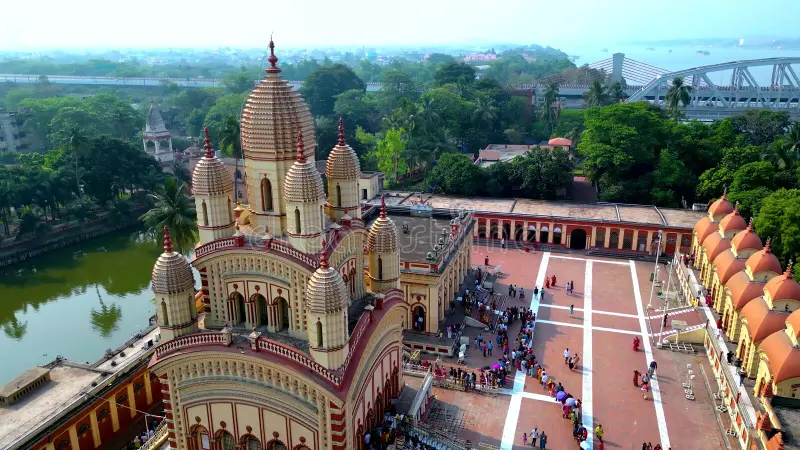
Nestled in the spiritual heartland of eastern India, the Dakshinar Chakra Temple stands as a magnificent testament to the rich tapestry of Hindu temple architecture and philosophical symbolism. This sacred shrine, dedicated to the divine chakra (cosmic wheel) representing the cosmic order and spiritual enlightenment, draws thousands of devotees and curious travelers seeking blessings, spiritual solace, and architectural marvels. What sets this temple apart is its unique representation of the chakra—a powerful symbol in Hindu, Buddhist, and Jain traditions representing the cycle of creation, preservation, and transformation.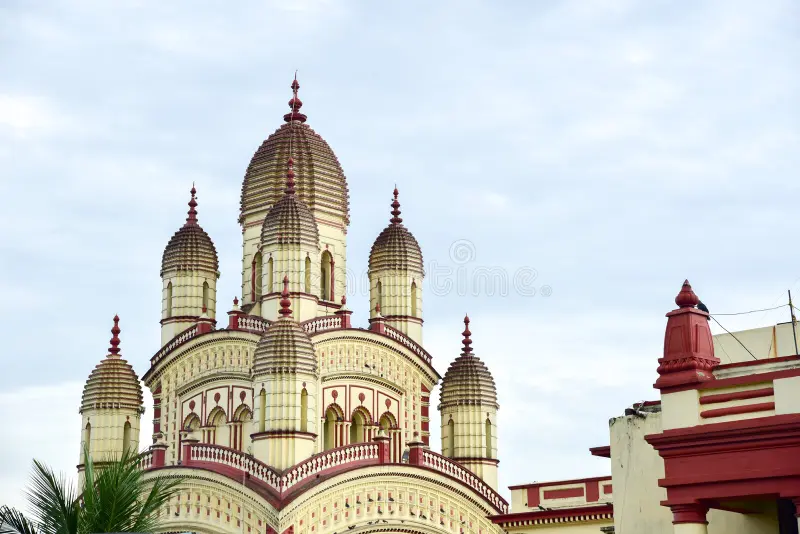 The temple's name derives from two powerful Sanskrit words: 'Dakshinar,' meaning 'related to the southern direction' or 'the skillful one,' and 'Chakra,' the cosmic wheel or disc that symbolizes the eternal cycle of time, the universe's rhythmic dance, and the spiritual journey of souls. In Hindu philosophy, the chakra represents both the macrocosm (the universal wheel of time) and the microcosm (the spiritual energy centers within the human body). This temple beautifully embodies these dual interpretations, creating a space where cosmic philosophy meets personal spiritual practice.
What makes Dakshinar Chakra Temple particularly significant is its syncretic architecture that blends elements from different Indian temple traditions while maintaining a unique identity. The temple complex features multiple shrines, sacred water bodies, meditation halls, and beautifully landscaped gardens that create an atmosphere of tranquility and devotion. For spiritual seekers, the temple offers not just a place of worship but a complete spiritual ecosystem designed to facilitate inner transformation and outer harmony.
The temple's historical significance is equally compelling. While the exact origins are shrouded in the mists of time, local legends trace the temple's foundation to sage practitioners who established this sacred site as a center for studying cosmic rhythms and their influence on human consciousness. Over centuries, the temple has evolved through various patronage regimes, each dynasty adding layers of architectural refinement while preserving the core spiritual essence. Today, it stands not just as a place of worship but as a living museum of India's spiritual heritage.
The temple's name derives from two powerful Sanskrit words: 'Dakshinar,' meaning 'related to the southern direction' or 'the skillful one,' and 'Chakra,' the cosmic wheel or disc that symbolizes the eternal cycle of time, the universe's rhythmic dance, and the spiritual journey of souls. In Hindu philosophy, the chakra represents both the macrocosm (the universal wheel of time) and the microcosm (the spiritual energy centers within the human body). This temple beautifully embodies these dual interpretations, creating a space where cosmic philosophy meets personal spiritual practice.
What makes Dakshinar Chakra Temple particularly significant is its syncretic architecture that blends elements from different Indian temple traditions while maintaining a unique identity. The temple complex features multiple shrines, sacred water bodies, meditation halls, and beautifully landscaped gardens that create an atmosphere of tranquility and devotion. For spiritual seekers, the temple offers not just a place of worship but a complete spiritual ecosystem designed to facilitate inner transformation and outer harmony.
The temple's historical significance is equally compelling. While the exact origins are shrouded in the mists of time, local legends trace the temple's foundation to sage practitioners who established this sacred site as a center for studying cosmic rhythms and their influence on human consciousness. Over centuries, the temple has evolved through various patronage regimes, each dynasty adding layers of architectural refinement while preserving the core spiritual essence. Today, it stands not just as a place of worship but as a living museum of India's spiritual heritage.
Historical Significance: Legends and Legacy
The history of Dakshinar Chakra Temple is a fascinating tapestry woven with mythological narratives, historical accounts, and oral traditions passed down through generations of priests and devotees. According to local folklore, the temple's origin is connected to a powerful sage who meditated upon the cosmic chakra and received a divine vision instructing him to establish a temple where the earthly and cosmic energies converge. The earliest historical records mentioning the temple date back to the medieval period, though archaeological evidence suggests that the site has been sacred for much longer. Inscriptions found on temple walls indicate various phases of construction and renovation under different ruling dynasties, each contributing to the temple's architectural grandeur. The temple survived tumultuous periods of political upheaval, natural calamities, and changing social landscapes, testament to both its structural resilience and the enduring devotion of its custodians.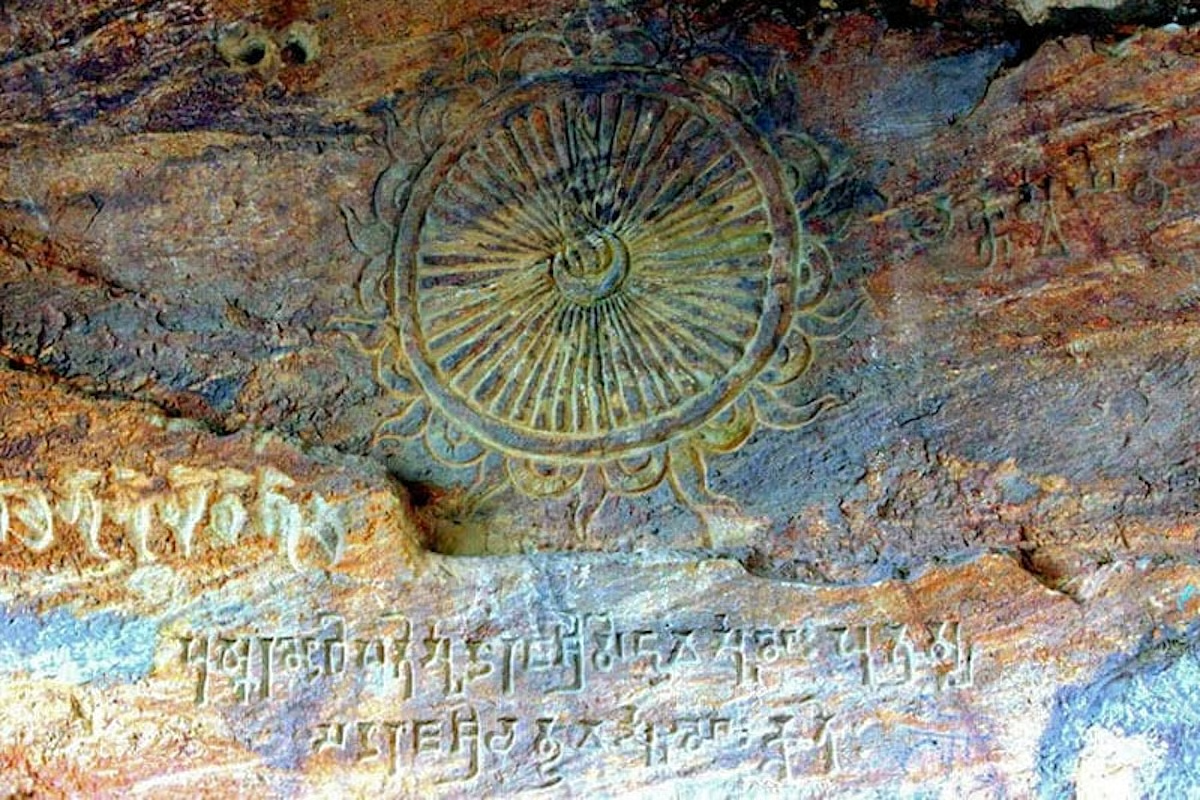 During the colonial period, the temple faced significant challenges as many traditional institutions were disrupted. However, thanks to the dedicated efforts of the temple community and local patrons, the sacred traditions continued uninterrupted. The post-independence era saw a revival of temple activities, with renovations and expansions that enhanced the temple's capacity to serve devotees while preserving its historical character.
What makes the temple's history particularly interesting is its role as a center for philosophical discourse and spiritual education. Unlike many temples that focused primarily on ritual worship, Dakshinar Chakra Temple historically served as a venue for scholarly debates, philosophical discussions, and the preservation of ancient wisdom texts. This intellectual dimension has continued into modern times, with the temple hosting regular lectures, cultural programs, and educational initiatives that keep alive the traditions of philosophical inquiry.
The temple's historical significance is further enhanced by its association with various saints and spiritual leaders who visited or resided here over the centuries. Their presence left an indelible mark on the temple's spiritual character, creating a lineage of blessing that devotees believe continues to sanctify the space to this day. For many visitors, walking through the temple corridors is like walking through history, with each stone and shrine telling stories of devotion, scholarship, and divine grace.
During the colonial period, the temple faced significant challenges as many traditional institutions were disrupted. However, thanks to the dedicated efforts of the temple community and local patrons, the sacred traditions continued uninterrupted. The post-independence era saw a revival of temple activities, with renovations and expansions that enhanced the temple's capacity to serve devotees while preserving its historical character.
What makes the temple's history particularly interesting is its role as a center for philosophical discourse and spiritual education. Unlike many temples that focused primarily on ritual worship, Dakshinar Chakra Temple historically served as a venue for scholarly debates, philosophical discussions, and the preservation of ancient wisdom texts. This intellectual dimension has continued into modern times, with the temple hosting regular lectures, cultural programs, and educational initiatives that keep alive the traditions of philosophical inquiry.
The temple's historical significance is further enhanced by its association with various saints and spiritual leaders who visited or resided here over the centuries. Their presence left an indelible mark on the temple's spiritual character, creating a lineage of blessing that devotees believe continues to sanctify the space to this day. For many visitors, walking through the temple corridors is like walking through history, with each stone and shrine telling stories of devotion, scholarship, and divine grace.
Architectural Brilliance: Sacred Geometry in Stone
The architecture of Dakshinar Chakra Temple represents a harmonious blend of aesthetic beauty and symbolic profundity. Every aspect of the temple's design—from its layout to its decorative elements—embodies deep philosophical principles, particularly those related to sacred geometry and cosmic symbolism. The temple complex is designed according to Vastu Shastra principles, ensuring that the structure resonates with natural energies and creates an environment conducive to spiritual practice. The most striking architectural feature is, of course, the representation of the chakra itself. The main temple structure is designed in a circular pattern, with concentric rings representing different levels of cosmic existence. The sanctum sanctorum (garbhagriha) sits at the center, symbolizing the still point around which the cosmic wheel revolves. The temple's spire (shikhara) rises above this center, its tiers representing the ascending levels of consciousness that the spiritual aspirant must traverse to reach divine realization.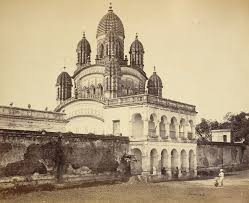 The temple features multiple mandapas (pillared halls) each serving different functions. The ardha mandapa (entrance porch) serves as the transition space between the outer world and the sacred interior. The maha mandapa (great hall) is where devotees gather for ceremonies and festivals. The nritya mandapa (dance hall) reflects the temple's tradition of using classical dance as an offering to the divine. Each mandapa showcases exquisite pillar work, with carved pillars depicting scenes from Hindu mythology, various deities, and intricate geometric patterns.
The temple walls are covered in sculptures that narrate mythological stories, depict various forms of the divine, and illustrate philosophical concepts through visual symbolism. Particularly noteworthy are the representations of the chakra in various forms—as the Sudarshana Chakra (the discus of Vishnu), as the dharmachakra (the wheel of dharma), and as the Sahasrara (the thousand-petaled crown chakra in human subtle anatomy). These representations create a rich visual language that teaches devotees about cosmic principles even as they engage in worship.
The temple complex includes several auxiliary structures that enhance its functionality and beauty. The temple tank (pushkarini) is not just architecturally beautiful but also serves ritual purposes, with devotees performing ceremonial ablutions before entering the main shrine. The temple gardens are planted with sacred trees and flowering plants that are used in daily rituals. The administrative buildings and accommodation for priests and staff are designed in a style that harmonizes with the main temple architecture.
What's particularly remarkable about the temple's architecture is its integration of mathematical precision with artistic beauty. The proportions of various elements follow sacred geometric ratios, and the layout incorporates astronomical alignments. For instance, the main entrance is oriented to catch the first rays of the sun on significant festival days, and certain windows and openings are positioned to align with specific celestial events. This integration of architecture, astronomy, and spirituality is characteristic of India's most sophisticated temple traditions.
The temple features multiple mandapas (pillared halls) each serving different functions. The ardha mandapa (entrance porch) serves as the transition space between the outer world and the sacred interior. The maha mandapa (great hall) is where devotees gather for ceremonies and festivals. The nritya mandapa (dance hall) reflects the temple's tradition of using classical dance as an offering to the divine. Each mandapa showcases exquisite pillar work, with carved pillars depicting scenes from Hindu mythology, various deities, and intricate geometric patterns.
The temple walls are covered in sculptures that narrate mythological stories, depict various forms of the divine, and illustrate philosophical concepts through visual symbolism. Particularly noteworthy are the representations of the chakra in various forms—as the Sudarshana Chakra (the discus of Vishnu), as the dharmachakra (the wheel of dharma), and as the Sahasrara (the thousand-petaled crown chakra in human subtle anatomy). These representations create a rich visual language that teaches devotees about cosmic principles even as they engage in worship.
The temple complex includes several auxiliary structures that enhance its functionality and beauty. The temple tank (pushkarini) is not just architecturally beautiful but also serves ritual purposes, with devotees performing ceremonial ablutions before entering the main shrine. The temple gardens are planted with sacred trees and flowering plants that are used in daily rituals. The administrative buildings and accommodation for priests and staff are designed in a style that harmonizes with the main temple architecture.
What's particularly remarkable about the temple's architecture is its integration of mathematical precision with artistic beauty. The proportions of various elements follow sacred geometric ratios, and the layout incorporates astronomical alignments. For instance, the main entrance is oriented to catch the first rays of the sun on significant festival days, and certain windows and openings are positioned to align with specific celestial events. This integration of architecture, astronomy, and spirituality is characteristic of India's most sophisticated temple traditions.
The Main Deity and Religious Significance
The central deity of Dakshinar Chakra Temple represents a unique synthesis of various aspects of the divine principle. While the primary deity is represented as the cosmic chakra, devotees understand this form in different ways—as the discus of Lord Vishnu, as the wheel of dharma turned by the Buddha, as the creative energy of the Divine Mother, or as the abstract representation of cosmic order itself. This polyvalent symbolism allows the temple to serve devotees from different Hindu traditions and even those from other Dharmic religions. The main deity is housed in the sanctum sanctorum, a dark, cool chamber that creates an atmosphere of intimacy with the divine. The deity is represented through an aniconic symbol—a beautifully crafted chakra made from a combination of metals considered sacred according to traditional metallurgy. This chakra is bathed, decorated, and worshipped multiple times daily according to elaborate ritual protocols that have been preserved for generations. Flanking the main deity are various subsidiary deities who form the temple's spiritual entourage. These include guardian deities who protect the temple and its devotees, planetary deities (navagrahas) whose influence is propitiated through rituals, and various forms of the divine representing different aspects of cosmic power. Each of these deities has their own shrine within the temple complex, and devotees often undertake a circumambulation (pradakshina) that pays respects to each deity in sequence. The religious significance of Dakshinar Chakra Temple extends beyond its role as a place of worship. It serves as a center for various religious ceremonies including life-cycle rituals (naming ceremonies, weddings, last rites), seasonal festivals that celebrate cosmic events (equinoxes, solstices), and special observances that honor the temple's legendary founders and historical saints. For many local families, the temple is an integral part of their religious and social life, marking all important occasions with ceremonies conducted here. The temple also plays an important role in preserving traditional religious knowledge. The priests here undergo extensive training in Vedic chanting, ritual procedures, and philosophical interpretation. Many of them come from families that have served the temple for generations, preserving oral traditions that might otherwise have been lost. In recent years, the temple has also established educational programs to train younger generations in traditional knowledge systems, ensuring that these traditions continue to thrive. For spiritual seekers, the temple offers more than just ritual worship. The quiet corners of the complex serve as spaces for meditation, and the temple regularly organizes spiritual discourses, meditation retreats, and philosophical discussions. The library housed within the temple complex contains rare manuscripts and published works on Indian philosophy, making it a valuable resource for scholars and serious students of spirituality.Temple Timings and Ritual Schedule
Understanding the temple's schedule is essential for planning a meaningful visit. Dakshinar Chakra Temple follows a rigorous daily ritual calendar that has been maintained for centuries, with specific times designated for different ceremonies and periods when the temple is closed for ritual cleansing and deity rest.| Time | Ritual/Ceremony | Description |
|---|---|---|
| 5:00 AM - 6:00 AM | Morning Awakening (Suprabhata) | Deity awakening ceremony with chanting and music |
| 6:00 AM - 8:00 AM | Morning Abhisheka | Sacred bath of the deity with various substances |
| 8:00 AM - 12:00 PM | Morning Darshan & Archana | General viewing and personal worship offerings |
| 12:00 PM - 4:00 PM | Temple Closure | Deity rest period; temple closed to public |
| 4:00 PM - 6:00 PM | Evening Darshan | Afternoon viewing and worship period |
| 6:00 PM - 7:00 PM | Evening Aarti | Ceremonial light offering with chanting |
| 7:00 PM - 8:30 PM | Night Darshan | Final viewing before temple closing |
| 8:30 PM - 9:00 PM | Temple Closing | Final rituals and temple closure |
Major Festivals and Celebrations
Dakshinar Chakra Temple comes alive during its annual festival cycle, with celebrations that draw devotees from across the region and beyond. These festivals are not just religious observances but vibrant cultural events that showcase traditional music, dance, crafts, and culinary traditions. Participating in or even witnessing these festivals offers visitors a profound insight into living Hindu religious culture. The most important festival is the Chakra Jayanti (the birthday of the cosmic chakra), typically celebrated in the spring season according to the lunar calendar. This multi-day festival features elaborate rituals, cultural performances, and a grand procession where the deity's symbol is carried through the streets in a beautifully decorated chariot. The streets are decorated with floral designs (rangoli), and devotees set up distribution points offering food and water to pilgrims.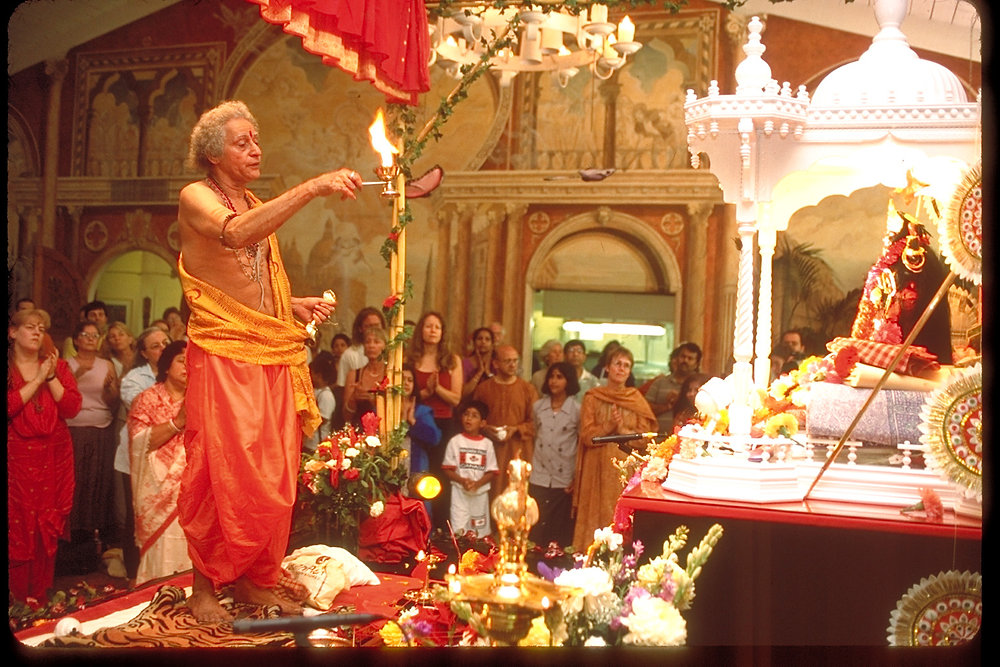 Navaratri, the nine-night festival celebrating the divine feminine, is another major celebration at the temple. During this period, the temple is decorated with thousands of oil lamps, and special ceremonies honor the nine forms of the goddess. Classical music concerts, dance performances, and religious discourses are organized throughout the nine days, creating a festive atmosphere that extends beyond the temple into the surrounding neighborhood.
Makar Sankranti, the harvest festival marking the sun's transition into Capricorn, is celebrated with special rituals at the temple tank. Devotees take ceremonial baths in the sacred waters and offer prayers for prosperity and good harvest. The temple also distributes prasad (blessed food) to thousands of devotees on this day.
Other important observances include Janmashtami (Krishna's birthday), Maha Shivaratri (the great night of Shiva), and various ekadashi observances (the eleventh day of the lunar fortnight, considered particularly sacred for Vishnu worship). Each of these festivals has its own character and specific rituals, adding variety to the temple's ritual calendar throughout the year.
What makes temple festivals at Dakshinar Chakra particularly special is the participation of the entire community. The temple management works with local residents, businesses, and cultural organizations to create celebrations that are both authentically traditional and welcoming to visitors. Whether you're a devout participant or a curious observer, the festivals offer an unforgettable experience of community celebration and spiritual fervor.
Navaratri, the nine-night festival celebrating the divine feminine, is another major celebration at the temple. During this period, the temple is decorated with thousands of oil lamps, and special ceremonies honor the nine forms of the goddess. Classical music concerts, dance performances, and religious discourses are organized throughout the nine days, creating a festive atmosphere that extends beyond the temple into the surrounding neighborhood.
Makar Sankranti, the harvest festival marking the sun's transition into Capricorn, is celebrated with special rituals at the temple tank. Devotees take ceremonial baths in the sacred waters and offer prayers for prosperity and good harvest. The temple also distributes prasad (blessed food) to thousands of devotees on this day.
Other important observances include Janmashtami (Krishna's birthday), Maha Shivaratri (the great night of Shiva), and various ekadashi observances (the eleventh day of the lunar fortnight, considered particularly sacred for Vishnu worship). Each of these festivals has its own character and specific rituals, adding variety to the temple's ritual calendar throughout the year.
What makes temple festivals at Dakshinar Chakra particularly special is the participation of the entire community. The temple management works with local residents, businesses, and cultural organizations to create celebrations that are both authentically traditional and welcoming to visitors. Whether you're a devout participant or a curious observer, the festivals offer an unforgettable experience of community celebration and spiritual fervor.
How to Reach Dakshinar Chakra Temple
Reaching Dakshinar Chakra Temple is relatively straightforward, with good connectivity by air, rail, and road. The temple is located in a well-connected part of eastern India, making it accessible from major cities across the country. Below is detailed information on various travel options to help you plan your journey.| Transport Mode | Details |
|---|---|
| Nearest Airport | Netaji Subhash Chandra Bose International Airport, Kolkata (17 km) |
| By Air | Direct flights from major Indian cities and international connections |
| Nearest Railway Station | Howrah Junction (8 km) and Sealdah Station (10 km) |
| By Metro | Nearest Metro: Kalighat Station on North-South Line (2 km) |
| By Road | Connected via National Highway to all major cities in eastern India |
| Local Transport | Taxis, auto-rickshaws, buses, and app-based cab services available |
Best Time to Visit Dakshinar Chakra Temple
Choosing the right time to visit Dakshinar Chakra Temple can significantly enhance your experience. The region experiences a tropical climate with distinct seasons, each offering different advantages for temple exploration and spiritual activities. Winter (October to February): This is the best time to visit Dakshinar Chakra Temple. Daytime temperatures range from 15°C to 25°C, making temple exploration comfortable and pleasant. The weather is dry with clear skies, ideal for photography and spending extended periods in the temple complex. This period also includes several major festivals, offering opportunities to witness special celebrations. However, this is also peak tourist season, so the temple can be crowded, and accommodation prices in the area may be higher. If visiting during winter, carry light woolens for early morning and evening visits. Summer (March to June): Summers are hot and humid, with temperatures frequently exceeding 35°C and sometimes reaching 40°C. The heat can make daytime exploration uncomfortable, especially in the afternoons. However, if you don't mind the heat, this period has the advantage of fewer crowds, allowing for a more contemplative temple experience. If visiting in summer, plan your temple visit for early morning (6-8 AM) or evening (after 5 PM) when temperatures are more bearable. Carry sun protection, stay hydrated, and dress in light, breathable clothing. Monsoon (July to September): The monsoon brings heavy rainfall to the region, with high humidity that can make it feel muggy. While the rain might disrupt outdoor activities, the temple complex itself is accessible. The surrounding greenery becomes lush and vibrant during this period, creating a beautiful setting. The number of tourists is lowest during monsoon, so if you don't mind getting wet, this can be a peaceful time to visit. However, some temple ceremonies may be modified or cancelled during heavy rain. Good footwear that can handle wet surfaces is essential if you're visiting during this season. For spiritual seekers, specific times might be more significant depending on their purpose. Those interested in experiencing major festivals should plan their visit around Durga Puja (usually September-October) or other major festivals. Those seeking a quieter, more contemplative experience might prefer the off-peak periods between major festival seasons. Regardless of when you visit, the temple offers daily rituals and ceremonies that provide insight into Hindu worship traditions. The morning and evening aarti ceremonies are particularly meaningful regardless of season, offering a deeply spiritual experience that transcends weather considerations.Things to See and Do in the Temple Complex
The Dakshinar Chakra Temple complex offers much more than just the main shrine. Various areas within the complex deserve attention, and different activities provide opportunities for engagement, learning, and spiritual practice. Explore the Main Shrine: The centerpiece of the complex is, of course, the main temple housing the chakra deity. Spend time observing the architectural details, the sculpture work on the exterior walls, and the sacred geometry that informs the structure's proportions. Inside the sanctum, experience the powerful atmosphere created by centuries of devotion and ritual practice. Circumambulate the Temple: Performing pradakshina (circumambulation) around the main temple is an important spiritual practice. The temple complex has designated pathways for this ritual. Devotees typically walk around the temple three times or more, chanting prayers or mantras. The circumambulation path takes you past various subsidiary shrines, allowing you to pay respects to multiple deities in a single ritual circuit. Visit the Subsidiary Shrines: The complex houses numerous smaller shrines dedicated to various deities. Each shrine has its own character and significance. The Navagraha shrine (nine planetary deities) is particularly popular among devotees seeking astrological remedies. The shrine to the guardian deity often receives special attention from those seeking protection and blessings. Spend Time at the Temple Tank: The sacred temple tank is not just architecturally beautiful but spiritually significant. Devotees often sit on its steps for meditation or prayer. The water is considered sacred, and ceremonial ablutions in the tank are believed to have purifying effects. The tank area is particularly peaceful in the early morning hours. Attend a Ritual Ceremony: If your timing allows, attend one of the daily rituals, particularly the morning or evening aarti. These ceremonies offer insight into Hindu worship practices and create a powerful collective energy as devotees participate. The chanting, bells, and ritual movements create a multisensory spiritual experience. Explore the Temple Museum: The temple houses a small museum displaying historical artifacts, ritual objects, and informational exhibits about the temple's history and significance. This is particularly valuable for those interested in understanding the context behind what they're seeing in the temple. Visit the Temple Library: For scholars and serious spiritual seekers, the temple library contains rare manuscripts and publications on Indian philosophy, ritual procedures, and the temple's history. Permission from the temple administration may be required to access the library. Participate in a Discourse or Class: The temple regularly organizes spiritual discourses, philosophical discussions, and classes on various aspects of Hindu tradition. Check the temple's schedule for upcoming programs that might coincide with your visit. These sessions offer deeper understanding beyond what guidebooks can provide. Meditation in Designated Areas: Certain areas of the complex are designated for meditation and quiet contemplation. These spaces offer respite from the more busy areas of the temple and provide an opportunity for personal spiritual practice in a charged sacred environment. Offer Service (Seva): Devotees often participate in temple activities by offering voluntary service. This might involve helping with crowd management, assisting in ceremonies, or contributing to maintenance activities. Offering seva is considered a spiritually meritorious activity and provides a different perspective on temple operations.Nearby Attractions: Extend Your Spiritual Journey
While Dakshinar Chakra Temple deserves dedicated time and attention, the surrounding region offers numerous attractions that can be combined to create a richer travel experience. Eastern India is particularly rich in cultural sites, historical monuments, and natural attractions within reachable distance. Kalighat Temple (2 km): One of Kolkata's most famous temples, the Kalighat Kali Temple is dedicated to Goddess Kali in her fierce form. As one of the 51 Shakti Peethas (sacred sites where parts of the goddess's body are believed to have fallen), this temple holds special significance in Hindu tradition. The contrast between the fierce energy of Kalighat and the cosmic order represented at Dakshinar Chakra Temple offers interesting theological insights. Victoria Memorial (5 km): A grand monument built during the British colonial period, the Victoria Memorial now houses a museum showcasing India's colonial history. The architecture blends British and Mughal styles, and the surrounding gardens offer a peaceful retreat. The memorial's light and sound show in the evening provides historical context for understanding Kolkata's development. Indian Museum (6 km): Founded in 1814, this is the oldest and largest museum in India. Its collection spans archaeology, art, anthropology, geology, and zoology. For visitors interested in understanding India's cultural heritage more broadly, this museum provides invaluable context, with exhibits that complement temple visits by showing the broader historical and cultural currents. Belur Math (10 km): The headquarters of the Ramakrishna Math and Mission, this beautiful complex on the banks of the Hooghly River blends architectural elements from Hindu, Christian, and Islamic traditions, symbolizing the harmony of all religions. Founded by Swami Vivekananda, the center continues to be an important spiritual and humanitarian organization. The evening aarti here is particularly beautiful. Dakshineswar Kali Temple (12 km): Famous for its association with the 19th-century saint Ramakrishna Paramahamsa, this temple complex is dedicated to Goddess Kali. The temple's setting along the Hooghly River, with its series of shrines and bathing ghats, creates a powerful spiritual atmosphere. The temple's historical significance and connection to Ramakrishna make it an important pilgrimage site. Sundarbans National Park (100 km): For nature enthusiasts, a trip to the Sundarbans—the world's largest mangrove forest and a UNESCO World Heritage Site—can be arranged. The Sundarbans is home to the Royal Bengal Tiger and numerous other wildlife species. While this requires a longer excursion (typically 2-3 days), it offers a completely different experience from temple tourism, showcasing India's natural heritage. Bishnupur (150 km): For those interested in temple architecture, the town of Bishnupur is famous for its terracotta temples built during the Malla dynasty. These temples feature intricate terracotta panels depicting scenes from Hindu epics. A day trip to Bishnupur can be arranged, though staying overnight allows for more leisurely exploration. For travelers interested in creating a comprehensive spiritual and cultural itinerary, combining Dakshinar Chakra Temple with visits to other important temple complexes in the region creates a rich understanding of India's diverse religious traditions. Travel operators in Kolkata offer various packages that can be customized according to your interests and time constraints.Practical Information for Visitors
Being prepared with practical information can make your temple visit more comfortable and meaningful. The following details cover common questions and concerns that visitors typically have.| Category | Details |
|---|---|
| Entry Fee | Free (donations accepted) |
| Photography | Allowed in most areas; restrictions in sanctum |
| Video Recording | Requires permission from temple office |
| Footwear d> | Must be removed before entering temple areas |
| Dress Code | Modest clothing required |
| Facilities d> | Shoe storage, drinking water, prasad distribution |
| Accessibility | Limited wheelchair access due to architectural features |
| Guided Tours | Available on request; donations appreciated |
Where to Stay Near Dakshinar Chakra Temple
The area around Dakshinar Chakra Temple offers various accommodation options to suit different budgets and preferences. Whether you're looking for luxury hotels, mid-range comfort, or budget-friendly options, you'll find suitable choices within reasonable distance of the temple. Luxury Hotels: Several 5-star hotels in South Kolkata offer premium amenities and excellent service. These typically feature multiple restaurants, spas, swimming pools, and business centers. Prices range from ₹7,000 to ₹15,000 per night depending on the season and room category. These hotels are usually located 5-10 kilometers from the temple, with easy taxi or auto-rickshaw access. Mid-Range Hotels: Options in the ₹3,000 to ₹6,000 range offer good value with comfortable rooms, air conditioning, and often in-house restaurants. These hotels are more conveniently located, typically within 2-5 kilometers of the temple, making them practical choices for those planning multiple temple visits. Budget Options: Guesthouses and budget hotels offer basic accommodation for ₹800-₹2,000 per night. While facilities are basic, these options are clean and safe. Many are within walking distance or a short auto-rickshaw ride from the temple, making them economical choices for devotees planning extended stays. Heritage Properties: Some heritage buildings in the area have been converted into boutique hotels or guesthouses. These offer period charm and character, often featuring traditional architecture and decor. Prices vary widely depending on the property's exclusivity and amenities. Temple Accommodation: Some temples, including Dakshinar Chakra, have guesthouses or dormitory facilities for devotees. These are typically very basic and very economical. Accommodation is often available on a first-come-first-served basis, and priority may be given to those participating in extended religious programs. Service Apartments: For those planning longer stays (a week or more), service apartments can be economical. These typically include kitchen facilities, allowing for self-catering. They're particularly useful for families or groups who prefer more space and home-like facilities. When choosing accommodation, consider factors like proximity to the temple, access to public transportation, nearby restaurants and shops, and safety. Booking in advance is advisable, especially during festival seasons when demand for accommodation peaks. Online travel platforms and the temple's own website can provide information and booking options.Local Cuisine and Dining Options
Exploring the local cuisine is an important part of any travel experience, and the area around Dakshinar Chakra Temple offers various dining options that showcase Bengal's culinary traditions. From temple prasad to street food to restaurant meals, there are many opportunities to experience local flavors. Temple Prasad: The prasad (blessed food) distributed at the temple offers a taste of traditional temple cuisine. This typically includes sweets like laddoos or peda, and sometimes savory items like khichdi. While the primary purpose of prasad is spiritual rather than culinary, receiving and consuming it is an important part of the temple experience. Street Food: The area around the temple features numerous street food vendors offering local favorites. Puchka (the Bengali version of panipuri), jhal muri (spicy puffed rice), ghugni (dried yellow peas curry), and various fried snacks like beguni (eggplant fritters) and phuluri (spiced fritters) are popular options. These are inexpensive and offer authentic flavors, though hygiene standards vary—choose vendors who look clean and busy. Sweet Shops: Bengali sweets are legendary, and the area has several sweet shops (mishtir dokan) offering traditional treats. Rasgulla, sandesh, mishti doi (sweet yogurt), and various milk-based sweets are available. These make great gifts to take home and offer a delicious introduction to Bengali cuisine. Vegetarian Restaurants: Given the temple's religious context, many nearby restaurants are strictly vegetarian. These offer thali meals featuring rice, dal, vegetables, rotis, and sometimes a sweet dish. These are economical and provide a complete, balanced meal. Bengali Cuisine Restaurants: For those wanting to explore Bengali cuisine more thoroughly, several restaurants specialize in traditional dishes. Must-try items include machher jhol (fish curry), shorshe ilish (hilsa fish in mustard sauce), chingri malai curry (prawns in coconut milk), and various vegetable preparations like shukto (mixed vegetables) and aloo posto (potatoes in poppy seed paste). Multi-Cuisine Options: For those less adventurous eaters or those seeking variety, several restaurants offer multi-cuisine menus including North Indian, South Indian, Chinese, and Continental dishes. These are typically more expensive than local places but offer familiar flavors. Dining Etiquette: In traditional places, eating with the right hand is common, though spoons are usually available. It's polite to wash your hands before and after meals. In many places, you'll be served at your table rather than ordering from a menu—trust the proprietor to serve you what's good that day.Tips for a Meaningful Temple Visit
Making the most of your visit to Dakshinar Chakra Temple requires more than just logistical preparation. Spiritual and mental readiness can transform a routine sightseeing visit into a meaningful pilgrimage experience. Cultivate the Right Attitude: Approach the temple with openness and respect, even if you're not familiar with Hindu traditions. You don't need to believe in the specific theology to appreciate the cultural heritage, architectural beauty, and spiritual energy of the place. Maintain a demeanor of curiosity and respect. Educate Yourself: Before visiting, read about Hindu temple traditions, the significance of the chakra symbol, and the specific history of Dakshinar Chakra Temple. This context will help you understand and appreciate what you're seeing. The temple's website, guidebooks, and reliable online sources can provide this background. Time Your Visit: Choose visiting times when the temple is less crowded if you want a contemplative experience. Early morning and late afternoon on weekdays tend to be quieter. If you want to experience the energy of festivals, plan your visit around major celebrations, but be prepared for crowds. Engage with Priests and Guides: If you're genuinely interested in learning, don't hesitate to ask questions. Temple priests are often knowledgeable about the temple's history, rituals, and symbolism, and many are happy to share information. If you prefer a more structured explanation, arrange for a guide through the temple office. Participate Respectfully: While you don't need to perform rituals that don't align with your beliefs, respectfully observing or participating in simple practices like accepting prasad or doing pradakshina can enrich your experience. Follow the lead of devotees around you if you're unsure what to do. Practice Mindfulness: Take time to simply sit and absorb the temple's atmosphere. Notice the sounds of chanting, bells, and mantras. Observe the play of light on the architecture. Watch the devotees engaged in worship. This mindful presence can be more meaningful than rushing through checking off sights. Document Thoughtfully: Photography can be a way to remember your experience, but don't let it become a barrier to actual experience. Take some photos, but also put the camera away and simply be present. Remember that this is an active religious site, not a museum—be respectful when photographing people engaged in worship. Support the Temple: If you've had a meaningful experience, consider making a donation to support the temple's maintenance and charitable activities. Even small amounts are appreciated. Larger donations can be made for specific purposes like sponsoring a ritual or feeding devotees. Extend the Experience: Carry the temple's influence beyond your physical visit. The principles of cosmic order, balance, and spiritual awareness that the chakra symbolizes can be reflected upon and integrated into daily life long after you've returned home. Share Respectfully: When sharing your experience with others, present the temple and its traditions accurately and respectfully. Avoid reducing complex religious practices to exotic spectacles. Share what you learned and how the experience affected you personally.Conclusion
Dakshinar Chakra Temple stands as a profound symbol of India's rich spiritual heritage—a place where ancient wisdom meets living practice, where cosmic principles are celebrated in stone and ritual, and where seekers from all walks of find space for contemplation, devotion, and transformation. The temple's unique focus on the chakra as the central symbol offers visitors a lens through which to understand Hindu philosophy's sophisticated understanding of cosmic order and human spiritual potential. What makes this temple particularly valuable for the modern visitor is its integration of multiple dimensions of Indian tradition. It is simultaneously a place of worship, an architectural masterpiece, a center of philosophical learning, and a community institution. This multifaceted character means that different visitors find different meanings here—the devout find space for ritual devotion, the aesthetically inclined find artistic inspiration, the intellectually curious find philosophical depth, and the weary find peace and renewal. As India continues to modernize and transform, temples like Dakshinar Chakra play an increasingly important role in preserving and transmitting cultural heritage. They are not museums of a dead past but living institutions where ancient wisdom continues to evolve and find new expression. The temple's educational programs, cultural activities, and community outreach ensure that the traditions it embodies remain vital and relevant rather than becoming mere historical curiosities. For foreign visitors, the temple offers an authentic window into Hindu religious practice. Unlike tourist attractions that have been sanitized or commercialized for Western consumption, Dakshinar Chakra Temple remains fundamentally a place for devotees, with tourism being secondary to its religious function. This authenticity can be challenging for those unfamiliar with Hindu traditions, but it also offers the reward of genuine cultural experience rather than staged spectacle. The temple's architectural and artistic heritage represents a legacy that transcends religious boundaries. The skill evident in every carved pillar, the mathematical sophistication of the temple's proportions, the beauty of the sacred geometry—these are human achievements that anyone can appreciate regardless of their religious background. The temple stands as testimony to what human creativity can achieve when inspired by spiritual vision. In a world that often seems increasingly divided along religious and cultural lines, places like Dakshinar Chakra Temple remind us of our shared human heritage. The principles of cosmic order, balance, and spiritual aspiration that the chakra represents are not confined to any one tradition but express universal human longings. The temple's continuing vitality demonstrates that these ancient insights remain relevant to contemporary spiritual seekers. Whether you approach the temple as a devotee seeking blessing, a student of culture seeking understanding, an art lover seeking beauty, or simply a curious traveler seeking new experiences, Dakshinar Chakra Temple offers something profound. It invites us to consider our place in the cosmic order, to recognize the interconnectedness of all existence, and to seek harmony between the microcosm of our individual lives and the macrocosm of universal truth. As you leave the temple complex and return to the mundane world, you carry with you not just memories but a touch of the sacred peace that permeates this space. The chakra's turning continues—cosmic cycles, seasons, the rhythm of birth and death, creation and dissolution. The temple stands as a reminder that within this great cosmic wheel, each individual soul has its place, its purpose, and its path to realization. May your visit to Dakshinar Chakra Temple bring you closer to understanding your place in this great cosmic dance.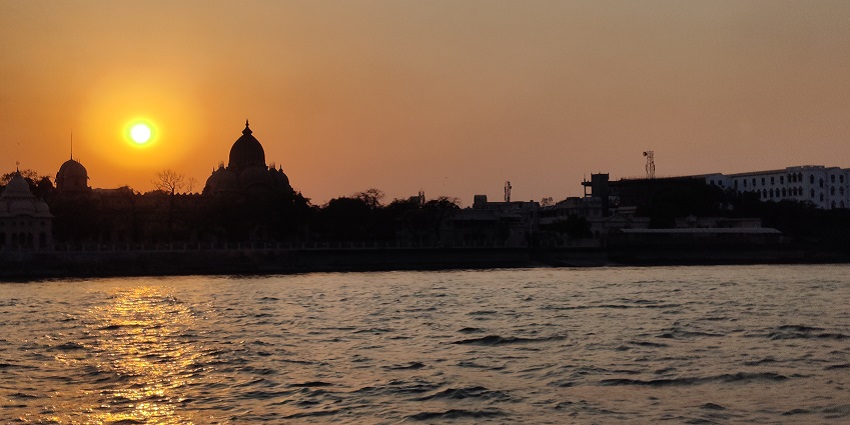
Location
Frequently Asked Questions
Q1.What are the timings of Dakshinar Chakra Temple?
Dakshinar Chakra Temple is open from 5:00 AM to 9:00 PM daily. The morning rituals begin at 5:00 AM with the Suprabhata ceremony, followed by morning abhisheka from 6:00 AM to 8:00 AM. General darshan is available from 8:00 AM to 12:00 PM. The temple closes from 12:00 PM to 4:00 PM for the deity's rest period. Evening darshan resumes at 4:00 PM, with the evening aarti at 6:00 PM. The temple closes at 9:00 PM after final rituals. Timings may vary slightly during festivals and special occasions. It's recommended to visit during morning hours (8-11 AM) or during evening aarti (6-7 PM) for the best experience.
Q2.Is there an entry fee for Dakshinar Chakra Temple?
No, there is no entry fee for visiting Dakshinar Chakra Temple. Entry is free for all visitors. However, donations are accepted and appreciated for temple maintenance and charitable activities. Donation boxes are placed at various locations in the complex. Special rituals, ceremonies, or ceremonies may have separate fees for sponsoring. Photography is generally allowed in most areas at no additional cost, though video recording may require permission from the temple office. The temple also offers special poojas and archanas for devotees who wish to sponsor personalized rituals—these have specific fees based on the type of ceremony.
Q3.What is the best time to visit Dakshinar Chakra Temple?
The best time to visit Dakshinar Chakra Temple is during the winter season from October to February when temperatures are pleasant (15-25°C), making temple exploration comfortable. This period also includes major festivals like Chakra Jayanti and Navaratri, offering opportunities to witness special celebrations. For a quieter, more contemplative experience, visit on weekday mornings when crowds are thinner. The summer months (March-June) are hot and humid (35-40°C), but this is off-peak season with fewer tourists. Monsoon (July-September) brings heavy rains but transforms the area into lush greenery. The most spiritually significant times are during major festivals, though these draw the largest crowds.
Q4.How do I reach Dakshinar Chakra Temple from Kolkata airport?
Dakshinar Chakra Temple is approximately 17 kilometers from Netaji Subhash Chandra Bose International Airport (CCU). The most convenient way is by prepaid taxi or app-based cab services (Uber, Ola) available at the airport. The journey takes 45-60 minutes depending on traffic and costs approximately ₹400-600. Alternatively, you can take the airport bus to the city center and then transfer to local transport. The Kolkata Metro (North-South Line) connects Kalighat station, about 2 kilometers from the temple. From Kalighat, you can take an auto-rickshaw or taxi. Public buses are also available but can be crowded and may require multiple transfers.
Q5.What is the significance of the chakra at Dakshinar Chakra Temple?
The chakra (cosmic wheel) at Dakshinar Chakra Temple represents the cosmic order, the eternal cycle of creation, preservation, and transformation, and the spiritual journey of the soul. In Hindu philosophy, the chakra symbolizes both the macrocosm (the universal wheel of time or 'kalachakra') and the microcosm (the spiritual energy centers within the human body). The temple's main deity is represented as this divine chakra, embodying the principle of cosmic order and balance. Devotees believe that worshipping here helps align their personal energy with cosmic rhythms, bringing harmony and spiritual progress. The chakra also represents the Sudarshana Chakra of Lord Vishnu, the dharmachakra (wheel of dharma), and the Sahasrara crown chakra in human subtle anatomy.
Q6.Are there any dress code requirements for visiting the temple?
While there is no strictly enforced dress code at Dakshinar Chakra Temple, modest and respectful clothing is strongly recommended as this is an active religious site. Men should wear trousers or full-length pants; shorts should be avoided. Women should wear sarees, salwar kameez, long skirts, or trousers. Sleeveless tops, short skirts, and revealing clothing should be avoided. It's advisable for women to carry a shawl or scarf for covering their heads during certain rituals. Footwear must be removed before entering temple areas, so wear easily removable shoes. Comfortable, modest clothing not only shows respect for religious sentiments but is also practical for sitting on temple floors and moving around the complex.
Q7.What festivals are celebrated at Dakshinar Chakra Temple?
Dakshinar Chakra Temple celebrates several major festivals throughout the year. The most important is Chakra Jayanti (the birthday of the cosmic chakra), celebrated in spring with elaborate rituals, cultural performances, and a grand chariot procession. Navaratri, the nine-night festival honoring the divine feminine, features special ceremonies, music concerts, and dance performances. Makar Sankranti (harvest festival) includes rituals at the temple tank and distribution of prasad. Other important observances include Janmashtami (Krishna's birthday), Maha Shivaratri (great night of Shiva), and various ekadashi (eleventh lunar day) observances. Each festival has unique rituals, and attending these celebrations offers insight into Hindu religious culture and community traditions.
Q8.Can I take photographs inside Dakshinar Chakra Temple?
Photography is generally allowed in most areas of Dakshinar Chakra Temple complex, including the exterior, courtyards, and subsidiary shrines. There is no additional fee for still photography. However, photography may be restricted in certain areas, particularly inside the main sanctum sanctorum (garbhagriha) where the presiding deity resides, and during specific ritual ceremonies. Video recording typically requires prior permission from the temple office. Always ask for permission before photographing priests, rituals, or devotees engaged in worship. Be respectful—don't block pathways or disrupt ceremonies for photographs. Flash photography may be prohibited in certain areas. During festivals, some ceremonies may have specific photography restrictions. When in doubt, ask temple staff or security personnel.
Recommended For You
Festivals
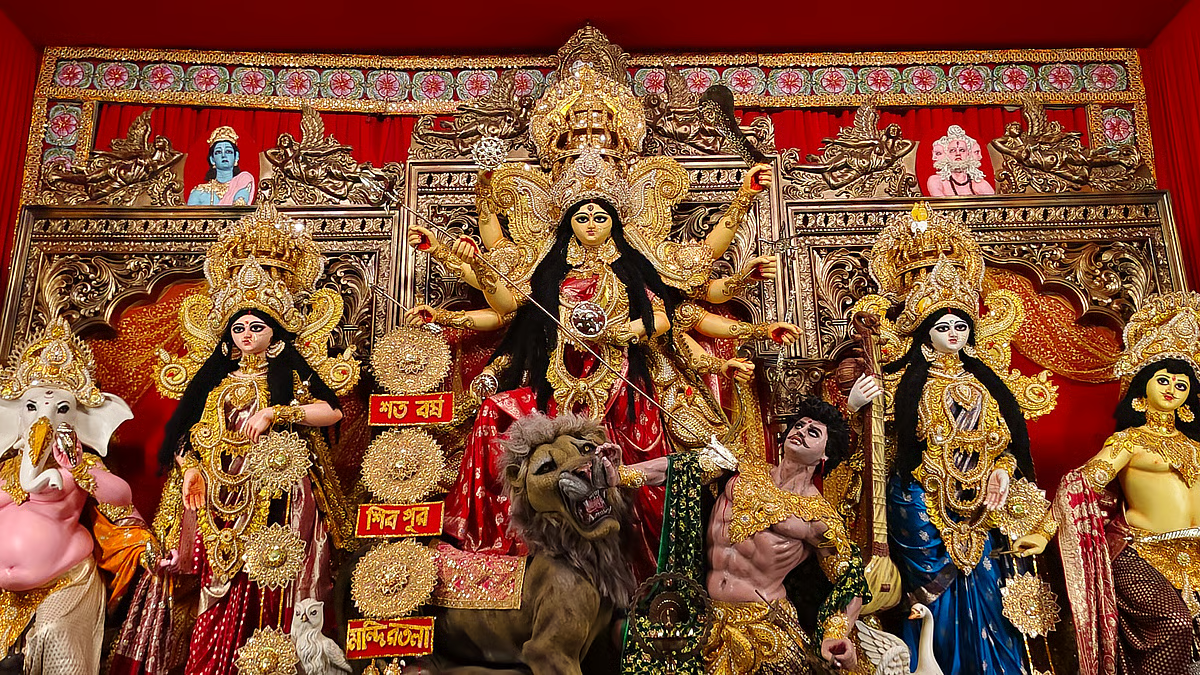
Durga Puja in West Bengal: Major Pandals, Timings & Travel Plan
Experience Durga Puja in West Bengal - Kolkata pandals, rituals, dates & travel guide. Discover the grandest festival with culture, food & festivities.
Nov 15Read More
Spiritual
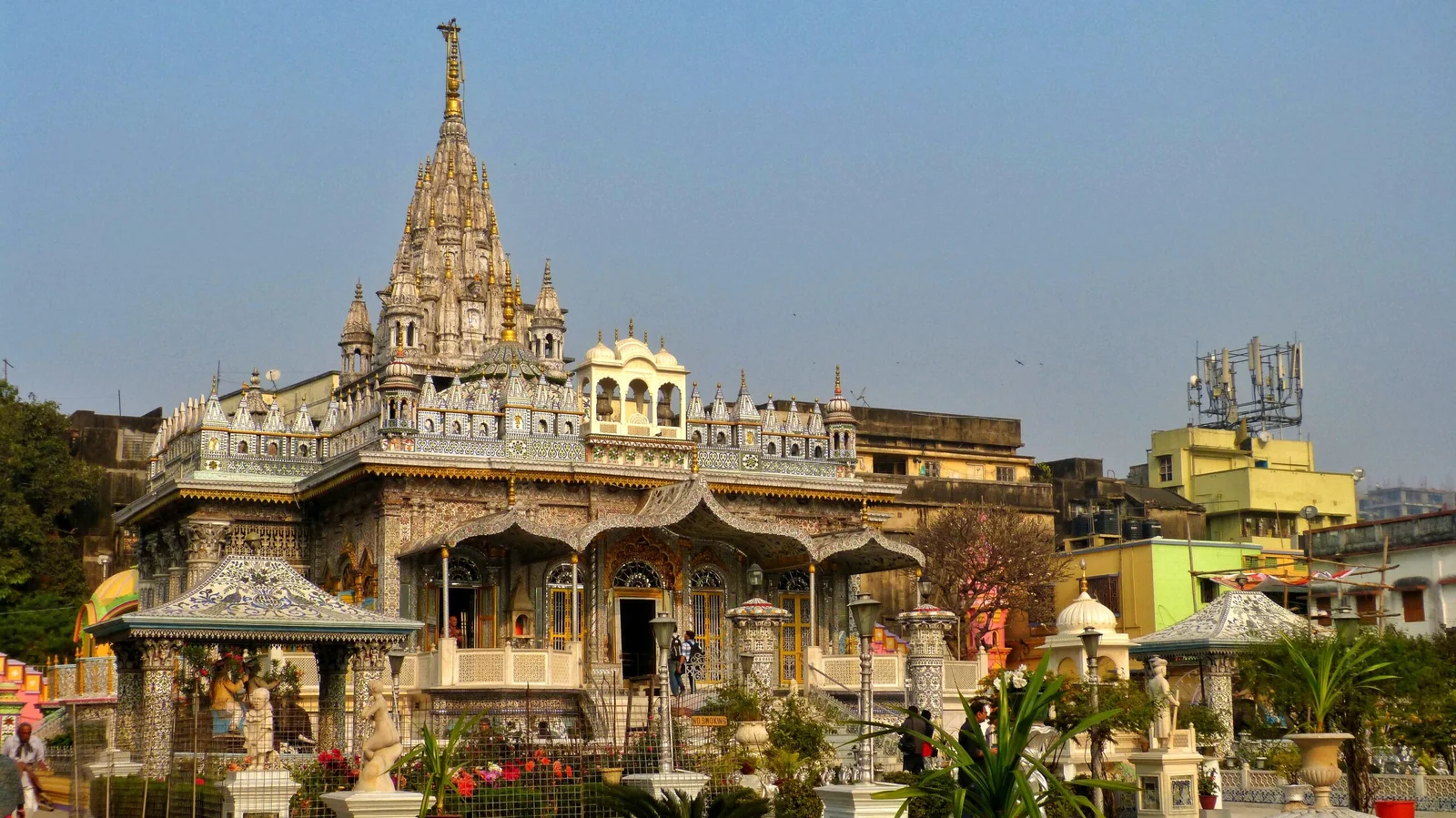
Temples in Kolkata: The City of Joy's Sacred Heritage
Explore sacred temples in Kolkata. Discover Kalighat, Dakshineswar, Belur Math & more with timings and travel guide.
Dec 6Read More
Travel
Places to Visit Kolkata: Top 20 Attractions
Discover top places to visit Kolkata with landmarks, temples, museums, markets, food trails, and practical 2-3 day itinerary planning.
Dec 27Read More
Never Miss an Adventure
Get the latest trekking guides, travel tips, and exclusive offers delivered straight to your inbox.
