
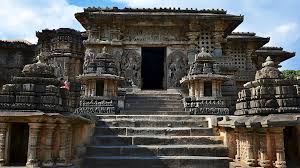
Belur Halebidu Temples: Hoysala Architecture, Route & Timings

Neha Kapoor
February 19, 2026
Visit Belur Halebidu temples, masterpiece of Hoysala architecture. Discover intricate sculptures, history, timings & complete travel guide.
Belur Halebidu Temples Practical Heritage Guide
Belur and Halebidu are two of the most important Hoysala temple destinations in Karnataka and are best visited as one circuit. Travelers searching for architecture-heavy but manageable itineraries often choose this route because it blends high-detail sculpture with straightforward road connectivity. If you are planning a larger temple arc, combine this stop with Badami Caves and Pattadakal for chronology depth.
The key to enjoying Belur-Halebidu is pace. These are not quick selfie sites. The value lies in slow observation of friezes, pillar work, and narrative panels that represent one of the finest sculptural traditions in India.
Quick Historical Context
The Hoysala dynasty developed a distinctive temple idiom known for star-like plans, dense iconographic bands, and high-precision stone carving. Belur and Halebidu became important centers under royal patronage and still represent the dynasty's artistic ambition at scale.
For visitors, this context helps frame what you are seeing: these temples were not isolated monuments but part of a broader political, devotional, and craft ecosystem. That is why similarities and differences between the two sites are both meaningful.
Belur: What to Observe First
At Belur, start with the outer friezes and then move inward. Notice how narrative sequencing, decorative rhythm, and sculptural density increase as you shift zones. Pillared spaces deserve extra time, especially if you are interested in craftsmanship rather than only icon spotting.
Morning light usually gives better contrast on carved surfaces. Keep your first 20 minutes for broad orientation before you start detail photography; this prevents random movement and missed sections.
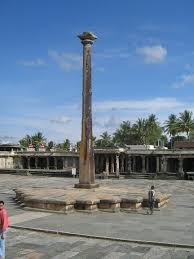
Halebidu: How It Differs
Halebidu offers a different visual experience, often perceived as more dramatic in sculptural layering and massing. The site rewards close reading of base bands, deity panels, and transitional motifs. Compared with Belur, many visitors find Halebidu stronger for understanding how narrative and ornament merge across large wall surfaces.
Use a method: full wall scan, motif grouping, then close inspection. This gives better comprehension than jumping between unrelated highlights.
One-Day vs Two-Day Itinerary
| Plan | Who It Suits | Approach |
|---|---|---|
| One-Day Circuit | Time-limited travelers | Early Belur, midday transfer, evening Halebidu |
| Two-Day Circuit | Architecture-focused travelers | Belur deep-dive day one, Halebidu + nearby add-ons day two |
If you are serious about temple art, take two days. A one-day plan is workable but can feel rushed, especially in peak season.
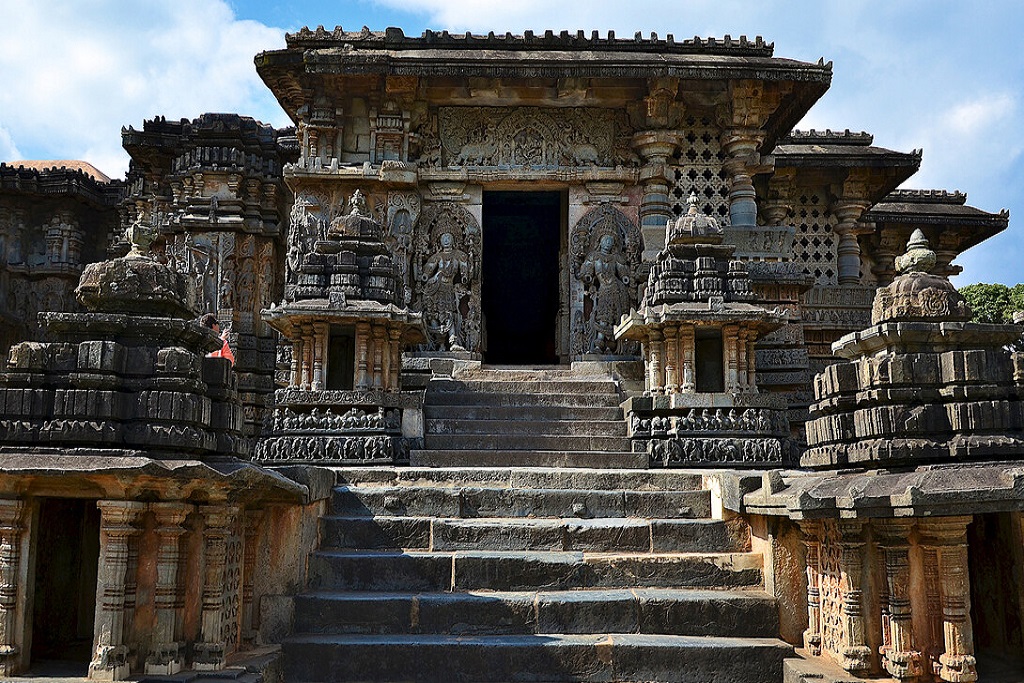
Best Time to Visit
October to February is generally the easiest period for slow on-foot exploration. Heat and glare are lower, and carved detail is easier to read in softer light. Summers are still possible but require stricter hydration and early-start planning.
Weekdays are usually better than weekends for uninterrupted viewing. Festival periods can be vibrant but crowded, so choose based on whether you prefer atmosphere or detail-focused observation.
How to Reach and Move Efficiently
Most visitors route through Hassan as a practical base, then drive to Belur and Halebidu. Private cabs offer better control for stop timing, especially if you plan photography-heavy sessions. Public options exist but can reduce flexibility for same-day multi-site coverage.
For broader state planning, use Karnataka itinerary routes and connect this circuit with Aihole or Virupaksha Temple Hampi depending on your timeline.
Photography and Etiquette Tips
Use side light for texture and low-angle framing for sculpture depth. Avoid flash in sensitive zones and respect active worship movement. Keep tripod use compliant with local permissions where applicable.
Do not touch carvings for posing. Surface wear from repeated contact is a real conservation issue. Responsible behavior directly impacts how long these details remain legible.
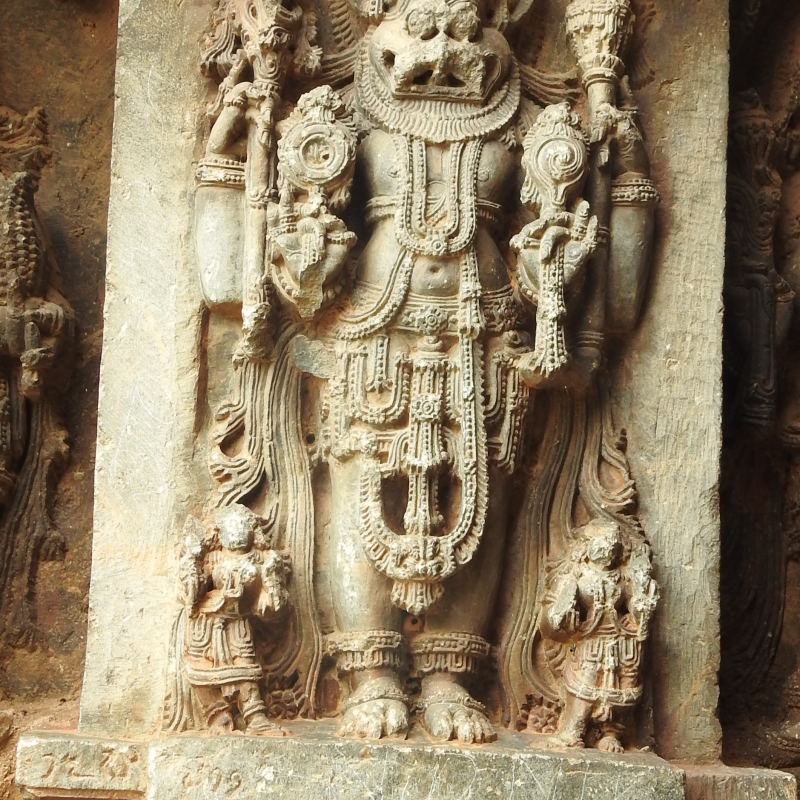
Common Planning Mistakes
The biggest mistake is underestimating viewing time. Another is visiting at harsh midday and expecting strong photos. Also avoid treating Belur and Halebidu as interchangeable; each site has a distinct observation rhythm and requires its own viewing strategy.
If possible, read basic iconography before arrival. Even a short primer improves your ability to decode scenes and appreciate sculptural intent.
Why This Circuit Is Essential
Belur-Halebidu is one of India's strongest temple-art experiences for travelers who value detail, proportion, and narrative carving. It balances accessibility with depth and can be approached at multiple levels, from casual sightseeing to serious architectural study.
Plan realistically, slow down on-site, and compare what you see across both complexes. That is where the real value of the Hoysala circuit appears.
How to Compare Belur and Halebidu Properly
The strongest way to compare these sites is to use the same observation checklist at both places: base frieze sequencing, deity-panel placement, bracket-figure treatment, and pillar finishing. This avoids superficial comparison and helps you identify meaningful stylistic differences.
Belur is often experienced as more polished in certain sculptural zones, while Halebidu can feel heavier and more layered in massing and surface density. Seeing both with one method makes the comparison much clearer.
Advanced Observation Checklist
- Track how narrative bands change with eye level
- Observe transitions between structural and decorative zones
- Compare repetition vs variation in motif programs
- Look for repair lines and surface weathering differences
- Note visitor-flow pressure points that affect viewing quality
This checklist helps architecture students and serious travelers turn a visual visit into a documented learning experience.
Time Management for Photography and Study
Allocate 60–90 minutes of pure observation per temple before heavy photography. If you start shooting too early, you may miss major iconographic sequences. After orientation, return to high-priority zones and capture details methodically.
Use one notebook section for Belur and one for Halebidu to avoid mixing references. This small discipline significantly improves recall after the trip.
Route Extensions in Karnataka
After Belur-Halebidu, many travelers continue toward Aihole, Badami, or Virupaksha Temple Hampi depending on trip length. For a broader overview, consult Karnataka route planning guides and build thematic travel days instead of random city hopping.
A themed route improves comprehension and reduces transit fatigue across multi-day heritage travel.
Practical Budget and Time Expectations
A day trip budget varies by transport type and guide usage, but most travelers should keep a moderate buffer for local transfers, entry requirements where applicable, meals, and optional guide support. Underbudgeting usually forces rushed decisions on-site.
For better quality, plan one premium choice only: either guided interpretation, private transfer flexibility, or extended overnight stay. Trying to optimize all three under tight budget often reduces overall experience quality.
What to Avoid During the Visit
Avoid comparing only the most photographed sculptures. The deeper value of this circuit is in repeated motif logic and architectural sequencing, which requires patient scanning. Also avoid peak midday entry if you want strong visual readability and comfort.
Do not touch carvings or attempt restricted-angle climbing for photos. Responsible behavior protects fragile details and keeps the site meaningful for future visitors.
Guide Usage and Interpretation Strategy
Hiring a trained guide for at least one temple can significantly improve your understanding of iconography and chronology. Even a short guided segment helps decode motifs that are easy to miss in self-guided movement.
If you prefer self-exploration, pre-read one concise iconography primer and carry a small observation list. This method keeps your visit focused and prevents fatigue from information overload in highly detailed sculptural zones.
For educational trips, split participants into small groups and assign theme-based observation tasks. Regrouping afterward often creates better collective understanding than passive walk-throughs.
Final Planning Note
Arrive early, observe slowly, and keep one rest break between both temples for best comprehension and comfort.
Location
Frequently Asked Questions
Q1.What is special about Belur and Halebidu temples?
Q2.How far are Belur and Halebidu from Bangalore?
Q3.What is the difference between Belur and Halebidu?
Q4.What are the temple timings at Belur and Halebidu?
Q5.Why are Hoysala temples star-shaped?
Q6.What material are Hoysala temples made of?
Q7.How much time should I spend at Belur and Halebidu?
Q8.What are madanikas in Hoysala temples?
Recommended For You
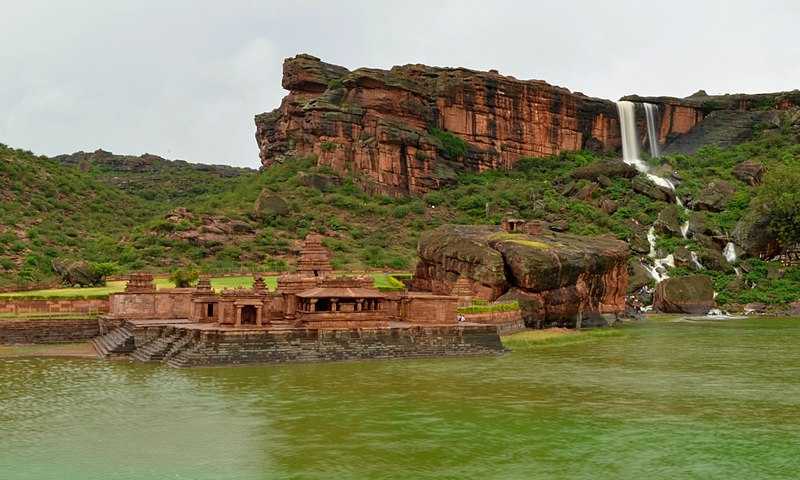
Places to Visit in Karnataka: Coast, Hills & Heritage Cities
Explore the best places to visit in Karnataka with a complete guide to Hampi, Coorg, Mysore, beaches, wildlife parks, trekking routes, and practical travel planning.
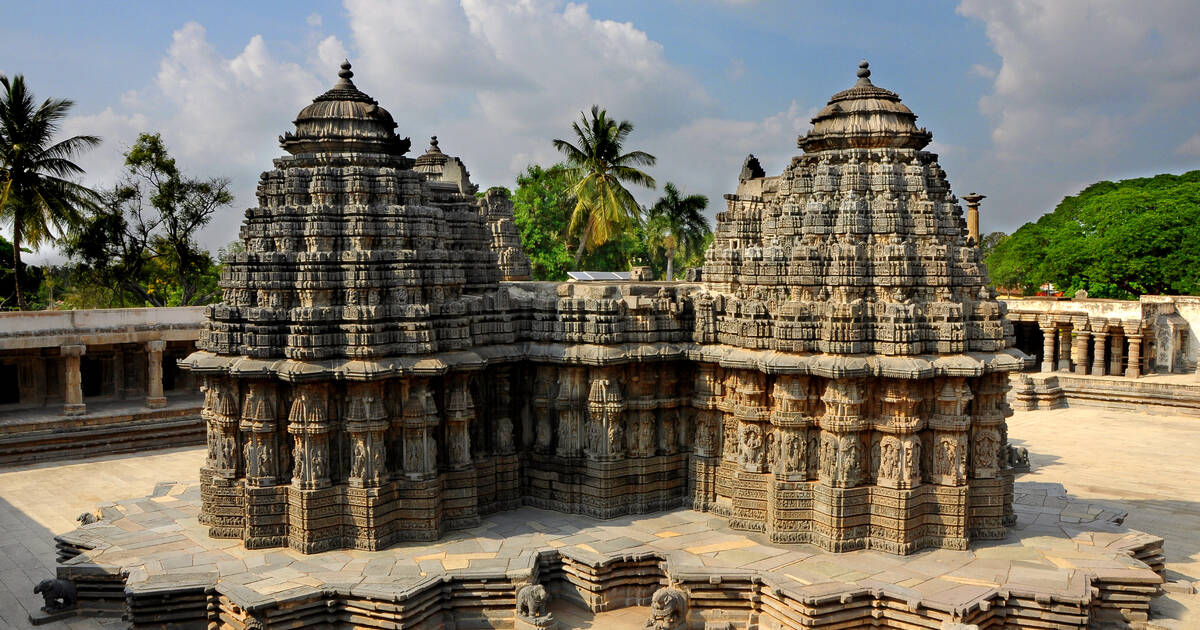
Hoysala Temples Karnataka: Belur-Halebidu Circuit, Timings & Route
Complete guide to Hoysala temples in Karnataka including Belur, Halebidu, and Somnathpura with temple circuit planning, history, and travel tips.
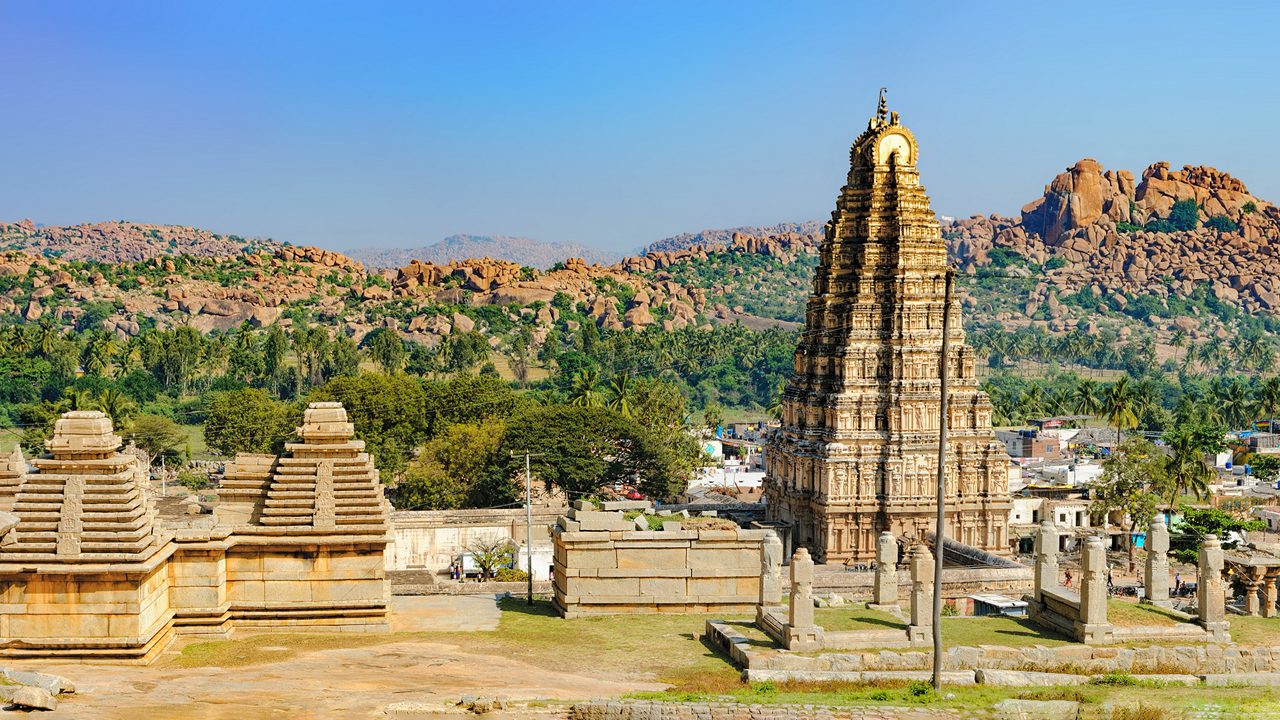
Virupaksha Temple Hampi: Timings, History & Hampi Circuit Highlights
Discover Virupaksha Temple in Hampi, a 1400-year-old living shrine showcasing Vijayanagara architecture, sacred shrines, and spiritual heritage.
Never Miss an Adventure
Get the latest trekking guides, travel tips, and exclusive offers delivered straight to your inbox.
