

Dandiya Nights: Event Passes, Dress Code & Dance Basics

Ananya Sharma
February 22, 2026
Plan unforgettable Dandiya nights with event selection tips, ticket strategy, dress guidance, beginner dance steps, and Navratri safety etiquette.
Dandiya Nights Guide: Events, Outfits, and Planning Tips
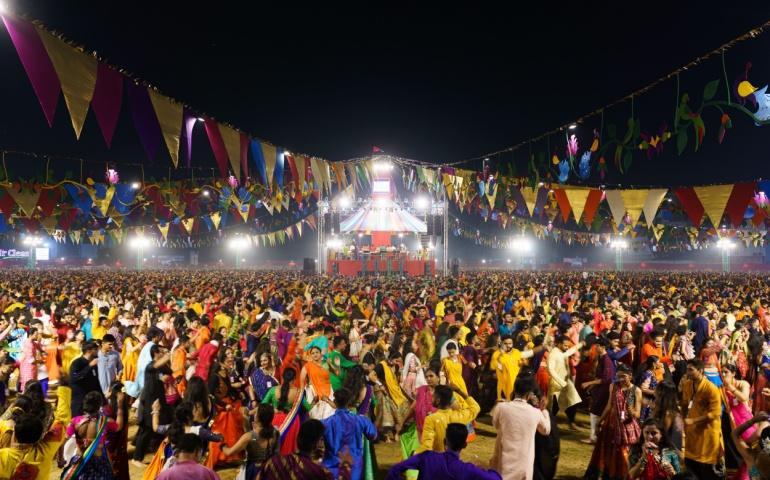
Dandiya nights are among the most popular festive social events during Navratri, combining music, dance circles, traditional outfits, and community celebration. Whether you are attending in Gujarat, Mumbai, or other major cities, planning helps you enjoy the event better and avoid entry-day stress.
For festival context, pair this with Garba in Ahmedabad and Baisakhi Festival to compare India’s community celebration styles.
Origins of the Dandiya Tradition
Dandiya Raas traces its roots to Gujarat, where it is traditionally linked to stories of Krishna and Radha, with the wooden sticks, or dandiyas, symbolically representing swords used in a playful mock combat dance. Historically performed during Navratri as a devotional offering alongside Garba, which honors the goddess Durga through circular movement without sticks, Dandiya has since evolved into a much larger social and commercial phenomenon across Indian cities. Large-scale organized events now feature professional choreography, celebrity performances, and elaborate stage productions, while smaller community grounds preserve a more traditional, participatory feel closer to the dance's devotional origins.
Learning the Basic Steps
For newcomers, the core Dandiya rhythm typically follows a simple pattern: dancers form pairs or small circles, striking their partner's sticks in coordinated beats while stepping and turning in sync with the music. Most events open with slower, easier songs before building toward faster compositions later in the night, giving beginners time to observe and pick up the pattern from more experienced dancers around them. Arriving a little early to watch a few rounds before joining in is a practical way to get comfortable with the rhythm without feeling rushed once the crowd and energy build up.
How Dandiya Nights Work
- Circle-based dance with sticks and rhythm cycles.
- Live or DJ-led festive music formats.
- Dress traditions with colorful ethnic outfits.
- Entry categories ranging from open grounds to curated events.
What to Wear and Carry
| Item | Recommendation |
|---|---|
| Outfit | Comfortable ethnic wear with movement ease |
| Footwear | Supportive pair for long standing and dancing |
| Accessories | Keep minimal and secure |
| Essentials | Water, ID, digital ticket backup |
Entry and Safety Tips
- Reach before peak rush if you want smooth entry.
- Keep meetup points fixed for groups.
- Use authorized booking channels for paid events.
- Stay aware of event ground movement and exits.
For route and city add-ons, you can use Delhi Comic Con and Ambubachi Mela as cross-festival travel references.
Regional Variations Across India
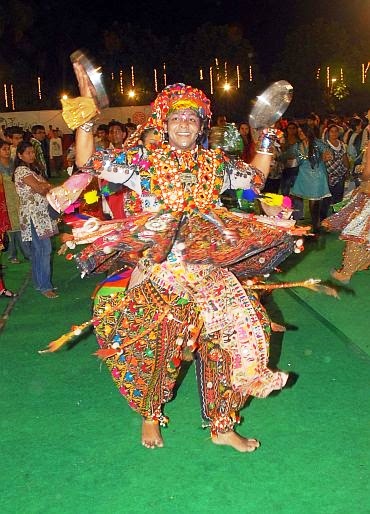
While Gujarat and Mumbai host some of the largest and most elaborate Dandiya nights, the celebration has spread widely across Indian cities with local adaptations in music style, outfit preferences, and event scale. In cities like Delhi, Bangalore, and Pune, community associations and cultural societies often organize dedicated grounds specifically for the Navratri season, sometimes running for all nine nights consecutively. Outfit choices also vary regionally: chaniya choli remains the most iconic option for women, paired often with mirror-work embroidery and statement jewelry, while men frequently opt for kediyu tops with dhoti or churidar bottoms, though many attendees today mix traditional and contemporary fusion styles comfortably.
Final Takeaway
Dandiya nights are best enjoyed with early planning, comfortable outfit choices, and group coordination. With the right setup, the event becomes a high-energy, memorable celebration of community and culture.

Location
Frequently Asked Questions
Q1.When are Dandiya nights usually held?
Q2.What is the difference between Dandiya and Garba?
Q3.Do I need prior dance experience to join Dandiya?
Q4.How much do Dandiya event tickets usually cost?
Q5.What should I wear for Dandiya nights?
Q6.Is advance ticket booking necessary?
Q7.Are Dandiya events suitable for families?
Q8.How can I stay safe during crowded Dandiya nights?
Recommended For You

Nesco Garba Mumbai: Ticket Price, Dates & Event Timings
Complete Nesco Garba Mumbai guide with ticket booking strategy, dates and schedule planning, Goregaon venue access, dress code, and event-night tips.

United Way of Baroda Garba: Passes, Venue Details & Night Timings
Plan United Way of Baroda Garba with pass booking steps, venue logistics, dress code, and practical Navratri tips for a smooth Vadodara festival experience.

Places to Visit in Gujarat: Rann, Gir & Temples
Explore the best places to visit in Gujarat - from the Statue of Unity (world's tallest) to the white Rann of Kutch, Asiatic lions of Gir, sacred temples of Dwarka & Somnath. Complete travel guide.
Never Miss an Adventure
Get the latest trekking guides, travel tips, and exclusive offers delivered straight to your inbox.
