
Trekking
David Scott Trail Trek: History, Guide & Complete Map

Rohan Malhotra
December 26, 2025
20 min read1,974 views
Trek through history on Meghalaya's David Scott Trail. This 16km historic route offers stunning Khasi Hills views, sacred groves, and colonial-era paths in one unforgettable adventure.
Introduction: Walking Through History in the Khasi Hills
Imagine walking along a path that has witnessed centuries of history, where every step tells stories of British colonial administration, ancient Khasi culture, and breathtaking natural beauty. The David Scott Trail in Meghalaya offers exactly this experience - a perfect blend of history, adventure, and stunning landscapes that makes it one of the most unique trekking experiences in India's northeast. Named after David Scott, a British administrative officer in the early 19th century, this historic trail was originally part of a 100-kilometer mule track connecting Assam to Bangladesh (then Sylhet). Today, trekkers can explore a 16-kilometer stretch of this ancient route that winds through the heart of the Khasi Hills, offering spectacular views of rolling green hills, crystal-clear rivers, and traditional Khasi villages. The David Scott Trail is more than just a trek; it's a journey through time. As you walk along paths once traversed by British officials, traders, and local Khasi people, you'll discover ancient monoliths, sacred groves, and remnants of colonial-era infrastructure. Whether you're a history enthusiast, nature lover, or adventure seeker, this trail promises an unforgettable experience that captures the essence of Meghalaya's natural and cultural heritage.History of the David Scott Trail
 The trail's namesake, David Scott, was a British administrator who served in the Khasi Hills region during the early 1800s. Recognizing the need for better connectivity between the Brahmaputra Valley in Assam and the plains of Sylhet (now in Bangladesh), he commissioned the construction of a mule track that would facilitate trade and administrative movement.
This 100-kilometer route was a significant engineering feat of its time, traversing through challenging terrain of the Khasi Hills. The track served multiple purposes: it was a trade route for goods, a path for administrative correspondence, and a strategic connection for British colonial interests in the region. Interestingly, the trail also witnessed historical tensions, including the Khasi-British wars of the 1820s-1830s, when local Khasi chiefs resisted British expansion into their territory.
Today, the trail stands as a testament to this complex history. Along the route, you'll find several historical markers, including ancient Khasi monoliths that predate the British era, colonial-era resting places, and even gravestones of British officials who died while traversing these hills. These remnants offer fascinating insights into the region's past and the convergence of two very different worlds.
The trail also passes through the Mawphlang Sacred Grove, one of the most revered sacred forests in Meghalaya. This grove has been protected by the local Khasi community for centuries and represents the deep spiritual connection between the Khasi people and their natural environment. The juxtaposition of this ancient sacred site with the colonial-era trail creates a unique narrative about cultural exchange and historical evolution in the region.
The trail's namesake, David Scott, was a British administrator who served in the Khasi Hills region during the early 1800s. Recognizing the need for better connectivity between the Brahmaputra Valley in Assam and the plains of Sylhet (now in Bangladesh), he commissioned the construction of a mule track that would facilitate trade and administrative movement.
This 100-kilometer route was a significant engineering feat of its time, traversing through challenging terrain of the Khasi Hills. The track served multiple purposes: it was a trade route for goods, a path for administrative correspondence, and a strategic connection for British colonial interests in the region. Interestingly, the trail also witnessed historical tensions, including the Khasi-British wars of the 1820s-1830s, when local Khasi chiefs resisted British expansion into their territory.
Today, the trail stands as a testament to this complex history. Along the route, you'll find several historical markers, including ancient Khasi monoliths that predate the British era, colonial-era resting places, and even gravestones of British officials who died while traversing these hills. These remnants offer fascinating insights into the region's past and the convergence of two very different worlds.
The trail also passes through the Mawphlang Sacred Grove, one of the most revered sacred forests in Meghalaya. This grove has been protected by the local Khasi community for centuries and represents the deep spiritual connection between the Khasi people and their natural environment. The juxtaposition of this ancient sacred site with the colonial-era trail creates a unique narrative about cultural exchange and historical evolution in the region.
Trek Overview: Route, Distance & Difficulty
 The David Scott Trail stretches approximately 16 kilometers from the starting point in Mawphlang to the endpoint at Lad Mawphlang. Most trekkers complete this journey in 4-6 hours, making it a perfect day trek that's neither too exhausting nor too easy - striking just the right balance for adventure seekers of various experience levels.
Route Breakdown:
The trek typically begins at Mawphlang, approximately 25 kilometers from Shillong. The starting point is easily accessible by road, and most trekkers arrange transportation from Shillong early in the morning. From Mawphlang, the trail descends gradually into the valley, offering stunning views of the surrounding hills.
The first section of the trek takes you through the famous Mawphlang Sacred Grove, where ancient trees, medicinal plants, and sacred monoliths create an otherworldly atmosphere. This part of the trail is relatively flat and allows you to acclimatize to the terrain while soaking in the spiritual significance of the forest.
As you continue, the trail descends further toward the Umiam River. This section involves some steep downhill walking, which can be challenging on knees, especially during the return journey. The path winds through dense forests, open grasslands, and small Khasi villages where you might encounter locals going about their daily lives.
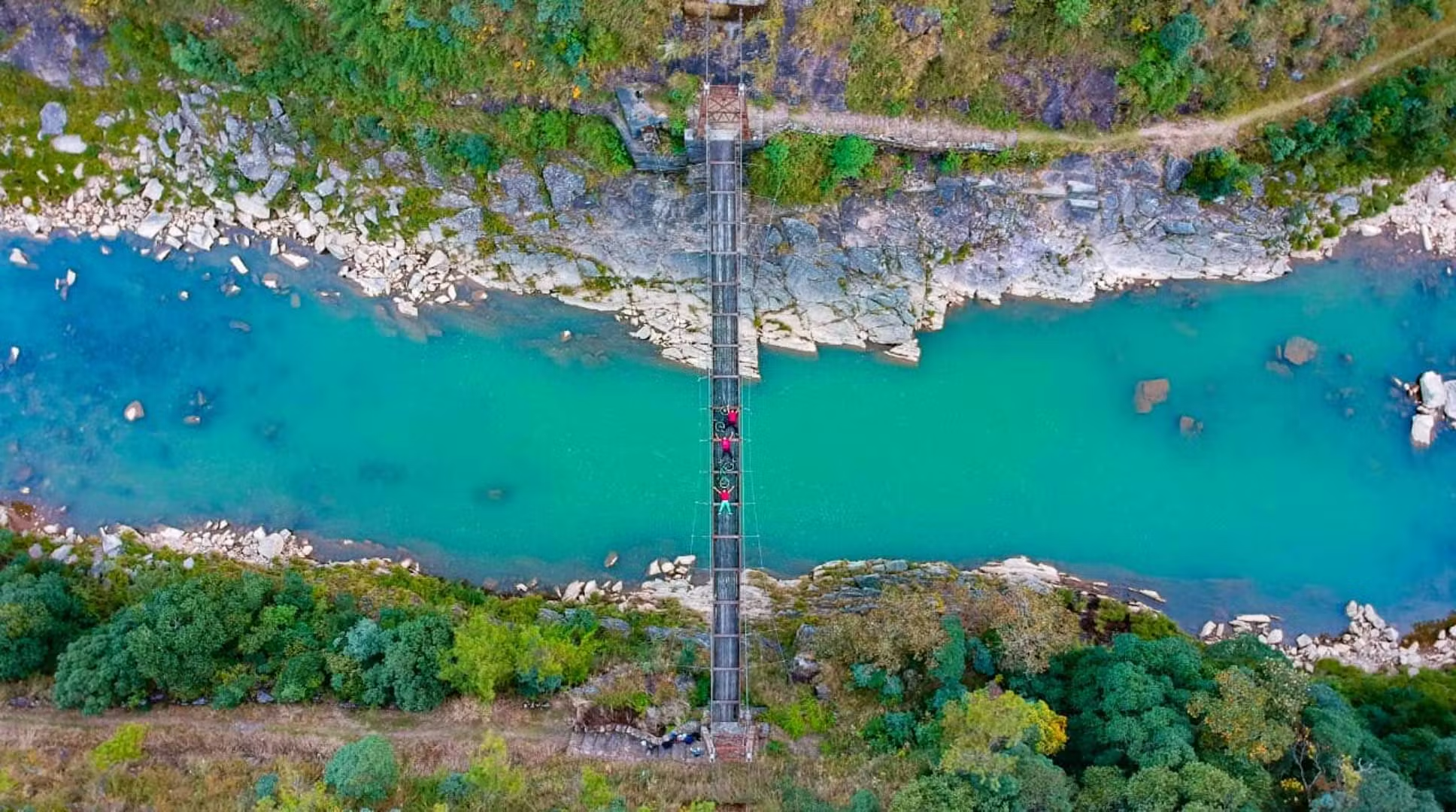
One of the highlights of the trek is crossing the Umiam River via a traditional suspension bridge. This thrilling experience offers magnificent views of the river below and the surrounding valleys. After crossing the river, the trail ascends toward Lad Mawphlang, passing through more scenic landscapes and offering panoramic views of the Khasi Hills.
Difficulty Level:
The David Scott Trail is considered easy to moderate, making it accessible to beginners while still offering enough challenge for experienced trekkers. The main challenges are:
1. Length: At 16 kilometers, it requires reasonable fitness levels and endurance.
2. Terrain: The trail includes steep ascents and descents, which can be tiring.
3. Weather: Meghalaya's unpredictable weather can make the trail slippery and challenging.
However, the trail is well-marked, and with proper preparation and pacing, most reasonably fit individuals can complete it comfortably.
The David Scott Trail stretches approximately 16 kilometers from the starting point in Mawphlang to the endpoint at Lad Mawphlang. Most trekkers complete this journey in 4-6 hours, making it a perfect day trek that's neither too exhausting nor too easy - striking just the right balance for adventure seekers of various experience levels.
Route Breakdown:
The trek typically begins at Mawphlang, approximately 25 kilometers from Shillong. The starting point is easily accessible by road, and most trekkers arrange transportation from Shillong early in the morning. From Mawphlang, the trail descends gradually into the valley, offering stunning views of the surrounding hills.
The first section of the trek takes you through the famous Mawphlang Sacred Grove, where ancient trees, medicinal plants, and sacred monoliths create an otherworldly atmosphere. This part of the trail is relatively flat and allows you to acclimatize to the terrain while soaking in the spiritual significance of the forest.
As you continue, the trail descends further toward the Umiam River. This section involves some steep downhill walking, which can be challenging on knees, especially during the return journey. The path winds through dense forests, open grasslands, and small Khasi villages where you might encounter locals going about their daily lives.
One of the highlights of the trek is crossing the Umiam River via a traditional suspension bridge. This thrilling experience offers magnificent views of the river below and the surrounding valleys. After crossing the river, the trail ascends toward Lad Mawphlang, passing through more scenic landscapes and offering panoramic views of the Khasi Hills.
Difficulty Level:
The David Scott Trail is considered easy to moderate, making it accessible to beginners while still offering enough challenge for experienced trekkers. The main challenges are:
1. Length: At 16 kilometers, it requires reasonable fitness levels and endurance.
2. Terrain: The trail includes steep ascents and descents, which can be tiring.
3. Weather: Meghalaya's unpredictable weather can make the trail slippery and challenging.
However, the trail is well-marked, and with proper preparation and pacing, most reasonably fit individuals can complete it comfortably.
The Trail Experience: Terrain, Views & Highlights
The David Scott Trail offers an ever-changing landscape that keeps trekkers engaged and mesmerized throughout the journey. Starting from the lush forests of Mawphlang, the trail takes you through diverse ecosystems, each with its unique charm and appeal. Initial Descent: The trek begins with a gradual descent from Mawphlang into the valley. This section offers spectacular views of the rolling Khasi Hills, with their distinctive terraced fields and patchwork of forests. The morning mist often lingers in the valleys, creating a magical atmosphere as sunlight filters through the clouds, illuminating the landscape in patches of gold and green. During this section, you'll walk through pine forests and grasslands, where the terrain is relatively open, offering unobstructed views of the surrounding countryside. The path is well-defined and easy to follow, making it a good warm-up for the more challenging sections ahead. Sacred Grove Exploration: One of the most enchanting parts of the trek is the passage through or near the Mawphlang Sacred Grove. This ancient forest is home to some of the oldest trees in Khasi Hills, with some specimens estimated to be over 500 years old. The grove is also home to numerous medicinal plants, orchids, and epiphytes, making it a paradise for nature enthusiasts and botany lovers. The sacred grove is dotted with ancient monoliths, known locally as 'Mawbynna.' These stone structures were erected by the Khasi ancestors to commemorate important events, honor leaders, or mark territorial boundaries. Walking among these ancient stones, surrounded by towering trees and the sounds of the forest, creates a profound connection to the region's rich cultural heritage. River Crossing: The Umiam River crossing is undoubtedly one of the highlights of the David Scott Trail. The suspension bridge sways gently as you walk across, adding an element of thrill to the experience. Below, the crystal-clear waters of the Umiam rush over smooth riverbed stones, creating a soothing symphony of sounds. The bridge offers excellent photo opportunities, with the river, valleys, and surrounding hills creating a picture-perfect frame. Many trekkers pause here to rest, enjoy the scenery, and perhaps dip their feet in the cool river water before continuing the journey. Village Encounters: Along the trail, you'll pass through or near several small Khasi villages. These settlements offer a glimpse into traditional Khasi life, with houses built in the distinctive Khasi architectural style. The villagers are generally friendly and welcoming, and you might encounter children playing, women tending to gardens, or men returning from the fields. These villages also offer opportunities to observe Khasi culture up close. You might see traditional basket-weaving, hear Khasi music, or witness community activities. It's important to be respectful and ask for permission before taking photographs of people or their property. Final Ascent: The final section of the trek involves an ascent toward Lad Mawphlang. This can be the most challenging part, especially if you're already tired from the previous sections. However, the trail is well-graded, and taking regular breaks makes it manageable. As you climb higher, the panoramic views become increasingly spectacular. On clear days, you can see for miles across the hills and valleys of Meghalaya. The sense of accomplishment as you reach the endpoint is immense, and the satisfaction of completing this historic trek is well worth the effort.Mawphlang Sacred Grove: A Spiritual Detour
No description of the David Scott Trail would be complete without dedicating special attention to the Mawphlang Sacred Grove, one of the most remarkable cultural and natural attractions in Meghalaya. This sacred forest, known locally as 'Law Kyntang,' has been preserved by the Khasi community for centuries, representing one of the finest examples of indigenous conservation practices in India. The sacred grove covers an area of approximately 78 hectares and is home to an incredible diversity of flora and fauna. The Khasi people have traditionally believed that the grove is the abode of their forest deity 'U Basa,' and strict rules govern human behavior within its boundaries. Hunting, cutting trees, or even collecting fallen branches is strictly prohibited, which has allowed the forest to remain in its pristine state. Biodiversity Hotspot: The sacred grove is a treasure trove of biodiversity. It's home to numerous species of orchids, ferns, medicinal plants, and trees, many of which are rare or endangered. The forest canopy is dominated by giant trees, some reaching heights of over 30 meters, with thick trunks and spreading canopies that create a magical, cathedral-like atmosphere below. The grove is also home to various species of birds, butterflies, and occasionally small mammals. For nature enthusiasts and photographers, the sacred grove offers endless opportunities to observe and document Meghalaya's rich natural heritage. Cultural Significance: The cultural significance of the Mawphlang Sacred Grove cannot be overstated. For the Khasi people, sacred groves are not just patches of forest but living embodiments of their spiritual beliefs and traditional knowledge systems. These grove serve as outdoor classrooms where traditional knowledge about medicinal plants, ecology, and conservation is passed down through generations. The grove is dotted with monoliths, each with its own story and significance. Some commemorate important events, others honor leaders or mark boundaries. The practice of erecting monoliths is an ancient Khasi tradition, and the grove contains some of the finest examples of these stone structures. Visitor Information: The sacred grove is open to visitors, and there's a nominal entry fee that goes toward its conservation and maintenance. Local guides are available and highly recommended, as they can explain the significance of various plants, monoliths, and sites within the grove. The best time to visit is early morning when the forest is alive with bird calls and the sunlight creates beautiful patterns through the canopy. Combining the sacred grove visit with the David Scott Trail trek creates a comprehensive experience that blends history, culture, nature, and adventure - truly capturing the essence of what makes Meghalaya such a special destination.Best Time to Trek David Scott Trail
Choosing the right time to trek the David Scott Trail is crucial for a safe and enjoyable experience. Meghalaya, known as the "Abode of Clouds," has a unique climate that significantly influences trail conditions and visibility. Understanding the seasonal variations will help you plan your trek optimally. October to April: The Ideal Season The post-monsoon and winter months, from October to April, are widely considered the best time to undertake the David Scott Trail trek. During this period: 1. Weather: The weather is relatively dry and stable, with clear skies offering excellent visibility of the surrounding landscapes. Daytime temperatures range from 15°C to 25°C, making for comfortable trekking conditions. 2. Trail Conditions: The trail is less likely to be slippery or waterlogged, making walking safer and more enjoyable. River levels are lower, which can make the suspension bridge crossing less daunting. 3. Scenery: The post-monsoon period (October-November) brings out the lush greenery of Meghalaya in all its glory. The winter months (December-February) offer clearer views, though some vegetation may appear drier. 4. Festivals: This period also coincides with several Khasi festivals, offering opportunities to experience local culture if your timing aligns. May to September: The Challenging Monsoon The monsoon season, which typically lasts from May to September, presents significant challenges for trekkers: 1. Heavy Rainfall: Meghalaya receives some of the highest rainfall in the world, particularly in areas like Cherrapunji. The trail can become extremely slippery and dangerous. 2. Limited Visibility: Constant cloud cover and mist often obscure the scenic views that are one of the main attractions of the trek. 3. River Levels: The Umiam River can swell significantly during heavy rains, making the suspension bridge crossing more challenging. 4. Leeches: The monsoon brings out leeches in full force, which can be a nuisance for trekkers. However, for experienced trekkers who are well-prepared and don't mind getting wet and muddy, the monsoon season offers a different kind of beauty - the waterfalls are spectacular, the vegetation is at its lushest, and there's a certain wild, untamed atmosphere to the trail. Spring (March-April): A Special Time The spring months of March and April are particularly special for the David Scott Trail. This is when many plants in the region flower, including rhododendrons and wild orchids. The trail is dotted with colorful blooms, adding an extra dimension of beauty to the trek. Additionally, spring marks the end of the cold season, so temperatures are beginning to warm up, but the monsoon hasn't yet set in. This creates perfect trekking conditions - not too cold, not too wet, and spectacularly beautiful.How to Reach & Logistics
Planning the logistics for your David Scott Trail trek is an important part of ensuring a smooth and enjoyable experience. Here's everything you need to know about reaching the starting point and organizing your trek. Getting to Shillong: Shillong, the capital of Meghalaya, is the main gateway to the David Scott Trail. Here's how you can reach Shillong: 1. By Air: The nearest airport is Umroi Airport, approximately 30 kilometers from Shillong. However, this airport has limited connectivity. A more practical option is flying to Guwahati's Lokpriya Gopinath Bordoloi International Airport, which is well-connected to major Indian cities. From Guwahati, it's approximately 100 kilometers to Shillong, a journey that takes about 3-4 hours by road. 2. By Road: Shillong is well-connected by road to Guwahati. Regular bus services, shared taxis, and private taxis are available. The road journey is scenic, passing through beautiful countryside and offering glimpses of Meghalaya's landscape. 3. By Train: The nearest major railway station is in Guwahati. From there, you'll need to continue to Shillong by road. Reaching Mawphlang (Starting Point): Mawphlang, the starting point of the trek, is approximately 25 kilometers from Shillong. The most common ways to reach Mawphlang are: 1. Hiring a Taxi: This is the most convenient option. You can hire a taxi from Shillong to drop you at Mawphlang in the morning and pick you up from Lad Mawphlang in the evening. Most hotels in Shillong can help arrange this service. 2. Shared Taxi: Shared taxis to Mawphlang are available from Shillong's taxi stand, but they may not align perfectly with your trekking schedule. Return from Lad Mawphlang (Endpoint): Getting back from Lad Mawphlang requires some planning: 1. Pre-arranged Pickup: The most reliable option is to arrange with your taxi driver to pick you up from Lad Mawphlang at a predetermined time. 2. Local Transport: Limited local transport options may be available, but they can be unreliable. 3. Walk to Road: Some trekkers walk from Lad Mawphlang to the main road (approximately 2-3 kilometers) where they can find shared taxis or buses back to Shillong. Accommodation in Shillong: Shillong offers a range of accommodation options to suit different budgets: 1. Homestays: For a more authentic experience, consider staying in a homestay. There are several excellent options in and around Shillong. 2. Guesthouses and Hotels: From budget guesthouses to mid-range hotels, there are plenty of options. 3. Luxury Hotels: For those seeking more comfort, there are upscale hotels offering excellent amenities. Guide Services: While the David Scott Trail is well-marked and can be trekked independently, hiring a local guide is highly recommended: 1. Local Knowledge: Guides can share fascinating stories about the trail's history, point out interesting flora and fauna, and explain the cultural significance of various sites. 2. Safety: Having a guide provides an additional layer of safety, especially in terms of navigation and emergency support. 3. Cultural Experience: Guides from the local Khasi community can provide insights into Khasi culture and traditions that you might otherwise miss. Permits and Fees: The David Scott Trail does not require special permits for Indian nationals. However, there may be nominal fees: 1. Sacred Grove Entry Fee: If you plan to explore the Mawphlang Sacred Grove in detail, there's a small entry fee (approximately INR 20-50). 2. Guide Fees: If you hire a guide, fees typically range from INR 500-1500 per day, depending on the guide's experience and the services provided.Packing List & Essential Tips
Proper preparation is key to enjoying the David Scott Trail trek. Here's a comprehensive packing list and some essential tips to help you prepare for your adventure. Essential Gear: 1. Footwear: Good quality trekking shoes with excellent grip are essential. The trail can be slippery, especially near the river and during the monsoon season. Avoid wearing new shoes - break them in before the trek. 2. Clothing: - Moisture-wicking t-shirt - Light, comfortable trekking pants - Light jacket or windbreaker (weather can change quickly) - Spare socks (keep them dry in a plastic bag) - Rain jacket or poncho (especially during monsoon) 3. Backpack: A comfortable day backpack (20-30 liters) to carry your essentials. Make sure it has good shoulder support and a hip belt. Protection and Safety: 1. Sun Protection: Sunscreen, sunglasses, and a hat or cap. Even on cloudy days, UV exposure can be significant at higher altitudes. 2. Insect Repellent: Essential, especially during and after the monsoon when insects are more active. 3. First Aid Kit: - Band-aids and antiseptic cream - Pain relievers - Blister pads - Any personal medications - Anti-leech socks (especially during monsoon) 4. Emergency Whistle: A simple safety device that can be invaluable if you get lost or need help. Nutrition and Hydration: 1. Water: Carry at least 2 liters of water per person. There are limited options to refill along the trail, so plan accordingly. 2. Electrolytes: Oral rehydration salts or electrolyte tablets help maintain hydration and energy levels. 3. Snacks: - Energy bars or granola bars - Dry fruits and nuts - Chocolate or candy for quick energy - Sandwiches or light lunch (if planning for a long trek) 4. Water Purification: Water purification tablets or a portable filter can be useful if you need to refill from natural sources (though this should be done cautiously). Useful Extras: 1. Camera: With spare batteries/memory cards. The trail offers excellent photography opportunities. 2. Power Bank: To keep your phone charged for navigation, photos, and emergencies. 3. Torch/Headlamp: In case your trek takes longer than expected and you find yourself on the trail after dark. 4. Wet Wipes and Tissue: For maintaining hygiene during the trek. 5. Light Towel: Useful for wiping sweat or drying off after rain. 6. Plastic Bags: For keeping your valuables dry and for packing out your trash. Tips for a Successful Trek: 1. Start Early: Begin your trek early in the morning (around 7-8 AM) to avoid afternoon rain showers and to give yourself plenty of time to complete the trek comfortably. 2. Check Weather Forecast: While Meghalaya's weather can be unpredictable, checking the forecast will give you a general idea of what to expect. 3. Respect Local Culture: The trail passes through sacred sites and villages. Dress modestly, ask permission before photographing people or religious sites, and follow local customs. 4. Leave No Trace: Carry back all your trash. Help keep the trail clean and beautiful for future trekkers. 5. Pace Yourself: The trail may seem easy initially, but it has its challenging sections. Don't rush - take regular breaks, stay hydrated, and enjoy the experience. 6. Stay on the Trail: Straying from the marked path can be dangerous and can also damage fragile ecosystems. 7. Inform Someone: Let your hotel or a contact person know your trekking plans, including your expected return time. 8. Carry Cash: There are no ATMs on the trail, and small establishments may not accept digital payments.Why David Scott Trail Should Be on Your Bucket List
The David Scott Trail offers a unique trekking experience that combines natural beauty, historical significance, and cultural immersion in a way that few other trails in India can match. Here's why this trail deserves a spot on every adventure enthusiast's bucket list: Historical Journey: Few trekking trails in India offer such a rich historical experience. Walking in the footsteps of British administrators and ancient Khasi traders creates a sense of connection to the past that transforms a simple trek into a journey through time. Every step along the trail resonates with stories from centuries past, making it an educational as well as an adventurous experience. Natural Diversity: The trail showcases the incredible biodiversity of Meghalaya. From sacred groves with ancient trees to crystal-clear rivers, from rolling grasslands to dense forests, the trek offers a constantly changing landscape that keeps trekkers engaged and amazed throughout the journey. Cultural Immersion: The David Scott Trail provides authentic insights into Khasi culture. Whether it's visiting the sacred grove, passing through traditional villages, or interacting with local guides, the trek offers numerous opportunities to learn about and experience one of Northeast India's most fascinating indigenous cultures. Accessible Adventure: Unlike many high-altitude treks in India that require extensive preparation and experience, the David Scott Trail is accessible to beginners while still offering enough challenge to keep experienced trekkers engaged. This makes it an excellent choice for families, groups of friends with varying fitness levels, or solo travelers looking for a rewarding adventure. Scenic Rewards: The panoramic views from various points along the trail are simply spectacular. The rolling Khasi Hills, with their distinctive green carpet broken by patches of forests and villages, create a landscape that's both peaceful and majestic. These views, combined with the fresh mountain air and the sense of accomplishment from completing the trek, create lasting memories. Conservation Awareness: Trekking the David Scott Trail, especially with a visit to the sacred grove, provides valuable insights into indigenous conservation practices. It's a powerful reminder of how traditional communities have successfully preserved natural resources for centuries, offering lessons relevant to modern conservation challenges. The David Scott Trail is more than just a trek - it's an experience that enriches, educates, and inspires. Whether you're drawn by its historical significance, natural beauty, or cultural authenticity, this trail promises an adventure that will stay with you long after you've returned home. As you plan your next adventure, consider the David Scott Trail - a journey that truly offers something for everyone.Location
Frequently Asked Questions
Q1.How long is the David Scott Trail?
The David Scott Trail is approximately 16 kilometers (10 miles) long, stretching from Mawphlang to Lad Mawphlang in Meghalaya. Most trekkers complete this distance in 4-6 hours, depending on their pace and how long they stop to enjoy the scenery and explore sites along the way.
Q2.Is the David Scott Trail difficult for beginners?
The David Scott Trail is considered easy to moderate, making it suitable for beginners who are reasonably fit. While the 16km distance requires endurance, the terrain is manageable with well-defined paths. However, there are steep ascents and descents that can be challenging, especially for those not used to trekking. Proper preparation and pacing make it achievable for most beginners.
Q3.Do we need a guide for the David Scott Trail?
While the David Scott Trail is well-marked and can be trekked independently, hiring a local guide is highly recommended. Guides provide valuable insights into the trail's history, point out interesting flora and fauna, explain the cultural significance of sites like the sacred grove, and enhance safety. Guide fees typically range from INR 500-1500 per day.
Q4.How much time does it take to complete the David Scott Trail?
Most trekkers complete the David Scott Trail in 4-6 hours, depending on their fitness level, pace, and number of stops. The trek can be completed as a day trip starting from Shillong. It's advisable to start early in the morning (around 7-8 AM) to allow plenty of time and avoid afternoon rain showers, especially during monsoon season.
Q5.Is the David Scott Trail open during monsoon?
The David Scott Trail remains open during monsoon (May to September), but trekking becomes significantly more challenging. Heavy rainfall makes the trail slippery and dangerous, river levels rise making the suspension bridge crossing more daunting, and leeches become abundant. While experienced trekkers who don't mind mud and rain can attempt it, beginners should avoid the monsoon season. October to April is ideal.
Q6.How to reach the David Scott Trail starting point from Shillong?
The David Scott Trail starts at Mawphlang, approximately 25 kilometers from Shillong. The most convenient way is hiring a taxi from Shillong, which takes about 45-60 minutes. Shared taxis are also available from Shillong's taxi stand but may not align with your schedule. Most trekkers arrange for a morning drop at Mawphlang and evening pickup from Lad Mawphlang.
Q7.How to return from Lad Mawphlang (end point)?
The most reliable way to return from Lad Mawphlang is to pre-arrange with your taxi driver for pickup at a designated time. Alternatively, you can walk 2-3 kilometers to the main road where shared taxis or buses to Shillong might be available. Limited local transport exists but can be unreliable, so pre-arrangement is recommended.
Q8.Is there an entry fee for the David Scott Trail?
There is no specific entry fee for the David Scott Trail itself. However, if you plan to explore the Mawphlang Sacred Grove in detail, there's a nominal entry fee of approximately INR 20-50. If you hire a guide, guide fees range from INR 500-1500 per day depending on experience and services provided.
Q9.Are there food stalls on the David Scott Trail?
There are no formal food stalls or restaurants along the David Scott Trail. You may encounter small villages where locals might be willing to provide water or simple snacks, but this cannot be relied upon. It's essential to carry your own water (at least 2 liters) and snacks such as energy bars, dry fruits, or sandwiches for the trek.
Q10.Is mobile network available on the David Scott Trail?
Mobile network connectivity along the David Scott Trail is patchy and unreliable. You may get signal at certain higher points, but large sections of the trail, especially in valleys and forests, have no reception. It's important to inform someone about your trekking plans before starting, carry a power bank, and not rely on mobile connectivity for navigation or emergencies.
Q11.Who was David Scott?
David Scott was a British administrative officer who served in the Khasi Hills region during the early 1800s. He commissioned the construction of a 100-kilometer mule track connecting Assam to Bangladesh (then Sylhet) for trade and administrative purposes. The trail is named after him, though only a 16km stretch of the original route is now trekked by tourists.
Q12.What is the history of the David Scott Trail?
The David Scott Trail was originally part of a 100-kilometer mule track built in the early 19th century to connect the Brahmaputra Valley in Assam to the plains of Sylhet (now Bangladesh). It served as a trade route, administrative path, and strategic connection during British colonial rule. The trail also witnessed the Khasi-British wars of the 1820s-1830s when local Khasi chiefs resisted British expansion.
Q13.Can we visit the Mawphlang Sacred Grove on the same day?
Yes, the Mawphlang Sacred Grove can be visited on the same day as the David Scott Trail trek. In fact, the trail passes through or near the sacred grove, making it easy to explore. Most trekkers spend 1-2 hours exploring the sacred grove before or after the trek. The grove has a nominal entry fee, and local guides are available to explain its cultural and botanical significance.
Q14.Is it safe to trek the David Scott Trail solo?
The David Scott Trail is generally considered safe for solo trekkers who are prepared and experienced. The trail is well-marked, passes through villages, and sees regular trekker traffic. However, solo trekking always carries inherent risks including navigation errors, medical emergencies, or getting lost. Hiring a guide, informing someone of your plans, carrying emergency supplies, and avoiding the monsoon season are recommended precautions for solo trekkers.
Recommended For You

Travel
How to Reach Meghalaya: Flight, Train, Road & Entry Points
Complete guide on how to reach Meghalaya by flight, train & road. Routes from Guwahati, Kolkata, Delhi with timings, distances & travel tips.
Dec 24Read More
Travel
Meghalaya in Monsoon: Travel Guide & Tips
Explore Meghalaya in monsoon - wettest place on Earth. Waterfalls, root bridges, safety tips & travel guide.
Dec 27Read More
Trekking
Trekking In Shillong: Routes Trails And Difficulty
Plan trekking in Shillong with trail comparisons, season advice, David Scott details, root-bridge prep, and practical safety tips for Meghalaya routes.
Dec 10Read More
Never Miss an Adventure
Get the latest trekking guides, travel tips, and exclusive offers delivered straight to your inbox.
