
Khasi Hills Meghalaya: Best Places, Waterfalls & Travel Itinerary

Ananya Sharma
December 13, 2025
Explore Khasi Hills in Meghalaya with top places, best time, living root bridges, culture, and practical itinerary tips in this complete travel guide.
Introduction to Khasi Hills in Meghalaya
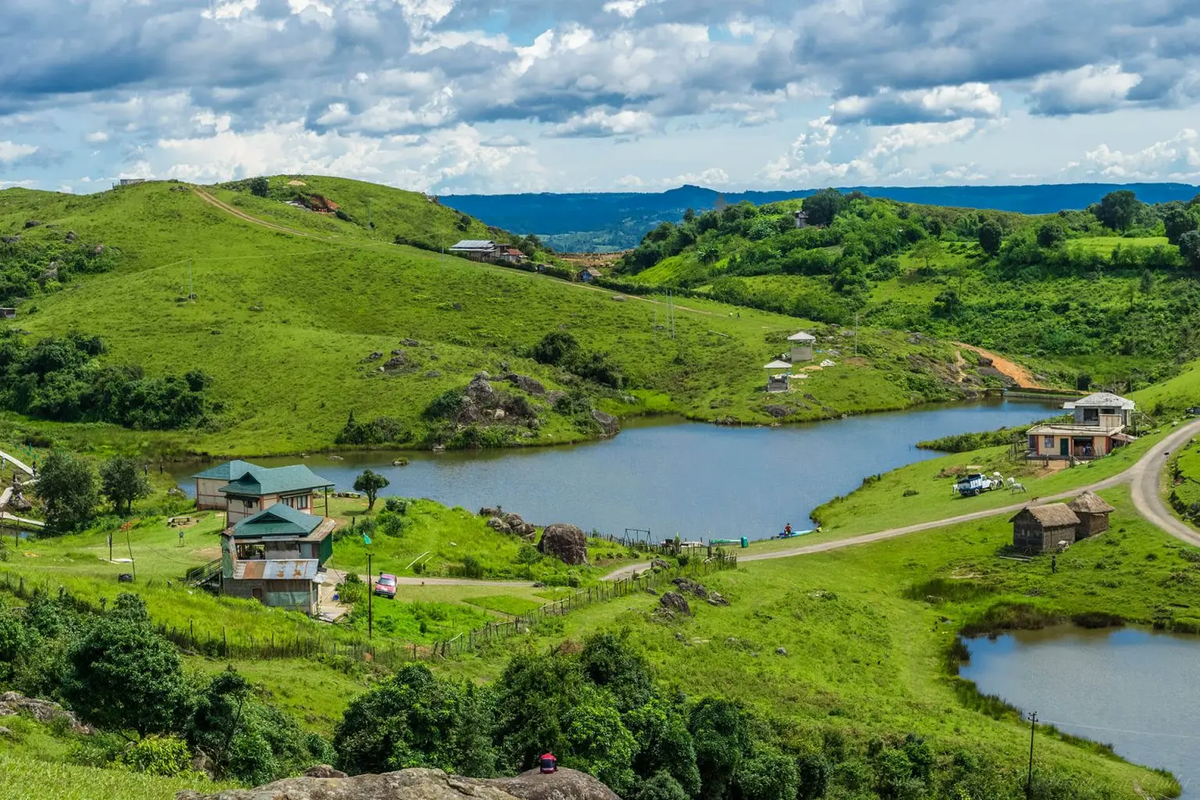
Khasi Hills in Meghalaya are among the most beautiful highland landscapes in Northeast India, known for misty valleys, dramatic cliffs, rolling grasslands, monsoon-fed waterfalls, and a living cultural heritage that feels deeply connected to nature. Often associated with the phrase "Scotland of the East," this region includes major travel zones around Shillong, Cherrapunji (Sohra), Mawsynram, Dawki routes, and multiple offbeat viewpoints.
What makes Khasi Hills special is not only scenery but also diversity of experiences. You can cover urban culture in Shillong, rainforest viewpoints in Sohra, transparent river stretches near Dawki side circuits, and community-led village tourism in places like Mawlynnong. If you are planning a first trip, pair this guide with Meghalaya travel guide and best time to visit Meghalaya for region-level route planning.
Geography: East Khasi Hills vs West Khasi Hills
Understanding regional spread helps you plan efficiently. East Khasi Hills include major tourism traffic points such as Shillong and Sohra belts, while West Khasi Hills are comparatively quieter and better suited for slow travelers seeking less crowded nature circuits. Terrain, road quality, and attraction density vary, so a realistic route is important.
| Region | Known For | Travel Style |
|---|---|---|
| East Khasi Hills | Shillong, Sohra access, viewpoints, waterfalls | First-time friendly and high-coverage |
| West Khasi Hills | Low-density scenic zones, quieter routes | Offbeat and slow-travel focused |
| Shillong Plateau Belt | Urban base + day trips | Comfort + convenience planning |
If your trip duration is short, prioritize East Khasi circuits. If you have extra days and prefer less-commercial routes, add offbeat segments in wider Khasi belts.
Best Time to Visit Khasi Hills
The best time depends on whether you want clear skies or dramatic monsoon beauty. October to April usually gives cleaner visibility, easier road movement, and comfortable weather for viewpoint hopping and local walks. Monsoon months turn the region intensely green and waterfall-rich, but heavy rain can affect road speed and outdoor flexibility.
Seasonal guidance
- Oct-Feb: Cool, scenic, and most practical for general tourism.
- Mar-Apr: Pleasant transition period with good driving conditions.
- May-Sep: Monsoon drama, lush views, frequent rain interruptions.
For travelers focused on waterfalls and rain landscapes, monsoon can be rewarding. For first-time multi-stop itineraries, post-monsoon to winter is usually easier.
How to Reach Khasi Hills
Most travelers enter Meghalaya through Guwahati and then continue by road toward Shillong, which works as the main base for Khasi Hills exploration. Road travel is the most practical mode for connecting major attractions across districts.
| Entry Point | Route Pattern | Practical Note |
|---|---|---|
| Guwahati | Road transfer to Shillong | Most common and reliable approach |
| Shillong-side stay | Day trips to Sohra/Dawki belts | Good for short itineraries |
| Multi-region plan | Shillong + Sohra + village circuits | Needs realistic drive buffers |
For transport specifics and route updates, refer to how to reach Meghalaya and how to reach Cherrapunji before departure.
Top Places to Visit in Khasi Hills
Shillong
Shillong is the practical gateway and one of the most accessible hill cities in Northeast India. It offers urban comfort, cafes, markets, and nearby lake/viewpoint circuits, making it ideal as a base. You can explore major city points and still run day trips into wider Khasi landscapes.
Start with local planning references such as tourist places in Shillong and Umiam Lake Shillong.
Cherrapunji (Sohra)
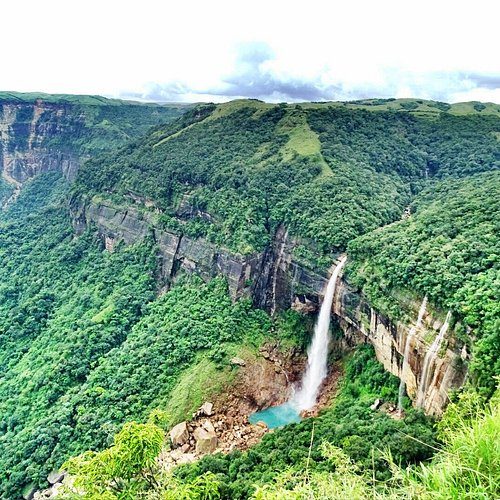
Sohra is one of the strongest highlights of Khasi Hills tourism, known for canyon viewpoints, high-volume waterfalls, cave systems, and monsoon geography. It works well as a day trip from Shillong, but a night stay improves the pace and allows sunrise/sunset flexibility around weather windows.
Mawsynram and high-rainfall belts
Mawsynram routes are often included by travelers interested in rainfall geography and cloud-heavy landscapes. Road and visibility conditions can change quickly, so keep buffer time and avoid an overpacked schedule.
Mawlynnong and village circuits
Mawlynnong is frequently included for clean-village tourism and community-managed travel practices. It pairs well with Dawki-side circuits if timed efficiently.
Dawki and Umngot region
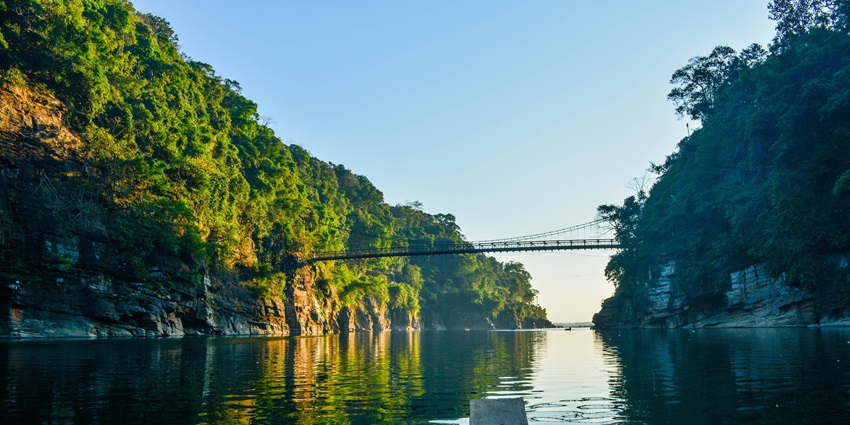
Dawki routes are popular for river viewpoints and clear-water boating experiences in suitable conditions. Add places to visit in Dawki while planning a Khasi Hills itinerary.
Living Root Bridges in Khasi Region
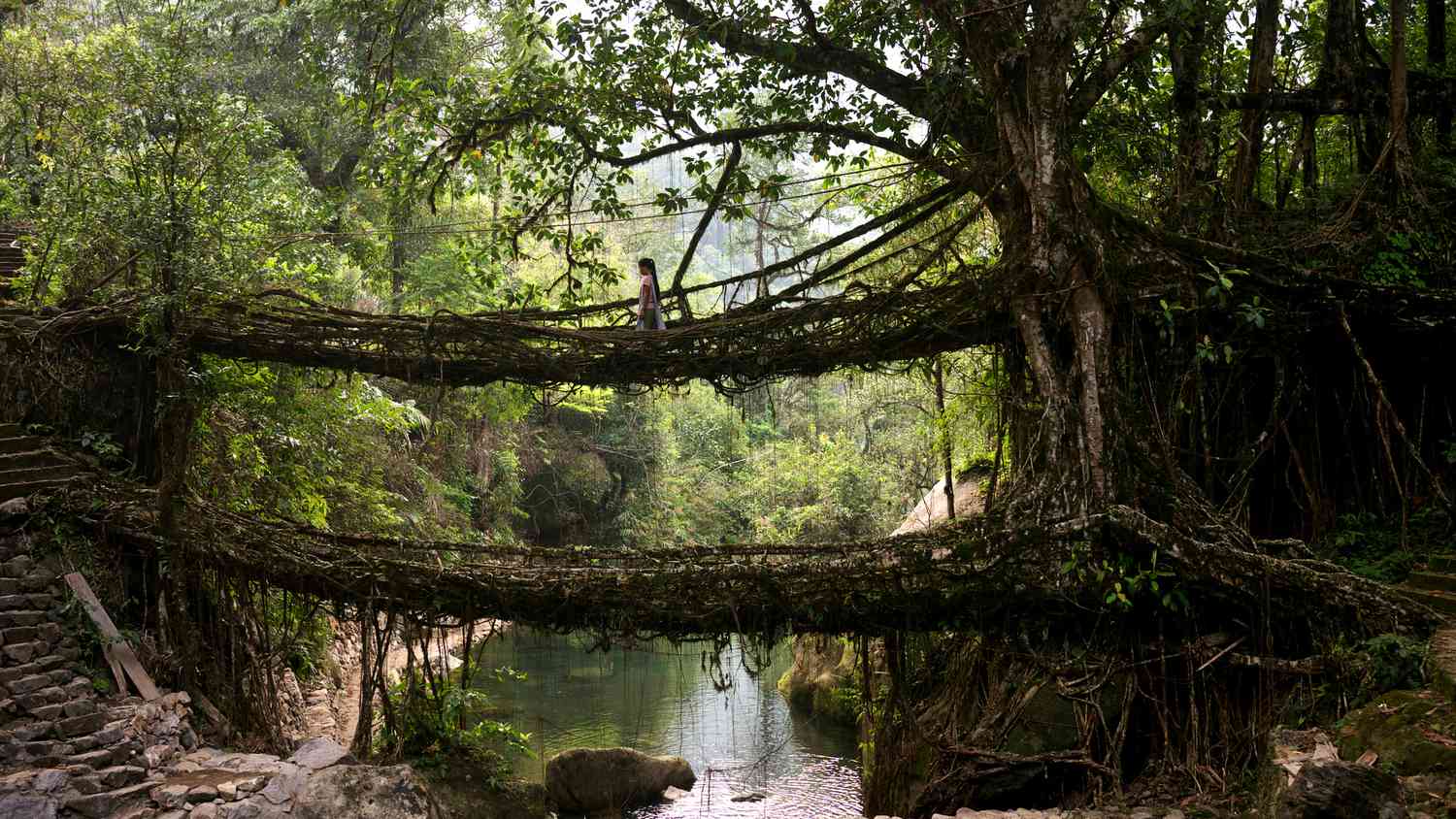
Living root bridges are among the most iconic reasons people visit Khasi Hills. These bridges represent long-term bioengineering by local communities who trained tree roots over years to form functional crossing structures. They are culturally and ecologically significant and should be visited with respect for local rules and trail conditions.
If this is a priority segment, use living root bridges in Meghalaya for dedicated planning. Trek intensity varies by location, so choose route difficulty according to fitness and weather.
Trail tips for root-bridge routes
- Start early to avoid weather and crowd pressure.
- Use grip footwear and carry hydration.
- Respect trail etiquette and no-litter practices.
- Keep extra descent/ascent buffer in itinerary.
Offbeat Khasi Hills: Laitlum, Nongkhnum and Beyond
After primary highlights, Khasi Hills offer excellent offbeat options for travelers who prefer wide landscapes and less commercial stops. Laitlum-side viewpoints are known for dramatic valley lines and weather moods, while Nongkhnum-side circuits appeal to travelers seeking unusual river-island landscapes.
Useful route references include Laitlum Canyon Meghalaya and Nongkhnum River Island Meghalaya. These areas are best explored with flexible timing rather than tight same-day chaining.
Khasi Culture, Food and Traditions
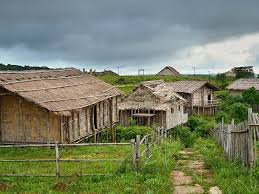
Khasi Hills are culturally rich and distinct. Community life, local markets, language identity, and regional food patterns are important parts of the travel experience. Beyond sightseeing, spending time in village circuits, local cafes, and curated homestay settings can give better cultural understanding.
Food experiences include regional dishes, local ingredients, and seasonal preparations that differ from mainstream mainland menus. You can explore a broader cuisine context through food of Meghalaya while planning your stops.
Cultural etiquette basics
- Ask before taking close-up photos of people.
- Follow local instructions in village and sacred areas.
- Dress sensibly for weather and social comfort.
- Avoid noisy behavior in quiet residential zones.
Trekking and Adventure in Khasi Hills
Adventure in Khasi Hills ranges from short viewpoint walks to longer descent-ascent trail routes. Weather is the key variable. Even simple trails can become demanding under rain and low visibility. Keep your activity mix balanced and avoid stacking physically intensive routes back-to-back.
| Activity Type | Difficulty Range | Planning Priority |
|---|---|---|
| Viewpoint walks | Easy | Weather window and transport timing |
| Root bridge treks | Moderate to hard | Fitness + trail safety + daylight buffer |
| Cave/adventure circuits | Variable | Guide support and local advisories |
For activity-focused plans, evaluate route demands honestly and keep at least one recovery slot in multi-day itineraries.
Khasi Hills Itinerary Options (3 to 5 Days)
3-day quick plan
- Day 1: Shillong city + Umiam side experiences.
- Day 2: Sohra circuit (waterfalls/viewpoints/caves).
- Day 3: Dawki or Mawlynnong route, then return.
5-day balanced plan
- Day 1: Shillong arrival and acclimatized local day.
- Day 2: Sohra major highlights.
- Day 3: Root-bridge or trek-focused segment.
- Day 4: Offbeat viewpoint/valley circuit.
- Day 5: Culture-food shopping day + departure.
For monsoon travel, keep additional weather buffer and avoid rigid same-hour scheduling.
Travel Tips for Khasi Hills
- Carry rain protection in all seasons due to quick weather shifts.
- Use non-slip shoes; wet surfaces are common.
- Book transport with realistic drive-time assumptions.
- Keep digital + offline map backups in low-network zones.
- Carry basic medicines and light snacks on long drives.
- Respect eco-sensitive and no-litter rules throughout the region.
Conclusion
Khasi Hills Meghalaya offer one of India's most rewarding landscape-and-culture travel combinations. From Shillong's urban hill charm to Sohra's dramatic valleys, living root bridge traditions, and offbeat nature corridors, the region supports both first-time exploration and repeat slow travel.
Plan with weather awareness, keep your route practical, and give each zone enough time. Done right, Khasi Hills deliver an immersive journey through rain-shaped terrain, strong local culture, and unforgettable highland experiences.
Location
Frequently Asked Questions
Q1.What is Khasi Hills famous for?
Q2.What is the best time to visit Khasi Hills?
Q3.How do I reach Khasi Hills in Meghalaya?
Q4.What are the top attractions in Khasi Hills?
Q5.How many days are needed for Khasi Hills trip?
Q6.Is Khasi Hills safe for tourists?
Q7.Is Cherrapunji part of Khasi Hills?
Q8.What is a typical budget for Khasi Hills travel?
Recommended For You

Living Root Bridges Meghalaya: Trek Routes, Villages & Local Tips
Discover Meghalaya's incredible living root bridges - nature's bioengineering marvel grown by the Khasi tribes. Complete trekking guide to the Double Decker Root Bridge in Nongriat, best time to visit, how to reach, difficulty level, and photography tips.
Best Places to Visit in Dawki: River Views, Camps & Border Points
Plan your Dawki trip with top places to visit, Umngot boating insights, Shnongpdeng activities, border viewpoints, seasonal tips, and practical travel logistics.
Tourist Places in Shillong: Sightseeing Route, Timings & Best Views
Discover the top tourist places in Shillong with waterfalls, lakes, viewpoints, museums, markets, and practical day-trip planning for Cherrapunji and Dawki.
Never Miss an Adventure
Get the latest trekking guides, travel tips, and exclusive offers delivered straight to your inbox.
