
Trekking In Shillong: Routes Trails And Difficulty

Priya Mehta
December 10, 2025
Plan trekking in Shillong with trail comparisons, season advice, David Scott details, root-bridge prep, and practical safety tips for Meghalaya routes.
Introduction: Why Shillong Is One of the Best Trekking Bases in Northeast India
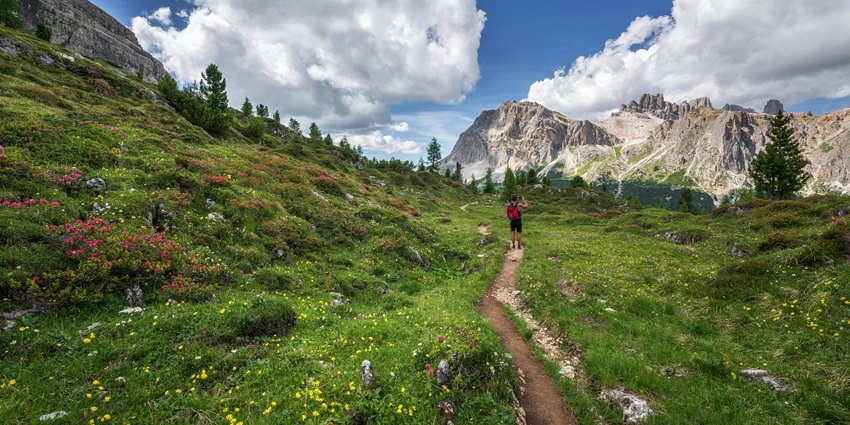
Shillong is more than a hill-station city break. It is one of the most practical trekking gateways in Meghalaya, offering access to heritage trails, living root bridge routes, ridge viewpoints, forest paths, and village-linked nature walks across East Khasi Hills. This mix makes trekking in Shillong attractive for both beginners and experienced hikers who want high scenery value without ultra-technical mountaineering.
What makes Shillong special is diversity in a short radius. You can do an easy half-day trail near the city, a moderate full-day route like David Scott Trail, or a demanding root-bridge staircase descent in the Sohra-Nongriat belt. Weather and terrain change quickly, so planning is essential.
This guide gives you a practical framework: best trails, route logic, season-by-season advice, difficulty selection, essential gear, local-guide and permit context, and safe pacing strategies. If you want a reliable Shillong trekking plan that balances adventure with on-ground realities, start here.
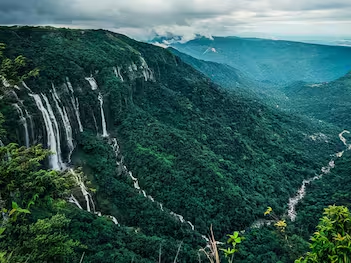
Top Trekking Trails Near Shillong (Quick Comparison)
| Trek | Distance/Duration | Difficulty | Best For |
|---|---|---|---|
| David Scott Trail | ~16 km / 5-6 hrs | Moderate | Historic scenic day trek |
| Double Decker Root Bridge | Long stair trek / full day | Challenging | Iconic Meghalaya experience |
| Mawphlang Sacred Grove Walk | ~2 hrs | Easy | Beginner + culture trail |
| Laitlum Side Hikes | Variable / 2-4 hrs | Easy to moderate | Panoramic ridge walking |
| Mawryngkhang Bamboo Trek | Half-day technical sections | Moderate to tough | Adventure-focused hikers |
This table helps select the right trail by fitness and time window before you build a detailed itinerary.
1. David Scott Trail: Shillong's Classic Trek
David Scott Trail is one of Meghalaya's most recommended heritage treks and remains a strong choice for travelers who want a full-day walk with mixed scenery and manageable technical load. The route is linked to an old trade path legacy and typically runs through open valleys, forest patches, streamside segments, and village-adjacent terrain.
Why It Works for Most Trekkers
- Balanced challenge: not too easy, not extreme.
- Strong visual variety across the day.
- Accessible as a planned day trek from Shillong side.
- Good introduction to Khasi hill trekking conditions.
Practical Tips for David Scott Trail
- Start early to avoid rushed final segments.
- Use local route support if visiting in wet season.
- Carry enough water and quick-energy snacks.
- Expect slippery patches after rainfall.
If you want one signature Shillong trek that combines history and nature, David Scott is usually the first recommendation.
2. Double Decker Living Root Bridge Trek (Nongriat Circuit)
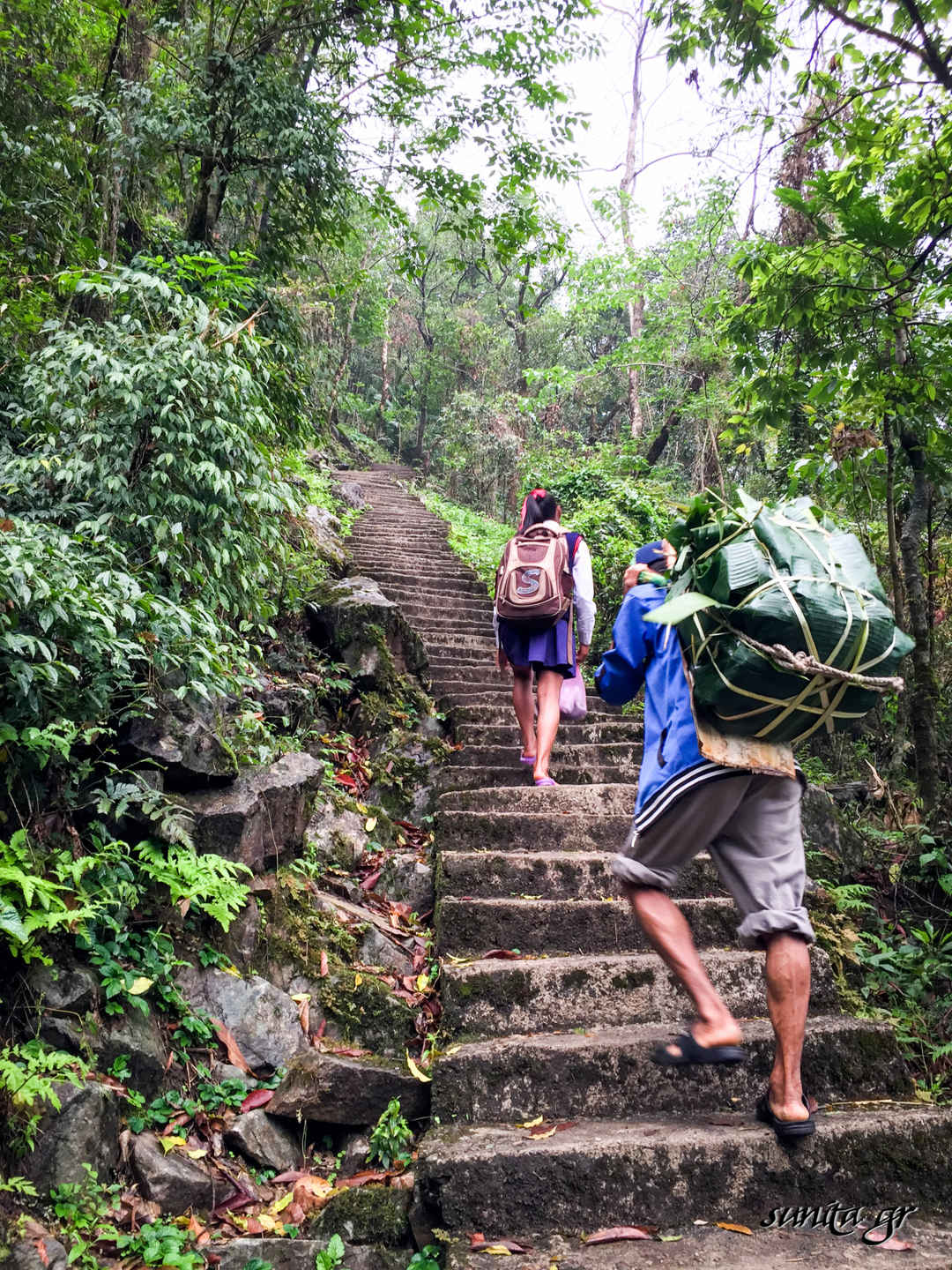
The Double Decker Living Root Bridge trek is among Meghalaya's most famous hikes and one of the most physically demanding routes many travelers attempt from the Shillong-Sohra side. The challenge is not technical climbing but sustained stair descent and ascent through humid terrain.
What Makes It Challenging
- Large stair count and continuous leg load.
- High humidity, especially in warmer months.
- Return climb can be significantly tougher than descent.
- Pacing errors early in trek cause fatigue later.
Who Should Attempt It
- Fit beginners with controlled pace and preparation.
- Moderate-level trekkers looking for iconic eco-heritage routes.
- Travelers willing to prioritize trek day over multi-stop sightseeing.
If you are new to Meghalaya trekking, do a lighter trail first, then attempt Nongriat with proper pacing.
3. Mawphlang and Sacred Forest Side Trails
Mawphlang Sacred Forest is ideal for beginners, families, and culture-focused hikers who want guided ecological walking without extreme exertion. The value here is interpretation: local guides explain medicinal plants, sacred zones, and traditional conservation systems.
These trails are shorter than major day treks but highly rewarding for understanding Khasi cultural landscape management. They also make a good acclimatization or recovery day between harder routes.
4. Laitlum and Ridge-Walk Variants
Laitlum Canyon is known for panoramic views, but surrounding ridge and descent paths can also provide meaningful trekking sessions depending on weather and route condition. Some segments are steep and require caution on return climbs.
Laitlum works best for photographers and moderate hikers who want dramatic visual payoffs with shorter duration options. In cloud-heavy days, visibility can drop quickly, so keep navigation simple and avoid risky edge movement.
5. Mawryngkhang Bamboo Trek (For Adventure-Focused Visitors)
Mawryngkhang Bamboo Trek is often considered one of Meghalaya's most adventurous guided hikes due to narrow bamboo walkway sections and exposure to valley drops. It is not recommended as a first trek for anxious beginners.
If you choose this trail, book local guide support, avoid bad-weather starts, and wear high-grip shoes. Confidence on narrow foot placements is essential.
Best Time for Trekking in Shillong and Meghalaya
October to April: Best Overall
This is generally the best trekking window for visibility, comfort, and safer trail footing. Skies are clearer, route planning is easier, and long-day hikes are more manageable.
May to September: Lush but Slippery
Monsoon and heavy-rain months create beautiful green landscapes and stronger waterfalls, but trekking difficulty increases due to mud, wet roots, and reduced traction. Use guides and conservative pacing in this period.
Season-Smart Advice
- Beginners: choose post-monsoon or winter windows.
- Experienced monsoon trekkers: prioritize grip gear and weather buffers.
- Photography-focused hikers: early winter and shoulder months are excellent.
For seasonal city context, check best time to visit Shillong and best time to visit Meghalaya.
Difficulty and Fitness Planning
Easy
- Mawphlang forest walks
- Short Shillong ridge paths
- Selected Umiam-side nature loops
Moderate
- David Scott Trail
- Laitlum descent-return variants
- Longer mixed-terrain village trails
Challenging
- Double-decker root bridge full effort day
- Mawryngkhang in wet conditions
- Back-to-back full-day routes without recovery
Fitness baseline for moderate treks: ability to walk 10-14 km with elevation changes, maintain controlled breathing, and recover well for return climbs.
Permits, Guides, and Local Logistics
Most common Shillong trekking routes do not require complex high-altitude permits, but local access norms and guide expectations can vary by village and trail. In some routes, guide support is effectively mandatory for practical navigation and safety.
Guide Use Cases
- Strongly recommended: David Scott, root-bridge circuits, monsoon treks.
- Essential: technical or less-marked local routes.
- Useful even on easy trails: cultural interpretation and route pacing.
Always finalize guide fee, route scope, and turnaround timing before starting.
Packing Checklist for Shillong Treks
- High-grip waterproof or quick-dry trekking shoes.
- Light rain shell in all seasons.
- Breathable layered clothing.
- 1.5 to 2 liters hydration per person for full-day trails.
- Energy snacks and electrolyte mix.
- Mini first-aid kit and personal medication.
- Phone rain cover + power bank.
- Cash buffer for local transport and village payments.
Avoid overloading your backpack. Shillong treks reward light and efficient packing.
Safety Rules That Matter Most
- Start early and avoid late return in low-light forest segments.
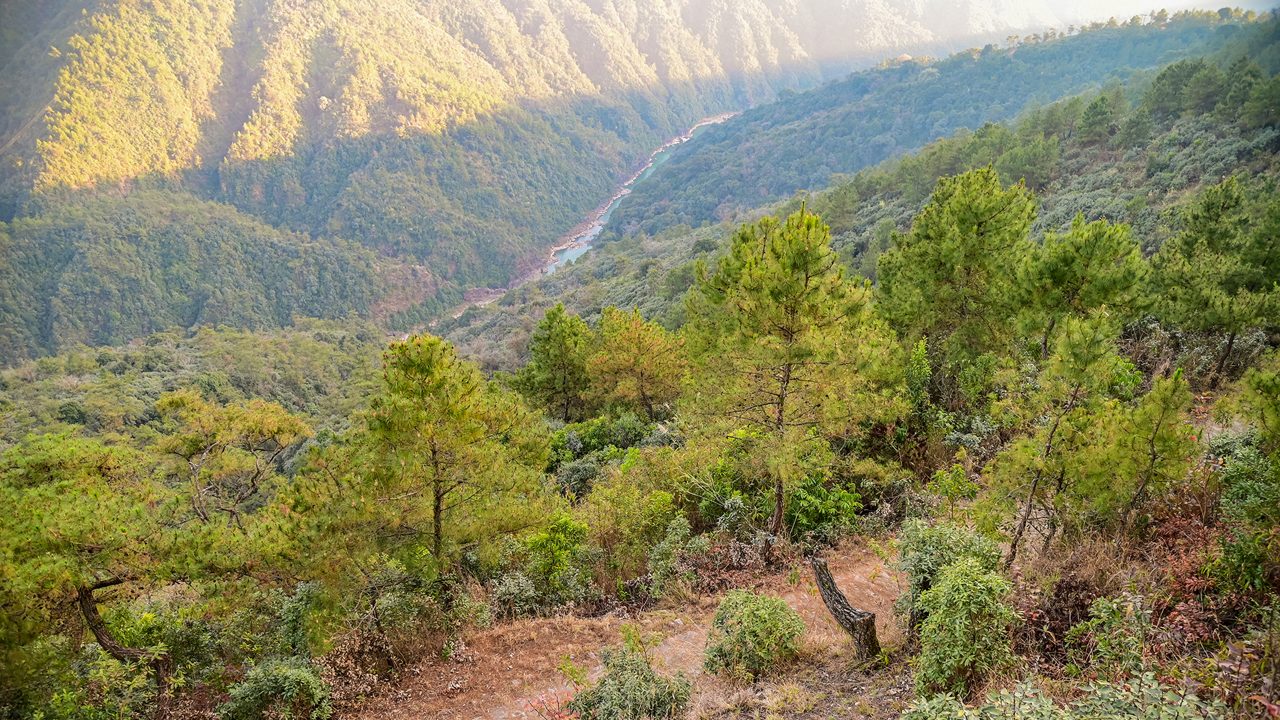
- Do not rush downhill; return ascent fatigue causes most errors.
- In rain, reduce stride length and prioritize balance over speed.
- Stay with your group; avoid splitting on unfamiliar trails.
- Respect local guidance on unsafe sections and weather aborts.
- Do not litter; carry all non-biodegradable waste back.
Meghalaya terrain changes quickly under rain. Smart pacing is your best safety tool.
Sample 3-Day Shillong Trek Plan
Day 1
- Arrival and light city-adjacent nature walk.
- Gear check and guide coordination for next day.
Day 2
- David Scott Trail full-day effort.
- Evening recovery and hydration.
Day 3
- Choose one: root-bridge circuit or Mawphlang + Laitlum combo depending fitness and weather.
This plan gives challenge without overload and works for first-time Meghalaya trekkers.
Best Add-On Experiences in Shillong Region
You can combine trekking with nearby highlights for a balanced itinerary:
- Tourist places in Shillong
- Waterfalls in Shillong
- Cherrapunji tourist places
- Umiam Lake Shillong
- Cherry Blossom Meghalaya (seasonal event planning)
Keep one lower-intensity day after hard stair-based treks to avoid cumulative fatigue.
Guide Selection, Cost Planning, and On-Ground Coordination
For Shillong treks, guide quality directly affects trail accuracy and safety. Instead of booking the cheapest option blindly, compare guides on route familiarity, weather judgment, and communication clarity. Ask for exact inclusions before payment: meeting point, trek duration estimate, emergency support, and whether they assist with local transport coordination after trek completion.
Typical cost variables include trail difficulty, group size, season, and start-point distance from Shillong city. If your trek starts far from city core, transport can become a major portion of total spend. A practical budget model includes:
- Guide fee for full route scope.
- To-and-fro transport with waiting time.
- Food and hydration for full-day effort.
- Buffer for weather-led route changes.
For groups, appoint one coordinator to manage cash, checkpoints, and return timing so the trail flow stays efficient.
Weather Abort Rules You Should Set in Advance
Meghalaya weather can change quickly. Establish clear abort rules before starting:
- Turn back if heavy rain reduces traction on steep descent sections.
- Abort if visibility drops sharply near edge or bamboo-walkway trails.
- Return early if one member shows fatigue that affects group safety.
- Do not force summit-style goals on staircase-heavy root-bridge days.
Many trekking incidents are caused by late decision-making. Early conservative calls are the safest strategy in Shillong-region conditions.
Final Takeaway
Trekking in Shillong is one of the most rewarding adventure formats in Northeast India because it combines varied trail difficulty, living cultural landscapes, and high scenic payoff in relatively compact travel windows. The key is matching trail choice to fitness and season, not chasing every famous route in one rushed itinerary.
Start with a structured plan, use local guidance where needed, and pace your climbs intelligently. Done right, Shillong and Meghalaya trekking can be both deeply adventurous and sustainably enjoyable.
If you are planning multiple treks in one trip, alternate hard and easy days, sleep early, and keep hydration consistent. This simple routine improves stamina, lowers injury risk on stair-heavy routes, and helps you enjoy Meghalaya's landscapes without avoidable fatigue.
Always keep one backup weather day in your itinerary, especially between June and September trekking windows.
Plan conservatively.
Location
Frequently Asked Questions
Q1.Is Shillong good for trekking?
Q2.Which is the best trek near Shillong?
Q3.What is the best time for trekking in Meghalaya?
Q4.How difficult is David Scott Trail?
Q5.Can beginners trek in Shillong?
Q6.Do we need permits for trekking near Shillong?
Q7.Is trekking in Shillong safe?
Q8.How long is the root bridge trek from Sohra side?
Recommended For You
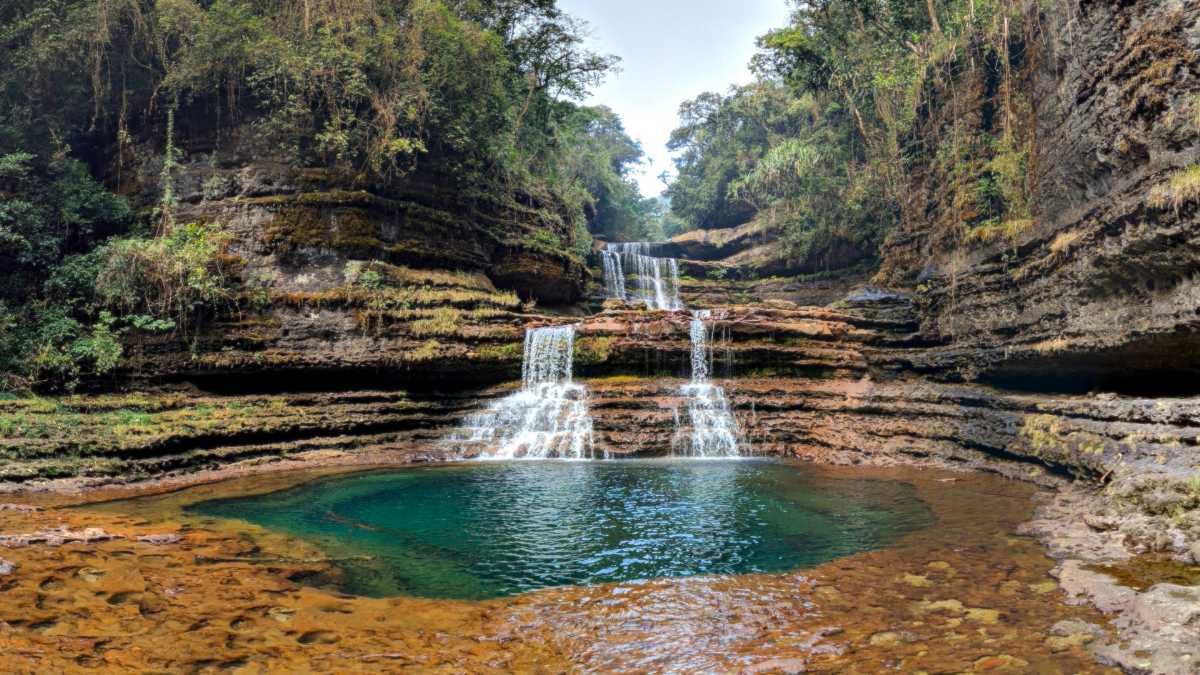
Cherrapunji Tourist Places: Top Attractions, Itinerary & Travel Tips
Plan your Cherrapunji trip with top tourist places, route-based itinerary ideas, weather strategy, and practical travel tips. Discover waterfalls, living root bridges, caves, and more in this comprehensive guide.
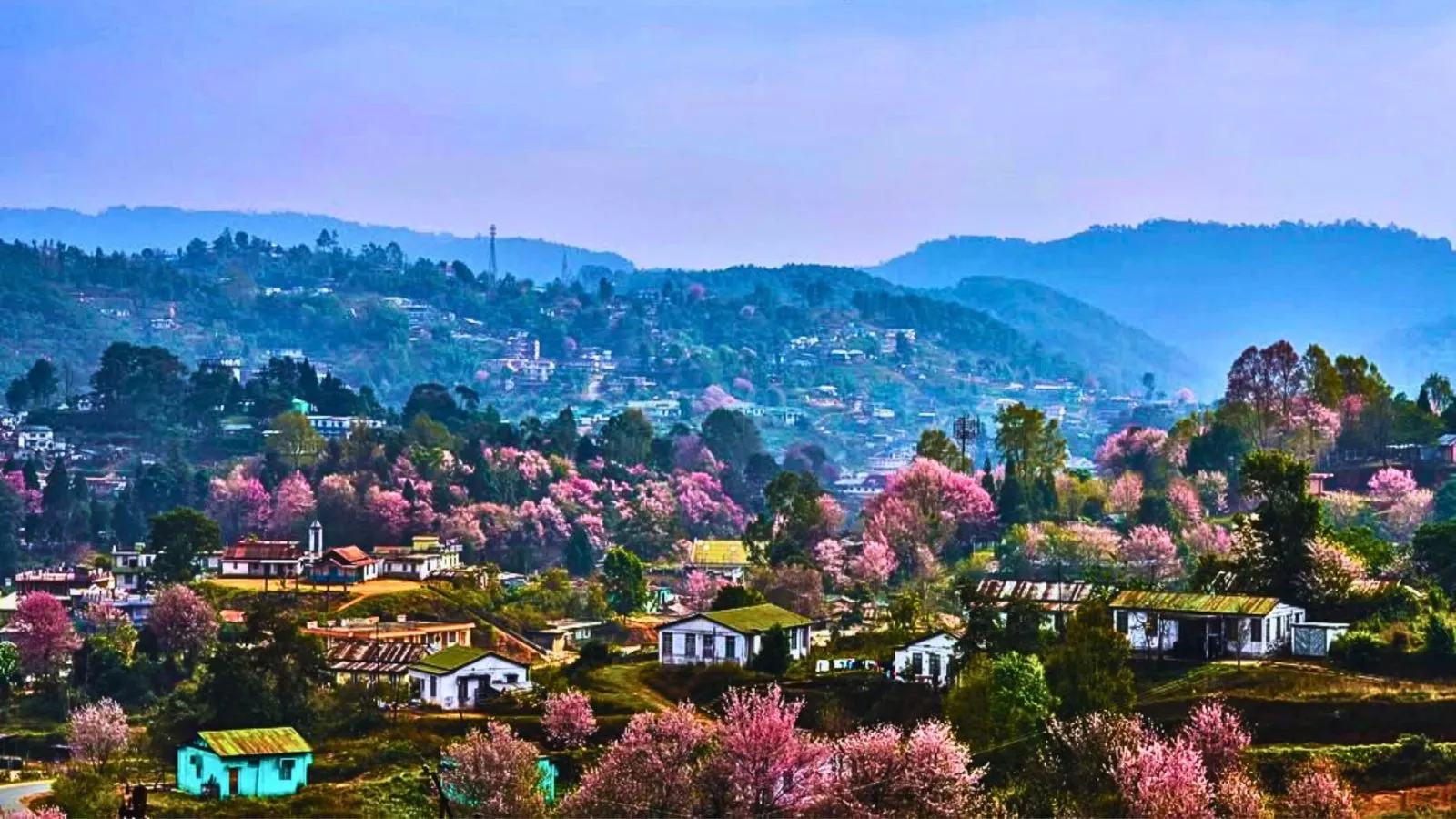
Best Time to Visit Shillong Meghalaya: Season, Rainfall & Local Events
Plan the best time to visit Shillong with season-wise weather, cherry blossom timing, monsoon travel tips, and month-by-month guidance for Meghalaya trips.
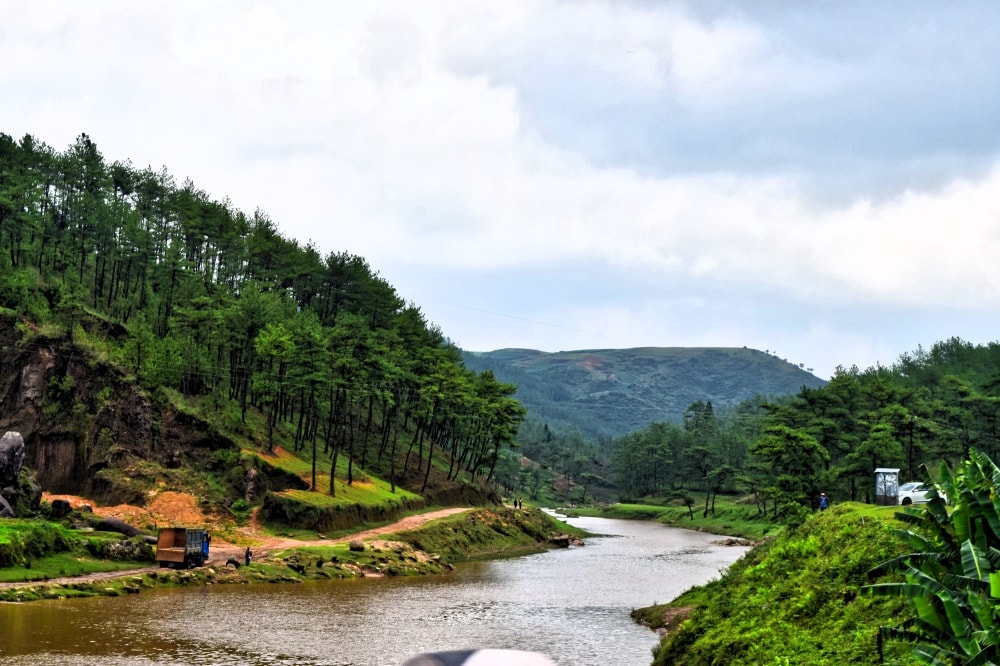
Best Time to Visit Meghalaya: Rainfall, Season & Waterfall Views
Understand Meghalaya weather by season with practical month-wise planning tips for waterfalls, root bridges, caving, and safer route timing.
Never Miss an Adventure
Get the latest trekking guides, travel tips, and exclusive offers delivered straight to your inbox.
