
Tiger Reserves in Rajasthan: Safari Booking, Zones & Best Parks

Ananya Sharma
November 22, 2025
Explore tiger reserves in Rajasthan with a practical guide to Ranthambore and Sariska, safari booking, zones, best season, and smart trip-planning tips.
Rajasthan's Tiger Territory: Why This State Matters
Rajasthan is known globally for forts, palaces, and desert routes, but for wildlife travelers it is equally important as one of India's strongest tiger landscapes. The state combines famous core reserves like Ranthambore and Sariska with linked forest corridors and emerging protected regions that support long-term tiger movement. If your goal is to plan a realistic tiger safari in North India, Rajasthan offers strong road access, organized booking systems, and a broad choice of stays from budget lodges to premium jungle resorts.
The keyword tiger reserves Rajasthan usually attracts travelers who want practical answers: where to go first, when sightings are best, how zone allocation works, what safari types to choose, and how much budget is needed. This guide is designed for exactly that intent. You will get a clear comparison of Ranthambore and Sariska, season-by-season strategy, booking steps, zone logic, pricing structure, and mistakes to avoid.
If you are building a larger itinerary, pair this with our broader guide to national parks in Rajasthan and destination planning in things to do in Rajasthan.
Main Tiger Reserves in Rajasthan
At a traveler level, two reserves dominate planning conversations: Ranthambore Tiger Reserve and Sariska Tiger Reserve. Both are important for tiger conservation, but the safari experience is different in terrain, crowd intensity, and sighting behavior. Rajasthan also has Mukundra Hills Tiger Reserve in conservation context, though tourism focus remains strongest in Ranthambore and Sariska for most visitors.
Ranthambore Tiger Reserve (Sawai Madhopur)
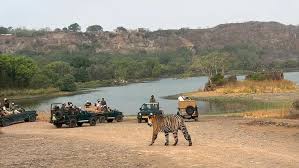
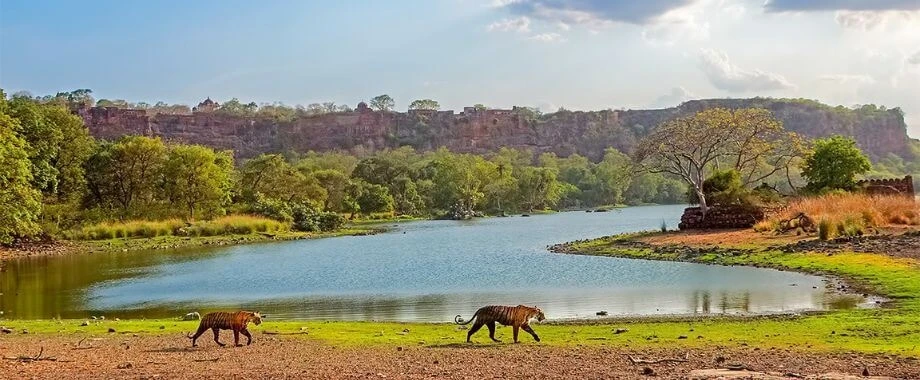
Ranthambore is Rajasthan's most famous tiger destination and one of the most photographed tiger reserves in India. The landscape mixes dry deciduous forest, open scrub, rocky ridges, and lakes such as Padam Talao and Rajbagh area, which often create classic tiger photography frames. One major advantage for visitors is relative visibility: compared with dense forest parks, Ranthambore's terrain often allows longer visual contact when a tiger crosses open patches.
Ranthambore tourism runs through multiple zones, and demand is high on weekends and holiday windows. This is also why booking discipline is crucial. Last-minute travelers often end up with less preferred time slots or unavailable dates. If your itinerary is fixed, secure safaris first and hotels second, not the other way around.
For a dedicated breakdown of routes, entry gates, and stay options, see our full Ranthambore National Park guide.
Sariska Tiger Reserve (Alwar)
Sariska is closer to Delhi-NCR and Jaipur circuits, making it attractive for short wildlife escapes. Its tiger story is conservation-significant because of reintroduction efforts that rebuilt population presence over time. The terrain here includes dry forest, valleys, and plateaus with a quieter safari feel compared with Ranthambore's high visitor volume.
Many travelers choose Sariska when they prefer lower crowd density and simpler weekend logistics. It also works well in combination with Alwar heritage sites or a Jaipur extension. If your group has first-time safari participants, Sariska can be a less intimidating introduction to tiger landscapes.
Read detailed planning notes in our Sariska Tiger Reserve guide.
Ranthambore vs Sariska: Which One Should You Choose?
There is no single winner for everyone. Your best pick depends on travel style, time, and expectations.
| Factor | Ranthambore | Sariska |
|---|---|---|
| Best for | Dedicated tiger-focused trips and photographers | Short trips, quieter safaris, NCR proximity |
| Crowd level | High in peak months | Moderate in most windows |
| Travel planning | Needs earlier booking discipline | Often easier for quick plans |
| Typical trip length | 2-4 nights ideal | 1-2 nights workable |
| Landscape style | Lakes, ruins, dramatic open patches | Dry forest and valley terrain |
If you can allocate 4 to 5 nights, a strong model is 3 nights Ranthambore plus 1 or 2 nights Sariska. This gives variety in habitat and improves overall wildlife experience quality.
Best Time for Tiger Sightings in Rajasthan
Season is the biggest variable in safari outcomes. While tiger sightings are never guaranteed, some periods are more productive because of vegetation density and animal movement near water.
October to February: Excellent weather, comfortable safaris, and strong family demand. Wildlife is active, but thick post-monsoon growth in early months can affect visibility. This is best for travelers who prioritize comfort and mixed sightseeing.
March to June: The strongest sighting window in many years, especially May and June mornings and late afternoons. Heat drives animals toward water sources and open track crossings. This is the preferred window for serious wildlife photographers, but temperatures can be intense.
July to September: Operations vary by reserve and zone due to monsoon policies. Some core sections may close while selected zones can operate with restrictions depending on official notifications. Always verify current status before booking, because rules can change year to year.
For overall seasonal planning across the state, you can align this with our Rajasthan weather guide: best time to visit Rajasthan.
Safari Booking Guide: Step-by-Step
Most failures in tiger trip planning happen due to weak booking sequence. Use this order:
- Fix travel dates first based on weather and leave availability.
- Book safari slots next through authorized channels or verified operators.
- Then lock hotels near your gate side to avoid long early-morning transfers.
- Keep ID details ready because name and document mismatch can cause issues.
- Add one backup safari if possible; multiple drives improve sighting probability.
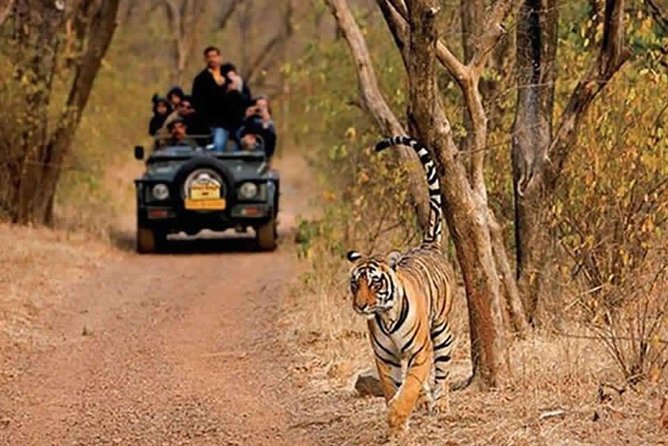
Vehicle types: Jeep safaris are smaller and preferred by photographers. Canter safaris are larger and often economical for groups. The right choice depends on budget and how much flexibility you want inside the zone.
Advance window: Peak months can fill quickly. Book as early as practical once dates are final, especially for sunrise slots and holiday weekends.
Pricing reality: Safari cost varies by reserve, vehicle class, nationality category, weekend load, and agent service model. Instead of trusting old static rates, request a full breakup including permit, vehicle, guide, and handling charges.
Zones and Routes: What Visitors Should Know
In Rajasthan tiger reserves, visitors often focus too much on best zone labels from social media. In reality, tiger movement changes with water, territorial behavior, and prey activity. A zone with great sightings last week may be slower next week. Use zone reputation as a broad signal, not a guarantee.
Practical zone strategy:
- Book multiple safaris across different sessions instead of chasing one specific zone.
- Prefer morning plus evening mix for better behavioral diversity.
- Listen to your guide and driver; on-ground tracking decisions matter more than internet lists.
- For photography, prioritize stability and patience over constant movement requests.
Zone allocation mechanisms can be randomized or system-driven depending on reserve policy. Since operational rules are updated periodically, treat any old forum advice with caution and verify current process during booking.
Other Wildlife Options in Rajasthan
If you want more than tiger-focused drives, Rajasthan has strong wildlife depth:
- Keoladeo ecosystem (Bharatpur): High-value birding destination, especially winter migrants.
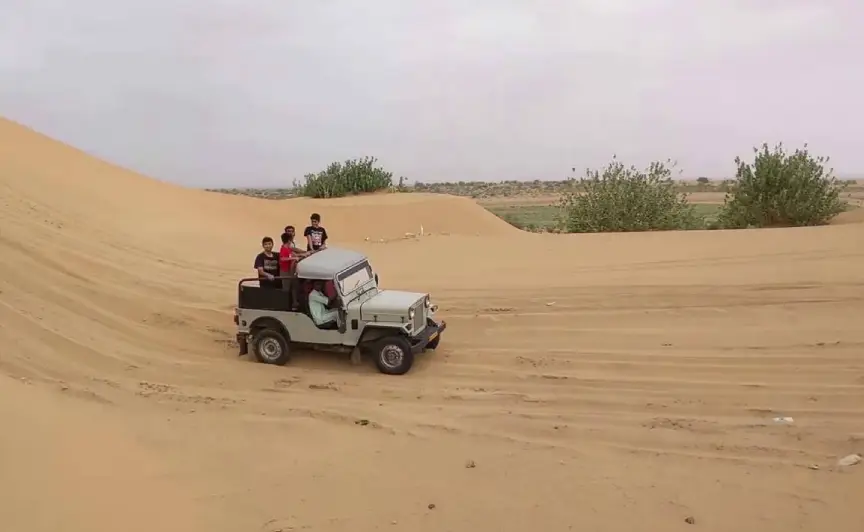
- Desert National Park belt: Distinct arid ecosystem and specialty avifauna.
- Kumbhalgarh and regional sanctuaries: Good for mixed habitat exploration.
- Mukundra landscape: Conservation importance with evolving tourism relevance.
To expand beyond tigers, see wildlife safari options in Rajasthan.
Accommodation Strategy Near Tiger Reserves
Where you stay directly affects safari comfort. Many travelers choose hotels based on price only, then lose sleep due to long pre-dawn travel to entry points. A better method is to pick stay location by gate access and safari timing.
Budget stays: Functional lodges and guesthouses, good for short trips and frequent safari movement.
Mid-range stays: Best balance for families, usually including meal plans and transport coordination.
Premium jungle resorts: Better service, naturalist sessions, and comfort for longer wildlife holidays.
Check these before paying:
- Actual distance to safari reporting point
- Early breakfast and packed-meal support for morning drives
- Power backup, hot water timing, and late check-in support
- Cancellation policy during weather disruptions
Packing and Behavior Tips for Better Sightings
Wildlife travel rewards preparation more than luck. Keep your setup simple and field-ready.
- Wear earth tones: olive, beige, brown, muted grey.
- Carry a light jacket for winter mornings and dust cover for summer drives.
- Bring binoculars even if you have a camera.
- Keep hydration salts and water, especially from March onward.
- Avoid strong perfumes and loud conversation in vehicles.
- Do not pressure drivers for unsafe behavior or off-track moves.
- Follow reserve rules strictly: no littering, no feeding wildlife, no sudden movement.
Responsible behavior is not just ethics; it improves wildlife response and the quality of everyone's safari experience.
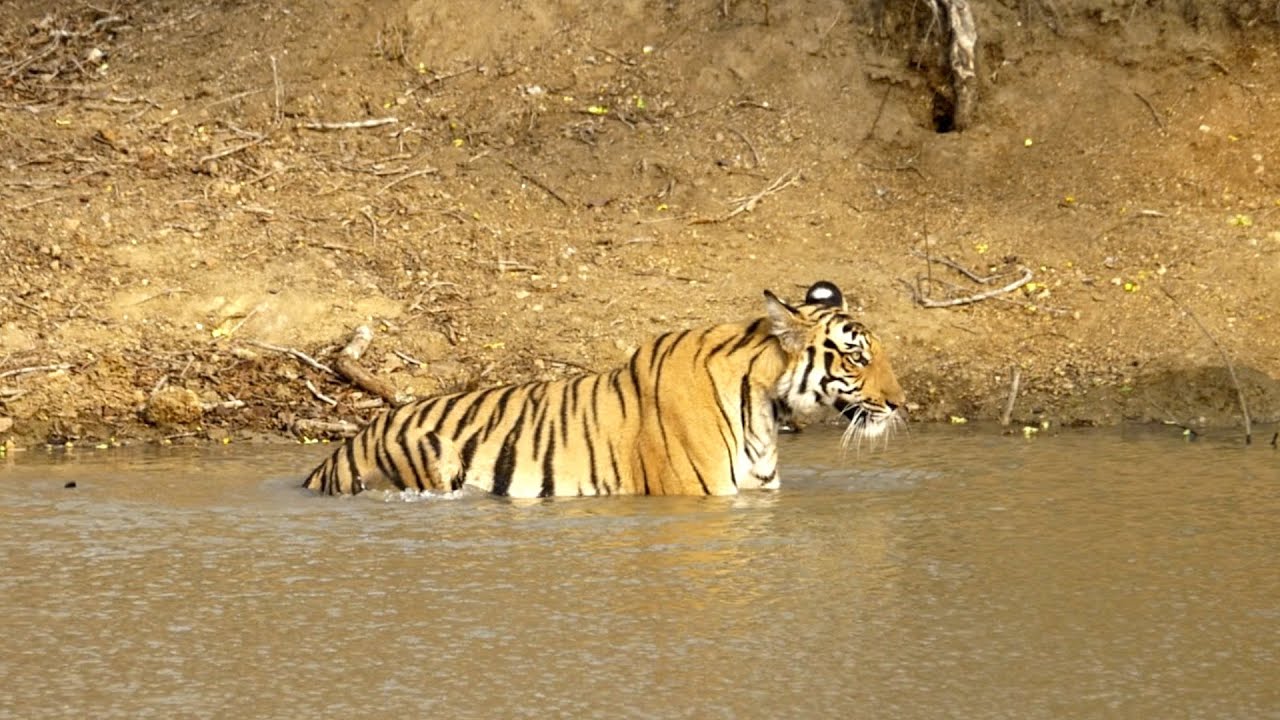
Sample 3-Day Rajasthan Tiger Plan
Day 1: Arrive in Sawai Madhopur, rest, evening orientation, and next-day safari briefing.
Day 2: Morning safari + afternoon safari in a different session or zone profile.
Day 3: Final morning safari, checkout, onward travel toward Jaipur. If extending, add Sariska for one extra night.
If you are combining city and wildlife, this pattern fits well with Jaipur planning and helps avoid overpacked road days.
Common Safari Booking Mistakes to Avoid
Many first-time visitors lose quality field time because they plan the trip as a normal city holiday. Wildlife itineraries need different priorities. The biggest mistake is booking flights and hotels first, then checking safari inventory later. In peak windows, you may find rooms available but no practical safari slots left, which defeats the core purpose of the trip.
Another common issue is over-compressing the plan. A single safari in one session gives limited odds and limited behavior range. Multiple drives across morning and evening sessions usually produce better outcomes. Travelers also underestimate transfer fatigue. If your property is far from reporting points, early wakeups can reduce alertness and patience during the drive. Choose logistics that support rest.
Rate confusion is another problem. Some quotes look low but exclude permits, handling, and guide charges. Always compare final payable amount, not headline teaser rates. Finally, do not rely on viral zone claims alone. Real wildlife movement changes quickly, and guide decisions on the day can matter more than internet lists. Flexible expectations plus disciplined planning create a far better safari experience.
Final Takeaway
Rajasthan remains one of India's most practical and rewarding states for tiger safaris because it combines strong reserve infrastructure, broad accommodation options, and easy integration with heritage travel circuits. Ranthambore is ideal for high-intent tiger seekers and photographers, while Sariska works very well for shorter, lower-crowd trips. The smartest strategy is not to chase hype around one zone but to plan multiple safaris, choose season carefully, and keep expectations aligned with natural wildlife behavior.
Book early, travel responsibly, and focus on field time rather than checklist tourism. That approach gives you the best chance of turning a regular trip into a truly memorable Rajasthan wildlife experience.
Location
Frequently Asked Questions
Q1.How many tiger reserves are there in Rajasthan?
Q2.Which is better for safari: Ranthambore or Sariska?
Q3.What is the best time to visit tiger reserves in Rajasthan?
Q4.How can I book Ranthambore safari online?
Q5.What is the typical cost of tiger safari in Rajasthan?
Q6.How many zones are there in Ranthambore?
Q7.Which Ranthambore zone is best for tiger sightings?
Q8.Are Rajasthan tiger reserves open during monsoon?
Recommended For You
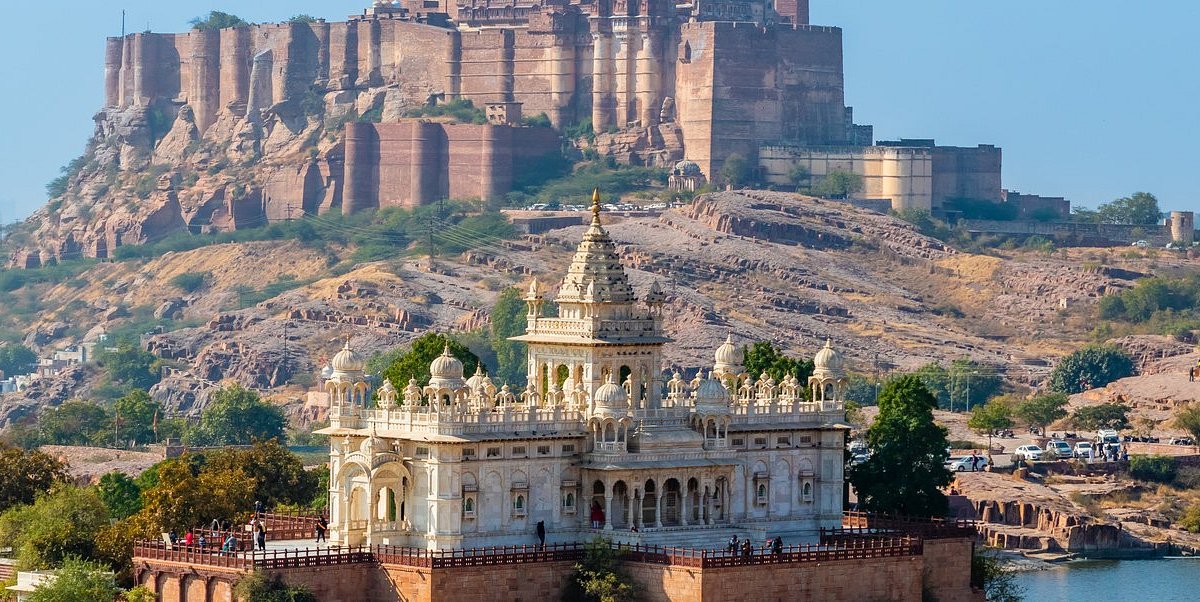
Things to Do in Rajasthan: Desert, Heritage & Cultural Experiences
Discover 50 amazing things to do in Rajasthan - explore forts, palaces, deserts, culture & cuisine. Complete guide with timings, fees & tips for 2026.
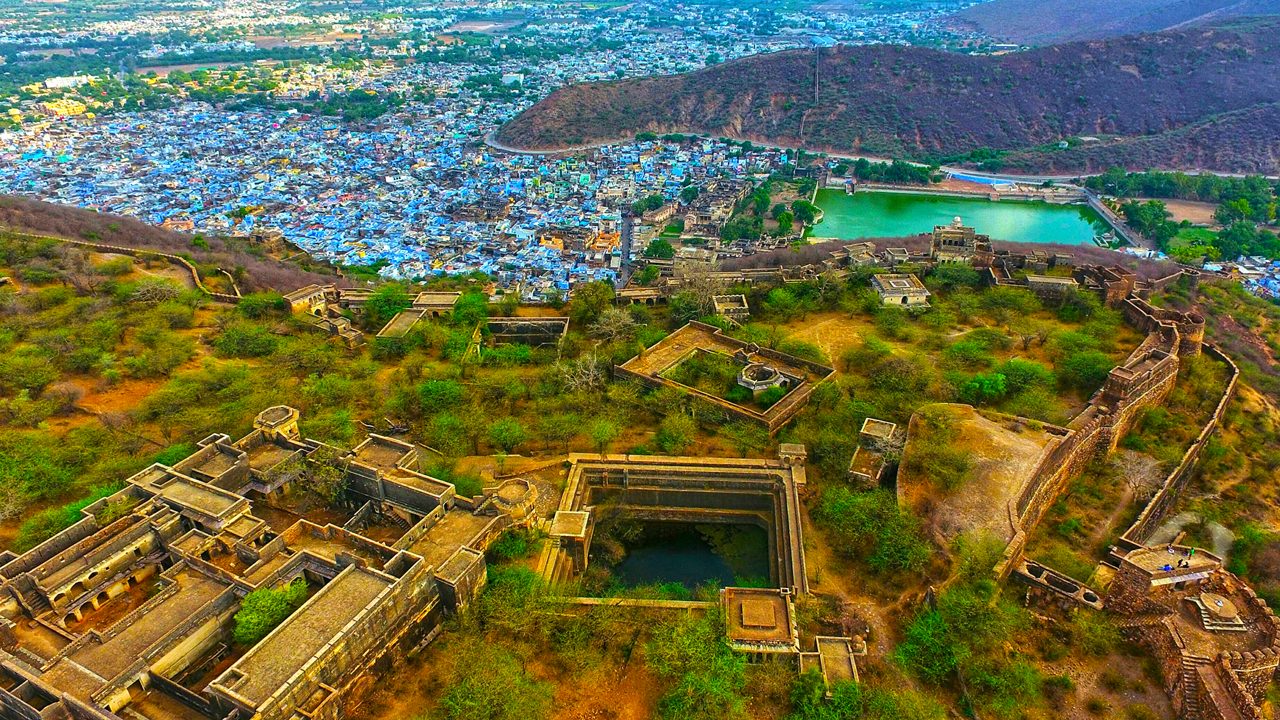
Best Time to Visit Rajasthan: Weather by City & Ideal Travel Months
Plan the best time to visit Rajasthan with season-wise weather, month-by-month insights, activity timing, festival impact, and smart itinerary guidance.
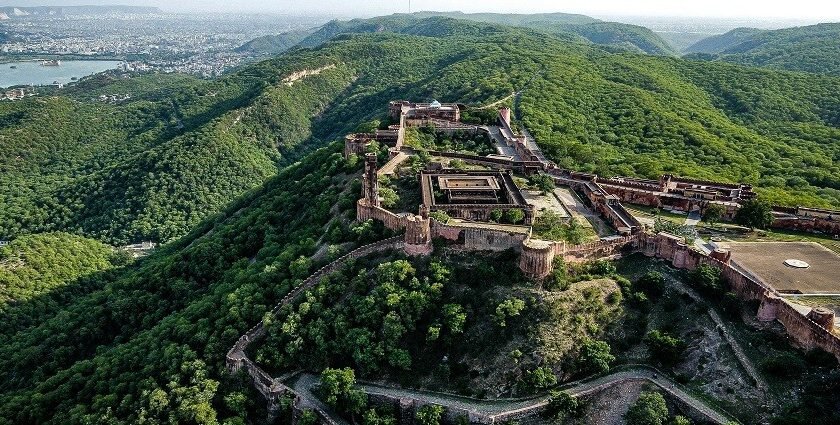
National Parks in Rajasthan: Tiger Safari Parks & Booking Tips
Explore National Parks in Rajasthan. Ranthambore, Sariska, Keoladeo. Tigers, birds, safari booking & best time to visit.
Never Miss an Adventure
Get the latest trekking guides, travel tips, and exclusive offers delivered straight to your inbox.
