
Dev Diwali Varanasi: Best Ghats, Timing & Viewing Spots

Priya Mehta
February 20, 2026
Plan your Dev Diwali Varanasi trip with practical ghat viewing strategy, crowd-safe movement tips, and festival-day itinerary planning.
Dev Diwali Overview and Significance
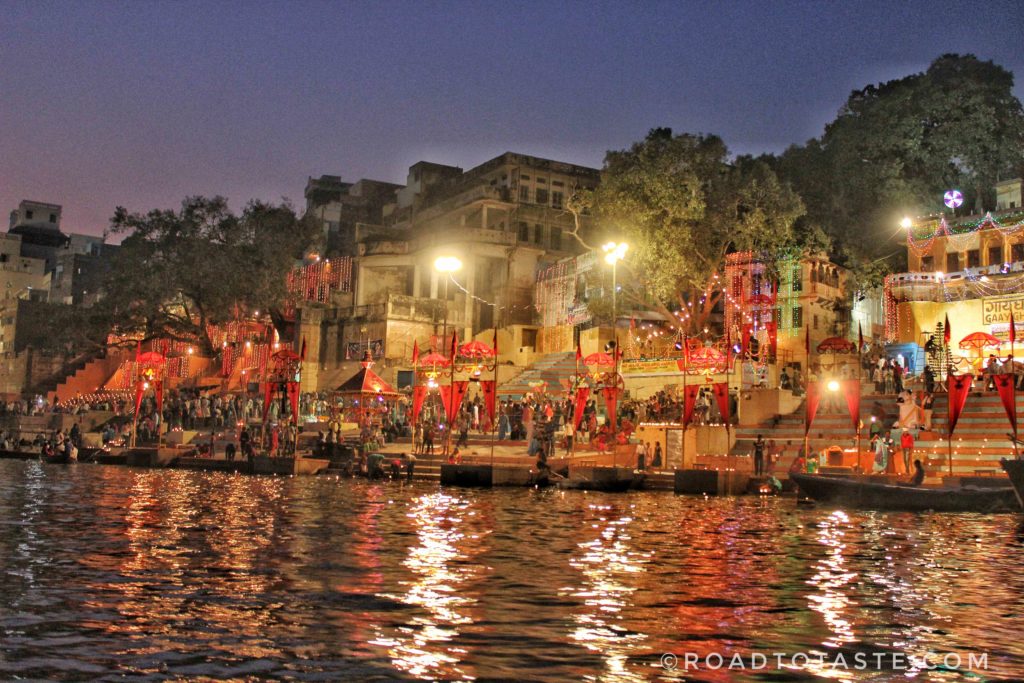
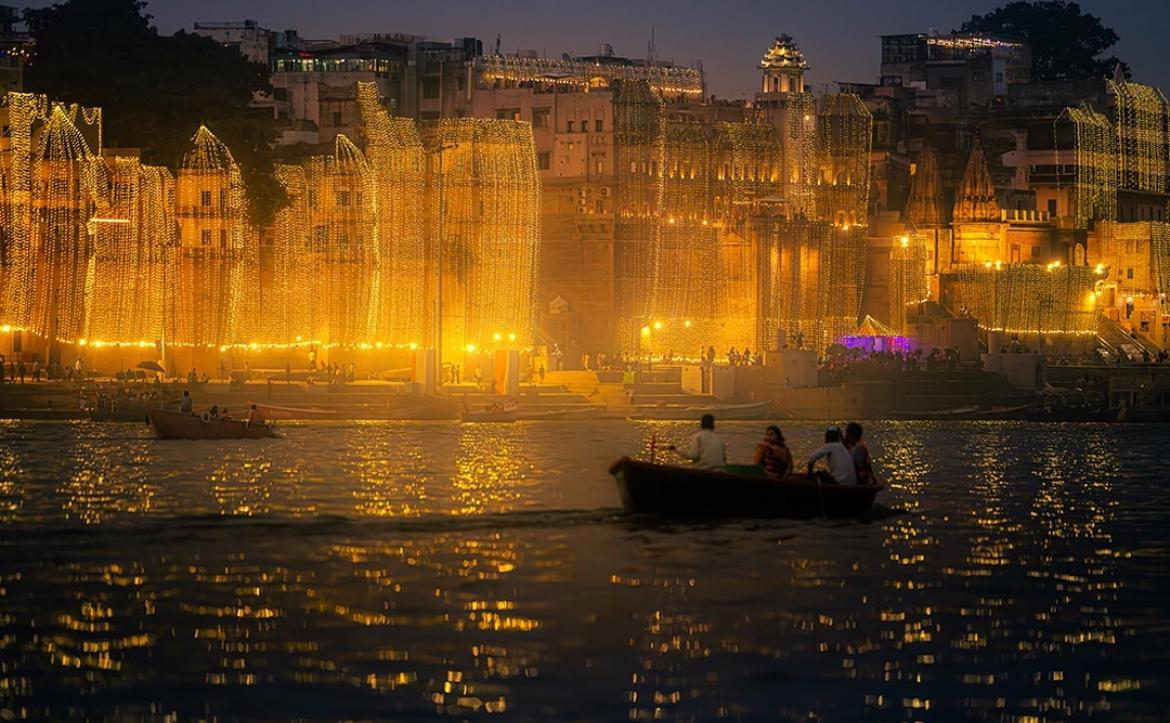
Dev Diwali in Varanasi, also called Dev Deepawali, is one of the city’s most visually intense and spiritually charged festival nights. Celebrated on Kartik Purnima, the ghats are illuminated with thousands of diyas, riverfront rituals scale up, and crowd density rises sharply across key zones. For first-time travelers, this is not a casual evening event; it is a high-pressure festival environment where timing, movement strategy, and stay location decide whether your experience is smooth or stressful.
The festival is deeply rooted in spiritual tradition, and many visitors combine it with darshan, ghat rituals, and boat-viewing plans. That combination works only when scheduled practically. This guide focuses on execution: when to arrive, which ghat zones suit different traveler types, how to handle crowd and transport pressure, what to carry, and how to build a one-day Dev Diwali itinerary without losing control of time and safety.
Festival Timing and Best Viewing Plan
Dev Diwali is celebrated on Kartik Purnima and evening activity intensity usually rises as lamp-lighting and riverfront rituals progress. Because crowd density grows rapidly in peak windows, arriving early is the single most important planning move. Late arrivals often struggle with access, movement bottlenecks, and weak viewing positions.
| Time Block | Ground Reality | Best Use |
|---|---|---|
| Late Afternoon | Manageable movement in most zones | Ideal arrival and position setup |
| Early Evening | Crowd builds quickly across prime ghats | Final viewing-point lock-in |
| Peak Night Window | High footfall and route congestion | Stay in chosen zone, avoid unnecessary movement |
Travelers who want a calmer start should enter early, complete essentials, and remain near one planned viewing stretch instead of hopping across multiple ghats.
Ghat Selection Strategy by Traveler Type
Not every traveler should choose the same viewing zone. Your best ghat area depends on whether you prioritize atmosphere, photography, family comfort, or ritual proximity.
- First-time visitors: choose a known accessible ghat corridor and settle early.
- Photography-focused travelers: pick one stable position with line-of-sight and avoid constant repositioning.
- Family groups: prioritize safe movement space and easier exit routes.
- Spiritual itinerary travelers: combine temple/ritual visits in daytime, then lock evening ghat zone.
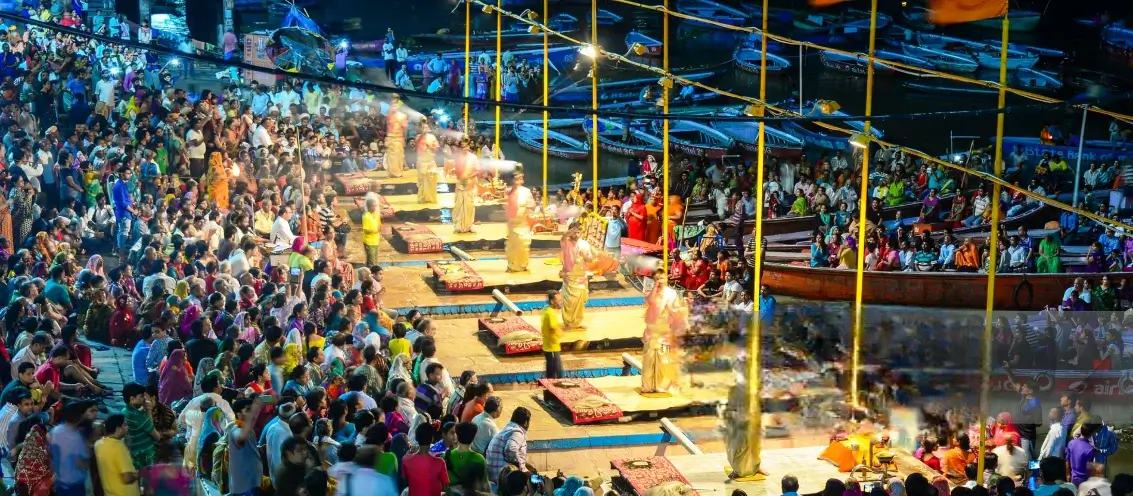
If you want pre-festival context for river rituals, review ganga-aarti-varanasi and varanasi-travel-guide before finalizing your festival-day movement plan.
Crowd, Safety, and Local Movement Planning
Festival-night logistics in Varanasi can feel overwhelming without a movement plan. Road closures, diversions, and walking-only segments are common around core riverfront areas on high-footfall dates. Treat this as an event-day operation, not regular city sightseeing.
On-ground safety checklist
- Carry only essentials and keep hands free for movement.
- Use stable footwear suitable for steps and dense foot traffic.
- Set group meetup points in advance in case of separation.
- Keep children and elders in inner side of walking flow, not edge lanes.
- Avoid aggressive route changes once peak crowd phase starts.
If you are using boat-view options, verify operator credibility, boarding points, and safety instructions before committing. Avoid last-minute unverified offers in high rush periods.
Stay and Transport Planning for Peak Dates
Accommodation location matters more than hotel category on Dev Diwali dates. A moderately priced stay near your movement corridor usually performs better than a distant premium hotel that forces long festival-day transfers. Book early for festival windows and confirm cancellation/revision terms.
| Planning Area | Practical Recommendation | Why It Helps |
|---|---|---|
| Stay location | Near core access corridors | Reduces pre-event transfer stress |
| City movement | Use early transfers and walking buffers | Avoids closure-time delays |
| Return strategy | Fix exit route before peak hours | Improves post-event safety and time control |
For broader seasonal planning, you can align travel dates with best-time-to-visit-varanasi so your stay and weather expectations are realistic.
Budget and Family Traveler Tips
Festival-day cost depends mainly on stay location, transport flexibility, and whether you choose premium viewing experiences. Basic city budgets can increase during high-demand dates, so keep a contingency amount for local transfers and extended movement time.
- Budget style: INR 2,500-5,000 per person/day with simple stays and controlled movement.
- Mid-range style: INR 6,000-12,000 per person/day with better location and comfort.
- Higher comfort: INR 13,000+ with premium stay and flexible city support.
Family groups should pre-decide food, hydration, and rest intervals. Senior travelers benefit from shorter walking loops and earlier return planning before maximum crowd compression.
One-Day Dev Diwali Itinerary (Practical Template)
- Morning: light temple/heritage block and rest.
- Afternoon: early meal, final essentials, and move toward chosen ghat zone.
- Early evening: secure viewing position and avoid unnecessary relocation.
- Peak hours: remain in planned corridor; prioritize safety and group coordination.
- Post-event: exit via pre-decided route with patience and hydration.
If your trip includes other festival-style events, compare crowd dynamics with holi-festival-in-varanasi to understand how differently city flow behaves by festival type.
Common Mistakes First-Time Visitors Make
- Reaching prime ghats too late and losing viewing quality.
- Attempting multi-ghat hopping during peak crowd hours.
- Ignoring route closures and relying on normal-day transport assumptions.
- Carrying heavy bags in high-density areas.
- Not setting group fallback/meeting points in advance.
Most festival stress is preventable through early entry, fixed viewing plan, and disciplined movement.
Final Takeaway
Dev Diwali Varanasi can be one of India’s most unforgettable festival experiences when approached with logistics-first planning. Choose your ghat corridor early, manage crowd timing proactively, keep essentials light, and avoid over-ambitious movement during peak windows. With a practical plan, first-time visitors and families can enjoy the spiritual and visual scale of Dev Deepawali safely and meaningfully.
Location
Frequently Asked Questions
Q1.When is Dev Diwali celebrated in Varanasi?
Q2.What is the best spot to watch Dev Diwali events?
Q3.How early should visitors arrive at the ghats?
Q4.Is Dev Diwali suitable for family travel?
Q5.What budget should be planned for a Dev Diwali trip?
Q6.Can Dev Diwali be combined with temple visits in one day?
Q7.What should travelers carry on festival day?
Q8.What common mistakes should first-time visitors avoid?
Recommended For You
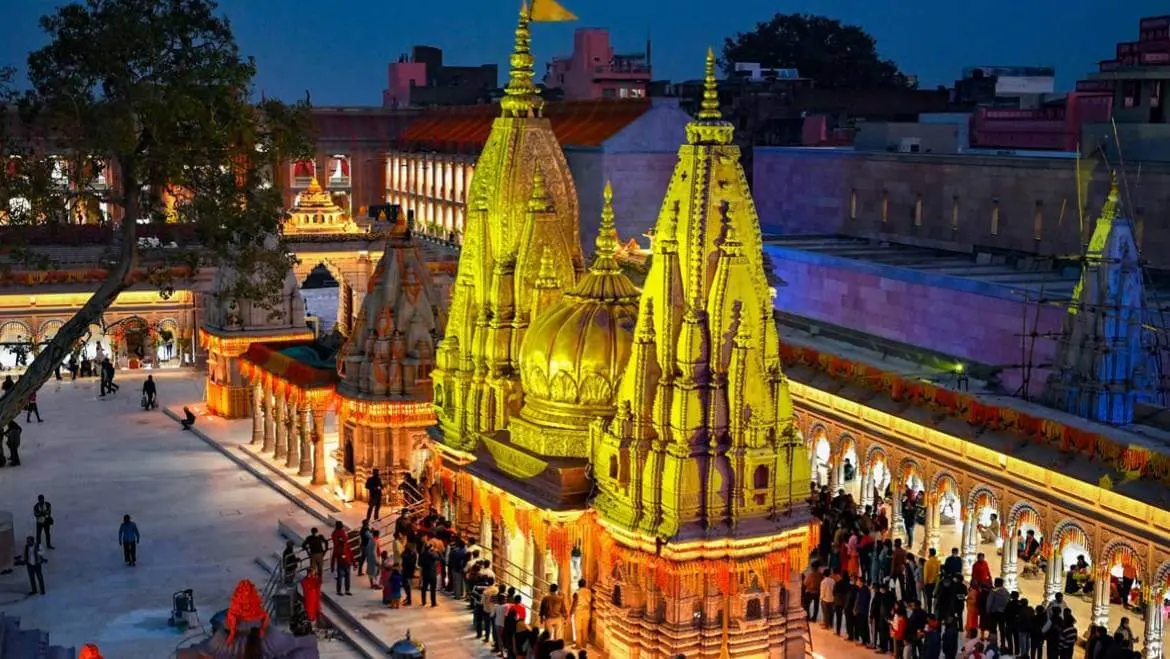
Kashi Vishwanath Temple Varanasi: Darshan Timings, Aarti & Corridor Info
Plan your Kashi Vishwanath Temple Varanasi visit with practical darshan timing, route strategy, budget guidance, and one-day temple-plus-ghat itinerary tips.
Sunrise in Varanasi: A Spiritual Awakening on the Ghats of the Ganges
Witness the magical sunrise in Varanasi on the sacred Ganges. Discover best ghats, boat rides, Subah-e-Banaras ceremony, and the spiritual significance of dawn in Kashi.
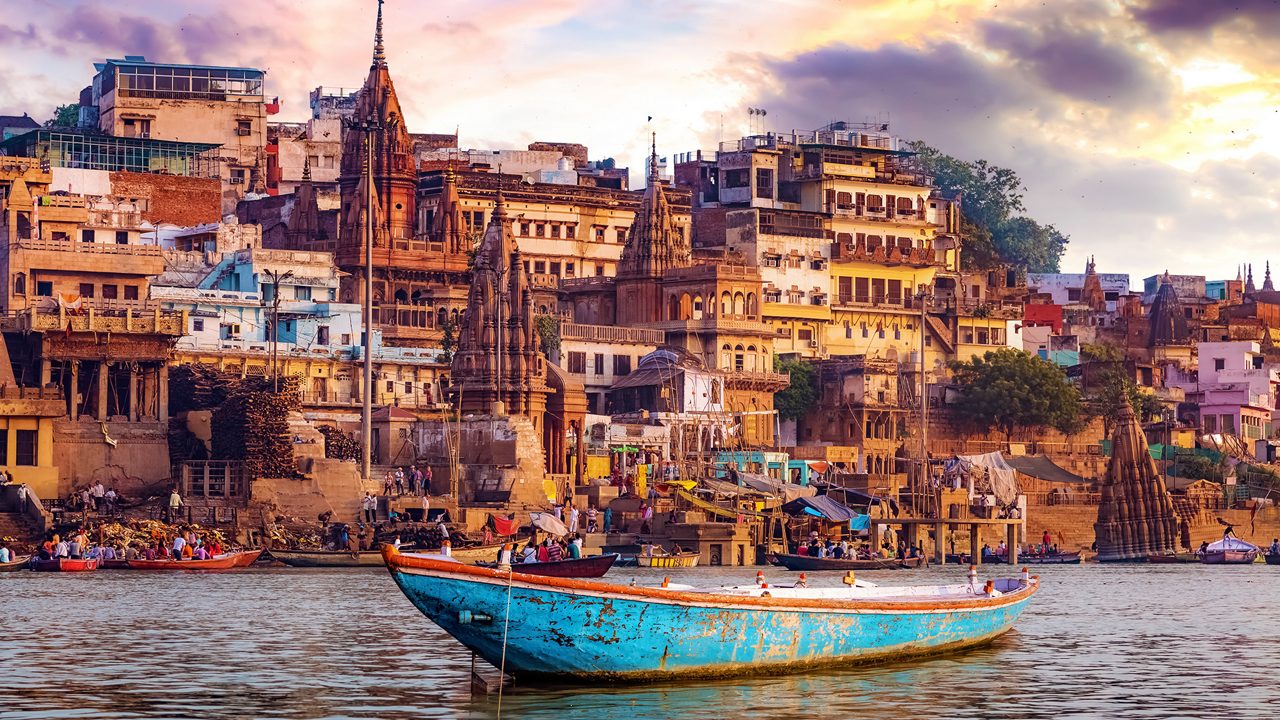
Varanasi: Complete Travel Plan Places And Weather
Complete Varanasi travel guide featuring Kashi Vishwanath Temple, Ganga Aarti, ghats, Sarnath, spiritual experiences, food & practical tips.
Never Miss an Adventure
Get the latest trekking guides, travel tips, and exclusive offers delivered straight to your inbox.
