
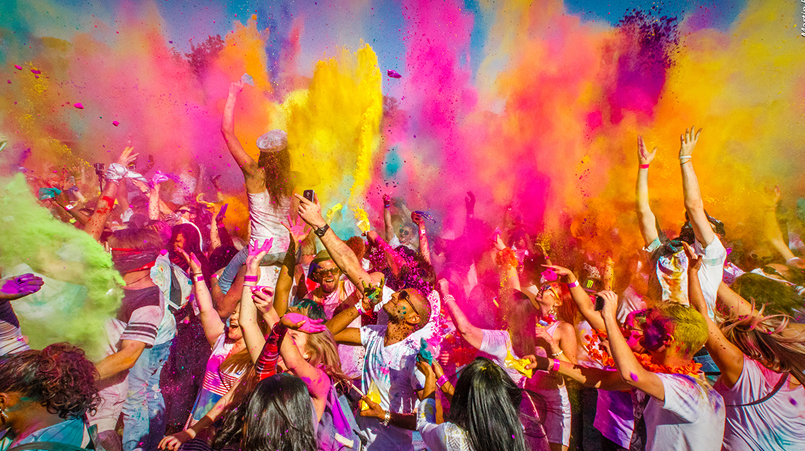
Holi Festival in Varanasi: Experience Spiritual Colors on the Ganges

Rahul Garg
February 20, 2026
Experience Holi festival in Varanasi - spiritual colors on the Ganges! Discover ghat celebrations, temple ceremonies, traditions, food & complete Varanasi Holi guide for 2026.
Holi festival in Varanasi offers one of the most spiritually charged celebrations of this ancient festival. As one of the world's oldest continuously inhabited cities and the spiritual capital of India, Varanasi brings profound religious significance to Holi. The festival here blends devotion, tradition, and joyous celebration against the backdrop of the sacred Ganges, creating an experience that's both culturally enriching and spiritually uplifting.
The Spiritual Significance of Varanasi Holi
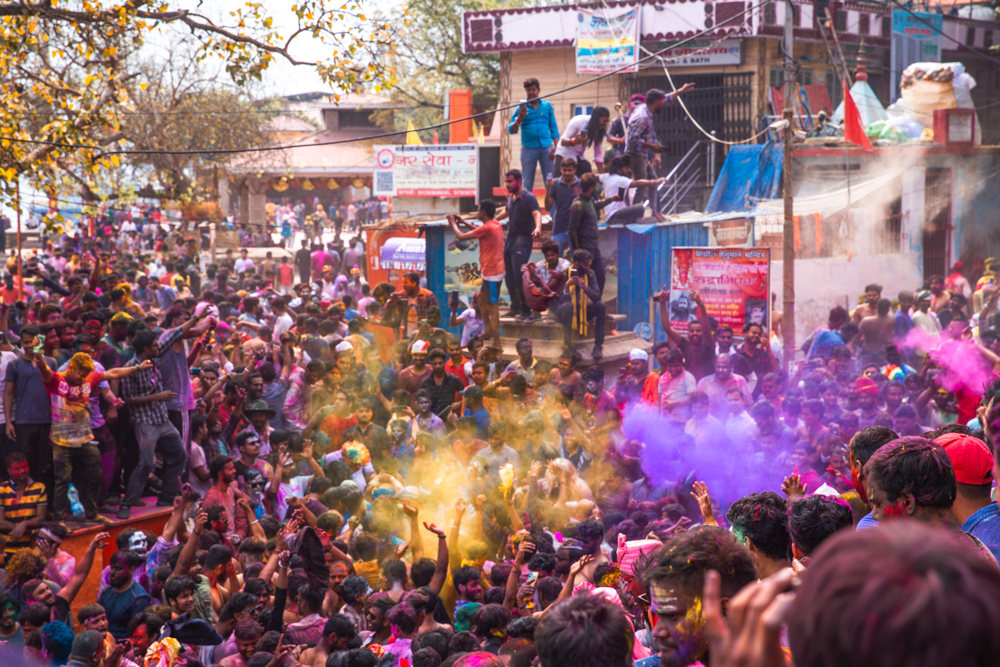
Varanasi's association with Holi goes back thousands of years, intertwined with the city's identity as a center of Hindu spirituality. As Lord Shiva's abode and a major pilgrimage site, Varanasi celebrates Holi with particular reverence for the festival's religious dimensions. The celebrations here reflect the city's unique position at the intersection of life, death, and rebirth - themes that are central to both Holi and Varanasi's spiritual philosophy.
What makes Varanasi's Holi special is how it seamlessly blends the playful aspects of color celebration with profound spiritual practices. The famous ghats along the Ganges become celebration zones, but they also remain sites for ritual baths and prayers. This dual character perfectly captures the essence of Indian festivals - the joyous coexisting with the sacred.
The city's numerous temples add another dimension to the celebrations. From the famous Kashi Vishwanath Temple to smaller neighborhood shrines, religious ceremonies create a spiritual foundation for the day's festivities. Many pilgrims combine their Holi celebrations with ritual prayers and Ganges worship, making the festival part of a broader spiritual journey.
Traditional Celebrations at the Ghats
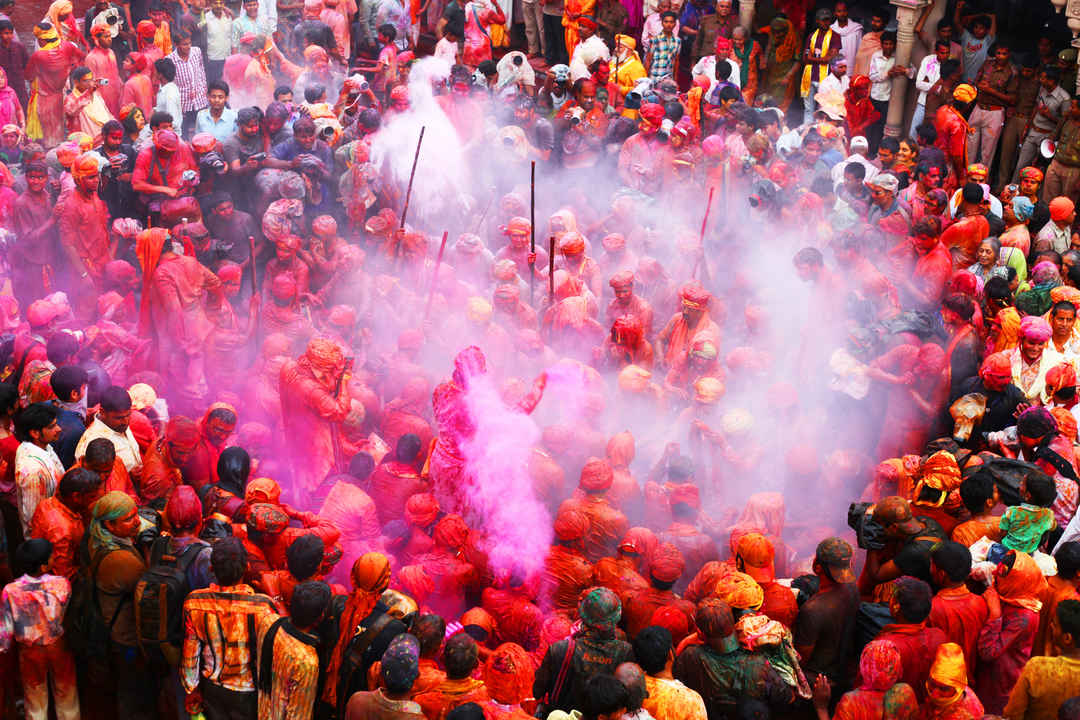
The ghats of Varanasi are the epicenter of Holi celebrations, and experiencing the festival here is unlike anywhere else in India. Dasaswamedh Ghat, Assi Ghat, and other major riverfront steps become stages for a unique form of celebration that combines traditional color play with Varanasi's distinctive cultural identity.
The celebrations typically begin early in the morning, as devotees gather at the ghats for ritual baths before the color play begins. This purifying dip in the Ganges is believed to cleanse sins and prepare devotees for the festivities. After the bath, people gather in groups to play with colors, but always with a consciousness of the sacred river flowing beside them.
What's remarkable about Varanasi's ghat celebrations is the diversity of participants. You'll find sadhus (holy men) in saffron robes playing Holi alongside foreign tourists, local families, and pilgrims from across India. This confluence of different paths creates an atmosphere that's both chaotic and harmonious, reflecting Varanasi's role as a meeting point for diverse spiritual traditions.
Many local musicians sit at the ghats, playing traditional instruments and singing Holi songs dedicated to Lord Krishna and Radha. The music adds a devotional dimension to the celebrations, reminding everyone of the festival's religious significance. The combination of sacred music, the flowing Ganges, and colorful revelry creates a multi-sensory experience that's uniquely Varanasi.
Temple Ceremonies and Rituals
Varanasi's temples play a central role in Holi celebrations, hosting special ceremonies that highlight the festival's spiritual significance. The Kashi Vishwanath Temple, one of India's twelve Jyotirlingas, organizes elaborate Holi rituals that attract thousands of devotees. Priests perform special abhishekam (ritual bathing) of the Shiva lingam with colored water, symbolizing the union of the sacred with the celebratory.
Smaller temples throughout the city host their own ceremonies, many of which are intimate affairs where locals gather to sing bhajans (devotional songs) and apply tilak (colored marks) to each other as blessings. These temple ceremonies often begin early in the morning and continue throughout the day, providing a spiritual anchor for the more exuberant street celebrations.
Unique to Varanasi is the tradition of celebrating Holi at the Sarnath temple complex, where Buddha gave his first sermon. While Sarnath is primarily a Buddhist site, the festival is celebrated here as a reflection of Varanasi's syncretic culture. The celebrations at Sarnath are more peaceful and contemplative, offering a contrast to the energetic festivities at the Hindu temples.
Varanasi's Unique Holi Traditions
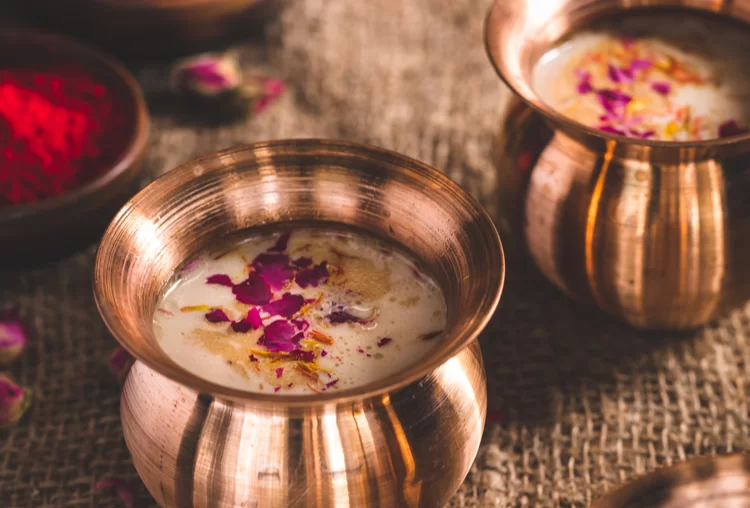
Varanasi has developed several Holi traditions that reflect its distinctive culture. One unique custom is the preparation of special Thandai at the city's famous traditional sweet shops. This refreshing drink, made with milk, nuts, and spices, is an integral part of Varanasi's Holi celebrations. While traditional Thandai contains bhang (cannabis), many shops prepare non-intoxicating versions that are equally delicious.
Another tradition is the "Ganga Aarti" performed on Holi evening at Dasaswamedh Ghat. While the Ganga Aarti happens every evening, the Holi version is particularly spectacular, with priests using colored flames and chanting special Holi prayers. The sight of the aarti lamps reflected in the Ganges, combined with the day's residual colors on people's faces, creates a magical atmosphere.
Varanasi is also known for its Holi music tradition. The city has produced numerous classical musicians who have composed special Holi compositions in the Hindustani classical tradition. During the festival, you can hear these compositions being performed at various venues, adding cultural depth to the celebrations.
The city's famous Banarasi silk weavers prepare special colored powders using natural dyes. These organic colors, made from flowers, herbs, and minerals, are becoming increasingly popular as people become more conscious of health and environmental concerns. Using these traditional colors connects the celebrations to Varanasi's artisanal heritage.
Best Places to Celebrate Holi in Varanasi
Dasaswamedh Ghat - The most famous ghat hosts massive celebrations that attract both locals and tourists. The wide steps here provide ample space for color play, and the evening Ganga Aarti adds a spiritual dimension. The ghat becomes a sea of colors, with people from all walks of life celebrating together.
Assi Ghat - Located at the confluence of the Ganges and Assi rivers, this ghat offers a slightly more relaxed celebration atmosphere. It's particularly popular among foreign tourists who want to experience Holi in a spiritual setting. The morning rituals here are especially beautiful.
Kashi Vishwanath Temple Area - The streets around this famous temple become celebration zones, with devotees playing Holi after completing their darshan (viewing of the deity). The area's narrow lanes and traditional architecture provide an authentic Varanasi backdrop.
Bengali Tola Area - This neighborhood has a distinctive character due to its large Bengali community. The Holi celebrations here incorporate Bengali traditions like Dol Jatra, creating a unique blend of Varanasi and Bengali cultures.
Organized Events - Several hotels and cultural centers in Varanasi host organized Holi events with organic colors, food, and music. These provide a controlled environment for those who want to celebrate without the chaos of street celebrations.
Varanasi Holi Food and Delicacies
Varanasi's culinary traditions shine during Holi, with special dishes prepared in households throughout the city. The preparation begins days in advance, with families gathering to make sweets that are specific to Varanasi's cuisine.
The most iconic Holi sweet in Varanasi is "Thandai," a cold milk-based drink flavored with nuts, spices, and sometimes bhang. Every household has its own recipe, passed down through generations. The drink is cooling and refreshing, perfect for March's warm weather. Many sweet shops in the Godaulia market area specialize in Thandai, with some recipes dating back centuries.
Another specialty is "Malpua," a sweet pancake made from flour, milk, and sugar, fried in ghee. Varanasi's version is particularly renowned for its fluffy texture and rich flavor. "Gujiya," the ubiquitous Holi sweet, is prepared here with a distinct Banarasi touch - the filling includes local khoya (reduced milk) that's famous in the region.
Savory items are equally important. "Dahi Bhalla" (lentil fritters soaked in yogurt) and "Papdi Chaat" are popular Holi snacks. Many households prepare "Kachori" and "Jalebi" for breakfast, starting the day with an indulgent feast.
What makes Varanasi's Holi food special is the connection to the city's culinary heritage. Many sweets are prepared using traditional methods and ingredients that have been used in Varanasi for centuries. Eating these dishes during Holi is not just about celebration - it's about participating in a culinary tradition that's as old as the city itself.
Tips for Celebrating Holi in Varanasi
If you're planning to experience Holi in Varanasi, preparation is key to enjoying this intense festival. The celebrations here can be overwhelming, especially for first-timers, so knowing what to expect will help you make the most of the experience.
Start your day early at the ghats for ritual bathing. This morning dip in the Ganges is not just a ritual - it's also practical, as washing before color play makes cleanup easier later. The ghats are least crowded around 5-6 AM, so arrive early if you want a more peaceful experience.
Choose your celebration spots strategically. Dasaswamedh Ghat offers the most spectacular celebrations but also the biggest crowds. Assi Ghat is slightly more relaxed. The temple areas offer spiritual context alongside the celebrations. Consider visiting multiple locations to experience different aspects of Varanasi's Holi.
Dress appropriately for both the celebrations and temple visits. Since Varanasi is a holy city, modest clothing is appreciated even during Holi. Wear old, comfortable clothes that you don't mind staining. Many people wear white specifically for Holi, but remember that the colors used here are particularly potent and may not wash out completely.
Protect your belongings meticulously. Varanasi's narrow, crowded streets can be chaotic during Holi. Keep your phone, camera, and valuables in waterproof bags or leave them at your hotel. If you must carry electronics, use a waterproof pouch that you can wear close to your body.
Be respectful of religious practices. While Holi is a fun festival, Varanasi is primarily a place of pilgrimage. Maintain quiet in temple areas and don't photograph religious ceremonies without permission. Remember that for many devotees, Holi is a spiritual practice, not just a celebration.
Safety Considerations for Varanasi Holi
While Varanasi is generally safe, Holi celebrations require particular caution. The city's narrow, crowded streets can become overwhelming, especially for those unfamiliar with Indian festivals. Celebrate with trusted groups or at organized events rather than wandering alone through unfamiliar neighborhoods.
Use organic colors when possible. Varanasi's traditional sweet shops and some vendors sell natural colors made from flowers and herbs. These are safer for your skin and better for the Ganges ecosystem. Avoid cheap synthetic colors that may contain harmful chemicals.
Be especially careful near the ghats. The combination of wet colors, slippery stone steps, and the river can be dangerous. Never go into the Ganges when covered in colors - the chemicals can harm the river's ecosystem. Also, avoid the river banks if you're not familiar with them, as the currents can be unpredictable.
Stay hydrated and take breaks. March in Varanasi can be warm and humid, and active celebration in the sun can lead to dehydration. Take shelter in the shade periodically and drink plenty of water. Many vendors at the ghats sell cold water and refreshing drinks like lassi.
Women travelers should be particularly cautious. While Varanasi is generally respectful, the excitement of Holi can lead to unwanted attention. Consider celebrating with a group or at organized events. Avoid isolated areas and trust your instincts - if a situation feels uncomfortable, remove yourself.
Best Time to Visit Varanasi for Holi
Holi typically falls in March, and Varanasi's weather during this month is pleasant but warming. Days are sunny with temperatures ranging from 22°C to 32°C. The humidity is moderate, making it comfortable for outdoor celebrations along the river. It's one of the best times to visit Varanasi, as the weather is ideal for both daytime celebrations and evening temple visits.
It's essential to book your accommodation well in advance if you're visiting for Holi. Varanasi gets crowded with pilgrims and tourists during the festival, and hotels near the ghats fill up quickly. If you want to stay close to the celebrations, look for accommodations in the Godaulia or Bengali Tola areas. For a quieter experience, consider staying in the Cantonment area and traveling to the old city for the celebrations.
Plan to spend at least 3-4 days in Varanasi around Holi. This will allow you to experience the Holika Dahan ceremonies, the main day of color play, and the unique Ganga Aarti on Holi evening. The extra days also give you time to recover and explore Varanasi's other attractions in a calmer atmosphere.
Cultural Experiences During Holi
Beyond the celebrations, Varanasi during Holi offers unique cultural experiences. The city's famous silk weaving industry produces special colored fabrics for the festival, and visiting the weaving workshops can be fascinating. Many weavers create unique designs incorporating Holi themes.
Varanasi's classical music scene is particularly active during Holi. Many music schools and cultural centers organize special concerts featuring traditional Holi compositions in the Hindustani classical tradition. These concerts, often held in the evenings, provide a sophisticated counterpoint to the day's boisterous celebrations.
The city's numerous cafes and restaurants offer special Holi menus featuring traditional dishes. This is an excellent opportunity to sample authentic Banarasi cuisine prepared by local chefs who have been making these dishes for generations. Many establishments also host Holi-themed events with music and performances.
For those interested in spirituality, Holi in Varanasi offers the opportunity to participate in special rituals at various temples. Many temples conduct extended prayer sessions during Holi, and some allow visitors to observe or participate. This spiritual dimension adds depth to the festival experience that's unique to Varanasi.
Experiencing Holi in Varanasi is more than just playing with colors - it's an immersion into one of India's most ancient and sacred cities during its most joyous festival. The combination of spiritual devotion, traditional rituals, and exuberant celebration creates an experience that's both profoundly moving and incredibly fun. Whether you're a spiritual seeker, a cultural enthusiast, or simply someone who wants to experience India at its most vibrant, Varanasi during Holi offers an unforgettable journey into the heart of Indian culture.
Location
Frequently Asked Questions
Q1.How is Holi celebrated in Varanasi?
Q2.What are the best places to celebrate Holi in Varanasi?
Q3.Is Varanasi safe for Holi celebration?
Q4.What should I wear for Holi in Varanasi?
Q5.What are traditional Holi foods in Varanasi?
Q6.When is Holi celebrated in Varanasi in 2026?
Q7.What makes Varanasi's Holi unique?
Q8.Can foreigners celebrate Holi in Varanasi?
Recommended For You
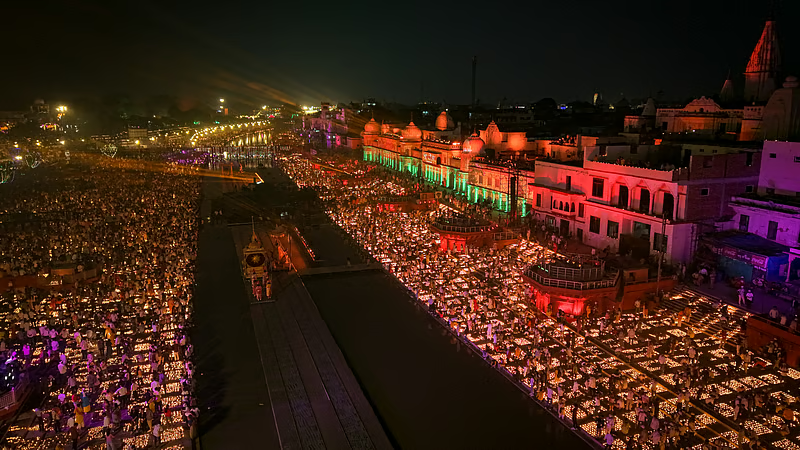
Diwali in Ayodhya: Deepotsav Dates, Events & Crowd Planning
Experience the world's grandest Diwali celebration in Ayodhya. Witness 22 lakh diyas illuminate the sacred Saryu River during Deepotsav. Complete guide to timings, locations, and travel tips.
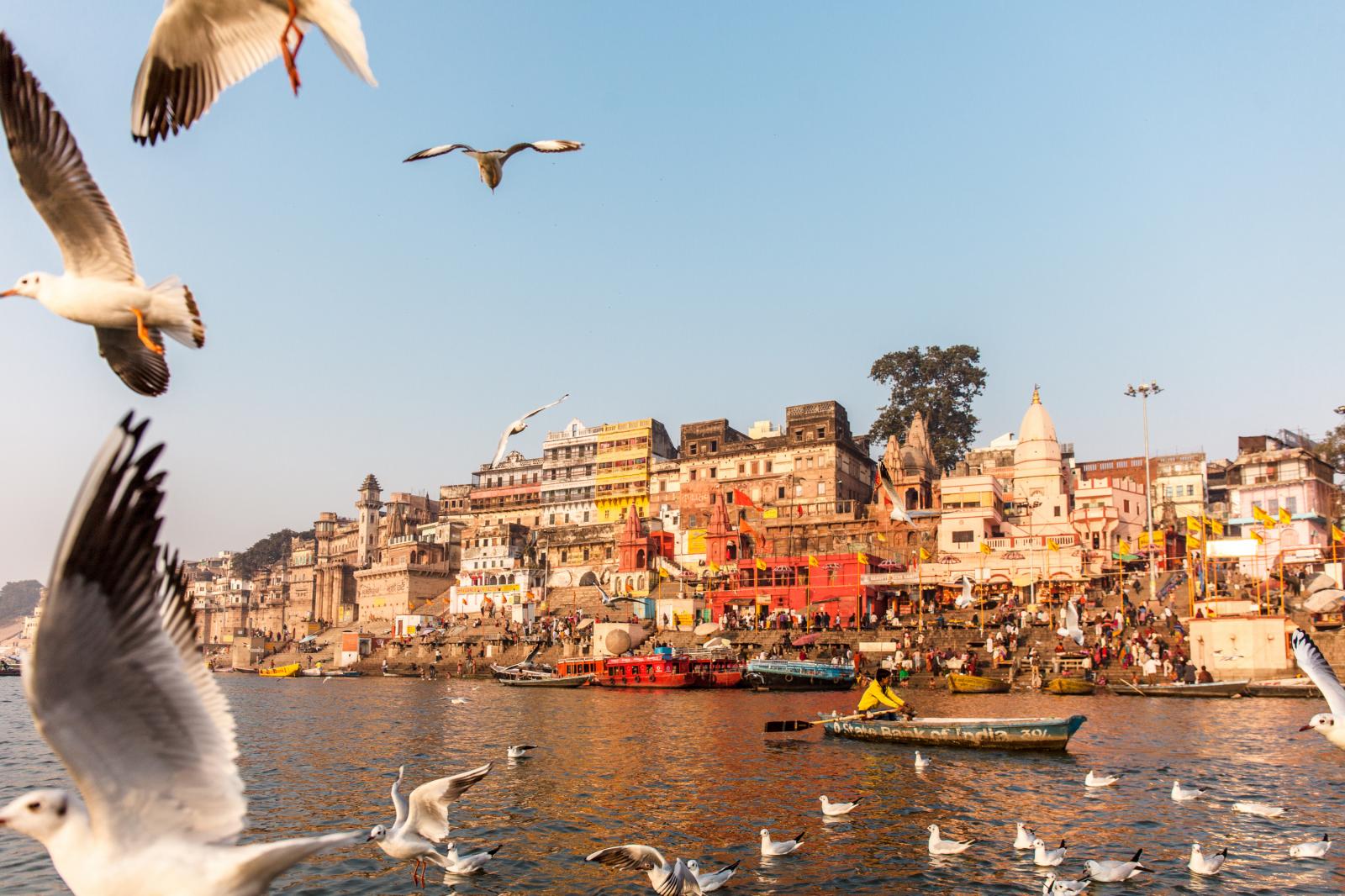
Best Time to Visit Varanasi: Weather, Ganga Aarti Season & Crowd Levels
Discover the best time to visit Varanasi with month-wise weather, Ganga Aarti comfort windows, festival crowd insights, and practical planning tips.
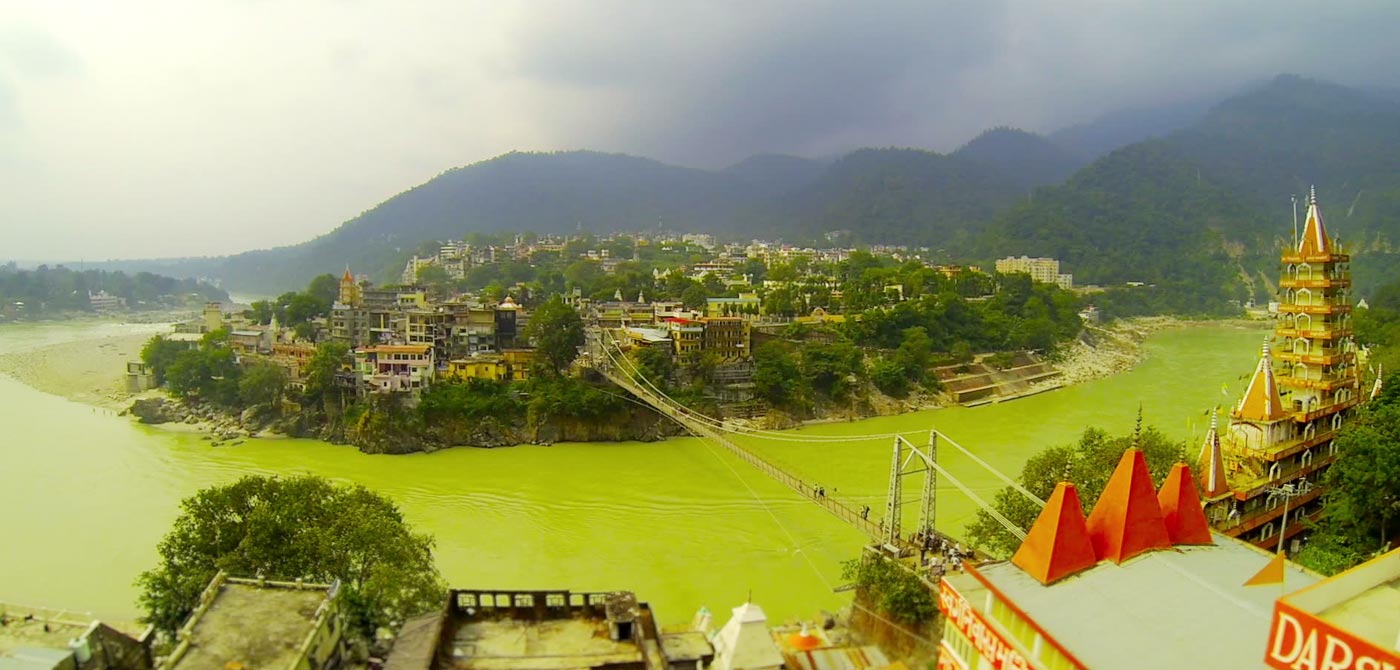
Ganga Aarti Rishikesh: Complete Guide to Divine Evening Ritual
Witness the divine Ganga Aarti in Rishikesh at Triveni Ghat. Experience sacred Hindu rituals, temple ceremonies & spiritual energy by the holy Ganges. Complete guide.
Never Miss an Adventure
Get the latest trekking guides, travel tips, and exclusive offers delivered straight to your inbox.
