
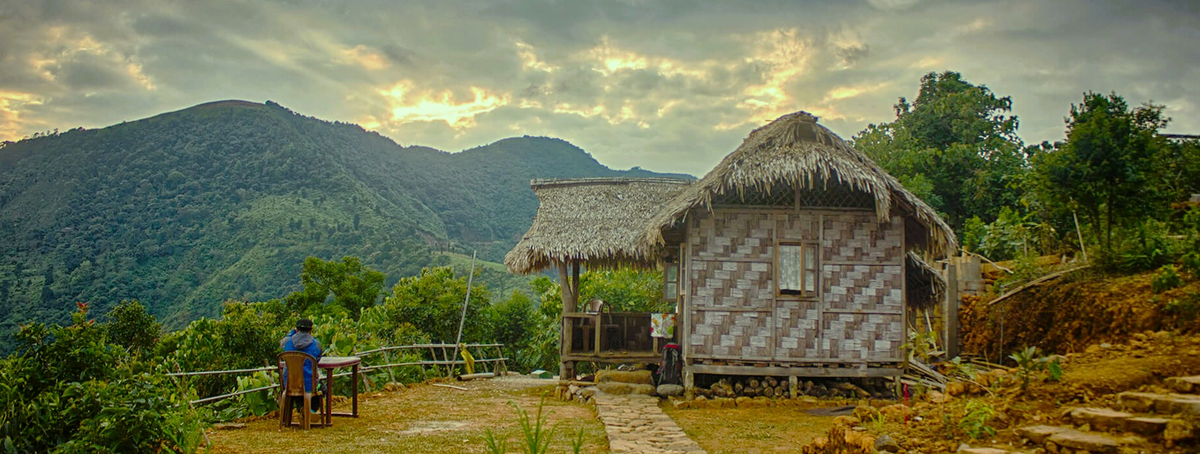
Kongthong Whistling Village Meghalaya: Culture & Travel

Priya Mehta
February 18, 2026
Complete Kongthong Whistling Village guide covering Jingrwai Lawbei tradition, route details, best season, homestays, and responsible cultural travel tips.
Kongthong Whistling Village: Where Names Become Melodies
Kongthong Whistling Village in Meghalaya is one of India’s most distinctive living cultural landscapes. The village is globally known for a naming tradition where many people are called using personalized tunes rather than only spoken names. This practice is widely associated with the Khasi phrase Jingrwai Lawbei, often explained as a mother-linked melodic call tradition passed through generations.
Travelers usually discover Kongthong through social media clips, but the real value of a visit is deeper: understanding how communication, identity, family, and oral heritage connect in a community-led system. If you are planning a trip, this guide focuses on both cultural context and practical details so you can visit respectfully and meaningfully.
For Meghalaya route planning, also see best time to visit Meghalaya, how to reach Dawki, and hiking in Meghalaya.
Location and How to Reach Kongthong from Shillong
Kongthong lies in Meghalaya’s East Khasi Hills region. Most visitors use Shillong as the practical base and travel by road to the village. Distance and travel time can vary by weather, road condition, and stopovers, but a same-day round trip is possible for many travelers.
| Route Factor | Typical Range | Planning Note |
|---|---|---|
| Starting hub | Shillong | Most practical gateway for first-time visitors |
| Road distance | About 50-60 km (route dependent) | Check live road status in monsoon months |
| Travel time | Around 2 to 3 hours | Keep buffer for hill-road movement |
| Transport mode | Private cab / self-drive | Best for flexible timing and return comfort |
Public transport can cover parts of the circuit but is less convenient for time-bound cultural visits. If you plan homestay immersion, pre-confirm local host contact and evening movement options.
The Whistling Tradition: Why Kongthong Is Unique
Kongthong is often described as the “whistling village of India” because melodic calls are used in daily interaction. Instead of relying only on spoken names, families may use tune-based calls that carry emotional and social meaning. The sound pattern is not random; it is personalized and recognized by the community.
- Identity through melody: calls are associated with specific individuals.
- Family-centered origin: many melodies are linked to mother-child bonding traditions.
- Practical communication: melody calls can travel across hills and fields.
- Oral heritage: transmission depends on memory, listening, and community continuity.
This is not a staged performance invented for tourism. It is a cultural practice rooted in local life, though tourism has increased awareness of it nationally and internationally.
Understanding Jingrwai Lawbei in Cultural Context
The phrase Jingrwai Lawbei is commonly referenced in discussions about Kongthong’s melodic naming culture. Broadly, it points to a tune-based calling tradition with maternal and ancestral associations in Khasi cultural understanding. Exact interpretation can vary by speaker and context, so visitors should avoid oversimplifying it into one-line definitions.
In practical terms, a tune can function as a deeply personal identifier. Unlike standard names that may be shared by many people, a melody can feel intimate and distinct. Community memory plays a major role in preserving this system, which makes oral continuity central to cultural survival.
| Cultural Layer | What It Represents | Why It Matters |
|---|---|---|
| Naming tradition | Person-specific melodic identity | Strengthens social recognition |
| Maternal link | Early-life bonding and care context | Connects family and heritage |
| Oral transfer | Learning by listening and repetition | Supports intergenerational continuity |
| Landscape adaptation | Sound communication across terrain | Shows local ecology-culture integration |
Cultural researchers and media features have highlighted Kongthong for this reason: it demonstrates how language, sound, and place interact in a living community system.
Culture and Lifestyle in Kongthong
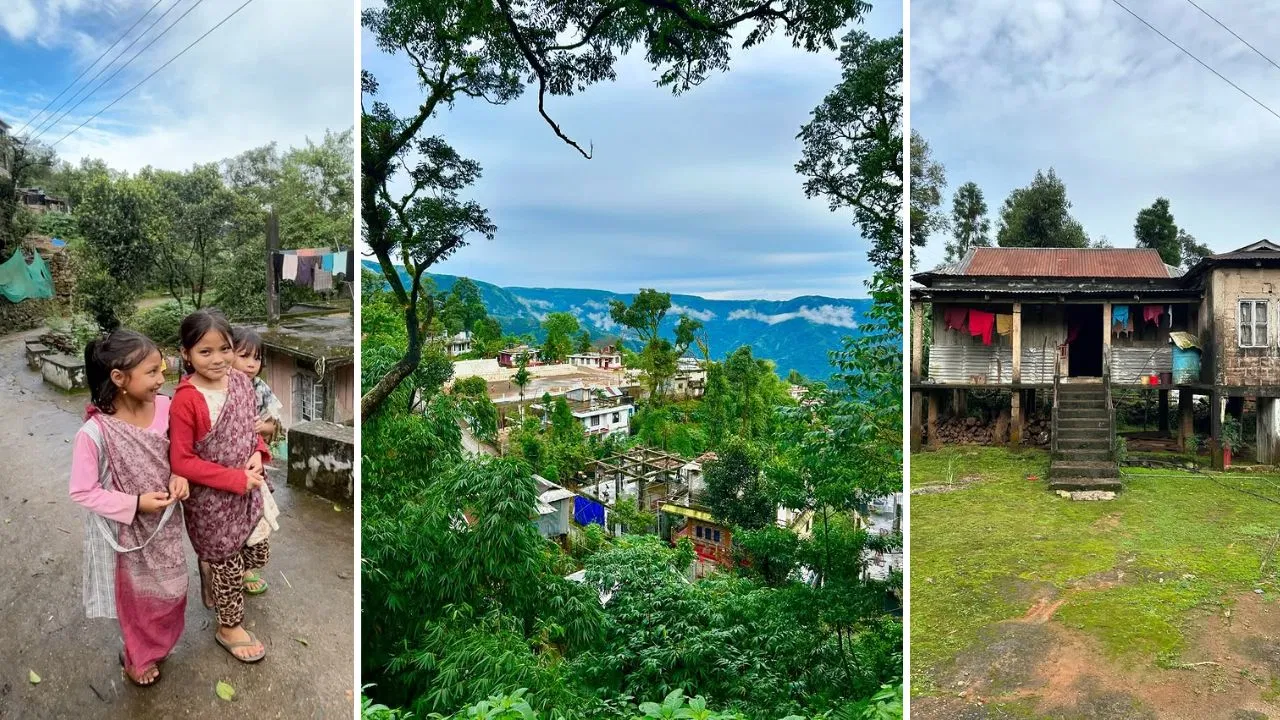
Kongthong belongs to the Khasi cultural world, where community life is deeply tied to land, kinship networks, and local governance systems. Visitors should approach the village as a lived social space, not a museum exhibit.
- Community-led rhythm: daily life revolves around household work, farming activity, and local interaction.
- Khasi social structure: broader Khasi culture includes matrilineal elements in many communities.
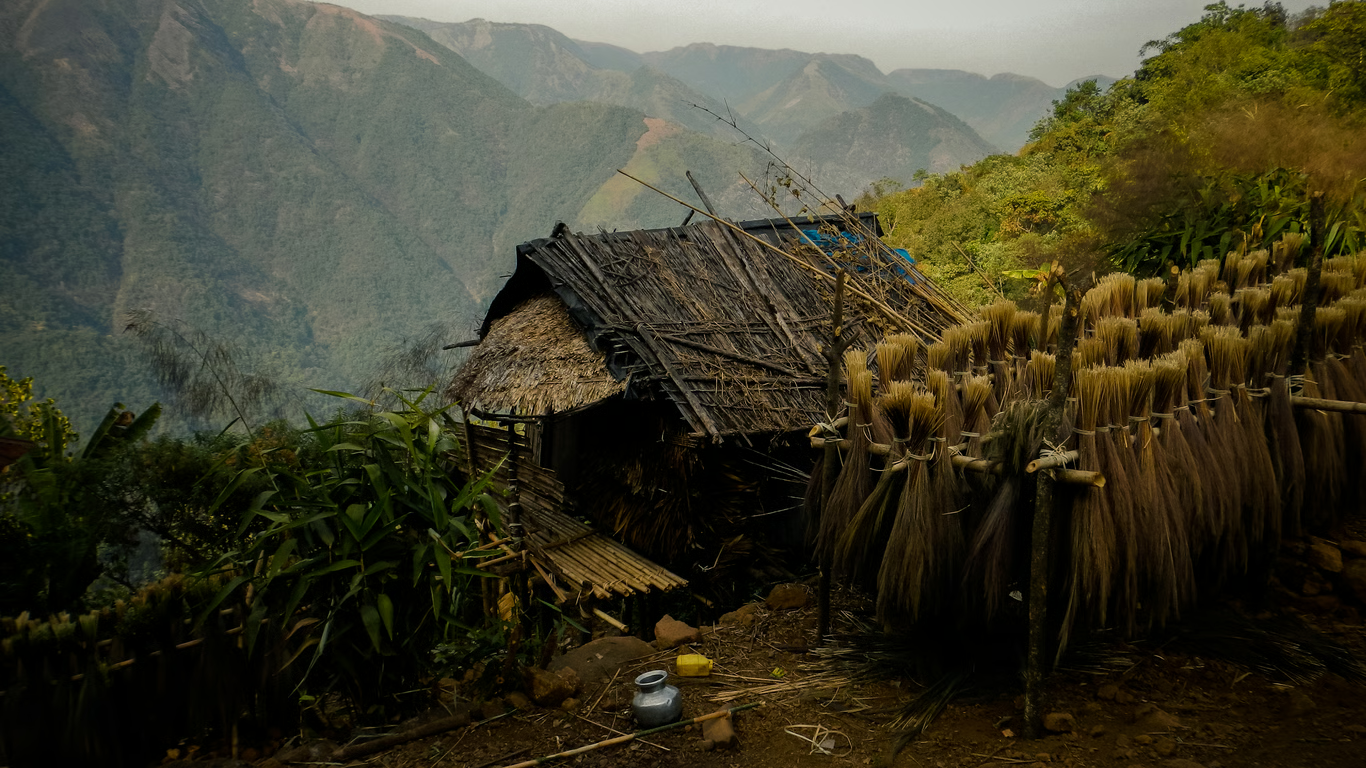
- Architecture and settlement: built forms reflect hill-region climate and practical needs.
- Food context: local meals are generally simple, seasonal, and regionally rooted.
Respectful behavior is essential: ask before photographing people, avoid intrusive questions, and follow host guidance if staying overnight.
Tourism Experience: What Visitors Can Expect
Kongthong tourism is best approached as cultural immersion, not high-speed sightseeing. A meaningful visit usually includes local interaction, guided context, and enough time to understand the village setting.
- Begin with orientation from local guides or hosts.
- Learn context before requesting demonstration of melody calls.
- Walk through village paths at a slow pace.
- Support community-based services such as local meals or homestays.
- Leave with low-impact behavior: no litter, no disturbance, no extractive content capture.
If you are a content creator, ask permission before recording voices or private interactions. Cultural tourism in Kongthong should benefit community dignity, not just visitor social feeds.
Best Time to Visit Kongthong Village
Weather has a major impact on road movement and visibility in East Khasi Hills. Clear-weather windows are generally easier for first-time travelers, while monsoon months can be scenic but slower.
| Season Window | Travel Character | Recommended For |
|---|---|---|
| October to April | Clearer skies and smoother movement | First-time cultural travelers |
| May to September | Lush green landscapes with rain interruptions | Flexible itineraries and monsoon lovers |
| Peak holiday weekends | Higher visitor traffic | Book transport and stays in advance |
Start early from Shillong to maximize daylight in village zones and return safely before late-evening hill-road fatigue.
Homestays and Local Stay Planning
Homestays can offer the most authentic Kongthong experience when arranged through trusted channels. Facilities may be simpler than city hotels, so expectation-setting is important.
- Confirm room basics, meal availability, and network strength in advance.
- Carry cash backup and weather-ready essentials.
- Avoid late-night unplanned movement in unfamiliar village routes.
- Use stay time for cultural learning, not rushed checklists.
Travelers looking for comfort-first stays can base in Shillong and visit Kongthong as a long day circuit.
Nearby Attractions to Combine in Meghalaya Itineraries
Kongthong pairs well with broader Meghalaya travel when planned with realistic distances. Do not overload one day with too many far-apart spots.
| Nearby/Related Circuit | Why Combine | Trip Style |
|---|---|---|
| Shillong city base | Logistics, stays, transport hub | Cultural day-trip anchor |
| Dawki route planning | River-focused extension in separate day | 2-3 day Meghalaya loop |
| Meghalaya trekking/adventure stops | Nature + culture balance | Multi-interest itinerary |
For most travelers, the best sequence is Kongthong on a dedicated day and adventure-heavy routes on separate days.
Responsible Travel Rules for Kongthong Visitors
Kongthong’s cultural identity is fragile if tourism becomes extractive. Responsible behavior protects both the village and visitor experience quality.
- Ask before recording songs, whistles, or personal audio.
- Do not pressure residents to perform repeatedly for content.
- Pay fairly for guided experiences and local services.
- Avoid cultural stereotyping in posts and captions.
- Follow local guidance on restricted or private areas.
Travel that respects context helps preserve tradition and builds trust between visitors and host communities.
Sample One-Day Kongthong Itinerary from Shillong
Early morning: depart Shillong with pre-booked transport. Late morning: arrive Kongthong and begin orientation with local guide. Afternoon: village walk, cultural interaction, and local meal. Evening: return to Shillong with weather buffer.
This format keeps the trip realistic, culturally respectful, and safer for first-time Meghalaya visitors.
Final Take
Kongthong is not just a “viral whistling village.” It is a rare example of living sound-based identity culture tied to family, memory, and place. Visit with humility, plan transport carefully, and prioritize learning over quick content capture. Done right, Kongthong becomes one of the most meaningful cultural experiences in Meghalaya.
Location
Frequently Asked Questions
Q1.Where is Kongthong Whistling Village located?
Q2.How far is Kongthong from Shillong?
Q3.What is Jingrwai Lawbei in Kongthong?
Q4.Why do people whistle instead of only using spoken names in Kongthong?
Q5.Can tourists visit Kongthong village?
Q6.Are there homestays in Kongthong?
Q7.What is the best time to visit Kongthong?
Q8.What should travelers avoid in Kongthong?
Recommended For You
Wangala Festival Meghalaya: Dates, Dance Highlights & Visitor Info
Discover Wangala Festival Meghalaya with practical guidance on dates, drumming traditions, travel planning, cultural etiquette, and first-time visitor tips.
Bishop Falls Shillong: Height, Best Viewpoints & Visit Timings
Explore Bishop Falls in Shillong, Meghalaya - a spectacular 135m waterfall. Complete guide to timings, best season, trekking route, photography tips & nearby attractions including Beadon Falls.
Waterfalls in Shillong: Best Falls, Routes & Visiting Season
Discover the stunning waterfalls in Shillong. Complete guide to Elephant Falls, Sweet Falls, Spread Eagle Falls & more with trekking details, best time to visit, and practical travel tips.
Never Miss an Adventure
Get the latest trekking guides, travel tips, and exclusive offers delivered straight to your inbox.
