
Rainbow Falls Meghalaya: Trek Guide & Best Time

Neha Kapoor
February 19, 2026
Discover Rainbow Falls in Cherrapunji with complete trek guide, best time to visit, route details, photography tips, and nearby attractions for an unforgettable Meghalaya adventure.
Introduction: The Rainbow Wonder
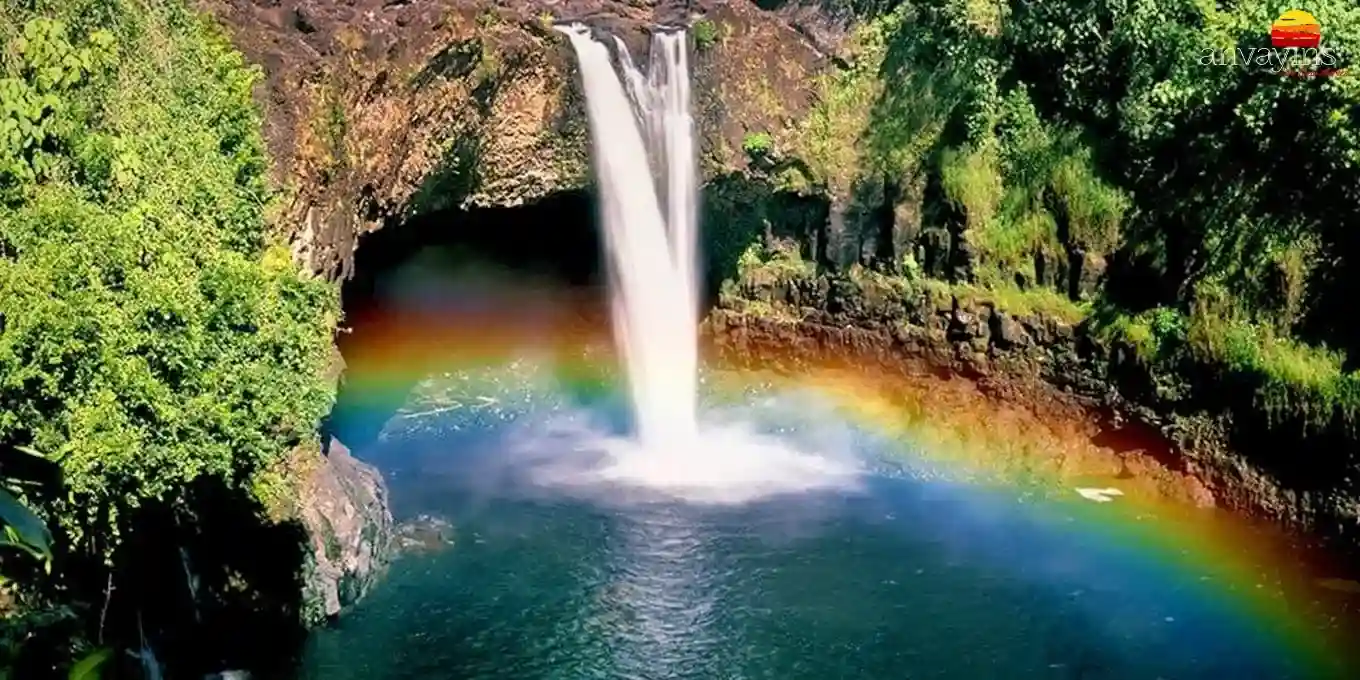
Tucked away in the misty hills of Cherrapunji, Rainbow Falls stands as one of Meghalaya's most enchanting natural spectacles. This cascading waterfall derives its name from the beautiful rainbow formations that appear when sunlight hits the mist rising from the falling water. Located in Sohra (formerly known as Cherrapunji), this hidden gem offers adventure seekers a perfect blend of trekking challenge and ethereal natural beauty.
What makes Rainbow Falls truly special is its remote, untouched setting. Unlike more commercialized waterfall destinations, reaching Rainbow Falls requires a genuine trek through dense Khasi forests and across rustic streams. The journey itself becomes part of the experience, with each step revealing deeper layers of Meghalaya's lush landscape. As you approach the falls, the sound of cascading water grows louder, building anticipation for the spectacular reveal that awaits.
About Rainbow Falls
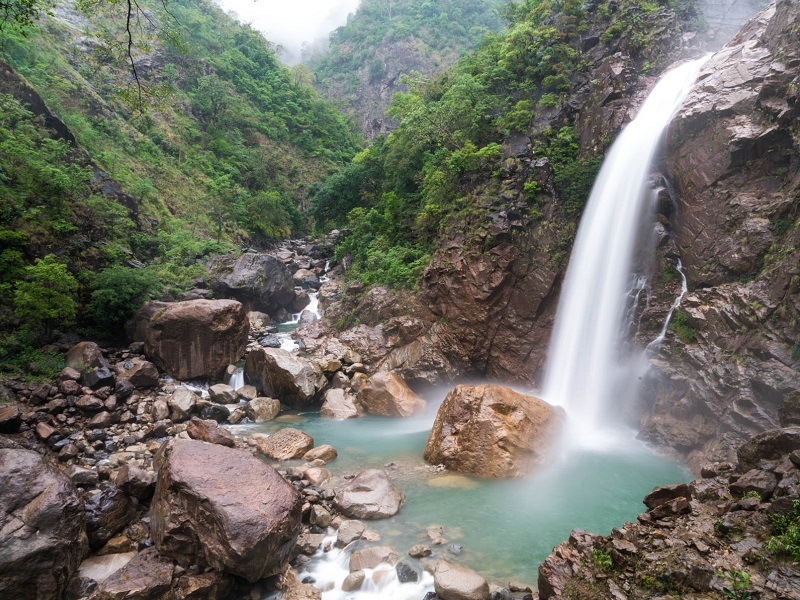
Rainbow Falls cascades down approximately 30-40 meters of rocky cliff face, creating a natural pool at its base. The water flows year-round but reaches its most dramatic state during and immediately after the monsoon season. The falls are nestled within a gorge surrounded by thick vegetation, with sunlight filtering through the canopy creating an almost mystical atmosphere throughout the day.
The rainbow phenomenon occurs when mist from the waterfall meets direct sunlight, typically between 10 AM and 2 PM on clear days. Multiple smaller rainbows often appear simultaneously, stretching across the spray like colorful bridges in the sky. This optical wonder has made the falls a favorite subject for photographers and nature enthusiasts seeking to capture nature's light show in action.
Surrounding Landscape and Ecosystem
The area around Rainbow Falls represents the pristine Khasi Hills ecosystem at its finest. Dense tropical forests with towering trees, ferns, and exotic orchids surround the trail to the falls. The constant mist creates a microclimate that supports unique plant species rarely found elsewhere. Bird watchers often spot colorful species like hornbills and scarlet minivets along the trek route.
The falls themselves flow into a crystal-clear pool surrounded by moss-covered rocks. During sunny periods, the water sparkles with an emerald hue, while overcast days give it a mysterious, brooding character. This ever-changing personality ensures that no two visits to Rainbow Falls feel exactly the same.
The Trek Experience
The adventure to Rainbow Falls begins from the village of Laitkynsew, which serves as the main trekking base. From here, the trail winds through agricultural fields before entering the forest proper. The total trek distance covers approximately 6-7 kilometers round trip, depending on your starting point and exploration preferences along the way.
Trek Starting Point
Most visitors arrange transportation from Cherrapunji town to Laitkynsew, where the trek officially begins. Local guides typically meet trekkers at a designated meeting point near the village entrance. The initial section passes through Khasi village settlements, offering glimpses of traditional hillside farming and rural life that feels worlds away from modern civilization.
Trail Description
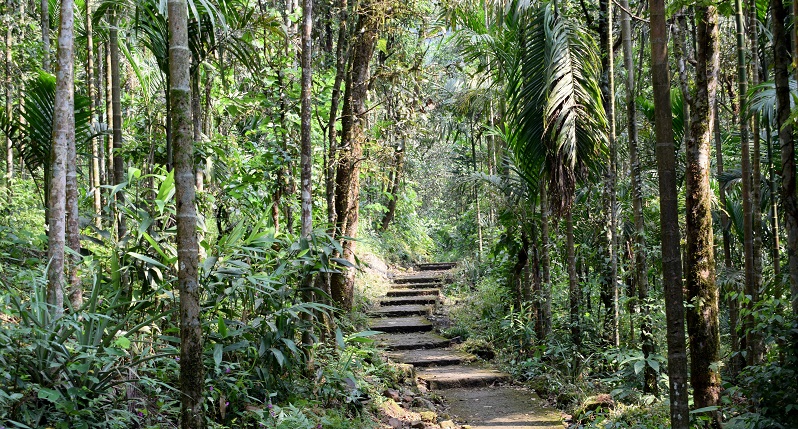
The first segment of the trek follows a dirt road that gradually ascends through open fields. After about a kilometer, the trail enters the forest, transitioning to a narrow dirt path that can become muddy during rainy periods. Stone steps have been constructed in steeper sections, making the descent and ascent more manageable for inexperienced hikers.
Approximately halfway through the trek, you will encounter your first stream crossing. This involves walking across balancing stones or a simple wooden bridge, depending on water levels. The sound of Rainbow Falls becomes audible at this point, serving as both motivation and a reminder that you are drawing closer to your destination.
Final Descent to the Falls
The last kilometer presents the most challenging terrain, with steep descents requiring careful footing. A sturdy wooden railing has been installed in particularly slippery sections, providing essential support for trekkers. As you round the final bend, Rainbow Falls suddenly comes into view—a breathtaking reveal that makes every step of the journey worthwhile.
The base area features flat rocks perfect for resting and photography. The pool depth varies by season but is generally shallow enough for wading during drier months. Many trekkers spend an hour or more here, simply absorbing the tranquil atmosphere and watching light play across the falling water.
Trek Duration Required
Most visitors complete the round trip in 3-4 hours, including time spent at the falls. The descent takes approximately 45-60 minutes, while the return climb typically requires 60-90 minutes depending on fitness level. Factor in additional time for photography, stream crossings during high water, and rest stops along the way.
Best Time to Visit
Choosing the right season significantly impacts both your trekking experience and the quality of rainbow formations. Rainbow Falls follows distinct seasonal patterns that visitors should understand for optimal planning.
Post-Monsoon (October-November)
This period offers the ideal balance between water volume and trail accessibility. Recent monsoon rains ensure the falls flow with maximum force, creating dramatic cascades and abundant mist for rainbow formation. Meanwhile, trails have begun drying out, reducing slipperiness and making navigation safer. The surrounding vegetation remains at its greenest, painting the landscape in every shade of emerald.
Winter Months (December-February)
Winter presents clear skies and comfortable temperatures perfect for trekking. Water flow decreases compared to post-monsoon, but the falls retain their beauty. The reduced mist means rainbows may be less frequent, but clear winter light creates crisp, photogenic conditions. Fewer tourists visit during this period, offering a more solitary experience with the falls.
Monsoon Trekking Challenges
While monsoon (June-September) produces the most spectacular water flow, it brings serious challenges. Trails transform into slippery mud baths, stream crossings become hazardous, and leeches emerge in large numbers. Only experienced trekkers with proper equipment should attempt Rainbow Falls during peak monsoon. Always check local conditions and respect weather warnings.
Early Morning Visits
Regardless of season, starting your trek early (before 8 AM) provides multiple advantages. You will encounter fewer fellow trekkers, avoid afternoon heat and potential thunderstorms, and reach the falls during prime rainbow viewing hours when the sun is at the right angle. Morning light also creates softer shadows and more pleasing photographic conditions.
How to Reach
Reaching Rainbow Falls requires planning multiple transport legs, as the falls themselves are not accessible by vehicle. However, improved road conditions in recent years have made the journey more straightforward than in the past.
From Shillong
Shillong serves as the primary gateway for most visitors traveling to Rainbow Falls. The city is approximately 55 kilometers from Cherrapunji, connected by National Highway 206. Regular taxis and shared cabs operate between Shillong and Cherrapunji, with the journey taking 1.5-2 hours depending on road conditions and traffic.
For those preferring independence, rental cars are available in Shillong. Driving your own vehicle provides flexibility for timing and allows stops at viewpoints along the way. However, be prepared for winding mountain roads that demand careful driving, especially during or after rainfall.
From Cherrapunji Town
Once in Cherrapunji (Sohra), you will need local transport to reach the trek starting point at Laitkynsew. This leg covers approximately 8-10 kilometers and takes 20-30 minutes by taxi. Local drivers are familiar with the route and can usually drop you at the exact trailhead entrance.
Arrange your return pickup before starting the trek, as public transport options from Laitkynsew are extremely limited. Most guides and taxi services appreciate advance notice, especially during busy periods when multiple visitors compete for limited transport resources.
Public Transport Availability
While shared cabs run between Shillong and Cherrapunji on a fairly regular schedule, service to Laitkynsew is sporadic at best. Do not depend on public buses or shared vehicles for the final leg. Budget for private taxi hire or coordinate with your trekking guide for transport arrangements.
Trek Starting Point
The official Rainbow Falls trek begins at a designated parking area in Laitkynsew. There is a small signboard indicating the trail entrance, but having a guide or asking locals for directions is wise, especially on your first visit. The parking area is basic—no facilities, ticket counters, or restaurants. Arrive prepared with everything you need for the trek.
Trek Difficulty & Preparation
Rainbow Falls trek falls into the moderate difficulty category. While not technically demanding, the route requires reasonable fitness, proper footwear, and preparation for Meghalaya specific environmental conditions.
Difficulty Level Assessment
The moderate rating reflects several factors: significant elevation changes, potentially slippery terrain, and stream crossings. However, well-constructed stone steps in steep sections make the climb manageable for anyone in average physical condition. The total elevation gain/loss of approximately 300-400 meters provides a solid workout without being overwhelmingly strenuous.
First-time trekkers should budget extra time for the climb back, taking breaks as needed. There is no shame in moving slowly—the journey is about experiencing the forest, not racing to a finish line.
Fitness Requirements
Reasonable cardiovascular fitness helps significantly, especially for the uphill return. Regular walkers, joggers, or anyone comfortable climbing 4-5 flights of stairs without severe breathlessness should handle the trek. If you are unsure about your fitness level, consider shorter practice hikes before attempting Rainbow Falls.
The trek is suitable for teenagers through active seniors. Children under 10 may struggle with the distance and terrain unless accustomed to hiking. Always assess individual capabilities rather than assuming family fitness will suffice.
Essential Gear Checklist
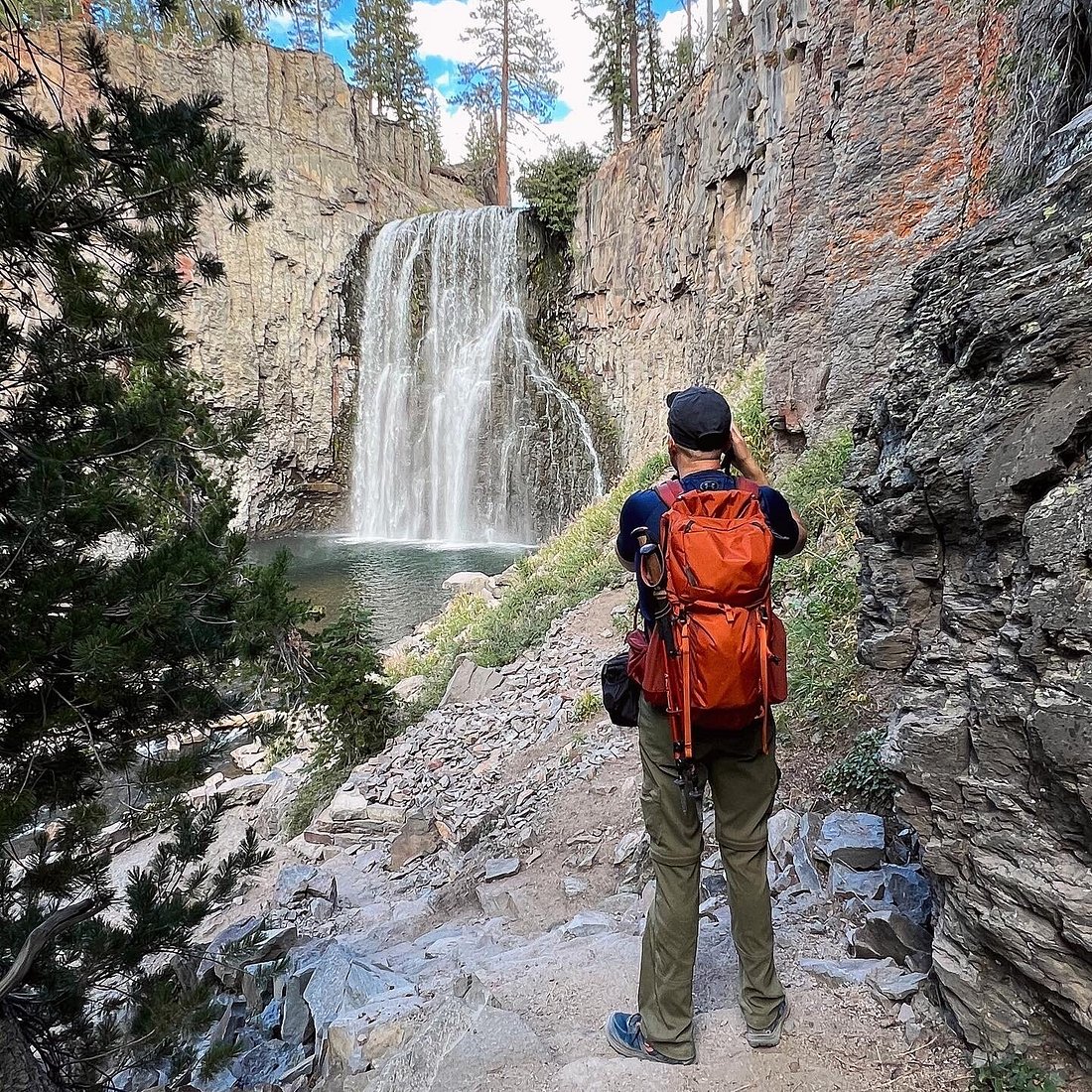
Meghalaya terrain and weather demand specific equipment that casual walkers might overlook. Proper preparation transforms the trek from challenging to enjoyable.
Footwear Recommendations
Sturdy hiking shoes with aggressive tread are non-negotiable. Avoid smooth-soled sneakers or sandals that become dangerous on wet rocks. Many experienced trekkers carry water shoes for stream crossings, changing back into boots for dry sections. This dual-shoe approach keeps your main hiking gear dry and provides better grip in different conditions.
Clothing Essentials
Lightweight, quick-dry synthetic fabrics work best in Meghalaya humid environment. Avoid cotton that stays wet and chafes during the climb. Long pants protect against scratches, insect bites, and minor trail obstacles, while breathable shirts manage sweat. Always pack a lightweight rain jacket, even in seemingly clear weather—mountain conditions can shift rapidly.
Safety Equipment
A basic first aid kit with blister treatment, antiseptic, and bandages is essential. Leech socks (available at outdoor stores in Shillong) provide protection during wetter months. A walking stick or trekking pole offers stability on slippery sections and can be invaluable during stream crossings.
Weather Preparedness
Meghalaya weather is notoriously unpredictable. Even on dry days, sudden mountain showers can materialize within minutes. Waterproof bags for electronics, extra layers for temperature drops, and a fully charged phone with offline maps provide security against changing conditions. Consider carrying a small umbrella—it is surprisingly practical for light rain during forest sections.
Guide Necessity
While the Rainbow Falls trail is reasonably marked, hiring a local guide enhances safety and experience significantly. Guides know current trail conditions, weather patterns, and cultural context about the surrounding forest. They can point out wildlife, explain local traditions about the falls, and ensure you do not miss viewpoints that might escape notice.
For solo travelers or small groups, guide services are affordable and worth every rupee. Larger groups should definitely arrange for a guide, both for logistical support and to handle emergencies if anyone in the party struggles with the terrain.
Photography Tips
Capturing Rainbow Falls magic requires understanding light, timing, and water spray dynamics. With the right approach, you can return with images that truly convey the falls ethereal beauty.
Best Time for Rainbows
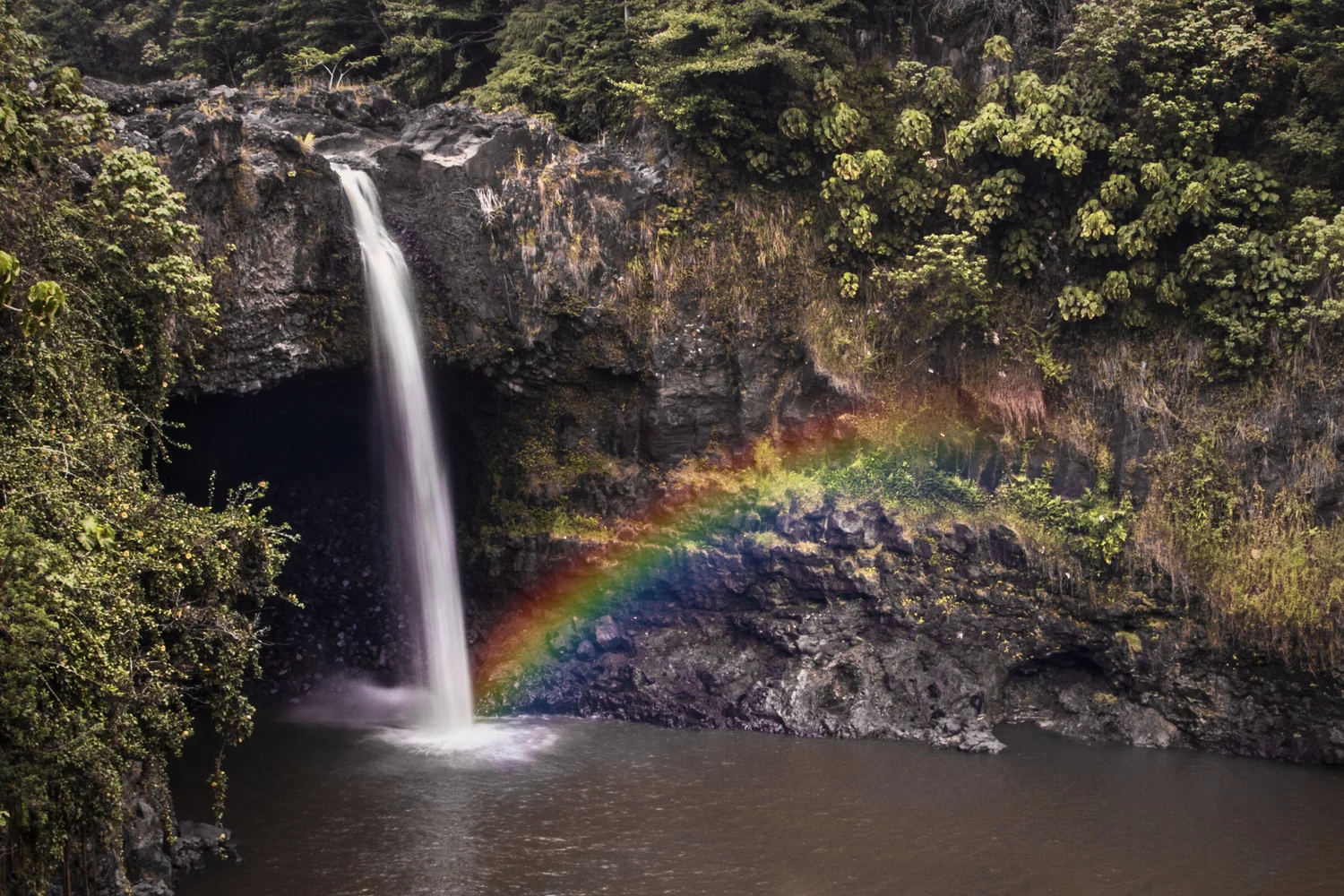
Rainbow formation depends on the angle of sunlight hitting the waterfall mist. The optimal window typically occurs between 11 AM and 1 PM on clear days when the sun is high enough to penetrate the canopy but not directly overhead. Arrive at the falls before prime rainbow hours to scout angles and set up composition without pressure.
Do not despair if clouds obscure the sun—wait patiently. The Khasi Hills weather can shift dramatically within minutes, creating sudden rainbow opportunities that reward patient photographers. Bring a book or pack a lunch to make waiting comfortable.
Camera Equipment
A camera with good dynamic range handles the contrast between bright highlights and deep shadows typical of waterfall scenes. Wide-angle lenses capture the falls in context with surrounding forest, while telephoto options let you isolate rainbow formations or water details. Do not forget a sturdy tripod—essential for the slow shutter speeds waterfall photography demands.
Waterproof Protection
The constant mist at Rainbow Falls is both blessing and curse for photographers. It creates spectacular rainbows but also poses serious risks to camera equipment. Use lens hoods, microfiber cloths for frequent wiping, and protective covers for camera bodies. Consider packing a small umbrella or rain cover that allows you to shoot while sheltering your gear.
Ideal Lighting Conditions
Overcast days actually provide excellent waterfall photography, eliminating harsh highlights and bright spots. The water takes on a silky, smooth appearance that conveys motion beautifully. However, you will miss rainbow formations without direct sunlight. For best results, hope for partly cloudy conditions where the sun alternately breaks through and creates those coveted light refractions.
Composition Tips
Include foreground elements like rocks, ferns, or tree roots to provide scale and depth. The human element—a fellow trekker in the distance, a guide pointing out features—can also add narrative interest. Try multiple shutter speeds to vary water appearance from silky smooth to frozen droplets. Experiment with different angles, including shooting from slightly above the pool or from the forest edge looking down on the falls.
Drone Photography Rules
Check current regulations before bringing a drone. Meghalaya has restrictions in certain areas, and Rainbow Falls may fall within protected zones. Even if permitted, be respectful—low altitude flights disturb wildlife and fellow trekkers experience. Always prioritize the environment over getting the perfect shot.
Respecting Nature
Leave no trace photography principles apply strongly at Rainbow Falls. Do not trample fragile vegetation for better angles, remove natural features, or disturb wildlife for the sake of images. The best photographs capture nature as it is, not manipulated to fit artistic visions.
Nearby Attractions
Cherrapunji and surrounding areas offer numerous natural wonders that pair perfectly with Rainbow Falls. Consider extending your itinerary to experience the full diversity of this remarkable region.
Other Cherrapunji Waterfalls
Nohkalikai Falls, the tallest plunge waterfall in India, lies approximately 15 kilometers from Rainbow Falls. The iconic falls drop 340 meters into a stunning pool, creating a completely different but equally impressive spectacle. Seven Sisters Falls, where seven cascades flow simultaneously during monsoon, provides another dramatic contrast to the intimate Rainbow Falls experience.
Seven Sisters Falls and Dainthlen Falls can be combined in a single day trip from Cherrapunji town. Each waterfall has unique character—power, volume, surroundings—that showcase different aspects of Meghalaya hydrological beauty.
Living Root Bridges
The Double Decker Living Root Bridge in Nongriat represents another of Meghalaya unique attractions. These bio-engineered marvels, created by weaving rubber fig roots across rivers, grow stronger with time rather than decaying. The trek to Nongriat involves roughly 3,500 steps descending into a valley, making it similar in physical challenge to Rainbow Falls.
Combining Rainbow Falls with root bridge visits gives you two quintessential Meghalaya experiences in one trip. Both involve trekking through pristine forests and reaching natural wonders that seem almost too beautiful to be real. Plan for a full day for each, with comfortable rest between adventures.
Mawsmai Cave
Mawsmai Cave offers underground exploration to complement your above-ground waterfall trek. This illuminated limestone cave features dramatic rock formations, tight passages, and chambers that feel like another world entirely. The cave is easily accessible from the main road and requires only basic fitness, making it a good option for families or those wanting variety without additional strenuous hiking.
Kynrem Falls
Kynrem Falls, Meghalaya highest waterfall, cascades in two distinct tiers surrounded by dense forest. Located in the Cherrapunji area, it is easily combined with Rainbow Falls for a waterfall-focused itinerary. The two-tiered structure and surrounding landscape differ significantly from Rainbow Falls, providing diversity in your experience.
Combined Trek Options
Experienced hikers might consider longer routes that connect multiple attractions. Local guides can design itineraries linking Rainbow Falls with other waterfalls or root bridges, creating multi-day adventures through the Khasi Hills. These extended treks require thorough preparation, camping arrangements, and strong fitness but deliver immersion into Meghalaya backcountry that few tourists experience.
Itinerary Suggestions
A practical 3-day Cherrapunji itinerary could include Rainbow Falls on day one, Nohkalikai and Seven Sisters Falls on day two, and the Double Decker Root Bridge on day three. This pacing allows adequate time at each location without excessive rushing. Alternatively, base yourself in Shillong for day trips to each destination, returning to comfortable accommodation each evening.
Conclusion: A Journey Worth Taking
Rainbow Falls Meghalaya represents everything magical about the Khasi Hills—adventure, natural beauty, and rewards earned through effort. The trek challenges your body, soothes your spirit with forest tranquility, and ultimately reveals a waterfall that feels like it belongs in fairy tales rather than the real world.
Whether you are an experienced trekker or a nature lover seeking something beyond typical tourist attractions, Rainbow Falls delivers. Plan your visit during optimal months, prepare properly for the terrain, and allocate enough time to truly absorb the experience. The rainbow that greets you at journey end is not just light refracted through mist—it is nature way of saying thank you for making the effort to find one of its most precious secrets.
Location
Frequently Asked Questions
Q1.Where is Rainbow Falls located?
Q2.How far is Rainbow Falls from Shillong?
Q3.What is the best time to visit Rainbow Falls?
Q4.How long does it take to reach Rainbow Falls?
Q5.Is there an entry fee for Rainbow Falls?
Q6.Are there food facilities available?
Q7.Is the trek safe during monsoon?
Q8.What are the best photography timings?
Recommended For You
Hiking in Meghalaya: Top Trails, Difficulty & Season
Explore hiking in Meghalaya with complete trail guides, difficulty levels, best seasons, and essential tips for root bridges, David Scott Trail, and Khasi Hills adventures.
Kynrem Falls Meghalaya: Height, Best Season & Viewing Points
Visit Kynrem Falls, Meghalaya's tallest 3-tiered waterfall. Trek guide, best time, how to reach from Shillong & complete travel information.
Waterfalls in Shillong: Best Falls, Routes & Visiting Season
Discover the stunning waterfalls in Shillong. Complete guide to Elephant Falls, Sweet Falls, Spread Eagle Falls & more with trekking details, best time to visit, and practical travel tips.
Never Miss an Adventure
Get the latest trekking guides, travel tips, and exclusive offers delivered straight to your inbox.
