
Drang Drung Glacier in Ladakh: Complete Travel Guide 2026
Rohit Verma
February 20, 2026
Discover Drang Drung Glacier in Ladakh - India's largest accessible glacier. Complete guide with trekking routes, best time to visit, how to reach, and stunning photography tips.
Drang Drung Glacier in Ladakh: Route, Viewpoints, and Practical Planning
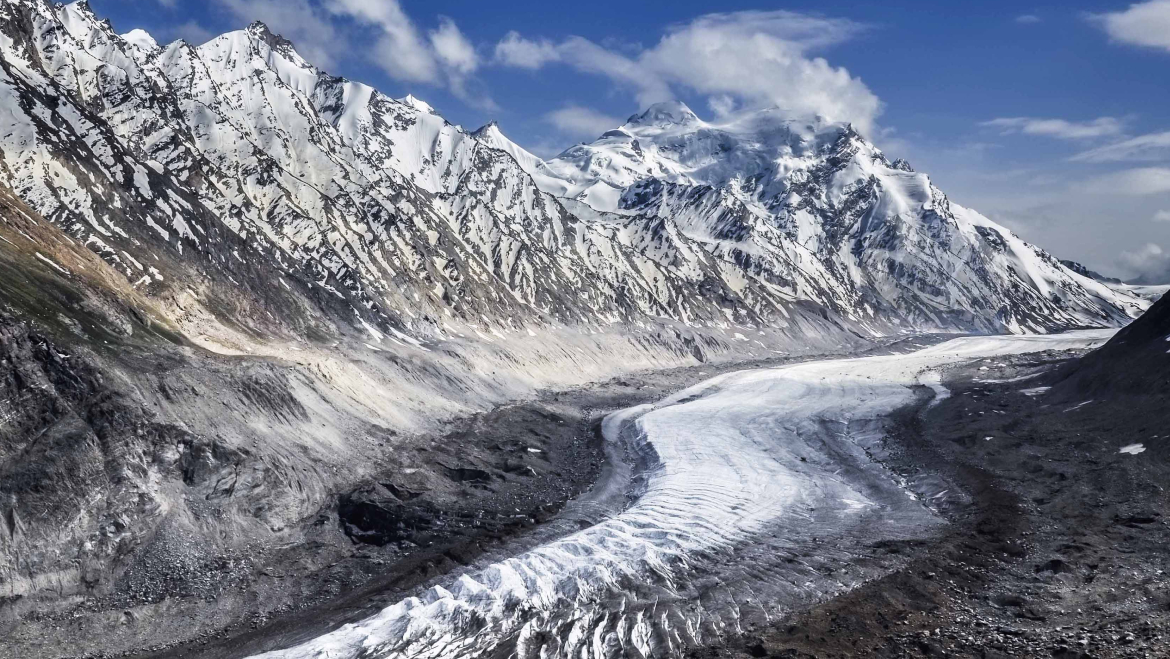
Drang Drung Glacier is one of the most dramatic high-altitude sights on the Kargil-Zanskar road. Most travelers first see it from Pensi La, where the ice mass appears to flow through dark ridges like a frozen river. The destination is less about activity and more about observation, altitude awareness, and correct road timing. If you are already planning Ladakh circuits, this stop pairs well with regional context from best time to visit Ladakh, cultural routes like Alchi Monastery, historical detours such as Kargil War Memorial, and landscape comparisons with Lamayuru Moonland. This guide covers what to expect, when to go, and how to structure a safe itinerary without rushing mountain roads.
What Makes Drang Drung Glacier Special
The glacier’s scale is the primary draw. From the pass-side viewpoints, you can see long ice ribbons and debris-textured sections that reflect seasonal melt patterns. Unlike accessible valley attractions, this is a high-altitude visual destination requiring weather and route discipline. It is also part of a larger hydrological system that influences downstream flow patterns in the broader region. You do not need technical mountaineering experience to appreciate it, but you do need realistic expectations about roads, oxygen levels, and changing visibility.
Where It Is Located
Drang Drung is typically visited on the route that connects Kargil side travel to deeper Zanskar movement through Pensi La. The surrounding terrain is wide, exposed, and highly weather-sensitive. Distances on maps may look manageable, yet mountain conditions can extend drive times significantly. Treat the location as a major route highlight, not a quick roadside selfie stop.
Best Time to Visit
The practical window is usually during the open road season, generally summer to early autumn depending on snowfall and maintenance status. Early season may still show heavier residual snow around high points, while later windows can offer clearer road stretches. Weather can shift quickly even on apparently clear mornings, so build buffer time and avoid late unplanned movement on high passes.
| Period | What to Expect | Planning Advice |
|---|---|---|
| Early Season | Cold winds, snow presence at higher points | Start early and carry extra layers |
| Mid Season | Relatively stable driving windows | Best for broad itineraries |
| Late Season | Crisp skies, colder evenings | Confirm road updates before departure |
How to Reach Drang Drung Glacier
Most travelers approach by road via Kargil-Zanskar axis. Private taxis and experienced local drivers are the preferred choice because road sections can be rough and weather dependent. Self-driving is possible for experienced mountain drivers, but this route is not ideal for first-time high-pass handling. Fuel and mechanical support are limited in remote stretches, so prepare at major towns before leaving.
- Carry offline maps and keep printed checkpoints in case of network drops.
- Do not overestimate average speed on mountain roads.
- Keep one reserve day in long itineraries for weather delays.
- Avoid night driving across unfamiliar high-pass sections.
Viewpoint Strategy at Pensi La
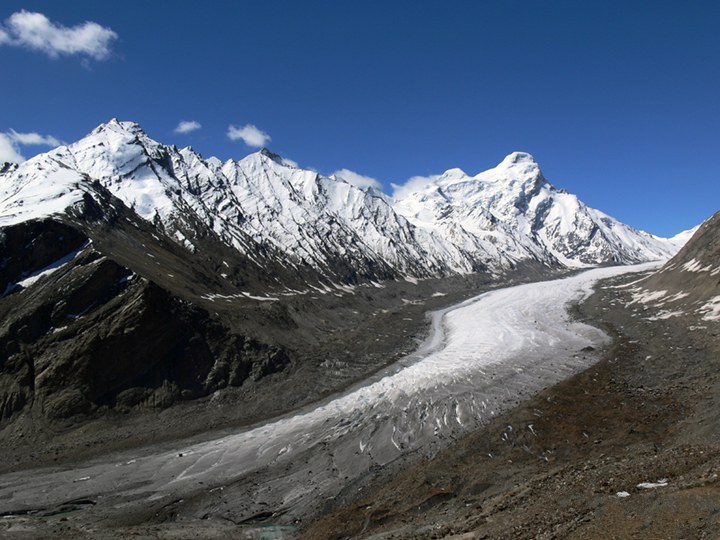
The quality of your glacier experience depends on how you use viewpoint time. Instead of taking quick photos and leaving, spend 20-40 minutes observing light shifts and contour depth. Clouds often move rapidly, opening and closing parts of the glacier. If visibility is low, wait briefly before deciding to move. Many travelers miss good windows because they rush immediately after arrival.
Altitude and Health Considerations
Altitude response varies by person. Headache, fatigue, short breath, and mild nausea can appear even in fit travelers. Hydration, gradual pace, and proper layering matter more than speed. If symptoms increase, descend and rest instead of forcing the plan. Keep basic medicines, avoid alcohol, and eat light but regular meals while crossing high points.
Photography Tips for Glacier Landscapes
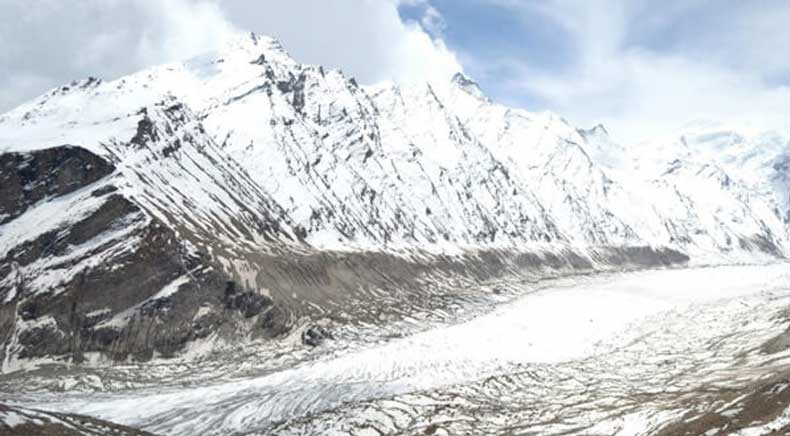
Use wide frames to capture glacier flow lines and foreground ridges together. Midday can flatten depth, so morning and late afternoon usually produce better texture. If shooting on phone, tap focus on mid-contrast rock-ice transitions to improve clarity. Keep spare battery warm in inner pockets because cold drains charge faster.
What to Pack
Keep gear practical and weight-efficient. Essentials include windproof outer layer, thermal base, gloves, sunglasses, sunscreen, water, and energy snacks. Add a first-aid pouch, power bank, and small trash bag. Weather can switch from sunny to windy quickly, so layered clothing is better than one heavy piece.
How to Combine Drang Drung in a Broader Ladakh Circuit
A well-paced Ladakh route often includes cultural and landscape contrast. You can combine this glacier segment with monastery circuits like Alchi, highland scenery such as Lamayuru Moonland, and regional historical context through Kargil War Memorial. Seasonal planning should always align with Ladakh weather windows to avoid rushed, high-risk movement.
Common Mistakes to Avoid
- Treating the destination as a quick roadside stop.
- Ignoring acclimatization before high-pass travel.
- Overloading the same day with too many distant points.
- Skipping fuel and emergency preparation.
- Driving late in unstable mountain weather.
Final Takeaway
Drang Drung Glacier is one of Ladakh’s strongest landscape experiences when approached with patience and route discipline. Plan for altitude, keep buffer time, and prioritize safe travel over checklist speed. If you give the viewpoint enough time and respect mountain conditions, this stop becomes a true highlight of any Kargil-Zanskar journey.
Detailed Route Breakdown for First-Time Visitors
If this is your first high-altitude glacier viewpoint trip, break the day into three stages: approach, observation, and controlled return. During approach, keep unnecessary stops minimal so you reach the main viewpoint with enough daylight. During observation, avoid fast movement and let your breathing settle before climbing small edges for photos. During return, prioritize weather and road safety over extra detours. This approach sounds basic, but it prevents the most common Ladakh issue: overextending in the middle section and driving back tired in low light.
Another useful tactic is assigning one person in your group as the "time manager." Their job is to monitor buffers: how long you have been at the pass, current weather behavior, and return margin before dusk. In mountain travel, this one role can make the difference between smooth execution and rushed decisions.
Two-Day Itinerary Option (Safer and Better for Photography)
If your schedule allows, a two-day structure gives better outcomes than compressing everything into one aggressive day. Day one can include the transit-heavy segment with shorter viewpoint time. Day two can focus on revisiting the glacier zone in stronger light, plus one nearby cultural stop. This model reduces fatigue, improves photo quality, and gives you flexibility when weather blocks first-attempt visibility.
- Day 1: Transit, acclimatized movement, short sunset or late-afternoon observation.
- Day 2: Early viewpoint revisit, extended photo session, safe return with buffer.
- Optional add-on: Monastery or memorial stop depending on energy and road status.
Responsible High-Altitude Travel
Glacier routes are fragile mountain corridors. Responsible travel means more than not littering. Keep engine idling low where possible, avoid aggressive honking in quiet zones, and do not step onto unstable slope edges for dramatic social clips. Respect local driving wisdom; drivers from the region read terrain and weather cues faster than map apps. Carry your waste back, support local tea or food points where available, and avoid pressuring your group into unsafe timeline choices. In remote landscapes, discipline is part of respect.
Before final departure from the glacier zone, do one quick safety reset: hydrate, layer up, and check that all group members are stable for return travel. This two-minute routine is simple but very effective on high-altitude road trips.
Location
Frequently Asked Questions
Q1.Where is Drang Drung Glacier located?
Q2.What is the best time to visit Drang Drung Glacier?
Q3.How do I reach Drang Drung Glacier?
Q4.Do I need a permit to visit Drang Drung Glacier?
Q5.Can we trek on Drang Drung Glacier?
Q6.How long is Drang Drung Glacier?
Q7.Is altitude sickness a concern at Drang Drung Glacier?
Q8.What should I carry when visiting Drang Drung Glacier?
Q9.Are there accommodation options near Drang Drung Glacier?
Q10.Is Drang Drung Glacier worth visiting?
Q11.How many days are needed to visit Drang Drung Glacier?
Recommended For You
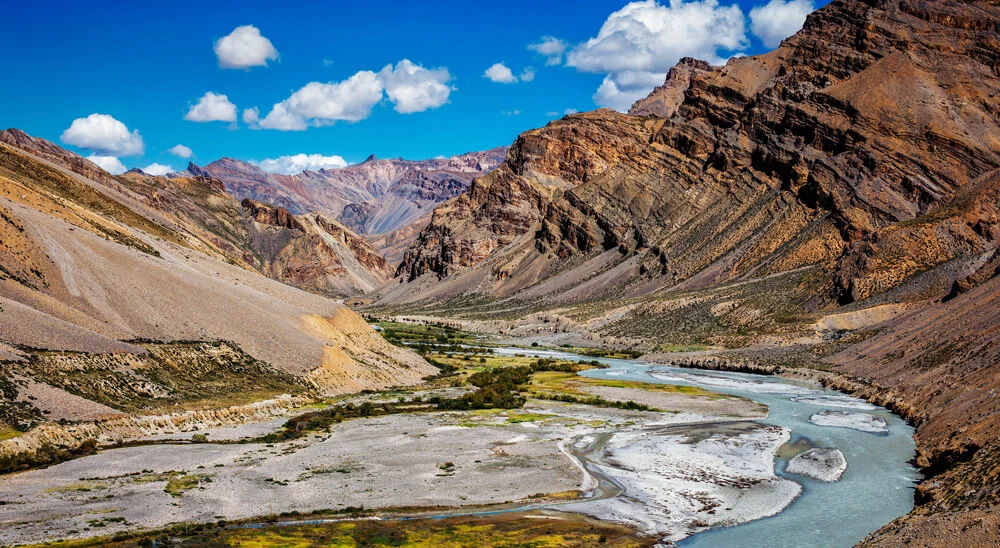
Zanskar Valley Activities: Trekking, Rafting & Adventure Highlights
Discover thrilling Zanskar Valley activities including the legendary Chadar Trek, river rafting, high-altitude trekking, monastery exploration, and wildlife spotting. Complete adventure guide with best time to visit, preparation tips, and practical information.
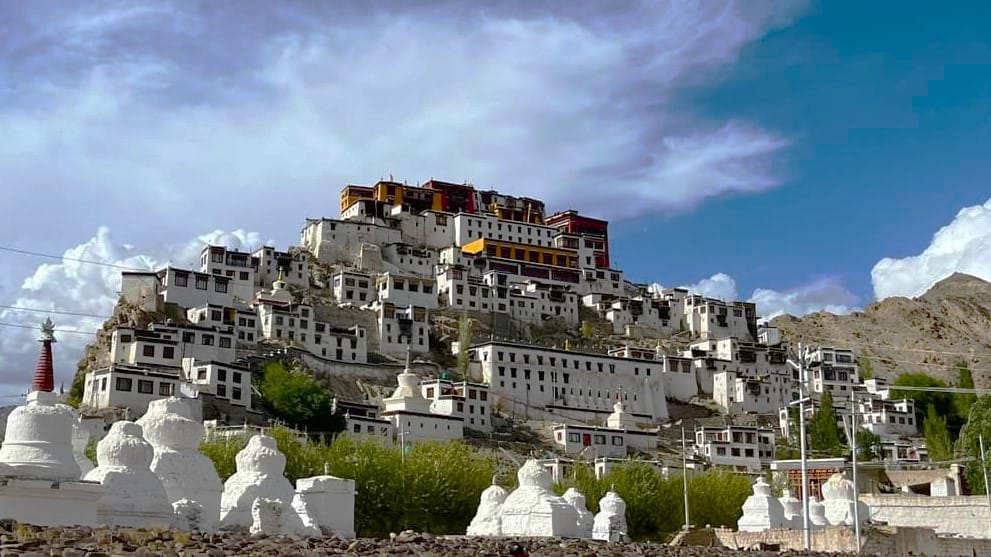
Monasteries in Ladakh: Routes, Etiquette and Top Gompas
Explore monasteries in Ladakh with practical route planning, key gompa highlights, and respectful visitor etiquette.
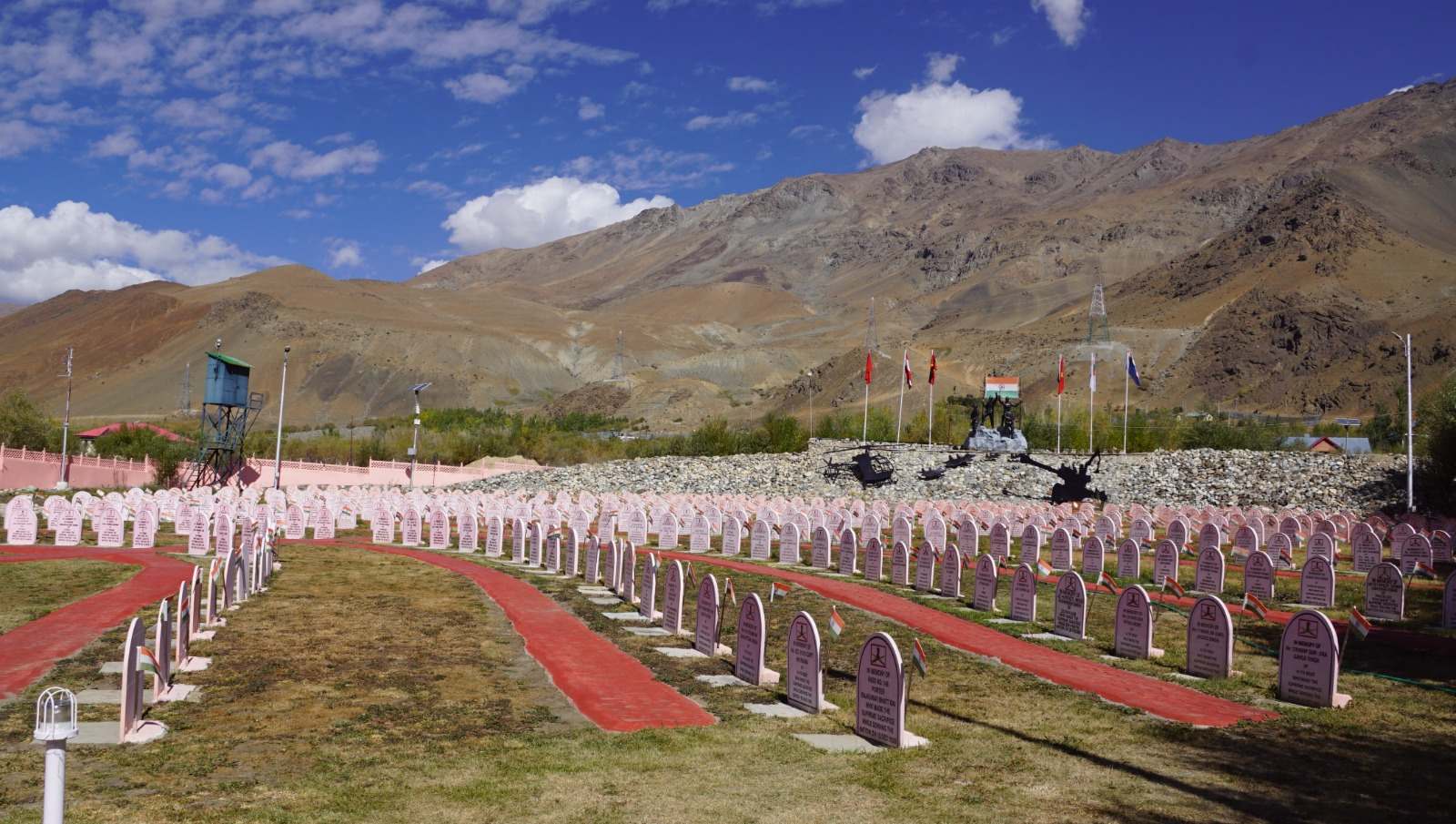
Kargil War Memorial Ladakh: History, Timings & Visitor Info
Plan your Kargil War Memorial Ladakh visit with history, timings guidance, route options, nearby battle-peak context, and respectful visitor tips.
Never Miss an Adventure
Get the latest trekking guides, travel tips, and exclusive offers delivered straight to your inbox.
