
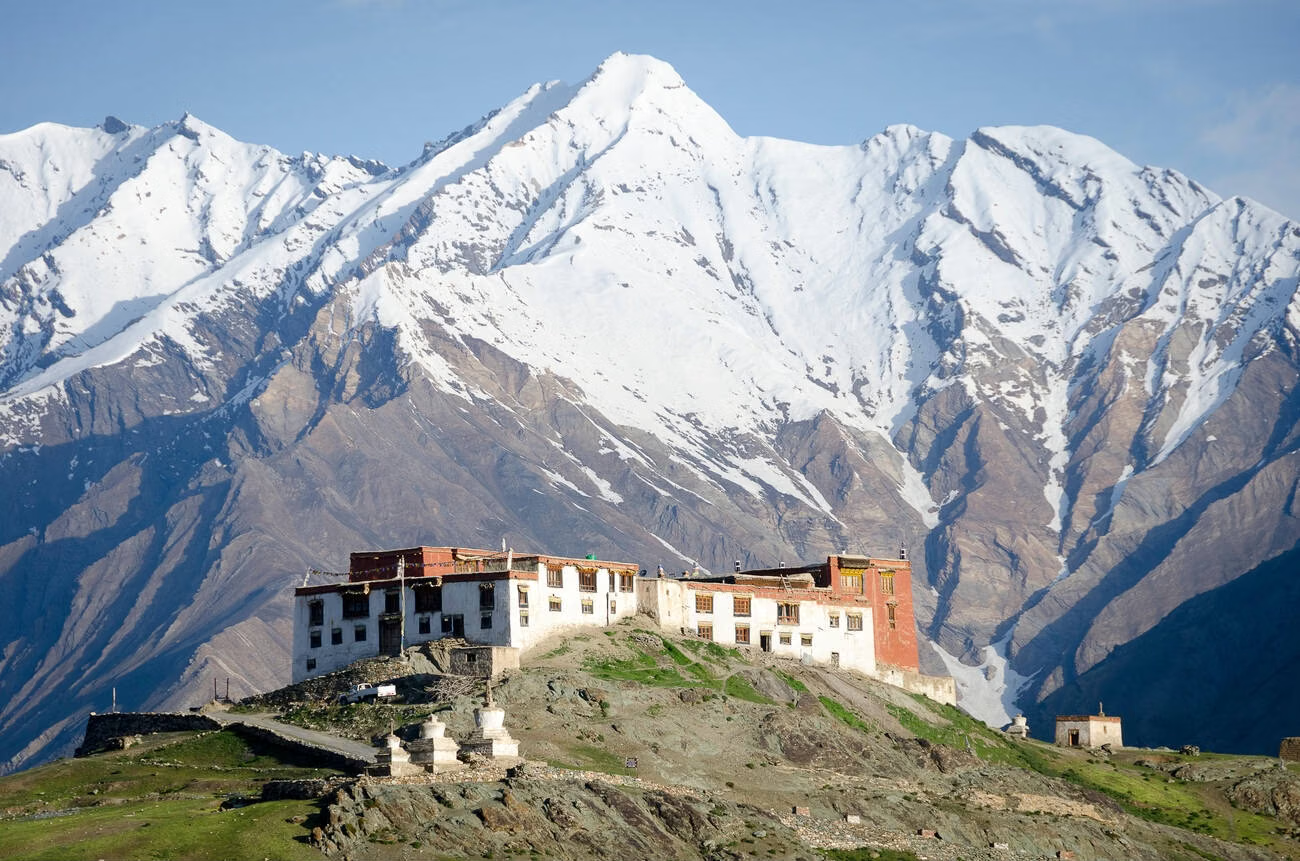
Rangdum Monastery Ladakh: Remote Valley Monastery, Route & Stay

Priya Mehta
November 19, 2025
Discover Rangdum Monastery, a remote 18th-century Buddhist sanctuary in Ladakh's Zanskar region. Complete guide with location, how to reach, accommodation, best time to visit, and travel tips for this isolated Himalayan gem.
Introduction: The Isolated Sanctuary
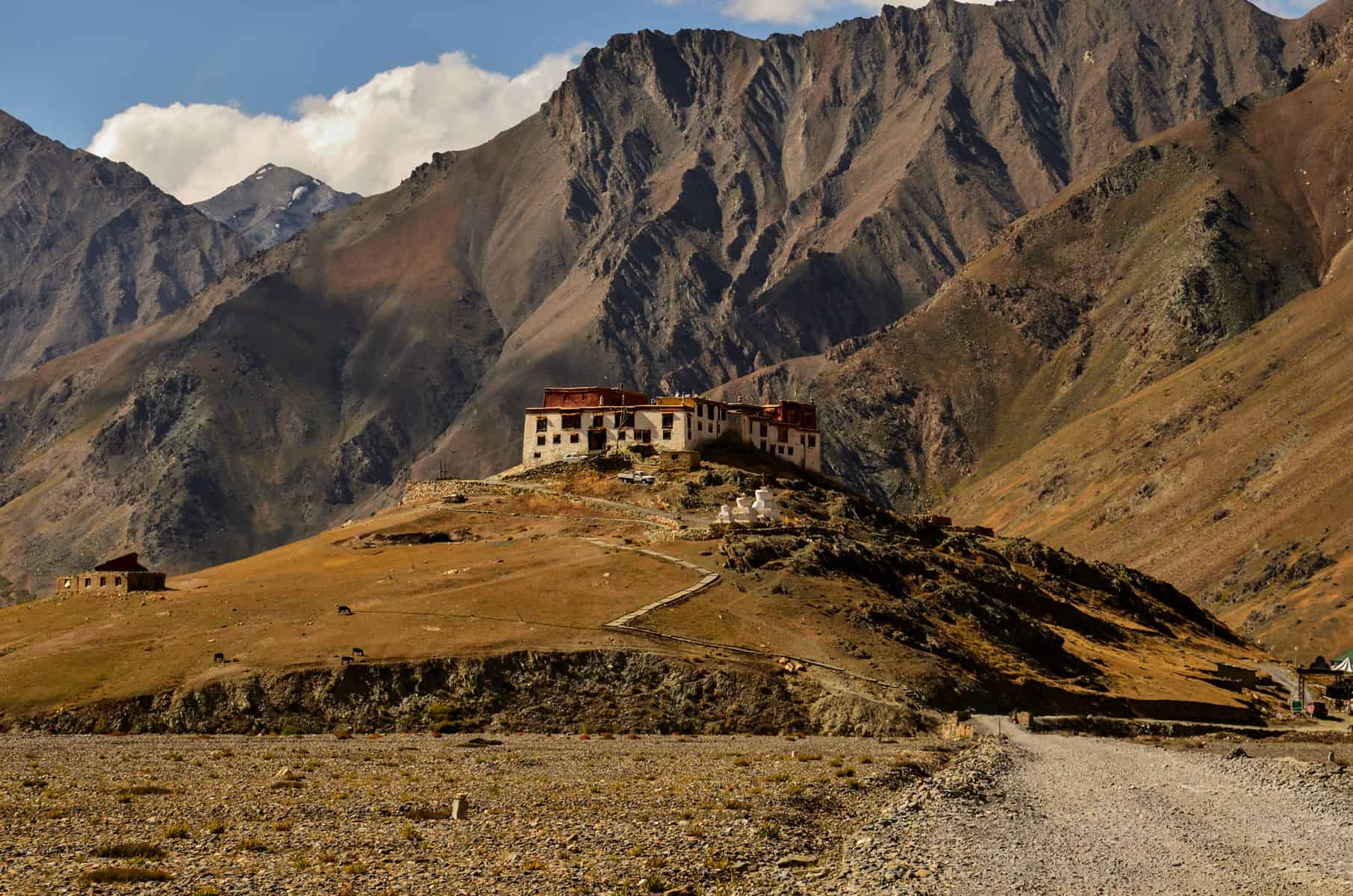
Nestled in the breathtaking landscapes of Ladakh's Zanskar region, Rangdum Monastery stands as a testament to Buddhist spirituality and architectural brilliance. This remote 18th-century monastery, perched at an elevation of 3,657 meters (11,998 feet), offers travelers an extraordinary blend of adventure, culture, and tranquility. As one of the most isolated monasteries in Ladakh, Rangdum serves as a gateway to the mystical Zanskar Valley, attracting pilgrims, adventure enthusiasts, and spiritual seekers from across the globe.
The journey to Rangdum Monastery is as mesmerizing as the destination itself. Surrounded by colorful hills, dramatic mountains, and the pristine Rangdum River, this sacred site provides a unique opportunity to experience Tibetan Buddhism in its most authentic form. Whether you're a spiritual traveler seeking inner peace or an adventurer looking to explore offbeat destinations, Rangdum Monastery promises an unforgettable journey into the heart of Ladakh's rich cultural heritage.
About Rangdum Monastery
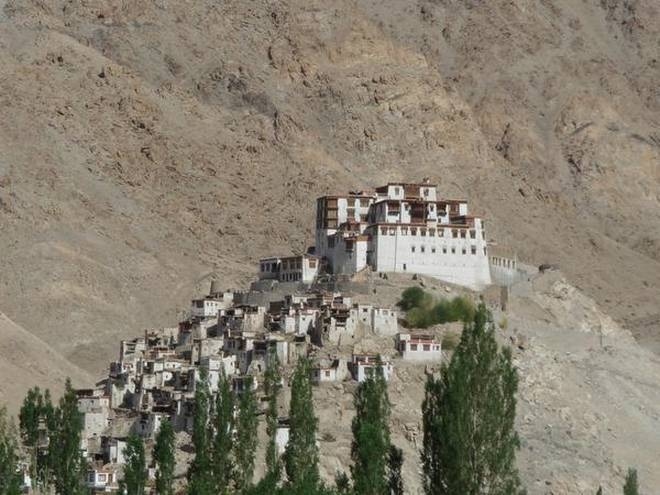
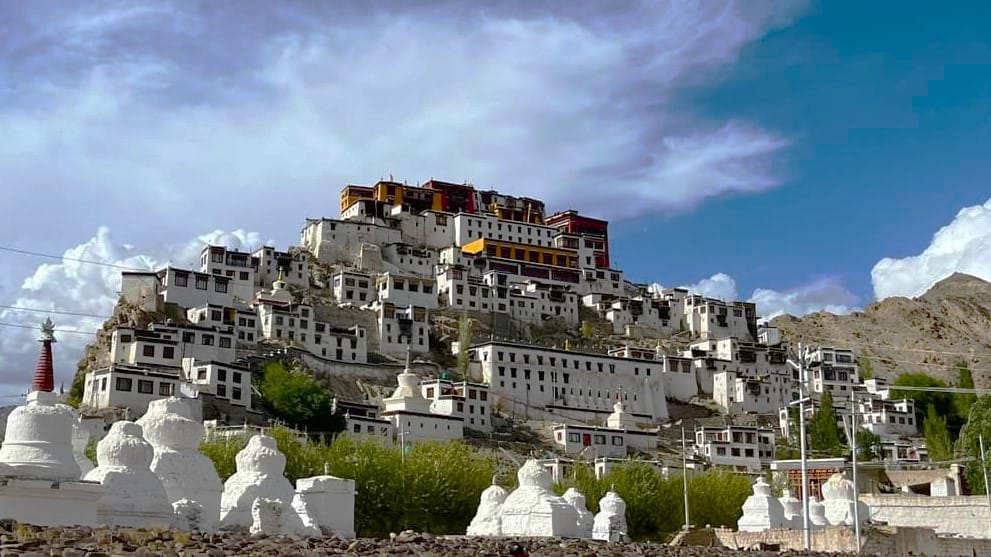
Rangdum Monastery, dating back to the 18th century, belongs to the Gelugpa school of Tibetan Buddhism and was founded by the revered lama Tsering Zangpo. This sacred site houses approximately 40 monks who dedicate their lives to Buddhist philosophy, meditation, and preserving ancient traditions. The monastery's architecture reflects traditional Tibetan design, with whitewashed walls, colorful murals, and intricately carved prayer wheels that tell stories of Buddhist deities and teachings.
The monastery complex includes several prayer halls, stupas, and a remarkable collection of Buddhist artifacts, ancient scriptures, and statues. The central prayer hall features stunning thangkas (traditional Tibetan paintings) and a large statue of Buddha that creates an atmosphere of profound serenity. During religious festivals, the monastery comes alive with masked cham dances, rituals, and ceremonies that offer visitors a glimpse into the vibrant Buddhist culture of the region.
Beyond its religious significance, Rangdum Monastery serves as an important center for learning and meditation. The monks engage in philosophical debates, regular prayer sessions, and meditation retreats, maintaining the rich spiritual legacy of Tibetan Buddhism. For visitors, the monastery provides a unique opportunity to witness daily monastic life, participate in morning prayers, and seek blessings from the resident lamas.
Location & Geography
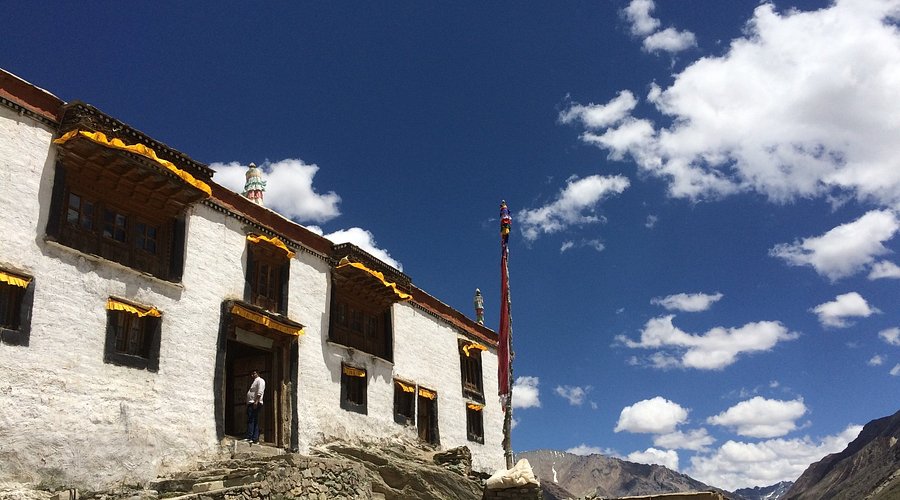
Rangdum Monastery is strategically located in the Suru Valley, approximately 105 kilometers from Kargil and 130 kilometers from Padum, the administrative center of Zanskar. The monastery sits at an impressive altitude of 3,657 meters (11,998 feet) above sea level, making it one of the highest monasteries in the region. The surrounding landscape is characterized by dramatic geological formations, with colorful hills in shades of brown, red, and yellow creating a surreal backdrop against the deep blue sky.
The monastery's proximity to Rangdum River adds to its scenic beauty, with the crystal-clear waters reflecting the surrounding mountains and creating a picturesque setting. The region's unique geography places it between the Suru Valley and the Zanskar range, making it a crucial stopover for travelers journeying between Kargil and Zanskar. The nearby Rangdum Pass, standing at 4,031 meters, further emphasizes the remote and rugged nature of this location.
The isolation of Rangdum Monastery is part of its allure. Surrounded by vast expanses of wilderness, with the nearest civilization being the small village of Rangdum, the monastery offers a true escape from the modern world. The dramatic landscape, characterized by barren mountains, deep valleys, and pristine rivers, creates an atmosphere of timeless beauty that has remained largely unchanged for centuries.
| Geographic Feature | Details |
|---|---|
| Altitude | 3,657 meters (11,998 feet) |
| Distance from Kargil | 105 kilometers |
| Distance from Padum | 130 kilometers |
| Nearest River | Rangdum River |
| Nearby Pass | Rangdum Pass (4,031 meters) |
| Valley | Suru Valley |
How to Reach
From Kargil
The most common route to Rangdum Monastery is from Kargil, covering a distance of 105 kilometers. The journey typically takes 4-5 hours by road, depending on weather and road conditions. The route passes through the scenic Suru Valley, offering stunning views of mountains, glaciers, and traditional villages. The road is mostly unpaved and can be challenging, with rough terrain and occasional water crossings, making it suitable for adventurous travelers.
From Padum (Zanskar)
For travelers coming from Padum, the journey covers 130 kilometers and takes approximately 5-6 hours. This route is equally challenging, with mountain roads that require careful navigation. The journey from Padum to Rangdum offers spectacular views of the Zanskar range and takes you through some of the most remote landscapes in the region.
From Leh
Reaching Rangdum from Leh requires a two-day journey with an overnight stop in Kargil. The total distance is approximately 230 kilometers, with the first leg from Leh to Kargil covering 125 kilometers and the second leg from Kargil to Rangdum covering 105 kilometers. This route is popular among travelers doing a complete Ladakh-Zanskar circuit.
Transportation Options
- Private Taxi: The most convenient option, offering flexibility and comfort. Taxis can be hired in Kargil or Leh.
- Shared Taxi: A budget-friendly option, but availability is limited and schedules unpredictable.
- Self-Driving: Recommended only for experienced drivers comfortable with challenging mountain roads.
- Bus Services: Very limited and unreliable. Not recommended for tourists.
| Route | Distance | Duration | Road Condition |
|---|---|---|---|
| Kargil to Rangdum | 105 km | 4-5 hours | Rough, unpaved |
| Padum to Rangdum | 130 km | 5-6 hours | Challenging mountain roads |
| Leh to Rangdum (via Kargil) | 230 km | 2 days | Mixed conditions |
Important Note: Roads to Rangdum are weather-dependent and remain closed during winter due to heavy snowfall. Always check current road conditions before planning your trip and carry essential supplies, as facilities are limited en route.
Accommodation Options
Monastery Guest House
The monastery offers basic guest house facilities for visitors, providing a unique opportunity to experience monastic life. Rooms are simple but clean, with basic amenities including beds and blankets. The guest house offers traditional Ladakhi meals, and staying here allows you to participate in morning prayers and experience the monastery's spiritual atmosphere. Advance booking is not always possible, so it's best to check availability upon arrival.
Camping
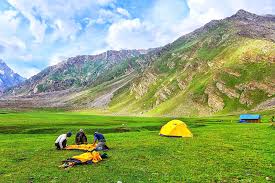
For adventure enthusiasts, camping near Rangdum Monastery is a popular option. The area around the monastery offers several suitable camping spots with stunning views of the surrounding mountains and valleys. However, permission from the monastery authorities is required, and campers must follow strict environmental guidelines to minimize their impact. Carry your own camping gear, as rentals are not available in the area.
Homestays
The small village of Rangdum, located near the monastery, offers a few homestay options. Staying with local families provides an authentic cultural experience and a chance to learn about the traditional lifestyle of the Zanskar region. Facilities are basic, but the warmth and hospitality of the hosts more than compensate for the lack of luxury.
Facilities Available
It's important to note that accommodation options in Rangdum are extremely limited. Facilities are basic, with no luxury options available. Electricity is available for limited hours, usually in the evening. Hot water is not guaranteed, and internet connectivity is virtually non-existent. Food options are limited to local Ladakhi cuisine, primarily vegetarian dishes. It's advisable to carry cash, as there are no ATMs or card payment facilities in the area.
| Accommodation Type | Facilities | Booking | Cost Range |
|---|---|---|---|
| Monastery Guest House | Basic rooms, meals available | On arrival | ₹500-₹800/night |
| Homestays | Basic amenities, local food | On arrival | ₹600-₹1,000/night |
| Camping | Own equipment required | Permission needed | Minimal |
Best Time to Visit
Summer (June - September)
The summer months from June to September constitute the ideal season to visit Rangdum Monastery. During this period, the roads are accessible, weather is pleasant, and temperatures range from 15°C to 25°C during the day. July and August are particularly popular, as the skies are clear, offering excellent visibility and photography opportunities. The monastery remains active during these months, and you may witness religious ceremonies or festivals.
Monsoon Considerations
While the region receives minimal rainfall, the monsoon season (July to August) can bring occasional showers that increase the risk of landslides, making road journeys challenging. If traveling during this period, stay updated on weather conditions and road status, and allow extra time for your journey.
Autumn (October)
October offers good weather conditions, though temperatures start dropping, especially at night. Daytime temperatures range from 10°C to 20°C, while nighttime temperatures can fall below freezing. The clear skies and autumn colors create a beautiful backdrop for photography. However, be prepared for cold weather and the possibility of early snowfall at higher altitudes.
Winter (November - May)
Winter is not recommended for visiting Rangdum Monastery. Heavy snowfall blocks all roads, making the region completely inaccessible. Temperatures plummet to -20°C or lower, and the monastery remains cut off from the outside world. Even if you could reach the area, facilities would be non-existent, and extreme weather conditions make it dangerous for unprepared travelers.
| Season | Months | Temperature | Accessibility | Recommendation |
|---|---|---|---|---|
| Summer | June - September | 15°C - 25°C | Fully accessible | Best time |
| Autumn | October | 10°C - 20°C | Accessible | Good |
| Winter | November - May | -20°C - 5°C | Inaccessible | Not recommended |
Nearby Attractions
Suru Valley
The stunning Suru Valley, through which you pass to reach Rangdum, is an attraction in itself. With its lush green meadows, pristine glaciers, and picturesque villages, the valley offers excellent photography opportunities and trekking routes. The valley is home to the spectacular Nun-Kun mountain peaks, which dominate the skyline and attract mountaineers from around the world.
Drang-Drung Glacier
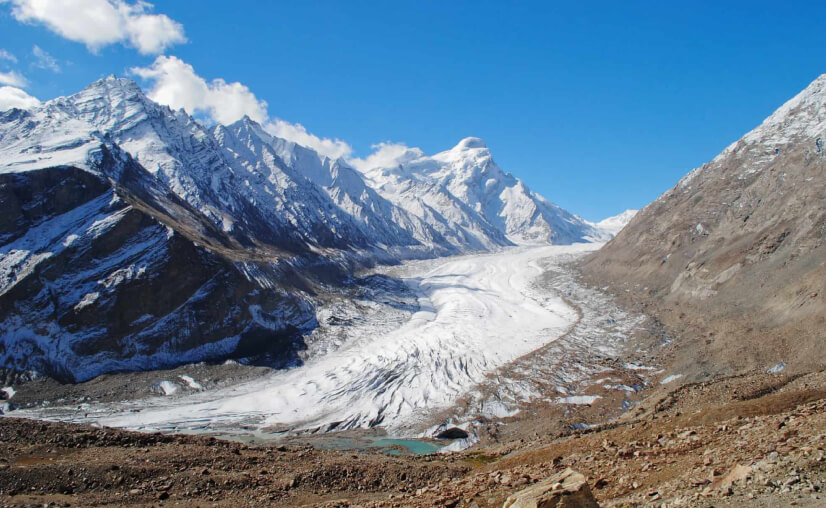
En route from Kargil to Rangdum, you'll encounter the magnificent Drang-Drung Glacier, one of the largest glaciers in Ladakh. The glacier, visible from the road, is a breathtaking sight with its vast expanse of ice and snow. This is a popular stop for photographs and a reminder of the region's glacial heritage.
Pensi La Pass
Located at an altitude of 4,400 meters, Pensi La Pass serves as the gateway to Zanskar Valley. The pass offers panoramic views of the surrounding mountains and glaciers. On a clear day, you can see the Drang-Drung Glacier in all its glory. The pass is also a popular spot for wildlife sightings, including Himalayan marmots and occasionally snow leopards.
For more information on adventure activities in the Zanskar region, you may want to explore our detailed guide on Zanskar Valley activities, which covers trekking, river rafting, and other exciting experiences in this pristine region.
Padum
Padum, the administrative center of Zanskar, is approximately 130 kilometers from Rangdum. This small town serves as a base for exploring the Zanskar Valley and offers additional accommodation options, restaurants, and facilities. Padum is home to several ancient monasteries, including Karsha Monastery (the largest in Zanskar) and Stongdey Monastery (the second largest), both worth visiting for their spiritual significance and architectural beauty.
Zanskar River
The mighty Zanskar River flows through the region, offering spectacular views and adventure opportunities. During summer, the river is popular for rafting expeditions. In winter, the frozen river forms the famous Chadar Trek, one of the most challenging and unique trekking experiences in the world.
Wildlife
The region around Rangdum is home to diverse Himalayan wildlife. Keep an eye out for Himalayan marmots, blue sheep (bharal), Himalayan wolves, and if you're fortunate, the elusive snow leopard. Birdwatchers can spot various species including the golden eagle, lammergeier, and Tibetan snowcock.
Nomadic Settlements
The area is inhabited by nomadic Changpa herders who move with their livestock (yaks, sheep, and goats) in search of pasture. Encountering these nomadic camps offers a fascinating insight into a traditional way of life that has remained unchanged for centuries.
If you're planning a comprehensive trip to this region, our guide on places to visit in Kargil provides valuable information on other attractions in the area, helping you plan a complete itinerary for your Ladakh-Zanskar journey.
Travel Tips & Preparation
Acclimatization
Given the high altitude (3,657 meters), acclimatization is crucial to prevent acute mountain sickness. Spend at least one night in Kargil (2,700 meters) before proceeding to Rangdum. Drink plenty of water, avoid alcohol and smoking, and take it easy for the first 24 hours. If you experience symptoms of altitude sickness (headache, nausea, dizziness), descend to a lower altitude immediately and seek medical help if symptoms persist.
Fitness Level
While visiting the monastery itself doesn't require extensive trekking, the journey involves long hours on rough roads at high altitude. A reasonable level of fitness will help you cope with the physical demands of the journey. If you plan to explore the surrounding area or go trekking, better fitness levels are required.
Permits
Indian nationals do not require special permits to visit Rangdum Monastery. However, foreign nationals need to obtain a Protected Area Permit (PAP) for the Zanskar region. These permits can be obtained in Leh or Kargil and typically require a minimum of three days to process. Carry multiple copies of your permit, as they may be checked at various checkpoints.
Packing List
- Warm Clothing: Temperature can drop significantly, even in summer. Carry thermal wear, fleece jackets, woolen caps, gloves, and a windproof jacket.
- Medications: Carry a basic first-aid kit, altitude sickness medication ( Diamox), pain relievers, and any personal medications.
- Food Supplies: Carry snacks, energy bars, and dry fruits. Options for purchasing food en route are extremely limited.
- Cash: There are no ATMs in Rangdum. Carry sufficient cash for your entire stay and emergencies.
- Power Banks: Electricity is limited. Carry fully charged power banks to keep your devices running.
- Sun Protection: At high altitudes, UV radiation is intense. Carry sunglasses, sunscreen, and a wide-brimmed hat.
- Lip Balm & Moisturizer: The dry air can cause chapped lips and dry skin.
- Torch/Flashlight: Power cuts are common. A reliable torch is essential.
Vehicle Preparation
If you're self-driving, ensure your vehicle is in excellent condition. Carry a spare tire, jack, basic tools, and extra fuel, as there are no fuel stations after Kargil. The rough roads can be demanding on vehicles, so a sturdy SUV with good ground clearance is recommended. Consider hiring a local driver familiar with the road conditions.
Communication
Mobile connectivity is extremely limited, with only BSNL having occasional coverage. Do not rely on your phone for navigation or communication. Inform someone about your travel plans and expected return. Consider carrying a satellite phone if you need reliable communication.
Medical Facilities
Medical facilities in the region are virtually non-existent. The nearest hospital is in Kargil, over 100 kilometers away. Carry a comprehensive medical kit and know how to use it. If you have pre-existing medical conditions, consult your doctor before planning this trip.
Travel Insurance
Given the remote location and limited facilities, travel insurance that covers medical evacuation is strongly recommended. Ensure your policy covers high-altitude travel and adventure activities if you plan to trek or engage in other adventure sports.
Local Customs
Respect local customs and traditions. Always walk clockwise around stupas and prayer wheels. Dress modestly, covering your shoulders and knees when visiting the monastery. Ask for permission before photographing people or religious ceremonies. Do not touch religious artifacts or statues without permission. Maintain silence in prayer halls.
Environmental Responsibility
The pristine environment of Rangdum is fragile. Practice "Leave No Trace" principles. Do not litter—carry all your waste back with you. Avoid using plastic bags and bottles. Respect wildlife and maintain a safe distance. Use established camping sites to minimize impact on the ecosystem. Conserve water, as it's a precious resource in this high-altitude desert.
For adventure enthusiasts planning to explore Ladakh extensively, our guide on the Leh to Kargil bike trip offers valuable insights and preparation tips for this adventurous journey through some of the most spectacular landscapes in the Himalayas.
Conclusion
Rangdum Monastery offers more than just a tourist destination—it provides a transformative experience that combines spiritual enrichment, adventure, and cultural immersion. The journey to this remote sanctuary is challenging, but the rewards are immeasurable: stunning landscapes, ancient Buddhist traditions, warm hospitality, and a profound sense of peace that's increasingly rare in our modern world.
Whether you're seeking spiritual solace, adventure, or simply an escape from the ordinary, Rangdum Monastery delivers an experience that will stay with you long after you've returned home. The isolation that once made this monastery difficult to access is now its greatest asset, preserving an authentic way of life and offering travelers a genuine connection to Ladakh's rich cultural heritage.
As you plan your journey to Rangdum, remember that the destination is as much about the journey itself—the winding roads, mountain passes, pristine valleys, and the warmth of the people who call this remote region home. Prepare well, travel responsibly, and open yourself to the magic of Rangdum Monastery, where the mountains meet the sky and spirituality finds its purest expression. Consider extending the trip to the Kargil War Memorial for a route that blends spiritual and historical significance.
Location
Frequently Asked Questions
Q1.Where is Rangdum Monastery located?
Q2.How to reach Rangdum Monastery?
Q3.Is there accommodation at Rangdum Monastery?
Q4.What is the best time to visit Rangdum?
Q5.How long does it take to reach Rangdum from Kargil?
Q6.Is Rangdum Monastery open in winter?
Q7.Do we need permits for Rangdum Monastery?
Q8.Are there food facilities at Rangdum?
Q9.What is the altitude of Rangdum Monastery?
Q10.What are the nearby attractions to Rangdum Monastery?
Recommended For You
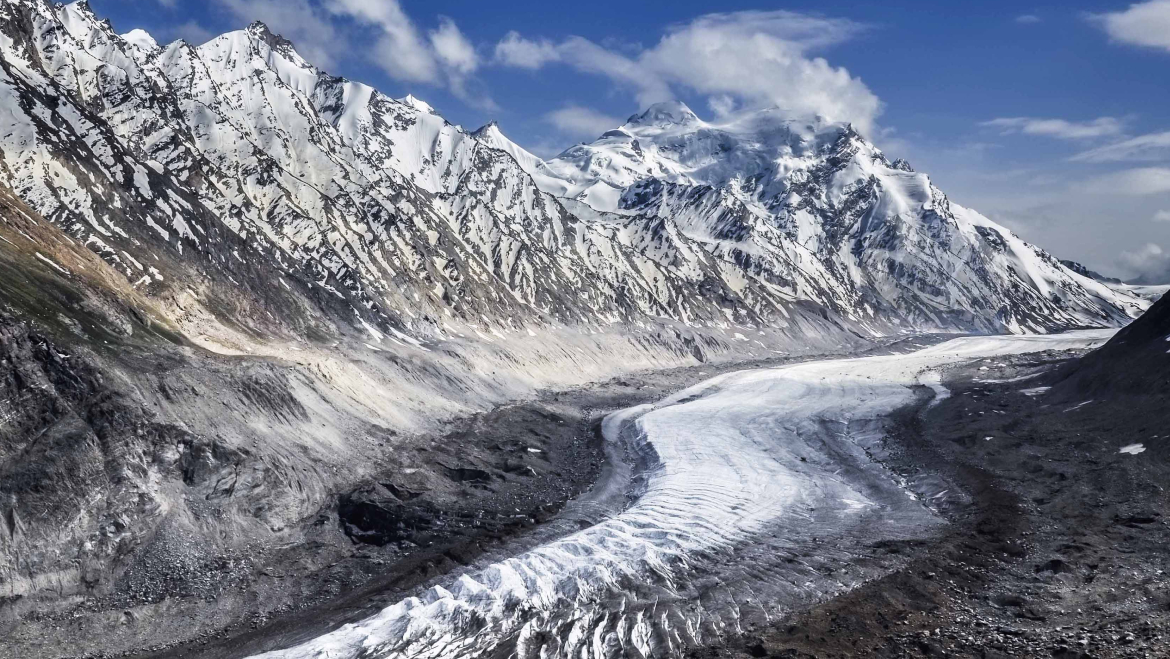
Drang Drung Glacier in Ladakh: Complete Travel Guide 2026
Discover Drang Drung Glacier in Ladakh - India's largest accessible glacier. Complete guide with trekking routes, best time to visit, how to reach, and stunning photography tips.
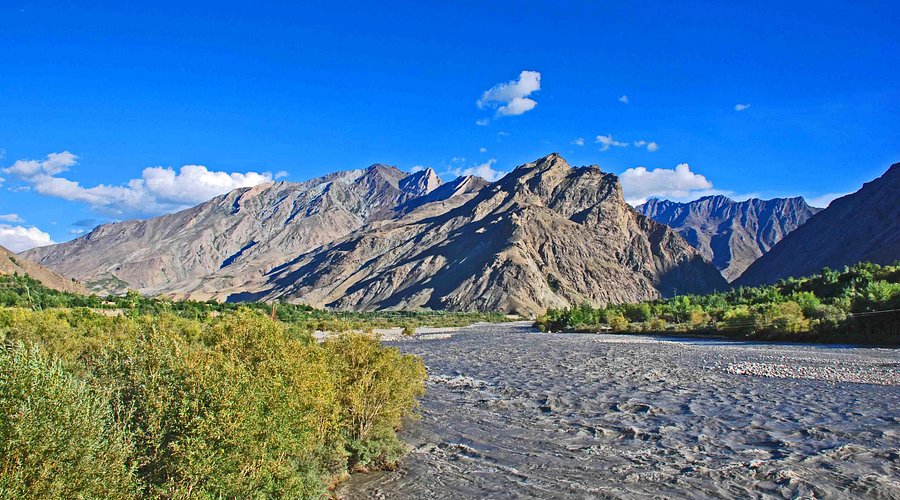
Suru Valley Ladakh: Route, Villages, Peaks & Travel Tips
Discover the pristine Suru Valley in Kargil, Ladakh. Explore monasteries, witness Nun-Kun peaks, experience traditional culture, and find trekking adventures in this fertile Himalayan valley.
Monasteries in Ladakh: Routes, Etiquette and Top Gompas
Explore monasteries in Ladakh with practical route planning, key gompa highlights, and respectful visitor etiquette.
Never Miss an Adventure
Get the latest trekking guides, travel tips, and exclusive offers delivered straight to your inbox.
