
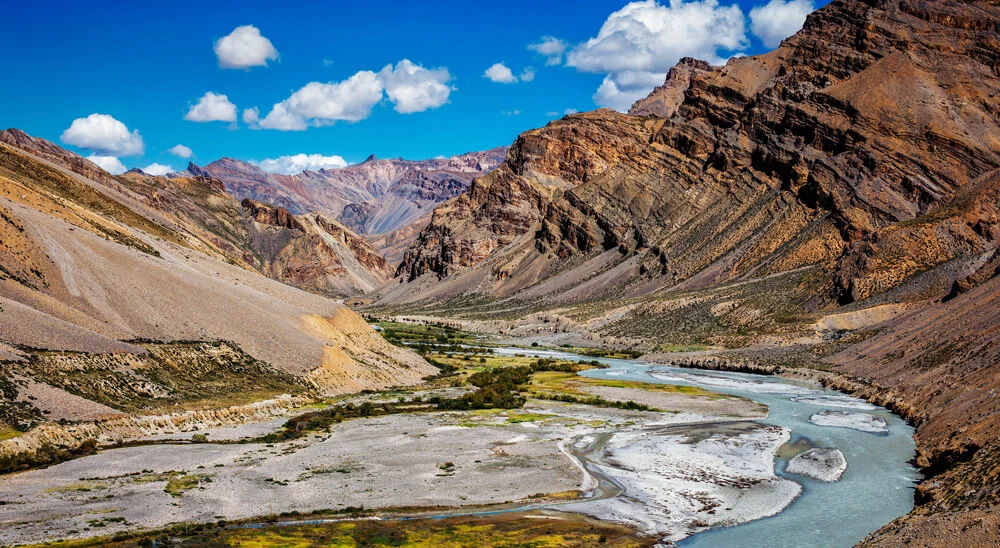
Zanskar Valley Activities: Trekking, Rafting & Adventure Highlights
Rohan Malhotra
January 20, 2026
Discover thrilling Zanskar Valley activities including the legendary Chadar Trek, river rafting, high-altitude trekking, monastery exploration, and wildlife spotting. Complete adventure guide with best time to visit, preparation tips, and practical information.
Nestled deep in the heart of Ladakh, Zanskar Valley stands as one of the last remaining frontiers of true Himalayan adventure. Often called the "Land of White Copper," this remote valley offers experiences that challenge even the most seasoned adventurers. From walking on frozen rivers to navigating raging rapids through spectacular gorges, Zanskar Valley activities provide the perfect blend of thrill and natural beauty that adventure seekers dream about.
What makes Zanskar truly special is its dramatic transformation with seasons. In summer, the valley comes alive with trekking trails, river rafting expeditions, and motorcycle tours through some of the most stunning landscapes in the Himalayas. In winter, the entire region transforms into a frozen wilderness accessible only via the legendary Chadar Trek—a journey that has achieved almost mythical status among adventure enthusiasts worldwide.
This comprehensive guide covers all the thrilling Zanskar Valley activities you can experience, along with essential information on the best time to visit, preparation requirements, and practical tips to make your adventure safe and memorable.
Top Adventure Activities in Zanskar Valley
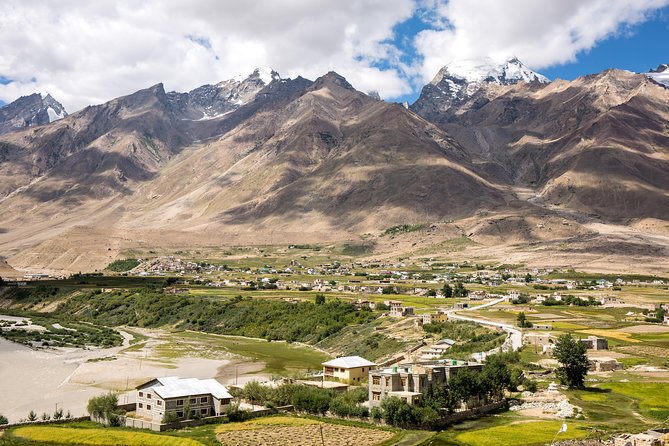
Zanskar Valley offers a diverse range of adventure activities that cater to different skill levels and interests. Whether you're an experienced trekker looking for extreme challenges or someone seeking cultural immersion in pristine Himalayan settings, Zanskar has something extraordinary to offer. Let's explore the top activities that make this valley a must-visit destination for adventure travelers.
| Activity | Best Season | Duration | Difficulty |
|---|---|---|---|
| Chadar Trek | January-February | 6-9 days | Extreme |
| River Rafting | July-August | 3-5 days | Challenging |
| High-Altitude Trekking | July-September | 5-12 days | Moderate to Challenging |
| Monastery Exploration | June-October | 2-5 days | Easy to Moderate |
| Motorcycle Tours | July-September | 7-10 days | Moderate |
| Wildlife Spotting | Winter & Summer | 5-7 days | Moderate |
1. Chadar Trek - The Frozen River Expedition
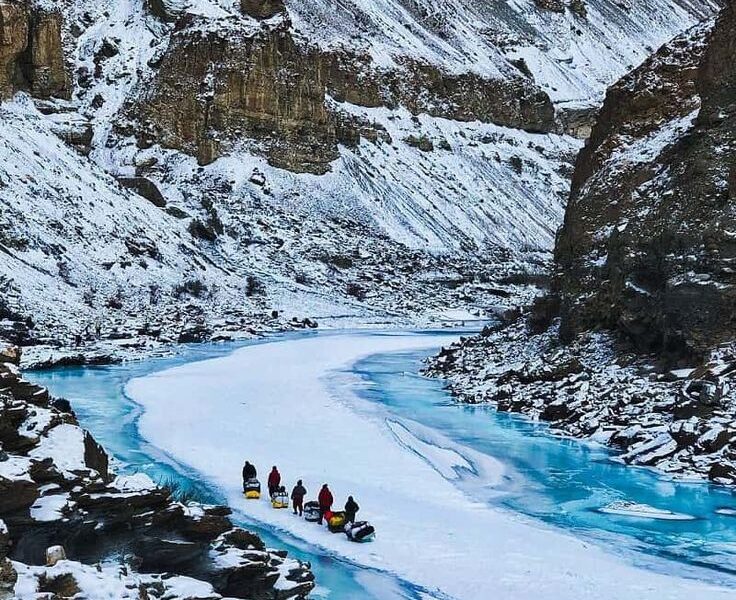
The Chadar Trek is undoubtedly the most famous of all Zanskar Valley activities and arguably one of the most unique trekking experiences on Earth. Each winter, when temperatures plummet to -30°C, the Zanskar River freezes into a sheet of ice several feet thick, creating a natural highway through deep gorges that are otherwise inaccessible.
Experience Highlights:
- Ice Trekking: Walk on a frozen river that's been used by locals for centuries as a winter route when mountain passes are blocked by snow
- Spectacular Ice Formations: Witness frozen waterfalls, ice caves, and bizarre ice sculptures created by the freezing river
- Cave Camping: Sleep in natural caves along the river that have served as shelters for generations of Zanskari people
- Remote Wilderness: Experience complete isolation with no habitation, no roads, and no modern facilities
- Cultural Immersion: Meet local porters and learn about traditional winter survival techniques
Route & Duration:
The trek typically starts from Chilling (near Leh) and follows the frozen Zanskar River to Nerak and beyond, covering approximately 105 km over 6-9 days. The route passes through dramatic gorges with walls rising thousands of feet on both sides, creating a corridor of ice that feels almost otherworldly.
Preparation Requirements:
- Physical Fitness: Excellent cardiovascular fitness required. Training should include long-distance walking and cold conditioning
- Specialized Gear: -20°C sleeping bag, insulated boots with good grip, multiple thermal layers, windproof jacket, gloves, and goggles
- Acclimatization: Spend at least 2-3 days in Leh before starting the trek to adapt to high altitude
- Professional Guide: Mandatory. The route can be dangerous as ice conditions change daily
- Mental Preparation: Be prepared for extreme discomfort and challenging conditions
Best Time: January to mid-February when the ice is most stable. Late February can be risky as the ice begins to thin.
2. River Rafting on the Zanskar River
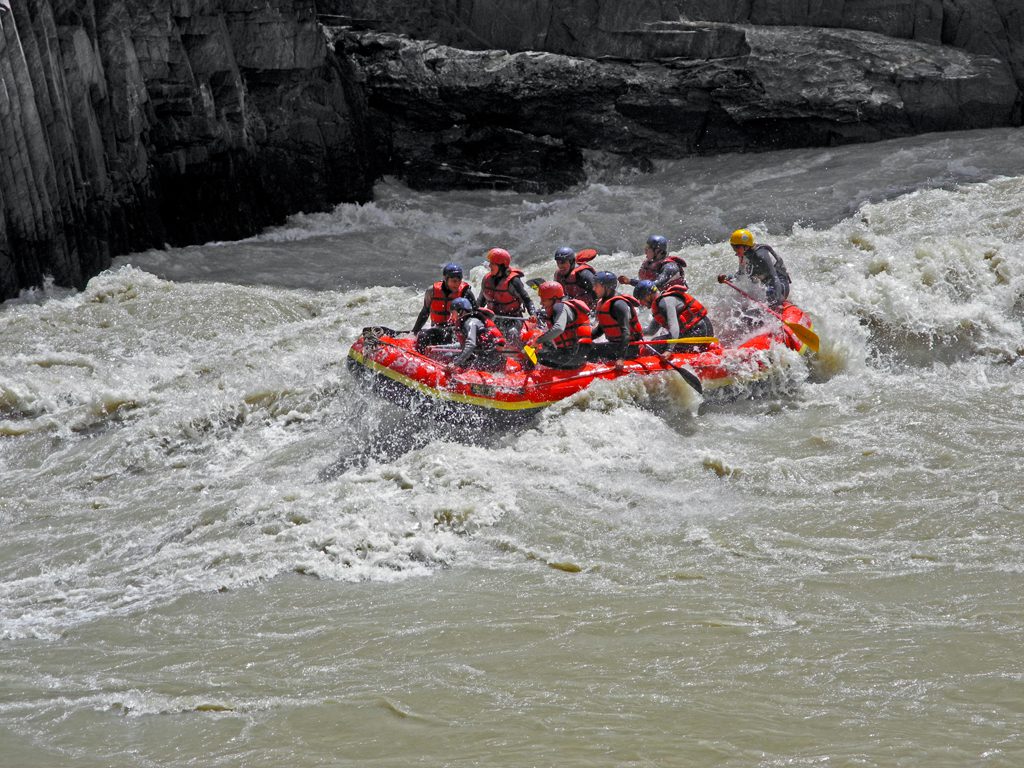
When the ice melts and summer arrives, the Zanskar River transforms from a frozen highway into one of India's most exhilarating rafting destinations. The river rafting expedition in Zanskar is a multi-day adventure that takes you through spectacular gorges with walls rising thousands of feet, creating a truly immersive wilderness experience.
The Experience:
The rafting route typically starts from Padum and follows the Zanskar River to its confluence with the Indus River at Nimoo, covering approximately 100 km over 3-5 days. This journey takes you through the legendary Zanskar Gorge—a canyon so deep and narrow that sunlight barely reaches the river floor in some sections.
Rapid Grades:
The Zanskar River features rapids ranging from Grade III to Grade IV, making it suitable for experienced rafters and adventurous beginners. The rapids are thrilling but manageable, with names like "Zebra Rock," "Confluence," and "Widow Maker" adding to the excitement.
Key Highlights:
- Scenic Gorges: Navigate through the spectacular Zanskar Gorge with towering cliff walls
- Remote Camping: Camp on sandy river beaches in complete wilderness
- Village Stops: Visit remote Zanskari villages accessible only by river
- Wildlife: Spot Himalayan birds, golden eagles, and if lucky, snow leopard tracks along the river
- Cultural Experience: Interact with local villagers who rarely see outsiders
Preparation & Safety:
- Swimming Skills: Basic swimming ability is essential
- Physical Fitness: Good upper body strength and core stability help with rafting
- Professional Guides: Always raft with registered operators providing experienced guides and safety equipment
- Right Gear: Wetsuits, helmets, life jackets, and proper footwear are mandatory
- Best Time: July and August when water levels are optimal for rafting
3. High-Altitude Trekking Expeditions
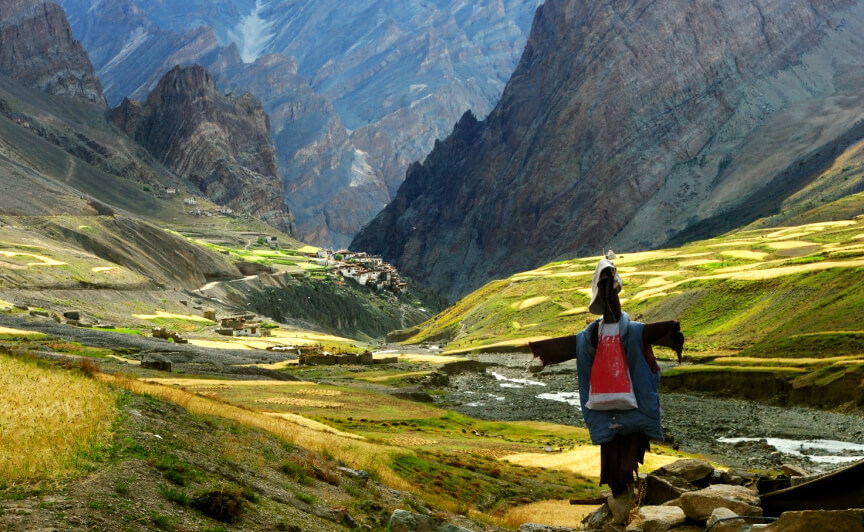
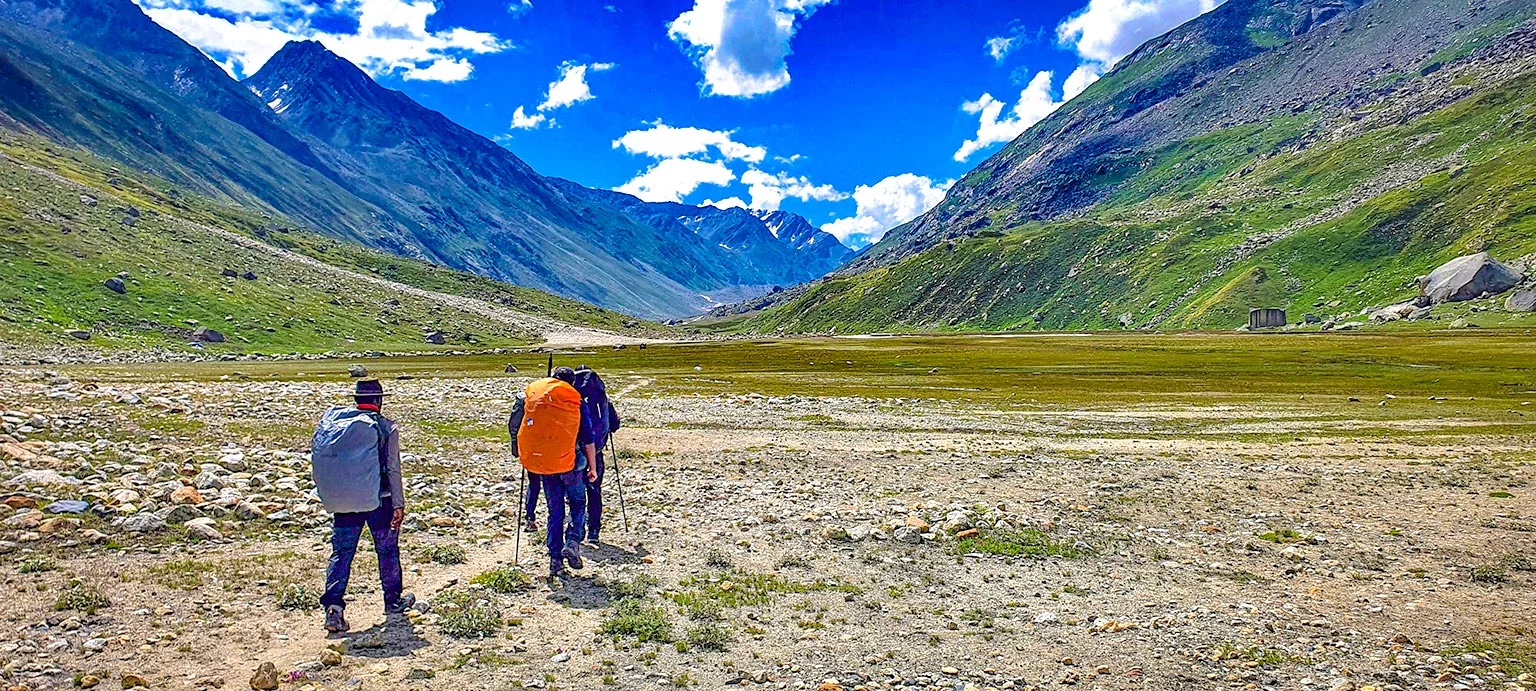
Beyond the famous Chadar Trek, Zanskar Valley offers numerous other trekking routes that showcase the region's diverse landscapes and ancient culture. These summer treks take you over high mountain passes, through remote villages, past ancient monasteries, and into some of the most pristine wilderness areas in the Himalayas.
Popular Trekking Routes:
Zanskar Valley to Lamayuru Trek (10-12 days):
This is perhaps the most popular trek in Zanskar, connecting the valley to Ladakh's famous Lamayuru Monastery. The route crosses several high passes, including the Singge La (5,100 meters) and Sirsky La, offering spectacular views of the Zanskar and Indus river valleys. Along the way, you'll visit remote villages and ancient monasteries that see very few tourists.
Phugtal Monastery Round Trek (4-5 days):
A circular route from Padum visiting the spectacular Phugtal Monastery—built into a cliffside cave above the Tsarap River. This moderate trek offers an intimate experience of Zanskari village life and the opportunity to visit monasteries that receive very few visitors. The return journey follows a different route through remote villages.
Pensi La Pass Trek (3-4 days):
A shorter but spectacular trek crossing the Pensi La Pass (4,400 meters) between the Suru Valley and Zanskar. This trek offers stunning views of the Drang Drung Glacier and is an excellent option for those with limited time who still want to experience high-altitude trekking in Zanskar.
Trekking Essentials:
- Best Season: July to September when passes are snow-free
- Fitness Level: Good cardiovascular fitness and endurance required
- Acclimatization: Essential. Spend 2-3 days in Leh or Kargil before starting
- Equipment: Quality trekking boots, backpack, sleeping bag (-10°C comfort rating), and layered clothing
- Guide & Porter: Highly recommended for navigation and carrying supplies
4. Monastery Exploration & Cultural Tours
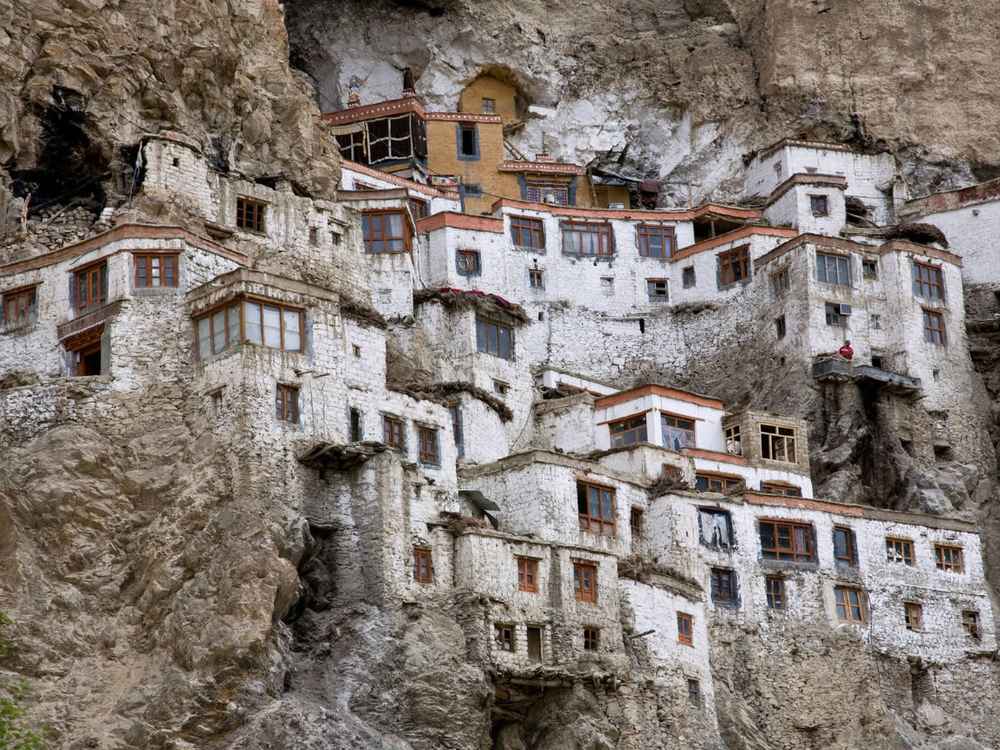
For those seeking a more relaxed but equally enriching experience, exploring Zanskar's ancient monasteries provides deep insight into Tibetan Buddhist culture and the region's spiritual heritage. These monasteries (gompas) are not just religious sites but living institutions where monks continue centuries-old traditions of prayer, meditation, and learning.
Key Monasteries to Visit:
Karsha Monastery:
The largest monastery in Zanskar, Karsha Gompa is home to around 100 monks and dates back to the 10th century. Perched dramatically on a cliff overlooking the Padum Valley, the monastery offers spectacular views and houses ancient murals, statues, and religious texts. The annual Karsha festival in July features colorful masked dances performed by monks.
Phugtal Monastery:
Perhaps the most spectacularly located monastery in all of Ladakh, Phugtal is built into a cliffside cave above the Tsarap River. The monastery appears to grow organically from the rock face, creating one of the most photographed religious sites in the Himalayas. Reaching Phugtal requires a scenic hike through the gorge, adding to the sense of pilgrimage.
Zangla Monastery:
Located in the remote Zangla region, this small but active monastery is adjacent to the ruins of the 17th-century Zangla Palace, former residence of the Zanskar royal family. The journey to Zangla takes you through spectacular gorges and offers glimpses of traditional Zanskari village life.
Stongdey Monastery:
The second-largest monastery in Zanskar after Karsha, Stongdey is perched on a ridge overlooking the valley. Founded in the 11th century, the monastery belongs to the Gelugpa school and houses around 60 monks. The climb from the road to the monastery is steep but rewarding, with excellent views of the surrounding valleys.
Visiting Tips:
- Dress Modestly: Cover shoulders and knees. Remove shoes before entering temples
- Maintain Silence: Monasteries are places of worship. Speak quietly and avoid disruptive behavior
- Ask Permission: Always ask before taking photographs, especially of monks or religious ceremonies
- Respect Traditions: Walk around stupas and religious objects clockwise
- Contribute: Small donations help maintain these ancient institutions
- Timing: Visit during opening hours (usually morning and late afternoon)
5. Motorcycle Tours & Road Trips
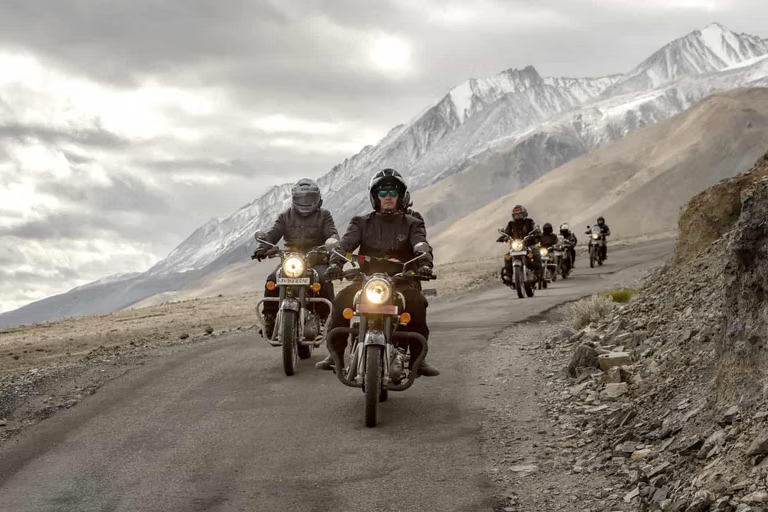
For those who prefer two wheels to walking, the journey to Zanskar Valley by motorcycle offers an adventure that's as thrilling as any trek. The roads to Zanskar are challenging—narrow, unpaved in sections, and crossing high mountain passes—but the spectacular scenery and sense of accomplishment make every kilometer worthwhile.
The Route:
The most common motorcycle route to Zanskar starts from Leh or Srinagar, passes through Kargil, and continues to Padum via the Suru Valley. The journey covers approximately 450 km and requires 2-3 days, with an overnight stop in Kargil. The road crosses several high passes, including the Fotu La (4,108 meters) from the Leh side and the Pensila Pass (4,400 meters) at the gateway to Zanskar.
Ride Highlights:
- Suru Valley: One of the most scenic drives in Ladakh, with the Suru River, green villages, and the dramatic Nun-Kun massif as backdrop
- Pensi La Pass: At 4,400 meters, this pass offers spectacular views of the Drang Drung Glacier
- Remote Villages: Pass through traditional Zanskari villages where life has changed little in centuries
- Freedom to Explore: Having your own vehicle allows you to visit remote monasteries and viewpoints at your own pace
Motorcycle Tour Essentials:
- Best Time: July to September when roads are clear of snow
- Vehicle: Royal Enfield or similar robust motorcycle recommended. Rent in Leh or Srinagar
- Experience: Previous experience riding in mountains and on unpaved roads helpful
- Safety Gear: Helmet, jacket, gloves, and knee guards mandatory
- Spares & Tools: Carry essential spares and know basic repairs—facilities are limited
- Acclimatization: Spend 2-3 days in Leh before starting the ride to avoid altitude sickness
6. Wildlife Spotting & Snow Leopard Expeditions
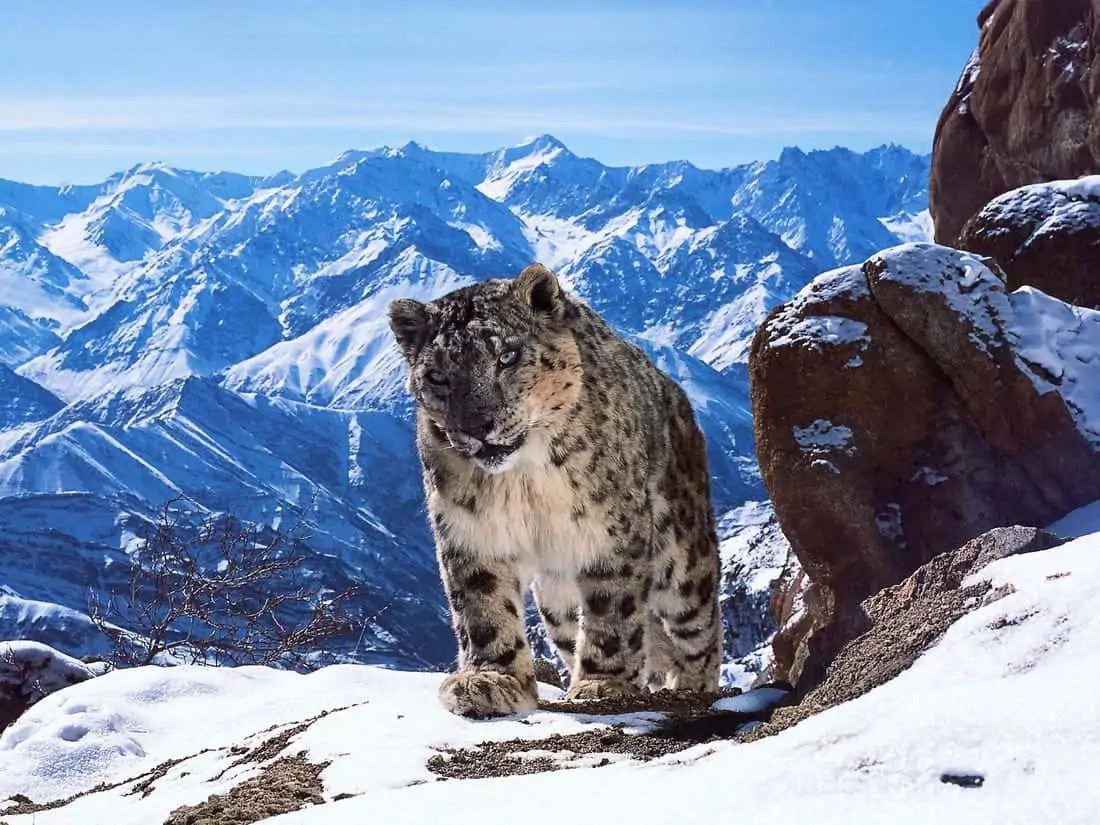
Zanskar Valley is home to some of the Himalayas' most elusive and endangered wildlife. While wildlife sightings are never guaranteed, Zanskar's remote valleys and protected areas offer some of the best opportunities in India to spot species like the snow leopard, Himalayan wolf, and urial (wild sheep).
Winter Wildlife Tracking (January-February):
Winter is actually the best time for wildlife spotting in Zanskar, particularly for snow leopards. When the mountains are covered in snow, these elusive cats descend to lower altitudes to follow their prey. Local guides and trackers can take you to areas where snow leopards have been recently spotted. The Hemis National Park adjacent to Zanskar is one of the best places in the world for snow leopard sightings.
Summer Wildlife (July-September):
In summer, while snow leopards move to higher, inaccessible areas, you can spot other Himalayan wildlife including Himalayan marmots, blue sheep (bharal), urial, golden eagles, and lammergeiers (bearded vultures). The Zanskar Valley's wetlands and rivers are also home to various migratory bird species during the summer months.
Wildlife Expedition Tips:
- Hire Expert Guides: Local guides know the terrain and animal behavior patterns
- Patience is Key: Wildlife spotting requires hours of patient waiting and watching
- Best Equipment: Bring binoculars and camera with telephoto lens
- Respect Wildlife: Maintain distance, never feed animals, and follow ethical wildlife viewing practices
- Contribute to Conservation: Choose tour operators who support local conservation efforts
7. Mountain Biking & Cycling Expeditions
For the ultimate challenge, consider mountain biking to Zanskar. This is an extreme activity recommended only for experienced mountain bikers with excellent fitness. The route from Kargil to Padum involves challenging terrain with steep climbs, technical descents, river crossings, and high-altitude passes. However, for those up to the challenge, the sense of accomplishment and the intimate connection with the landscape is unmatched.
Key Considerations:
- Fitness: Excellent cardiovascular fitness required
- Equipment: Bring your own mountain bike or rent in Leh. Ensure it's in excellent condition
- Support: Consider hiring a support vehicle to carry gear and supplies
- Season: July to August when roads are in best condition
- Altitude: Be extremely cautious of altitude sickness. Acclimatize properly before starting
Best Time for Different Activities in Zanskar
Zanskar Valley activities vary dramatically by season, with different adventures available in summer versus winter. Understanding when to visit for specific activities will help you plan your expedition effectively.
| Season | Best For | Activities | Weather |
|---|---|---|---|
| Summer (July-September) |
Rafting, Trekking, Road Trips | River rafting, monastery visits, trekking, motorcycle tours, wildlife spotting | 15-25°C day, 0-10°C night |
| Winter (January-February) |
Chadar Trek, Snow Leopard Tracking | Frozen river trek, wildlife tracking, photography | -5 to -15°C day, -30°C night |
| Spring (March-May) |
Not recommended | Roads closed, valley inaccessible | Variable |
| Autumn (October-November) |
Photography | Photography, short cultural visits | 5-15°C day, -5 to 5°C night |
Summer Season (June - September)
Summer is the prime season for most Zanskar Valley activities. The road from Kargil opens in early July, providing access to the valley. The weather is pleasant during the day (15-25°C) but temperatures drop sharply at night (0-10°C). This is the best time for river rafting, trekking, motorcycle tours, and monastery exploration.
- July: Road opens, valley lush and green, wildflowers in bloom
- August: Peak season, stable weather, best for all activities
- September: Cooler, golden autumn landscapes, fewer tourists
Winter Season (January - February)
Winter in Zanskar is extreme and only suitable for the Chadar Trek and snow leopard tracking. Temperatures drop to -30°C at night, and the valley is completely cut off by road. Access is only possible via the frozen Zanskar River. This is a challenging season suitable only for experienced adventurers with proper gear and guides.
How to Reach Zanskar Valley
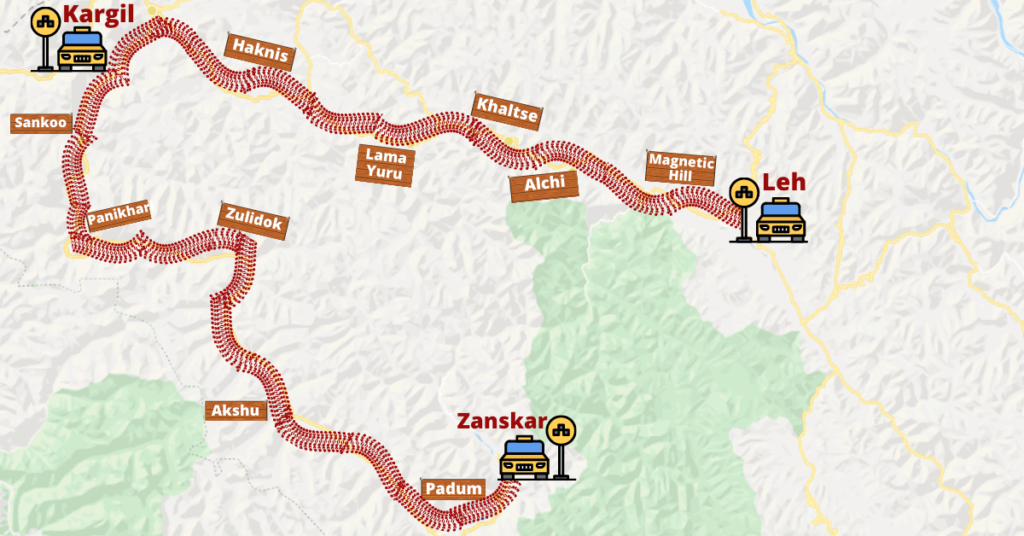
Getting to Zanskar Valley is part of the adventure, with the journey itself being as spectacular as the destination. The remote location means reaching Zanskar requires careful planning and time.
By Road (Summer Only - July to September)
Route 1: Srinagar → Kargil → Padum (Most Common)
- Srinagar to Kargil: 204 km via Sonamarg and Zojila Pass (6-7 hours)
- Kargil to Padum: 240 km via Suru Valley (10-12 hours)
- Total: 444 km, 2-day journey recommended with overnight stay in Kargil
Route 2: Leh → Kargil → Padum
- Leh to Kargil: 217 km via Fotu La Pass (5-6 hours)
- Kargil to Padum: 240 km (10-12 hours)
- Total: 457 km, 2-day journey recommended
The Kargil-Padum road is challenging but spectacular, crossing the Pensila Pass (4,400 meters) and following the Suru River through stunning landscapes. The road is unpaved in sections and can be rough, but the scenery makes every kilometer worthwhile.
By Air
The nearest airports are Srinagar (SXR) and Leh (IXL), both requiring a 2-day road journey to reach Zanskar. Fly to either city, then travel by road to Kargil and onward to Padum. There are no direct flights to Zanskar.
By Chadar Trek (Winter Only)
In winter, the only way to reach Zanskar is via the Chadar Trek—a 7-9 day expedition on the frozen Zanskar River from Chilling to Padum. This is an extreme journey requiring experienced guides, specialized gear, and thorough preparation.
Permits and Regulations
Understanding permit requirements is essential for planning your Zanskar Valley activities:
- Indian Nationals: No permit required for Zanskar Valley
- Foreign Nationals: Require Protected Area Permit (PAP) available in Leh or Kargil (₹500-700 per week)
- Ladakh Inner Line Permit: Required if visiting Pangong Lake or Nubra Valley
- PAP Documents Required: Passport, visa, passport-size photos
Travel Tips for Zanskar Valley Activities
To make the most of your Zanskar adventure and ensure a safe, enjoyable experience, keep these essential tips in mind:
Physical Preparation
- Fitness: High fitness level required for most activities. Start training at least 2-3 months before your trip
- Acclimatization: Essential. Spend 2-3 days in Leh or Kargil before proceeding to Zanskar
- Medical Checkup: Get a thorough medical checkup before attempting high-altitude activities
- Insurance: Adventure travel insurance covering high-altitude activities and emergency evacuation is essential
Packing Essentials
- Clothing: Layers are essential. Even in summer, nights drop below freezing
- Sun Protection: At high altitude, UV radiation is intense. Bring sunscreen (SPF 50+), sunglasses, and lip balm
- First Aid: Comprehensive first aid kit with medications for altitude sickness
- Power Bank: Electricity is limited and often available only in evenings
- Cash: No ATMs in Zanskar. Carry sufficient cash from Kargil or Leh
Safety Considerations
- Professional Guides: Highly recommended for all adventure activities, especially Chadar Trek and rafting
- Weather Awareness: Mountain weather changes rapidly. Check forecasts and be prepared for sudden changes
- Communication: Phone connectivity is extremely limited. Inform someone of your itinerary
- Emergency Plan: Know evacuation routes and have emergency contacts
- Respect Limits: Don't push beyond your abilities. The mountains will always be there another day
Conclusion
Zanskar Valley activities offer some of the most extraordinary adventure experiences in the Himalayas. From the surreal, otherworldly journey of the Chadar Trek to the thundering rapids of the Zanskar River, from ancient cliff-side monasteries to remote villages where time stands still—this valley delivers adventure in its purest, most authentic form.
What makes Zanskar truly special is not just the activities themselves but the complete immersion in pristine Himalayan wilderness and ancient Tibetan Buddhist culture. Here, you'll find no luxury resorts, no tourist crowds, no commercialization—just raw nature, challenging adventures, and genuine cultural experiences that are increasingly rare to find in our modern world.
Yes, visiting Zanskar requires effort. The journeys are long, the conditions are challenging, and the facilities are basic. But isn't that what makes adventure worthwhile? The most rewarding destinations are always the ones that demand something of us. And Zanskar rewards those who make the journey with experiences and memories that will last a lifetime.
Whether you're walking on a frozen river, rafting through spectacular gorges, exploring ancient monasteries, or simply soaking in the silence of the Himalayas, Zanskar Valley will touch something deep in your soul. The mountains are calling, the adventures await, and the pristine wilderness of Zanskar is ready to transform you.
So prepare well, respect the mountains, and set out to discover one of the last true frontiers of Himalayan adventure. The extraordinary experiences of Zanskar Valley are waiting for those brave enough to seek them.
If you want to extend your Ladakh plan, pair these with the Zanskar Valley travel guide and a Spiti Valley road trip comparison.
Location
Frequently Asked Questions
Q1.What are the best activities in Zanskar Valley?
Q2.What is the best time to visit Zanskar Valley?
Q3.How to reach Zanskar Valley?
Q4.How many days are needed for Zanskar Valley?
Q5.When is the Chadar Trek conducted?
Q6.Is river rafting available in Zanskar?
Q7.Is Zanskar Valley safe for tourists?
Q8.What permits are required for Zanskar?
Recommended For You
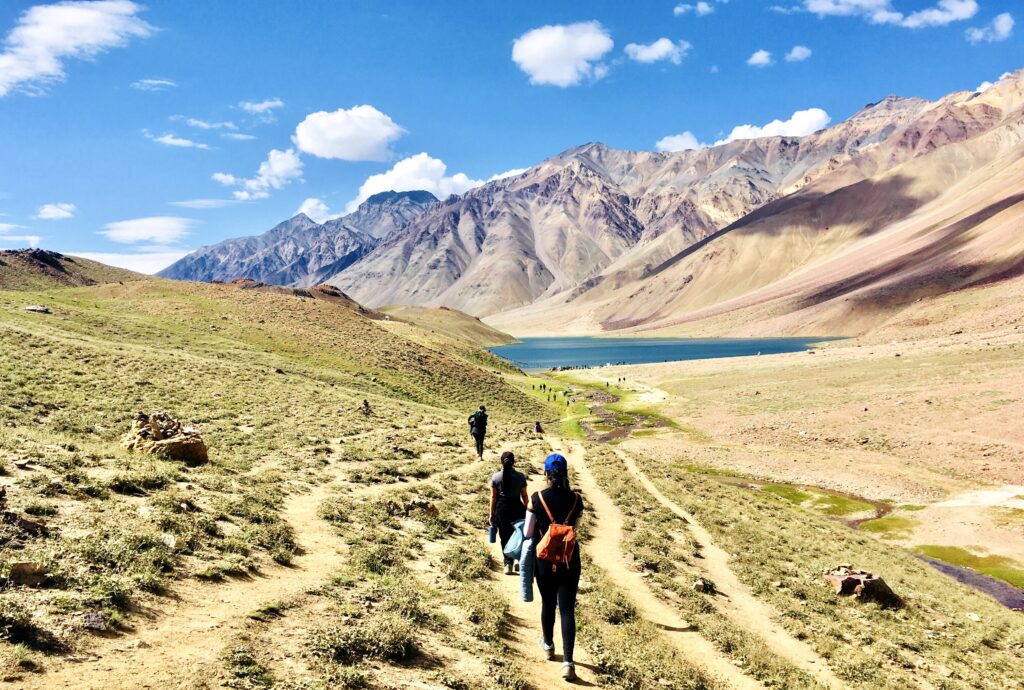
Chandratal Trek Spiti: Difficulty, Route and Itinerary
Plan Chandratal Trek in Spiti with route options, difficulty level, itinerary, packing list, camping rules, and altitude safety guidance for a reliable trip.
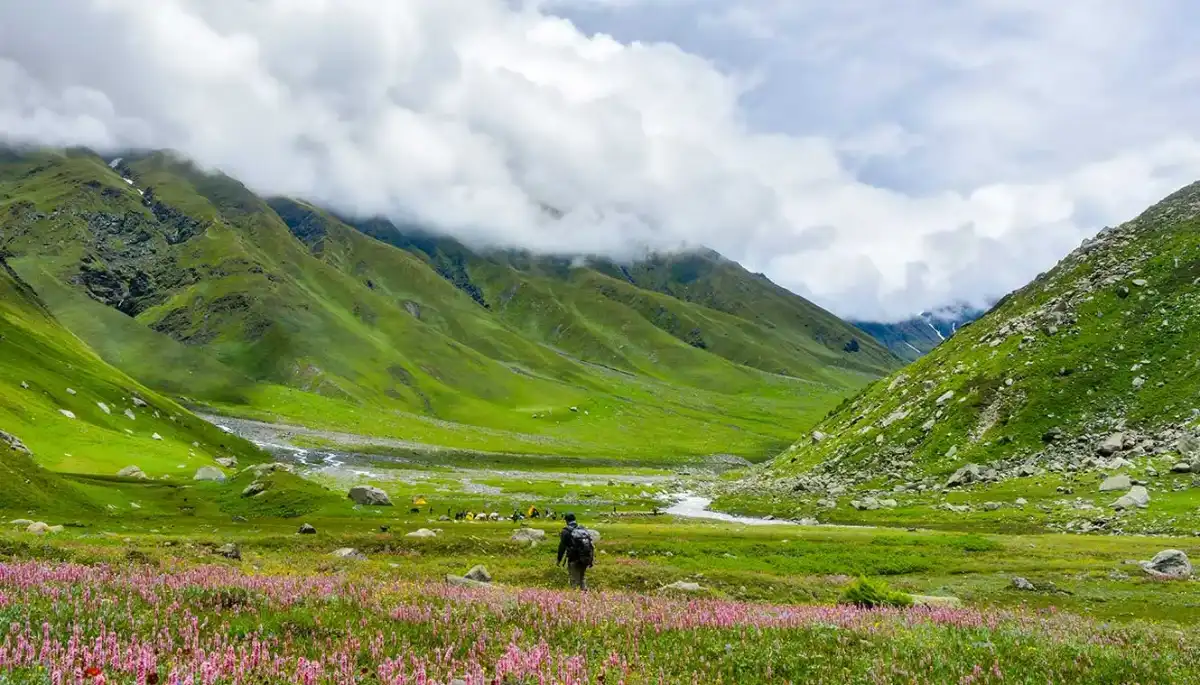
Pin Bhaba Pass Trek: Difficulty, Route & Best Season
Plan Pin Bhaba Pass Trek with difficulty breakdown, route strategy, acclimatization tips, and practical packing guidance.
Pin Parvati Pass Trek: Itinerary, Cost, and Safety Plan
Plan Pin Parvati Pass Trek with realistic itinerary design, cost components, and safety-first high-altitude preparation.
Never Miss an Adventure
Get the latest trekking guides, travel tips, and exclusive offers delivered straight to your inbox.
