
Elephant Falls Meghalaya: Complete Guide to Shillong's Iconic Waterfall

Rahul Garg
February 20, 2026
Visit Elephant Falls Meghalaya - Shillong's iconic 3-tiered waterfall. Complete guide to timings, entry fee, best time, how to reach & photography tips.
Introduction: Shillong's Most Famous Waterfall
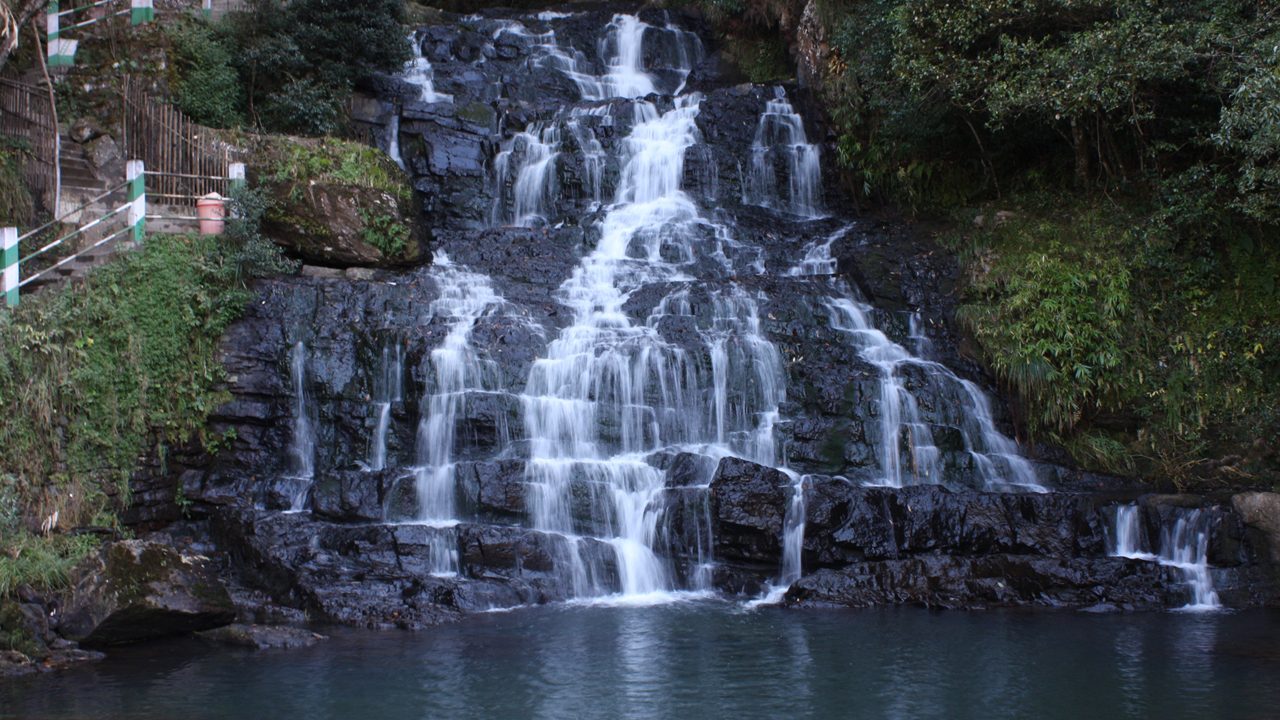
Elephant Falls stands as one of Meghalaya's most iconic and accessible waterfalls, located just 12 kilometers from Shillong, the capital city of the Abode of Clouds. Named after an elephant-shaped rock that once stood at its base (which was unfortunately destroyed in an 1897 earthquake), this magnificent three-tiered waterfall continues to captivate visitors with its natural beauty and unique character. The falls are known locally as "Ka Kshaid Lai Pateng Khohsiew" meaning "Three Steps Waterfall" in the Khasi language, perfectly describing its three distinct cascades.
What makes Elephant Falls particularly special is its combination of natural beauty and accessibility. Unlike many remote waterfalls in Meghalaya that require challenging treks through dense forests, Elephant Falls can be easily reached via well-constructed stone steps and viewing platforms. This makes it an ideal destination for families, elderly visitors, and anyone who wants to experience Meghalaya's stunning waterfall scenery without undertaking strenuous hikes. The falls are surrounded by lush greenery, creating a serene atmosphere that feels worlds away from the bustling city, despite its proximity to Shillong.
For travelers exploring waterfalls in Shillong, Elephant Falls is often the starting point of their waterfall journey. Its popularity is well-deserved – the three cascades offer varied perspectives, and the well-maintained facilities ensure a comfortable visit. Whether you're a serious photographer, a nature enthusiast, or simply someone looking to escape into Meghalaya's natural beauty, Elephant Falls delivers an experience that's both convenient and deeply memorable.
About Elephant Falls
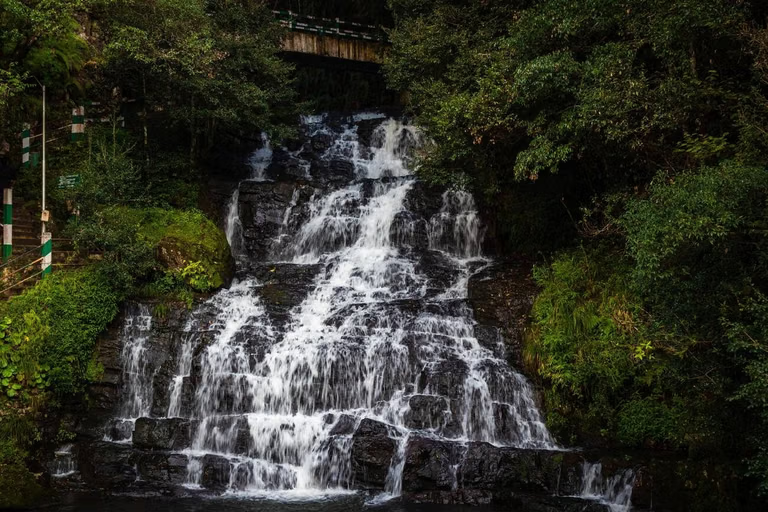
Elephant Falls is a spectacular three-tiered waterfall that cascades down the forested hills surrounding Shillong. The waterfall drops approximately 30 meters (100 feet) in total, with each tier creating its own unique cascade and pool. The falls are fed by the Umkhrah river system, which originates in the hills surrounding Shillong and flows through the East Khasi Hills district.
Three Distinct Cascades
The true charm of Elephant Falls lies in its three-tiered structure, with each cascade offering a different visual experience:
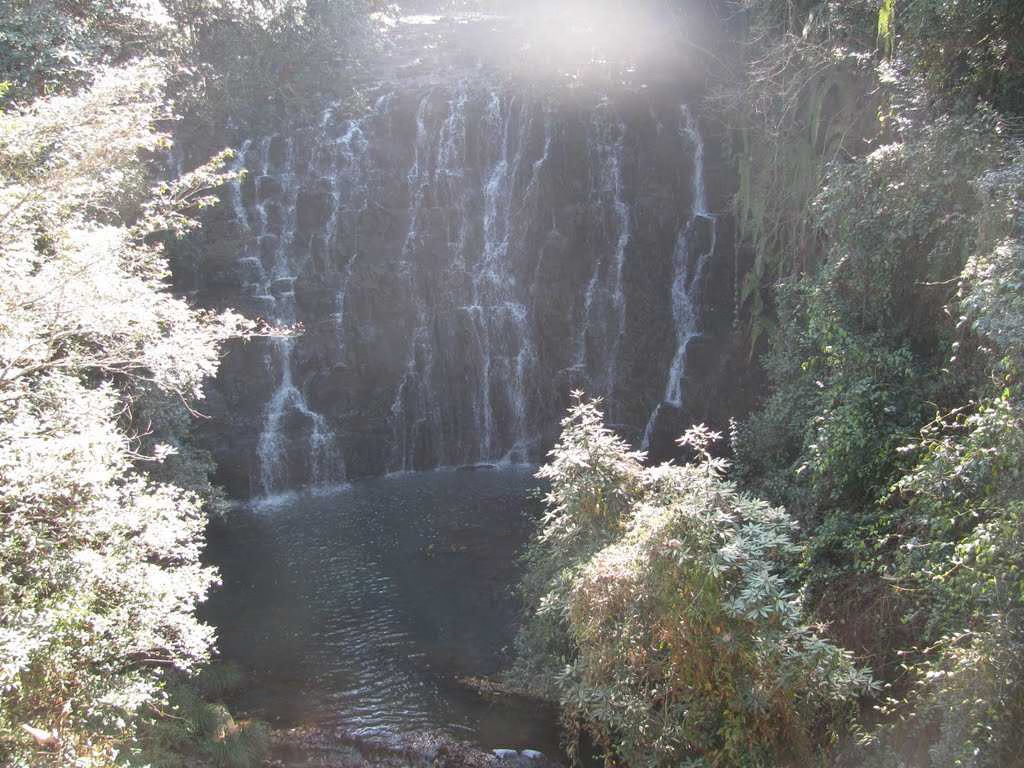
Upper Falls (First Tier): The uppermost cascade is the tallest of the three and is often hidden from the main viewing area. This tier plunges dramatically over rock formations, creating a powerful and impressive cascade that sets the tone for the falls below. The water crashes into a pool before flowing into the middle tier.
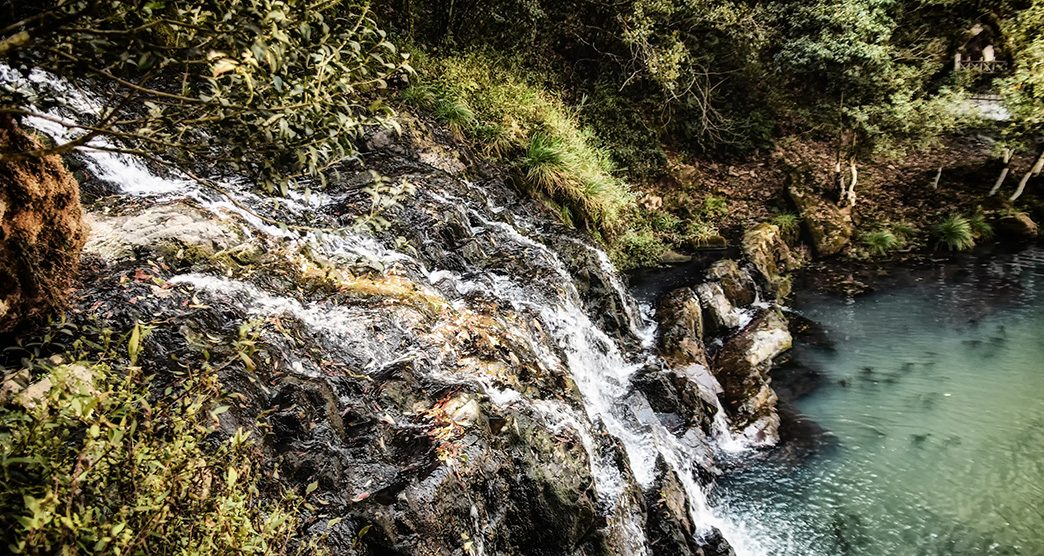
Middle Falls (Second Tier): The middle cascade is wider and more spread out than the upper falls. Here, the water flows over a broader rock face, creating a curtain-like effect that's particularly beautiful when sunlight hits the mist. This tier is easily visible from the main viewing platform and is often the most photographed section.
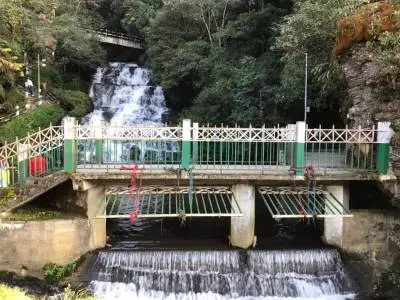
Lower Falls (Third Tier): The final and lowest tier is where most visitors get their closest view of Elephant Falls. This cascade flows over smoother rocks, creating gentler rapids that culminate in a large pool. The viewing platform here puts you right in front of the cascading water, allowing you to feel the cool mist on your face and hear the roar of the waterfall up close.
The Elephant Rock Legend
Before the 1897 earthquake that devastated much of Shillong and surrounding areas, a large rock at the base of the falls bore an uncanny resemblance to an elephant. Local Khasi people and British colonial officers alike noted this striking natural formation, and it became the basis for the waterfall's English name. The earthquake, which measured approximately 8.0 on the Richter scale, destroyed the elephant-shaped rock, but the name "Elephant Falls" stuck and has been used ever since.
The original Khasi name, "Ka Kshaid Lai Pateng Khohsiew," literally translates to "Three Steps Waterfall," which is a more accurate description of the waterfall's physical appearance. Local guides and older residents still use this name, and you'll often see it on signage in the area. Understanding both names gives you insight into the cultural significance of this natural wonder.
Geological Formation
Elephant Falls is formed as the Umkhrah River flows over the edge of a plateau carved from Precambrian rock formations that date back over 500 million years. The waterfall has carved its path through granite and gneiss rocks, creating the distinctive three-tiered structure visible today. The surrounding landscape features rolling hills covered in subtropical forests that are part of the Meghalaya subtropical forests ecoregion.
The constant flow of water has created natural pools at each tier, and the mineral-rich waters have deposited unique rock formations around the falls. The area around Elephant Falls is a biodiversity hotspot, home to numerous plant species including ferns, orchids, and mosses that thrive in the humid conditions created by the waterfall's spray.
Natural Environment
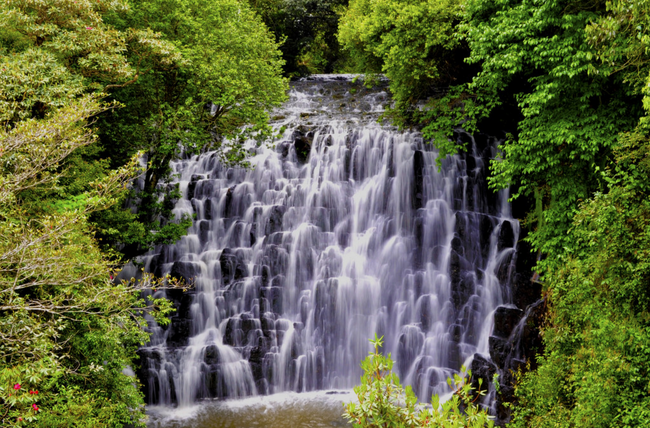
The area surrounding Elephant Falls is a pristine example of Meghalaya's incredible natural beauty. Dense subtropical forests cloak the hills, with towering trees creating a canopy that filters sunlight and creates dappled patterns on the forest floor. The constant mist from the waterfall creates a microclimate that supports unique flora that wouldn't otherwise survive in this region.
Birdwatchers will find plenty to observe here, as the forest is home to numerous species including the Himalayan black bulbul, redvented bulbul, and various species of babblers and flycatchers. During the monsoon season, the entire region comes alive with vibrant green vegetation, while the winter months offer clearer views of the waterfall's rock formations against the backdrop of the forest.
Best Time to Visit
Choosing the right time to visit Elephant Falls can significantly enhance your experience, as the waterfall's appearance changes dramatically with the seasons. Each season offers a unique perspective on this natural wonder, and understanding these variations will help you plan your visit according to your preferences.
Monsoon Season (June - September)
The monsoon season is when Elephant Falls is at its most powerful and spectacular. Meghalaya receives some of the heaviest rainfall in the world during these months, and the waterfall swells to incredible proportions. All three cascades flow with tremendous force, creating a thunderous roar that can be heard from a considerable distance. The mist generated by the falls is particularly intense during monsoon, creating an almost otherworldly atmosphere.
However, visiting during monsoon comes with challenges. The stone steps leading to the viewing platforms can become extremely slippery and dangerous. Visibility may be reduced due to fog and continuous rain, and you'll almost certainly get wet. You'll need excellent rain gear, non-slip footwear, and a willingness to embrace wet conditions. For adventure seekers who don't mind getting wet and want to see the falls at their most powerful, monsoon visits offer the most dramatic experience.
Post-Monsoon (October - November)
Many experienced travelers consider the post-monsoon period to be the ideal time to visit Elephant Falls. During October and November, the waterfall still maintains impressive flow from the recent monsoon rains, but weather conditions have cleared up considerably. The surrounding vegetation is at its lushest, having been nourished by months of rain, creating stunning emerald landscapes that provide the perfect backdrop for the falls.
The trails and stone steps are generally in good condition during this period, and the weather is pleasant – neither too hot nor too wet. This makes it an excellent time for photography, as you'll have good lighting conditions and a waterfall that's still flowing strongly. October and November also tend to be less crowded than the peak winter tourist season, allowing for a more peaceful experience.
Winter (December - February)
Winter brings its own unique charm to Elephant Falls. While the water flow is significantly reduced compared to the monsoon months, this isn't necessarily a disadvantage. The lower water level often reveals rock formations and pools that are hidden during high-flow periods, giving you a different perspective on the falls' structure. You can see the geological features more clearly, and the three tiers are distinctly visible.
The weather is cool and crisp during winter, with temperatures ranging from 10-15°C during the day. Winter mornings can be particularly beautiful, with mist rising from the waterfall and surrounding valley creating an ethereal atmosphere. The clearer skies also mean better visibility for photography, though you'll want to time your visit to avoid the harsh midday sun. Winter is also the driest season, making it ideal for families with children or elderly visitors who might find slippery paths challenging.
Summer (March - May)
Summer is the driest season at Elephant Falls, and consequently, the waterfall is at its most subdued. However, this doesn't mean it's not worth visiting – quite the opposite. The lower water flow means you can often appreciate the rock formations and pools more clearly. The weather is generally warm and pleasant during these months, with temperatures ranging from 20-25°C during the day.
Summer is a good time for photography if you prefer clearer views over maximum water flow. The trails are dry and safe, making it ideal for families and those who prefer easier access. May often sees the beginning of pre-monsoon showers, so you might catch the waterfall as it starts to gain volume for the upcoming monsoon season.
Recommended Timing Summary
Best Overall: October-November offers the ideal combination of good water flow, pleasant weather, and lush greenery.
For Maximum Flow: Visit during July-August, but be prepared for challenging conditions and rain.
For Clear Views: December-February provides the best visibility and safest access conditions.
For Photography: Early morning visits (8-10 AM) during October-November provide the best light and clearest conditions.
For Families: December-February is safest and most comfortable for children and elderly visitors.
How to Reach from Shillong
Elephant Falls is conveniently located just 12 kilometers from Shillong city center, making it easily accessible for a half-day trip. The journey is relatively straightforward and can be completed by various means of transportation.
Distance and Route
The falls are located approximately 12 kilometers from Police Bazaar in Shillong, and the drive typically takes 30-40 minutes depending on traffic and road conditions. The route goes through Upper Shillong and past the Air Force station. The road is generally in good condition, though it can get narrow and winding in some sections. Along the way, you'll be treated to beautiful views of the surrounding hills and valleys, making the drive itself part of the experience.
From Shillong City Center
Start your journey from Police Bazaar, the main commercial area of Shillong. Head towards Upper Shillong via the Jowai Road. As you leave the city behind, you'll notice the landscape becoming increasingly rural and lush. The route is well-signposted, and there are signs pointing towards Elephant Falls at major junctions. The final stretch of the road leads directly to the parking area at the falls.
From Guwahati
If you're traveling from Guwahati, the distance is approximately 100 kilometers, taking about 3-3.5 hours by car. The route goes via Shillong, so you'll need to navigate through Shillong's traffic before heading towards Elephant Falls. Many travelers choose to break this journey with an overnight stay in Shillong, visiting Elephant Falls as part of a larger Meghalaya itinerary. The road from Guwahati to Shillong is well-maintained and scenic, passing through the beautiful Umiam Lake area.
Transportation Options
| Transport Type | Pros | Cons | Approximate Cost |
|---|---|---|---|
| Private Taxi | Most convenient, flexible timing, door-to-door service | Most expensive option | ₹800-1,200 for half-day from Shillong |
| Shared Cab | Budget-friendly, regular service | Fixed schedule, crowded | ₹50-100 per person |
| Self-Drive/Rental | Maximum flexibility, freedom to explore | Challenging mountain roads for non-locals | Cost of fuel + vehicle rental |
| Tour Package | Includes guide, multiple stops, hassle-free | Fixed itinerary, less flexibility | ₹2,000-3,000 per day for Shillong sightseeing |
Road Conditions
The main road from Shillong to Elephant Falls is generally in good condition, being a well-traveled tourist route. However, as with most mountain roads in Meghalaya, there are some winding sections and curves. During heavy monsoon rains, you may encounter occasional potholes or patches where the road has been affected by rainfall. Always drive carefully, especially during wet conditions, and be prepared for foggy conditions which can suddenly reduce visibility.
What to Expect on the Journey
The drive from Shillong to Elephant Falls is scenic and enjoyable. As you leave the city, you'll pass through beautiful countryside with rolling hills, small Khasi villages, and lush forests. There are several viewpoints along the way where you can stop for photos. The route also passes near other attractions including the Air Force station and Shillong Peak, so you can easily combine these in a single sightseeing trip.
The Visitor Experience
Unlike many waterfalls in Meghalaya that require challenging treks, Elephant Falls is easily accessible via well-constructed stone steps and viewing platforms. This makes it one of the most visitor-friendly waterfalls in the region.
Entry and Access
Upon arrival at Elephant Falls, you'll find a designated parking area where vehicles can be left. From here, you'll need to walk down stone steps to reach the various viewing platforms. The steps are well-constructed with handrails in most sections, making the descent safe for most visitors. The entire area is well-maintained by the Meghalaya Tourism Department, with proper signage and safety barriers.
Walking Time and Difficulty
The walk from the parking area to the main viewing platforms takes approximately 10-15 minutes. The descent is gradual but does involve multiple flights of stairs. The return journey uphill is moderately strenuous but manageable for most people with basic fitness levels. The entire experience, including walking to all viewing platforms and spending time enjoying the falls, typically takes 1-2 hours.
Difficulty Level: Easy to Moderate
Walking Distance: Approximately 500 meters total
Time Required: 1-2 hours
Viewing Platforms
There are multiple viewing platforms at Elephant Falls, each offering a different perspective of the three cascades:
Upper Viewpoint: This platform provides a panoramic view of all three tiers from above. It's the perfect place to get a sense of the waterfall's full scale and the surrounding landscape. This is usually the first viewpoint you'll encounter as you descend from the parking area.
Middle Viewpoint: Located at the level of the middle cascade, this platform offers close-up views of the second tier. You can see the water flowing over the rock face and appreciate the power of the cascade. The mist from the falls is particularly noticeable here.
Lower Viewpoint: This is the main viewing platform at the base of the falls, offering the closest and most impressive views of the lower cascade. You're right in front of the cascading water, can feel the mist on your face, and experience the full power of Elephant Falls. This is the most popular viewpoint and the best spot for photography.
Accessibility
While Elephant Falls is one of the most accessible waterfalls in Meghalaya, visitors should be aware that the stone steps can be challenging for those with significant mobility issues. The steps are uneven in some sections, and there are quite a few of them. Elderly visitors and those with knee problems may find the climb back up challenging. However, for the majority of visitors, including families with children, the access is quite manageable.
Fitness Requirements
- Basic Cardiovascular Fitness: Recommended for the climb back up
- Mobility: Ability to navigate stairs is essential
- Balance: Steps can be slippery when wet
- Age Considerations: Suitable for children aged 5 and above
- Time Pace: Take your time, rest when needed
Entry Fee & Timings
Planning your visit to Elephant Falls involves understanding the practical details including entry fees, opening hours, and what facilities are available on-site.
Entry Fee
There is a nominal entry fee to visit Elephant Falls, which helps maintain the pathways, viewing platforms, and facilities:
- Indian Adults: ₹50 per person
- Indian Children: ₹25 per person (ages 5-12)
- Foreign Tourists: ₹100 per person
- Camera Fee: Additional ₹50-100 for professional cameras (sometimes charged)
Note: Fees are subject to change, and it's always a good idea to carry some cash for payment, as digital payment facilities may not always be reliable.
Timings
Elephant Falls is generally open to visitors throughout the day:
- Opening Time: 8:00 AM
- Closing Time: 5:00 PM
- Best Time to Visit: Early morning (8-10 AM) or late afternoon (3-5 PM)
- Duration of Visit: 1-2 hours
During heavy rain or poor weather conditions, the falls may close early for safety reasons. It's always best to visit during daylight hours and avoid going too late in the day, especially during monsoon when light fades quickly in the valley.
Facilities Available
Elephant Falls has basic facilities to ensure visitor comfort:
- Parking: Designated parking area available
- Restrooms: Basic toilet facilities are available
- Food & Beverages: Small tea stalls and snack shops near the entrance
- Souvenir Shops: Local handicrafts and souvenir stalls are present
- Sitting Areas: Benches are available at viewing platforms
- Safety Railings: All viewing platforms have proper safety barriers
What to Carry
To make the most of your visit to Elephant Falls, consider carrying these items:
- Comfortable Walking Shoes: Essential for navigating stone steps, especially when wet
- Rain Gear: Raincoat or umbrella (particularly during monsoon season)
- Water Bottle: Stay hydrated, especially if visiting during summer
- Camera: With protection from moisture
- Cash: Small denominations for entry fees and purchases
- Light Jacket: The weather can be cool, especially near the waterfall
- Insect Repellent: Mosquitoes can be present in the forested area
- Snacks: Limited food options are available
Photography Guide
Elephant Falls offers excellent opportunities for photography, whether you're using a professional camera or a smartphone. With the right approach and timing, you can capture stunning images of this beautiful waterfall.
Best Time for Photography
Timing is crucial for waterfall photography, and Elephant Falls is no exception. The hours shortly after sunrise (8-10 AM) provide the best lighting conditions, with soft, golden light that illuminates the waterfall evenly without harsh shadows. Early morning also offers the advantage of fewer crowds, giving you unobstructed views and more time to set up your shots.
Late afternoon (3-5 PM) can also provide good lighting, especially when the sun is lower in the sky and creates interesting shadows and highlights. If you're lucky, you might capture a rainbow in the spray of the falls – a magical sight that's particularly common when the sun is at an angle to the mist.
It's generally best to avoid midday photography, especially during the summer months, when the harsh overhead light can blow out highlights and create deep, unappealing shadows. However, if you must shoot during these hours, try to focus on close-up shots or details in the shaded areas.
Recommended Equipment
While you can get decent photos with just a smartphone, having the right equipment will significantly improve your results:
- Wide-Angle Lens: Essential for capturing the full scale of the three-tiered waterfall. A lens in the 16-35mm range is ideal.
- Tripod: Useful for long exposure shots that create the silky water effect. A lightweight travel tripod is perfect for the walking involved.
- ND Filter: Neutral density filters allow you to use slower shutter speeds even in bright conditions.
- Polarizing Filter: Helps reduce glare from wet rocks and foliage while saturating colors.
- Weather Protection: Essential during monsoon to protect your camera from water damage.
- Microfiber Cloth: For wiping water droplets from your lens.
Camera Settings
Getting the right camera settings is crucial for waterfall photography:
- Shutter Speed: For the silky water effect, use 1/4 to 2 seconds. For freezing motion, use faster speeds (1/250 or higher).
- Aperture: Use f/8 to f/16 for good depth of field.
- ISO: Keep ISO as low as possible (100-400) to minimize noise.
- Focus: Use manual focus or single-point autofocus on a high-contrast area.
Composition Tips
- Include All Three Tiers: Capture the complete waterfall showing all three cascades.
- Use Foreground Interest: Include rocks or vegetation in the foreground for depth.
- Vary Your Perspective: Shoot from different viewing platforms for variety.
- Capture Details: Focus on individual cascades or water crashing on rocks.
- Include People: Adding people helps convey the massive scale of the falls.
Nearby Attractions
Elephant Falls is perfectly positioned to combine with other attractions in and around Shillong. Creating a comprehensive itinerary will help you make the most of your time in this beautiful region of Meghalaya.
Shillong Peak
Located just 5 kilometers from Elephant Falls, Shillong Peak is the highest point in Shillong at 1,965 meters above sea level. It offers panoramic 360-degree views of the city, surrounding hills, and on clear days, even the plains of Bangladesh. The peak is home to an Indian Air Force radar station, so visitors need to show ID at the checkpoint. The viewing platform is particularly spectacular at sunrise or sunset when the clouds put on a dramatic show.
Bishop Falls
Located approximately 3 kilometers from Elephant Falls, Bishop Falls is one of Shillong's tallest waterfalls at 135 meters. Together with Beadon Falls, it forms what locals call the "twin falls" of Shillong. Bishop Falls offers a more rugged, natural experience compared to the developed facilities at Elephant Falls. The trail to Bishop Falls takes you through dense forest, making it ideal for those who want a bit more adventure.
Ward's Lake
Located in the heart of Shillong, Ward's Lake is a beautiful artificial lake surrounded by lush gardens. It's the perfect place for a peaceful boat ride, and you can rent paddle boats at very reasonable rates. A wooden bridge spans the lake, offering lovely views of the water and gardens. The lake is particularly beautiful in the early morning or late afternoon when the light is soft.
Lady Hydari Park
Named after the wife of the first Governor of Assam, this beautiful park is often compared to a Japanese garden for its carefully manicured lawns and flower beds. The park is home to a small zoo that's particularly popular with families. Even if you're not interested in the zoo, the park itself is lovely for a leisurely stroll. Spring is the best time to visit when the flowers are in full bloom.
Police Bazar
No visit to Shillong is complete without exploring Police Bazar, the city's main market area. This bustling commercial district is where you'll find everything from local handicrafts and textiles to modern restaurants and cafes. Look for traditional Khasi textiles, handmade bamboo crafts, and local food items. Don't miss trying Jadoh, a traditional Khasi dish made with rice and meat.
Umiam Lake (Barapani)
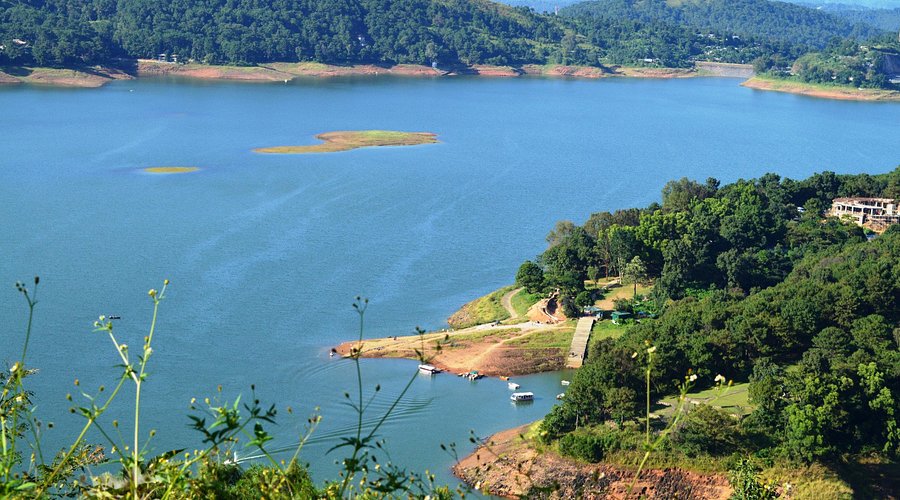
Located approximately 20 kilometers from Shillong on the Guwahati-Shillong highway, Umiam Lake is a massive man-made reservoir surrounded by hills. The lake is perfect for boating, and the surrounding area has several resorts and viewpoints. It's particularly beautiful at sunset when the sky reflects off the calm waters. The lake is also home to the Orchid Lake Resort, which offers beautiful gardens and accommodation options.
Don Bosco Centre for Indigenous Cultures
For those interested in learning about the indigenous culture of Northeast India, this museum in Shillong is a must-visit. It features seven floors of galleries showcasing the art, culture, and traditions of the various tribes of Northeast India. The highlight is the skywalk on the top floor that offers panoramic views of Shillong.
Spread Eagle Falls
Another beautiful waterfall in Shillong, Spread Eagle Falls is located within the city and is easily accessible. The falls get their name from their appearance, which resembles a spread eagle. It's less crowded than Elephant Falls and offers a peaceful experience for those who want to avoid tourist crowds.
Travel Tips & Guidelines
To make the most of your visit to Elephant Falls and ensure a safe, enjoyable experience, keep these practical tips and guidelines in mind.
Safety Tips
- Wear Appropriate Footwear: Good walking shoes with excellent grip are essential, especially during the monsoon season when the stone steps can be extremely slippery.
- Stay on Designated Paths: Never cross safety barriers or venture into restricted areas. The rocks near the waterfall can be incredibly slippery and dangerous.
- Carry Rain Protection: The weather in Meghalaya can be unpredictable. A light raincoat or poncho is always a good idea, regardless of the season.
- Start Early: Visiting early in the morning gives you the best light for photography, fewer crowds, and a more peaceful experience.
- Stay Hydrated: Carry water with you, especially if visiting during the summer months.
- Check Weather Conditions: If you're visiting during the monsoon, check local weather conditions and avoid visiting during periods of extremely heavy rain.
- Take Your Time: Don't rush. Allow plenty of time to navigate the steps safely and enjoy the falls at each viewing platform.
- Keep Children Close: If visiting with children, ensure they stay close and don't run on the wet steps.
Responsible Tourism
- Carry Your Trash: Help preserve Elephant Falls by carrying all your trash back with you. Leave no trace of your visit.
- Avoid Plastics: Try to minimize single-use plastics when visiting natural areas.
- Stay on Trails: Protect the fragile forest ecosystem by staying on marked paths.
- Respect Nature: Don't pick plants, disturb wildlife, or damage rock formations.
- Support Local Economy: Consider purchasing souvenirs or snacks from local vendors.
- Be Considerate: Keep noise levels down and respect other visitors who want to enjoy the peaceful atmosphere.
Cultural Respect
The area around Elephant Falls is home to local Khasi communities. Respect local customs and traditions. Ask permission before photographing people. Be mindful of noise levels – this is a natural area that deserves quiet appreciation. If you encounter any ceremonies or rituals taking place, observe respectfully from a distance and don't interrupt.
Best Practices for Photography
- Don't Block Paths: Be mindful of other visitors when setting up shots.
- Respect No-Photography Zones: Some areas may have restrictions.
- Use Flash Carefully: Avoid using flash when it might disturb others or wildlife.
- Protect Nature: Don't damage vegetation or cross barriers to get a shot.
Budget Planning
- Entry Fees: Budget approximately ₹50-100 per person for entry fees.
- Transportation: Factor in taxi costs if not using your own vehicle (₹800-1,200 for a half-day taxi from Shillong).
- Food and Snacks: Budget for tea and snacks if purchasing from local vendors.
- Souvenirs: If you plan to buy local handicrafts, carry some cash.
- Parking: There may be a small parking fee (₹20-50).
Planning Your Visit
- Allow Enough Time: Don't rush – plan for at least 1-2 hours at Elephant Falls.
- Combine with Other Attractions: Elephant Falls works well as part of a larger Shillong sightseeing itinerary.
- Check Opening Hours: Confirm current timings before visiting, as they can change seasonally.
- Carry Cash: Digital payments may not always be accepted.
- Dress in Layers: The weather can be changeable, especially near the waterfall where it's cooler.
- Charge Your Devices: Ensure your phone and camera are fully charged for photos.
Conclusion
Elephant Falls stands as one of Meghalaya's most accessible and beautiful waterfalls, offering a perfect introduction to the natural wonders of the Abode of Clouds. Its three-tiered cascade, surrounded by lush subtropical forests, creates a scene that's both dramatic and serene. Whether you're witnessing its power during the monsoon or appreciating its elegant structure during the drier months, Elephant Falls never fails to impress.
What makes Elephant Falls truly special is how it combines natural beauty with accessibility. Unlike many of Meghalaya's waterfalls that require challenging treks, Elephant Falls can be enjoyed by visitors of all ages and fitness levels. The well-maintained stone steps and viewing platforms ensure that everyone can experience the magic of standing before a cascading waterfall, feeling the cool mist on their face, and hearing the roar of water crashing into the pools below.
For families, photographers, nature enthusiasts, and casual tourists alike, Elephant Falls offers something special. It's a place where you can spend a peaceful hour or two, away from the hustle and bustle of city life, reconnecting with nature in one of India's most beautiful states. The falls serve as a perfect starting point for exploring Meghalaya's incredible natural attractions, from living root bridges to caves to other spectacular waterfalls.
As you stand on the viewing platforms, watching the water cascade down three distinct tiers, surrounded by the verdant greenery of the East Khasi Hills, it's easy to understand why this waterfall has captivated visitors for generations. The legend of the elephant rock may be gone, destroyed by the earthquake of 1897, but the natural beauty that inspired it remains as powerful as ever.
Whether you're a first-time visitor to Meghalaya or a seasoned traveler returning to explore more of this incredible state, Elephant Falls deserves a place on your itinerary. It's more than just a tourist attraction – it's a experience that connects you with the raw, untamed beauty of nature, reminding us why places like this must be protected and preserved for future generations.
Plan your visit, respect the natural environment, and take the time to truly appreciate one of Meghalaya's finest natural treasures. Elephant Falls is waiting to share its beauty with you.
Location
Frequently Asked Questions
Q1.Where is Elephant Falls located?
Q2.What is the height of Elephant Falls?
Q3.What are Elephant Falls timings?
Q4.Is there an entry fee for Elephant Falls?
Q5.How far is Elephant Falls from Shillong?
Q6.What is the best time to visit Elephant Falls?
Q7.Why is it called Elephant Falls?
Q8.Is there a trek to Elephant Falls?
Q9.Is Elephant Falls worth visiting?
Q10.What photography tips do you recommend for Elephant Falls?
Recommended For You
Shillong Golf Course: Best Time, Views, and Visit Tips
Visit Shillong Golf Course with practical timing advice, scenic-stop planning, and nearby route pairing tips.
Best Time to Visit Meghalaya: Rainfall, Season & Waterfall Views
Understand Meghalaya weather by season with practical month-wise planning tips for waterfalls, root bridges, caving, and safer route timing.
Spread Eagle Falls Shillong: Route, Timing and Safety
Visit Spread Eagle Falls Shillong with practical route, timing, and safe-viewing guidance for smoother waterfall travel.
Never Miss an Adventure
Get the latest trekking guides, travel tips, and exclusive offers delivered straight to your inbox.
