
Food Festivals in India: Major Events, Calendar & Regional Highlights

Rohit Verma
January 3, 2026
Explore food festivals in India with top event types, seasonal calendar, budgeting, safety checks, and practical travel tips for first-time food travelers.
1. Introduction to Food Festivals in India
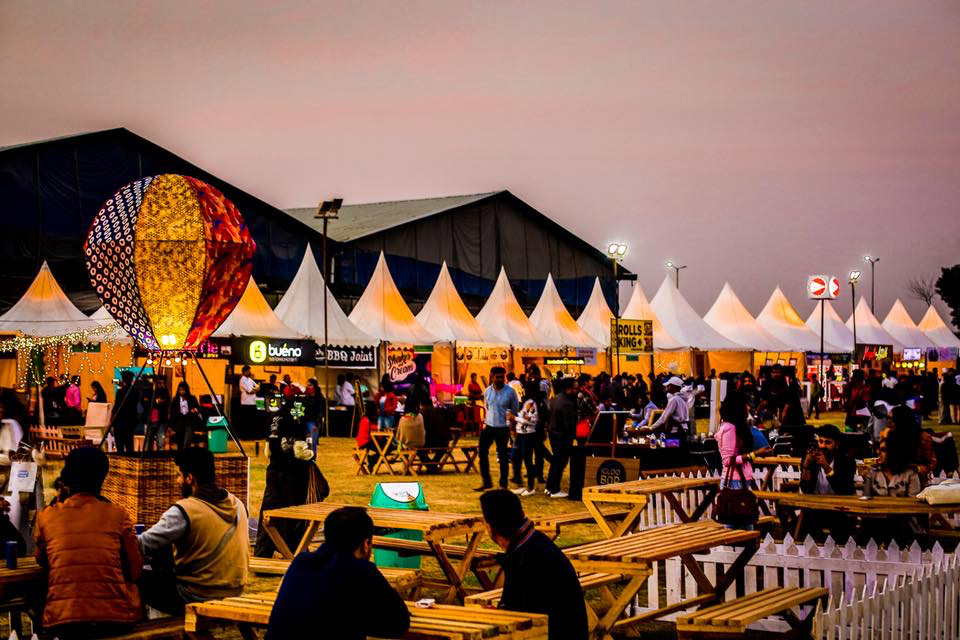
Food festivals in India are more than tasting events. They bring together regional cuisines, street-food traditions, local farming cycles, crafts, and community culture in one place. For travelers, these festivals are one of the easiest ways to understand how diverse Indian food really is, from coastal seafood and millet-based dishes to temple prasadam traditions and modern fusion plates.
Search interest for food festivals is rising because people now plan trips around culinary experiences instead of only monuments or beaches. The practical challenge is that many event dates shift every year and ticket formats vary by city. So the best approach is to use a planning framework: choose the right festival type, target season, budget style, and city logistics in advance.
This guide covers major food festival categories, popular events, monthly planning windows, budgets, booking strategy, and first-time visitor tips to help you build a smooth food-focused India trip.
2. Why Food Festivals in India Are Worth Traveling For
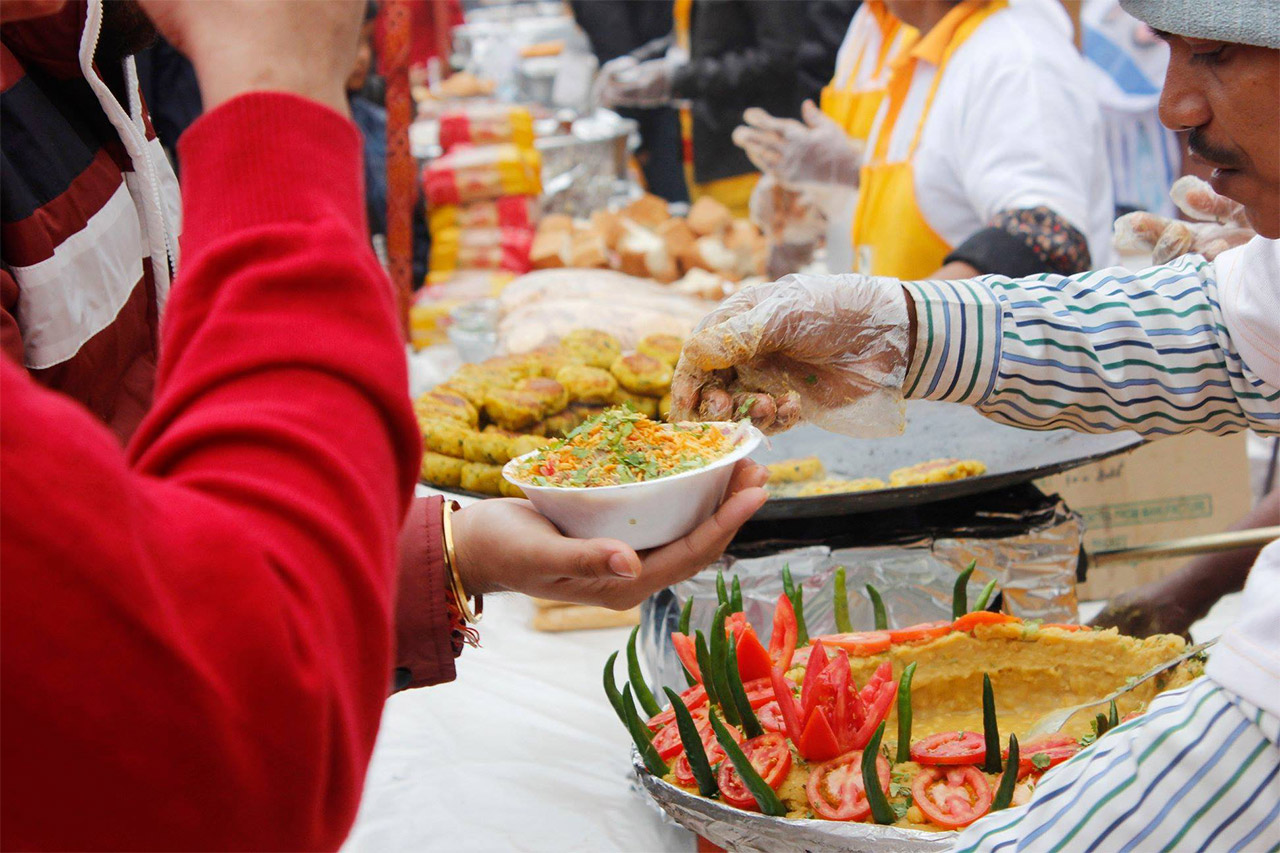
India's culinary diversity is difficult to cover through restaurant hopping alone. Food festivals solve that by curating multiple cuisines in a compact format. You can sample dishes from several states in one evening, watch chefs explain technique, and compare ingredients across regions.
- High variety in one venue: street food, heritage dishes, modern reinterpretations.
- Cultural context: dance, music, craft stalls, and storytelling add depth.
- Easy trial format: tasting portions reduce cost and decision pressure.
- Family-friendly planning: many festivals include clean seating zones and activity areas.
If you are planning a broader seasonal route, pair this with famous festivals in India and festivals in India in June to match cuisine and travel season.
3. Major Types of Food Festivals in India
Not every festival serves the same audience. Knowing the format helps you choose events that match your travel goals.
| Festival Type | Best For | What to Expect |
|---|---|---|
| Street-food festivals | Fast variety and regional snack culture | Dense stall layouts, quick tasting, evening crowds |
| State or tourism-led festivals | Traditional cuisine and cultural depth | Regional dishes, folk performances, craft zones |
| Chef-curated urban festivals | Modern menus and premium experiences | Ticketed entry, curated kitchens, demo sessions |
| Harvest-linked local festivals | Seasonal authenticity and local ingredients | Community cooking, rural flavors, local produce |
For first-time travelers, a mix of one large city festival and one regional food event usually gives the best balance.
4. Popular Food Festivals and Culinary Events
Below are event styles that frequently appear in top searches and travel planning conversations. Dates and editions may vary each year, so always verify with official organizers or tourism portals before booking transport.
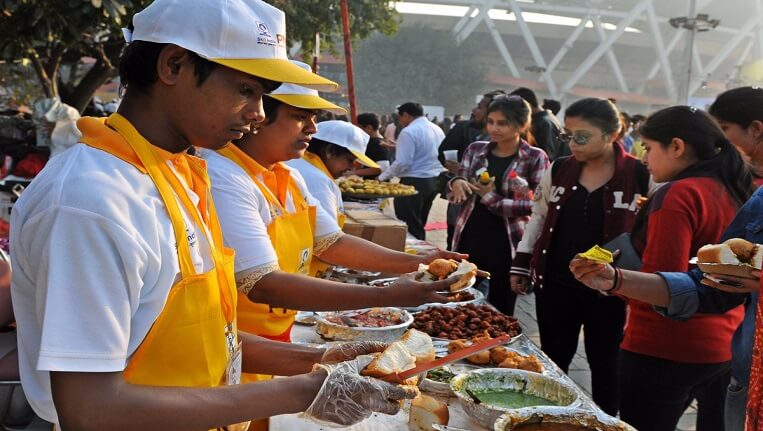
National Street Food Festival (Delhi region)
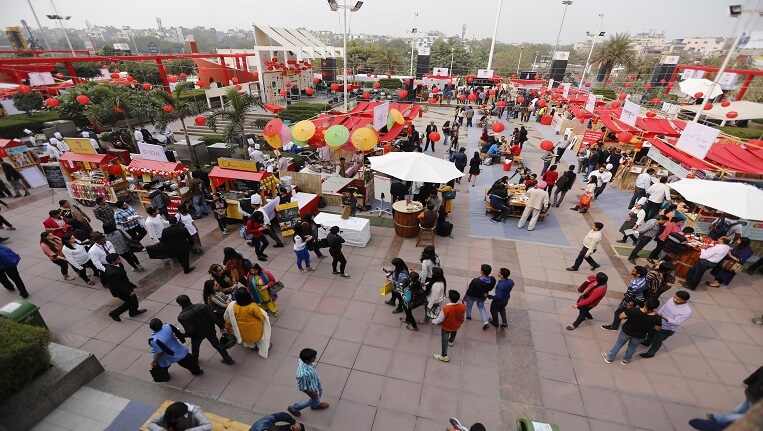
Often highlighted for broad regional snack representation, this format is popular with travelers wanting quick exposure to multiple states in one venue. Crowds are usually heavy during prime evening windows.
Goa Food and Cultural Festival
Known for seafood-heavy menus, Goan specialties, and stage programming. It works well for travelers combining coastal holiday routes with culinary events.
Mango and seasonal produce festivals
Some Indian cities host fruit-focused or seasonal produce events where tasting, farmer participation, and local products drive the experience.
State-focused cuisine festivals
Events themed around one region or one cuisine family are useful if you want depth instead of broad variety. These often include chef demonstrations and food heritage storytelling.
For city-level food exploration between festival dates, use street food in Delhi and famous food in Kerala as practical companion reads.
5. Food Festival Calendar: Best Months to Plan
There is no single national food festival season, but weather and holiday cycles influence event density. Cooler months in many Indian cities are often better for open-air food events.
| Period | Typical Pattern | Travel Planning Note |
|---|---|---|
| Oct-Feb | High event activity in many metro and tourism cities | Best comfort for open venues; book stays early |
| Mar-Apr | Selective events and cuisine pop-ups | Heat management matters in inland destinations |
| May-Jul | Lower outdoor event density in hot zones | Use monsoon or hill circuits where suitable |
| Aug-Sep | Festival buildup and seasonal food themes begin | Check rain-sensitive venue plans in advance |
If monsoon timing is your focus, cross-reference with monsoon festivals in India before locking dates.
6. Ticketing, Budget, and Cost Control
Food festival spending usually has four parts: entry fee, tasting cost, transport, and on-site extras. Travelers often underestimate the last two.
Common Cost Components
- Entry: free-entry, low-ticket, or premium pass depending on organizer.
- Food spend: pay-per-stall or token card formats.
- Transport: surge pricing is common at event closing hours.
- Add-ons: workshops, chef tables, beverage counters, merchandise.
Budget strategy: fix a tasting cap before entering, identify must-try stalls first, and avoid impulsive late-evening spends after crowds peak.
| Traveler Style | Typical Festival Spend Pattern | Suggested Approach |
|---|---|---|
| Budget explorer | Entry + selective tastings | Target 6-8 signature dishes, skip extras |
| Balanced foodie | Entry + broader tasting + one workshop | Visit in early session to avoid queue loss |
| Premium culinary traveler | Passes + curated tables + event experiences | Pre-book premium slots and transport both ways |
7. What to Expect at Indian Food Festivals
Most events follow a repeatable flow. Understanding it helps first-time visitors reduce waiting time and improve tasting quality.
- Entry and security check: usually slower at prime evening hours.
- Stall mapping: walk once before buying to prioritize key stalls.
- Tasting sequence: start light, move to heavier dishes later.
- Hydration and break: important during high-spice and high-sodium tasting.
- Cultural block: stage events or demos may overlap with meal windows.
- Exit logistics: pre-plan pickup to avoid surge-delay stress.
Families should choose earlier slots, while solo travelers often benefit from mid-session entry when launch crowds have thinned but stalls are still fully active.
8. Food Safety and Hygiene Checks
Festival food is exciting, but safe eating choices matter when sampling multiple dishes in one night.
- Pick stalls with high turnover to reduce holding-time risk.
- Prefer freshly assembled items over long-exposed plates.
- Carry water and avoid testing too many raw items in one session.
- If you have allergies, ask ingredient details directly before ordering.
- Use sealed payment channels and keep digital receipts.
Travelers with sensitive digestion should build a lighter menu plan and keep medicines handy, especially when combining festival nights with long intercity transfers.
9. Tips for First-Time Food Festival Visitors
- Arrive early and map stalls before buying.
- Share plates when possible to maximize variety.
- Start from regional specialties not easily available in your home city.
- Keep one backup day in case of date or venue change.
- Dress for standing and walking comfort, not only photos.
- Carry small cash plus UPI/card backup for payment issues.
- Use verified event links and avoid unofficial ticket channels.
If you are extending your food route by city, use destination-specific guides like local food of Bhubaneswar or street food Kolkata between festival stops.
10. Suggested 3-Day Food Festival Itinerary (Metro City Model)
This model works for weekend culinary travelers in major Indian cities.
| Day | Plan | Goal |
|---|---|---|
| Day 1 | Festival entry + quick survey + signature stall tastings | Orientation and high-value sampling |
| Day 2 | Targeted cuisine blocks + demo/workshop + cultural stage | Depth and learning |
| Day 3 | Repeat favorites + local market or city food walk | Balanced finish and takeaway buying |
This structure avoids overloading day one and gives enough time for both tasting and context.
11. How to Verify Dates and Avoid Planning Mistakes
Food festival timing in India is dynamic. Venue permissions, weather advisories, sponsor changes, or civic restrictions can shift dates even after early announcements. The safest planning pattern is to treat initial dates as provisional until you confirm on official channels in the final week before travel. Start with organizer pages, tourism department listings, and verified ticket partners. If an event has social handles, check latest posts for gate timings, parking instructions, and entry restrictions.
For intercity travelers, avoid same-day non-refundable transport right after late-night festival sessions. Keep a morning buffer and choose flexible fare classes where possible. If you are traveling specifically for one event, hold one backup food activity in the same city, such as a structured street-food walk or local cuisine trail. This protects trip value even if the festival format changes at short notice.
- Final check window: 48-72 hours before departure.
- Ticket proof: Keep QR/ticket copy offline for low-network zones.
- Exit plan: Pre-book return transport for high-crowd evenings.
A final practical step is to confirm payment mode and cancellation policy in writing before event day. Some large festivals use token systems, some are direct-pay, and some are cashless card-only. Knowing this early prevents long queues and helps you set a realistic tasting budget. If you are photographing food or recording reels, check camera rules in advance because certain premium events restrict professional gear without prior permission.
12. Final Takeaway
Food festivals in India are one of the most practical ways to explore the country's culinary diversity in a short trip window. The key to a great experience is not trying everything; it is planning intelligently around season, venue, hygiene, budget, and local transport flow.
Use a shortlist-first strategy, verify dates on official channels, and balance festival tastings with city-based food exploration. Done right, a food-festival trip can become one of the most memorable and culturally rich travel experiences in India.
Location
Frequently Asked Questions
Q1.What are the most popular food festivals in India?
Q2.Which month is best for food festivals in India?
Q3.Are food festivals in India expensive?
Q4.How do I book tickets for Indian food festivals?
Q5.Can families attend food festivals in India?
Q6.What should I carry to a food festival?
Q7.How can I stay safe while tasting at festivals?
Q8.Can I plan a trip around food festivals in India?
Recommended For You
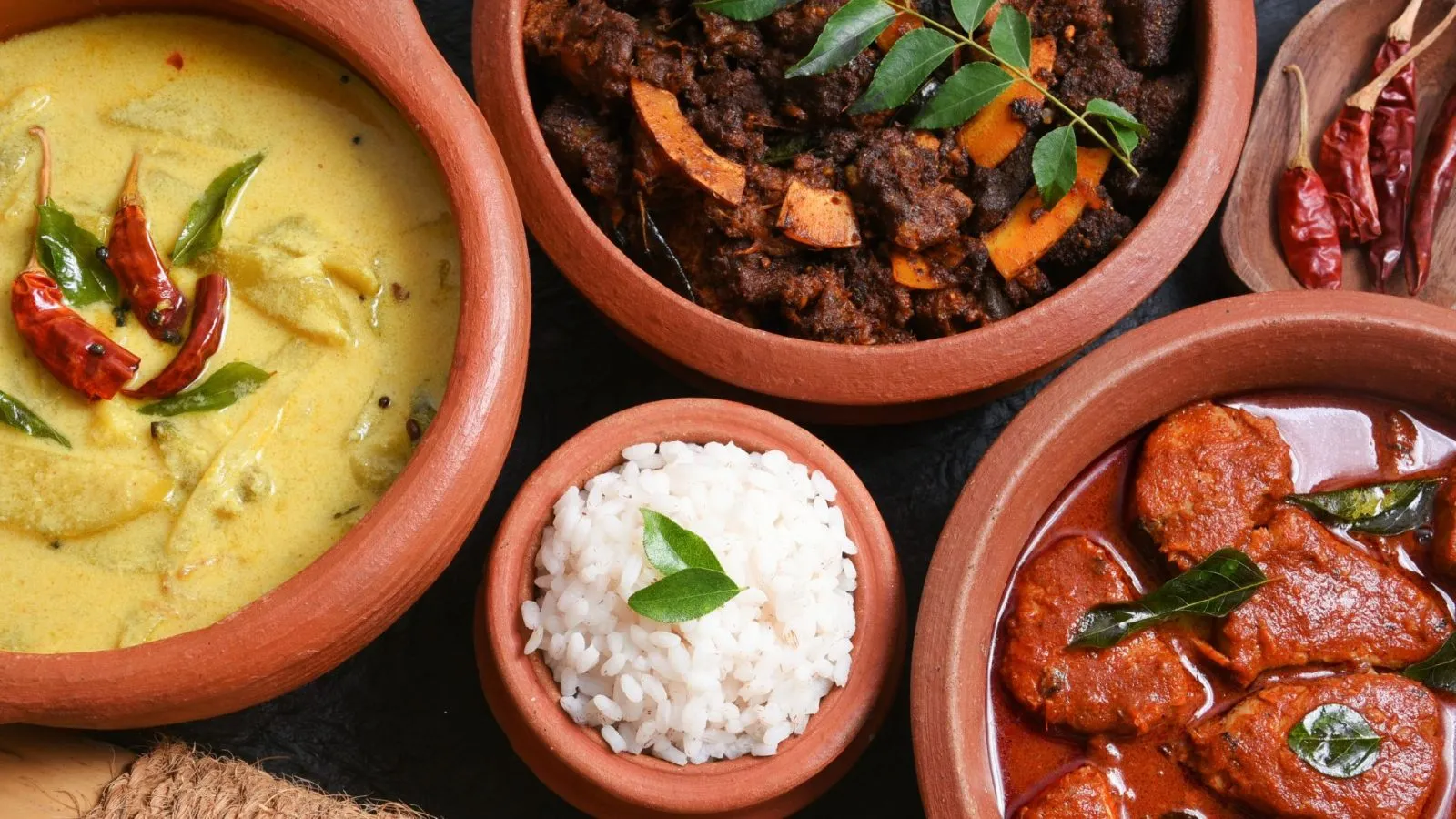
Famous Food in Kerala: 15 Must-Try Dishes
Discover the famous food of Kerala. From Appam & Stew to Karimeen Pollichathu and Sadhya. A culinary journey through God's Own Country with 15 must-try dishes.
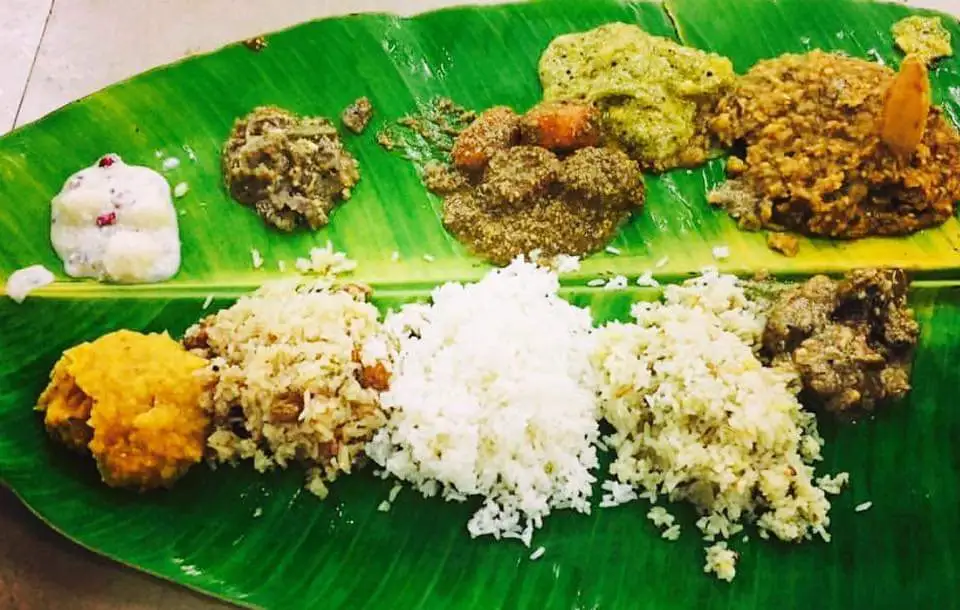
Local Food of Bhubaneswar: Odia Specialties & Popular Food Stops
Discover authentic Odia cuisine in Bhubaneswar. Explore traditional dishes like Dalma, Chhena Poda, Macha Ghanta, and must-try local delicacies with our complete food guide.
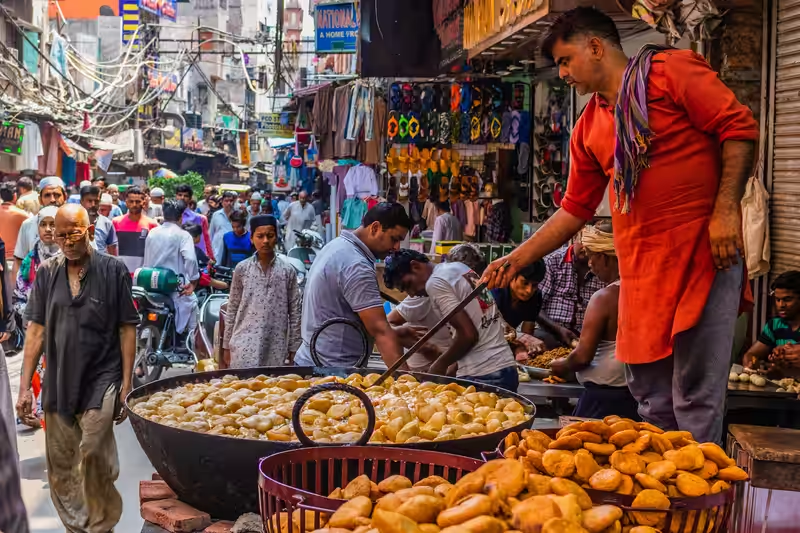
Street Food Delhi: Complete Guide to Chaat & Local Eats
Complete guide to Delhi's street food including chaat, gol gappe, chole bhature, parathas, famous locations, and food safety tips.
Never Miss an Adventure
Get the latest trekking guides, travel tips, and exclusive offers delivered straight to your inbox.
