
Shopping
Godaulia Market Varanasi: Shopping Lanes, Timings & Local Finds

Ananya Sharma
February 20, 2026
11 min read1,787 views
Plan your Godaulia Market Varanasi visit with product-wise shopping strategy, crowd timing tips, bargaining guidance, and route planning.
Godaulia Market overview
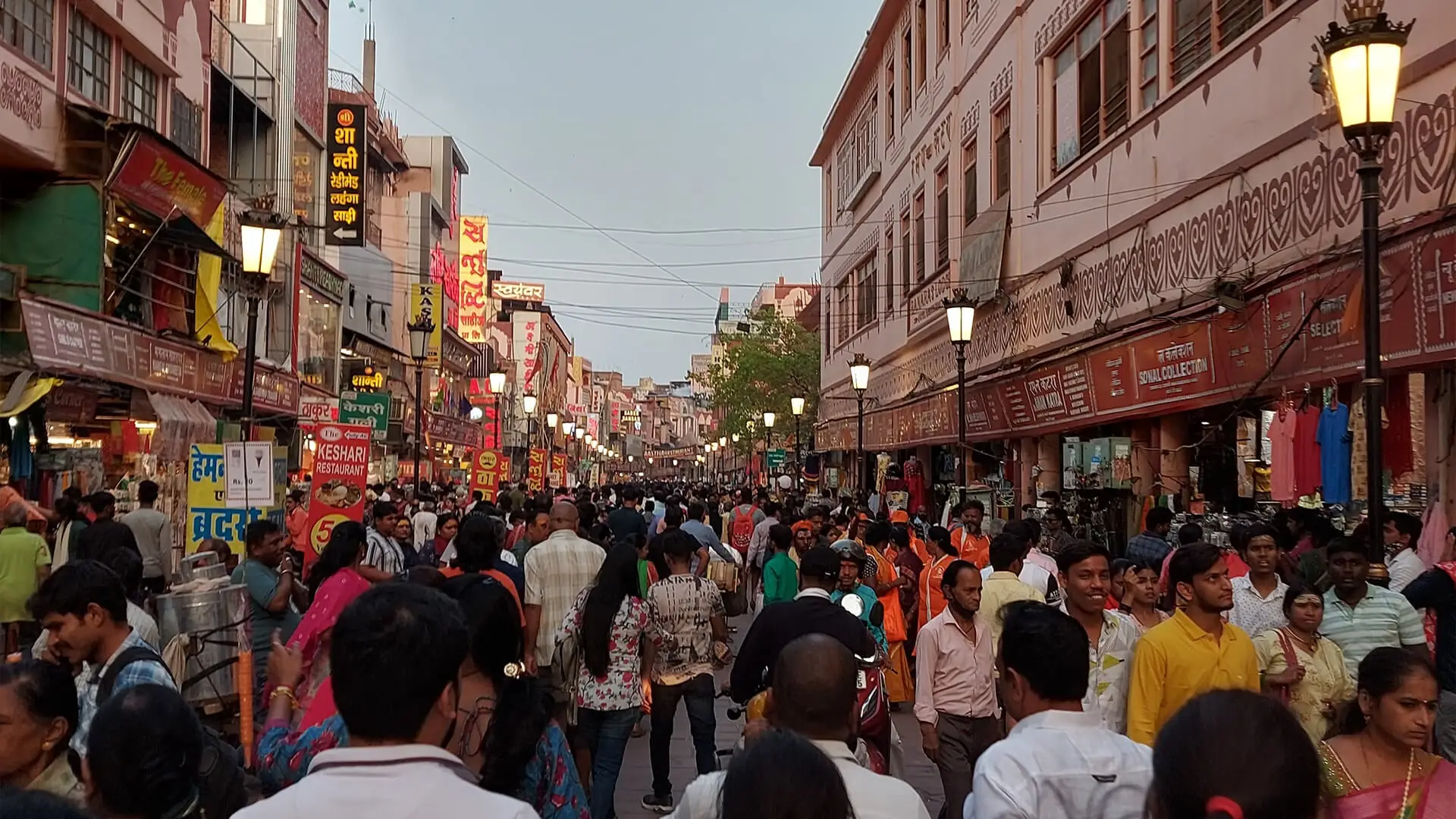
Godaulia Market is one of Varanasi's busiest local shopping and movement hubs, linking temple-bound routes, old city lanes, and ghat-side circulation. For first-time visitors, the challenge is not finding the market but navigating crowd intensity, choosing what to buy, and timing the visit around darshan and ghat plans. Located in the heart of Varanasi's old city, Godaulia serves as a crucial intersection point for pilgrims, tourists, and locals alike. The market area radiates outward from the Godaulia intersection, with narrow lanes branching off in multiple directions, each specializing in different products and serving distinct customer needs. The chaotic energy here is palpable - cycle rickshaws compete for space with pedestrians, shopkeepers call out to potential customers, and the aroma of street food mingles with incense from nearby temples. Most quick guides mention only market buzz. A practical visit needs product priority, crowd-aware timing, and clear route logic. With the right sequence, Godaulia can fit smoothly into a half-day or full-day Varanasi plan without exhausting transfers. The market's significance extends beyond commerce - it's a living repository of Varanasi's cultural heritage, where traditional trading practices continue uninterrupted for centuries. Families have operated shops here for generations, passing down knowledge of products, customers, and pricing strategies along with their businesses. This continuity gives Godaulia an authenticity that newer, more tourist-oriented markets lack.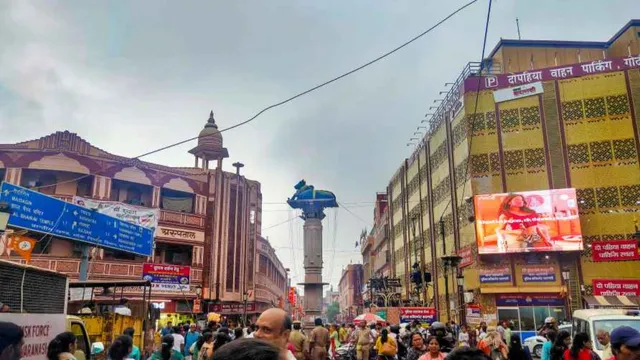
Historical Significance and Cultural Context
Godaulia Market has been a commercial center for centuries, its history intertwined with Varanasi's development as a major pilgrimage destination. The market's location was strategically chosen - it sits at the crossroads of routes leading to the Kashi Vishwanath Temple, Dasaswamedh Ghat, and other important religious sites. This positioning ensured constant footfall from pilgrims needing supplies for worship, offerings, and provisions during their stay in the holy city. The name 'Godaulia' itself reflects the area's commercial character. The market has evolved organically over time, with shops clustering by product type - a natural economic organization that continues today. The textile lanes, for example, developed near routes to temples where devotees needed new clothes for worship. The puja items section emerged naturally to serve temple visitors requiring ritual accessories. Understanding this historical context enhances the shopping experience. When you purchase Banarasi sarees here, you're not just buying fabric - you're participating in a textile trade that has flourished in Varanasi for millennia. When you shop for puja items, you're following in the footsteps of countless pilgrims who have made these same purchases before temple visits. The market architecture reflects its age - many buildings date back to the 18th and 19th centuries, with structures built around central courtyards and multiple generations living and working in the same premises. Modernization has been gradual, and many shops maintain their traditional appearance with wooden shutters, old-fashioned counters, and merchandise displayed in time-honored ways.What to buy and product categories
Godaulia works best when purchases are prioritized by category before entering dense lanes. Understanding what each lane specializes in helps you navigate efficiently and find exactly what you're looking for without wasting time in irrelevant sections.| Product Category | What to Look For | Budget Style | Buying Tip |
|---|---|---|---|
| Textiles and handloom | Banarasi-style sarees and weaving products | Mid to premium | Compare quality, weave type, and finishing |
| Puja and devotional items | Temple-use articles and ritual accessories | Low to mid | Buy after darshan route finalization |
| Souvenirs and local crafts | Small gift items and old-city keepsakes | Low to mid | Use bundled negotiation for multiple items |
Best timing and crowd strategy
Godaulia is active throughout the day, but lane pressure rises sharply near major darshan and evening activity windows. Timing your visit strategically can significantly improve your shopping experience.| Time Window | Typical Experience | Best For |
|---|---|---|
| Morning | Relatively smoother lane movement | Focused shopping list completion |
| Afternoon | Mixed crowd with moderate movement | General browsing and local food breaks |
| Evening | Heavier crowd and traffic overlap | Atmosphere experience, not heavy buying |
Route and movement planning
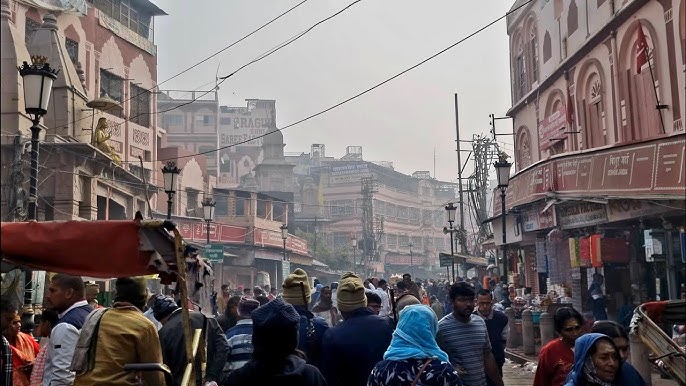
Godaulia sits in a high-density old city zone, so movement efficiency depends on entry and exit planning. The market is essentially a labyrinth - getting disoriented is easy, and backtracking through crowded lanes wastes time and energy. 1. Fix one entry point and one pickup point before starting. 2. Keep walking-friendly footwear and light carry essentials. 3. Avoid switching multiple transport modes inside peak lanes. 4. Separate shopping slots from temple queue slots for smoother flow. Understanding the market's layout is crucial. The main Godaulia intersection serves as a reference point - lanes radiating outward specialize in different products. The textile lanes are typically toward the temple side, puja items cluster near religious shops, and souvenirs are concentrated in tourist-frequented areas. Before entering, decide which sections you want to visit and plan a route that minimizes backtracking. Transport considerations are important. Cycle rickshaws and autos can drop you at the main intersection, but they cannot enter the narrow lanes. Walking is the only option once you're inside the market. If you're planning heavy purchases, arrange for a pickup time and location with a cycle rickshaw driver - waiting at the intersection is easier than finding transport deep inside the lanes. A practical spiritual-plus-market sequence is temple darshan first, controlled shopping second, and ghat closeout last. This sequence prevents carrying purchases through temple security checks and allows you to enjoy riverside activities without shopping bags. You can align this with Kashi Vishwanath Temple Varanasi and Ganga Aarti Varanasi if buffers are maintained.Budget and bargaining tips
Godaulia shopping outcomes improve when budget is split into controlled buckets. Without budget discipline, it's easy to overspend, especially in markets where shopkeepers are skilled at persuasion.| Budget Bucket | Includes | Control Tip |
|---|---|---|
| Core purchases | Textiles and priority items | Define max spend before entry |
| Add-on buys | Souvenirs and small accessories | Use separate capped amount |
| Food and movement | Snacks, hydration, local transfer | Keep this budget independent |
| Contingency | Crowd delay and unplanned changes | Reserve extra time and cash |
Shopping plus ghat itinerary suggestions
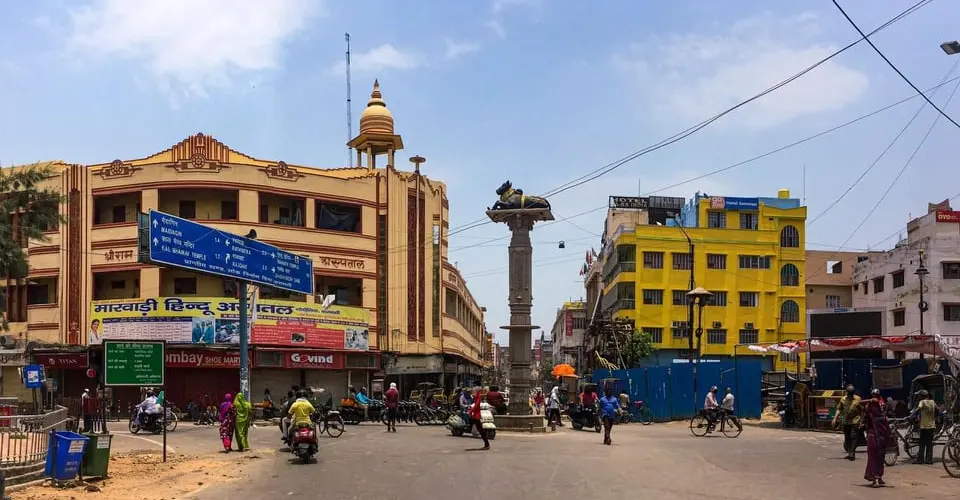
Godaulia works best in a combined old-city route, not as an isolated stop. The market's proximity to major temples and ghats makes it easy to incorporate into broader Varanasi exploration. - Half-day plan: focused shopping + local meal. - Full-day plan: temple + Godaulia + evening ghat experience. - Two-part plan: daytime buying and separate evening devotional schedule. A well-planned half-day itinerary might start with temple darshan at Kashi Vishwanath (early morning, when queues are shorter), followed by breakfast at a local eatery near Godaulia, then 2-3 hours of focused shopping. Post-shopping, return to your hotel to drop purchases, and head out for evening aarti at Dasaswamedh Ghat. For a full-day experience, start with sunrise at Assi Ghat, breakfast nearby, then temple visits in the morning. Lunch in the Godaulia area (several clean, local restaurants serve traditional thalis), followed by afternoon shopping. Evening ghat visit and aarti complete the day. This sequence breaks up activities, prevents fatigue, and allows you to experience different aspects of old-city Varanasi. For broader city sequencing, refer to Varanasi Travel Guide and morning-route options like Sunrise in Varanasi.Common mistakes to avoid
1. Entering peak lane windows with no route buffer. 2. Carrying heavy bags during dense movement periods. 3. Buying premium textiles without quality comparison. 4. Mixing temple queue schedules and major shopping in same tight slot. 5. No hydration/rest planning in high-density old city lanes. 6. Overloading one day with too many far-side add-ons. A critical mistake is trying to cover too much in one day. Varanasi's old city demands time - rushing through temples, markets, and ghats prevents meaningful engagement with any of them. It's better to thoroughly experience a few places than to skim many. The heat, crowds, and walking required make this especially important - physical exhaustion can ruin your experience. Another common error is shopping without research. Understanding product prices elsewhere, knowing quality indicators, and having clear preferences prevents impulsive purchases you might regret. This is particularly important for textiles and handicrafts, where quality varies dramatically and prices can be deceptive.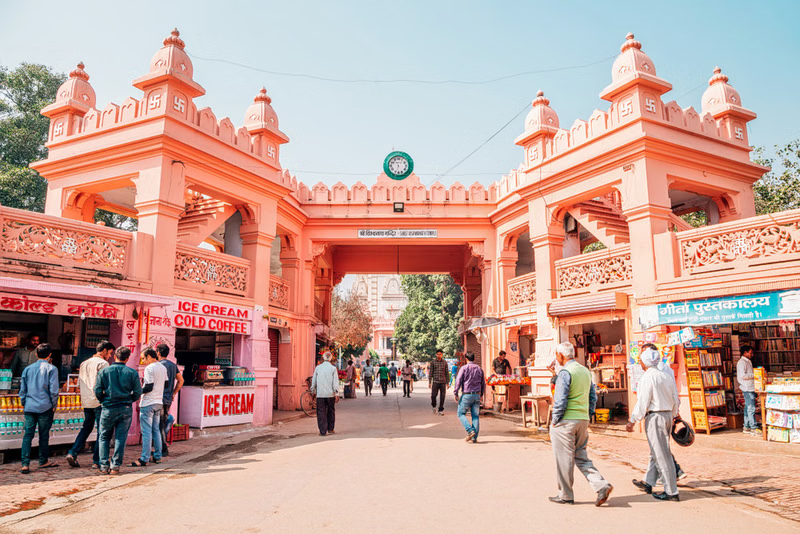
Local Food and Refreshment Options
Shopping in Godaulia inevitably builds appetite, and the market area offers excellent local food options. Traditional breakfast items like kachori-sabzi, jalebi, and hot milk are available at small sweet shops. For lunch, several restaurants serve thalis with local specialties like baati chokha, litti chokha, and various vegetable preparations. Street snacks are popular - chaat, samosas, bread pakora, and various fried items are widely available. However, be cautious about hygiene, especially in summer. Choose vendors with high turnover (fresh food) and avoid items that have been sitting out. Bottled water is essential - tap water is unsafe for tourists. Famous local eateries near Godaulia include shops serving Varanasi's celebrated chaat, establishments specializing in sweets like peda and lal ped, and restaurants offering thali meals. These breaks aren't just about food - they're opportunities to rest, recharge, and absorb the market's atmosphere from a stationary vantage point.Conclusion
Godaulia Market Varanasi is best experienced with product priorities, crowd-aware timing, and route discipline. With simple planning and realistic budget control, first-time travelers can combine shopping, temple movement, and ghat experiences without unnecessary stress. More than just a shopping destination, Godaulia represents the living heart of old Varanasi - a place where commercial activity continues much as it has for centuries, where buying and selling are woven into the fabric of daily religious and social life. Approach it not as a transactional marketplace but as a cultural experience, and you'll discover layers of meaning that go far beyond material purchases.Location
Frequently Asked Questions
Q1.What is the best time to visit Godaulia Market in Varanasi?
Morning or early afternoon windows are generally better for smoother movement and focused buying, while evenings are denser and better for atmosphere.
Q2.What are the top things to buy at Godaulia Market?
Popular choices include Banarasi textiles, puja-related items, local crafts, and small souvenir products from old-city specialty lanes.
Q3.Is Godaulia Market suitable for family shopping visits?
Yes, with route planning, lighter carry, and non-peak timing, families can shop comfortably in the market area.
Q4.What budget is practical for shopping in this market?
A practical budget should separate core purchases, add-ons, food/transport, and contingency to avoid overspending in crowded lanes.
Q5.How can travelers avoid peak crowd hours at Godaulia?
Start earlier, avoid tight evening-only plans, and keep temple/ghat schedule separate from major shopping blocks.
Q6.Can Godaulia market and temple visits be combined in one route?
Yes, but use a structured sequence with buffer time between darshan and shopping to prevent queue-related delays.
Q7.What are useful bargaining tips for first-time shoppers?
Compare similar items across shops, negotiate calmly, and avoid accepting first quotes in high-footfall lanes.
Q8.What common shopping mistakes should visitors avoid?
Avoid peak-time lane entry without buffer, no quality comparison for textiles, overpacked same-day plans, and no hydration breaks.
Recommended For You
Food
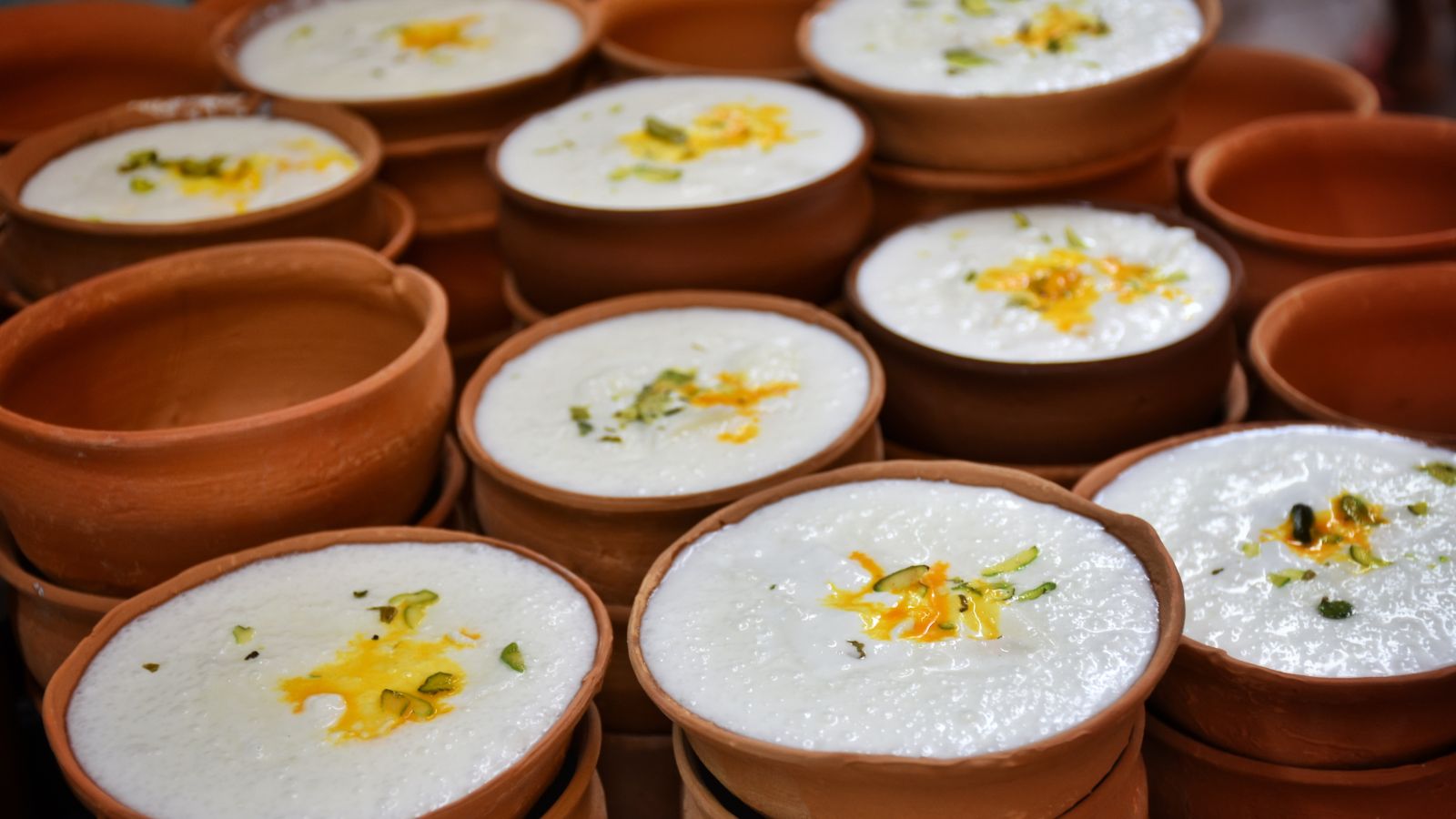
Best Local Food in Varanasi: Must-Try Guide and Tips
Best local food in Varanasi guide with breakfast-first sequencing, street food strategy, sweet-stop planning, and practical one-day routes.
Feb 18Read More
Spiritual
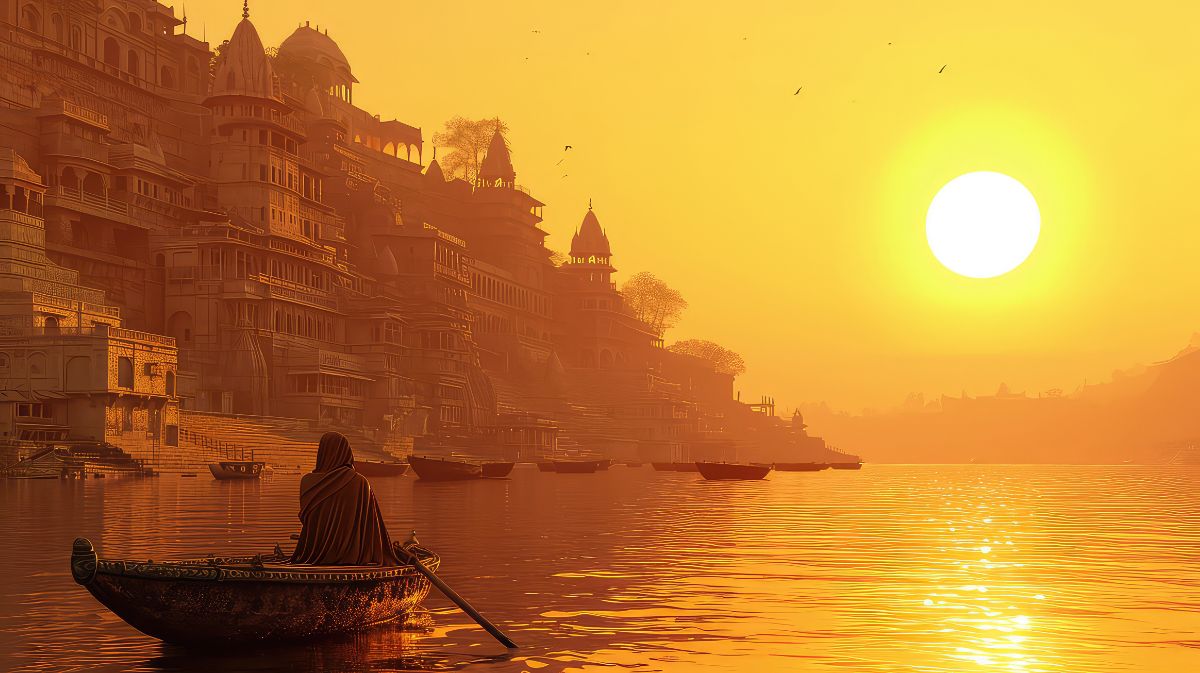
Sunrise in Varanasi: A Spiritual Awakening on the Ghats of the Ganges
Witness the magical sunrise in Varanasi on the sacred Ganges. Discover best ghats, boat rides, Subah-e-Banaras ceremony, and the spiritual significance of dawn in Kashi.
Nov 19Read More
Spiritual
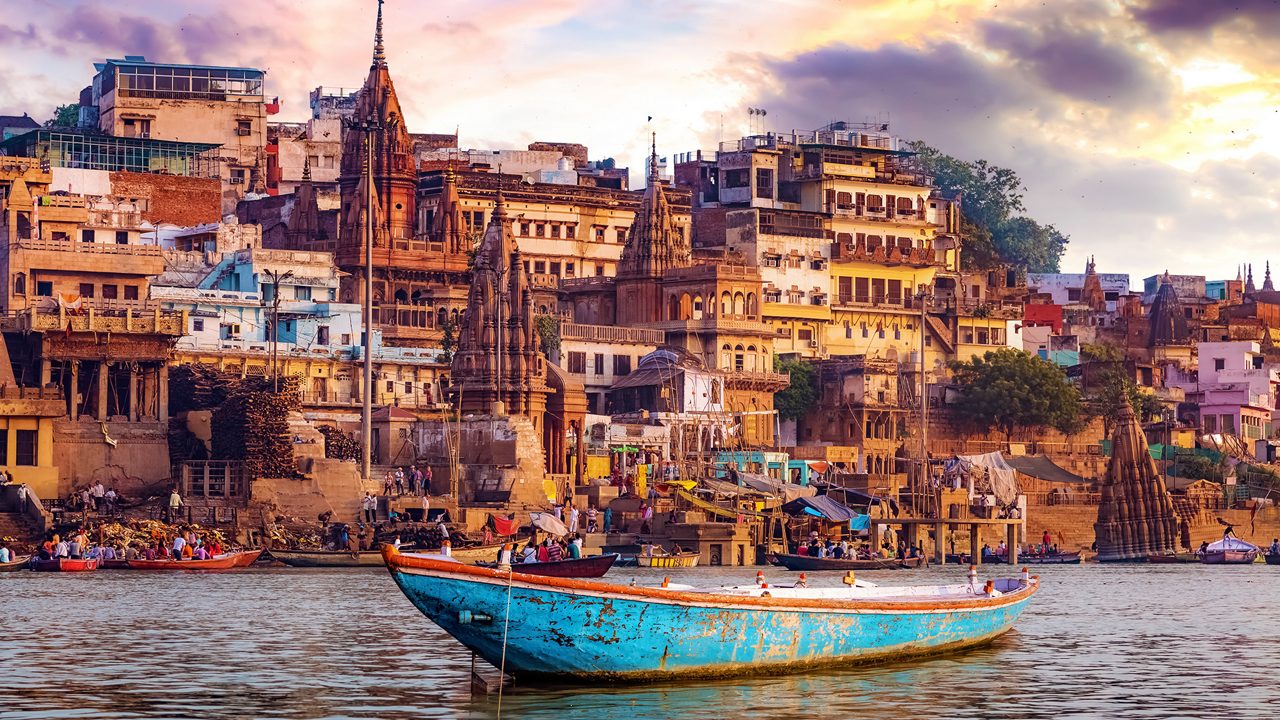
Varanasi: Complete Travel Plan Places And Weather
Complete Varanasi travel guide featuring Kashi Vishwanath Temple, Ganga Aarti, ghats, Sarnath, spiritual experiences, food & practical tips.
Feb 20Read More
Never Miss an Adventure
Get the latest trekking guides, travel tips, and exclusive offers delivered straight to your inbox.
